A full trip can fit into one small bag if you stop packing by days and start packing by volume. The best cabin bag packing plan is not about squeezing harder; it is about giving each litre a job, cutting duplicates, and leaving just enough empty space to move fast through airports, stairs, trains, and old streets.
Most travelers do not run out of room because they need more clothes. They run out of room because they pack too many single-purpose items. Once you build a cabin bag packing plan around a fixed wardrobe, a fixed liquids allowance, and a fixed buffer for real life, one-bag travel becomes much more practical than it sounds.
Start With a Space Budget, Not a Wish List
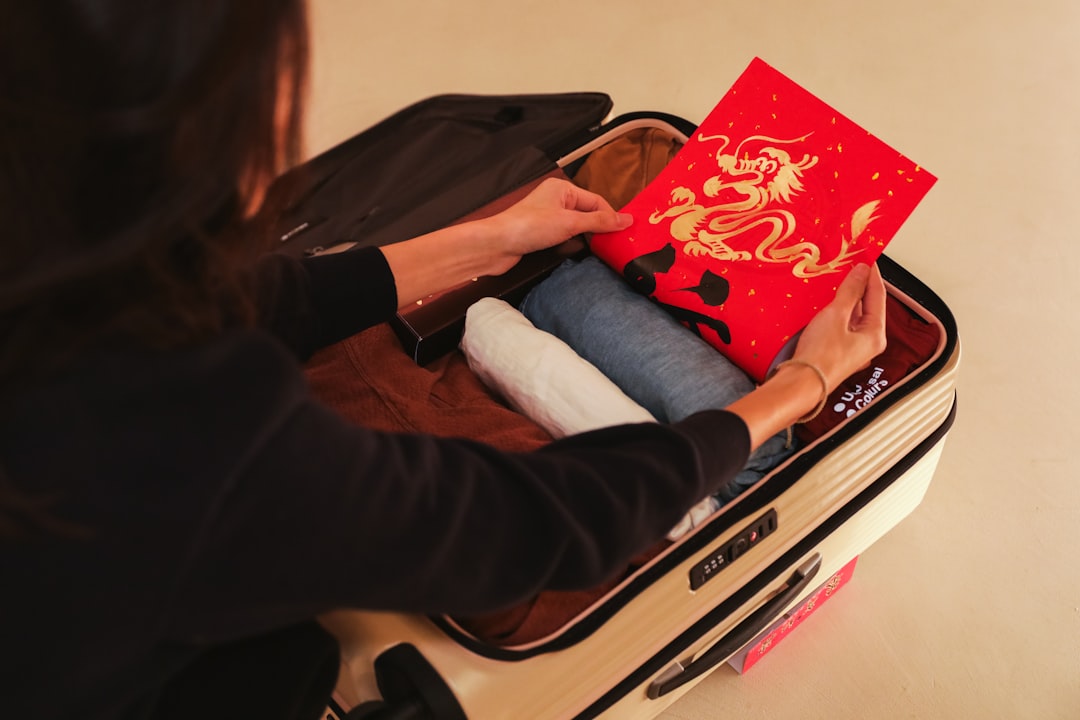
Photo by Eminent Luggage on Unsplash
A carry-on works best when you treat it like a tiny studio apartment: every corner must earn rent. For most full-service airlines, a practical target is a 35 to 40 litre bag and a packed weight of 7 to 10 kg, though limits vary. If your empty roller already weighs 3.5 kg, you have given away half a winter wardrobe before you zip it.
The easiest way to make a cabin bag packing plan work is to assign rough space before you choose any outfits. That stops the classic mistake of filling the bag with clothing and then realizing your charger, toiletries, and rain layer have nowhere to go.
| Bag space | Target volume | What belongs there |
|---|---|---|
| Core clothing | 18 L | Tops, bottoms, underwear, sleepwear |
| Shoes and outer layer | 8 L | Second shoes, packable jacket, laundry pouch |
| Toiletries | 3 L | Liquids bag, toothbrush, grooming basics |
| Tech and documents | 4 L | Chargers, adapter, power bank, passport sleeve |
| Flex buffer | 5 L | Snacks, weather swing, small purchases |
Use these numbers as a planning guardrail:
- Aim to leave 10 to 15 percent of the bag empty at home.
- If an item only works with one outfit, cut it.
- If your bag is bulging before you add toiletries, remove one bottom and one just-in-case layer.
- Wear the heaviest shoes, jacket, and trousers in transit.
That flex buffer matters more than people expect. It is what lets you add a supermarket picnic, a damp umbrella, or a scarf after a windy ferry crossing without turning your whole bag into a wrestling match.
Build a 7-Day Wardrobe That Repeats on Purpose
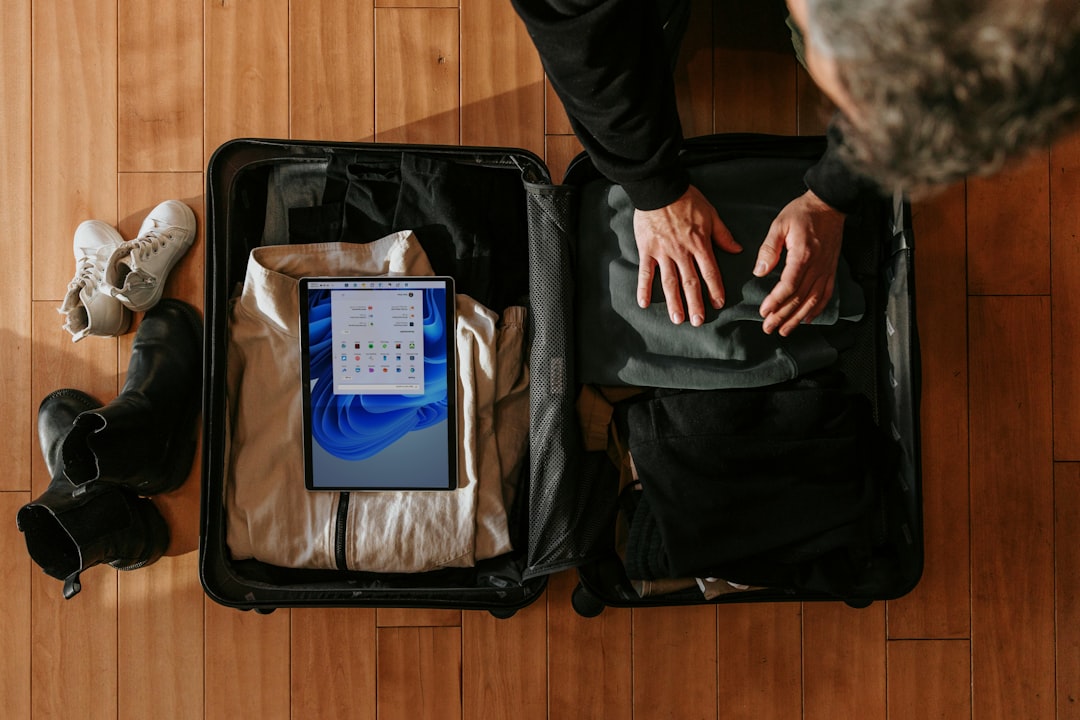
Photo by Surface on Unsplash
The smartest cabin bag packing plan for a 5-day trip and a 12-day trip looks surprisingly similar. You are not packing for the full calendar. You are packing for about one week, plus one laundry reset. In many cities, self-service laundries cost around EUR 5 to EUR 8 for a wash and EUR 2 to EUR 4 for a dry. Hotel laundry is easier but pricier, often EUR 10 to EUR 25 for a small load or several individual items.
What makes one-bag travelers look polished is not variety. It is coherence. Dark neutrals hide wear, quick-dry fabrics recover overnight, and one light layer can shift a daytime outfit into dinner without adding bulk. If you are heading somewhere humid and transit-heavy, a route like 7 Days in Seoul in 2026: The First-Timer Route That Works rewards breathable layers far more than extra outfits.
A reliable one-week clothing core looks like this:
- 4 tops, including 1 slightly smarter option
- 2 bottoms, usually 1 lightweight trouser and 1 short, skirt, or second trouser
- 1 overshirt, cardigan, or thin knit
- 1 packable rain shell or light jacket
- 5 underwear
- 4 pairs of socks
- 1 sleep set that can double as lounge clothes
- 1 swimsuit if there is any realistic chance of a beach, pool, or spa
- 2 pairs of shoes maximum, including the pair on your feet
What usually deserves space:
- Merino or quick-dry tees
- Lightweight woven trousers
- A shirt that works open over a tee or closed for dinner
- A thin rain shell instead of a bulky hoodie
- Sandals that can handle both showers and a casual meal
What usually wastes space:
- Thick denim jacket
- Heavy cotton sweatshirt
- More than one backup bottom
- Separate pajamas if a tee and shorts already work
- A third pair of shoes
If you are packing for drizzly stations, short walks, and changeable skies, UK Short Break Destinations for 2026: Plan the Right Trip is exactly the kind of route style where layers beat bulk every time.
Use Trip-Type Swaps, Not Extra Outfits
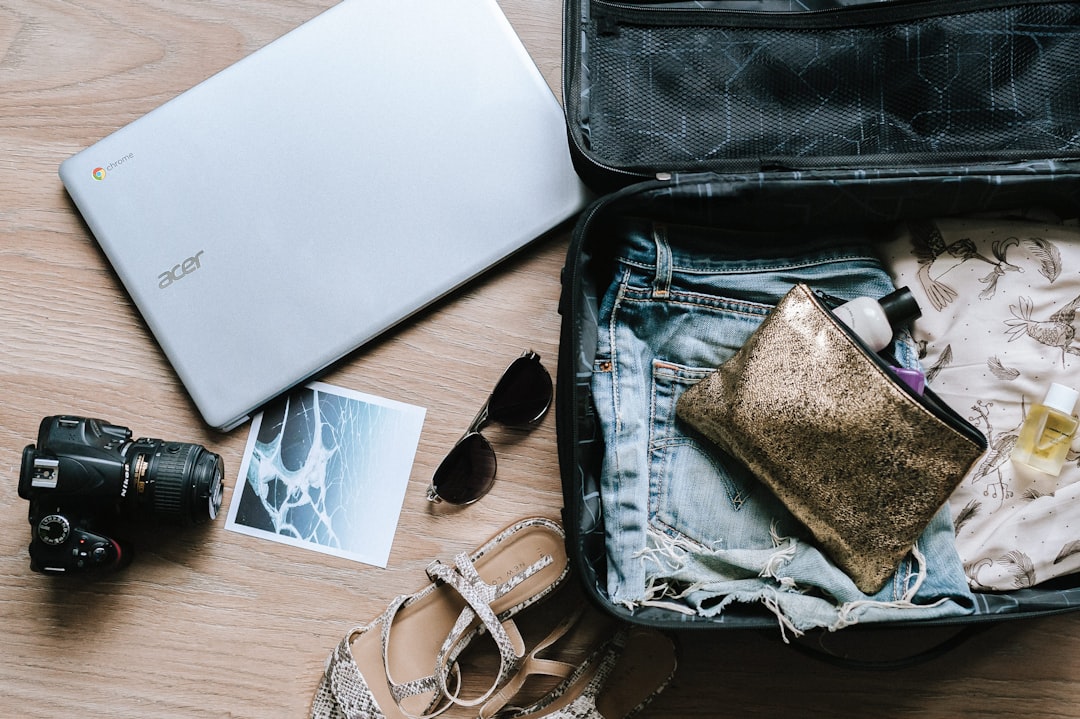
Photo by Anete Lūsiņa on Unsplash
Most people overpack because they rebuild the whole bag for every trip. A better move is to keep the same base list and swap only four or five items depending on the trip type. Your core stays stable; your specialist pieces change.
This is where a cabin bag packing plan becomes much easier to repeat. Once you know your standard 7-day core fits, every future trip becomes a matter of swapping, not reinventing.
| Trip type | Add | Remove | Best shoe move |
|---|---|---|---|
| Weekend city break | 1 nicer top, compact crossbody, wrinkle-release spray | Extra casual layer | Wear trainers, pack flats or loafers only if needed |
| Beach trip | Sun shirt, second swimsuit, sandals | Heavier trouser, bulky knit | Wear walking shoes, pack slim sandals |
| Work trip | Blazer, collared shirt, dark knit | Swimwear, casual overshirt | Wear the smartest bulky pair |
| Cold-weather trip | Merino base layer, beanie, gloves, thermal leggings | Spare top, spare bottom | Wear boots on the plane, never pack them |
| Multi-city rail trip | Fold-flat tote, extra socks, compact umbrella | Heavy toiletries | Stick to one all-day walking shoe |
For a beach-heavy route like 5 Days in Mallorca in 2026: Ultimate Day-by-Day Route, the winning swap is usually simple: remove one city layer, add swimwear and sun protection, and keep evening clothes light. For a work trip, the opposite is true: you cut leisure pieces so one polished layer can do more work.
A good rule is this: for each specialist item you add, remove one standard item of similar bulk. Add sandals, remove flats. Add blazer, remove overshirt. Add thermal leggings, remove spare trousers. That one-for-one discipline is what keeps a one bag travel setup from quietly expanding into a checked suitcase mindset.
Pack in the Right Order: The 5-Zone Method
A strong cabin bag packing plan is less about folding technique than packing order. When things are packed in the wrong zone, the bag feels full even when it is not. Shoes crush soft clothes, chargers migrate, and airport security turns into a floor show.
Packing cubes help because they create structure, but the real trick is where each category sits.
Zone 1: Heavy Base
Put the densest items at the bottom of a roller or close to your spine in a backpack.
- Second shoes in a shoe bag
- Packed jeans or heavier bottom if not worn
- Laundry pouch
- Dense knit if truly needed
Zone 2: Clothing Layer
This is the flat middle layer where most of your space lives.
- One cube for tops
- One cube for bottoms
- One small cube for underwear and socks
- Sleepwear or swimwear tucked on top
Roll soft items, fold structured ones. A shirt with a collar will usually look better lightly folded than tightly rolled.
Zone 3: Dead-Space Fillers
The empty gaps are where a bag wins or loses.
- Socks inside shoes
- Cables in the curve beside shoes
- Belt around the inside edge of the bag
- Fold-flat tote on top of cubes
Zone 4: Top-Access Layer
Anything you may need before the hotel belongs here, not buried underneath a week's worth of clothing.
- Liquids bag
- Medication
- Toothbrush if you have a late arrival
- Power bank
- Snacks
- Pen
Zone 5: Under-Seat Personal Item
Think of this as the cockpit. It should hold the items that matter if your main bag is in the overhead bin for hours.
- Passport and wallet
- Phone and charger
- Headphones or earbuds
- Refillable water bottle, empty through security
- One warm layer or scarf
- E-reader or notebook
Before you leave home, do a 10-minute carry test:
- Pack fully.
- Lift the bag into an overhead-height space or shelf.
- Walk with it for 10 minutes.
- Reopen it and remove one item you did not miss.
That last step is where space magically appears.
Beat the Liquids Rule Without Buying Tiny Chaos
Toiletries are where a beautiful clothing plan goes to die. A single full-size sunscreen, heavy makeup bag, or oversized hair product can eat the space of two tops. If you want to fit everything in hand luggage, solids and miniatures do more than compression cubes ever will.
The core rules are still the ones to remember in 2026: most flights require liquid containers of 100 ml or less, all inside one small clear bag, and power banks should stay in the cabin. Always confirm the latest rules with official guidance before you fly, especially if your route mixes countries.
Useful official checks:
The easiest carry-on only packing swaps are:
- Solid deodorant instead of spray
- Shampoo bar instead of bottle
- Small sunscreen for arrival day, then buy a larger bottle locally
- One skincare decant instead of a full routine
- One multi-use balm instead of separate hand cream, lip treatment, and cuticle cream
A smart hand luggage packing list for toiletries is usually enough with:
- Toothbrush and small toothpaste
- Solid deodorant
- Travel sunscreen
- Moisturizer
- Razor if needed
- Minimal makeup or grooming kit
- Prescription medication
- Tiny health pouch with blister pads, pain relief, and rehydration salts
If you can buy it for under USD 5 or EUR 5 after landing and you do not need it on night one, it probably does not deserve cabin space.
The Night-Before Checklist That Stops Overpacking
Packing gets messy when decisions happen too late. The cleanest cabin bag packing plan is built the night before around weather, laundry, and transit friction, not around mood. I like to check forecast swings and moving days before locking the list; doing that while sketching a route in TravelDeck is often enough to spot whether I need a rain shell, a second shoe, or nothing extra at all.
Run this checklist in order and stop when the bag closes easily:
- Check the exact cabin size and weight allowance on your operator's official page.
- Look at arrival-day and departure-day temperatures, not just average weather.
- Count hotel changes; more moving days mean fewer shoes and fewer toiletries.
- Confirm whether you have laundry access by day 5 to day 7.
- Remove one bulky item before you zip the bag.
- Put tomorrow's plane outfit aside instead of packing it by mistake.
- Keep 10 percent of space free.
A final do-not-pack list helps too:
- Extra outfit for a hypothetical fancy dinner
- Third pair of shoes
- Full-size shampoo
- Big towel unless a hostel specifically requires it
- Paper guidebooks you will not finish
- Multiple charging bricks if one compact one works
One bag travel feels best after landing. You step off a train, climb a narrow staircase, or cross a wet square of cobblestones, and suddenly every item you cut at home feels like a gift to your future self.
FAQ
How many days of clothes fit in one cabin bag?
For most travelers, a 35 to 40 litre bag fits 5 to 7 days of clothing comfortably, plus toiletries and tech. With one laundry stop, that same setup usually covers 10 to 14 days without trouble.
Is rolling or folding better for a hand luggage packing list?
Use both. Roll soft items like tees, underwear, and casual shorts. Fold structured items like shirts, trousers, and blazers so they keep their shape and wrinkle less.
What size bag works best for carry-on only packing?
A bag around 35 to 40 litres is the sweet spot for most trips. It is large enough for a one-week wardrobe but small enough to keep you honest on weight and volume.
Can I pack for winter in one bag?
Yes, but only if you wear the bulkiest pieces in transit. Boots, coat, and heavy knit should be on your body, while the bag carries thin thermal layers, spare tops, and accessories.
What should always stay in the cabin with me?
Keep medication, documents, bank cards, electronics, chargers, and one warm layer in your personal item or carry-on. Those are the items you cannot afford to lose access to, even for a few hours.
Packing everything into one small bag is not a minimalist stunt. It is a planning skill. Once your clothes repeat well, your liquids shrink, and your bag has a clear zone for every item, travel gets quieter, faster, and far less exhausting from the very first station platform to the final flight home.