Carry-On Packing System for Awkward Trips in 2026
The difference between a smooth trip and a miserable one is often not the flight, the hotel, or even the weather. It is the bag. A smart carry on packing system can save you baggage fees, cut airport stress, and make a messy itinerary feel strangely elegant. If you have ever tried to pack everything in a carry-on for a trip that includes a client dinner, a rainy arrival, a train transfer, and one night when you actually want to look good, you already know the challenge is not space alone. The challenge is choosing the right version of each item.
Most carry-on advice is written for easy trips: a sunny weekend, a simple city break, a beach escape where half your wardrobe can be a swimsuit and two light shirts. Real life is rarely that neat. Real trips are awkward. They mix climates, dress codes, transport types, and the small chaos of being a person away from home. You might need a blazer on Thursday, sneakers for 18,000 steps on Friday, and something polished enough for a birthday dinner on Saturday. That is where a real carry on packing system matters.
This guide is built for those awkward trips. Not beach-only. Not ski-only. Not a perfect capsule wardrobe fantasy shot on a white hotel bed. This is about how to pack everything in a carry-on when the trip is demanding, the airline is strict, and your bag has to behave like a tiny mobile closet. If you want simpler templates for straightforward getaway types, Carry On Packing Tips for Beach, City, Work, and Winter Trips covers that ground. Here, we are going after the harder problem: one bag, multiple roles, no wasted pieces.
I usually map weather ranges, laundry windows, and transfer times inside TravelDeck before I choose what actually earns space in the bag. That small planning step changes everything, because the smartest packing is never about bringing more. It is about removing the wrong things before they ever reach the zipper.
Why this carry on packing system works for awkward trips
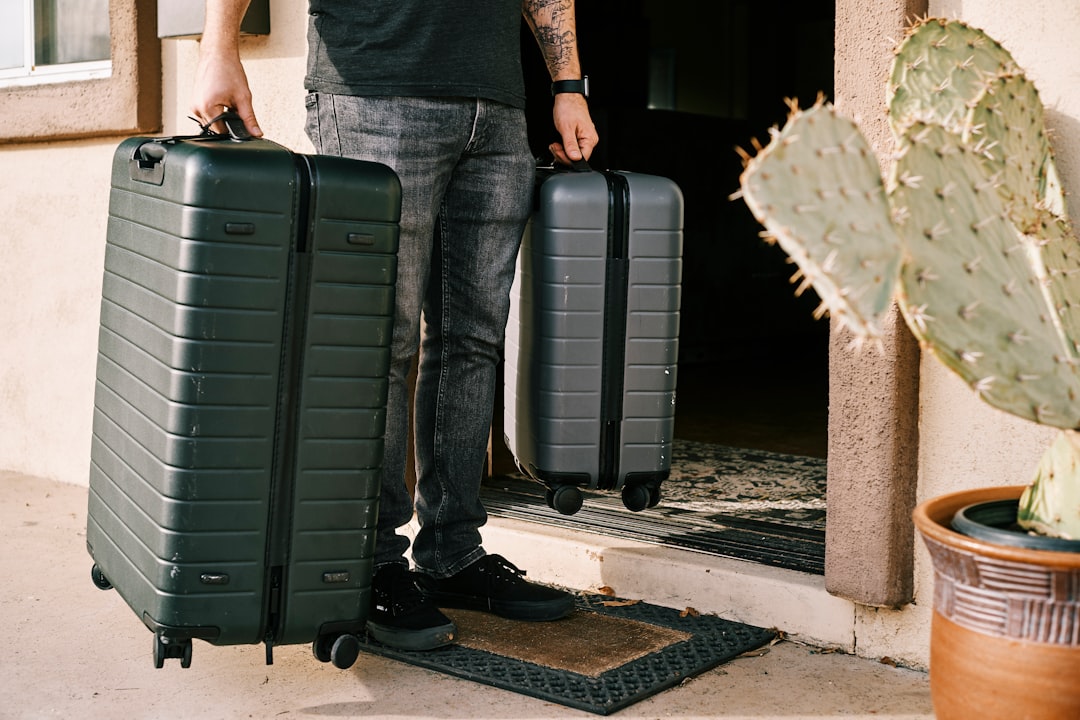
Photo by Kit (formerly ConvertKit) on Unsplash
A weak packing strategy starts with days. Day one outfit, day two outfit, dinner outfit, maybe outfit, backup outfit. That is how a carry-on fills with duplicates before you even get to socks. A better carry on packing system starts with roles. What do you need to do on this trip, and what single item can do more than one job? The shirt that works on a plane and under a blazer. The trouser that fits a museum morning and a late bar reservation. The shoe that looks clean enough for dinner but can still cross a station platform at speed.
When you pack by role instead of by day, the bag suddenly has oxygen in it. You stop dragging five versions of the same category through airports and start carrying a compact set of pieces that can rotate. That is how you travel light for a week even when the trip feels bigger than a week. It also protects your budget. Checked bag fees, last-minute laundry, replacement toiletries, and airport impulse buys quietly stack up. If you are trying to keep the whole trip realistic, the same logic that shapes a better bag also helps the numbers make sense, much like the thinking in Trip Cost Breakdown for 2026: Build a Budget That Fits Real Life.
The emotional part matters too. One bag changes your pace. You walk differently with it. You take the stairs instead of hunting for an elevator. You say yes to the metro instead of defaulting to a taxi. You arrive at a fourth-floor guesthouse and do not immediately resent your own belongings. A good carry on packing system gives you momentum, and momentum is one of the great hidden luxuries in travel.
Here are the five rules behind this approach:
- Pack by function, not by calendar.
- Build around one dominant shoe and one optional specialist shoe.
- Assume one laundry reset on any trip longer than four days.
- Wear the bulkiest outfit on transit day, even if it is not your favorite travel look.
- Leave empty space on purpose. A bag that closes under pressure is a bag that becomes chaos on day two.
The three-zone bag setup that helps you pack everything in a carry-on
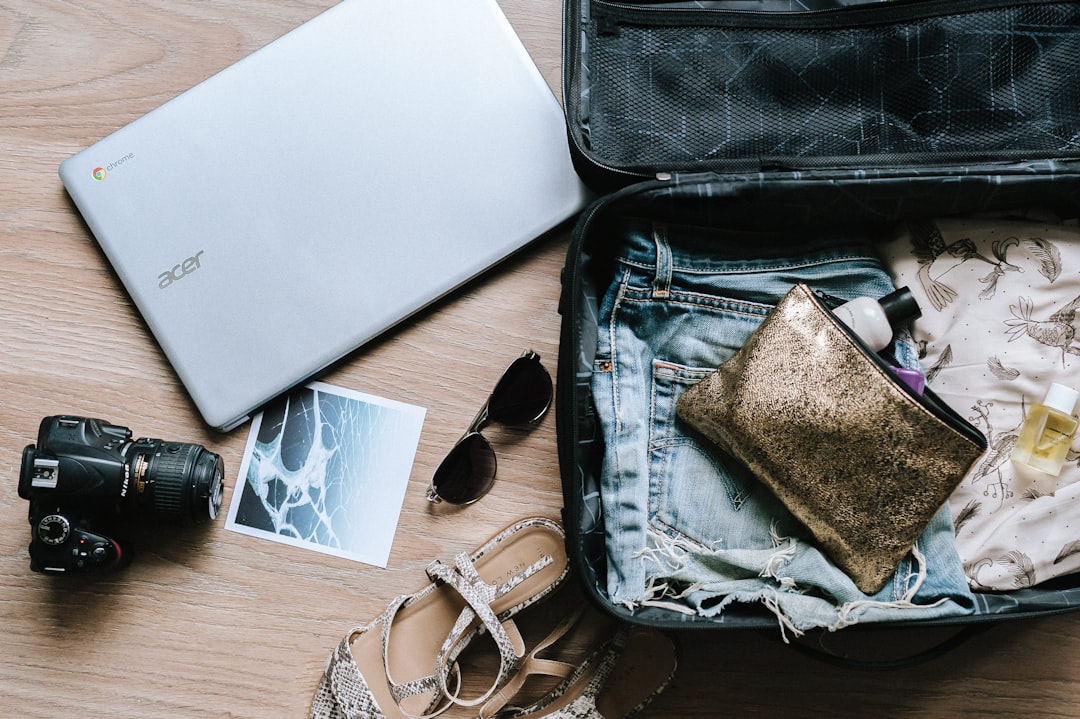
Photo by Anete Lūsiņa on Unsplash
The simplest way to pack everything in a carry-on is to stop thinking of the bag as one cavity. Treat it as three zones. This carry on packing system works because each zone answers a different travel problem: what you need in transit, what you rotate during the trip, and what you hope not to touch unless conditions change. Once the bag has those boundaries, you stop tearing through everything to find a cable, a sweater, or your liquids pouch while strangers watch you kneel on an airport floor.
Zone one is the access zone. This is the front pocket, top pouch, or easiest-reach area. It is for the items that matter when you are in motion: passport, wallet, boarding pass backup, earbuds, pen, lip balm, medication, power bank, cable, clear liquids bag, and one light layer if the plane feels like a refrigerator. These pieces are not packed for the destination. They are packed for the journey itself. Most people overload this zone and turn it into a junk drawer. Keep it sharp and small.
Zone two is the core zone. This is the heart of your carry on packing system and where the real volume lives. Your clothing cubes, sleepwear, spare underwear, socks, packed shoes if you bring a second pair, and the main toiletry kit belong here. This is the section you access at the hotel, not in the security line. If you open your bag in a room after a long arrival and the contents look calm instead of exploded, your system is working.
Zone three is the contingency zone. This is the part many travelers ignore until it costs them. The contingency zone is not a drawer for panic packing. It is a tiny reserve for changes in weather, dress code, or timing. A packable rain shell, stain pen, mini laundry soap sheet, fold-flat tote, or spare collar-friendly top can live here. This zone is what allows you to travel light for a week without feeling fragile.
What goes in each zone
| Zone | What belongs there | Why it matters |
|---|---|---|
| Access zone | Passport, phone, wallet, power bank, charging cable, liquids bag, medication, pen, eye mask | Fast retrieval at security, gate, and on board |
| Core zone | Clothing cubes, main toiletries, packed shoes, sleepwear, laundry pouch | Keeps the bag stable and your hotel unpack simple |
| Contingency zone | Rain shell, emergency stain kit, spare smart top, foldable tote, laundry sheet | Handles weather swings, spills, and unexpected plans |
A practical way to build this is with two medium cubes and one slim pouch. One cube for tops and underwear, one for bottoms and sleepwear, one pouch for contingency items. If you use a clamshell backpack, keep the access zone in the admin compartment and the contingency pouch at the very top of the main compartment. If you use a roller, keep the contingency items nearest the zipper line, not buried under your shoes.
This is where a carry-on packing list becomes more than a checklist. It becomes choreography. You know what comes out at security, what stays zipped until the hotel, and what can save you on a cold, wet evening when the city turns against your original plan.
The bag choice that makes a carry on packing system easier
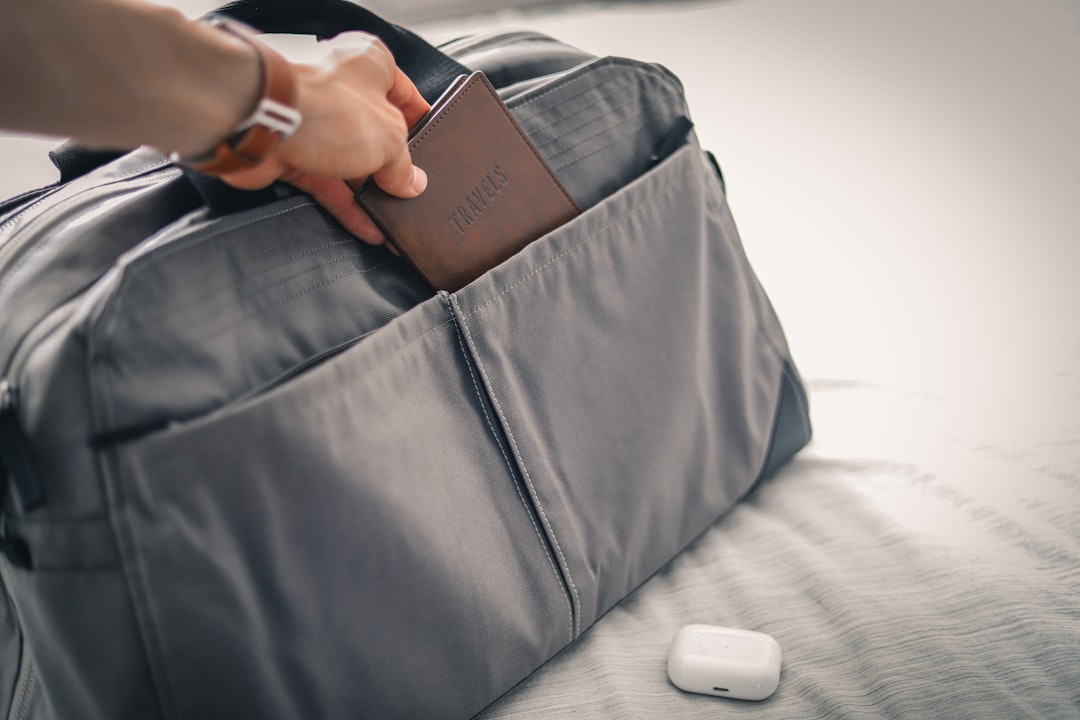
Photo by Taylor Beach on Unsplash
Your bag does not need to be expensive, but it does need to be honest. An honest bag fits airline rules without negotiation, carries well for at least 20 minutes, and opens in a way that lets you see what you packed. The sweet spot for most awkward itineraries is a 32L to 38L travel backpack or a compact international-size roller with a simple interior. Bigger bags invite fantasy packing. Smaller bags punish you if one event on the trip requires smarter clothes.
For this kind of carry on packing system, backpacks usually win when the itinerary includes stairs, trains, old neighborhoods, ferry docks, or hotels reached by walking. Rollers win when the trip is airport-heavy, work-facing, or built around smooth sidewalks and short transfers. The wrong bag is often not about liters. It is about context. A polished work trip can feel off if you arrive at a client office looking like you are about to summit a volcano. A station-hopping trip across Europe can feel absurd if you are dragging a rattling hard shell over cobbles at dawn.
Weight matters more than travelers think. Budget airlines can be strict on both dimensions and kilos, and even full-service airlines become unforgiving on crowded routes. If the empty bag is already heavy, your carry on packing system starts in debt. Choose structure where you need it, not everywhere.
Bag formats compared
| Bag type | Best for | Typical capacity | Main advantage | Main risk |
|---|---|---|---|---|
| Clamshell travel backpack | Train-heavy trips, mixed terrain, quick hotel moves | 32L-40L | Hands-free, flexible, easy to compress | Can look casual for formal work settings |
| Soft-sided roller | Work trips, smoother cities, direct airport transfers | 34L-40L | Polished look, easy on shoulders | Wheels eat space and gate-check risk is higher |
| Hybrid duffel-backpack | Weekend-plus trips, car travel, lighter loads | 28L-35L | Flexible shape, quick loading | Harder to organize for longer itineraries |
The bag features worth caring about
- Clamshell opening or at least a wide panel opening
- External quick-access pocket for travel documents and cables
- Compression straps that flatten, not bulk up, the bag
- A laptop sleeve only if you are truly carrying a laptop
- A back panel or wheel system that does not add unnecessary empty weight
- One visible place for a water bottle, not six decorative pockets you will forget to use
If you want to pack everything in a carry-on, stop shopping for bags based on marketing categories like adventure, executive, or premium. Shop for visibility, comfort, and compliance. When the airline sizer appears at the gate, branding will not save you.
A carry-on packing list for weddings, work trips, and weather swings
The hardest trips are not long trips. They are mixed trips. A four-day itinerary can be harder than a ten-day one if it asks your bag to cover a business lunch, a family dinner, a rainy arrival, and two different shoe expectations. That is why a strong carry on packing system does not begin with the number of nights. It begins with the most difficult moment on the itinerary and then works backward from there.
Start by identifying the highest-pressure clothing situation. Maybe it is a wedding. Maybe it is a work presentation. Maybe it is simply a destination where the days are warm but the evenings turn cold and windy. Once you identify that pressure point, pack the lightest possible solution for it, then build the rest of the bag around repeatable basics. This is how you pack everything in a carry-on without filling it with single-use pieces.
Think in outfits that ladder upward. Your base outfit is what you can walk all day in. Your next level is what happens when you add one clean layer or swap footwear. Your highest level is the event look. Each step should use the same core clothes, not introduce a whole new wardrobe. This is the part of the carry on packing system most people skip, and it is why they end up carrying an extra dress, another shirt, one more pair of trousers, and a second jacket they touch once.
The master carry-on packing list
Wear these on the plane if possible:
- Your heaviest shoes
- Your bulkiest trousers or jeans
- Your main layer, such as blazer, overshirt, cardigan, or light jacket
- Belt if needed
- Watch and small jewelry rather than packing them loosely
Pack these in the bag:
- 3 tops that can all work with every bottom
- 1 smart top or shirt that upgrades the whole system
- 2 bottoms, ideally one dark and one lighter or more relaxed
- 1 compact outer layer, such as rain shell or ultralight insulated jacket
- 1 sleep set or a T-shirt and shorts that can double as sleepwear
- 4 underwear
- 3 socks
- 1 compact laundry pouch with detergent sheet or a few drops of concentrated soap in a tiny bottle
- 1 secondary shoe only if it solves a genuine dress-code problem
- 1 packable tote or fold-flat day bag
How to edit the list by trip type
| Trip type | Keep | Add | Cut |
|---|---|---|---|
| Wedding weekend | Dark wrinkle-resistant trousers, polished shirt or dress, clean loafers or flats | One event-ready accessory, garment sleeve for delicate piece | Casual extra outfit you will not wear |
| Remote-work city week | Lightweight knit, presentable top for video calls, comfortable trousers | Laptop only if needed, compact mouse if you use one daily | Heavy backup tech and duplicate chargers |
| Warm days, cold nights | Breathable tops, one darker bottom, one overshirt | Packable shell or ultralight insulated vest | Thick hoodie that dominates half the bag |
| Train-heavy multi-city trip | Quick-dry basics, one smart layer, one dominant walking shoe | Compression cubes, laundry line or sink stopper if you use them | Bulky hard-shell extras |
| Family event plus sightseeing | A polished main outfit that can be reworn in parts | Compact steamer sheet or wrinkle-release spray decant | Novelty outfit for photos only |
Scenario 1: The wedding weekend carry-on
There is a particular dread to a trip with formalwear. You imagine structured shoes, wrinkle-prone fabric, extra grooming gear, and suddenly the whole one-bag dream collapses. But a wedding weekend is often the easiest place to use a carry on packing system well, because the high-stakes outfit is obvious. Solve that outfit first, then ruthlessly simplify everything around it.
For a wedding weekend, the smartest move is to choose an unstructured blazer or a dress that does not need architectural support. Fabrics with a bit of stretch, texture, or crepe hide travel better than stiff cotton or linen. Men can pack dark, lightweight trousers that work with both sneakers and loafers. Women can choose a dress that layers under a cardigan or blazer on the plane. The key is that your event piece cannot require its own ecosystem.
Carry-on packing list for a wedding weekend:
- 1 event outfit in wrinkle-tolerant fabric
- 1 pair of event shoes, only if your main shoe truly cannot substitute
- 1 neutral top for travel days
- 1 second top for sightseeing or brunch
- 1 dark bottom that works with both casual and smart looks
- 1 packable outer layer for weather insurance
- Minimal accessories kept in a small zip pouch
Scenario 2: The remote-work week with after-hours plans
This is one of the most deceptive trip types because the laptop tricks you into thinking you are carrying half an office. Then evening plans convince you to add clothes for a second identity. A disciplined carry on packing system solves both. You do not need business clothes and nightlife clothes. You need neat, repeating clothes with a strong top layer.
Choose one polished overshirt, blazer, or knit that makes your simple base clothes look intentional. Dark trousers or well-cut travel chinos can survive coworking spaces, cafés, museums, and dinner. For tops, lean into smooth textures and solid colors that look clean on video and in person. One bag travel tips matter most here: one cable standard, one charger brick, one device decision. Unless your work truly demands it, do not bring both laptop and tablet.
Carry-on packing list for a remote-work week:
- 2 everyday tops
- 1 meeting-ready shirt, blouse, or knit
- 2 bottoms
- 1 presentable top layer
- 1 compact laptop setup
- Earbuds instead of large over-ear headphones if space is tight
- Small notebook if you truly use it
- Laundry plan for day four or five
Scenario 3: The mixed-weather city trip
This is where travelers panic-pack. The forecast shows rain, sun, wind, and one cold evening. Suddenly the suitcase wants boots, sandals, a sweater, a jacket, a scarf, and two emergency shirts. The better answer is fabric, not volume. A carry on packing system for changing weather depends on thin layers that can stack.
Pack breathable tops in quick-dry or merino blends, a medium-weight layer that looks good indoors, and one shell that blocks wind or rain. Skip thick cotton hoodies unless the whole trip is casual and cool. They drink up space, dry slowly, and almost never justify their bulk. To travel light for a week in mixed weather, your bag must hold adaptable warmth, not heavy warmth.
Carry-on packing list for mixed weather:
- 3 quick-dry or merino-blend tops
- 1 long-sleeve layer or fine-gauge knit
- 2 bottoms
- 1 rain shell or compact insulated layer
- 1 scarf or buff only if truly useful in your season
- 1 dominant walking shoe with decent grip
One bag travel tips for shoes, laundry, and repeat outfits
If clothes are the emotional part of packing, shoes are the mathematical part. They are heavy, oddly shaped, and often the reason a bag stops being flexible. The best one bag travel tips are usually just clever forms of shoe discipline. Start with the reality that one main pair should carry the trip. That pair should be comfortable enough for long walking days, clean enough for a nice dinner, and understated enough that nobody notices you wearing it again.
Modern travel is kind to versatile footwear. Minimal leather sneakers, dark trail-inspired sneakers, polished loafers with cushioned soles, and slim ankle boots can all perform double duty if the itinerary is chosen honestly. The fantasy pair is what ruins the plan. If you are packing delicate heels for a trip dominated by cobblestones, or heavy boots for a route made of museums and cafés, your bag is already paying for a decision you will regret.
Laundry is the second lever. People who cannot imagine carry-on only packing are usually imagining a fresh outfit every day. But travel light for a week is not about wearing dirty clothes. It is about washing small items early enough that they never become a crisis. Underwear, socks, and lightweight tops can reset overnight with a sink wash, a towel press, and decent airflow. On longer trips, a local laundromat or hotel service is less inconvenient than hauling seven extra days of fabric around Europe or Asia.
Practical rules for shoes and clothing rotation
- Wear the biggest pair on the plane, always.
- If a second pair comes, it must be flatter, lighter, and purpose-specific.
- Dark bottoms buy you extra wear because they hide transit grime and minor spills.
- Keep tops in a tight palette so every bottom works with every top.
- Use accessories as your style switch: earrings, scarf, lipstick, belt, watch, or one better shirt do more than an extra outfit.
- Wash underwear and one top before the trip reaches the point of emergency.
- Repack every morning in the same order so the bag stays calm.
The outfit ladder method
This is the simplest carry on packing system trick I know for awkward itineraries:
- Choose one base look for walking and transit.
- Choose one layer that upgrades the base look.
- Choose one event element that upgrades the upgraded look.
- Make sure the shoes work at every level or bring one specialist pair.
Example:
- Base: dark trousers, neutral tee, clean sneakers
- Upgrade: add knit or overshirt
- Event: swap to polished shirt or blouse, add blazer, better jewelry, switch to compact second shoe only if necessary
That is how you pack everything in a carry-on and still arrive looking like you planned the trip instead of merely surviving it.
Carry-on only packing for toiletries, tech, and airport access
A beautiful clothing setup can still fail if toiletries and electronics sprawl across the bag like ivy. In almost every carry on packing system, the category that causes the real mess is not shirts. It is cables, adapters, liquids, and tiny objects with no fixed home. Good carry-on only packing makes these categories boring. If you cannot describe exactly where your charger, toothpaste, and power bank live, the system is not finished.
Toiletries should be built around three decisions: what must come with you, what can go solid, and what can be bought on arrival. Most travelers overestimate the necessity of full skincare routines and underestimate how much volume liquids create. If a trip is under a week, you need very little. If it is longer, you still need less than you think. Solid shampoo, solid soap, solid deodorant, and mini decants are the easiest win in the whole carry on packing system.
Tech should follow the same discipline. Carry the devices you will use daily, not the devices that make you feel theoretically prepared. A phone is non-negotiable. A laptop may be necessary. A tablet is optional. A camera is optional unless photography is a central purpose of the trip. A power bank is useful, but it should be airline-compliant and easy to remove at security if asked.
A lean toiletries setup
- Toothbrush and small toothpaste
- Solid deodorant
- Solid shampoo or a tiny decanted bottle
- Small moisturizer or face cream
- Sunscreen in travel size if needed for arrival day
- Razor only if you will actually use it during the trip
- Prescription medication in original packaging where practical
- Minimal makeup or grooming kit in one slim pouch
- Tiny laundry soap sheet or concentrate
What to buy after arrival when possible
- Full-size sunscreen for beach or outdoors-heavy trips
- Bulky hair products
- Large contact solution if you do not need it immediately in transit
- Cheap umbrellas in rainy cities
- Disposable grooming items you can easily replace
The compact tech kit
- Phone
- One charging brick with enough wattage for your devices
- One or two cables, ideally the same standard
- Compact universal adapter if traveling internationally
- Power bank under airline limits
- Earbuds or foldable headphones
- Laptop only if the trip requires it
Toiletries and tech mistakes that ruin a carry-on packing list
- Packing full-size bottles because the hotel bathroom looks empty in your imagination
- Bringing both work tech and leisure tech with duplicate chargers
- Stuffing cables loose into side pockets so they knot into a black rope nest
- Keeping liquids buried inside the main compartment instead of ready for screening
- Packing a just-in-case beauty routine you never finish at home anyway
For security and prohibited item details, check official rules before flying, especially if you are carrying razors, batteries, or specialty products. Start with TSA What Can I Bring? and then confirm your airline rules if you are connecting internationally.
How to get there
The best argument for a carry on packing system is not abstract minimalism. It is the moment you land. One bag changes the way a city opens to you. You move faster through passport control. You skip the carousel. You can take the train instead of waiting for a taxi large enough for your luggage. You can change stations, hop on a bus, or walk the last uphill block without feeling punished for every extra sweater you packed.
This matters even more on awkward trips, when you may land in one city, transfer by rail, and check into a hotel before changing for dinner. A smaller bag buys flexibility. If you travel solo, it also buys awareness. It is easier to manage yourself, your documents, and your surroundings when you are not wrestling a second suitcase. The habits that make one-bag travel smoother overlap neatly with the routines in Traveling Alone Safely in 2026: A Solo Routine That Works.
Fast airport-to-city transfers where one bag really helps
| Gateway | Best transfer | Duration | Typical cost | Why a carry-on wins |
|---|---|---|---|---|
| Rome Fiumicino Airport, FCO | Leonardo Express to Roma Termini | 32 minutes | about EUR 14 | Easy station changes without dragging a large case |
| London Heathrow, LHR | Elizabeth line to Paddington or central stops | 35-45 minutes | about GBP 13-15 off-peak | Lifts can be crowded, so lighter luggage speeds everything up |
| Barcelona El Prat, BCN | Aerobús to Plaça Catalunya | 35 minutes | about EUR 7-8 | Simple if you are heading straight into a tight urban core |
| Tokyo Haneda, HND | Tokyo Monorail plus JR to major districts | 35-45 minutes | about JPY 700-800 | Transfers are smoother when you can keep the bag close |
| Amsterdam Schiphol, AMS | Train to Amsterdam Centraal | 15-20 minutes | about EUR 5-6 | Crowded platforms favor a bag you can lift quickly |
Gate-check avoidance strategy
- Know your aircraft type if possible. Regional jets are less forgiving than larger aircraft.
- Stay under the published dimensions with a margin, not just on paper.
- Keep lithium batteries and valuables in removable pouches so you can adapt fast if the gate agent asks questions.
- Board early when you can, especially on full flights.
- Do not overstuff exterior pockets. That is what makes a compliant bag suddenly look guilty.
- Keep the bag shape clean. Sagging, bulging bags draw attention.
Before each flight, confirm policies directly with your airline. Useful official pages include Ryanair cabin bag rules, easyJet cabin bag rules, and United carry-on policy.
Things to do
A carry on packing system gets dramatically better when you rehearse it. That may sound excessive until you remember how many trips begin with somebody sitting on a suitcase, removing three random items in the hallway, and repacking under stress. The goal is not perfection. It is familiarity. You want the bag to feel like a tool, not a puzzle.
A few deliberate actions before departure are worth more than buying better gear. The travelers who consistently pack everything in a carry-on are not more stylish or less needy than everyone else. They just test, edit, and repeat.
Seven pre-trip drills that work
- Do a full test pack 48 hours before departure. Put everything in the bag, close it, and carry it around the block or up a few flights of stairs.
- Weigh the bag at home. Bathroom scale math is crude but useful. If you are near the airline limit, remove something now.
- Lay out three complete outfits from the same packed pieces. If you cannot do that, the clothing mix is too narrow.
- Practice your security pull-out. Can you remove liquids, laptop, and power bank in under 20 seconds?
- Check the forecast range, not just the icon. A cheerful sun symbol can hide a 10-degree evening drop.
- Plan one laundry moment. Hotel sink, laundromat, or hotel service; choose before you leave.
- Leave 10 to 15 percent of the bag empty. That space is for snacks, a small purchase, or just easier living.
Where to stay
Accommodation quietly shapes how successful one-bag travel feels. A room on a fifth floor with no lift, a guesthouse with no early bag drop, or a hotel with nowhere to air-dry a shirt can turn a neat system into a scramble. The best stays for carry-on travelers are not always the prettiest. They are the ones that support movement: easy check-in, reliable storage, decent hooks, good lighting, and enough space to open the bag flat.
If your trip is built around trains, early flights, or mixed purposes, prioritize logistics over romance for at least one night. The hotel before a 6 a.m. departure should be functional. The apartment in the middle of the trip can be charming. One bag travel tips are not only about the bag. They are also about choosing places that make the bag easier to live out of.
Good hotel styles for one-bag travelers
| Budget | Typical price | Why it works |
|---|---|---|
| ibis Budget | USD 70-120 in many cities | Efficient rooms, predictable layouts, often near transport |
| Point A Hotels | USD 90-150 | Compact urban bases with easy access to stations and city centers |
| Meininger private rooms | USD 80-160 | Laundry access, practical layouts, useful for train-heavy itineraries |
| Mid-range | Typical price | Why it works |
|---|---|---|
| citizenM | USD 140-240 | Smart room design, reliable desks, easy late check-in |
| Moxy Hotels | USD 140-230 | Casual but organized, good for mixed work and leisure trips |
| Staycity or Adagio aparthotels | USD 150-260 | Kitchenette and laundry options make travel light for a week far easier |
| Luxury | Typical price | Why it works |
|---|---|---|
| The Hoxton | USD 250-400 | Stylish without being precious, good for trips with dinner plans |
| Andaz | USD 280-500 | Strong service, practical room layouts, good ironing and pressing options |
| Grand Hyatt or Sofitel airport-connected properties | USD 260-450 | Excellent for late arrivals or early departures when the bag must stay streamlined |
When booking, look for these features before obsessing over thread count:
- 24-hour front desk or reliable digital check-in
- Luggage storage before check-in and after checkout
- Elevator if your bag includes work gear or formalwear
- In-room iron or quick pressing service if the trip has an event
- Laundry room or laundromat within a short walk
Where to eat
The first meal after arrival matters more than people admit. If you land hungry, you start making bad packing decisions too: carrying heavy snacks for days, buying oversized water bottles you then have to haul, or loading the bag with grocery extras because you did not anchor yourself with one decent meal. A better carry-on only packing rhythm starts with eating well and locally soon after arrival, then keeping your bag free of bulk.
On awkward trips, I like food halls, station markets, and neighborhood counters near transit. They are fast, generous, and let you get back to your room without a complicated detour. If you are moving through major hubs, these are excellent first-stop ideas that keep the trip feeling light.
Smart first-meal stops for one-bag travelers
- Mercato Centrale, Rome Termini, Rome: Good for pizza al taglio, supplì, and quick pasta near a major rail hub.
- Time Out Market, Cais do Sodré, Lisbon: Easy stop for croquettes, seafood rice, and a first taste of Lisbon without a long sit-down dinner.
- La Boqueria, El Raval edge, Barcelona: Ideal for fruit cups, tortilla, and jamón bocadillos after an Aerobús arrival.
- Foodhallen, Oud-West, Amsterdam: A comfortable landing place for bitterballen, fries, and small plates if you want something lively but low-commitment.
- Tokyo Station Ramen Street, Tokyo: Excellent for ramen, gyoza, and a warm reset before a train onward.
- Mercado de San Miguel, central Madrid: Good for tapas if your trip needs one polished but unfussy first evening.
Keep food in the bag simple:
- Refillable water bottle bought or filled after security
- One compact snack for transit delays
- Nothing messy, fragile, or so bulky that it steals space from your actual trip kit
Practical tips
A carry on packing system succeeds when it respects reality: airline rules, weather swings, local laundry access, and your own habits. Fancy gear cannot rescue a bad forecast decision or an overbuilt beauty routine. The practical layer is what turns one bag travel tips into repeatable habits. It is also what keeps you from treating every trip as a special exception, which is how people end up carrying four bags of exceptions.
The best months to use this style are often shoulder-season months, when flights are manageable, cities are active, and the weather still asks for thought. April to June and September to October are excellent for many Europe and North America routes because a flexible layering system works beautifully. Peak summer can still be easy if your trip is casual. Deep winter is possible, but the margin for error shrinks fast and your dominant coat choice becomes far more important.
Seasonal packing edits
| Season | Main challenge | Smart edit |
|---|---|---|
| Spring | Rain and temperature swings | Add a light shell, keep fabrics quick-dry |
| Summer | Heat, sweat, strict weight limits on budget airlines | Reduce layers, lean on laundries and thin fabrics |
| Autumn | Cool evenings, mixed indoor heating | Bring one better mid-layer and a scarf if you truly use one |
| Winter | Bulk from shoes and outerwear | Wear the heaviest coat and boots in transit, cut nonessential extras |
Rules worth remembering
- Best months for easy carry-on only packing are usually shoulder seasons.
- Fast-drying fabrics beat cotton on most multi-day trips.
- Local customs matter: a more polished city may make one refined layer more valuable than two casual tops.
- Currency and cash needs are minimal in many places now, but always carry a small backup amount.
- eSIMs are often simpler than buying a physical SIM on arrival, especially on short trips.
- Safety improves when your luggage does not dominate your attention.
Official links to check before you fly
- TSA liquids and prohibited items
- Ryanair baggage policy
- easyJet cabin baggage help
- United carry-on bags
- Heathrow security guidance
Quick practical checklist
- Check airline size and weight rules the day before departure.
- Keep your liquids and electronics accessible.
- Pack for one laundry cycle, not unlimited clean outfits.
- Use the same carry on packing system every trip so packing gets faster.
- If an item solves only one tiny hypothetical problem, it probably does not belong.
FAQ
Can I really travel for a week with only a carry-on?
Yes, and in many cases a week is exactly where a carry on packing system shines. The trick is not seven full daily outfits. It is three tops, two bottoms, one main shoe, one weather layer, and a laundry plan. If you build around roles instead of days, you can travel light for a week without feeling underpacked.
What is the best bag size for this carry on packing system?
For most mixed-purpose trips, 32L to 38L is the sweet spot. That size is large enough for smart clothing edits and small enough to stay manageable on stairs, trains, and crowded boarding lines. If your trip is strongly work-focused, a compact roller can work well. If it is transit-heavy, a clamshell backpack is usually easier.
How many shoes should I bring if I want to pack everything in a carry-on?
Usually one main pair and, only if necessary, one specialist pair. If the second pair does not solve a real dress-code or activity problem, skip it. Shoes are where space disappears fastest.
What are the most important one bag travel tips for longer trips?
Plan one laundry moment, keep your palette tight, standardize your tech kit, and do not pack backups for imaginary problems. The best one bag travel tips are usually unglamorous: weigh the bag, rehearse security access, and repeat the same system every time.
Is carry-on only packing worth it for work trips or family events?
Absolutely, as long as the clothing is chosen strategically. Carry-on only packing is often easier for short work trips and event weekends than for casual vacations, because the high-priority outfit is clearer. Once that outfit is solved, the rest of the bag can stay lean.
A good carry on packing system does not make travel perfect. Flights still get delayed. Hotels still misplace reservations. Rain still arrives early. But one well-built bag changes your relationship to all of it. You move through a trip with less drag, less noise, and less dependence on luck. And that may be the quiet magic of learning to pack everything in a carry-on: not that you carry less, but that the trip starts to carry you a little more easily.