Walking past baggage claim while everyone else stares at belt 7 feels like a travel cheat code. A checked bag on many routes now costs about $35 to $60 each way, and if it misses a connection, your first evening can vanish into pharmacy runs and emergency T-shirt shopping. These carry-on packing rules are built for one job: help you fit everything you actually need for 7 to 10 days into one cabin bag.
This is not minimalist theatre. It is a practical system for real trips: a city break with dinners out, a cool-weather route with trains and stairs, an active itinerary with dusty paths, or a warm week where laundry matters more than outfit variety. Pack with limits, and the whole trip gets lighter.
Start with the bag, not the clothes
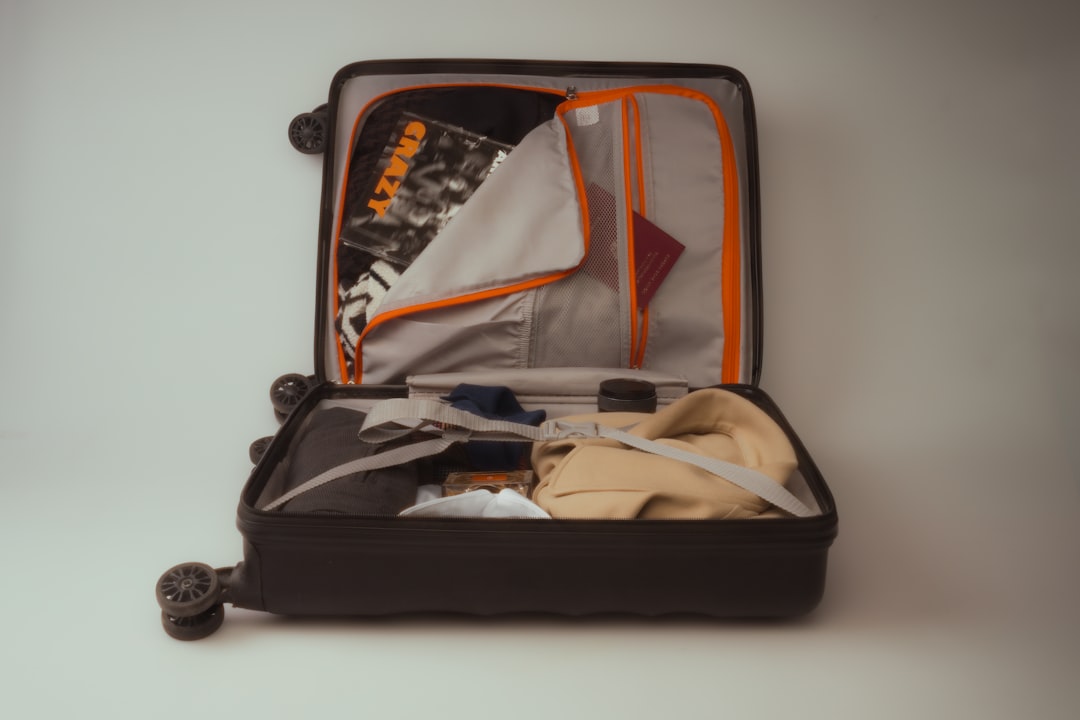
Photo by Jens Riesenberg on Unsplash
Most carry-on failures happen before a single shirt goes in. Travelers buy a bag that is too big when full, too heavy when empty, or too structured to squeeze into a strict overhead bin. For most full-service airlines, the safe zone is roughly 55 x 35 x 23 cm, with a weight allowance around 7 to 10 kg. Budget carriers can be stricter, so always check your airline's official rules before you fly.
A soft-sided carry-on or travel backpack usually gives you more forgiveness than a hard shell because it can compress slightly if the bin is tight. The smartest target is not maximum capacity. It is 80 to 90 percent full at home, so you are not wrestling zippers in the hotel room on day four.
Use this rule of thumb: your main bag carries clothing, toiletries, and non-urgent tech; your personal item carries medicines, documents, chargers, and anything you cannot afford to gate-check.
- Choose a carry-on that fits common cabin limits before expansion.
- Keep the empty bag light enough that you still have room in the weight allowance.
- Pick one with a clamshell opening so you can pack it flat.
- Avoid bulky outer pockets that steal interior space.
- Leave at least 10 percent free for snacks, laundry, or a small destination purchase.
For official restriction checks, start with the TSA liquids rule if you are departing the United States and the UK hand luggage restrictions if you are flying from the United Kingdom.
Build a 12-piece wardrobe that mixes cleanly
Photo by Ryu Orn on Unsplash
The magic is not rolling tighter. It is choosing fewer clothes that work harder. Picture the sound of wheels over old station tiles, a narrow hotel elevator, or a fourth-floor walk-up after a late flight. That is the moment when every extra item stops feeling harmless.
Your carry-on packing list should be built around a small wardrobe where every top works with every bottom. Stick to one color family, one main shoe, and fabrics that dry fast. Cotton is comfortable, but it stays damp, holds odor, and eats space. Merino wool and quick-dry synthetics earn their keep because you can rinse them at night and wear them again by breakfast.
| Category | Pack | Quantity | Why it earns space |
|---|---|---|---|
| Tops | T-shirts, blouse, or shirt | 3 | Enough rotation for 7 to 10 days with one wash |
| Bottoms | Trousers, shorts, skirt, or second trouser | 2 | One on, one off, both must match all tops |
| Outer layer | Light fleece, cardigan, or compact jacket | 1 | Plane warmth and cool evenings |
| Rain layer | Thin shell | 1 | Beats carrying a bulky waterproof coat |
| Sleep or gym set | Lightweight tee and shorts | 1 set | Doubles as emergency laundry backup |
| Underwear | Quick-dry pairs | 4 to 5 | Wash once mid-trip |
| Socks | Quick-dry pairs | 3 to 4 | Rewear if fabrics allow |
| Shoes | One walking pair | 1 | Wear them on the plane |
Your bulkiest pieces should be on your body, not in your bag. Travel in the heavier trousers, main walking shoes, and outer layer. That single move often frees enough space for toiletries, a book, and a light souvenir without changing the bag.
Use smart swaps for different types of trips
The best carry-on strategy is not adding extra outfits for every possible scenario. It is making one-for-one swaps based on the trip you are actually taking. If you keep tossing in extras, the bag gets fat fast and suddenly does not fit the scale or the bin.
Think in trip friction, not fashion categories. Will you be sweating? Climbing stairs? Facing a cold evening train platform? Going somewhere with one nicer dinner? Your packing list changes by swapping, not stacking.
- Warm and humid trip: swap jeans for lightweight trousers, and choose two breathable tops instead of one thicker layer. A humid week punishes slow-drying fabric.
- Cool shoulder-season trip: remove shorts, add a thin base layer, and keep the rain shell. One thermal top usually gives more warmth than a second sweater.
- Active trip with light hiking: wear trail-friendly shoes that still look acceptable in town. For routes like 4 Days in Cusco in 2026: Smart Itinerary + Machu Picchu, shoes have to handle steps, dust, and long walking days.
- Scenic rail or road trip with variable weather: keep the layering system tight rather than packing a heavy coat. It works especially well for routes like 8 Days in Switzerland in 2026: Ultimate Scenic Itinerary, where mornings and evenings can feel completely different.
- Sunrise, wind, and dusty terrain trip: prioritize a buff, sunglasses, and one light layer over a second pair of shoes. That is far more useful on a route like 3 Days in Cappadocia 2026: The Ideal First-Time Itinerary.
- One smart dinner or event: pack one dark, wrinkle-resistant outfit that uses the same shoes. A second dress code should not mean a second wardrobe.
If you sketch your route in TravelDeck, mark the hotel night where you can do a quick wash. Packing light gets much easier when laundry is part of the plan, not a surprise.
Cut the two biggest space hogs: toiletries and tech
Nothing sabotages a carry-on faster than duplicate chargers and full-size liquids. The bag looks fine when you pack clothes, then the bathroom pouch and cable nest land on top like bricks. Keep this part ruthlessly boring.
For toiletries, think solids first, tiny liquids second, buy-on-arrival third. A full-size sunscreen or shampoo bottle is the classic mistake. In tourist areas, replacing forgotten basics might cost €15 to €25. Buying them once at a local pharmacy usually costs less and saves cabin space.
- Toothbrush and small toothpaste
- Solid deodorant
- Solid shampoo or soap bar
- 30 to 50 ml face wash
- 30 to 50 ml moisturizer
- Travel-size sunscreen for day one
- Razor if you use one
- Prescription medication in original packaging where possible
For tech, most leisure trips can be handled with one phone, one charger, one cable type, earbuds, and one power bank. If you need a laptop, bring it instead of a tablet, not as well as a tablet.
- One phone
- One laptop or one tablet
- One universal adapter
- One charging cable system if possible
- One power bank under the relevant airline limit
- Earbuds instead of bulky headphones if space is tight
Loose batteries and large power banks cause more airport friction than people expect. Check the official FAA guidance on portable electronic devices and batteries before flying.
Pack in zones so you can reach things without exploding the bag
A good carry-on does not just fit. It stays usable on day six. You want to unzip it in a tiny room and find socks in ten seconds, not unpack half the trip onto a chair that still smells faintly of detergent and old wood.
Pack by access, not by category alone. The least-needed items go deepest. The first-night items sit on top. Your personal item should cover the entire flight and a surprise gate-check.
- Put bottoms and folded structured pieces at the base.
- Place rolled tops and sleepwear in one cube above them.
- Tuck underwear and socks into a small cube or side gap.
- Slide sandals or compact second shoes only if the trip truly needs them.
- Fill dead space with the rain layer, not random extras.
- Keep the liquids bag at the top for security checks.
- Store medicine, passport, phone charger, and power bank in your personal item.
- Add one empty tote for groceries, laundry, or a beach day.
A personal item is not a dumping ground. It is your backup system. If the airline forces a gate-check on a full flight, you should be able to lift out the valuables in less than 30 seconds.
The carry-on checklist to use the night before you fly
The final edit is where one-bag travel becomes real. Your room will look deceptively calm. Then you lift the bag, and the truth arrives in your shoulder. This is the moment to cut, not at the airport scale under fluorescent lights.
Aim for one wash on trips longer than five days. A sink wash is free. A laundromat or hotel service in many cities may cost $8 to $15, which is still often less than a checked bag fee each way. If your bag is heavy, remove the second pair of shoes first, then the backup outfit, then the extra tech.
Use this checklist exactly as written.
- Weigh the packed bag 24 hours before departure.
- Walk with it for 10 minutes at home.
- Confirm your airline's official size and weight limit.
- Put liquids in a clear bag before travel day.
- Keep all medication in your personal item.
- Wear the heaviest shoes and outer layer on the plane.
- Plan one laundry night for trips over five days.
- Leave space for food, a water bottle, and one small purchase.
- Screenshot boarding pass, hotel address, and key bookings.
- Remove one just-in-case item before zipping the bag.
The last line matters most. Nearly every overpacked carry-on contains at least one item packed for a fantasy version of the trip. The bag should match the real itinerary, not your travel anxiety.
FAQ
Can I really travel for 10 days with only a carry-on?
Yes, if you pack for about five days and wash once or twice. The trick is quick-dry clothing, one main shoe, and a capsule wardrobe where every piece mixes with the others. Ten days is usually easier than people think and harder only when they pack for multiple dress codes.
What is the best size for a carry-on bag in 2026?
A safe general target is around 55 x 35 x 23 cm, but your airline always wins. Weight matters as much as size, especially on stricter European and Asian routes where 7 kg limits are common. If you fly a lot of short regional legs, a softer, slightly smaller bag is often the safer choice.
What gets people stopped at security most often?
Oversized liquids, forgotten water bottles, loose tools or sharp items, and battery confusion. Sunscreen, toiletries, and paste products are frequent offenders because travelers forget that creams and gels count as liquids too. Keep the liquids bag accessible so you are not unpacking in line.
Should I pack a second pair of shoes?
Only if the trip truly demands it. A shower sandal, beach flip-flop, or compact flat can earn space on specific trips, but a bulky second sneaker usually does not. Shoes are the fastest way to turn a neat cabin bag into an overstuffed one.
What if my carry-on gets gate-checked anyway?
Assume it can happen on a full flight. Keep medicines, valuables, documents, chargers, and one clean top in your personal item. If a gate-check becomes unavoidable, you lose convenience, not control.
One-bag travel changes the rhythm of a trip in small, satisfying ways. You move faster through stations, climb stairs without dread, and spend less time deciding what to wear because every piece already works. The goal is not to own less for the sake of it. The goal is to arrive with exactly what you need, and nothing pulling you backward.