At most airports, the slowest sound is not the security line. It is the heavy thump of overstuffed suitcases hitting the scale, the zipper panic at check-in, the frantic reshuffle on the floor near the stanchions. If you want to pack everything in a carry-on, the trick is not superhuman minimalism or an expensive bag. It is building a small, repeatable system that matches the trip you are actually taking.
Most travelers overpack because they imagine every version of themselves at once: the elegant dinner guest, the rainy-day backup hiker, the freezing airplane passenger, the polished meeting version, the beach version, the gym version, and the nervous just-in-case version. That fantasy closet is why bags swell. To pack everything in a carry-on, you need fewer identities and much better overlap.
This guide is for real travel, not fantasy travel: a three-night city break, a week by the sea, a five-day work trip, a winter weekend, even a family journey where space disappears fast. The method is simple. Wear the bulkiest layers, build a tight travel capsule wardrobe, move dense essentials into smart personal item packing, and buy a few cheap consumables after arrival instead of hauling them across the world. That is how to pack everything in a carry-on without feeling restricted or underprepared.
The mindset shift that makes one bag travel work
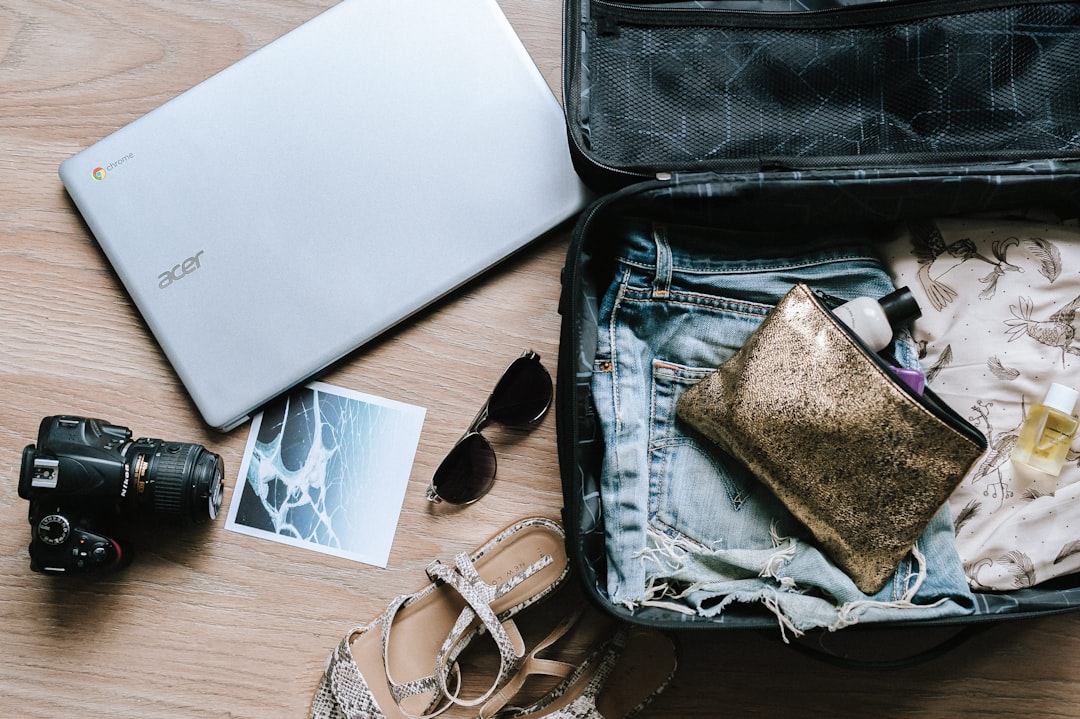
Photo by Anete Lūsiņa on Unsplash
One bag travel feels sleek at the airport, but its real payoff arrives later. You feel it when you climb the narrow stairs of a guesthouse, step off a train into a rainy station, cross a ferry dock with your balance intact, or walk ten extra minutes because the taxi line is absurd and the evening air smells too good to waste indoors. The freedom is not abstract. It is in your shoulders, your pace, your mood, and the fact that your trip begins when you land instead of when your suitcase finally appears.
That freedom starts with subtraction, not compression. Packing cubes help, but they cannot rescue a wardrobe that was never edited. If you want to pack everything in a carry-on, every item must earn at least two jobs. A shirt can be daytime clothing and sleepwear. Sneakers can handle the flight, the museum, and a casual dinner. A light overshirt can work as a jacket, a modest layer for religious sites, and a warmth boost on a cold plane. That is the real engine of one bag travel.
- Pack for your itinerary, not your anxiety.
- Assume you will do one small laundry cycle on trips longer than five days.
- Choose a color palette with one base color and one accent so every top works with every bottom.
- Skip duplicates of anything you can buy locally for under 10 dollars or euros.
- Leave 15 to 20 percent of your bag empty for food, a peeled-off layer, or a small purchase.
- Pack for the weather you are likely to get, not the weather every forecast model imagines.
Airline rules matter more than your suitcase brand
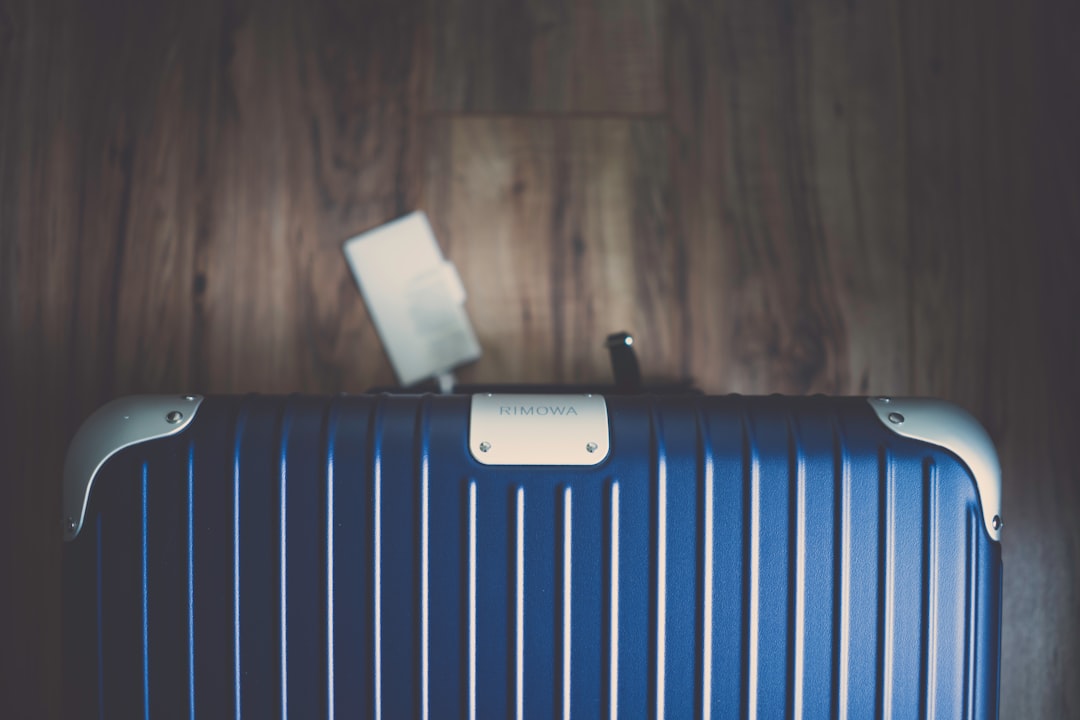
Photo by Tuan Nguyen on Unsplash
Before you touch your closet, start with physics and policy. Airlines do not care how beautifully your clothes roll if the bag is too wide for the sizer or too heavy for a gate check. U.S. network carriers are often more generous on weight and a little more relaxed on enforcement. European low-cost airlines can be exacting, especially when boarding is full and staff are watching for bulging pockets and rigid spinner wheels. The difference between a smooth walk down the jet bridge and an unwanted fee is often one sweater, one pair of shoes, and one oversized toiletry bag.
To pack everything in a carry-on, treat your airline allowance like a real budget. Measure the bag empty. Weigh it half full. Then decide what belongs in the overhead bag and what shifts into your under-seat item. Keep the current rules close on the official pages for TSA liquids, Delta carry-on baggage, United carry-on bags, Ryanair bag rules, and easyJet cabin bag guidance. Those pages change more often than travel habits do.
| Airline | Typical cabin bag limit | Personal item | Weight rule | Practical note |
|---|---|---|---|---|
| Delta | 22 x 14 x 9 in | Yes | No standard published limit on many routes | Usually flexible, but regional aircraft can be tighter |
| United | 22 x 14 x 9 in | Yes | No standard published limit on many routes | Check fare type carefully, especially basic economy |
| Lufthansa | 55 x 40 x 23 cm | Yes | 8 kg on many economy fares | Weight checks are more common than on U.S. carriers |
| Ryanair | 55 x 40 x 20 cm cabin bag with Priority | 40 x 20 x 25 cm | 10 kg for paid cabin bag | Strict sizing and fare rules mean planning matters |
| easyJet | 45 x 36 x 20 cm free small cabin bag | Included in that free allowance | No fixed weight, but you must lift it yourself | Larger cabin bag usually requires an upgraded fare |
Any time you try to pack everything in a carry-on, a small digital luggage scale is worth its weight. Weigh once at home, then stop guessing.
Build a travel capsule wardrobe, not a pile
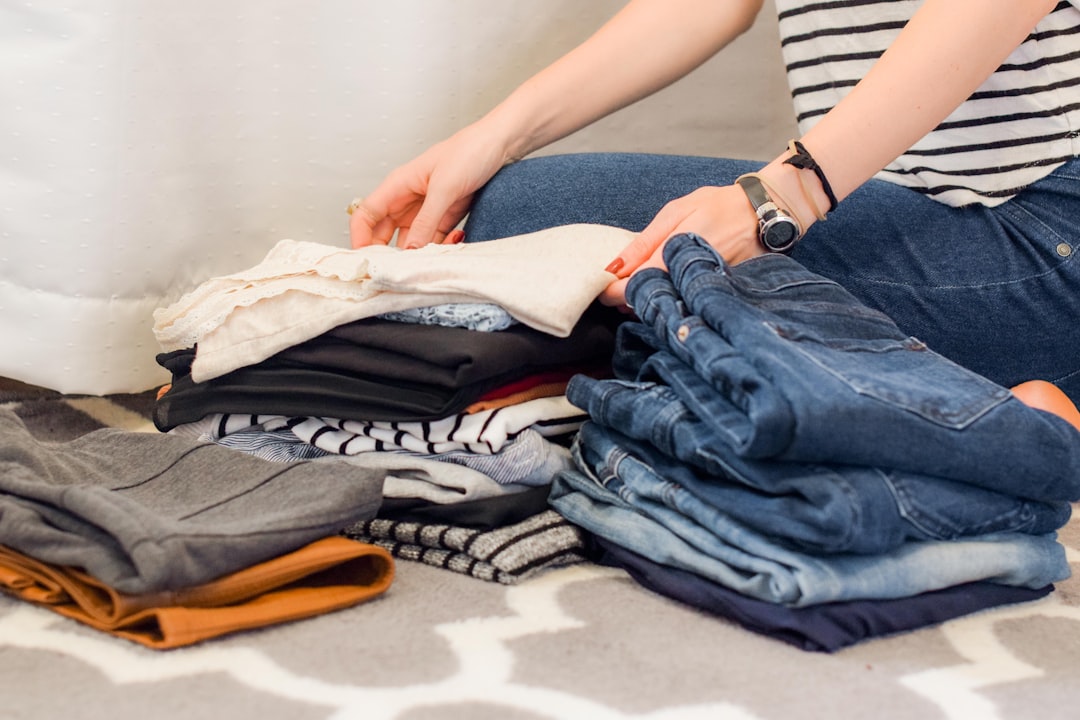
Photo by Sarah Brown on Unsplash
The easiest bags to close are built around fabric behavior, not outfit fantasies. The best travel capsule wardrobe looks almost quiet when it is spread across the bed: navy, black, olive, stone, cream, maybe one stripe or one scarf for personality. Nothing needs special shoes. Nothing requires a different belt, bra, or jacket. Every piece belongs to the same conversation. When the palette is tight, your clothes become modular, and the bag suddenly feels larger without actually being larger.
To pack everything in a carry-on, count outfits backward from laundry instead of forward from days. For a seven-day trip, you do not need seven separate looks. You need enough pieces to get to a quick wash and dry window. Quick-dry underwear, thin socks, wrinkle-resistant shirts, merino tees, lightweight trousers, and one weather-smart layer do more work than bulky single-purpose items. If the forecast is unstable, layers beat thickness every time. A thin base layer, a knit, and a shell trap warmth better than one swollen sweater that consumes a quarter of your bag.
A smart travel capsule wardrobe also changes how you choose shoes. Shoes are the heaviest and least compressible items most people bring, yet they are often the least edited. Two pairs is enough for most trips: one worn in transit, one packed if the itinerary genuinely demands it. If your second pair cannot survive rain, stairs, or a long walk to dinner, it may not deserve the space.
- 4 tops: two casual, one nicer option, one sleep or workout top
- 2 bottoms: one darker pair, one lighter or more relaxed pair
- 1 mid-layer: knit, overshirt, or light fleece
- 1 outer layer suited to climate: shell, trench, or packable down
- 2 pairs of shoes maximum, with the heaviest pair worn on the plane
- 5 to 7 pairs of underwear and 3 to 4 pairs of socks, washed mid-trip
- 1 accessory with range, such as a scarf, cap, or simple jewelry
- 1 compressible bag for laundry so clean and worn items never mix
A carry-on packing list for five trip types
A good carry-on packing list changes shape with the journey, but the skeleton stays the same: wear, wash, repeat. What changes is the volume of specialty gear. A beach holiday needs room for swimwear, a hat, and a tote. A work trip needs wrinkle-resistant shirts and one polished shoe. A cold city weekend needs thermal logic more than extra sweaters. When people say they cannot pack everything in a carry-on, what they usually mean is that they are allowing niche items to crowd out the core.
Think in layers of priority. Level one is survival and legality: documents, medication, phone, charger, wallet, and one clean outfit. Level two is daily function: clothing, toiletries, weather layer, shoes. Level three is comfort: a book, a camera, a small beauty extra, a snack stash. Level four is wishful thinking. The fastest way to pack everything in a carry-on is to cut level four first, then trim level three if the airline is strict.
| Trip type | Core clothing | Special additions | Best items to buy after arrival |
|---|---|---|---|
| City break, 3 to 4 nights | 3 tops, 2 bottoms, 1 knit, 1 jacket | Crossbody bag, compact umbrella | Water, pharmacy extras, transit snacks |
| Beach week, 5 to 7 nights | 3 airy tops, 2 bottoms, 2 swim items, 1 cover-up | Sandals, hat, rash guard | Full-size sunscreen, beach towel |
| Business trip, 4 to 5 nights | 3 work tops, 2 trousers or skirt options, 1 blazer | Laptop sleeve, lint roller, fold-flat shoe if essential | Bottled water, meeting snacks |
| Cold-weather weekend | 2 thermal tops, 1 mid-layer, 1 trouser, 1 base legging | Gloves, beanie, packable down | Hand warmers, extra socks if needed |
| Family trip | Adult wardrobe reduced by 20 percent | Child spare set, wipes, snacks, comfort item | Diapers, baby food, basic medicine top-up |
City break packing
A city break rewards restraint because the same clothes move from café mornings to museum afternoons to late walks over stone streets. Think of tram bells, bakery air, sudden drizzle, and long stretches on foot. You need traction and layering more than variety. A dark trouser, clean sneakers, three tops, and one light jacket cover far more than most people expect.
If this is your first independent urban trip, lighter luggage also makes the whole day feel more controlled, especially on stairs, metros, and train platforms. For that mindset, First Solo Trip Guide 2026: Safe Cities and Smarter Habits pairs naturally with a lean carry-on approach.
- Wear: jeans or dark trousers, tee, overshirt, sneakers, light jacket
- Pack: 2 extra tops, 1 lighter bottom, underwear, socks, compact sleepwear
- Optional: one small nicer top or shirt for dinner
- Skip: extra shoes unless your itinerary truly requires them
Beach week packing
Beach travel looks simple until towel bulk, oversized bottles, and rubber sandals eat the entire bag. The sea asks for less fabric but more discipline. Salt, humidity, and sunscreen demand quick-dry materials, easy rinsing, and pieces that can move from breakfast terrace to waterfront walk without a full costume change. This is where the buy-later method earns its keep.
If you are going somewhere blazing hot, light packing must be paired with heat management. Traveling in Extreme Heat: Safety Guide for Summer 2026 is a smart companion for sun-heavy itineraries.
- Wear: sneakers, airy trousers, tee, overshirt or light shirt
- Pack: 2 swim sets, 3 light tops, 2 shorts or skirts, 1 evening layer, sandals
- Buy there: large sunscreen, aloe, beach towel, bottled water
- Skip: thick denim, heavy makeup bags, giant hair tools
Business trip packing
A work trip is where many travelers lose nerve and overpack. The hotel carpet, the early lobby coffee, the quiet tension before a meeting can make you want backups for every possible spill or wrinkle. The reality is calmer. One blazer, two bottoms, three tops, and a neat grooming kit usually cover five working days if the palette is tight and the fabrics recover well after hanging.
The trick is to wear the formal backbone in transit if possible. A blazer over a merino tee looks sharp enough for many arrivals, and structured shoes worn on the plane free critical space inside the bag. Hotel irons and steam from the shower do the rest.
- Wear: blazer, polished shoe, dark trouser, tee or blouse
- Pack: 2 work tops, 1 spare bottom, sleepwear, gym kit only if you will really use it
- Add: slim laptop, charger pouch, lint roller sheet, compact umbrella
- Skip: duplicate jackets, bulky heels, full-size toiletries
Cold-weather weekend packing
Winter packing fools people because cold feels heavy in the imagination. You picture thick knits, huge boots, and a coat the size of a duvet. But warmth travels best on your body, not in your luggage. Cold air on the platform, steam from subway grates, the bite of wind at a corner café terrace all call for layering strategy, not volume.
To pack everything in a carry-on for a winter weekend, wear the coat, wear the boots, and pack the thin thermal logic underneath. A base layer, a knit, and a packable insulated layer can be warmer than one giant sweater while taking less space overall.
- Wear: boots, coat, thermal top, trouser, scarf
- Pack: 1 extra thermal, 1 extra top, 1 base legging, 1 lighter shoe only if essential
- Add: gloves, beanie, lip balm, compact moisturizer
- Skip: second bulky knit, spare boots, heavy cotton pieces that dry slowly
Family trip packing
Family travel compresses adult space faster than any airline ever could. The bag fills with snacks, wipes, comfort toys, chargers, and small crisis-management items before you have packed your own second shirt. That is exactly why adult wardrobes must get leaner, not more elaborate. If one child has a meltdown over wet clothes or spilled juice, the spare room has to come from somewhere.
The most useful family trick is brutal honesty about what can be bought on arrival. Diapers, wipes, juice, crackers, and sunscreen exist almost everywhere. Your job is to board with enough for transit, not for the whole holiday. If you are planning a warm-weather family escape, Best Family Summer Vacation Ideas 2026 That Actually Work can help you match the trip to the packing load.
- Adults: reduce to the smallest version of a travel capsule wardrobe
- Kids: pack one full spare outfit in the personal item, not buried in the main bag
- Bring: favorite small comfort item, medicine, snacks, wipes for the journey
- Buy there: diapers, baby food, extra drinks, cheap sand toys or floaties
Packing cubes and bag layout that actually saves space
Packing cubes are not magic storage. They are boundaries. Their real value is that they stop soft items from blooming into dead space and they keep categories visible in low light, half asleep, or during a quick repack before checkout. Used well, packing cubes reduce friction, not just volume. Used badly, they simply help you overpack in a tidier way.
When you open a bag at midnight after a delayed arrival, layout matters as much as quantity. The neatest one bag travel setup places low-use items at the bottom, day-one essentials at the top, and soft pieces around hard shapes like shoes or toiletry cases. If you want to pack everything in a carry-on, the bag should unpack like a drawer, not explode like a closet.
- Bottom layer: less-used clothing cube, such as spare tops or sleepwear.
- Middle section: shoes packed heel to toe in bags, with socks or chargers inside them.
- Side channels: underwear, swimsuit, or rolled small items that fill empty edges.
- Top layer: day-one clothing, weather layer, or anything you may need on arrival.
- Lid pocket: laundry pouch, detergent sheet, foldable tote, documents that are not valuable.
- Exterior quick-access area if your bag has one: empty water bottle, snack, tissues, pen.
Use compression only on clothing, never on toiletries or electronics. And do not let packing cubes tempt you into carrying items you were not going to use anyway.
Personal item packing that does the heavy lifting
The under-seat bag is where experienced travelers create breathing room. A slim backpack, tote, or soft brief can hold the dense, awkward, or valuable items that make a carry-on heavy: electronics, medication, documents, small camera gear, and the snack kit that keeps you from buying airport chaos at midnight. Good personal item packing is less about adding capacity and more about shifting risk. If the overhead bins fill and the airline wants to gate-check your main bag, you still have the essentials that matter most.
On long travel days, your personal item is also your comfort kit. Think of the cabin lights dimming, the cool recycled air, the sudden need for lip balm, a pen, a charging cable, or one clean shirt after a missed connection. You do not want to unzip half your suitcase in the aisle to find those things. Smart personal item packing keeps the important items one hand away and lets your main bag stay closed.
- Passport, wallet, boarding pass backup, and one separate payment card
- Prescription medication and a tiny first-aid pouch
- Phone charger, compact power bank, and one universal adapter
- Headphones or earbuds, eye mask, and any sleep essential you really use
- Empty water bottle for post-security filling
- A snack that will not melt or crumble into dust
- One spare top, underwear, and socks on longer itineraries
- Glasses, contact essentials, and any item that would ruin day one if lost
How to get there
A checked suitcase turns airport transfers into a logistics problem. Stairs matter. Turnstiles matter. Crowded trains matter. The gap between platform and carriage suddenly feels much wider when you are pulling a heavy case with one hand and a backpack with the other. When you pack everything in a carry-on, you unlock cheaper and faster ground transport because you can move like a commuter instead of a mover.
That is especially valuable in cities where the nicest arrival is not a taxi queue but a train sliding past rooftops, warehouses, riverbanks, allotments, apartment blocks, and the first ordinary scenes of local life. A single small bag makes it realistic to take public transport, switch lines, and even walk the final ten minutes from the station without arriving sweaty and irritated.
| Airport | Best public transport from city center | Typical time | Typical cost | Car or taxi time |
|---|---|---|---|---|
| New York JFK | AirTrain plus subway from Manhattan | 60 to 75 min | about 11.40 dollars | 45 to 90 min depending on traffic |
| London Heathrow LHR | Elizabeth line from Paddington | 35 to 45 min | from about 13.90 pounds | 40 to 80 min |
| Paris CDG | RER B from Gare du Nord or Chatelet | 35 to 40 min | about 11.80 euros | 35 to 70 min |
| Rome FCO | Leonardo Express from Termini | 32 min | 14 euros | 40 to 60 min |
| Tokyo HND | Tokyo Monorail to Hamamatsucho | 18 to 20 min | about 500 yen | 25 to 50 min |
Useful official transport pages: MTA, Heathrow transport, Paris Aéroport RER B, Leonardo Express, and Tokyo Monorail.
If your route includes cobblestones, stairs, or station changes, a travel backpack or a compact two-wheel bag may outperform a large spinner. The smoother your transfer, the more valuable it becomes to pack everything in a carry-on.
Things to do
Packing light is won the day before departure, in the quiet half hour when the bed is still covered in options and the room smells faintly of detergent, paper tags, and sunscreen. This is where ritual beats inspiration. A carry-on packing list is only useful if you test it against the weight of the bag, the length of the trip, and the way you actually travel when you are tired.
Once you land, the first small decisions keep the system intact. One bag travel is not just about fitting items into nylon. It is about protecting energy. The less time you spend hunting chargers or reopening the suitcase on the airport floor, the more likely you are to step into the street, hear the scooters, smell the bakery, and feel present instead of depleted. If you map flights, arrival times, and even a likely laundry stop in TravelDeck, you can often see which backup items are unnecessary before you zip the bag.
- Check your exact fare rules and baggage limits 48 hours before departure.
- Lay out complete outfits, then remove any piece that only works once.
- Weigh the bag and walk with it for ten minutes inside your home.
- Replace liquid-heavy toiletries with solids or smaller decants.
- Screenshot documents and keep one payment card separate from your wallet.
- Mark one laundry window on trips longer than five days.
- Put your day-one essentials on top so your arrival is friction-free.
- Make a short shopping note for the first supermarket or pharmacy stop after landing.
Where to stay
Your accommodation changes how easy it is to pack everything in a carry-on. A room with a sink, kettle, iron, or guest laundry can remove half the backup items people usually bring. A hotel with quick pressing service means you can skip wrinkle-prone clothing. A fifth-floor walk-up with no lift, on the other hand, will make you grateful for every gram you left at home.
The smartest one bag travel choice is not always the lowest nightly rate. Sometimes paying a little more for self-service laundry, a mini-fridge, or a location near the train station saves taxi money, time, and stress. For longer trips, think of accommodation the same way you think of a bag: not as a passive container, but as part of the packing system.
| Budget tier | Good options | Typical price range | Why it helps carry-on travel |
|---|---|---|---|
| Budget | YHA, Generator, Meininger | 35 to 80 dollars for dorms, 90 to 140 for private rooms | Laundry rooms, kitchens, easy social basics |
| Budget | Ibis Budget, B&B Hotels, Premier Inn Hub | 60 to 120 dollars | Predictable rooms, compact layouts, good transit access |
| Mid-range | citizenM, Moxy, Hampton by Hilton | 120 to 220 dollars | Iron access, practical rooms, late check-in ease |
| Mid-range | Adagio, Staycity, Sonder | 140 to 260 dollars | Kitchenette or washer options for longer stays |
| Luxury | Kimpton, Andaz, Hyatt Regency | 220 to 500 dollars | Same-day laundry, strong housekeeping, reliable service |
| Luxury | InterContinental, Fairmont, Marriott Autograph Collection | 250 to 600 dollars | Garment steaming, concierge support, spacious rooms |
Where to eat
Food matters more to light packing than most travelers realize. Water, breakfast, snacks, sunscreen, and small pharmacy items are usually easier to buy than to carry. Instead of stuffing protein bars, giant toiletry bottles, and emergency food into your bag, land light and restock within the first hour. That first grocery stop becomes part of arrival: the bright supermarket chill, unfamiliar yogurt brands, the rhythm of local shoppers, the small relief of knowing you do not need to carry everything from home.
This approach also keeps your clothes cleaner and your bag less chaotic. A proper breakfast beats biscuit crumbs ground into your backpack. A simple first-night meal means you stop rummaging for snacks every two hours. When I want to pack everything in a carry-on, I plan one supermarket stop and one easy grab-and-go meal near the hotel, then let the destination provide the rest.
- Budget restock chains: Carrefour City, Lidl, Aldi, Tesco Express, Mercadona for water, fruit, yogurt, and basic toiletries.
- Great convenience-store arrivals in Asia: 7-Eleven, Lawson, and FamilyMart for onigiri, fruit cups, tea, and emergency basics.
- Reliable mid-range quick meals: Pret A Manger, Whole Foods Market hot bar, Eataly counters, and local deli bars near stations.
- Useful food halls for a low-effort first dinner: Time Out Market, Mercado de San Miguel, and larger Eataly locations.
- Smart first-day foods: soup, rice bowls, sandwiches, focaccia, tortilla, roast chicken, salad kits, and anything that does not leave grease on every shirt you packed.
Practical tips
Even the best carry-on packing list changes with season, culture, and infrastructure. A spring trip through Europe gives you the gift of layering and rewearing. A midsummer city break in Seville, Athens, or Bangkok demands faster laundry cycles, lighter fabrics, and much more disciplined hydration. A conservative destination may require covered shoulders or longer hems, which is exactly why a light button-down or scarf earns a permanent place in a travel capsule wardrobe.
The smallest practical details are often the ones that rescue one bag travel: a universal plug, blister patches, a tiny laundry sheet, an eSIM installed before takeoff, a dry bag for swimwear, or a sink stopper that lets you wash underwear in five minutes. These are not glamorous items. They are calm-making items. And calm is the whole point when you are trying to pack everything in a carry-on.
- Best months for easy one-bag travel: March to May and September to November, when layering works hardest and bulky outerwear is less necessary.
- Hot-weather packing: linen blends, merino or technical tees, sandals only if your main shoe already covers serious walking. Powdered electrolytes are lighter than extra beverages.
- Cold-weather packing: wear the coat on the plane, use pockets for gloves and hat, and pack thermal layers instead of duplicate sweaters.
- Family rule: kids get the fastest-access spare outfit. Adults get the smallest wardrobe. That trade-off saves the whole trip.
- Currency: carry one backup card and a small amount of local cash, but skip bulky wallets stuffed with rarely used extras.
- Safety: medication never goes in a checked bag, even if you later decide to check the main case on the return leg. A small tracker and zipper lock add peace of mind.
- Connectivity: install an eSIM before departure when possible, carry one USB-C cable that works for most devices, and choose a power bank around 10,000 mAh rather than a heavier brick.
- Laundry: wash a few small pieces often instead of waiting for a giant pile. Five minutes at the sink can save an entire extra cube of clothing.
- Shoes: if a second pair cannot handle rain, rough pavement, or twelve thousand steps, question why it is coming.
FAQ
The questions people ask about carry-ons are usually really questions about uncertainty. What if it rains? What if I spill coffee? What if I am invited somewhere nicer? What if the airline weighs the bag? Those worries are fair. The goal is not to pretend surprises do not happen. The goal is to prepare for them efficiently.
Once you accept that almost every city on earth sells soap, socks, umbrellas, snacks, and cheap T-shirts, the whole problem becomes smaller. That is why the answer to how to pack everything in a carry-on is rarely more stuff. It is better overlap, faster laundry, a tighter travel capsule wardrobe, and smarter personal item packing.
Can I pack everything in a carry-on for 10 days?
Yes. Most people can pack everything in a carry-on for 10 days if they plan one laundry stop, keep shoes to two pairs maximum, and repeat a small clothing core. Think four tops, three bottoms, one mid-layer, one outer layer, and quick-dry basics.
What size bag works best for carry-on only travel?
For most travelers, a bag around 35 to 40 liters is the sweet spot. It is large enough for a real carry-on packing list but small enough to discourage overpacking and fit common airline limits.
Are packing cubes actually worth it?
Yes, especially if you use packing cubes to separate categories and compress soft items lightly. They are most useful for organization and visual control, not for performing miracles.
How many shoes should I bring?
Usually two pairs maximum. Wear the heavier pair in transit and pack the lighter pair only if your trip truly needs it. Many trips work perfectly with one versatile walking shoe and no second pair at all.
What should never go in the main carry-on if space is tight?
Keep documents, medication, chargers, valuables, and one emergency clothing change in your under-seat bag. If the overhead bag gets gate-checked, your trip can still start smoothly.
The quiet pleasure of traveling light is not about proving anything. It is about moving through the world with less drag. You step off the plane faster, take the train instead of the taxi, carry your own bag up the stairs, and begin noticing the trip sooner: the smell of rain on a station platform, the shine of tram tracks after sunset, the little bakery line already forming on the corner.
Once you learn to pack everything in a carry-on, travel stops feeling like a hauling exercise and starts feeling like motion again. Not stripped down. Not uncomfortable. Just clean, deliberate, and a little freer.