First Solo Trip Guide 2026: Safe Cities and Smarter Habits
The riskiest moment on a solo trip is often not a dark alley or a dramatic worst-case scenario. It is the sleepy arrival: your phone at 9 percent, your bag straps cutting into your shoulders, the station signs blurring together, and your judgment softened by hunger and jet lag. That is why a great first solo trip guide is less about fearless vibes and more about reducing friction before it starts. If you can make the first six hours feel smooth, the whole trip opens up.
Traveling alone safely is rarely about becoming suspicious of everyone. It is about becoming easier to protect. You choose a city with clear transport, you land with an offline map already loaded, you know which neighborhood lets you walk home under warm streetlights instead of guessing in the dark, and you book a bed where the reviews mention helpful staff more often than trendy wallpaper. That is the kind of freedom that actually feels good.
For this first solo trip guide, I am focusing on three low-stress city breaks that work especially well for beginners: Lisbon, Tokyo, and Copenhagen. Each has strong public transport, walkable districts, clear tourist infrastructure, and plenty of ways to be alone without feeling isolated. Around those cities, I will show you the habits that matter most: safer arrivals, better lodging choices, solo dining confidence, evening routines, money backups, and the social moves that help you meet people without handing over your privacy.
Why a first solo trip guide should be built around routines
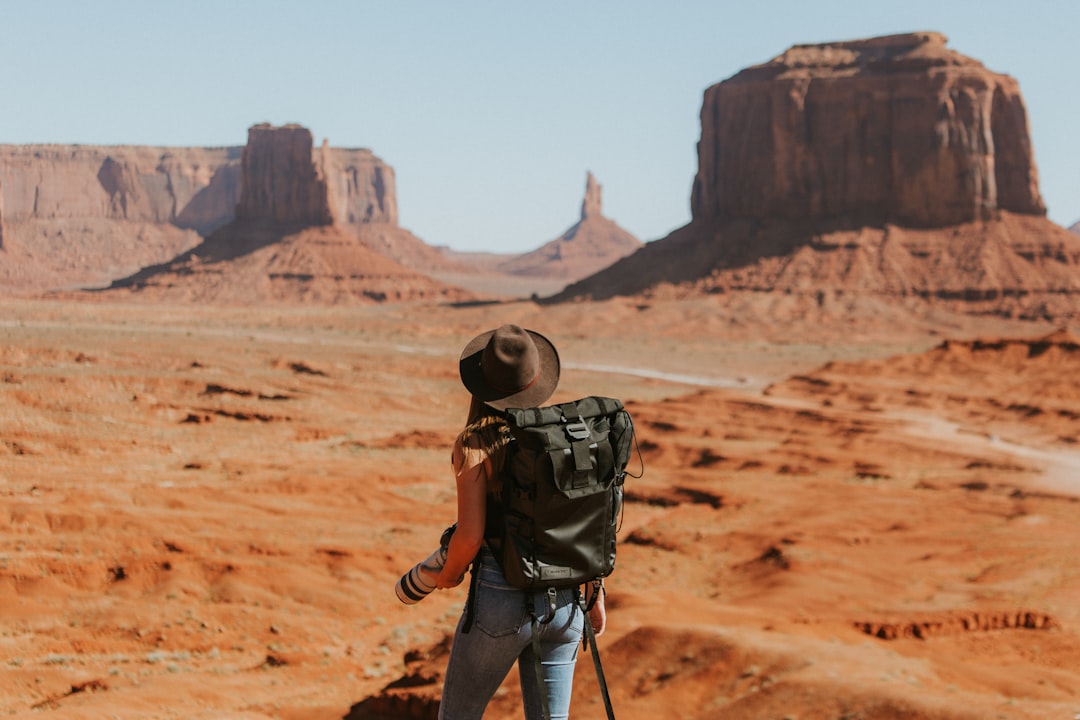
Photo by Ivana Cajina on Unsplash
A smart first solo trip guide does not ask whether you are brave enough. It asks whether your day is designed well enough. The best solo travelers I know are not the loudest, coolest, or most spontaneous. They are the ones who quietly remove avoidable problems. They know how they will reach the center from the airport. They keep one bank card in a second pocket. They step into a bakery to check directions instead of freezing on the sidewalk with their phone out. They do not waste energy improvising every little thing.
That matters because solo travel is all atmosphere. When things are going well, it feels electric: the hiss of an espresso machine in a Lisbon cafe, the clean metallic glide of a Tokyo train platform, the salty wind moving off Copenhagen harbor. When things go badly, the same details start to feel sharp. Street noise becomes pressure. Shadows look longer. Decision fatigue sets in. Good routines shift you back into the first version of the trip.
In this first solo trip guide, safety comes from building repeatable habits you can use almost anywhere:
- Arrive in daylight when possible, especially on your first day in a new city.
- Book at least your first two nights in a central, well-reviewed area.
- Keep your first afternoon light: one meal, one walk, one small errand, one early night.
- Use transport that locals actually use, but keep a rideshare backup for late arrivals.
- Share your flight, hotel, and rough plan with one person at home.
- Carry less than you think you need. The more mobile you are, the safer you usually feel.
- Build one daily check-in habit, whether that means a text home or a note in your calendar.
If you remember one thing from this first solo trip guide, make it this: solo travel feels safest when your choices are boring in the right places. Save the spontaneity for the museum detour, the sunset ferry, the extra pastry, the bookstore you were not planning to enter.
How to plan your first solo trip guide around safe solo travel destinations
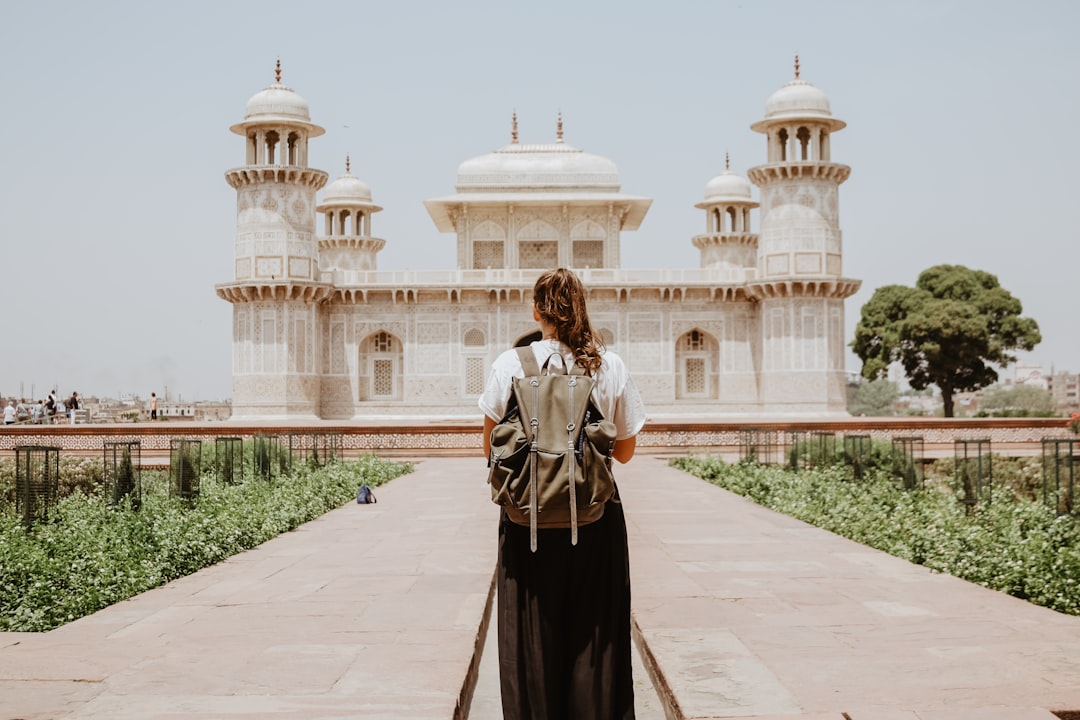
Photo by Ibrahim Rifath on Unsplash
The easiest way to improve a solo trip is to choose cities that do half the work for you. The best safe solo travel destinations are not always the cheapest or the most famous. They are the ones where common travel problems are easy to solve. You want airports with simple transfers, neighborhoods where cafes stay open, enough English or visual signage to get unstuck, and streets that still feel active after dinner without turning chaotic.
That is why this first solo trip guide recommends Lisbon, Tokyo, and Copenhagen. Lisbon gives you warm evenings, layered hills, social hostels, and a manageable size. Tokyo gives you astonishing order, efficient transport, solo-friendly dining, and the strange comfort of anonymity. Copenhagen gives you bike lanes, clean design, excellent transit, and a compact center that feels calm rather than overwhelming. None is perfect, but all three reward beginners who want a first trip that feels independent without feeling exposed.
I like sketching flight times, backup train routes, and a late-night pharmacy into TravelDeck before departure, not because I want a rigid trip, but because I want fewer decisions when I am tired. That simple prep makes a huge difference when you are traveling alone safely.
Here is a practical comparison of these safe solo travel destinations for a first city break:
| City | Best for | Typical daily budget | Best neighborhoods for first-timers | Solo feel after dark | Best months |
|---|---|---|---|---|---|
| Lisbon | Social energy, walkability, value | €95-€160 | Baixa, Chiado, Principe Real, Santos | Lively in central areas, choose rideshare for steeper or quieter hills late at night | Mar-May, Sep-Nov |
| Tokyo | Structure, transport, solo dining | ¥15,000-¥28,000 | Shinjuku, Ueno, Asakusa, Ginza | Very orderly, well lit, still use common sense with nightlife districts | Mar-Apr, Oct-Nov |
| Copenhagen | Ease, cleanliness, design, biking | DKK 1,050-2,000 | Indre By, Vesterbro, Frederiksberg | Calm and safe-feeling, but expensive for taxis and cocktails | May-Sep |
When you build a first solo trip guide, choose your city with these filters first:
- Can you reach your hotel from the airport without a stressful transfer maze?
- Are there enough cafes, groceries, and pharmacies within a 10-minute walk?
- Do recent reviews mention women and solo travelers feeling comfortable there?
- Can you spend the first day well even if you are tired, late, or slightly lost?
- Does the city have easy daytime activities where you can naturally meet people?
Those questions matter more than chasing the absolute cheapest fare. Great safe solo travel destinations reduce the number of moments where you feel cornered into a bad decision.
How to get there
Photo by Ibrahim Rifath on Unsplash
A calm arrival is one of the strongest safety tools in this first solo trip guide. Airports are bright, obvious, and full of signs; tired travelers are not. Before wheels-up, know your airport code, your best train or metro option, the last departure time if you land late, and the real price of a taxi so you can spot nonsense fast. If you are arriving after 10 p.m., it is usually worth paying a little more for a direct transfer.
Each of these cities makes arrival relatively easy, but in different ways. Lisbon is compact and quick from airport to center. Tokyo has more moving parts, yet the transport is superb once you know whether you are landing at Haneda or Narita. Copenhagen is arguably the cleanest, simplest transfer of the three, with the airport almost feeling stitched into the city itself.
| City | Main airport or station | Best transfer to center | Typical time | Typical cost | Notes |
|---|---|---|---|---|---|
| Lisbon | Humberto Delgado Airport, LIS | Metro Red Line to Alameda, change for Green or Blue depending on neighborhood | 25-35 min | €1.80 plus €0.50 Viva Viagem card | Taxi or rideshare usually €12-€18 to Baixa or Chiado |
| Tokyo | Haneda, HND | Tokyo Monorail plus JR, or Keikyu Line | 25-40 min | ¥500-¥900 | Best for central Tokyo and the easiest long-haul arrival |
| Tokyo | Narita, NRT | Narita Express or Keisei Skyliner | 36-65 min | ¥2,580-¥3,070 | Faster to book a route before landing |
| Copenhagen | CPH | Metro M2 to Kongens Nytorv or Nørreport | 13-18 min | DKK 30-36 | One of Europe most stress-free airport transfers |
A few route notes help even more:
- Lisbon: Nonstop flights from London usually take about 2 hours 45 minutes, from Madrid about 1 hour 20 minutes, and from New York around 7 hours. If your hotel is on a steep lane in Alfama or Graça, a taxi from the airport can be money well spent with luggage.
- Tokyo: From Seoul, expect around 2 hours 20 minutes; from Singapore, about 7 hours; from Los Angeles, around 11 to 12 hours. Haneda is usually easier than Narita for a first-timer.
- Copenhagen: London to CPH is about 1 hour 50 minutes, Berlin under an hour by air, and Hamburg roughly 4 hours 40 minutes by train. If you are already in Europe, rail can be smoother than flying.
If you are building a first solo trip guide for yourself, save the official transport pages before departure: Visit Lisboa, GoTokyo, VisitCopenhagen, Narita Express, and CPH Metro access. A screenshot beats weak airport Wi-Fi every time.
Things to do
The best activities on a solo trip do two jobs at once. They give you a memorable day, and they teach you the city layout so you feel more grounded by evening. In this first solo trip guide, I am not sending you straight into all-day marathons or hard-to-reach corners. I am choosing places that are easy to access, emotionally low-pressure, and rich in atmosphere. Think tiled facades catching late sun, train station jingles, market steam, harbor light, and the quiet confidence that comes when a city starts to make sense.
These are also ideal ways to practice how to meet people while traveling alone. Markets, free walking tours, cooking classes, ferry rides, and museum cafes create soft social contact. You can chat if you want, and drift away if you do not. For beginners, that is a much better rhythm than forcing instant friendships in loud nightlife settings.
Here are seven strong picks:
- Miradouro da Senhora do Monte, Lisbon, Graça
- Feira da Ladra, Lisbon, Campo de Santa Clara
- Senso-ji and Nakamise Street, Tokyo, Asakusa, 2-3-1 Asakusa
- Yanaka Ginza, Tokyo, Yanaka district
- teamLab Planets, Tokyo, Toyosu
- Nyhavn to Kastellet walk, Copenhagen
- Torvehallerne, Copenhagen, Frederiksborggade 21
- Reffen Street Food, Copenhagen, Refshalevej 167A
If you want a guided activity on your first full day, book one. A walking tour, architecture tour, or food crawl is one of the simplest answers to how to meet people while traveling alone without oversharing anything about where you sleep or what your full itinerary looks like.
How to meet people while traveling alone without oversharing
Loneliness is real on a first trip, but so is the relief of finding the right kind of company. The trick in any first solo trip guide is not just making friends. It is learning how to create connection without handing strangers the keys to your privacy. You want warm, temporary, low-stakes conversation first. Shared breakfast tables, museum tours, hostel kitchens, ferry decks, neighborhood wine bars with counter seating, and walking tours are ideal because the interaction has built-in boundaries.
This matters because how to meet people while traveling alone is partly a safety question. The wrong social choice can make a night feel complicated fast. The right one makes a city feel softer. You sit at a ramen counter in Tokyo and the couple beside you helps with the ticket machine. You join a small food tour in Lisbon and end up splitting a ride back to central Baixa with two other travelers. You chat with a local designer in a Copenhagen cafe and get a better bakery tip than anything on your saved map.
Use these habits when thinking about how to meet people while traveling alone:
- Choose places with natural turnover, like market tables, walking tours, group classes, or hostel common rooms.
- Suggest public plans instead of private ones. Coffee, not an apartment party. A museum, not a mystery bar on the edge of town.
- Keep your hotel name private until someone has earned your trust over time.
- If a person pushes for details, treat that as information, not charm.
- Tell one person at home if you are going on a date or changing plans at night.
- Leave while you still feel good. A clean early exit is a solo traveler superpower.
For many beginners, learning how to meet people while traveling alone is the exact moment the trip becomes joyful instead of merely efficient.
Where to stay
Sleep quality and neighborhood choice shape everything in this first solo trip guide. A beautiful room in the wrong area can cost you confidence every evening. For beginners, central beats stylish, and well-reviewed beats clever. Look for staff praise, late check-in reliability, good lighting outside, and reviews that mention solo travelers by name. A place can be quiet without being isolated.
When you are traveling alone safely, your hotel should solve problems, not create them. That usually means staying close to a metro stop, having breakfast nearby, and choosing a district where you can return after dinner without turning the last 10 minutes into a guessing game. In Lisbon, that often means Baixa, Chiado, or Principe Real. In Tokyo, Ueno, Ginza, Asakusa, and Shinjuku are practical. In Copenhagen, Indre By and Vesterbro strike a good balance.
Budget stays
- Home Lisbon Hostel, Lisbon, Baixa — Dorms roughly €35-€65, private rooms from about €110. Friendly communal dinners, central location, and an easy walk to transport.
- Nui. Hostel and Bar Lounge, Tokyo, Kuramae — Beds often ¥4,500-¥7,500, private rooms from around ¥12,000. Stylish without being intimidating, with strong solo-traveler energy.
- Steel House Copenhagen, Vesterbro — Dorms around DKK 250-600, private rooms usually DKK 900 and up. Good common spaces, pool, and a walkable setting near the center.
Mid-range stays
- Lisboa Pessoa Hotel, Lisbon, Chiado — Usually €170-€260. Quiet but central, with an excellent location for first-time walkers.
- JR Kyushu Hotel Blossom Shinjuku, Tokyo — Often ¥22,000-¥38,000. A reliable Shinjuku base with easy airport access and calm rooms.
- Motel One Copenhagen, central Copenhagen — Often DKK 1,200-1,800. Simple, polished, and easy to navigate if you are new to the city.
Luxury stays
- Memmo Alfama, Lisbon, Alfama — Usually €280-€420. Atmospheric and romantic, though the hills make taxis sensible at night.
- Hoshinoya Tokyo, Otemachi — Often ¥95,000-¥160,000. Deep calm in the middle of the city, with flawless service for nervous first-timers.
- Villa Copenhagen, next to Central Station — Usually DKK 2,400-4,000. Big, beautiful, and brilliantly placed for rail, metro, and airport access.
This is the part of the first solo trip guide where spending a little more can genuinely improve safety. If an extra €25 or ¥3,000 gets you better lighting, a simpler route home, and 24-hour reception, it is often money well spent.
Where to eat
Solo dining is one of the secret pleasures of traveling alone. You notice more: plates clinking, olive oil catching light, the little pause before a server sets down hot broth, cinnamon in the air from a pastry oven, sea salt on your lips near a harbor stall. A strong first solo trip guide should teach you not just where to eat, but how to choose places where being alone feels ordinary.
The easiest rule is simple. Go where solo locals already eat. Counter seats, market stools, bakeries, lunchtime specials, and compact restaurants are your friends. Long romantic tasting menus can wait. On a first trip, you want food that is delicious, low-stress, and placed in neighborhoods that let you wander home pleasantly instead of anxiously.
Lisbon
- Manteigaria, Chiado — One of the best pastel de nata stops in town. Warm custard, crisp shell, standing-room energy. Around €1.50-€2 per tart.
- Cervejaria Ramiro, Avenida Almirante Reis area — Legendary shellfish, especially scarlet prawns and garlic-rich plates. Go early or expect a wait. Budget around €35-€70 per person depending on appetite.
- Taberna da Rua das Flores, Chiado — Small plates and strong atmosphere in a lane that feels intimate but central. Great if you can snag a seat at the counter.
- Time Out Market, Mercado da Ribeira — Useful on day one because you can scan multiple options, from seafood rice to pork sandwiches, without committing hard.
Tokyo
- Ichiran, multiple branches including Shibuya — Designed for solo eating. Order from a machine, settle into your booth, and let ramen do the comforting.
- Uobei Shibuya Dogenzaka — Fast, fun conveyor-belt style sushi that suits solo diners perfectly. Expect a low-pressure meal for ¥1,200-¥2,500.
- Maisen Aoyama — Famous tonkatsu in Omotesando, with set meals that make ordering easy.
- Tsukiji Outer Market — Better for snacking than sitting: grilled skewers, tamagoyaki, fresh seafood, hot tea in cool morning air.
Copenhagen
- Schonnemann, Hauser Plads 16 — Classic smørrebrød in a historic setting. Best for lunch and worth booking. Budget DKK 250-450.
- Torvehallerne — Open-faced sandwiches, coffee, porridge, and easy solo energy under glass roofs.
- Juno the Bakery, Østerbro — Come for cardamom buns and flaky laminated layers that perfume the whole sidewalk.
- Reffen — The easy sunset option when you want variety and a social scene without a formal restaurant mood.
Food is also one of the best answers to how to meet people while traveling alone. Sit at the bar, ask what locals order, return to the same cafe twice, and you will often get conversation without having to manufacture it.
Daily routines for traveling alone safely
Now for the heart of this first solo trip guide. Traveling alone safely is usually decided long before anything dramatic happens. It lives in the rhythm of the day: when you leave, what you carry, how much you drink, where you pause, whether you announce confusion in the middle of a busy street or quietly step inside a shop to regroup. These details sound small until you realize they are the entire trip.
Morning is your reset. Even if the previous day felt wobbly, mornings offer a clean start: bright light, commuter flow, open cafes, staffed transit points. Use them. Night is different. Night rewards simplicity. If you are still learning a city, do not make yourself solve too many puzzles after dark. Save the ambitious neighborhood-hopping for later in the trip.
Use this daily framework for traveling alone safely:
Morning
- Check your battery, wallet, and route before leaving the room.
- Carry only what you need for the day: one card, some cash, phone, hotel card, water, medication, power bank.
- Screenshot your map and your lodging address before heading out.
- Take ten seconds to notice what is around your hotel: pharmacy, corner cafe, nearest station entrance, easiest lit route back.
Midday
- If you need directions, step into a bakery, hotel lobby, or convenience store instead of stopping exposed on the sidewalk.
- Keep expensive items invisible when not in use. Confidence looks quiet, not flashy.
- Pace your day. Tired people make sloppy decisions, and sloppy decisions stack.
- If anyone starts a pushy conversation, do not negotiate endlessly. A brief no and a clean walk away is enough. For more pattern recognition on that front, this guide on Tourist Scam Warning Signs in 2026: Outsmart the Setup is worth reading before you go.
Evening
- Use your first-night rule: dinner close to your hotel, one simple walk, then back.
- Do not let your phone battery drift below 30 percent if you are staying out.
- After alcohol, switch from exploratory mode to direct mode. Go home the easy way.
- Share rides through the app if taking one late at night, and always verify the plate.
If you are landing from a long-haul flight, your first evening deserves extra care. Fatigue makes familiar things look unfamiliar. I almost always keep the first night absurdly easy, and if you struggle with arrival fog, read Best Jet Lag Remedies 2026 for Safer, Sharper Arrivals before departure.
The deeper lesson in this first solo trip guide is that traveling alone safely does not require paranoia. It requires small, repeatable decisions that keep your options open.
Solo female travel tips for evenings, transport, and new people
Most advice in this first solo trip guide works for any traveler, but some solo female travel tips deserve direct attention because they meaningfully change how a day feels. The aim is not to shrink your world. It is to move through it with less friction, less performance, and more control over who gets access to you.
Many women already know the strange mental arithmetic of public space: who is watching, who is following, whether being polite will prolong a conversation, whether a ride home is worth the cost. Travel can intensify that, especially in the first 48 hours. Good solo female travel tips reduce the number of moments where you have to calculate on the fly.
Here are the solo female travel tips I find most useful in practice:
- Book female dorms if you want the social upside of hostels with a little more privacy.
- Choose accommodation with 24-hour reception if you expect late returns.
- On check-in, do not say your room number out loud if the front desk does not.
- Use crossbody bags that close fully and keep them in front on crowded transit.
- If a new acquaintance asks where you stay, give the neighborhood, not the hotel.
- On rideshares, check the plate, sit in the back, and share the trip route with a trusted contact.
- Dress for local context when it helps you move more easily. This is not about disappearing; it is about reducing friction.
- Trust abrupt exits. You do not owe warmth to anyone who makes you uneasy.
The best solo female travel tips are the ones that protect your energy as much as your body. A trip feels safer when you are not constantly managing other people assumptions.
Solo travel essentials for money, phones, and documents
Every good first solo trip guide should include a redundancy plan. When you travel with a friend, someone can spot you cash, hold your place in line, or watch your bag for 30 seconds. Alone, you need systems. That does not mean carrying a tactical warehouse in your backpack. It means packing the right solo travel essentials so one minor problem does not become three.
The most important solo travel essentials are not glamorous. They are the pieces that buy you time: a second bank card, enough battery for a detour, cloud copies of documents, offline maps, and an eSIM or local data plan so you are not dependent on public Wi-Fi in the exact moment you need clarity. If your phone setup needs work, Travel Apps for Every Trip in 2026: Your Smartest Phone Setup is a strong companion read.
My short list of solo travel essentials looks like this:
- Phone with offline maps already downloaded for your city
- eSIM or local data plan activated before or right after landing
- Power bank, ideally 10,000-20,000 mAh
- Two payment cards from different networks, split between bag and body
- Small amount of backup cash kept separate from your main wallet
- Passport copy in cloud storage and one paper copy folded away
- Prescription medication in original packaging
- Compact umbrella or light waterproof layer depending on season
- Earplugs for shared spaces and better sleep
- One simple tote for groceries, layers, and market detours
These solo travel essentials are especially useful in Lisbon, Tokyo, and Copenhagen because the cities invite long walking days. You may leave after breakfast and return only after blue-hour light has turned the streets glossy. Battery, cash, and weather protection matter more than fancy gear.
For documents and emergency planning, also save:
- Your country travel advisory page, such as U.S. travel advisories or UK foreign travel advice
- Your insurance emergency number
- Your embassy or consulate address
- Local emergency numbers, including 112 in much of Europe
A well-packed bag is not the goal of this first solo trip guide. A bag that keeps you calm when plans wobble is.
Practical tips
The practical side of a first solo trip guide is where confidence becomes real. Weather changes how late you stay out. Seasonal darkness changes how you choose neighborhoods. Currency shapes how often you use cards versus cash. Even coffee culture matters, because a city with easy daytime cafe life is a city where solo pauses feel natural. These details are why the best safe solo travel destinations feel forgiving.
Lisbon is warm, social, and comparatively affordable, but the hills are real and summer can feel crowded. Tokyo is brilliantly organized, though the summer humidity is draining and cherry blossom season spikes prices. Copenhagen is clean and calm, but winter darkness can feel long and the cost level is serious. In this first solo trip guide, spring and early autumn win for most beginners.
Best months and seasonal feel
| City | Best months | Weather feel | Crowds | Value |
|---|---|---|---|---|
| Lisbon | Mar-May, Sep-Nov | Mild, bright, breezy | Moderate outside peak summer | Good in shoulder season |
| Tokyo | Mar-Apr, Oct-Nov | Crisp spring or pleasant autumn | High in blossom season, moderate in autumn | Better in late autumn than peak spring |
| Copenhagen | May-Sep | Long light evenings, mild air | Busy in high summer | Best balance in May, Jun, Sep |
Fast practical comparison
| City | Currency | Card use | Emergency number | Best local transport | Mobile connectivity |
|---|---|---|---|---|---|
| Lisbon | Euro | Very easy | 112 | Metro, tram, walking | Easy eSIM and airport SIM options |
| Tokyo | Yen | Cards widely accepted, carry some cash | 110 police, 119 ambulance | Metro, JR lines, walking | Excellent, eSIM strongly recommended |
| Copenhagen | Danish krone | Almost universal card use | 112 | Metro, buses, bike | Excellent, little friction |
A few more practical notes for traveling alone safely:
- Best first-night strategy: Land, transfer, check in, buy water and breakfast for tomorrow, eat nearby, sleep.
- What to pack: Comfortable walking shoes, one smart layer for nicer dinners, rain protection, compact day bag, power bank.
- Customs: In Tokyo, stay quiet on public transport and follow queueing etiquette closely. In Lisbon, greet politely and expect slower meal pacing. In Copenhagen, casual politeness goes a long way, and bikes always matter.
- Connectivity: Activate your data plan before you leave the airport. This is one of the easiest wins in the whole first solo trip guide.
- Insurance: Do not skip it when traveling alone safely. Delays, medical issues, and theft are more disruptive without a companion.
If you want extra homework, the tourism boards for Lisbon, Tokyo, and Copenhagen are genuinely useful, not just glossy. They help with transport, district overviews, and seasonal events.
FAQ
Is solo travel safe for beginners in 2026?
Yes, especially if your first solo trip guide starts with a low-friction city, a central stay, and a simple first 24 hours. Safety usually improves when you remove exhaustion, confusion, and over-ambitious planning.
What are the best safe solo travel destinations for a first city break?
Among the strongest safe solo travel destinations for beginners are Lisbon, Tokyo, and Copenhagen because they combine clear transport, solid tourist infrastructure, walkable districts, and lots of solo-friendly dining and daytime activities.
How do I handle my first night when traveling alone safely?
Keep it small. Check in, buy water and breakfast, eat close to your accommodation, take one short walk on a well-lit main route, and get back early. The first evening is for orientation, not proving anything. That is one of the most useful lessons in this first solo trip guide.
What are the most important solo travel essentials?
The top solo travel essentials are a working data plan, offline maps, a power bank, two payment cards, backup cash, travel insurance, and digital copies of your documents. Those items solve far more real problems than extra outfits do.
Are solo female travel tips different from general solo advice?
Some are. The best solo female travel tips focus on privacy, late-night transport, accommodation choice, and faster exits from uncomfortable interactions. The goal is not restriction. It is reducing the number of situations where you have to improvise under pressure.
A good first solo trip guide should leave you feeling excited, not armored. That is the sweet spot. Choose a city that makes daily life easy. Build habits that keep your options open. Leave room for the lovely accidental stuff: the coffee bar you return to three mornings in a row, the sunset viewpoint that becomes your private ritual, the market lunch that turns into a conversation. Traveling alone safely is not about shrinking your world. It is about learning how to move through it with a little more grace, and a lot less noise.