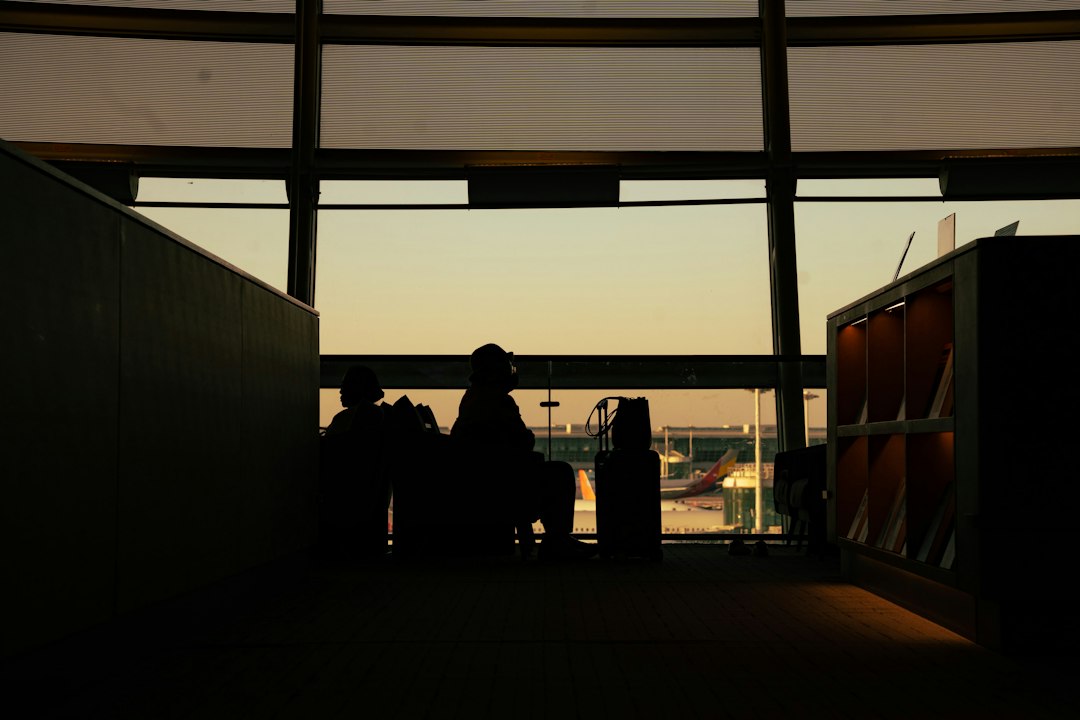
A plane can drag you across eight time zones in one night, but your brain will not obediently catch up by breakfast. Left alone, your internal clock shifts slowly, often by about an hour a day, which is why the best jet lag remedies are less about brute-force sleep and more about timing light, meals, caffeine, and movement with unusual precision. If you have ever landed under a bright foreign sky feeling hollow, hungry at the wrong hour, and strangely emotional, that was not a failure of willpower. It was biology.
The real cost of jet lag is easy to underestimate. We talk about it as an inconvenience, the same way we talk about cramped legs or stale cabin air, but poor timing after a long-haul flight can mean bad decisions, unsafe driving, missed medications, clumsy transfers, dehydration, and first-day mistakes that ripple through a whole trip. For travelers who want to know how to prevent jet lag rather than simply endure it, the answer starts before takeoff and continues through the first bright hours after landing.
This guide focuses on the best jet lag remedies that actually fit real travel: overnight flights to Europe, afternoon arrivals in Asia, red-eye business trips, family holidays with kids, and those messy multi-stop itineraries where your body no longer trusts clocks. It is not a heroic reset plan or a gadget roundup. It is a science-led, travel-tested playbook for landing safer, thinking more clearly, and keeping your first days usable.
Why jet lag symptoms are a travel safety problem

Rebecca D
The first thing to understand is that jet lag is not ordinary tiredness. Your body runs on circadian rhythms managed by a master clock in the brain, and that clock expects light and darkness to arrive at familiar times. When you cross several time zones quickly, the outside world says one thing while your hormones, temperature cycle, digestion, and sleep drive say another. That mismatch is why you can be wide awake at 3 a.m., nauseated at noon, and desperate for a nap when a museum finally opens.
Those disruptions matter because jet lag symptoms show up far beyond sleep. Travelers often notice fuzzy reaction times, heavier mood swings, poor balance, foggy memory, constipation, bloating, headache, and a strange appetite that lurches between no hunger and ravenous cravings. In a home setting, those issues are annoying. In an unfamiliar city, with stairs, traffic, luggage, passport checks, and currency confusion, they become a practical risk.
This is why the best jet lag remedies are really travel safety tools. If you are landing after an overnight eastbound flight, you should treat the first day a little like you would treat a mild hangover: no major driving, no important financial decisions until you have eaten and walked in daylight, and no assumption that your body can fake normal performance just because the local clock says morning.
Common jet lag symptoms that deserve extra caution on arrival:
- Slower reaction time when crossing roads or driving
- Brain fog during immigration, train changes, and hotel check-in
- Digestive upset from eating large meals at the wrong body-clock hour
- Headache and dizziness worsened by cabin dehydration
- Irritability that can turn simple delays into poor choices
- Early-morning waking followed by a steep afternoon crash
The body-clock rule that makes eastbound travel jet lag worse
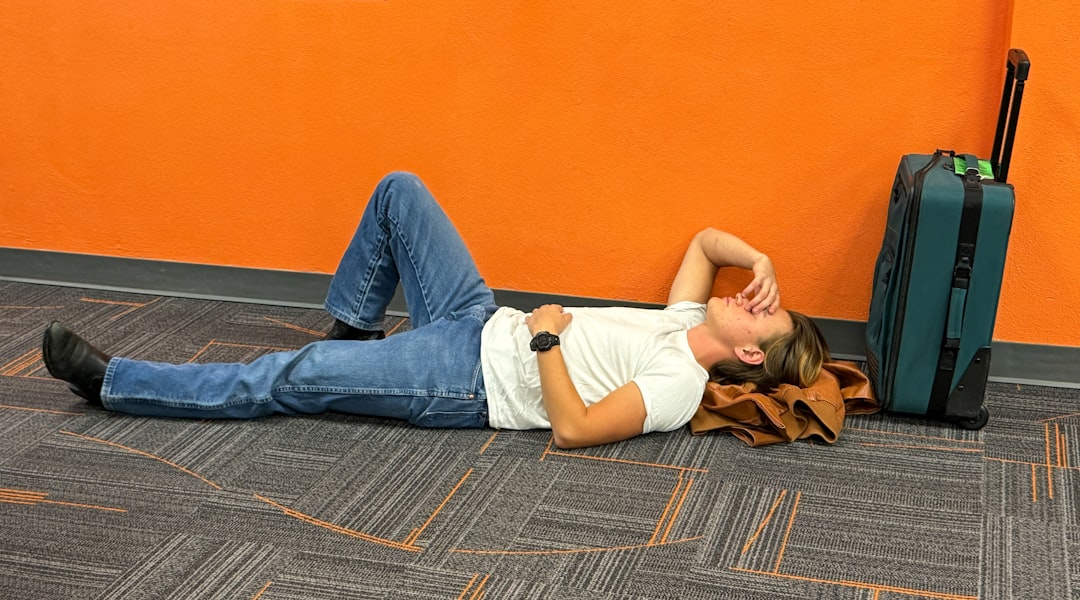
Photo by Donald Merrill on Unsplash
If you remember only one principle, make it this: your body generally finds it easier to stay up later than to fall asleep earlier. That is why eastbound travel jet lag usually feels harsher than westbound travel. Flying from New York to London or from Los Angeles to Paris asks your body to compress the day and sleep sooner than it wants. Flying west, by contrast, stretches the day, which aligns better with the natural tendency of the human clock.
This is also why so many travelers swear they can handle a long flight to California but get wrecked on the way to Europe. Distance matters, yes, but direction matters more than most people realize. Six time zones east can feel worse than eight time zones west. The most effective best jet lag remedies account for direction first, not just the number of hours in the air.
Light is the lever that moves this whole system. Your eyes send time-of-day information to your brain, and the timing of that light exposure can either advance your clock or delay it. That is the hidden rule behind nearly every serious conversation about light exposure for jet lag. Sleep matters, but light timing is what tells your body when sleep should happen.
| Travel direction | What your body must do | Why it feels hard or easy | Best light strategy |
|---|---|---|---|
| Eastbound | Shift earlier | Harder because you must fall asleep before your body is ready | Seek morning or late-morning destination light depending on zones crossed |
| Westbound | Shift later | Easier because you stay awake longer | Seek afternoon and early-evening destination light |
| Short trip under 3 time zones | Small adjustment | Often manageable with sleep and meal timing alone | Use normal daylight, avoid overcomplicating |
| Long trip over 6 time zones | Major adjustment | More likely to trigger appetite, mood, and gut disruption | Plan light, meals, caffeine, and naps in advance |
Best jet lag remedies before you fly
Photo by Ross Parmly on Unsplash
The most useful work happens before you even zip your bag. Travelers often search for how to prevent jet lag when what they really mean is how to reduce the mismatch before it fully lands on them. The answer is not pulling an all-nighter, overcaffeinating yourself, or hoping exhaustion will magically force sleep on the plane. That usually backfires by making you arrive sleep-deprived and still out of sync.
A better approach is to nudge your schedule in the right direction for two to four days before departure. If you are heading east, start going to bed and waking up 30 to 60 minutes earlier each day. If you are heading west, push both later. It sounds almost too simple, but these small shifts lower the shock your clock experiences. Among the best jet lag remedies, pre-adjusting your sleep is boring, unglamorous, and extremely effective.
Food and hydration matter here too. Your gut runs on timing cues of its own. A heavy late dinner before an eastbound overnight can leave you bloated in the seat and confused at breakfast on arrival. A lighter dinner, good hydration, and less alcohol the day before departure set up a cleaner transition. This is one of the least flashy answers to how to prevent jet lag, but it helps more than most travelers expect.
Before you fly, do this:
- Shift bedtime gradually toward destination time for 2 to 4 days
- Use bright morning light before an eastbound trip and brighter evening light before a westbound one
- Hydrate well in the 24 hours before departure
- Reduce alcohol the night before travel
- Treat caffeine like a tool, not a personality trait
- Eat lighter meals the day before a red-eye, especially if you are prone to reflux or bloating
- If you have sleep disorders, migraines, epilepsy, pregnancy, or complex medications, ask a clinician before using supplements
A useful myth to retire: staying awake for 24 hours before departure does not meaningfully reset your clock. It simply makes you more impaired. If you want a better in-seat rest strategy once you board, Long Haul Flight Sleep Setup for 2026: Rest Better in Any Seat is a strong companion read.
Light exposure for jet lag: the timing that actually shifts your clock
Most travelers know sunlight helps, but very few use it precisely. That is the gap between generic advice and results. Light exposure for jet lag works because your brain treats light as the strongest signal of time. If you are trying to shift earlier after an eastbound trip, the right morning light can help. If you are trying to stay up later after a westbound flight, late-day light becomes more useful.
Timing is what makes this powerful or pointless. Bright light at the wrong hour can slow adaptation or even push you in the opposite direction. This is especially true with eastbound travel jet lag, where very early light after a big time-zone jump can sometimes feel too close to your body-clock night. In those cases, late morning can be kinder than dawn.
Among the best jet lag remedies, this is the one that feels most invisible when it works. You are not swallowing anything dramatic. You are just standing in outdoor light, walking beside traffic, hearing morning buses hiss at the curb, letting the day enter through your eyes. But that simple act tells your body more than a hotel blackout curtain ever could.
Use light exposure for jet lag like this:
- Eastbound, 3 to 5 time zones: get outdoor morning light soon after waking
- Eastbound, 6 or more time zones: aim for late-morning to early-afternoon light on day one if dawn feels brutal
- Westbound trips: seek afternoon and early-evening light to support a later bedtime
- At destination bedtime: dim lights, reduce screens, and wear an eye mask if your room is bright
- On the plane: open the shade when it is biologically helpful, not just when you are bored
Best jet lag remedies on the plane
The cabin is where good intentions often collapse. Departure adrenaline fades, the meal service arrives at a ridiculous body-clock hour, and suddenly it feels easier to drift through the flight than to make deliberate choices. But the plane is where many of the best jet lag remedies either start working or quietly fail.
The first move is psychological and practical at once: set your phone and watch to destination time as soon as you board. That tiny ritual changes the way you make decisions about food, caffeine, and sleep. If it is bedtime where you are going, build a dark cocoon and try to sleep. If it is midafternoon there, stay awake, hydrate, and protect your first night instead of stealing from it.
Cabin air is brutally dry, and long periods of sitting increase stiffness, swelling, and fatigue that travelers often misread as jet lag alone. Some of what people blame on the time change is simply inflammation, dehydration, and poor circulation from the flight itself. That is why the best jet lag remedies also include body care. For a fuller look at movement, calm, and in-flight strain, Survive Long Haul Flights in 2026 With a Calmer Body pairs well with this guide.
On the plane, keep these rules simple:
- Change devices to destination time before takeoff
- Sleep only if it matches destination night, not just because you feel tired
- Use earplugs or noise-canceling headphones, a real blackout mask, and neck support
- Drink water regularly rather than chugging once every few hours
- Skip alcohol if good first-day function matters to you
- Use caffeine only during destination daytime hours
- Eat lighter and align meals to destination time when possible
- Stand, stretch, or walk every few hours if safe to do so
A practical rhythm for overnight eastbound flights looks like this:
- Eat lightly before or shortly after takeoff
- Start sleep setup early rather than after the second movie
- Limit bright screen exposure if destination time is night
- Wake, hydrate, and use caffeine only once destination morning begins
Best jet lag remedies after landing: your first 24 hours matter most
Landing is the moment when tired travelers often undo everything. You step into soft airport light, your bag feels heavier than it did six hours ago, and every part of you wants a giant coffee, a huge meal, and a four-hour nap. That combination is seductive because it offers immediate relief. It is also one of the fastest ways to drag jet lag deeper into the trip.
The first rule after arrival is to act according to local time as quickly as you reasonably can. Eat on local time. Walk on local time. If it is daytime, get outside even if the weather is grey, because outdoor light is still stronger than indoor lighting. If it is night, protect darkness. The best jet lag remedies after landing are rarely dramatic. They are disciplined, ordinary, and clock-based.
This is where jet lag symptoms and safety intersect again. If you have landed after a sleepless overnight, do not plan a long drive straight from the airport. Do not book a museum marathon that requires focus and complex navigation. Do not assume that because your body is exhausted you will automatically sleep well at night. With eastbound travel jet lag, the body often feels both tired and stubbornly alert.
For the first 24 hours, do this:
- Get outside in daylight as soon as possible after checking in
- Eat a normal local breakfast or lunch even if appetite feels off
- Keep any nap under 20 minutes and before 3 p.m. local time
- Save intense workouts for day two, not hour two
- Cut caffeine by early afternoon if you want a decent first night
- Keep your evening meal moderate, especially if digestion feels slow
- Use a shower and a short walk to bridge the late-afternoon crash
If you want a deeper schedule for the days after arrival, Jet Lag Recovery Plan 2026: The 72-Hour Reset That Works covers the longer adjustment window. This article stays tighter: the goal is to protect the fragile first day, when the body is easiest to guide and easiest to sabotage.
Melatonin for jet lag: what helps, what backfires
No supplement gets more attention than melatonin for jet lag, and few are used so casually. Melatonin is not just a knockout pill. It is a timing signal. Used at the right hour and in a sensible dose, it can help cue your body toward local bedtime, especially after eastbound trips. Used randomly, it can leave you groggy or mistimed.
For most healthy adults, low doses tend to make more sense than the giant tablets sold in airport pharmacies. Many travelers do well with 0.5 mg to 3 mg taken 30 to 60 minutes before their target bedtime at the destination. More is not automatically better. Overshooting can produce next-day heaviness without improving the circadian shift.
This is why melatonin for jet lag belongs in the category of precision, not panic. It can be one of the best jet lag remedies, but it is not mandatory for every trip and it is rarely the main event. Light, meal timing, and behavior still matter more. Think of melatonin as a gentle nudge, not a total rewrite.
A practical guide to melatonin for jet lag:
| Situation | Typical approach | Notes |
|---|---|---|
| Eastbound flight, major time shift | 0.5 mg to 3 mg before local bedtime for 3 to 5 nights | Most useful scenario |
| Westbound trip | Often unnecessary | Light timing may be enough |
| Very short trip | Usually skip it | You may not want a full adjustment |
| If pregnant, on anticoagulants, managing epilepsy, or taking sedatives | Ask a clinician first | Safety and interactions matter |
A few cautions:
- Do not combine melatonin for jet lag with alcohol and expect clean sleep
- Do not take it at random hours just because you feel awful
- Do not assume a higher dose works faster
- Do not use it to cover for terrible sleep hygiene and late-night screens
What to pack if you want the best jet lag remedies to work
The most elegant circadian plan still falls apart if your room is bright, your neck cannot stay upright, and you are buying a sugary airport pastry because you forgot to pack anything sensible. The best jet lag remedies are easier when your gear removes friction. Good travel health is often less about luxury than about reducing the number of tired decisions you must make.
This is where planning tools help. When I am juggling layovers, airport rail connections, hotel check-in windows, and daylight timing, I like seeing the trip laid out in one place so I am not making half-conscious choices at the gate. A simple trip planner such as TravelDeck can make that first day feel less like guesswork and more like a sequence you already understand.
Pack with recovery in mind:
- A blackout sleep mask that seals well around the eyes
- Earplugs or noise-canceling headphones
- A neck pillow or wrap that actually supports upright sleep
- Compression socks for long sectors if you tolerate them well
- Refillable water bottle for the airport and layovers
- Light snacks such as nuts, crackers, fruit leather, or protein bars
- Electrolyte packets if cabin dehydration hits you hard
- Blue-light-limiting habits for the destination evening, whether through settings, glasses, or simple restraint
How to get there
Jet lag starts with route design. Two flights with the same distance can feel wildly different depending on when they land and how chaotic the airport transfer becomes. A smooth rail ride into the city, a quick hotel check-in, and a walkable neighborhood can support the best jet lag remedies better than an awkward midnight arrival followed by a 90-minute taxi crawl under fluorescent highway lights.
If you have flexibility, choose an arrival time that matches what you need your body to do next. For Europe from North America, a midday or early-afternoon arrival can be gentler than a dawn landing, because it reduces the temptation to nap too early. For Asia from Europe or North America, late-afternoon arrivals can work well if you can stay awake through dinner and go to bed at a normal local hour.
Here are four long-haul gateways where the transfer into town is easy enough to support a low-friction first day:
| Gateway | Good arrival logic | Best transfer into town | Typical duration | Typical cost | Official link |
|---|---|---|---|---|---|
| London Heathrow, LHR | Best if you can avoid ultra-early arrival after a red-eye | Heathrow Express to Paddington or Elizabeth line to central London | 15 min on Heathrow Express, 35 to 45 min on Elizabeth line | About £25 on Heathrow Express, about £13.60 on Elizabeth line | Heathrow Express and TfL |
| Tokyo Haneda, HND | Excellent for shorter airport-to-city transfer after long-haul flights | Keikyu Line to Shinagawa or Tokyo Monorail to Hamamatsucho | 15 to 30 min | About ¥330 to ¥700 | Tokyo Monorail and JR East |
| Singapore Changi, SIN | Very easy, especially if you want a gentle first evening | MRT to City Hall or taxi to Marina Bay | 35 to 40 min by MRT, 20 to 30 min by taxi | Around S$2 by MRT, S$25 to S$40 by taxi | Changi Airport |
| New York JFK, JFK | Choose rail if you want fewer tired decisions than traffic allows | AirTrain plus LIRR to Penn Station or Grand Central | 35 to 50 min | About $13.50 to $17.50 depending on route and time | MTA JFK Guide |
If your first day is likely to be rough, pick the transfer with the fewest variables, not the cheapest. A slightly pricier train that gets you into daylight fast is often worth more than the money saved on a confusing route when your brain is lagging several hours behind your passport.
Things to do
The first day is not for conquest. It is for calibration. The most effective first-day activities are bright, walkable, gently stimulating, and low on decision fatigue. You want movement, daylight, and simple pleasure: coffee steam in cool air, tree shade, market noise, water, open sky. The best jet lag remedies become much easier when your first hours are spent somewhere forgiving.
That is why arrival day should favor parks, waterfronts, broad boulevards, and markets over dim galleries and marathon shopping. You are not being lazy. You are telling your body what time it is. The right walk can do more for jet lag symptoms than an extra pastry and an accidental three-hour nap.
Try one of these arrival-day activities in major long-haul gateway cities:
- London: Hyde Park and Kensington Gardens
- Tokyo: Meiji Jingu and Yoyogi Park
- New York: Hudson River Park
- Singapore: Gardens by the Bay outdoor gardens
- Amsterdam: Vondelpark to Museumplein
- Barcelona: Passeig de Sant Joan to Parc de la Ciutadella
Where to stay
The first night after a long flight should be quiet, dark, easy, and close to whatever you need next. Recovery-friendly hotels are not always the prettiest ones. They are the ones with reliable blackout curtains, sensible check-in processes, decent sound insulation, and a location that does not require heroic navigation when you are running on a broken body clock.
If you land especially wrecked, staying one night near a major airport can be smarter than forcing yourself into a far-flung neighborhood you can barely enjoy. If you are functional enough to go into town, pick a place near a park, waterfront, or easy breakfast spot so the next morning begins in daylight instead of in transit. The best jet lag remedies work better when your hotel supports them rather than fighting them.
Budget
- YOTELAIR London Heathrow Terminal 4 — usually about £110 to £170. Compact rooms, blackout design, and zero-stress access if you want one decompression night before central London.
- hotel MONday Haneda Airport — usually about ¥9,500 to ¥16,000. Practical, clean, and useful for late arrivals or very early departures in Tokyo.
- ibis budget Singapore Pearl — usually about S$95 to S$140. Not glamorous, but often decent value when you need a simple bed and a quick shower before resetting.
Mid-range
- Premier Inn Heathrow Airport Terminal 4 — usually about £105 to £180. Quiet, consistent, and directly linked to Terminal 4.
- Hotel Villa Fontaine Grand Haneda Airport — usually about ¥18,000 to ¥32,000. One of the easiest stress-reduction choices for Tokyo arrivals, with on-site conveniences and smooth airport access.
- Crowne Plaza Changi Airport — usually about S$260 to S$420. A classic first-night buffer for Singapore, especially after overnight sectors.
Luxury
- Sofitel London Heathrow — usually about £180 to £320. Excellent sound insulation and direct terminal access make this a true recovery hotel.
- Haneda Excel Hotel Tokyu — usually about ¥20,000 to ¥38,000. The kind of place that lets you sleep without turning arrival day into a transfer puzzle.
- TWA Hotel at JFK — usually about $260 to $450. Surprisingly useful if you need one calm night before tackling New York properly.
Where to eat
Your first meals after a long-haul flight should feel steadier than exciting. Greasy comfort food has a powerful emotional pull when you are tired, but digestion often lags behind appetite. Warm broths, rice, eggs, toast, fruit, yogurt, noodles, grilled fish, and simple protein tend to land better than giant burgers and celebratory drinks on a body that still thinks it is midnight.
This is one place where travelers help themselves by avoiding the mythology of the perfect first meal. You do not need the trendiest reservation. You need somewhere easy, bright, and forgiving, where you can eat on local time and leave without feeling heavier than when you sat down.
Good first-day options in major gateway cities include:
- Ottolenghi Spitalfields, London — vegetable-heavy plates, grains, eggs, and bright flavors that feel alive without being punishing.
- Borough Market, London — ideal if you want flexibility: fruit, toasties, soups, and coffee without committing to a long sit-down meal.
- Soup Stock Tokyo, multiple Tokyo branches — one of the easiest post-flight meals in the city: warm soup, rice, low drama.
- Soranoiro Nippon at Tokyo Station — lighter ramen options than many travelers expect, useful when you want something satisfying but not leaden.
- Westville, New York — simple proteins, vegetables, and approachable portions that work well when jet lag symptoms have killed your appetite for anything rich.
- Lau Pa Sat, Singapore — go for lighter choices early in the day, such as soups, rice dishes, or chicken rice before the satay smoke gets too tempting.
Practical tips
Even the best jet lag remedies do not erase the realities of weather, season, age, and trip length. A spring arrival in Amsterdam with cool daylight and a walkable center is a different challenge from arriving in humid Singapore after midnight or into a New York snowstorm when sunset comes early. Your plan should respond to those conditions rather than pretending every arrival is the same.
As a broad rule, spring and autumn are the easiest seasons for long-haul leisure arrivals because daylight is usable without being punishing, heat is lower, and walking outdoors is more pleasant. Summer can help with late sunsets on westbound trips, but heat and early wakeups can worsen dehydration. Winter demands more deliberate light exposure for jet lag, because many travelers spend too much of day one indoors.
Keep these practical rules in mind:
- Best months for easier adjustment: March to May and September to early November are often the gentlest for European and North American city arrivals.
- Weather: hydrate more aggressively in hot climates and remember that dry winter air can be almost as draining as cabin air.
- What to pack: mask, layers, refillable bottle, simple snacks, lip balm, and any timed medications in your carry-on.
- Customs and etiquette: in Japan, quiet public behavior and orderly transit make tired mistakes stand out more; in Southern Europe, later meal times may require a planned snack if your body clock still runs early.
- Currency: keep a little local cash or a working card ready so you are not making sleepy ATM decisions after landing.
- Safety: after overnight arrivals, avoid immediate long-distance driving. This matters even more if jet lag symptoms include headache, blurred focus, or irritability.
- Connectivity: buy an eSIM or roaming plan before departure so you can navigate without cognitive strain on arrival.
Useful official resources before travel:
- CDC Traveler Information
- NHS health advice
- Transport for London
- JR East travel information
- MTA airport guide
FAQ
Travelers often ask the same questions because the body keeps playing the same tricks in different places. The details change, but the pattern is familiar: too much light at the wrong hour, too much caffeine too late, too much faith in a long nap. If you are wondering how to prevent jet lag, these are the questions worth clearing up before your next long-haul flight.
It also helps to remember that no plan wipes out biology entirely. The goal is not perfection. The goal is to shorten the worst part of the disruption and protect your energy, mood, digestion, and judgment.
How long does jet lag usually last?
A rough rule is about one day per time zone crossed for full adaptation, though many travelers feel functional much sooner. The best jet lag remedies can reduce severity even when they do not eliminate the adjustment period.
Is eastbound travel always worse?
Not always, but eastbound travel jet lag is usually tougher because the body must fall asleep earlier than it naturally wants. That is why Europe trips from North America often feel harsher than the return leg.
Does melatonin really help?
Yes, but melatonin for jet lag works best when used at the right time and in a sensible dose. It is a timing tool, not magic. If you take it randomly, results are much less reliable.
What is the single most effective tool?
For most travelers, light exposure for jet lag is the strongest lever. Properly timed outdoor light can do more to shift your body clock than simply trying to sleep longer.
Should I nap after I land?
Only if you truly cannot function, and then keep it short. A 10 to 20 minute nap before 3 p.m. local time can take the edge off. A long afternoon nap is one of the fastest ways to prolong jet lag symptoms.
Can I drink alcohol to sleep on the plane?
You can, but it is rarely wise. Alcohol fragments sleep, worsens dehydration, and often leaves you feeling more inflamed and foggy on arrival.
The hardest part of jet lag is that it makes bad ideas feel comforting. The oversized airport beer, the four-hour nap, the heavy lunch at what your body thinks is 2 a.m., the heroic plan to power through without daylight or water — all of them offer relief in the moment. The best jet lag remedies do the opposite. They ask for a little discipline now so the next morning belongs to you instead of your old time zone.
Travel is always a negotiation between excitement and physiology. You can land in Tokyo under silver morning clouds, in London under pale summer light, in New York beneath the throb of late traffic, and your body will still be quietly asking what time it really is. Answer that question with light, movement, measured food, and patience, and the city opens faster. Not perfectly. Just enough to feel like you arrived, rather than merely touched down.