A long-haul flight can feel less like travel and more like controlled dehydration in a vibrating chair. Cabin air is often drier than most homes, your body clock gets pushed out of rhythm, and even a good seat can turn hostile by hour six. If you want to survive long haul flights without arriving glassy-eyed and stiff, comfort is not luck. It is a system.
The travelers who step off a 12-hour sector looking almost suspiciously normal are rarely doing anything glamorous. They are not winning upgrades every week or carrying a secret miracle pillow. They are making dozens of small, quiet choices before boarding, during the first two hours in the air, and again during the final descent. This is how to survive long haul flights with less swelling, better sleep, and a body that still feels like your own.
If you already have your airport routine dialed in, pair this guide with Airport Hacks That Save Money and Time in 2026 Like a Pro. The less chaos you burn through on the ground, the more comfort you keep for the flight itself.
Why it is so hard to survive long haul flights
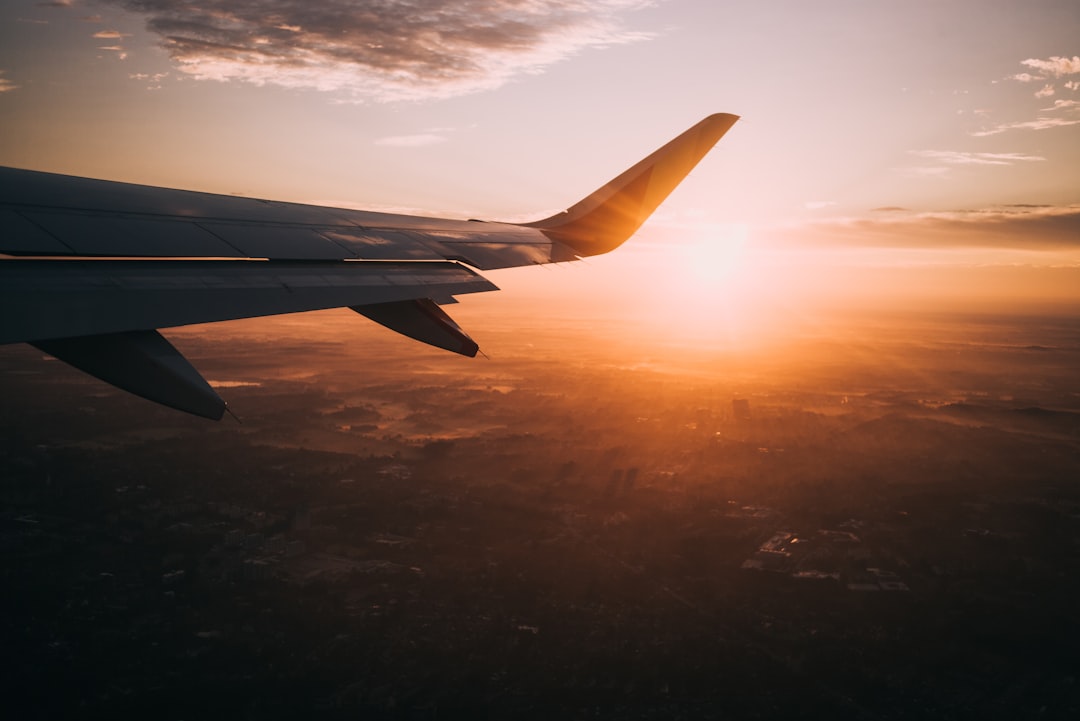
Photo by Nils Nedel on Unsplash
The hardest part of a long flight is not just the clock. It is the stack of tiny physical irritations that build into one big one. The cabin hum never stops. The light changes when you do not want it to. Your knees keep negotiating with the seat ahead. Your lips dry out, your eyes start to sting, and your shoulders creep upward until your whole neck feels braced for impact. By the time meal trays arrive, your body is no longer relaxed enough to read its own hunger signals.
That is why people who survive long haul flights well usually think in body systems, not random hacks. They protect circulation, moisture, posture, temperature, and sleep cues. They accept that economy seat comfort is mostly about managing friction: friction on skin, friction in the lower back, friction between your planned sleep time and the airline schedule, and friction between what your body needs and what the cabin offers.
Here is what the cabin is quietly doing to you:
- Drying you out: Cabin humidity commonly sits around 10 to 20 percent, which is why skin, eyes, and nasal passages feel rough after a few hours.
- Reducing movement: Sitting for 8 to 14 hours slows circulation in your legs and can leave feet and ankles swollen by landing.
- Flattening sleep quality: Even when you do sleep on a plane, noise, posture, and light keep it shallow.
- Scrambling appetite and alertness: Meal times, caffeine, and destination time rarely line up unless you plan them.
- Magnifying small discomforts: A tight waistband, hot feet, a poorly placed charger, or one missing layer becomes much more irritating at hour nine.
When you understand that, the goal becomes simple: reduce physical irritation before it compounds. That is the real foundation for anyone trying to survive long haul flights comfortably.
Before you leave home, start your comfort routine early
Photo by Felicia Buitenwerf on Unsplash
The easiest way to make a long flight miserable is to treat the journey like it starts at the gate. By then, a lot of the damage is already in motion. You may have slept badly the night before, rushed to finish packing, swallowed a heavy airport meal because it was available, and sat in transit for two extra hours before your seat belt even clicked shut. A calmer flight begins at home, when the apartment is still quiet and your body still believes it has options.
The first win is lowering decision fatigue. Lay out your in-flight clothes, your airport clothes if different, and your seat pocket kit the night before. Charge everything. Download everything. Put your passport, pen, medication, and eye mask in the same pocket every time. If you like keeping flight timing, layovers, and hotel check-ins in one place, TravelDeck can help stitch the day together so your brain does not have to keep doing it manually.
The second win is thinking like an athlete rather than a passenger. Light movement before departure helps. A 30 to 45 minute walk, a short mobility session, or a gentle gym visit can make it easier to sleep on a plane later because your body has spent some energy and your joints are less stiff before the first hour of sitting. This is also the moment to build plane travel essentials into your carry-on, not your checked bag. If your comfort items are buried under souvenirs and spare shoes, they do not count.
A simple pre-flight checklist helps you survive long haul flights more than any last-minute purchase:
- Wear layers, not one bulky outfit: A breathable T-shirt, a mid-layer, and a light scarf or hoodie is more useful than one heavy sweater.
- Choose easy shoes: Slip-ons or trainers with room for swelling beat stiff boots every time.
- Avoid tight waistbands and scratchy fabrics: Economy seat comfort starts with nothing digging into your stomach or lower back.
- Eat a balanced meal 2 to 3 hours before departure: Think rice, eggs, soup, grilled fish, oats, yogurt, fruit, or a chicken sandwich. Heavy fried food is a bad opening move.
- Hydrate before the airport: It is easier to maintain in-flight hydration than to fix dehydration once you are already dry.
- Set your watch and phone to destination time when boarding: This small ritual helps you avoid jet lag mentally, even before the body catches up.
Seat choice matters too, and not only in the obvious aisle-versus-window way. Your best seat depends on what kind of discomfort ruins you fastest.
| Seat choice | Best for | Trade-offs |
|---|---|---|
| Window | Sleeping against the wall, fewer interruptions | Harder to get up for walks |
| Aisle | Stretching legs, easy toilet access, circulation | More bumps from carts and passing passengers |
| Over the wing | Less felt motion in turbulence | Often louder than forward cabins |
| Bulkhead | More leg space on some aircraft | No under-seat storage during takeoff and landing |
| Exit row | Extra legroom | Colder air, firmer armrests, rules on who can sit there |
If you are still refining your bag setup, Carry-On Bag Packing Tips for 2026: The Access-First Plan is especially useful for long sectors, where access matters more than volume.
Build a comfort kit you can reach blind
Photo by Daniele Franchi on Unsplash
There is a special kind of frustration that happens in the dark cabin when you need one tiny item and cannot find it. The screen glows blue in your face, your seatmate is asleep, and the charger cable is somehow in the least logical pocket. A good long-haul kit is not about carrying more. It is about carrying fewer things that solve problems fast and in the right order.
Think of your seat kit in layers. The top layer handles the first hour: headphones, water bottle, lip balm, tissues. The middle layer handles the middle of the flight: eye mask, toothbrush, electrolyte sachet, moisturizer, snacks. The final layer handles landing: pen, passport, deodorant wipe, charger, destination SIM or eSIM details. That is how people quietly survive long haul flights without turning their footwell into a yard sale.
These plane travel essentials earn their place every time:
- Refillable water bottle: Fill it after security. Crew service alone is rarely enough for strong in-flight hydration.
- Electrolyte packets: Useful on flights longer than 8 hours, especially after coffee or wine.
- Lip balm and small moisturizer: Dry lips and tight skin are early signs your comfort is slipping.
- Saline nasal spray: Helpful in very dry cabins and useful if you are prone to that scratchy, post-flight throat.
- Preservative-free eye drops: Especially important if you wear contact lenses or binge screens.
- Compression socks: Best worn before you leave for the airport, not halfway through the flight.
- Noise-cancelling headphones or snug earplugs: Both help you sleep on a plane and reduce background stress.
- Soft eye mask: A good one matters more than most people think.
- Lightweight scarf or oversized layer: Doubles as blanket edge, lumbar support, or shoulder padding.
- Protein-forward snack: Nuts, oat bar, cheese crackers, jerky, banana chips, or a simple sandwich.
- Toothbrush and toothpaste tabs: A five-minute reset can make the final hours feel shorter.
Keep this kit in one slim pouch that lives under the seat in front of you. If you want to survive long haul flights well, nothing crucial should go in the overhead bin unless you can live without it for four hours.
The first two hours on board decide almost everything
Long-haul comfort is often won early and lost early. The first two hours are when people either settle into a rhythm or accidentally set up twelve hours of irritation. The cabin still has boarding heat trapped in it, overhead bins keep opening, the drink cart arrives before you have assessed what your body actually needs, and it is easy to drift into passive passenger mode. That is the exact moment to take control.
As soon as you sit down, build your small territory. Put shoes slightly loose. Take out your comfort pouch, headphones, water, and one layer. Adjust the seat pocket before it becomes cluttered. If you use a neck pillow, do not inflate or position it yet unless you are actually going to sleep soon. Many passengers overbuild too early, then spend the next two hours feeling trapped inside their own setup.
This is the calm sequence that helps many travelers survive long haul flights better:
- Sit down and align your body first. Lower back fully back in the seat, shoulders down, chin neutral.
- Start in-flight hydration immediately. Sip water before the first service round instead of waiting for thirst.
- Skip alcohol in the opening stretch. It makes the dry cabin feel drier and often ruins your ability to sleep on a plane later.
- Set your sleep goal. If it is an overnight sector, choose roughly when you want to try sleeping and work backward from there.
- Eat selectively, not automatically. Airline timing is built for operations, not your body clock.
- Stand once before the first movie starts. A quick aisle walk early protects economy seat comfort later.
A lot of people say they cannot avoid jet lag because their body never listens on planes. Often the issue is not the body. It is that the first two hours gave it every mixed signal possible: coffee, wine, bright screens, random snacks, and no movement.
How to sleep on a plane without waking up folded in half
The fantasy of sleeping straight through a long-haul flight is usually sold by people in lie-flat seats or in stock photos where no one has knees. In the real cabin, to sleep on a plane you need three things working together: reduced stimulation, decent posture, and a clear decision about whether this is actually sleep time. Without all three, you end up drifting, not sleeping, and drift is the most overrated part of overnight travel.
The posture piece matters more than people think. A neck pillow is not magic if your lower back is unsupported and your hips are sliding forward. Start with a small fold in the natural curve of your lower back; a rolled scarf or sweater works if the seat feels hollow. Recline modestly once allowed, then let your ribcage soften instead of trying to hold yourself upright with tension. If you are at the window, use the wall for side support. If you are on the aisle, lean slightly away from the cart path and keep elbows tucked.
The sensory piece is where most successful sleepers quietly separate themselves. Light, chatter, and cabin clatter can keep the nervous system humming even when you feel tired. Good earplugs or noise-cancelling headphones plus an eye mask are often more effective than another glass of wine. If you can sleep on a plane with white noise, brown noise, a simple instrumental playlist, or nothing at all, choose it before takeoff so there is no fiddling in the dark.
A practical sleep routine for overnight sectors:
- Pick one target sleep window: For example, 4 to 5 hours after the first service if that matches destination night.
- Use the bathroom before you settle in: Nothing breaks fragile plane sleep faster.
- Brush teeth and wash your face first: This tiny ritual tells your body the day has ended.
- Lower screen brightness 30 to 40 percent: Bright entertainment right before rest makes it harder to switch off.
- Do one minute of slower breathing: Longer exhales help your body downshift.
- Protect your knees and feet: A foot sling is optional, but a small bag under your feet can help shorter travelers if airline rules allow it outside taxi, takeoff, and landing.
To survive long haul flights well, accept that plane sleep may be lighter and shorter than home sleep. The goal is not perfection. The goal is enough rest that your arrival day is still usable.
In-flight hydration, food timing, and how to avoid jet lag
Food tastes flatter in the air, thirst shows up late, and airline timing can push you into eating when your body is bored rather than hungry. That is why this part of the journey deserves more attention than it usually gets. Many travelers who struggle to survive long haul flights are not eating too little. They are eating at the wrong times, drinking too little water, and layering caffeine on top of dryness and poor sleep.
In-flight hydration is not glamorous, but it is one of the cleanest advantages you can give yourself. Aim to sip steadily rather than chugging a liter at once. On very long sectors, especially 10 hours or more, it helps to alternate plain water with one electrolyte drink. That can be as simple as one packet mixed into a bottle halfway through the flight. Your mouth feels better, your head feels clearer, and the descent is less punishing.
Food timing matters because it is one of the strongest body-clock signals you control. If you want to avoid jet lag, try syncing your main meal to destination time rather than obeying every tray that appears. On a west-to-east overnight route, that may mean eating a solid meal before boarding, taking only something light in the cabin, then eating breakfast when the destination is waking up. On a daytime east-to-west route, it may mean staying more alert and using meals to keep you anchored to the new afternoon and evening.
A simple guide:
| Flight scenario | Better approach | What to avoid |
|---|---|---|
| Overnight eastbound | Eat before boarding, hydrate, sleep early, light breakfast on board | Heavy dinner plus alcohol plus late movie |
| Daytime westbound | Normal meal, moderate caffeine early, more walking, stay awake longer | Sleeping too early and waking at destination midnight |
| Ultra-long 12 to 16 hours | Smaller meals, one electrolyte bottle, regular water, planned caffeine | Grazing nonstop because food keeps appearing |
Foods and drinks that usually travel well in the body:
- Oats, rice, noodles, bananas, yogurt, eggs, grilled chicken, soup
- Crackers, nuts, simple sandwiches, fruit, rice cakes
- Water, sparkling water, herbal tea, one coffee early if it supports your schedule
Things that often feel worse at altitude:
- Too much alcohol
- Very salty snacks without water
- Greasy fried meals before boarding
- Multiple coffees in the back half of the flight
If you want to survive long haul flights and also avoid jet lag, think less about airline meal labels like breakfast or dinner and more about what time your destination body should be eating.
Economy seat comfort starts with posture and circulation
Economy seat comfort sounds like a seat problem, but much of it is a circulation problem disguised as a seating problem. What hurts after eight hours is not only the cushion. It is the slow pooling of stillness: feet that have not flexed, hips that have not opened, shoulders that have held the same small defensive curve, and a lower back that has been negotiating with gravity since takeoff.
That is why the travelers who survive long haul flights best do not rely on one dramatic stretch. They layer tiny movements all day. Ankles circle while the movie loads. Calves contract during taxi. Aisle walks happen before discomfort gets loud. The body loves regularity more than heroics.
Use this movement rhythm on flights longer than 6 hours:
- Every 30 minutes in the seat: Roll shoulders, flex feet, circle ankles, lift toes, tighten and release calves.
- Every 60 to 90 minutes: Stand up if the seat belt sign is off, even for a short walk to the galley and back.
- After each meal service: Do one full standing reset when the aisle clears.
- Before descent: Walk once more so you do not land fully locked up.
For better economy seat comfort, posture matters too:
- Sit fully back instead of sliding forward.
- Support the lower back with a soft layer if the seat curves badly.
- Keep screens near eye line when possible to reduce neck collapse.
- Rest forearms instead of lifting shoulders toward them.
- Loosen shoes after takeoff if your feet tend to swell.
Compression socks can be genuinely useful on long sectors, especially above 4 hours and especially if you are prone to swelling. If you have a history of circulation issues, recent surgery, pregnancy, or clotting concerns, get individualized medical advice before flying. For everyone else, movement plus water plus a sensible fit around the waist and ankles will do more than most people realize.
Screens, noise, and the mental game of the cabin
A long-haul flight is not only a physical test. It is also a boredom test, a patience test, and for some people, an anxiety test disguised as free entertainment. The cabin can feel eerily timeless: windows shut, lights dim, engines constant, maps looping over empty ocean. If you do not choose a mental rhythm, the flight chooses one for you, and it is usually a mix of scrolling, low-grade restlessness, and accidentally staying awake too long.
The best way to survive long haul flights mentally is to create chapters. Think in blocks rather than hours. Block one: settle, hydrate, organize. Block two: meal or reading. Block three: sleep on a plane or quiet rest. Block four: reset and stretch. Block five: light entertainment and arrival prep. That simple structure keeps the journey from feeling shapeless.
This is where digital prep helps. Download movies, one comfort show, one audiobook, a podcast queue, offline maps, and your booking details before you leave home. Travel Apps for Every Trip in 2026: Your Smartest Phone Setup is a good companion if your phone setup tends to be an afterthought.
A better cabin media mix looks like this:
- One easy watch: Familiar, low-stress, not too bright
- One immersive watch: Save the big film for when you know you are staying awake
- One offline read: Essays, long-form journalism, or a novel that does not require Wi-Fi
- One audio option: Excellent when your eyes are dry and tired
- One reset tool: Breathwork app, downloaded meditation, or simply a saved music playlist
If turbulence or confinement spikes your stress, do not fight the feeling with more stimulation. Lower the screen, put both feet on the floor, unclench your jaw, lengthen the exhale, and ride the moment like weather rather than threat. That is often enough to keep a manageable feeling from turning into a long, wired night.
Long layovers can save or ruin your next sector
A layover is often judged only by duration, but what really matters is the quality of the hours inside it. Ninety minutes can feel elegant in one airport and chaotic in another. Five hours can either rescue your body or flatten it further. If your trip includes a connection, this is still part of how you survive long haul flights comfortably, not a separate issue.
Good layovers restore one thing you lost on the first sector: choice. You can walk properly, eat food that is not attached to a trolley, wash your face, change socks, or sit somewhere that is not molded to your spine. Bad layovers trap you in crowded gate areas under harsh light, where you are simultaneously tired and unable to rest.
When possible, use the connection for recovery rather than shopping:
- Walk 15 to 25 minutes total instead of collapsing immediately at the next gate.
- Refill your bottle and restart in-flight hydration before the second flight.
- Eat one real meal if the timing makes sense.
- Change into fresh socks or T-shirt on very long travel days.
- Use an airport lounge day pass carefully: best for showers, quieter seating, and power, not for overeating.
If your connection is overnight or very tight, airport-area hotels can be smarter than gambling on exhaustion. The right bed between sectors can do more for you than any neck pillow ever sold.
How to get there
For long-haul travel, the route to the airport matters more than most people admit. A calm train ride with room to breathe can preserve energy you will absolutely need later. A stressful taxi through rush-hour traffic can empty the tank before security. If you are choosing between two departure airports, the one with the easier ground transfer is sometimes the better comfort choice even if the airfare is slightly higher.
Below are reliable options for reaching major long-haul hubs from their city centers. Prices can shift, but these are realistic 2026 ballpark figures and good planning benchmarks.
| Airport | From city center | Best public transport | Typical cost | Typical duration | Taxi or car |
|---|---|---|---|---|---|
| London Heathrow (LHR) | Paddington / Central London | Elizabeth line or Heathrow Express | £13 to £25+ | 15 to 45 min | 45 to 90 min, often £55 to £95 |
| New York JFK (JFK) | Manhattan | AirTrain JFK + LIRR/Subway | US$11.40 to US$25 | 35 to 75 min | 45 to 90 min, often US$70 to US$100+ |
| Singapore Changi (SIN) | City Hall / Orchard | MRT via Tanah Merah or direct taxi, info at Changi Airport | S$2 to S$3 by MRT, S$20 to S$35 by taxi | 20 to 40 min | 20 to 30 min |
| Paris Charles de Gaulle (CDG) | Central Paris | RER B, info at Paris Aéroport | about €11.80 | 35 to 45 min | 35 to 60 min, flat fare about €56 to €65 |
| Dubai International (DXB) | Downtown Dubai | Metro Red Line | AED 5 to AED 8 | 25 to 35 min | 15 to 25 min, around AED 45 to AED 70 |
A few route-specific notes:
- LHR: If you are carrying a full-size suitcase plus a comfort bag, Heathrow Express is expensive but simple. The Elizabeth line is slower and often better value.
- JFK: LIRR plus AirTrain is usually the best balance of speed and sanity from Manhattan. A yellow cab can be easy, but only outside peak traffic.
- SIN: Changi is one of the easiest major hubs to reach. If your flight is late at night, a taxi keeps things effortless.
- CDG: RER B is efficient, but watch strikes and timing if you have an early departure.
- DXB: The metro is clean and cheap, but taxis are very reasonable if you are tired or traveling with family.
If your goal is to survive long haul flights, preserving calm on the journey to the airport is part of the same mission.
Things to do
The best airports now understand that long-haul passengers do not just need shops. They need decompression. They need water, light, space, showers, and something that reminds the body it still belongs to a living world and not only to terminals, trays, and gate changes. A smart layover activity should leave you looser, cleaner, or calmer than before.
These are some genuinely useful long-haul reset options at major hubs:
- Walk through Jewel Changi Rain Vortex, Singapore (78 Airport Boulevard, near SIN). The indoor waterfall and gardens are not just photogenic; they are a sensory reset after a sealed cabin.
- Use the Butterfly Garden at Changi Terminal 3. Fresh greenery and daylight do something a duty-free corridor never will.
- Book a shower or short rest at Plaza Premium Lounge, Heathrow T2 or T5. Even a quick rinse can help you avoid jet lag on arrival by making the next sector feel like a new day.
- Visit the TWA Hotel at JFK (One Idlewild Drive). The observation deck, restored mid-century interiors, and day rooms are excellent if you have a long connection.
- Try Izumi Tenku no Yu spa at Haneda Airport Garden, Tokyo (linked to HND Terminal 3). A hot soak before or after a long sector can undo hours of airplane stiffness.
- Walk the ORCHARD indoor garden at Hamad International, Doha (DOH). Tropical planting, softer light, and space to move make it one of the better transfer environments in the world.
- Use the yoga rooms at San Francisco International, Terminals 2 and 3. They are quiet, free, and far more restorative than camping at the gate.
None of these are essential. But if you regularly survive long haul flights badly, adding one proper reset point during a connection can change the whole day.
Where to stay
Sometimes the most comfortable flight strategy is admitting that you should not attempt a red-eye plus a two-hour commute plus a meeting straight after landing. Airport hotels are rarely the romantic part of a trip, but they are often the part that saves it. A shower, blackout curtains, decent water pressure, and ten uninterrupted hours horizontal can feel luxurious in a way a city-center design hotel does not.
These airport-area stays are useful when you want to split a long journey intelligently. Prices vary by season and day of week, but the ranges below are realistic starting points.
| Budget | Location | Typical price |
|---|---|---|
| YOTELAIR London Heathrow, Terminal 4 | Connected to LHR Terminal 4 | £90 to £140 |
| CapsuleTransit MAX, Jewel Changi | Near SIN, landside convenience | S$80 to S$140 |
| ibis budget Roissy CDG Paris Nord 2 | Near CDG via shuttle/taxi | €55 to €90 |
| Mid-range | Location | Typical price |
|---|---|---|
| Hampton by Hilton London Heathrow Bath Road | 10 to 15 min from LHR | £130 to £180 |
| Hyatt Place Paris Charles de Gaulle Airport | Near CDG | €140 to €220 |
| TWA Hotel New York JFK | On-airport at JFK | US$250 to US$380 |
| Luxury | Location | Typical price |
|---|---|---|
| Sofitel London Heathrow | Connected to LHR Terminal 5 | £220 to £320 |
| Crowne Plaza Changi Airport | Linked to SIN Terminal 3 | S$280 to S$420 |
| Grand Hyatt at SFO | On-airport at San Francisco International | US$320 to US$480 |
A practical rule: if your transfer involves landing after 22:00, changing terminals, or traveling onward more than an hour by road, an airport hotel is often worth more than squeezing one extra day from the itinerary.
Where to eat
Pre-flight food should feel boring in the best possible way. Not bland, just reliable. Warm rice, soup, noodles, eggs, grilled fish, yogurt, oats, dumplings, fruit. The goal is not a final indulgence before the plane. The goal is boarding with a calm stomach and stable energy. That is the kind of meal that helps you survive long haul flights with less drama.
Good options around major hubs include:
- Plane Food by Gordon Ramsay, Heathrow Terminal 5: Useful for lighter breakfasts, grilled mains, and a civilized sit-down meal before an overnight departure.
- Din Tai Fung, Jewel Changi: Dumplings, greens, chicken soup, and noodles travel well in the body before a long sector.
- Tsurutontan Udon Noodle Brasserie, Haneda Airport Garden: Warm udon is gentle, hydrating, and far easier on the stomach than fast food.
- Harrods Tea Room, Hamad International Doha: A calmer place for eggs, tea, yogurt, and simpler plates during a long connection.
- Simit Sarayı, Istanbul Airport: Simit, soup, yogurt, and tea can be a sensible lighter choice between long legs.
- Eataly at Rome Fiumicino: If you keep it simple with pasta, vegetables, and water, it can work very well before a transatlantic flight.
What usually travels worst: giant burgers, extra-spicy food, very salty fried snacks, or several drinks at the bar because airport time feels unreal.
Practical tips
Comfort on a long flight is never only about the aircraft. Season, route timing, crowd levels, and connection design all matter. Summer departures from giant hubs can mean longer security lines, hotter gate areas, and more delayed boarding. Winter brings heavier outerwear, more dry skin, and a higher chance of weather disruption. Shoulder-season travel often feels physically easier, not just cheaper.
Keep these practical notes in mind:
- Best months for smoother long-haul travel: March to May and late September to early November often bring lighter crowds outside peak holiday periods.
- What to pack: One soft layer, compression socks, refillable bottle, moisturizer, lip balm, eye mask, charger, snack, and a pen.
- Security rules: For liquids in carry-on, check the official TSA 3-1-1 rule or the equivalent rules for your departure airport.
- Passenger rights: If you are departing from or connecting through Europe on covered carriers, the official EU air passenger rights page is useful: https://europa.eu/youreurope/citizens/travel/passenger-rights/air/index_en.htm
- Health note: If you have clotting risks or circulation concerns, review official guidance such as the NHS overview on DVT: https://www.nhs.uk/conditions/deep-vein-thrombosis-dvt/
- Connectivity: Download boarding passes, maps, playlists, and hotel details before you leave home. Airport Wi-Fi is helpful, but it should not be essential.
- Customs and cash: Carry a small amount of arrival currency or a card that works on trains and airport vending machines in case your transfer starts before you can visit an ATM.
If you are traveling solo on a very long itinerary, some planning habits from Solo Travel Safety Checklist 2026 for Smarter First Trips also translate well to overnight flights and late arrivals.
FAQ
What is the best seat for a long-haul flight?
For most people, the best seat is an aisle near the wing if movement and circulation matter most, or a window near the wing if sleeping matters most. Being close to the wing often feels a bit steadier in turbulence than far forward or far back.
How do you sleep on a plane in economy?
To sleep on a plane in economy, combine a modest recline, lower-back support, an eye mask, noise reduction, and a planned sleep window that matches destination night as closely as possible. Avoid heavy alcohol and bright screens right before trying to sleep.
How much water should you drink on a long flight?
There is no perfect number for every body, but steady sipping is better than waiting for thirst. On long sectors, especially over 8 hours, many travelers do well with regular water plus one electrolyte drink. Strong in-flight hydration usually means starting before boarding, not after.
Are compression socks worth it for long flights?
For many travelers, yes. Compression socks can reduce swelling and support circulation, especially on flights over 4 hours. Put them on before leaving for the airport rather than halfway through the journey.
What should you avoid before boarding?
Try to avoid very salty food, too much alcohol, multiple coffees late in the journey, tight clothing, and leaving all your plane travel essentials in the overhead bin. Those choices make it much harder to survive long haul flights comfortably.
Final thoughts
The strange thing about long-haul comfort is that it rarely comes from one big fix. It comes from a dozen small mercies stacked in the right order: loose shoes, one extra layer, a bottle filled after security, a seat that lets you stand when you need to, a meal you chose on purpose, a quiet ten minutes with your eyes closed while the cabin hums around you. That is how you survive long haul flights without feeling like the plane won.
A good journey does not need to feel glamorous. It just needs to feel manageable. When your body lands steadier, the city outside the airport comes back into focus faster, and the trip begins as a trip, not as a recovery operation.