Most travelers do not run out of suitcase space; they run out of decisions. The best carry-on bag packing tips start long before the zipper closes, in that quiet moment when you stop packing for fantasy versions of yourself and start packing for the trip you are actually taking. That is the shift that makes one small bag feel generous instead of impossible.
If you want to know how to pack everything in a carry-on bag, think less like a collector and more like an editor. Airports are loud, hotel rooms are dim at midnight, train platforms smell like diesel and coffee, and the best travel days move quickly. A good carry-on should feel like that too: clean, mobile, easy to reach into, and impossible to regret. The goal is not austerity. The goal is freedom.
Why most people overpack before the zipper closes
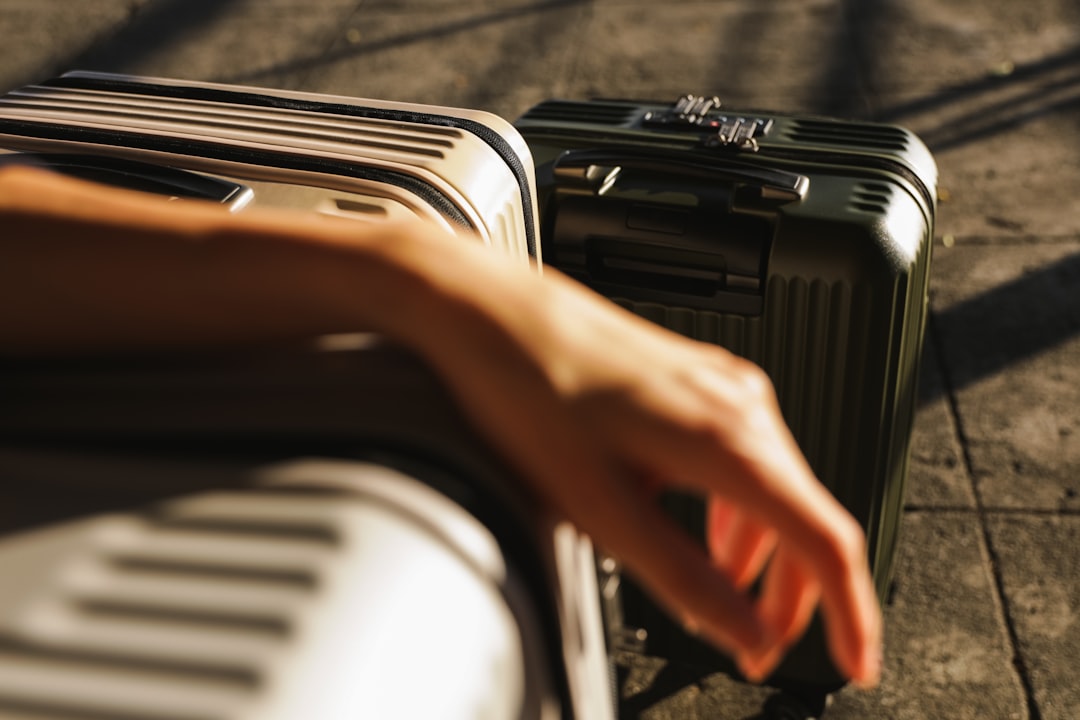
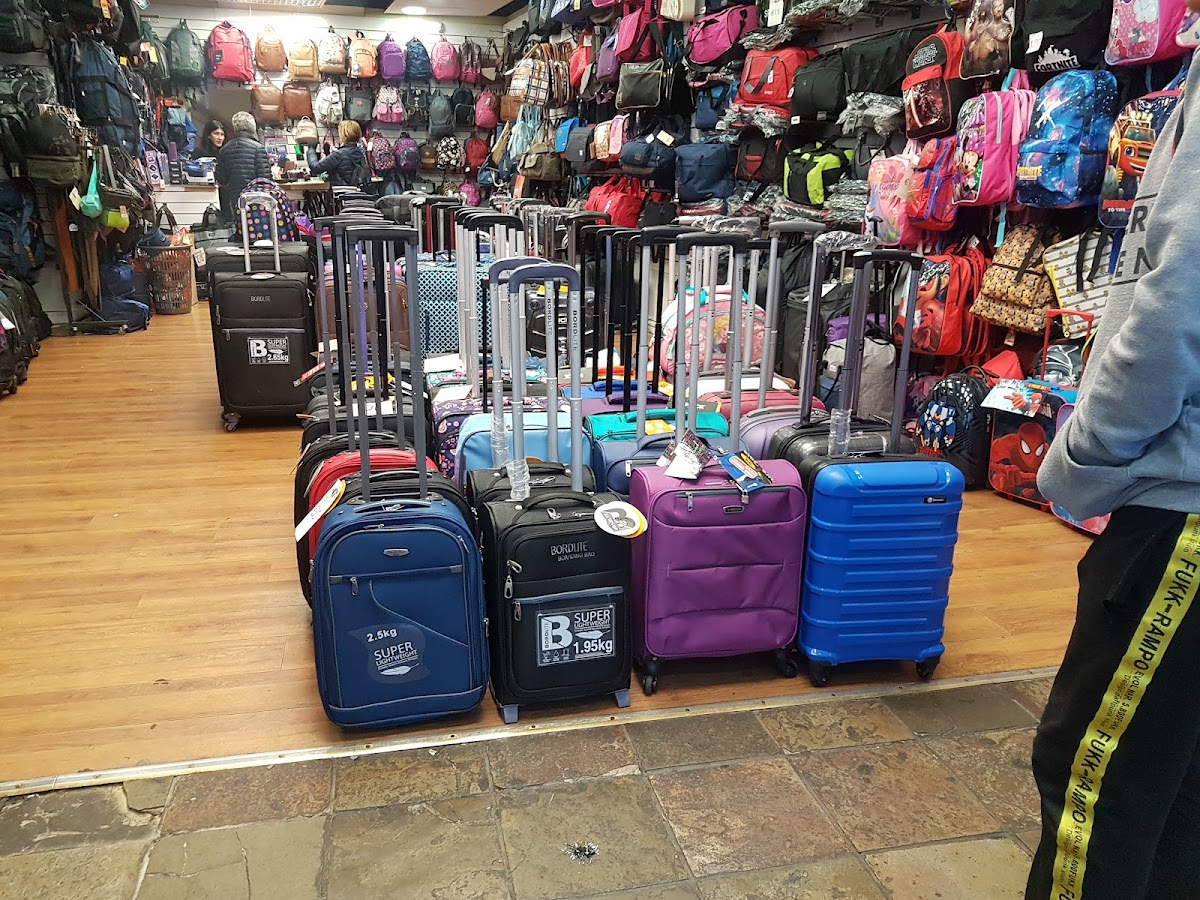
Photo by Eminent Luggage on Unsplash
Overpacking rarely begins with clothes. It begins with uncertainty. You imagine a cold front, a dress code surprise, a muddy path, a nicer restaurant than expected, or a version of yourself who suddenly loves outfit changes. Then each imagined scenario gets one item. One extra layer becomes two. One pair of shoes becomes three. Suddenly your bag is not carrying your trip; it is carrying your anxiety.
That is why the most practical carry-on bag packing tips are decision tools, not folding tricks. Before I pack, I make the itinerary concrete enough to kill vague ideas. A dinner reservation means one nicer top, not a whole dress category. A beach afternoon means one swimsuit, not a second parallel wardrobe. I like mapping the first few days in TravelDeck because once a trip has real neighborhoods, train times, and weather windows, random extras lose their emotional power.
Ask these questions before you place a single item in the bag:
- What will I wear on travel day, and can it be my bulkiest outfit?
- What are the two dressiest moments of the trip, if any?
- Where will I do one load of laundry, sink wash, or quick rinse?
- Will I be changing cities often, or staying put long enough to unpack once?
- What is the coldest likely temperature, not the most dramatic one?
- Which item would be annoying to buy on arrival, and which would be easy?
- What do I need in the first hour after landing?
When you answer those seven questions honestly, a carry-on packing list becomes smaller and much sharper.
Carry-on bag packing tips begin with the bag itself
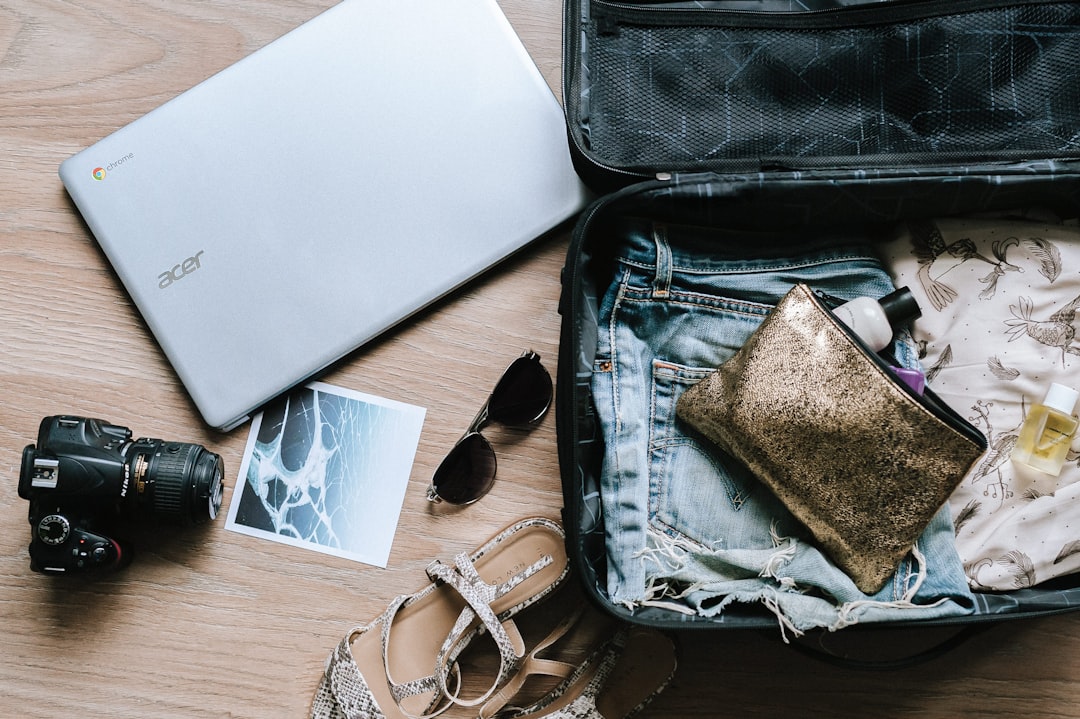
Photo by Anete Lūsiņa on Unsplash
The bag sets the rules. A floppy duffel makes everything disappear into soft chaos. An oversized roller invites overconfidence right until the gate agent eyes it. A structured cabin backpack or compact spinner, on the other hand, gives your trip architecture. You stop asking how much you can cram in and start asking what deserves the space.
For most travelers, the sweet spot is a bag in the 35 to 42 liter range, small enough for common cabin limits and large enough for a real wardrobe rotation. If your trips involve stairs, cobblestones, buses, and hotel changes, a clamshell backpack is usually the least frustrating option. If your trip is mostly airport, taxi, hotel, and smooth sidewalks, a light spinner can work beautifully. If you are still wrestling with dimensions and capacity, Fit Everything in a Carry-On in 2026: The Space Budget is a useful companion read.
| Trip style | Best bag type | Ideal size | Why it works |
|---|---|---|---|
| Weekend city break | Small clamshell backpack | 30-35L | Fast through transit, easy on trains and stairs |
| One-week mixed trip | Carry-on backpack or light spinner | 35-40L | Enough room for layers and one extra shoe |
| Work travel | Structured spinner or hybrid backpack | 35-40L | Keeps shirts and tech more orderly |
| Cold-weather trip | Max-size carry-on backpack | 40-42L | Bulky knits need efficient shaping |
| Multi-city rail trip | Backpack | 35-38L | Easier on platforms, buses, and old streets |
Look for these features before brand names and marketing slogans:
- A clamshell opening so the bag opens flat
- Compression straps inside, not too many bulky outer pockets
- A laptop sleeve only if you are truly bringing a laptop
- Lockable zipper pulls
- A weight under about 3 kilograms empty if it is a roller, ideally less for a backpack
- A shape that still fits when fully packed, not just when photographed empty
The best carry-on bag packing tips are useless if the bag itself is eating your allowance before you leave home.
How to pack a carry-on by trip rhythm, not trip length
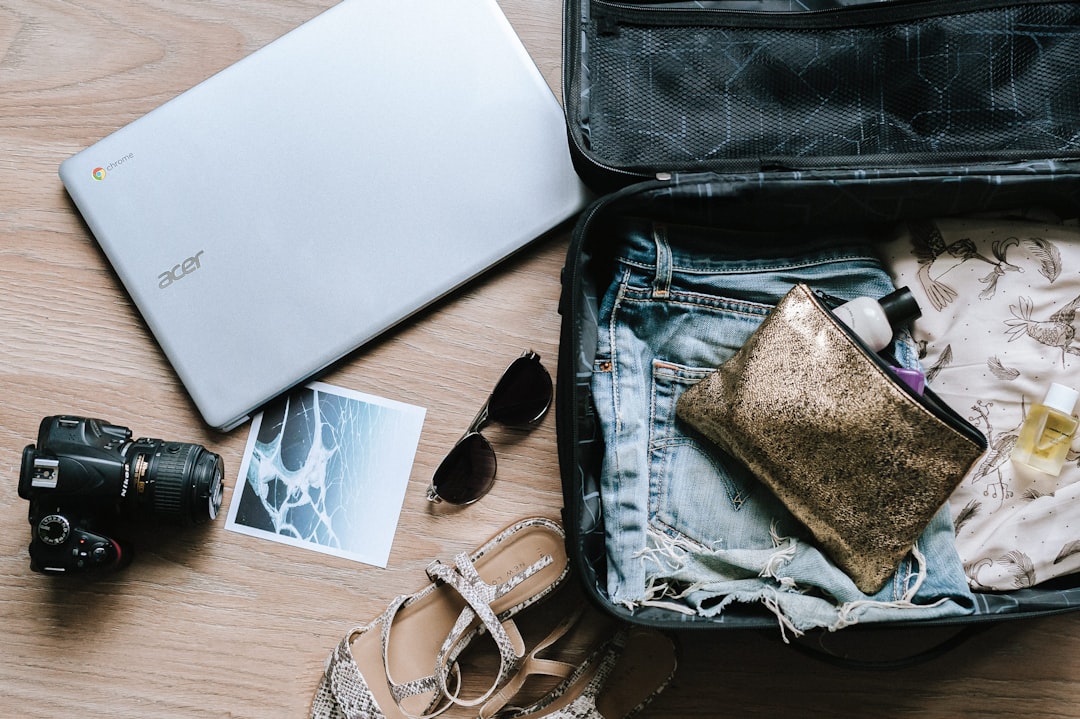
Photo by Anete Lūsiņa on Unsplash
A five-day trip can require more clothing than a ten-day trip. That sounds backward until you compare rhythms. Five days of client meetings, dinners, and temperature swings may need more careful rotation than ten beach-and-cafe days in one place. This is why seasoned travelers stop packing by calendar and start packing by pattern.
Think about the repeating beat of your trip. Are you moving every other day? Sitting in air-conditioned conference rooms? Walking fifteen thousand steps through humid streets? Changing from beachwear to dinner each evening? The useful carry-on bag packing tips are the ones that respect the daily rhythm. Once you see the rhythm, you can build a small wardrobe that covers it without duplication.
Build your carry-on packing list around these anchors:
- Transit-heavy trip: prioritize wrinkle resistance, one great walking shoe, and quick access to documents
- City break: pack compact layers, one nicer evening option, and a weatherproof outer layer
- Beach holiday: fewer total garments, more quick-dry fabrics, and a lightweight cover-up
- Work trip: sharper tops, one reliable blazer or overshirt, and a disciplined shoe plan
- Cold-weather escape: thin thermal layers, one insulating mid-layer, one shell, fewer bulky single-purpose items
- Family trip: extra organization, easy-change clothing, and a personal-item strategy for shared essentials
A short trip with a complicated rhythm deserves more attention than a long trip with a simple one. That is one of the least glamorous but most effective carry-on bag packing tips you can learn.
Build a carry-on packing list around laundry, layers, and repeat wear
The smell of detergent in a hotel sink is one of the great secrets of one bag travel. Not because laundry is romantic, but because it changes the entire math. Once you accept one small wash during the trip, you no longer need a fresh complete outfit for every day. You need a smart rotation, a dry place, and fabrics that behave well overnight.
Cotton has its place, but heavy cotton stays damp, hogs volume, and punishes indecision. Merino, performance blends, light poplin, and thin knits do more with less. They dry faster, resist odor longer, and layer neatly. If you want to travel light without feeling underdressed, texture and fabric matter more than quantity. This is also where the overlap with Sustainable Travel Tips 2026 Without Giving Up the Fun becomes obvious: fewer, better items tend to be kinder to both your back and the planet.
Here is a flexible clothing formula that works for many one-week trips:
- 4 tops that all work with every bottom
- 2 bottoms, usually one lighter and one darker
- 1 overshirt, cardigan, or thin knit layer
- 1 weather shell or compact jacket
- 1 sleep item that can double as lounge wear
- 4 to 5 underwear pairs
- 3 pairs of socks if you can wash once
- 1 main walking shoe worn on the plane
- 1 secondary shoe only if the trip genuinely needs it
And here is how I adjust that formula by climate:
| Climate | Add | Remove | Fabric priority |
|---|---|---|---|
| Hot and humid | extra lightweight top, sandals | heavy denim | quick-dry synthetics, linen blends |
| Mild city weather | thin knit, compact rain shell | bulky hoodie | merino, poplin, stretch twill |
| Cold and dry | thermal base, beanie, gloves | spare heavy sweaters | merino, fleece grid, packable down |
| Wet shoulder season | second pair of socks, shell | suede shoes | water-resistant fabrics |
Repeat wear is not a compromise. It is the engine that makes a small bag realistic. The smartest carry-on bag packing tips teach you to repeat invisibly: dark trousers worn three times, the same shirt styled open one day and layered the next, the same knit on the plane and at dinner.
The access-first layout that makes one bag feel bigger
Packing is not only about volume. It is about timing. A bag can be technically efficient and still feel terrible if your toothbrush is trapped under your shoes or your charger is buried behind a week of clothing while you crouch under a departure board. Space matters, but access matters first.
That is the whole idea behind the access-first layout. Instead of packing by category alone, you pack by when you will need each item. This makes a carry-on feel larger because you stop disturbing the whole system every time you need one thing. On a red-eye or a long connection, it also keeps the airport version of you calm and functional. If you are facing a long flight, pair this article with Long-Haul Flight Comfort 2026: The Hour-by-Hour Plan.
Use four simple zones:
- Zone 1: In-transit essentials — passport, wallet, phone, earbuds, charger, pen, medicine, snack, water bottle
- Zone 2: First 24 hours — sleepwear, toothbrush, clean underwear, lightweight top, deodorant, basic toiletries
- Zone 3: Main wardrobe — cubes for tops, bottoms, and underlayers
- Zone 4: Low-frequency items — swimwear, packable tote, laundry soap sheet, backup cable, dressier item
Pack in this order:
- Put heaviest items closest to your back if using a backpack.
- Keep liquids and electronics where security can reach them quickly.
- Place your first-night kit near the top.
- Use one cube for clothing you will rotate often and one for lower-priority items.
- Leave a little breathing room for food, a paperback, or a small purchase on the return trip.
These carry-on bag packing tips are not flashy, but they are the difference between a bag that serves you and a bag that keeps making demands.
Toiletries, tech, and documents without dead weight
The bathroom portion of a carry-on is usually where good intentions go to die. Tiny leaks, duplicate products, heavy bottles, and a sentimental attachment to full routines can consume half the available flexibility in minutes. The truth is simple: most trips need a travel routine, not your home routine.
Tech causes a different kind of bloat. Cables multiply in hotel rooms like ivy. Adapters, batteries, e-readers, and cameras can quietly outweigh your clothing. The best carry-on bag packing tips are ruthless here: every device must justify both its own weight and the weight of its accessories. If your phone can replace a tablet, or your watch charger can stay home for four days, let it.
A lean toiletries kit usually includes:
- Toothbrush and small toothpaste
- Solid deodorant
- Sunscreen in a small container if you need it on arrival
- Moisturizer or one face product, not six
- Small fragrance atomizer only if you will use it daily
- Razor if needed
- Prescription medication in original packaging where appropriate
- One clear liquids bag that meets the current rule at your departure airport
A lean tech and document kit usually includes:
- Phone and one charging cable
- Compact wall plug or universal adapter
- Small power bank under airline limits
- Earbuds or fold-flat headphones
- Passport, cards, insurance info, and a backup payment method
- Offline copies of tickets and hotel addresses
- One pen for arrival forms and quick notes
Useful official references before you fly:
- TSA What Can I Bring
- UK hand luggage restrictions
- IATA dangerous goods guidance
- European Union air passenger rights
Solid toiletries, mini cables, and offline copies are boring until the moment they save you. That is why they show up again and again in serious carry-on bag packing tips.
How to pack everything in a carry-on bag for different types of trips
The phrase sounds universal, but real trips are never generic. A carry-on for a humid beach week should not resemble a carry-on for a winter city break. A bag for a wedding weekend should not resemble one for a slow train trip through Southern Europe. The mistake is not packing light; the mistake is packing the same way for every trip.
This is where carry-on bag packing tips become more than a checklist. They become a translation tool. You look at the atmosphere of the trip, the dress code, the surfaces underfoot, the laundry options, the likelihood of rain, the number of hotel changes, and then you translate that into fabric, quantity, and access.
1. City break carry-on packing
A city break is all motion and texture: metro stairs, museum lines, a sudden terrace lunch, evening light on stone facades, and a breeze that changes three times between breakfast and midnight. Whether you are heading to Lisbon, Barcelona, or Copenhagen, your clothing needs to move across settings without demanding a full costume change.
For this rhythm, the best carry-on bag packing tips are about polish without bulk. One dark trouser, one lighter bottom, four tops that layer cleanly, one compact jacket, and one pair of walking shoes that still look acceptable at dinner will do far more than several single-purpose items.
Pack this for a 3 to 4 day city trip:
- 3 tops plus the one you wear in transit
- 1 dark trouser or jean
- 1 lighter trouser, skirt, or short depending on weather
- 1 thin knit or overshirt
- 1 rain shell or packable trench
- 4 underwear pairs and 3 socks
- 1 walking shoe worn on the plane
- 1 flat or minimal second shoe only if evenings truly require it
What to skip:
- Extra denim
- Heavy sweatshirt if you already have a knit and shell
- Multiple evening outfits
- Large umbrella unless the forecast is truly relentless
2. Beach trip carry-on packing
Beach trips look simple until people overcomplicate them. Salt air, sunscreen, sand on tile floors, a swimsuit drying on a balcony rail, and one breezy restaurant at sunset do not require a huge wardrobe. They require garments that dry fast, shake clean, and tolerate heat.
This is one of the easiest places to travel light. Your beach bag does not need structure, your sandals do not need to be precious, and your daytime uniform can repeat almost invisibly. The best carry-on bag packing tips here are about resisting the urge to pack extra just because the garments are small.
Pack this for 5 to 7 beach days:
- 3 lightweight tops
- 2 bottoms, often one short and one airy trouser or skirt
- 1 swimsuit, or 2 if you swim twice daily and hate putting on damp fabric
- 1 cover-up or shirt dress
- 1 light evening layer for sea breeze
- Sandals plus one closed walking shoe if you will sightsee
- Minimal toiletries, since sunscreen and after-sun are often easier to buy locally
What to skip:
- A separate outfit for each dinner
- Thick towels
- Hair tools you rarely use at home
- Extra books when an e-reader or phone will do
3. Work trip carry-on packing
Business travel has a different sound: elevator chimes, coffee cups on conference tables, the hum of hotel air conditioning, the rustle of a blazer at 6:30 in the morning. It can feel like the hardest category for one bag travel because every item seems non-negotiable. In reality, it just requires discipline.
The trick is to create one work silhouette and repeat it. That might be dark trousers, two shirts, one knit, and one blazer. Or it might be one wrinkle-resistant dress and a jacket. The smart carry-on bag packing tips for work travel protect the front-facing items first and shrink everything behind the scenes.
Pack this for a 2 to 5 day work trip:
- 2 work tops plus the one worn in transit if suitable
- 1 dark trouser or skirt
- 1 blazer or smart overshirt
- 1 fine knit for cold meeting rooms
- 1 sleep top and underwear rotation
- Minimal gym gear only if you know you will use it
- Laptop only if the trip truly requires it
- One shoe strategy: wear the smarter pair, pack the lighter backup if needed
What to skip:
- Multiple blazers
- Spare formal shoes without a confirmed use
- Full-size grooming kit
- Casual extras for every possible social plan
4. Cold-weather carry-on packing
Winter scares people into big bags, yet cold-weather packing is often improved by thin layers rather than thick statements. Snowy sidewalks, dry indoor heating, damp scarves near radiators, and a coat shrugged over a cafe chair all teach the same lesson: warmth comes from system design, not sweater quantity.
If you want to know how to pack a carry-on for winter, build a sandwich. Base layer, mid-layer, shell. Add warm accessories that weigh almost nothing but change comfort dramatically. The best carry-on bag packing tips for cold climates are all about replacing bulky duplicates with stackable function.
Pack this for a cold city escape:
- 2 to 3 base-layer tops
- 2 regular tops
- 1 warm mid-layer fleece or merino knit
- 1 packable insulated jacket or one coat worn in transit
- 1 waterproof shell if weather demands it
- 1 dark bottom plus 1 thermal-friendly second bottom
- Beanie, gloves, and compact scarf
- Waterproof walking shoe or boot worn on the plane
What to skip:
- Multiple heavy sweaters
- A second coat
- Thick pajamas if your base layers can double
- Bulky boots packed instead of worn
5. Multi-city trip carry-on packing
On a trip with trains, ferries, buses, and frequent hotel changes, weight matters more than ever. You feel every unnecessary item on station stairs, across old bridges, on gravel outside a guesthouse, and on that final uphill block after dark when the map claims the hotel is close. This is where a small, calm bag pays you back every single day.
For multi-stop travel, carry-on bag packing tips become operational. You need faster repacking, easier laundry, and fewer fragile items. Organization matters as much as clothing count because you are opening the bag constantly.
Pack this for 7 to 14 days with movement:
- 4 tops, all quick-dry or easy-wear fabrics
- 2 bottoms
- 1 layer for chillier mornings or transport days
- 1 shell or compact jacket
- 1 pair of main shoes worn on travel days
- 1 secondary lightweight shoe or sandal if climate justifies it
- Small laundry kit: soap sheet, sink stopper if you use one, fold-flat bag for dirty clothes
- Packable tote for groceries or overflow during transit
What to skip:
- Fragile garments needing careful pressing
- Heavy beauty tools
- Souvenir space filled before departure
- Anything you cannot repack in under five minutes
6. Event or wedding weekend carry-on packing
Dress-code travel is where most bags lose their nerve. You imagine that one important evening and suddenly every item feels too ordinary. But formal moments are usually brief. Most of the trip is still taxis, lobbies, coffee runs, and airport lines. Pack for the ratio, not the emotion.
The best carry-on bag packing tips for event travel focus on a single hero outfit and the smallest support system around it. Protect the special item, minimize the rest, and let accessories do more of the visible work.
Pack this for an event weekend:
- 1 event outfit, carefully folded or bundled
- 1 pair of event shoes worn in transit if they are bulky
- 1 neutral daytime outfit plus the transit outfit
- Undergarments specific to the event outfit
- Minimal wrinkle-release spray in a tiny bottle if allowed
- Jewelry or accessories in a small pouch, not a large box
What to skip:
- Backup formalwear unless truly necessary
- A second pair of special shoes just in case
- Extra casual outfits for two-day trips
- Full beauty routine duplicates
How to get there
The way you reach a destination should influence the way you pack for it. Flying rewards strict dimensions and fast security access. Rail travel rewards hands-free mobility and quick repacking on platforms. Ferries introduce wind, spray, and long seated stretches. Road trips tempt overpacking because the trunk feels limitless until you start hauling things into three hotels in six nights.
This is why the best carry-on bag packing tips always include transport context. Before departure, check the exact allowance on the carrier you are actually using, not the one you flew last year. A bag that slides easily into an overhead bin on one airline may trigger fees on another.
| Mode | Example route | Typical duration | Typical price | Packing implication | Useful link |
|---|---|---|---|---|---|
| Flight | London Heathrow or Gatwick to Lisbon Airport LIS | 2h 40m to 2h 55m | €50-€220 one way | Prioritize cabin dimensions, liquids access, and weight control | ANA airport guidance |
| Flight | New York JFK to Los Angeles LAX | 5h 45m to 6h 30m | $140-$450 one way | Build a strong in-transit layer system and comfort kit | TSA |
| Train | Paris Gare de Lyon to Lyon Part-Dieu | about 1h 56m | €25-€90 | Backpack often beats spinner on stairs and platforms | SNCF Connect |
| Train | Rome Termini to Firenze S. M. Novella | 1h 30m to 1h 40m | €19-€60 | Fast boarding means compact, easy-lift luggage | Trenitalia |
| Ferry | Piraeus to Santorini | 5h to 8h | €46-€89 | Add a light layer and keep valuables weather protected | Blue Star Ferries |
| Car | Los Angeles to San Diego | 2h to 3h depending on traffic | fuel plus tolls/parking | Resist trunk sprawl; pack as if you will still carry it upstairs | California travel info |
A simple rule helps here: if you will personally carry the bag for more than ten minutes at a time, pack for mobility first and capacity second.
Things to do
Activities decide packing more honestly than trip length does. A museum-and-cafe day asks for different clothing than a cliffside sunrise or a seafood market afternoon. The trick is to pack for real activities while avoiding the trap of creating a separate outfit universe for each one.
When I build a carry-on packing list, I choose the six most likely moments of the trip and pack for those, not for every possible fantasy version of the destination. This is where carry-on bag packing tips start feeling practical rather than abstract.
Use these real-world activity anchors to decide what actually earns space:
- Lisbon viewpoints: Miradouro da Senhora do Monte in Graça and Miradouro de Santa Catarina reward sunrise and sunset walks. Pack a light layer and stable shoes, not a second fashion jacket.
- Paris museum day: Musée d'Orsay, 1 Rue de la Légion d'Honneur, and nearby Left Bank cafes call for comfortable shoes and a compact umbrella in shoulder season, not formalwear.
- Barcelona market lunch: Mercat de Sant Josep de la Boqueria, La Rambla 91, is crowded and warm. Choose breathable fabrics and a crossbody that keeps hands free.
- Kyoto food stroll: Nishiki Market in Nakagyo Ward is ideal for casual repeat-wear outfits. One shirt that handles heat and photos well is more useful than three backup options.
- New York evening out: The West Village and Lower East Side often need only one sharper top or overshirt to move from daytime walking to dinner.
- Reykjavik hot spring stop: Sky Lagoon, Vesturvör 44-48, asks for swimwear, a compact pouch, and quick-dry underlayers, not a bulky resort wardrobe.
- Amalfi Coast boat day: Marina Grande departures can be windy even in warm weather. A thin shell and secure sandals outperform extra clothing volume.
If your itinerary can be covered by one walking shoe, one weather layer, one nice top, and one activity-specific item, you are very close to packing everything in a carry-on bag.
Where to stay
Accommodation quietly changes what you need to bring. A hotel with guest laundry, decent hangers, and a kettle can reduce your clothing volume and your need for backup comforts. A tiny room with nowhere to dry a shirt may push you toward faster-drying fabrics and fewer washed items. The best carry-on bag packing tips treat the room as part of the packing system.
I always look for three things when one-bagging: easy late check-in, luggage storage, and some realistic way to dry or refresh clothing. Those features matter more than decorative extras when you are trying to travel light for real.
Here are useful stay types and examples by budget:
| Budget tier | Example stay | Typical price | Why it works for carry-on travel |
|---|---|---|---|
| Budget | YHA London St Pancras | £35-£95 for dorm/room | Central rail access, easy storage, simple short-stay setup |
| Budget | Generator Copenhagen | DKK 250-900 | Good for city breaks, lockers, compact footprint |
| Budget | MEININGER Berlin East Side Gallery | €55-€140 | Practical rooms and a traveler-friendly rhythm |
| Mid-range | citizenM Paris Gare de Lyon | €140-€260 | Small but efficient rooms, strong location, easy business use |
| Mid-range | Moxy Lisbon City | €120-€230 | Compact design and easy access for short urban trips |
| Mid-range | Hampton by Hilton Krakow Airport | PLN 320-650 | Great for early flights and late arrivals with minimal unpacking |
| Luxury | Kimpton Fitzroy London | £280-£520 | Excellent service, easy laundry coordination, polished without fuss |
| Luxury | Andaz Amsterdam Prinsengracht | €320-€650 | Spacious enough to reset and repack cleanly |
| Luxury | The Tokyo EDITION Toranomon | ¥70,000-¥140,000 | Strong business-travel support and excellent organization space |
If you know your hotel can handle laundry or steaming, you can leave a surprising number of backup items at home.
Where to eat
One of the easiest ways to keep a carry-on light is to stop treating your bag like a pantry. You do not need days of snacks, giant reusable containers, or backup meals unless you have a specific medical or dietary reason. In most places, the first meal after arrival can also solve your first-day grocery problem: water, fruit, yogurt, sunscreen, and anything else that was not worth hauling through security.
Food markets are especially useful because they give you dinner and logistics at the same time. They let you buy only what you need right now, which is the same philosophy that makes a small bag work in the first place. For travelers trying to travel light, that first practical meal is often more valuable than one more carefully packed item.
Good arrival-friendly food stops include:
- Mercado da Ribeira, Lisbon: soups, grilled fish, fresh fruit, and easy take-away options in Cais do Sodré. Expect €8-€18 for a simple meal.
- Borough Market, London: sandwiches, pastries, cut fruit, cheese, and coffee near London Bridge. Expect £6-£20 depending on appetite.
- Chelsea Market, New York: tacos, ramen, baked goods, and groceries nearby in Chelsea. Expect $10-$25.
- Nishiki Market, Kyoto: onigiri, tamagoyaki, pickles, fruit cups, and snackable meals that replace overpacked food from home. Expect ¥300-¥2,000.
- La Boqueria, Barcelona: juices, tapas, and produce in a central location for quick first-night refueling. Expect €5-€20.
- Torvehallerne, Copenhagen: open-faced sandwiches, coffee, salads, and picnic supplies near Nørreport. Expect DKK 80-180.
A light bag and a smart first meal do the same job: they reduce friction at the exact moment travel feels most chaotic.
Practical tips
Packing well is part weather forecast, part local etiquette, part honest self-knowledge. A bag that works beautifully in dry spring weather can feel wrong in tropical humidity. A wardrobe that looks sufficient on paper may fail if local customs require covered shoulders, quieter colors, or slip-on shoes for indoor spaces. The best carry-on bag packing tips do not ignore context; they absorb it.
I also recommend testing your packed bag 48 hours before departure. Lift it into an overhead-height space. Walk with it for ten minutes. Open it and find your toothbrush in the dark. If any of that feels annoying at home, it will feel worse in transit.
Keep these practical rules in mind:
- Best months for carry-on ease: spring and autumn are often easiest because clothing layers efficiently and laundry dries faster than in deep winter.
- Weather logic: pack for the coldest likely moment, but solve it with layers, not a second bulky wardrobe.
- Local customs: for temples, churches, and conservative areas, a light long sleeve or scarf often does more work than an extra outfit.
- Currency: keep one physical card and one backup. A small amount of cash is sensible, but large cash stashes are not a packing solution.
- Safety: keep medication, documents, and one clean top or underwear change in your most accessible area.
- Connectivity: an eSIM or pre-arranged roaming plan often removes the need for paper, extra store visits, and confusion on arrival.
- Laundry timing: wash at night on a stay of at least two nights, not during a one-night hop.
- Shopping rule: if you can buy it easily for a modest price on arrival, do not let it dominate your liquids bag.
Helpful official planning links:
- CDC Traveler information
- UK Foreign Travel Advice
- EU roaming rules
- Weather forecasts from the World Meteorological Organization portal
A final truth: the fastest way to pack everything in a carry-on bag is to trust that your destination is a real place, not a wilderness of missing items. Cities have pharmacies. Hotels have soap. Markets sell fruit. Laundry exists. Once you remember that, packing gets much easier.
FAQ
Can I really pack for two weeks in a carry-on?
Yes, if the trip has a simple rhythm and you are willing to repeat outfits and wash once or twice. Two weeks in one place with warm weather is often easier than four days of formal events in changing temperatures.
What is the hardest item to justify in a carry-on?
Usually extra shoes. They are bulky, oddly shaped, and often packed for emotion rather than need. If a second pair is coming, it should solve a real problem your main pair cannot.
How do I pack liquids without losing half my space?
Use smaller containers, prioritize solids where practical, and bring only what you need for the first couple of days. If you can buy a full-size item at your destination, let the destination carry it for you.
Is a backpack or a spinner better for one bag travel?
A backpack usually wins on stairs, trains, and uneven streets. A spinner wins when the trip is airport-heavy and the surfaces are smooth. Your route matters more than internet debates.
What if I need to look stylish and still travel light?
Style comes from consistency more than quantity. A coherent color palette, good fabric, one reliable shoe, and a sharper layer will make you look more put together than a crowded bag full of unrelated options.
The real secret is that a good carry-on does not feel like sacrifice after day one. It feels like relief. You walk past baggage claim, step onto the platform, climb the apartment stairs, and realize the trip has become physically lighter. That lightness changes the mood of travel. You move faster, decide faster, and notice more. And once you have felt that, it is very hard to go back.