The greenest trip is not always the one that feels like a compromise. Often, it is the one you remember longest: the coffee on a station platform at sunrise, the salty wind on a ferry deck, the market lunch you found because you walked instead of rushing. That is the real promise of sustainable travel tips 2026. They are not about turning vacation into homework. They are about making choices that protect places while making your trip richer, calmer, and more human.
A lot of travelers still assume that sustainability means giving something up: the nice hotel, the great meal, the spontaneous detour, the little luxuries that make a holiday feel like a reward. In practice, the opposite is often true. The best sustainable travel tips 2026 usually steer you toward city-center train stations instead of distant airports, local restaurants instead of generic chains, and neighborhoods with real everyday life instead of tourism bubbles. You do not lose the fun. You strip away the dead time.
That matters in 2026, when more destinations are struggling with crowd pressure, rising energy costs, water stress, and the very real fatigue that residents feel when visitors treat a place like a backdrop. Smarter travel is not about perfection. It is about better odds: lower emissions where you can, less waste where you can, more local spending where you can, and more awareness everywhere. If that sounds virtuous, good. If it sounds boring, even better, because this guide is here to prove it is anything but.
Why sustainable travel still feels like a holiday
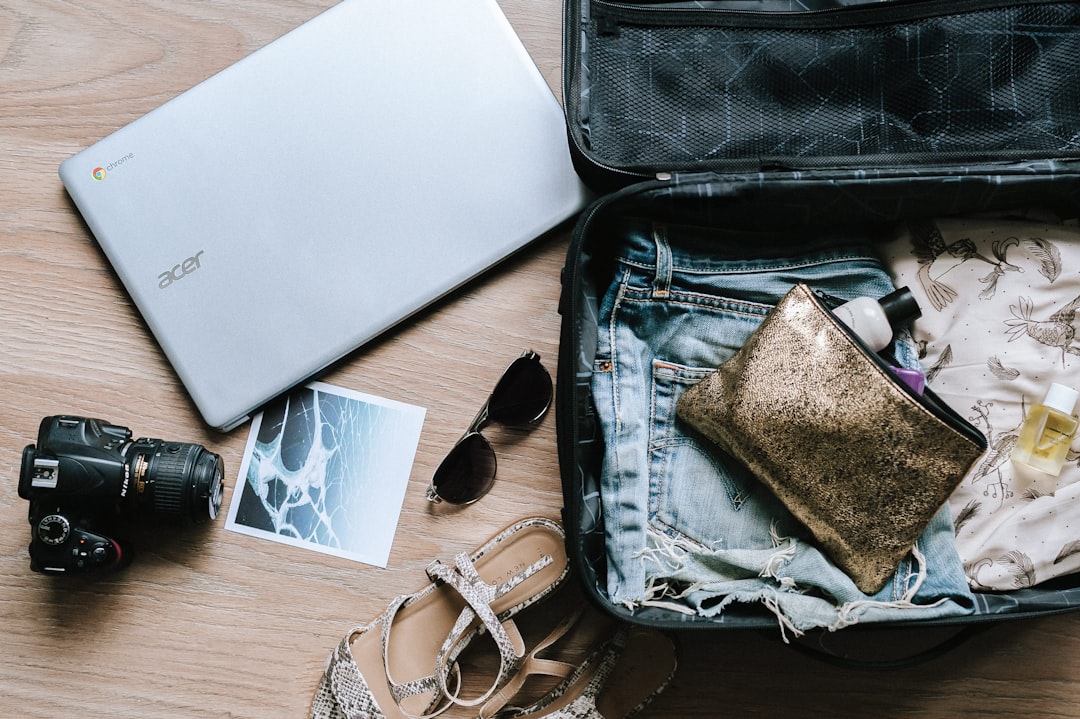
Photo by Anete Lūsiņa on Unsplash
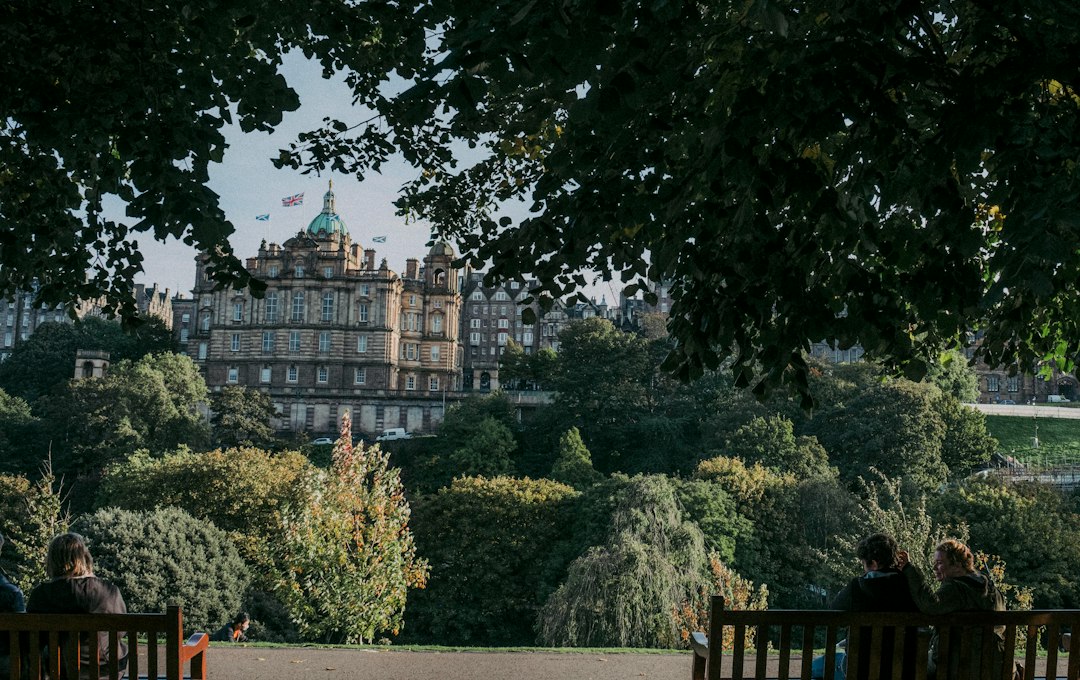
The biggest myth in travel is that the highest-impact version is automatically the most exciting. It is easy to believe when flashy city breaks are sold as speed, upgrades, and rooftop selfies. Yet the moments people talk about for years are usually quieter and more textured: a tram rattling through a rainy neighborhood, a bakery opening at dawn, a train window framing vineyards and church towers for three unhurried hours. Sustainable travel tips 2026 work because they lean into experience instead of friction.
At its best, low impact travel is not a set of restrictions. It is a better rhythm. You spend less time in airport queues and more time in actual places. You choose one excellent stay over three forgettable check-ins. You discover that a local ferry can feel more cinematic than a connection through a windowless terminal. You realize that responsible tourism is not about becoming austere; it is about paying attention to what travel was supposed to be in the first place.
There is a practical reason this approach feels good. The most carbon-intensive choices are often the least elegant ones: short flights that save little time, oversized rental cars parked most of the day, chain hotels with no sense of place, all-you-can-eat buffets that generate heaps of waste. The better alternatives are often more comfortable, more scenic, and more memorable.
Here is the mental shift that helps most:
- Think fewer transfers, not just fewer emissions.
- Think longer stays, not just fewer trips.
- Think local ownership, not just lower prices.
- Think seasonality, not just popularity.
- Think experience density, not bucket-list speed.
If you keep those five ideas in view, sustainable travel tips 2026 stop feeling like rules and start feeling like taste.
Choose destinations and timing for responsible tourism

Photo by Zoshua Colah on Unsplash
The easiest sustainability win happens before you book a single seat. Some places simply absorb visitors better than others, and some months feel generous while others feel strained. Arrive in Venice on a peak August afternoon and you can feel the city tighten around the crowd. Visit in late October, base yourself in Cannaregio, and the same canals feel wide again. The same principle works in Lisbon if you sleep in Campo de Ourique instead of crowding into Alfama, or in Kyoto if you stay near Demachiyanagi rather than fighting for space in central Gion.
This is where sustainable travel tips 2026 become wonderfully practical. Instead of chasing the most viral week in the most photographed district, travel on the edges of peak season and sleep one neighborhood over. The weather is often better than people expect, the rates are lower, and residents are more relaxed. That is responsible tourism in its simplest form: spreading your footprint across time and space so a place can breathe.
One more useful shift is to take fewer but deeper trips. A traveler who flies from London to Barcelona for 48 hours, then Rome for 72, then Amsterdam for a weekend can rack up more emissions than someone who takes one ten-day rail holiday and actually gets to know each stop. The second trip usually feels better too. You unpack once. You learn the bakery order. You get your bearings. When I compare routes, hotels, and neighborhood transit, I like seeing the whole week in one view on TravelDeck, because the greener option often turns out to be the one with less backtracking and more time on the ground.
Another overlooked part of sustainable travel tips 2026 is choosing places already built for walking, cycling, and rail. Copenhagen, Amsterdam, Vienna, Kyoto, Porto, Stockholm, and many smaller European cities reward you for traveling lightly. They are not just lower-emission destinations; they are more playful ones. You can wander, improvise, and accidentally have a great day.
A good destination filter looks like this:
- Favor cities with strong public transport, rail links, and bike infrastructure.
- Travel in late spring or early autumn when weather is pleasant and crowd pressure is lower.
- Sleep in residential but connected neighborhoods rather than the most congested old town blocks.
- Pick one anchor region and explore by rail, bus, or ferry instead of zigzagging across a map.
- Avoid wildlife experiences that rely on feeding, touching, or crowding animals.
If you are serious about sustainable travel tips 2026, destination choice is where the fun starts, not where it ends.
How to get there with train travel, ferries, and smarter flights

Photo by Aliya Amangeldi on Unsplash
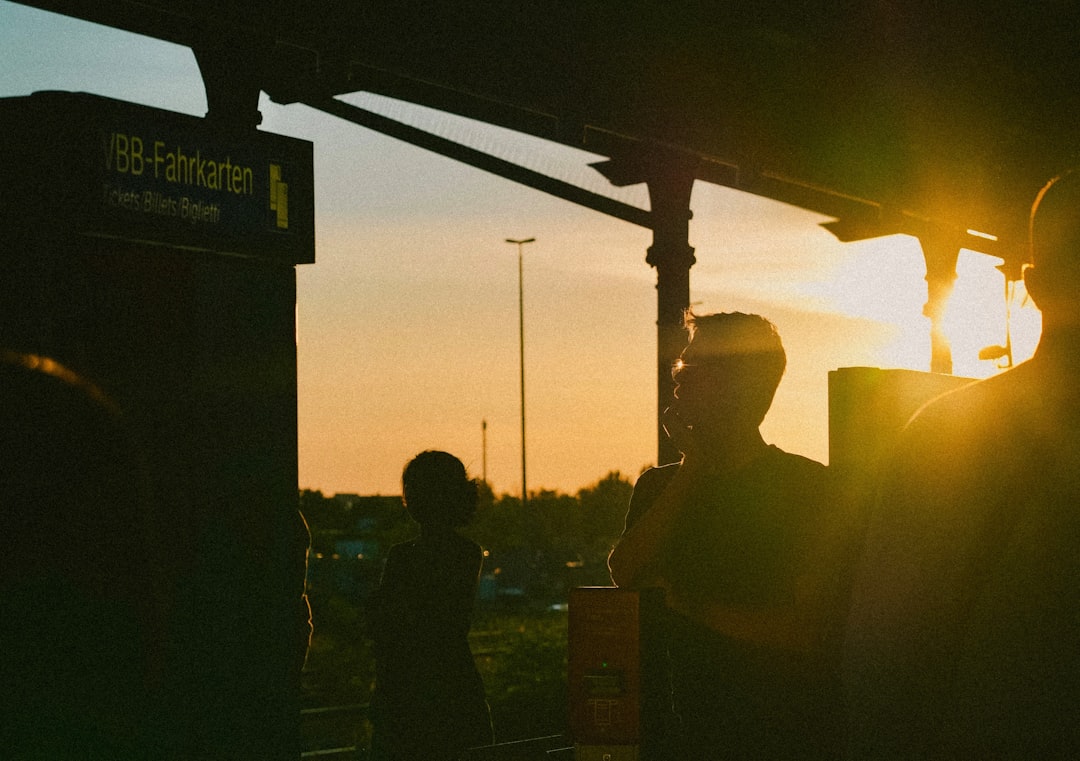
Transport is usually the biggest climate decision in any trip, which sounds intimidating until you realize how many enjoyable swaps exist. Train travel is the obvious hero, but ferries, coaches, and nonstop economy flights also have a role. What matters is choosing the lowest-friction option that fits your route. In many regions, the greener choice is also the saner one. A station in the city center beats a 5 a.m. airport transfer almost every time.
This is the section where sustainable travel tips 2026 save you both energy and mood. Think of the journey itself as part of the holiday. On the Eurostar, you can check in, buy a croissant, and be rolling under the Channel before some short-haul passengers have even reached security. On a Tokyo to Kyoto Shinkansen, you glide past rice fields and suburban rooftops with the kind of precision that makes the whole day feel composed. Even an overnight ferry from Stockholm to Helsinki can replace one hotel night, add sea views, and turn transit into atmosphere.
For many popular routes, here is how the numbers look in real life:
| Route | Lower-impact option | Typical time | Typical fare | Flight option | Drive time | Why it works |
|---|---|---|---|---|---|---|
| London to Paris | Eurostar from St Pancras to Gare du Nord | 2h 18m | GBP 59-189 | LHR/CDG or LGW/ORY, 1h 15m flight plus airport time | About 5h 45m plus Channel crossing | City center to city center, no baggage carousel |
| Madrid to Barcelona | AVE, Ouigo, or Iryo | 2h 30m-2h 45m | EUR 25-120 | MAD/BCN, 1h 20m flight plus airport time | About 6h 15m | Frequent departures, easy day-of travel |
| Rome to Florence | Frecciarossa or Italo | 1h 32m-1h 40m | EUR 19-60 | FCO/FLR is rarely worth it | About 3h | Faster than driving and more relaxing |
| Amsterdam to Berlin | IC or ICE | 5h 50m-6h 20m | EUR 38-120 | AMS/BER, 1h 20m flight plus airport time | About 6h 45m | Scenic, productive, and hotel-to-hotel simple |
| Stockholm to Helsinki | Overnight ferry | 16h-18h | EUR 35 deck seat, EUR 90-220 cabin | ARN/HEL, about 1h flight plus airport time | No practical drive | Transport and accommodation in one |
| Tokyo to Kyoto | Nozomi Shinkansen | 2h 12m-2h 20m | JPY 13,320 reserved seat | HND/ITM or NRT/KIX is slower door to door | About 5h 30m-6h | Fast, frequent, and deeply civilized |
If you are wondering where buses fit in, they matter most on budget routes where rail is limited. A FlixBus between Prague and Vienna or an ALSA coach in Spain usually has a lower footprint than flying, and modern coaches can be comfortable enough for medium-distance hops. They are not glamorous, but neither is security liquid control.
When a flight is unavoidable, use sustainable travel tips 2026 to trim the impact without turning the day into a puzzle. Fly nonstop when possible. Choose economy rather than premium cabins, because more passengers share the flight. Combine several reasons for going into one longer trip instead of repeating the same route many times. Use rail on one side of the journey if that works better. And if you are crossing time zones, pair your route planning with How to Beat Jet Lag in 2026: Science-Backed Remedies so the long-haul you do take lands well.
A few smart booking habits help a lot:
- Compare total door-to-door time, not just the scheduled flight time.
- Price the hidden extras: airport transfers, baggage fees, and one hotel night lost to late arrivals.
- Book rail earlier than you think for the best fares, especially on Eurostar, Trenitalia, Renfe, and Japanese intercity routes.
- If you need a car, rent it only for the rural segment rather than the full trip.
- On islands or coastal routes, check ferries before you default to flights.
Useful official links for planning:
In other words, train travel is not a niche hobby for romantics. It is one of the easiest ways to make sustainable travel tips 2026 feel luxurious.
Where to stay: sustainable accommodation that still feels special
A good hotel can make a trip feel effortless. A bad one can flatten the whole mood. That is why sustainable accommodation matters so much: you spend hours there, you use its water and energy systems, and your booking either supports local jobs or leaks money out of the destination. The good news is that sustainable accommodation has improved dramatically. You no longer have to choose between charm and conscience.
The smartest stays share a few traits. They are transparent about energy and water use. They avoid pointless single-use plastics. They offer refill stations or glass carafes instead of tiny bottles. They hire locally, source food nearby when possible, and usually feel more rooted in the neighborhood. Many are also just better designed. The room light is softer, the breakfast is less wasteful, the common spaces feel lived in rather than mass-produced. Sustainable travel tips 2026 work best when your hotel becomes part of the place rather than a sealed box hovering above it.
Here are strong examples across budgets. Prices are typical ranges for standard dates in 2026 and can jump during festivals and holidays:
| Budget tier | Places to consider | Typical price | Why they stand out |
|---|---|---|---|
| Budget | Ecomama, Amsterdam; Green Elephant Hostel and Spa, Maastricht; CABINN Copenhagen | EUR 45-95 dorm bed at Ecomama, EUR 180+ doubles; EUR 35-70 bed at Green Elephant, EUR 110-160 doubles; DKK 650-1,100 double at CABINN | Strong low-waste ethos, central-enough locations, practical rooms, easier public transport access |
| Mid-range | Hotel Casa Amsterdam; The Green House, Bournemouth; Scandic Hamburg Emporio | EUR 140-220; GBP 140-250; EUR 150-240 | Good sustainability policies, solid breakfast options, walkable neighborhoods, dependable comfort |
| Luxury | Hotel Jakarta Amsterdam; 1 Hotel Brooklyn Bridge, New York; Six Senses Ibiza | EUR 220-420; USD 450-950; EUR 650-1,400 | High design, serious environmental measures, destination-specific character, memorable public spaces |
Hotel Jakarta Amsterdam is a useful example of why sustainable accommodation can be fun. The vast indoor subtropical garden turns the lobby into a little climate of its own, and the building was designed for strong energy performance. It feels more like arriving somewhere than simply checking in. The same goes for 1 Hotel Brooklyn Bridge, where filtered water, natural materials, and views across the East River create a stay that feels both urban and restorative.
At the budget end, do not underestimate hostels and compact hotels. Ecomama in Amsterdam is playful rather than preachy, with upcycled design and a location that makes tram-and-walk days easy. CABINN Copenhagen is efficient, close to transit, and a reminder that eco friendly travel often works best when your room is only as big as you actually need.
When you are choosing sustainable accommodation, look for:
- Recognized labels such as Green Key, EarthCheck, or Nordic Swan where relevant.
- Refill stations, bulk toiletries, towel and linen reuse, and visible recycling systems.
- Proximity to rail stations or public transport so you do not need constant taxis.
- Local ownership or a clear commitment to local staffing and suppliers.
- Honest descriptions of sustainability measures rather than vague green language.
The best sustainable accommodation does not ask you to lower your standards. It often raises them.
Where to eat for local flavor and less waste
Food is where many travelers assume sustainability gets joyless, and that is almost never true. The best meals on the road are usually the ones most aligned with seasonality, local supply chains, and neighborhood rhythm. A lunch built around fresh produce from a city market tastes better than a generic imported menu eaten under bright airport lighting. A bakery pastry wrapped in paper, a bowl of noodles on a side street, a seafood plate served where the boats actually come in: this is the delicious side of responsible tourism.
Eating well and eating thoughtfully often overlap. Restaurants that change menus with the seasons waste less. Market halls encourage you to sample local ingredients instead of defaulting to packaged snacks. Family-run places usually know where their produce came from because they bought it that morning. These are the kinds of habits that make sustainable travel tips 2026 feel indulgent rather than strict.
If food is one of your reasons for traveling, fold these choices into the pleasure of the trip rather than treating them as moral chores. And if you want inspiration for eating-focused itineraries, Best Cities for Food Tours in 2026: 9 Delicious Picks is a useful companion read.
Here are specific places and neighborhoods where local eating and lower-waste habits come naturally:
- Copenhagen: Start at Torvehallerne, Frederiksborggade 21, where you can build a market lunch from open sandwiches, cheese, and seasonal produce with very little packaging. For one memorable sit-down meal, try Selma, Rømersgade 20, known for modern smørrebrød. Expect DKK 95-165 per piece and about DKK 450-650 for a fuller dinner with drinks.
- Amsterdam: De Kas, Kamerlingh Onneslaan 3, turns greenhouse-grown produce into elegant tasting menus. Lunch usually starts around EUR 55 and dinner around EUR 85. For a casual afternoon, walk the Albert Cuyp Market in De Pijp and buy what locals are actually eating that day.
- Kyoto: Nishiki Market is busy, but if you arrive early and buy from a few specialist stalls rather than graze wastefully from many, it remains one of the best introductions to local ingredients. For tofu and seasonal dishes, Tousuiro Kiyamachi Honten is a classic option, with lunch sets often around JPY 3,000-4,500.
- Lisbon: Prado, Travessa das Pedras Negras 2, is one of the city's strongest expressions of produce-led Portuguese cooking. Mains often land around EUR 18-32. For a more everyday feel, head to Mercado de Campo de Ourique instead of only the busiest central halls.
- Mexico City: Expendio de Maíz, Yucatán 84 in Roma Norte, serves a changing menu centered on native corn and seasonal ingredients. There is no fixed menu in the usual sense, and the meal becomes part conversation, part trust. Nearby markets in Coyoacán or Roma are ideal for low-waste snacking if you carry your own cutlery and tote.
- Rome: Testaccio remains one of the easiest neighborhoods for eating locally and well. Trattoria Pennestri and Flavio al Velavevodetto both spotlight Roman dishes that make sense in place. Expect EUR 14-20 for pasta, more for meat courses, and remember that tap water from Rome's nasoni fountains is good to drink.
A few dining habits make eco friendly travel much easier:
- Order local specialties that fit the region and season instead of imported comfort food.
- Carry a small reusable container or cutlery set if you know you picnic often.
- Skip hotel buffets unless you know you are genuinely hungry.
- Ask for tap water where safe and normal.
- Choose one excellent meal over a scatter of forgettable convenience snacks.
Sustainable travel tips 2026 taste best when they taste like where you are.
Things to do: low impact travel that is actually fun
The secret to enjoyable low impact travel is simple: choose activities that deepen your sense of place instead of chewing through resources. Walking tours, public baths, city bikes, ferries, food markets, neighborhood galleries, hikes reached by train, and community-led experiences almost always leave a lighter footprint than helicopter rides, oversized boat tours, or attraction hopping by taxi. More importantly, they are often more alive. You hear conversations. You smell dinner being cooked. You notice the weather changing over a square.
This is where sustainable travel tips 2026 become easiest to love. Nobody returns home wistful about the airport lounge shuttle. People remember the bike ride along the harbor, the long lunch after a market, the sunset ferry, the trail reached by a tiny local station. Responsible tourism works best when it helps you notice rather than consume.
These specific ideas deliver on both fun and lower impact:
- Cycle the Harbor Circle in Copenhagen
- Take the free ferry from Amsterdam Centraal to NDSM Wharf
- Ride a public ferry into the Stockholm archipelago
- Walk Kyoto early, then use rail instead of taxis
- Hike Cinque Terre with the train as your shuttle
- Join a community-led street or market tour in Palermo
- Explore Ljubljana by bike and river
A few activity filters help anywhere:
- Prefer public or shared experiences over private motorized ones.
- Choose operators that cap group size and respect wildlife distance.
- Pay for local guides who teach context, not just photo stops.
- Reach hikes, beaches, and viewpoints by rail or bus when possible.
- Spend on skills and stories, not just access.
If that sounds like a more vivid holiday, that is because it is.
Practical tips for eco friendly travel in 2026
The beauty of eco friendly travel is that it gets easier once a few habits become automatic. Pack lighter so buses, trains, stairs, and sidewalks feel effortless. Carry the basics that eliminate waste without turning your bag into a hardware store. Book the first two nights of accommodation carefully, then give yourself room to slow down. Small decisions compound quickly, especially on trips longer than four or five days.
This is also the stage where sustainable travel tips 2026 become pleasantly ordinary. You refill your bottle. You keep the room key in your pocket instead of demanding daily linen changes. You eat breakfast where locals eat breakfast. You take the tram. You carry a tote. Nothing about this feels extreme, and that is the point. The most effective eco friendly travel habits are the ones you barely have to think about once you start.
A quick planning table helps match season, weather, and logistics to the kind of lower-impact trip you want:
| Trip style | Best months | Typical weather | Currency and payments | Connectivity | Notes |
|---|---|---|---|---|---|
| European rail city break | April-June, September-October | 12-25 C, mild to warm | EUR in most countries, cards widely accepted | Excellent eSIM and public Wi-Fi coverage | Best for train travel and shoulder-season value |
| Japan rail route | March-May, October-November | 10-24 C, crisp spring or autumn | JPY, cards common but carry some cash | Fast Wi-Fi in cities, easy eSIM setup | Excellent for precise public transport and compact packing |
| Scandinavia ferry plus city trip | June-August | 14-23 C, long daylight | SEK, DKK, NOK, cards almost universal | Very strong connectivity | Ferries double as scenery and transport |
| US Northeast rail trip | May-June, September-October | 15-27 C, humid in summer | USD, card-first culture plus tipping | Strong connectivity in cities | Amtrak works well between major urban centers |
| Mediterranean island by ferry | Late May-June, September | 20-29 C, warm sea and shoulder crowds | Usually EUR, some cash helpful in smaller ports | Good in towns, variable at sea | Better than peak heat and easier on local systems |
What to pack for low-stress, low-waste travel:
- One refillable water bottle and one lightweight coffee cup if you use one daily.
- A compact tote for groceries, beach items, or market shopping.
- A small cutlery kit if you picnic often.
- Solid toiletries where practical, especially for shorter trips.
- Layers instead of bulky single-purpose items.
- Reef-safe sunscreen for coastal trips.
Packing lighter is not only about convenience. Less weight makes train travel and public transport much easier, and it reduces the temptation to grab taxis for short distances. If you want a streamlined system, Carry-On Only Packing Guide for 2026: The One-Bag Method pairs beautifully with sustainable travel tips 2026.
A few practical habits matter on the ground:
- Water: In cities like Rome, Vienna, Zurich, and much of Scandinavia, tap water is generally safe and excellent. In places where potable water is uncertain, refill at trusted stations or buy larger bottles sparingly instead of many tiny ones.
- Laundry: On trips longer than a week, schedule one laundromat stop instead of overpacking. It is cheaper than checked baggage and kinder to your back.
- Room care: Use the towel and linen reuse options unless there is a real reason not to.
- Local money: Small markets and family cafés may prefer cash even in card-heavy countries. Carry a modest amount so you do not default to big chains.
- Wildlife and nature: Stay on marked trails, never feed animals, and keep distance even when other tourists do not.
- Safety: Car-free and transit-rich neighborhoods are often safer and calmer to explore on foot, but standard city awareness still applies around stations and nightlife zones.
Useful resources:
The best sustainable travel tips 2026 are not dramatic. They are quietly repeatable.
FAQ
Travelers usually ask the same few questions once they move from good intentions to actual bookings. That is useful, because sustainable travel tips 2026 are easiest to follow when they answer the practical worries first: money, time, comfort, and whether any of this still feels like a holiday.
The short answer is yes. You can travel more thoughtfully without turning every decision into a moral exam. Responsible tourism works best when it fits real schedules, real budgets, and real human appetite for pleasure.
Is sustainable travel more expensive?
Not always. In fact, sustainable travel tips 2026 often save money because they cut hidden costs. A train from London to Paris can be cheaper than a flight once you add baggage fees and airport transfers. A central hotel near transit may cost more per night but reduce taxi spending. Eating one strong market lunch and one memorable local dinner is often better value than multiple convenience purchases. Luxury eco properties do exist, but eco friendly travel itself is not a luxury category. It is mostly about choosing well.
Do I have to give up flying completely?
No. The goal is not purity; it is reduction and better choices. If you are crossing an ocean, flying may be the only realistic option. Sustainable travel tips 2026 simply ask you to be smarter about it: fly nonstop if possible, stay longer, combine purposes into one trip, and use trains or buses for regional hops once you arrive. Train travel matters most on the routes where it is genuinely competitive, which is more common than many travelers assume.
Are carbon offsets enough?
Offsets can support useful projects, but they should come after reduction, not instead of it. A nonstop flight, an economy seat, a longer stay, a lighter bag, and fewer internal hops all make a more immediate difference. Think of offsets as the final layer, not the foundation. Low impact travel starts with the trip design itself.
How do I find genuinely greener hotels and tours?
Look for specifics, not slogans. Good sustainable accommodation talks clearly about energy use, water systems, refill stations, waste reduction, and local hiring. Tour companies should explain group size, transport, wildlife rules, and community benefits. If a website only says it cares deeply about the planet but gives no operational detail, keep looking. Responsible tourism is concrete.
What if I only have a long weekend?
A short break can still work beautifully. The trick is to choose closer destinations and stop spending half the weekend in transit. Sustainable travel tips 2026 are ideal for a three-day trip by rail to a nearby city, a ferry-based island break, or a car-free staycation in a neighborhood hotel you have always ignored. The shorter the trip, the more important it is to cut transfers and keep the journey itself enjoyable.
Can sustainable travel still be spontaneous?
Absolutely. In some ways it is more spontaneous, because you are moving through places at street level. You can hop off a tram for a market, linger over lunch, or change plans because a ferry deck suddenly looks too beautiful to rush. Eco friendly travel is not about micromanaging every minute. It is about building a trip where the pleasant choices are also the sensible ones.
Travel becomes lighter, in every sense, when you stop treating sustainability as a side quest. The train seat with the wide window, the family-run hotel with proper bread at breakfast, the market lunch eaten on a harbor wall, the walk home through a neighborhood that is still a neighborhood: these are not compromises. They are often the best parts of the trip.
That is why sustainable travel tips 2026 matter. Not because they make you feel virtuous for a week, but because they leave you with better stories and leave destinations a little less worn by your presence. Travel will never be impact-free. But it can be more graceful, more generous, and, unexpectedly often, more fun.