A great trip rarely fails because the destination is wrong; it fails because the plan does not match your time, budget, or energy. That is the most useful way to read the best places to travel 2019 list: not as hype, but as a planning filter. If you match the place to your pace - three slow nights, one island week, or a bigger splurge - you will waste less money and enjoy more of what made these destinations exciting in the first place.
Best places to travel 2019: choose by budget, days, and vibe
Photo by Alberto Gasco on Unsplash
The fastest way to decide where to travel in 2019 is to stop asking "What is hottest?" and start asking "What fits my real trip?" A cave city in southern Italy, a wine-heavy week in Georgia, and a safari in Zimbabwe may all sound tempting, but they demand completely different budgets, transport plans, and energy levels.
Use the table below as your first cut. Budgets are mid-range per person, per day, excluding long-haul flights but including sleep, meals, and local transport.
| Destination | Best for | Ideal trip length | Mid-range daily budget | Book first |
|---|---|---|---|---|
| Matera, Italy | Culture, food, romantic city break | 3 nights | EUR 160-240 | Cave hotel in the Sassi |
| Georgia (Tbilisi + day trips) | Value, food, wine, mountain scenery | 5-7 days | USD 70-140 | Driver or tour for Kazbegi/Kakheti |
| Puerto Rico | City + beach + easy tropical break | 5-7 days | USD 140-240 | Vieques or Culebra transport |
| Azores (Sao Miguel) | Hikes, volcanic scenery, hot springs | 5-6 days | EUR 120-200 | Rental car |
| Tunisia | Medina, Roman ruins, Sahara edges | 6-8 days | USD 80-150 | Desert transfer or guide |
| Zimbabwe | Safari + Victoria Falls splurge | 5-7 days | USD 350-900 | Park lodge and internal transport |
Before you book anything, answer these four questions on one note or spreadsheet:
- How many full days do I actually have after flights?
- Do I want one base or multiple hotel changes?
- Is this a value trip, a comfort trip, or a once-in-years splurge?
- Do I want walking, beaches, food, or wildlife to be the headline?
That simple sort will eliminate half your options in ten minutes.
Where to travel in 2019 for culture, food, and walkable days

Photo by Shawn Rain on Unsplash
Among the best places to travel 2019 for culture, Matera and Georgia stand out because both feel rich and cinematic without forcing a frantic schedule. They are also good for travelers who care more about atmosphere than bucket-list box ticking.
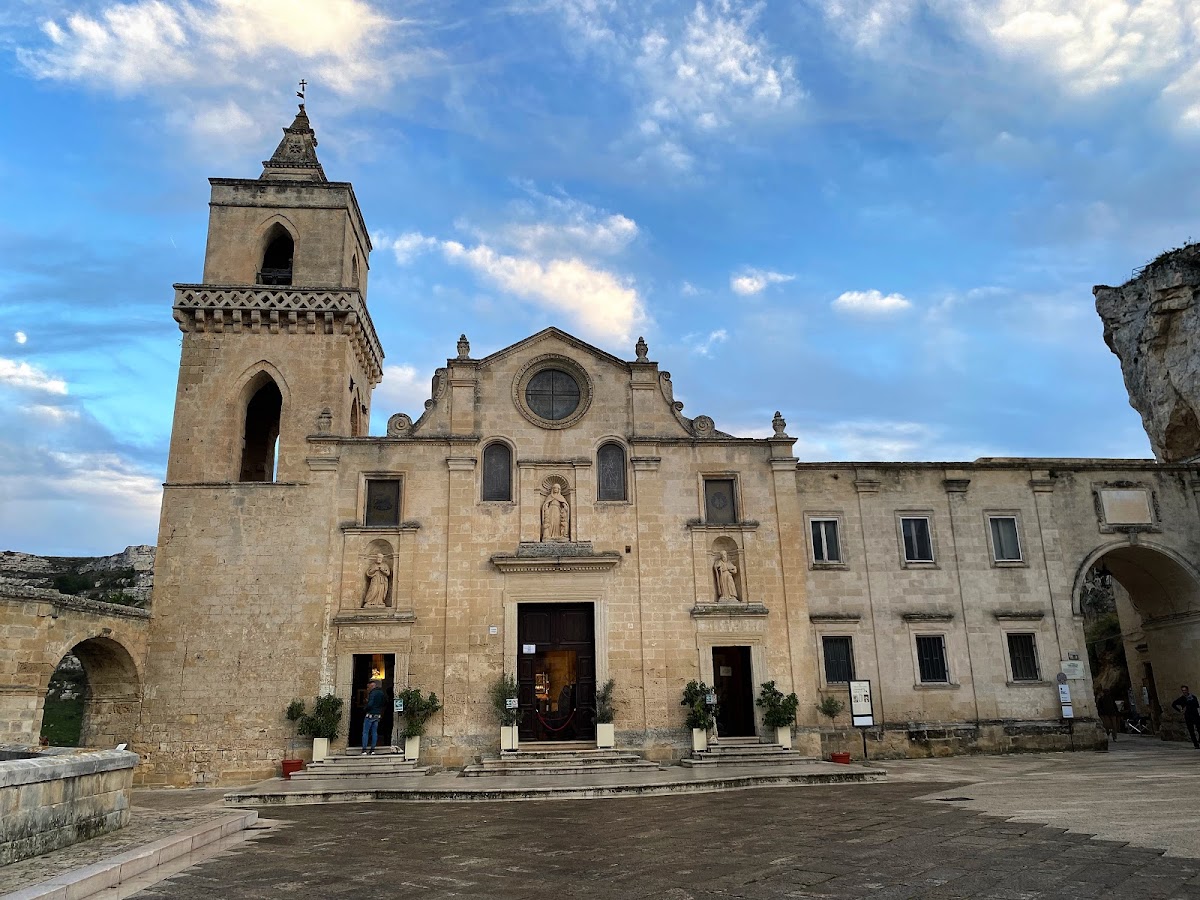
Matera is the easier short break. At dusk, the Sassi glow honey-gold, church bells echo across limestone ravines, and dinner can last three unrushed hours in a former cave. Fly into Bari, then take a shuttle, bus, or train connection for roughly 1.5 to 2 hours. Three nights is enough: one day for the cave churches and viewpoints, one for slow wandering and long meals, and one for a side trip into Basilicata or nearby Puglia. A good cave hotel often starts around EUR 180 in shoulder season and climbs fast on weekends.
Georgia works better if you want more movement and stronger value. Tbilisi gives you sulfur-bath steam, wooden balconies, bold wine, and khachapuri ovens on nearly every busy street. From there, make one day trip to Kakheti for wineries or one to Kazbegi for mountain scenery instead of trying both on a short schedule.
Pick your trip like this:
- Choose Matera if you have 3-4 nights, want a romantic or food-led trip, and prefer not to rent a car.
- Choose Georgia if you have 5-7 nights, want the best value in this guide, and do not mind a longer day trip.
- In Matera, book the hotel first; the best rooms sell before flights become expensive.
- In Georgia, book the driver or mountain day before the city hotel; rural logistics fill up faster than urban rooms.
If altitude-heavy history trips appeal to you, 4 Days in Cusco in 2026: Smart Itinerary + Machu Picchu is another useful model for how to keep a short cultural trip realistic.
Best places to travel 2019 for islands, beaches, and easy logistics

Photo by Fernando Santos on Unsplash
Two of the best places to travel 2019 for island scenery are Puerto Rico and the Azores, but they reward very different planning habits. Puerto Rico is warmer, easier for a city-and-beach split, and more forgiving if you want a short escape. The Azores are greener, cooler, and better for travelers who want to drive, hike, and soak in thermal water.
Puerto Rico works best when you do less. Spend your first two nights in Old San Juan, where the blue paving stones, pastel facades, and sea air make even a lazy afternoon feel like a plan. Then move east for beach time or a trip to Vieques or Culebra. Do not pick up a rental car for your Old San Juan days; narrow streets and parking headaches are not worth it. Kiosk meals near Luquillo can still keep lunch around USD 12-18, while mid-range hotels in San Juan often start around USD 180-250 depending on season.
The Azores, especially Sao Miguel, reward one-base travel. Stay in or near Ponta Delgada, rent a small car, and day-trip to Sete Cidades, Furnas, and the north coast. Compact rentals often sit around EUR 35-60 per day in shoulder season, and thermal entries commonly run EUR 8-15. If you like packing light for mixed city-and-nature trips, Carry-On Packing Rules 2026: Fit 10 Days in One Bag is a handy companion.
Use this rule of thumb:
- Puerto Rico is better for 5 days, mixed interests, and travelers who want culture plus beach without complicated routing.
- The Azores are better for 6 days, nature-first travelers, and anyone happy to self-drive in changing weather.
- In Puerto Rico, lock island transport before hotel upgrades.
- In the Azores, lock the rental car before anything else.
For live local info, opening hours, and seasonal updates, check Discover Puerto Rico and Visit Azores.
Best 2019 destinations for big landscapes and low-crowd impact
The best places to travel 2019 for drama and low-crowd payoff are Tunisia and Zimbabwe. They are not interchangeable. Tunisia is the value play: layered history, strong visual contrast, and relatively manageable costs. Zimbabwe is the splurge: thunder, dust, wildlife, and the kind of trip you build around one huge experience.
Tunisia can deliver a lot in a week. Base your first nights in Tunis to explore the medina and nearby Carthage, then move south or southwest for desert-edge scenery around Tozeur or Douz. The light changes everything here: white walls in the capital, blue shutters in coastal towns, and copper sunset over dry landscapes. Private drivers raise the budget, but they also turn a fragmented route into a workable one. Mid-range rooms can stay around USD 60-110, while a guided desert add-on quickly becomes the major cost line.
Zimbabwe needs a firmer budget from the start. If you only have 5-6 nights, combine Victoria Falls with one safari area rather than trying to chase multiple parks. The mist at the Falls can soak you in minutes; the next day you may be on a game drive at sunrise with only engine hum, bird calls, and red dust in the air. This is where booking the lodge first matters most, because park access, transfers, and game drives are usually tied to where you sleep.
Choose between them this way:
- Pick Tunisia if you want history, desert mood, and lower daily costs.
- Pick Zimbabwe if wildlife is the headline and you can protect a bigger budget.
- For Tunisia, avoid overstuffing the route; 2 bases are better than 4.
- For Zimbabwe, price the full package, not just the room rate.
How to plan a 2019 trip without overbooking every day
Once you have two best places to travel 2019 candidates left, planning becomes much easier. Most trip regret comes from one mistake: trying to squeeze a place into the wrong shape. Islands get ruined by hotel hopping. Historic cities get ruined by rental-car stress. Safari trips get ruined by comparing only the nightly room rate and forgetting park fees, transfers, and drinks.
My favorite planning method is the 3-layer booking order. I sketch it first, then track dates, costs, and deadlines in TravelDeck before paying deposits.
- Book the hardest-to-replace item first.
- Book the sleep second.
- Book the optional experiences last.
In real life, that means:
- Matera: cave hotel first, then flights, then restaurants or cave-church tickets.
- Georgia: mountain driver or winery stay first, then city hotel.
- Puerto Rico: island transfer or ferry plan first, then beach stay.
- Azores: rental car first, then lodging.
- Tunisia: intercity driver or desert night first.
- Zimbabwe: lodge package first, then international routing around it.
This quick planning table prevents a lot of waste:
| Trip element | Do | Do not |
|---|---|---|
| Flights | Arrive early if you need a same-day transfer | Land late and start a 3-hour drive |
| Hotels | Keep one base on short trips | Change hotels every night |
| Transport | Rent cars on islands and rural regions | Rent a car inside compact old towns |
| Budget | Separate fixed costs from flexible spend | Judge a trip only by airfare |
For season-first planning logic, the thinking in March Holiday Ideas 2026: Pick by Weather, Budget, Pace applies here too: weather is not decoration, it shapes the whole trip.
Official tourism boards are still the best place to confirm festival dates, closures, and practical changes before departure, especially for Georgia Travel, Discover Puerto Rico, and Visit Azores.
FAQ
What is the cheapest destination in this guide?
Georgia usually gives the best value, especially if you stay in guesthouses, eat locally, and limit yourself to one major day trip. Tunisia can be similarly affordable, but transport between regions can push the total up faster.
Which destination is best for a 5-day trip?
Matera and Puerto Rico are the cleanest 5-day wins. Matera is stronger for food and atmosphere; Puerto Rico is stronger if you want both city texture and beach time in one trip.
Which of these trips really needs a car?
The Azores almost always do, unless you are joining guided day tours every day. Rural Georgia benefits from a driver, but Tbilisi itself does not need a car. Matera is easiest without one.
How far ahead should I book?
For Matera and the Azores, 3-5 months ahead is smart if you want the best mid-range options. For Puerto Rico holiday periods, Zimbabwe safari lodges, or any trip built around one special room, go earlier if your dates are fixed.
Are old "best of" destination lists still useful?
Yes, if you use them for fundamentals instead of hype. A list ages well when the reasons to go are structural - walkability, value, scenery, food, access, or a major cultural moment - and you still match those strengths to your budget and trip length.
Old travel lists age badly when they chase novelty alone. The smart way to use the best places to travel 2019 is to treat it like a selector board: find the destination that fits your days, protect the bookings that matter most, and leave enough blank space for the trip to feel like travel rather than logistics.