Cusco sits more than 3,400 meters above sea level, so the biggest first-timer mistake is usually not seeing too little but trying to see too much too fast. A smart 4 days in Cusco gives you enough time to acclimatize, explore the old Inca capital properly, sleep closer to Machu Picchu, and still enjoy the Sacred Valley without spending half the trip with a headache.
If you are wondering how many days in Cusco you really need, here is the practical answer: two to three days works for the city alone, but four days is the sweet spot if Machu Picchu is non-negotiable. Five or six days is better if you also want Rainbow Mountain, Humantay Lake, or extra slow time in the valley. I like to map train times, ticket deadlines, and meal stops before arrival; TravelDeck is handy for turning that loose plan into a timed route.
This itinerary is built for a first trip and designed to be rebuildable stop by stop. It keeps day one gentle, uses the lower Sacred Valley as part of your acclimatization strategy, and places Machu Picchu after your body has had a chance to catch up.
How many days do you need in Cusco?
Photo by Tim Hüfner on Unsplash
For most first-time travelers, four days is the minimum that feels rewarding rather than rushed. Cusco itself deserves at least a day and a half, not just a quick plaza walk. Add one full Sacred Valley day, one overnight near Machu Picchu, and one proper day for the citadel and you finally get a route that makes geographic and physical sense.
If you only have three days, you can do Cusco and a very long Machu Picchu day trip, but it is not the version I would recommend. You lose the pleasure of wandering San Blas, the slower rhythms of Ollantaytambo, and the relief of sleeping lower before your big site day. If you have five days or more, add Maras and Moray or a mountain day after Machu Picchu, not before.
How to get there
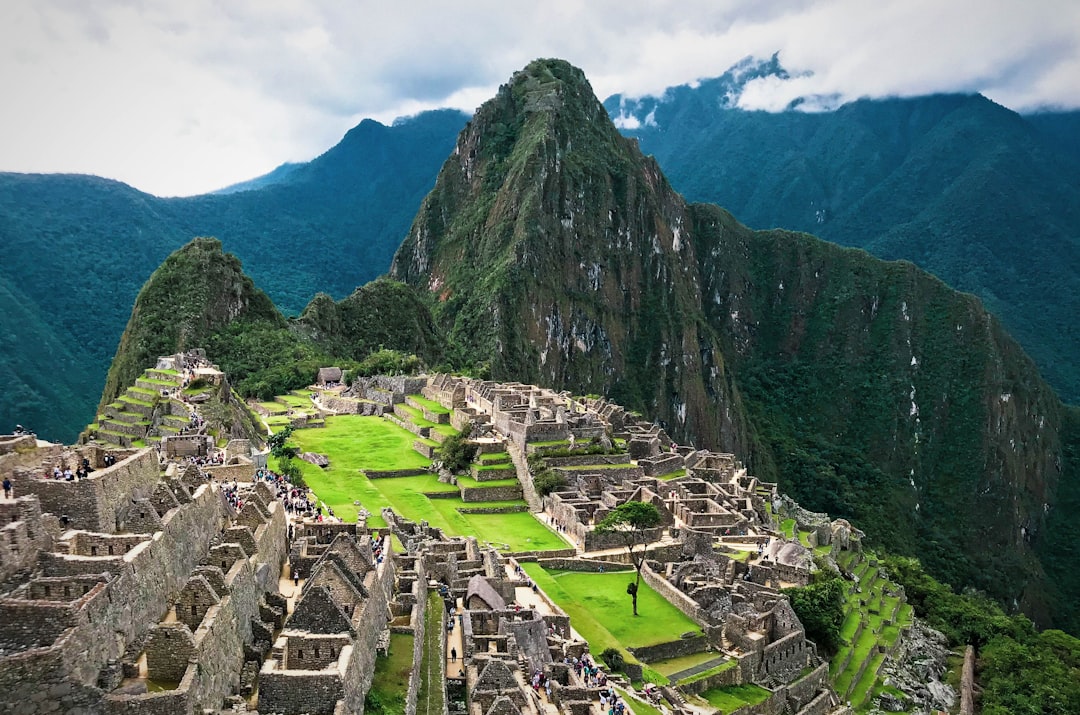
Photo by Eddie Kiszka on Unsplash
Most travelers arrive via Alejandro Velasco Astete International Airport in Cusco, code CUZ. Flying from Lima takes about 1 hour 20 minutes, but it is also the sharpest possible jump from sea level to altitude, so keep arrival day intentionally light.
Overland arrivals are slower but gentler on the body. Buses from Lima are long at around 20 to 24 hours, while routes from Arequipa or Puno are more realistic if you are already traveling through southern Peru. For Machu Picchu, the most efficient independent route is Cusco to Ollantaytambo by road, then train to Aguas Calientes, then shuttle bus up to the site.
- Lima to Cusco by air: about 1 hour 20 minutes, commonly US$40-120 one way if booked early
- Cusco Airport to Plaza de Armas area: 20-30 minutes by taxi, about S/20-35
- Cusco to Pisac by colectivo: 45-60 minutes, about S/5-10
- Cusco to Ollantaytambo by colectivo or shared van: 1 hour 45 minutes to 2 hours, about S/15-25
- Ollantaytambo to Aguas Calientes by train: 1 hour 40 minutes to 2 hours, usually from US$55-90 one way on PeruRail
- Aguas Calientes to Machu Picchu by shuttle: about 25 minutes, around US$24 round trip on Consettur
- Machu Picchu entry: book ahead on the official ticket portal
Things to do in this Cusco and Machu Picchu itinerary
Cusco rewards structure. The trick is to group the old city on foot, place the valley in a logical road-and-rail sequence, and leave the biggest icon for when you can actually enjoy it rather than merely survive it.
This four-day route covers the essential first-trip sights without feeling mechanical.
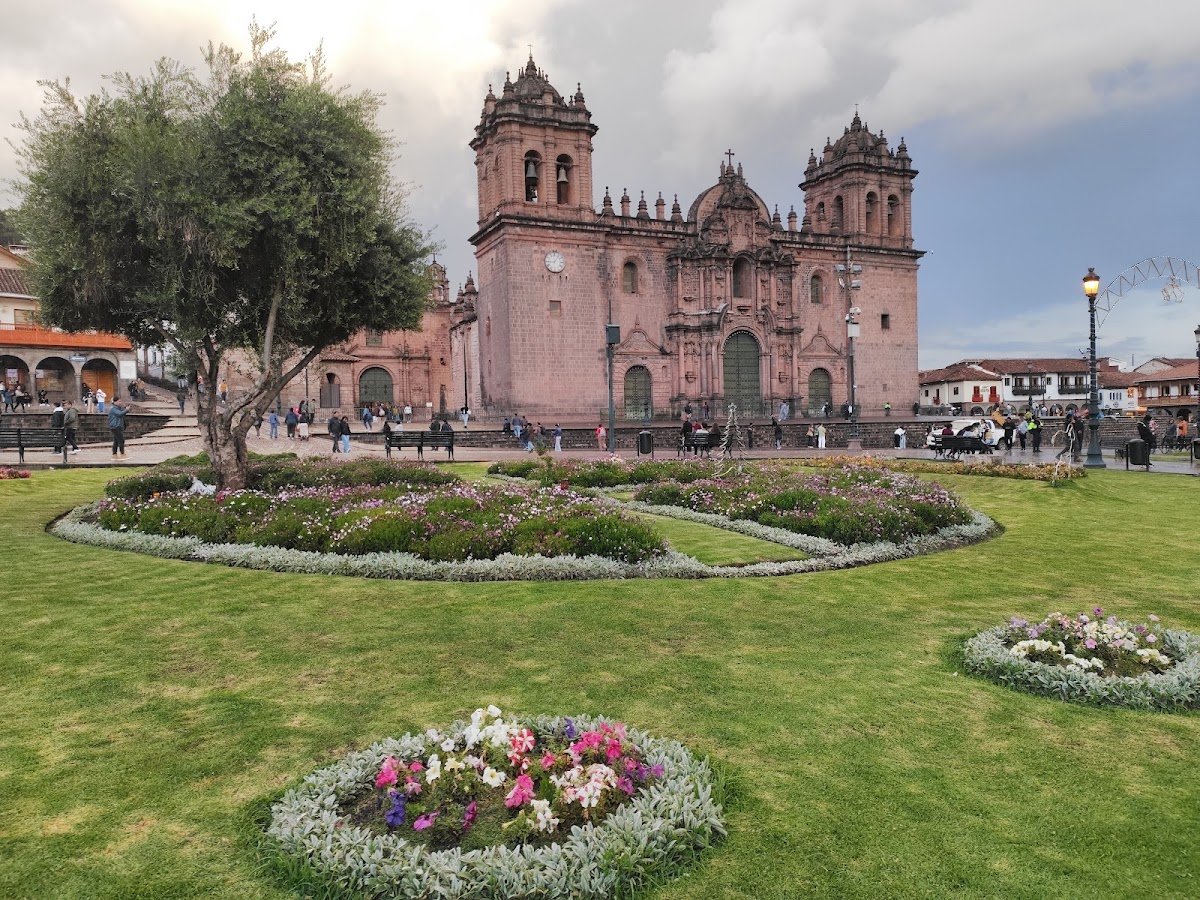
- Plaza de Armas and Cusco Cathedral in Centro Historico
- Qorikancha and Santo Domingo in Centro Historico
- San Pedro Market near Calle Santa Clara
- San Blas neighborhood and its artisan lanes
- Pisac Archaeological Park and Pisac town in the Sacred Valley
- Ollantaytambo Fortress and old town in Ollantaytambo
- Machu Picchu from Aguas Calientes
- Sacsayhuaman, Q'enqo, and the hills above Cusco
Day 1: Soft landing in the old Inca capital
Cusco does not reveal itself all at once. At first it feels like steep stone lanes, bright woven textiles, church bells, and a strange thinness to the air. Then your eyes adjust and you start noticing the deeper drama: the Inca walls under Spanish facades, the polished stones fitted without mortar, the way one small square opens into another.
Day one should feel almost deliberately restrained. That is not wasted time; it is the reason the rest of the itinerary works. Keep your walking mostly flat in Centro Historico, drink more water than you think you need, and save the uphill ruins for later.
Morning
Arrive, check in, and keep your first outing close to Plaza de Armas. Walk slowly around the square, then visit Cusco Cathedral on the northeastern side of the plaza if you feel steady. From there, continue a short, mostly manageable stroll to Qorikancha on Avenida El Sol, where Inca foundations meet the colonial church of Santo Domingo.
- 08:00-11:00 arrival and hotel check-in in Centro Historico or San Blas
- 11:30 Plaza de Armas, Centro Historico, free to wander
- 12:00 Cusco Cathedral, Plaza de Armas, about S/40 entry
- 13:15 Qorikancha and Santo Domingo, Avenida El Sol, about S/20 entry
Afternoon
After lunch, head to Mercado San Pedro on the southwestern edge of the historic center. It is part market, part sensory reset: orange juice stalls, herbal remedies, roast chicken, piles of potatoes, and women selling fresh coca leaves. This is a good place to buy water, fruit, or a simple snack without forcing a full restaurant pace on yourself.
If you still have energy, drift back through Calle Marquez and the narrow lanes toward San Blas, but do not commit to the full hill yet. Save the steeper climb for day four when your lungs will be less offended.
- 14:30 lunch near San Pedro Market, set lunch menus about S/15-25
- 15:30 Mercado San Pedro, Barrio de San Pedro, free entry
- 17:00 slow walk through Centro Historico toward Calle Hatun Rumiyoc and the Twelve-Angled Stone, free
Evening
Cusco is especially beautiful after dark, when the arcades around Plaza de Armas glow gold and the city feels smaller and calmer. Keep dinner early and light. Trout, quinoa soup, or lomo saltado is fine; heavy drinking is not. If you want a polished first-night meal, Cicciolina in Calle Triunfo is a reliable choice, while a classic picanteria-style lunch spot can wait for later in the trip.
- 18:30 sunset walk around Plaza de Armas, free
- 19:30 dinner in Centro Historico, about S/35-90 depending on restaurant
- 21:00 back to hotel, early night strongly recommended
Insider tip
Ask your hotel for a room away from the street and skip alcohol on night one. At this altitude, one pisco sour can feel like three, and even a beautiful balcony room is less charming when Cusco's nightlife echoes off the cobblestones.
Day 2: Sacred Valley from Pisac to Ollantaytambo
The Sacred Valley is not just a side trip; it is the part of the region that makes Machu Picchu make more sense. The terraces, granaries, and fortress towns show you how the Inca engineered agriculture, defense, and daily life across an entire landscape, not just one famous mountaintop.
This is also a smart acclimatization move. Pisac, Urubamba, and Ollantaytambo all sit lower than Cusco, and many travelers feel noticeably stronger here. Rather than returning to Cusco for the night, continue by train to Aguas Calientes so day three begins with momentum instead of another pre-dawn road transfer.
Morning
Leave Cusco early for Pisac. Independent travelers can take a colectivo from the Puputi area, then a taxi up to Pisac Archaeological Park, or book a private driver if they want a smoother morning. Start at the ruins above town, where terraces fold around the mountain and the valley opens wide beneath you.
After the ruins, descend into Pisac town for coffee or a market browse around Plaza Constitucion. The old rhythm of the place is the contrast you need after Cusco's denser tourist core.
- 07:00 depart Cusco for Pisac, 45-60 minutes
- 08:00 taxi from Pisac town to Pisac Archaeological Park entrance, about S/25-40 per taxi
- 08:30-10:30 explore Pisac ruins, entry usually covered by the Boleto Turistico, full ticket about S/130
- 11:00 Pisac artisan market and plaza, free to browse
Afternoon
Continue west through the valley to Urubamba for lunch, then on to Ollantaytambo. If Pisac feels expansive, Ollantaytambo feels concentrated: steep terraces, giant stone blocks, and one of the most atmospheric old towns in Peru. The site rises directly above the grid of narrow Inca streets, and walking those water-channel lanes before the trains arrive is part of the pleasure.
This is a good point to slow down and actually sit with the history rather than chase checkboxes. Have lunch in Urubamba or Ollantaytambo, then give yourself enough time for the fortress and a short wander through town before heading to the station.
- 12:00 Pisac to Urubamba, 45-60 minutes, about S/8-15 by shared transport
- 13:00 lunch in Urubamba or Ollantaytambo, about S/20-60
- 14:30 Ollantaytambo Fortress, about 1.5-2 hours, usually covered by the Boleto Turistico
- 16:45 wander Plaza de Armas and Calle Principal in Ollantaytambo old town, free
Evening
Catch an evening train from Ollantaytambo to Aguas Calientes. The ride along the Urubamba River is one of those transitions that quietly rearranges the trip: dry highland tones give way to greener slopes, clouds thicken, and Machu Picchu begins to feel close rather than abstract.
In Aguas Calientes, keep things simple. Check into a hotel near Avenida Imperio de los Incas or the bus departure area, confirm your passport, ticket, and bus time, and go to bed early.
- 18:00-19:30 train from Ollantaytambo to Aguas Calientes, from about US$55-90
- 19:45 hotel check-in in Aguas Calientes
- 20:15 dinner, about S/30-70
- 21:30 lights out for an early Machu Picchu start
Insider tip
Stay as close as possible to the Machu Picchu bus queue in Aguas Calientes. Ten extra minutes of walking in the morning can mean missing one of the earlier buses and arriving to a much busier citadel.
Day 3: Machu Picchu at first light and back to Cusco
Machu Picchu is one of those rare places that can survive its own fame. Yes, it is crowded. Yes, it requires logistics. But when the ridges emerge through early cloud and the stone city starts separating itself from the mountain, the scale of the achievement becomes obvious.
The key is to treat this day as a sequence, not a blur. Ticket secured in advance, bus line understood, circuit chosen, guide arranged, return train timed. Once those pieces are set, you can actually let the place work on you.
Morning
Take one of the first buses up from Aguas Calientes. Arriving early usually means cooler temperatures, softer light, and a better chance of those drifting cloud breaks that make the classic views feel almost theatrical. Follow the circuit on your ticket rather than trying to improvise inside the site.
A guide is worth it here. Without context, Machu Picchu can feel like a beautiful puzzle; with context, it becomes a functioning city of sacred spaces, water channels, terraces, and astronomy.
- 05:30-06:30 line up and board Machu Picchu shuttle bus, round trip about US$24
- 06:00-07:00 site entry window depending on your ticket
- 06:30-09:30 explore Machu Picchu on your assigned circuit, foreign adult tickets from about S/152
- Guided visit: about S/60-120 per person depending on group size and language
Afternoon
Return to Aguas Calientes for lunch before your train. Chullos and other central spots near the station area are practical choices, but the real goal is simply not to leave the meal too late. Once trains begin boarding, the town shifts from relaxed to logistical very fast.
Take an afternoon train back to Ollantaytambo, then continue by road to Cusco. Expect a long but satisfying travel block. By the time you re-enter the city, Cusco will feel more familiar and far less physically intimidating than it did on day one.
- 11:00 bus back down to Aguas Calientes
- 12:00 lunch in Aguas Calientes, about S/25-60
- 13:30-16:30 train to Ollantaytambo, then transfer to Cusco
- 17:30-19:30 arrival back in Cusco depending on train and road connection
Evening
Tonight is for a comfortable reward rather than another major landmark. A pisco bar, a rooftop view, or a more ambitious dinner now makes sense because your body has had several days to adapt. Museo del Pisco near the center is a good cocktail stop, while Chicha by Gaston Acurio and Morena Peruvian Kitchen are dependable dinner options near Plaza Regocijo and the main square.
- 20:00 cocktails or tea in Centro Historico, about S/20-45
- 20:30 dinner, about S/50-130
Insider tip
Do not schedule anything fixed for late evening in Cusco on Machu Picchu day. Train delays are not unusual, and the easiest way to ruin a great day is to spend the return journey stressing about a reservation you cannot control.
Day 4: Sacsayhuaman, San Blas, and a proper Cusco finale
By day four, Cusco finally starts to feel breathable. That is when you tackle the hills above town. Sacsayhuaman is often reduced to a quick photo stop, but it deserves more time than that. The stonework is immense, the views over the red roofs are wide, and the plateau above the city gives you a sense of Cusco's former scale.
After the ruins, let the day drift back into the neighborhood life of San Blas. This is the Cusco many people remember best: steep lanes, tiny workshops, whitewashed walls, and balconies framed by blue sky and church towers.
Morning
Start with Sacsayhuaman, then continue to Q'enqo, Puka Pukara, and Tambomachay if you want the full archaeological circuit above Cusco. A taxi to Sacsayhuaman saves energy for walking around the site itself. If you did not buy the Boleto Turistico earlier, this is when it usually becomes worth it.
- 08:30 taxi from Centro Historico to Sacsayhuaman, about S/15-25
- 09:00-10:30 Sacsayhuaman, entry usually via Boleto Turistico
- 10:45-12:30 Q'enqo, Puka Pukara, and Tambomachay circuit, taxi hops or private driver about S/40-70 total
Afternoon
Return toward San Blas for lunch, then walk Hatun Rumiyoc and the artisan streets around Carmen Alto and Tandapata. The neighborhood is full of small galleries, woven goods, and cafes with balconies looking across the city. It is also where Cusco feels most cinematic, especially when afternoon light catches the stone walls.
If museums are more your speed than shopping, use the remainder of the afternoon for the Museo de Arte Precolombino or Museo Inka back near the center.
- 13:00 lunch in San Blas, about S/25-70
- 14:30 San Blas walk: Plazoleta San Blas, Carmen Alto, Tandapata, and Calle Hatun Rumiyoc, free
- 16:30 Museo de Arte Precolombino or Museo Inka, about S/20-25
Evening
For your last evening, stay in the center and enjoy the city as a city rather than a checklist. Plaza de Armas after sunset is one of the loveliest urban scenes in the Andes, and the final dinner is a good moment to try dishes you skipped earlier: alpaca, roasted cuy if you are curious, trout with quinoa, or a more modern tasting menu.
- 18:30 final sunset walk in Plaza de Armas and Plaza Regocijo, free
- 19:30 farewell dinner in Centro Historico or San Blas, about S/60-160
- 21:30 pack and set out airport transfer or onward bus details
Insider tip
If you want classic rooftop photos of Cusco without a heavy meal commitment, arrive at a terrace bar around 17:30. You get the best light, fewer crowds, and enough time to watch the city shift from terracotta to gold.
Best time to go for 4 days in Cusco
The dry season from May to September is the easiest time for a first trip. You get clearer mornings, better mountain visibility, and more reliable train-and-road logistics. The trade-off is crowds and higher prices, especially in June through August.
For a balanced trip, April, May, September, and October are my favorite months. You still have a good shot at clear skies, but Cusco feels less compressed. If you are still comparing weather windows across destinations, Best Destinations by Month 2026: Weather-Wise Trip Planner is a helpful companion read.
- Best overall months: April, May, September, October
- Clearest skies: June to August
- Greenest landscapes: December to March
- Wettest months: January and February, when trails and roads can be muddier
- Key planning rule: book Machu Picchu tickets and trains well ahead in peak season
Estimated budget per person
Your total depends mostly on where you sleep, how early you book the train, and whether you use shared transport or private transfers in the valley. The table below assumes four days, one night in Aguas Calientes, Machu Picchu entry, meals, and local transport, but excludes international flights.
For most travelers, Cusco is still excellent value once you control the train and ticket costs. You can eat very well for little at lunch and spend selectively on one or two special dinners.
| Budget tier | Estimated total per person | What it usually covers |
|---|---|---|
| Budget | S/1,450-1,950 | Hostel or simple guesthouse, shared transport, lower-cost train, menu del dia lunches |
| Mid-range | S/2,250-3,400 | Boutique stays, standard train times, mix of casual and nice restaurants, taxis when useful |
| Comfortable | S/4,200-6,200+ | Upscale hotels, premium train hours, private driver in the valley, guided extras |
- Machu Picchu ticket: from about S/152
- Round-trip bus between Aguas Calientes and Machu Picchu: about US$24
- One-way train Ollantaytambo to Aguas Calientes: often US$55-90
- Set lunch in Cusco or the valley: S/15-25
- Nice dinner: S/50-130
- Taxi within Cusco center or up to nearby ruins: S/10-25
Where to stay
Where you sleep affects the entire rhythm of a Cusco trip. For day one, staying close to Plaza de Armas removes unnecessary climbs. For atmosphere, San Blas is hard to beat, but it is uphill. For very early transport days, Wanchaq and the flatter streets just outside the historic core can be surprisingly practical.
On this itinerary, I would do two nights in Cusco, one night in Aguas Calientes, then a final night back in Cusco.
- Centro Historico
- Mid-range: El Mercado, about US$140-220
- Luxury: Palacio del Inka, about US$280-420
- San Blas
- Mid-range: Antigua Casona San Blas, about US$150-230
- Luxury: Monasterio, A Belmond Hotel, about US$450+
- Aguas Calientes
- Mid-range: Tierra Viva Machu Picchu, about US$120-190
- Luxury: Inkaterra Machu Picchu Pueblo Hotel, about US$350+
Where to eat
Cusco has the kind of dining scene that lets you switch easily between market lunches and polished dinners. Do both. One of the pleasures of this trip is how close a bowl of quinoa soup can be to a refined tasting plate of trout or alpaca.
Use lunch for value and dinner for atmosphere. Mercado San Pedro and local menu spots stretch the budget; the center and San Blas are where you spend for ambiance.
- Mercado San Pedro, Barrio de San Pedro: juices, soups, roast chicken, fruit, and market snacks for S/5-20
- Cicciolina, Calle Triunfo: stylish tapas and mains, about S/45-120
- Chicha, Plaza Regocijo area: modern Peruvian classics, about S/50-140
- Green Point, San Blas: one of the city's best vegetarian and vegan options, about S/30-70
- Morena Peruvian Kitchen, near Plaza de Armas: colorful plates and good cocktails, about S/45-110
- Apu Veronica, Ollantaytambo: solid stop for lunch before the train, about S/25-60
- Indio Feliz, Aguas Calientes: long-running post-Machu Picchu favorite, about S/40-90
How to get around
Cusco's historic center is best explored on foot, but the city is steeper than it looks on a map. Save your energy where it matters. A short taxi to Sacsayhuaman can be a better use of money than an exhausted uphill slog.
For the Sacred Valley, choose based on how comfortable you are improvising. Independent travelers can absolutely use colectivos and taxis, but a private driver makes day two more fluid if your budget allows.
- Walking: best for Plaza de Armas, Qorikancha, San Pedro, and central San Blas
- Local taxi in Cusco: usually S/10-25, agree the price before getting in
- App-based rides: available in Cusco and often similar to taxis
- Colectivos to Pisac or Ollantaytambo: cheapest option, cash only, fast when full
- Private driver for Sacred Valley day: roughly S/350-500 for the car, useful for flexibility
- Train is mandatory for the standard independent Machu Picchu route from Ollantaytambo to Aguas Calientes
Practical tips
The smartest Cusco travelers plan around altitude first and sightseeing second. Hydrate, eat lightly on arrival day, and do not treat fitness as immunity. Even strong hikers can feel rough the first 24 hours here.
Tickets are the other make-or-break detail. In 2026, Machu Picchu planning still rewards early decisions: buy the site ticket first, then build train times around it, not the other way around. For packing layers and rain-shell ideas, Holiday Outfit Ideas 2026: Where to Go and What to Pack is a useful extra read.
- Altitude: Cusco is about 3,400 m; keep day one genuinely easy
- Water and sun: carry both every day, because high-altitude sun is stronger than it feels
- Cash: many places take cards, but markets, taxis, and small cafes often prefer soles
- Connectivity: local SIMs and hotel Wi-Fi are usually fine in Cusco, weaker on transit days
- Boleto Turistico: often worth it if you are visiting multiple ruins; check current inclusions and prices on COSITUC
- Packing: layers, compact rain jacket, sun hat, lip balm, and comfortable shoes with grip
- Safety: use normal city caution at night, especially on quieter lanes outside the main squares
FAQ
Is 4 days enough for Cusco and Machu Picchu?
Yes. For a first trip, 4 days in Cusco is the sweet spot if you want the city, the Sacred Valley, and Machu Picchu without rushing every hour. It is enough because the itinerary uses one night in Aguas Calientes and keeps day one light for altitude.
Is it better to do Machu Picchu before or after the Sacred Valley?
After. Doing the Sacred Valley first helps in two ways: it adds historical context and it lets you spend time at a slightly lower altitude before your Machu Picchu day. Ollantaytambo also makes a much more efficient train launch point than central Cusco.
Should I stay in Cusco or Aguas Calientes before Machu Picchu?
Stay in Aguas Calientes the night before if you can. You avoid a brutally early start from Cusco and give yourself a better shot at entering Machu Picchu early, when temperatures are cooler and the light is better.
What is the best area to stay in Cusco for first-timers?
Centro Historico is the easiest choice because it is flat by Cusco standards and close to the main sights. San Blas is more atmospheric but hillier, so it suits travelers who do not mind steep walks.
Can you do Cusco on a budget?
Absolutely. The expensive pieces are usually Machu Picchu entry and the train. Save money by using menu del dia lunches, simple guesthouses, shared transport in the valley, and only splurging on one or two standout dinners.
Give Cusco four well-structured days and it stops feeling like a gateway city. It starts feeling like one of South America's great bases: layered, dramatic, and worth planning properly from the very first hour.
---