The same destination can feel brilliant or badly timed depending on the month you land. This best destinations by month guide is built for travelers who want the right place at the right time: better weather, saner crowds, and a trip shape that actually fits the calendar.
Instead of throwing 40 options at you, this planner gives you one strong pick for each month, plus the practical details that matter when you are deciding for real: how long to go, what conditions to expect, and what a mid-range day typically costs once you are there.
Best places to visit each month: quick planner
Photo by Egor Myznik on Unsplash
If you want the fastest answer to where to travel each month of the year, start here. These are not just pretty ideas; they are months when weather, atmosphere, and trip logistics line up unusually well.
Budgets below are per person, per day, mid-range, and exclude long-haul flights.
| Month | Best destination | Why this month works | Ideal trip length | Mid-range daily budget |
|---|---|---|---|---|
| January | Thailand | Dry season, warm seas, easy island plus city mix | 8-12 days | USD 70-130 |
| February | New Zealand | Late-summer road trip weather and long daylight | 10-14 days | USD 140-220 |
| March | Morocco | Warm days, cool nights, desert weather before heat | 7-10 days | USD 60-110 |
| April | Netherlands | Tulip season, mild weather, easy rail travel | 4-7 days | USD 120-190 |
| May | Greece | Sunny shoulder season before peak summer prices | 7-10 days | USD 100-180 |
| June | Norway | Long daylight, fjords, hikes and scenic rail routes | 7-10 days | USD 180-280 |
| July | Tanzania | Dry season safari timing and strong wildlife viewing | 8-12 days | USD 250-450 |
| August | Slovenia | Alps, lakes and rivers at their most usable | 5-8 days | USD 110-180 |
| September | Croatia | Warm sea, lighter crowds, better ferry rhythm | 7-10 days | USD 120-200 |
| October | Japan | Clear weather and early autumn color in the north | 8-12 days | USD 140-220 |
| November | Oman | Desert-friendly temperatures and clear skies | 6-9 days | USD 110-190 |
| December | Germany | Christmas markets, winter city breaks, festive rail trips | 4-7 days | USD 140-220 |
Winter travel destinations: January to March
Photo by Mike Kotsch on Unsplash
January: Thailand
January is when Thailand feels easy. Bangkok still buzzes after dark, but the heat is more manageable than in late spring, and the Andaman coast usually delivers the postcard version people actually hope for: bright water, long-tail boats, and beach days that do not get washed out by monsoon rain.
For a first trip, pair 2 nights in Bangkok with 3 nights in Chiang Mai or Khao Sok, then finish on Koh Lanta, Krabi, or Phuket. January is especially good if you want one trip to do three jobs at once: street food, temples, and a genuine swim holiday. Official planning info is useful at Tourism Thailand.
February: New Zealand
February is late summer in New Zealand, which means roads are dry, trail conditions are reliable, and daylight stretches long enough to make scenic drives feel relaxed rather than rushed. The South Island is the headline act: Queenstown for adventure, Aoraki Mount Cook for alpine drama, and Abel Tasman for beaches with a soft golden glow.
If you only have 10 days, do not try to cover both islands deeply. Pick one. The most efficient first route is Christchurch to Queenstown with stops at Lake Tekapo, Wanaka, and Fiordland. Start with the official trip ideas at 100% Pure New Zealand.
March: Morocco
March is one of the smartest answers to best places to visit each month if you want warm weather without paying peak-summer penalties. Marrakech is busy but not punishingly hot, the medina is still walkable in the afternoon, and the Sahara has cool evenings that make desert camps feel atmospheric instead of exhausting.
A practical week looks like this: 2 nights Marrakech, 2 nights in the Atlas foothills, 1 overnight desert camp near Merzouga, then 2 nights in Fes. You will want layers for the temperature swing.
- Pack one warm outer layer for desert nights that can drop close to 5-8 C.
- Aim for sunrise or sunset transfer times on desert days; midday road stretches feel much longer.
- Check route inspiration and seasonal events at Visit Morocco.
Spring trips by month: April to June
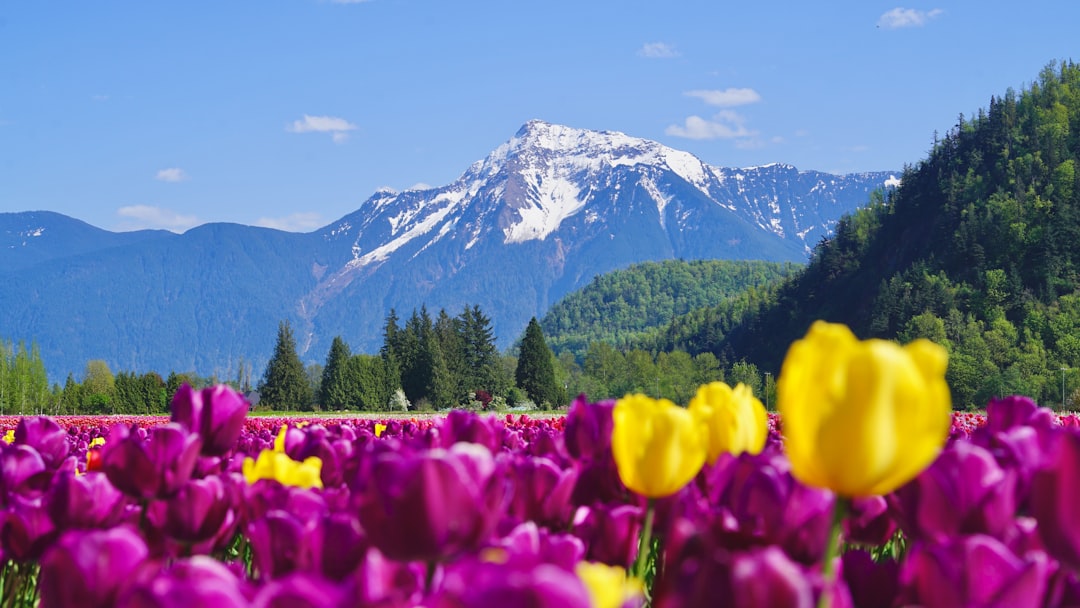
Photo by Shawn Appel on Unsplash
April: Netherlands
April is less about heat and more about color. The Netherlands turns simple bike rides and canal walks into a full spring experience: tulip fields around Lisse, blossom-lined parks in Amsterdam, and compact cities like Utrecht and Haarlem that feel built for short breaks.
This is one of the easiest no-car trips on the list. Stay in Amsterdam or Leiden and use trains for day trips. If blooms are the priority, check current timing on the Keukenhof official site before you book, because early and late Aprils do shift the peak.
May: Greece
May is Greece before the hard edges of summer. The light is already bright, tavernas spill onto the seafront, and ferries are running often enough to build a simple island hop without August-level prices. You can spend a week between Athens and one island, or do a slower two-island plan such as Naxos and Paros.
The sea can still feel brisk early in the month, especially on windier islands, so this is best for travelers who care more about warm days than bath-water swimming. Crete is a smart choice if you want the best chance of beach weather plus archaeological sites. Official route and island guidance lives at Visit Greece.
June: Norway
June is when Norway starts to feel almost unfairly scenic. Ferries glide through still fjord water, waterfalls run hard with snowmelt, and daylight lingers so late that a 7 p.m. viewpoint stop still feels like afternoon. Bergen, Flåm, Aurland, and the Nærøyfjord corridor are excellent now, especially if you like active days without winter gear.
For a first-timer, keep the route tight: Oslo to Flåm to Bergen works beautifully by rail and boat, and you can borrow the pacing from 7 Days in Norway Itinerary 2026: Oslo, Flåm and Bergen. June is also when you should check boat and scenic rail schedules early on Visit Norway.
Summer destinations by month: July to September
July: Tanzania
July is serious trip-planning territory, not a last-minute whim. It is dry season, which means wildlife clusters more predictably around water, roads are easier, and safari days are less muddy and more productive. In northern Tanzania, the Serengeti and Ngorongoro area are the classic first combination.
This is not the cheapest month in this best destinations by month calendar, but it is one of the most rewarding if wildlife is the point of the trip. A realistic first safari often starts around USD 300-450 per person per day once vehicle, guide, park fees, and lodge are bundled. For park info and route basics, use the official Tanzania Tourism site.
August: Slovenia
Slovenia in August gives you that rare balance of mountain air, swimmable lakes, and easy distances. Ljubljana feels youthful and walkable, Lake Bled is at its bluest, and the Soča Valley has that cold emerald water that makes even a short stop feel cinematic.
Because distances are short, a 6-day trip works well: 2 nights Ljubljana, 2 around Bled or Bohinj, and 2 in the Soča Valley. Book lake towns early, but keep daily logistics flexible in case you want to swap a hike for rafting or a lazy riverside afternoon. Official regional ideas are at Slovenia.info.
September: Croatia
September is one of the smartest warm-weather choices in Europe. The sea holds onto summer heat, but the sharpest edge of the crowds begins to fade, especially after the first school-return weeks. Split, Hvar, Korčula, and Dubrovnik all become more breathable, and ferry travel feels less like a scramble.
If you want a classic Adriatic week, do 2 nights Split, 2 nights Hvar or Korčula, and 3 nights Dubrovnik. If you are torn between Croatia and southern Italy for early autumn, 10 Days in Sicily Itinerary 2026: How to See the Highlights is a useful Mediterranean alternative. For current routes and events, check Croatia.hr.
Autumn and festive travel: October to December
October: Japan
October is crisp, clear, and wonderfully orderly for a longer cultural trip. Summer humidity has eased, gardens sharpen up, and in northern regions and higher elevations the first autumn colors begin to show. Tokyo is energetic without feeling oppressive, Kyoto becomes easier to walk, and the Japanese Alps start to pull in leaf-peepers.
For 10 days, keep it simple: Tokyo, Kyoto, and one nature stop such as Kanazawa or Takayama. If your dates are early October, prioritize northern or mountain areas for foliage rather than assuming it is already peak in Kyoto. Seasonal event calendars are strongest on the official Japan travel site.
November: Oman
November is where desert landscapes become inviting rather than punishing. Muscat has warmth without the oven-blast of summer, wadis are enjoyable for day trips, and an overnight in Wahiba Sands feels adventurous but comfortable. Oman also works especially well for travelers who want a road-trip rhythm without constant hotel changes.
A first route can be done in a week: Muscat, Nizwa, Jebel Akhdar, desert camp, then back through a wadi stop. Distances are manageable, and the scenery shifts fast from coast to canyon to dunes. Official planning advice sits at Experience Oman.
December: Germany
December belongs to Germany if you want winter atmosphere without needing ski skills. Christmas markets turn ordinary squares into lit-up gathering places full of cinnamon, grilled sausage, brass bands, and mugs of hot spiced wine. Munich, Nuremberg, Cologne, and Dresden all work, but a small-city add-on such as Bamberg makes the trip feel richer.
This is a strong 4-6 day city-break month, and rail connections make multi-stop planning easy. If you are still weighing your year-end options, Where to Travel in December 2026: Best Picks by Trip Style is a useful next read. Market dates and regional events are best checked on the German National Tourist Board site.
How to use this best time to travel 2026 calendar
A month-by-month planner only helps if you turn it into decisions. The easiest way is to start with your fixed constraint, not your dream image. Ask yourself what is non-negotiable: school dates, budget cap, desire for beach weather, or a maximum flight time.
Once you know the constraint, narrow to two months and compare trip style rather than just temperature. A sunny city break, a safari, and an island trip all respond differently to heat, rain, and daylight. If you compare dates in one planning board such as TravelDeck, it becomes much easier to see when the same budget buys shoulder-season calm instead of peak-season crowds.
Use these rules of thumb when you book:
- Book 6-9 months ahead for July safaris, December Germany weekends, and February New Zealand if you need specific lodges or scenic routes.
- Book 3-5 months ahead for April Netherlands, May Greece, June Norway, and September Croatia.
- Keep 10-15 percent of your budget unassigned for weather pivots, extra ferry nights, or one splurge meal in a place you love.
- For one-week trips, choose compact countries or one clear region. That means Netherlands, Norway fjords, Slovenia, or Germany markets over trying to cover an entire large country.
- For shoulder season beach trips, pack one layer more than you think you need; evenings in Greece in May or Croatia in September can cool down quickly near the water.
FAQ
What is the cheapest month to travel internationally in 2026?
There is no universal cheapest month, but March, April, and November often give the best value-to-weather ratio. In this guide, Morocco in March and Oman in November stand out because hotel rates are lower than peak festive periods while conditions are still excellent.
Is shoulder season better than peak season?
Often, yes. May in Greece, June in Norway, and September in Croatia are classic shoulder-season wins because you keep strong weather while losing some of the crowd pressure and price spikes.
How far ahead should I book the best places to visit each month?
For high-demand seasonal trips, use this simple rule: 6-9 months for safaris, summer road trips in New Zealand, and December market weekends; 3-5 months for most spring and autumn city-plus-nature trips. Flights matter, but the real bottleneck is often the right hotel in the right place.
Which month is best if I only get one week off?
April, June, August, and December are easiest. The Netherlands, Norway fjords, Slovenia, and Germany all work brilliantly in one week because transport is straightforward and you do not need recovery days for extreme weather.
Should I choose weather, price, or fewer crowds?
Pick two. If weather and low crowds matter most, look hard at May, June, September, and November. If perfect weather is non-negotiable, you will usually pay more and need to book earlier.
A good travel year is rarely about chasing the single hottest destination. It is about matching the right month to the right place, then giving yourself enough structure to book confidently and enough flexibility to enjoy what that season does best.