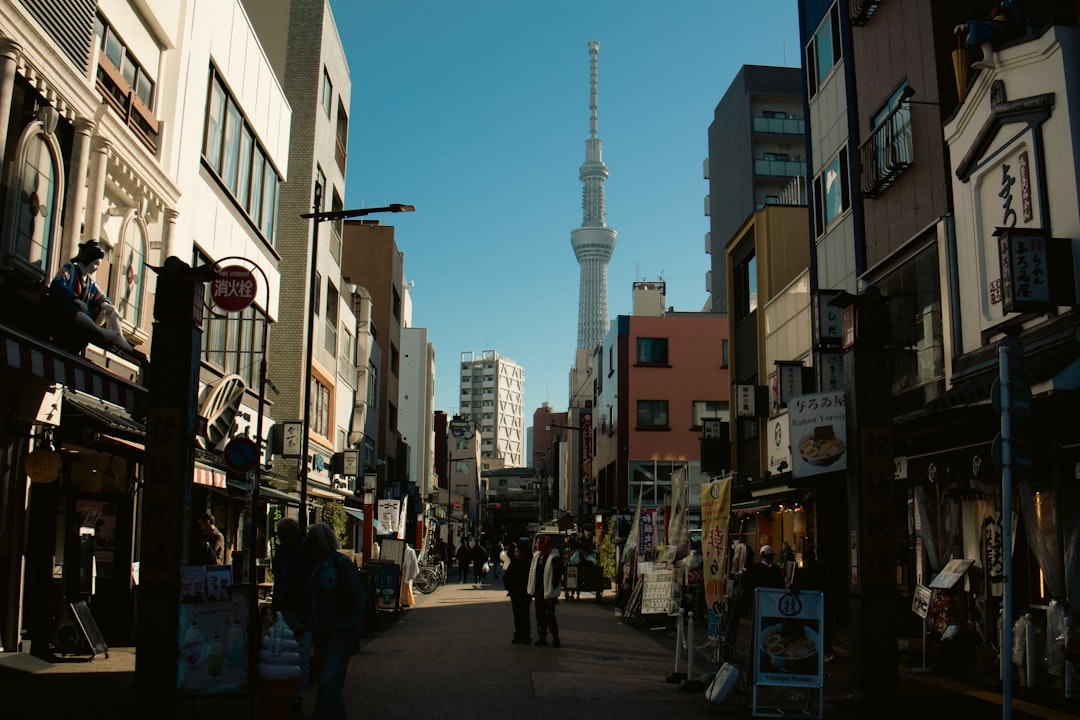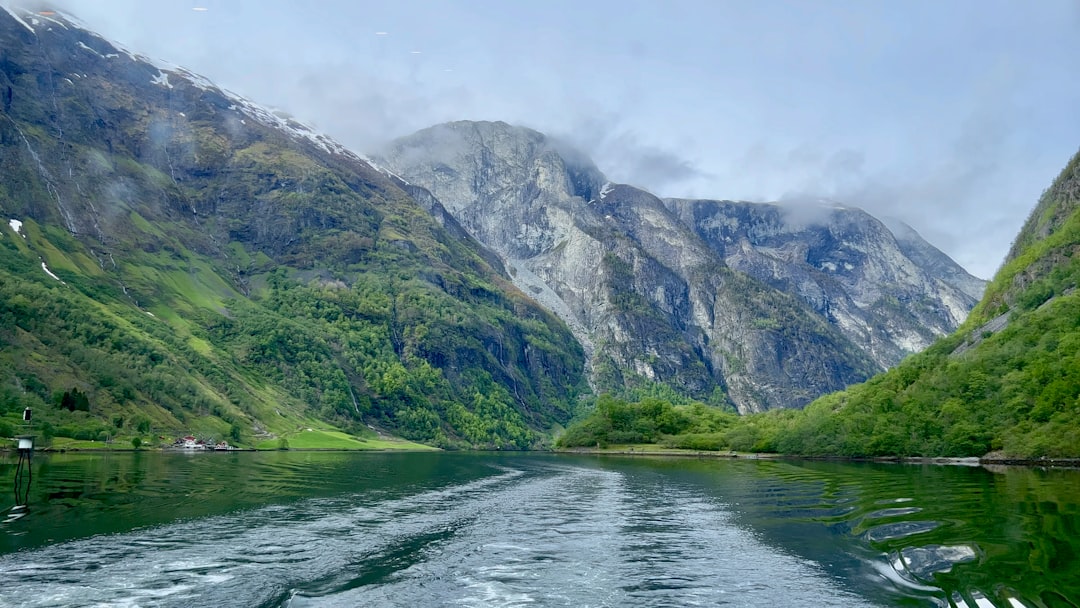
Seven days is the point where Norway stops feeling like a postcard and starts feeling like a real trip. A well-built 7 days in Norway itinerary gives you just enough time for Oslo design culture, one of Europe’s great train journeys, a deep-fjord detour through Flåm, and a slow finish in Bergen’s salt-air streets.
If this is your first visit, 7 days is the minimum that still feels satisfying rather than rushed. You will not see Lofoten, Tromsø and the western fjords all in one week, and that is exactly the point: Norway rewards focus. This route is rebuildable without a car, works especially well from late May to September, and keeps your hotel changes manageable. If you like plotting every train, ferry and overnight stop before you go, sketching the route in TravelDeck makes the handoffs much easier.
Day 1: Oslo soft landing in Bjørvika and the harbor
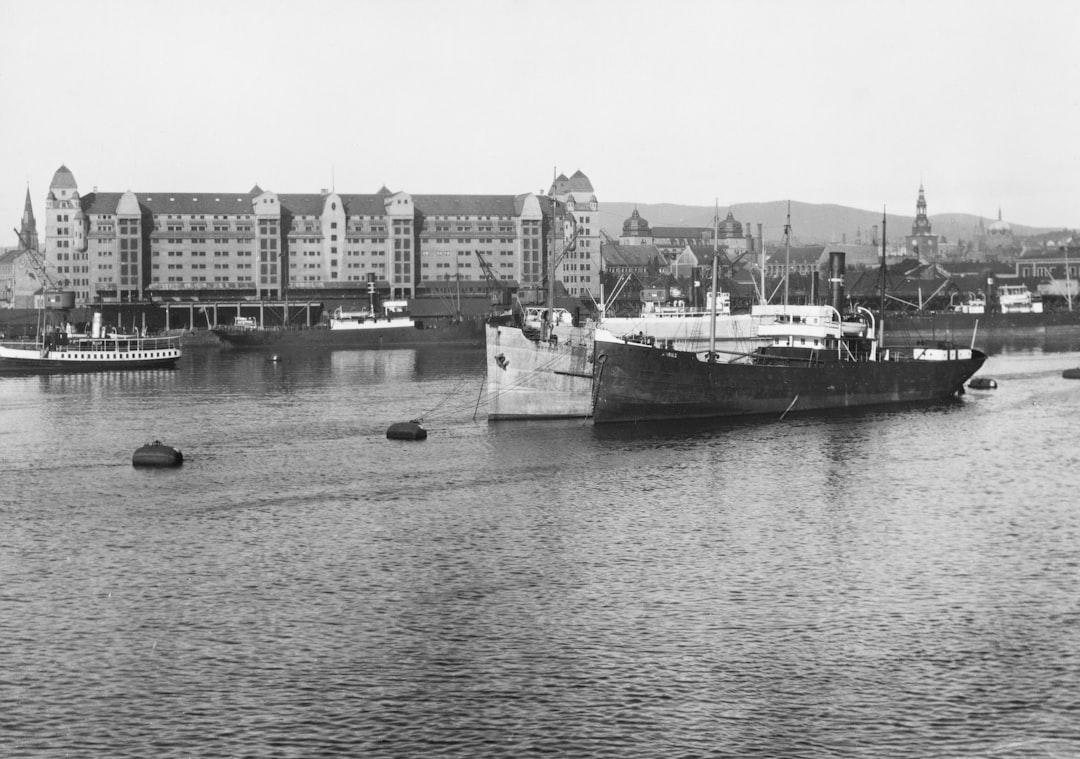
Photo by The National Library of Norway on Unsplash
Oslo is often treated as a gateway, but it is a better opening act than people expect. The city feels crisp, airy and deliberate, with modern architecture pressed up against dark water and ferries crossing the inner fjord. Your first day should stay mostly on foot so you can absorb the rhythm instead of spending it underground or in taxis.
Start in Bjørvika, the redeveloped waterfront east of Oslo Central Station. The Opera House rises from the harbor like a slanted sheet of ice, Deichman Bjørvika library glows with warm wood and glass, and the MUNCH museum adds the first big cultural hit without forcing you across town. By evening, you will already understand one of Norway’s great strengths: even in the capital, water and open space never feel far away.
Morning
Ease into the city with a walkable cluster of major sights.
- 09:00 Walk onto the roof of the Oslo Opera House, Bjørvika. Cost: free. Time needed: 30 to 45 minutes.
- 10:00 Browse Deichman Bjørvika, Anne-Cath. Vestlys plass 1. Cost: free. Time needed: 30 minutes.
- 10:45 Visit MUNCH, Edvard Munchs plass 1, Bjørvika. Cost: about NOK 180 to 220. Time needed: 1.5 to 2 hours.
Afternoon
After lunch, keep moving west along the waterfront for the city’s historic core.
- 13:15 Lunch at Vippa, Akershusstranda 25, Vippetangen. Budget around NOK 180 to 280.
- 14:30 Walk the grounds of Akershus Fortress, Akershus festning, Kvadraturen. Cost: free for outdoor areas. Time needed: 45 to 60 minutes.
- 15:45 Stroll past Oslo City Hall and continue through Aker Brygge harbor promenade. Cost: free.
Evening
Oslo evenings stay bright for a long time in summer, so do not rush indoors too early.
- 18:30 Walk Karl Johans gate from the Parliament to the Royal Palace, Sentrum. Cost: free.
- 19:30 Dinner around Aker Brygge or Kvadraturen. Expect NOK 300 to 450 for a main and drink.
- Insider tip: MUNCH is noticeably calmer from mid-afternoon onward, so if you arrive late or feel jet-lagged, swap the museum and the palace walk.
Day 2: Oslo museums, parks and a sauna evening
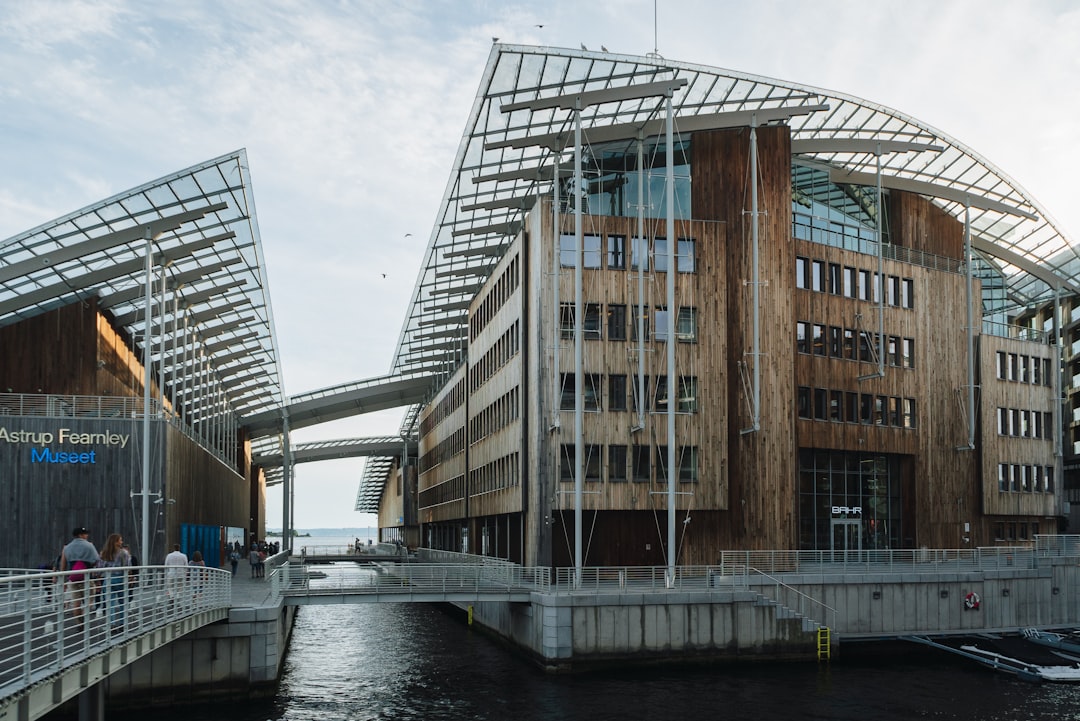
Photo by Nick Night on Unsplash
Day two shows a different Oslo: maritime, leafy and deeply local. The Bygdøy peninsula concentrates some of the city’s best museums in one elegant area, and the shift from downtown glass to old ships, folk buildings and wide lawns makes the capital feel more layered.
Later, Frogner and Vigeland Park slow the pace again. In summer you will hear skateboard wheels, stroller traffic and people picnicking on the grass; in cooler months it feels more stately. End with a sauna or fjord dip if you want a distinctly Nordic finish to your city stay.
Morning
Head first to Bygdøy, where several of Oslo’s strongest museums sit within easy reach.
- 09:00 Ferry or bus to Bygdøy from the city center using the local transport network. Single fare: about NOK 42.
- 09:45 Visit the Fram Museum, Bygdøynesveien 39. Cost: about NOK 180. Time needed: 60 to 90 minutes.
- 11:15 Visit the Norwegian Museum of Cultural History, Museumsveien 10, Bygdøy. Cost: about NOK 195. Time needed: 1.5 to 2 hours.
Afternoon
After lunch, move to a greener, residential side of the city.
- 14:30 Walk through Vigeland Park, Nobels gate 32, Frogner. Cost: free. Time needed: 60 to 90 minutes.
- 16:00 Coffee and pastry around Frognerveien or Uranienborg. Budget NOK 70 to 120.
Evening
Oslo’s waterfront is part of daily life, not just the view from your hotel window.
- 18:30 Book a sauna session at SALT, Langkaia 1, near the Opera House, or another central fjord sauna. Cost: about NOK 250 to 350.
- 20:00 Dinner at Mathallen Oslo, Vulkan 5, Grünerløkka-side riverfront. Budget NOK 200 to 350.
- Insider tip: If you will use public transport three or more times today, a 24-hour city ticket usually beats buying singles.
Day 3: Scenic trains from Oslo to Flåm
This is the day the trip turns cinematic. The journey from Oslo to Myrdal on the Bergen Railway is not just transport; it is part of why people come to Norway at all. The landscape slowly strips away the city, replacing it with lakes, birch forest, high plateau and sudden weather shifts that feel much bigger than the map suggests.
Then comes the dramatic descent on the Flåm Railway, one of the steepest standard-gauge railways in the world. The air changes, the valley narrows, waterfalls get closer, and by the time you roll into Flåm you are in full fjord country. Keep the rest of the day light so you can enjoy the arrival instead of stacking more logistics onto it.
Morning
Get an early start from Oslo S and treat the rail journey as part of the sightseeing.
- 08:25 Depart Oslo Central Station on the Bergen Railway toward Myrdal. Advance fares often start around NOK 499 and can rise to NOK 899 or more.
- Pack breakfast or a picnic from Oslo S. Station snacks and train food are convenient but pricey.
Afternoon
At Myrdal, change to the branch line that twists down to the fjord.
- 13:00 to 14:00 Take the Flåm Railway from Myrdal to Flåm. Cost: usually around NOK 650 one way in peak season.
- 15:00 Check in near Flåm harbor or in Aurland village, 10 minutes away by bus or taxi.
- 17:00 Walk the river path around Flåm harbor, the Fretheim area and the edge of Aurlandsfjord. Cost: free.
Evening
Flåm is small, and that is its advantage. You can actually hear the water and the wind settle.
- 19:00 Dinner at a fjordside restaurant or brewpub in central Flåm. Budget NOK 300 to 500.
- 20:30 Slow harbor walk at blue hour. In midsummer, the light lingers well past dinner.
- Insider tip: Keep your luggage compact for this trip section. Station changes at Myrdal and small hotel transfers in Flåm are much easier with one bag.
Day 4: Aurlandsfjord, Stegastein and the Nærøyfjord
This is the day Norway delivers the scale people imagine before they book. The fjords here do not feel decorative; they feel structural, as if the mountains decided to split open and let the sea run inland. What surprises most travelers is not just the size but the quiet. Even with boats moving through the water, the place feels hushed.
Give yourself both a high viewpoint and a water-level perspective. Stegastein lets you understand the shape of the landscape, while the cruise through Nærøyfjord shows its texture: farm ledges, waterfalls, tiny shorelines and the hard geometry of cliffs dropping almost straight into the water.
Morning
Start above the fjord so you can see the route you will later travel through.
- 09:00 Take the shuttle from Flåm via Aurland to Stegastein Viewpoint, Aurlandsvegen. Cost: about NOK 390 return. Time needed: roughly 2 hours including stops.
- 11:30 Coffee or bakery stop in Aurland village. Budget NOK 80 to 150.
Afternoon
The classic fjord section is best done after lunch, when the light often reaches deeper into the water corridor.
- 13:30 Take the electric fjord cruise from Flåm to Gudvangen through Aurlandsfjord and UNESCO-listed Nærøyfjord. Cost: about NOK 650. Duration: around 2 hours.
- 15:45 Return by shuttle or bus from Gudvangen to Flåm. Cost: about NOK 150 to 220 depending on service.
Evening
Keep the evening simple; the scenery has already done the heavy lifting.
- 18:30 Dinner in Flåm or Aurland. Budget NOK 250 to 450.
- 20:00 Short waterfront walk or sit by the dock with a coffee and watch the color drain slowly from the mountains.
- Insider tip: Bring a windproof layer even in July. The open deck on the cruise is where the best views are, and it is much colder than the harbor.
Day 5: Flåm to Bergen by rail and an evening above Bryggen
Leaving Flåm is easier than you expect because the route to Bergen is another scenic day rather than a dead transfer. The train climbs back out of the fjord system, reconnects with the Bergen line and then cuts west through mountain and lake country before the coast announces itself in softer light and wetter air.
Bergen feels older, denser and more sea-shaped than Oslo. The streets tighten, the painted timber fronts lean toward the harbor, and you can sense centuries of trade in the grain of Bryggen’s wooden alleys. Arrive, drop your bags and get uphill before sunset.
Morning
Reverse the rail journey, but do not assume it will feel repetitive; the landscape reads differently in the other direction.
- 08:20 Take the Flåm Railway back to Myrdal.
- Continue from Myrdal to Bergen on the Bergen Railway. Combined cost often falls between NOK 499 and NOK 999 if booked in advance.
Afternoon
Bergen rewards immediate wandering more than formal sightseeing on your first few hours.
- 14:30 Walk Bryggen, the UNESCO harbor quarter east of Vågen. Cost: free.
- 15:30 Explore the lanes behind the wharf and visit the Bryggen Museum area if time allows. Museum entry: around NOK 170.
- 17:00 Stop for a skillingsbolle cinnamon bun and coffee around Vågsbunnen. Budget NOK 70 to 120.
Evening
Take advantage of Bergen’s easiest classic viewpoint.
- 18:30 Ride the Fløibanen funicular from Vetrlidsallmenningen to Mount Fløyen. Return fare: about NOK 190.
- 20:00 Dinner near Bryggen, Vågsbunnen or Nordnes. Budget NOK 300 to 500.
- Insider tip: Bryggen is most atmospheric after 18:00, when cruise and day-trip traffic thins and the wooden passages feel almost theatrical.
Day 6: Bergen beyond the postcard harbor
Most first-timers give Bergen one hurried afternoon, but a full day reveals why the city works so well as a base. It is compact without feeling tiny, handsome without feeling staged, and its weather creates a kind of intimacy: people keep walking, ducking into cafés, museums and covered passages without making a drama of the rain.
Today mixes food, art, waterfront fortifications and a residential edge. You will see how quickly Bergen shifts from tourist harbor to local neighborhoods, and why it feels less like a museum city than somewhere people still use properly.
Morning
Begin at the harbor while the fish market is lively and the light is still soft on the water.
- 09:00 Breakfast or early lunch at the Bergen Fish Market, Torget. Fish soup or open sandwiches usually cost NOK 160 to 220.
- 10:30 Visit KODE 3 and KODE 4 art museums by Lille Lungegårdsvannet. Combined or day tickets typically cost around NOK 175 to 220.
Afternoon
Move west toward quieter streets and older fortifications.
- 13:30 Walk the Nordnes peninsula and Nordnesparken. Cost: free.
- 15:30 Visit Bergenhus Fortress and Rosenkrantz Tower, Bergenhus. Entry for the tower area is around NOK 160.
Evening
Bergen is at its best when you do not force too many plans after dinner.
- 18:30 Seafood dinner around Bryggen or the inner harbor. Budget NOK 350 to 650.
- 20:30 Walk the harbor front toward Sandviken or simply loop back through Bryggen’s timber lanes.
- Insider tip: Bergen locals do not cancel walks for drizzle. Pack a light shell and keep going; many of the city’s best moods arrive with low cloud.
Day 7: Mostraumen fjord cruise and a final Bergen evening
A final day trip from Bergen lets you end on one more note of wild scenery without another hotel move. The Mostraumen route is a smart choice because it compresses steep mountains, narrow waterways and waterfall views into a half day, then returns you to the city for a last unrushed evening.
It is also a good reminder that western Norway is full of grand scenery close to ordinary life. You do not need to vanish into the far north to get that sense of scale; it is sitting right outside Bergen harbor.
Morning
Use your last full day for one more water-based experience.
- 09:00 Take a Mostraumen fjord cruise from central Bergen harbor, usually departing near Zachariasbryggen. Cost: about NOK 760 to 900. Duration: 3 to 4 hours.
Afternoon
After the cruise, stay local and keep the afternoon flexible.
- 13:30 Lunch in Vågsbunnen or around Strandgaten. Budget NOK 180 to 300.
- 15:00 Visit Gamle Bergen Museum, Elsesro, if you want one final cultural stop. Entry: about NOK 160. Allow 1.5 hours including the bus ride.
Evening
Use the last night to enjoy Bergen at a calmer pace rather than chase one more attraction.
- 18:30 Final dinner near the harbor or in Nordnes. Budget NOK 300 to 500.
- 20:00 Pack, walk the quay one last time, and line up your airport transfer for the next morning.
- Insider tip: If heavy rain is forecast, keep this day flexible. Bergen’s museums make an easy weather swap, while the fjord cruise is best saved for clearer skies.
How to get there
For this route, the smartest setup is an open-jaw ticket: fly into Oslo Airport, OSL, and fly out of Bergen Airport, BGO. That saves a full day of backtracking. From OSL to Oslo Central Station, regional trains take about 20 to 25 minutes and usually cost around NOK 124 to 129. From BGO into central Bergen, the Bybanen light rail takes about 45 minutes and costs roughly NOK 47.
If you are already in Scandinavia, Stockholm to Oslo by train takes around 5.5 to 6 hours, and Gothenburg to Oslo is about 3.5 to 4 hours. For schedules and official transport planning, use Avinor, Vy, Entur and the Flåm Railway.
- Best inbound airport: Oslo Airport OSL
- Best outbound airport: Bergen Airport BGO
- Oslo Airport to Oslo S: 20 to 25 minutes, around NOK 124 to 129
- Bergen Airport to Bryggen area: 45 minutes by light rail, around NOK 47
- Oslo to Myrdal by train: about 4.5 to 5 hours
- Myrdal to Flåm by train: about 55 minutes
- Flåm to Bergen by rail via Myrdal: about 5 to 5.5 hours total
Best time to go for a 7 days in Norway itinerary
For this exact route, late May through September is the sweet spot. Ferry schedules are fuller, mountain trains are more reliable, days are long, and Bergen plus the fjord region feel lively without requiring winter-specific planning. June and early September are particularly good if you want long light with slightly softer crowd levels.
July is beautiful but pricier, especially in Flåm and Bergen. If you are comparing European shoulder-season ideas, Best Holidays in May 2026: 6 Trips Worth Planning Now is useful context. Winter travel in Norway can be magical, but this specific Oslo to Flåm to Bergen trip works best when fjord transport runs frequently and viewpoints like Stegastein are easy to access. For dark-sky and snow-focused travel inspiration, Where to Travel in December 2026: Best Picks by Trip Style is a better seasonal match.
- Best months: June and September
- Warmest and longest days: late June to mid-August
- Best balance of price and weather: late May, early June, early September
- Most expensive period: mid-July to early August
Estimated budget per person for this Norway fjords itinerary
Norway is expensive, but the route becomes much easier to budget when you book the long-distance rail legs early and keep meals mixed between supermarkets, bakeries and one proper dinner a day. Flåm is the costliest stop relative to what you get, so treat it as the scenic splurge segment and save a little in Oslo or Bergen.
Here is a realistic total for 7 days in Norway, excluding international flights.
| Tier | Accommodation | Food | Transport and activities | Total for 7 days |
|---|---|---|---|---|
| Budget | NOK 5,600 to 7,700 | NOK 2,100 to 3,150 | NOK 4,200 to 5,400 | NOK 11,900 to 16,250 |
| Mid-range | NOK 9,800 to 14,700 | NOK 3,500 to 4,900 | NOK 4,800 to 6,300 | NOK 18,100 to 25,900 |
| Comfort | NOK 16,800 to 28,000 | NOK 5,250 to 7,000 | NOK 6,000 to 9,000 | NOK 28,050 to 44,000 |
Where to stay
You only change base three times on this route, which is one reason it works so well for first-timers. Stay central enough that stations and waterfront departures are easy on foot, and do not underestimate how much time a badly placed hotel can steal in Bergen rain or on a Flåm transfer day.
If you have only done shorter European breaks like Munich itinerary 4 days: what to see day by day in 2026, this Norway trip feels more comfortable if you prioritize location over room size.
- Budget: Grünerløkka or St. Hanshaugen in Oslo, Aurland instead of central Flåm, and Marken or Nygård in Bergen. Expect roughly NOK 900 to 1,400 per night for simple private rooms or hostel-style stays.
- Mid-range: Bjørvika or around Oslo S, Flåm harbor, and Vågsbunnen or Nordnes in Bergen. Expect roughly NOK 1,600 to 2,600 per night.
- Comfort: Tjuvholmen or Frogner in Oslo, fjord-view stays in Flåm or Aurland, and Bryggen-side historic properties or waterfront Nordnes in Bergen. Expect NOK 2,800 and up.
How to get around Norway in one week
This is a public-transport-friendly Norway itinerary. You do not need a car, and in fact a car would be more burden than benefit for Oslo, Flåm and central Bergen. Trains are the backbone, fjord cruises do the scenic heavy lifting, and local buses or light rail cover the short gaps.
Book the Oslo to Myrdal, Myrdal to Flåm and Myrdal to Bergen rail legs as soon as your dates are fixed. The same goes for the Nærøyfjord cruise in high season. Norway rewards early planning with both lower prices and less friction.
- Use Vy for long-distance rail bookings
- Use Entur for cross-checking buses, ferries and local connections
- Use the Bybanen light rail in Bergen for airport transfers
- Use local city tickets in Oslo for ferries, buses, trams and metro
- Travel with a rain shell, daypack and one manageable suitcase or backpack
Things to do on this 7 days in Norway route
If you are scanning before committing, these are the core experiences that make this one of the strongest first-time Norway trip plans. Each one is easy to place on the route and strong enough to justify the travel time around it.
These are not filler stops; they are the spine of the week.
- Walk the Oslo Opera House roof in Bjørvika for a free harbor panorama
- See MUNCH in Bjørvika for a sharp modern culture hit on day one
- Ride the Bergen Railway from Oslo to Myrdal for one of Europe’s classic scenic train journeys
- Take the Flåm Railway into Aurlandsfjord country
- Cruise through Nærøyfjord between Flåm and Gudvangen
- Watch the fjord unfold from Stegastein Viewpoint above Aurland
- Ride the Fløibanen and walk Mount Fløyen above Bergen
- Take a Mostraumen fjord cruise from Bergen harbor
Where to eat
Food in Norway is more understated than in southern Europe, but it is better than many first-timers expect. The pleasures are often specific and local: fish soup with real depth, cinnamon-heavy skillingsboller in Bergen, excellent coffee, brown cheese on breakfast buffets, and seafood that tastes cleaner and sweeter than its simple presentation suggests.
A good strategy is one substantial restaurant meal per day plus bakery breakfasts, market lunches and supermarket picnic supplies. That keeps your budget in line without making the trip feel stripped down.
- Oslo: Try Vippa at Vippetangen for a casual first meal, Mathallen Oslo in Vulkan for variety, and bakery stops in Frogner or Grünerløkka for coffee culture.
- Flåm and Aurland: Prioritize fish dishes, local beer and simple fjord-view dinners. Expect the highest prices of the trip here.
- Bergen: Eat fish soup or seafood at Torget Fish Market, chase a proper skillingsbolle in the Vågsbunnen area, and book one memorable dinner around Bryggen or Nordnes.
- Dishes to look for: fish soup, salmon, shrimp sandwiches, reindeer on city menus, brunost at breakfast, and Bergen-style cinnamon buns.
Practical tips
Norway rewards sensible packing more than heroic packing. Even in summer, you can move from warm sun in Oslo to cold wind on a fjord deck in one day. Layers matter more than bulk. The same is true for money: nearly everything is card-friendly, but it is wise to keep a small emergency cushion in case you hit a remote kiosk or a temporary machine issue.
This is also one of Europe’s easiest countries to travel through independently. It feels orderly, safe and clean, but distances are bigger than they look and weather matters more than in many urban-only trips. Leave buffer time around your biggest travel days.
- Currency: Norwegian krone, NOK
- Cards: accepted almost everywhere
- Water: tap water is excellent and safe to refill
- Packing list: waterproof shell, warm mid-layer, comfortable walking shoes, power bank, eye mask for bright summer evenings
- Safety: very safe overall, but use normal station and nightlife awareness
- Connectivity: city and transport coverage is generally strong; tunnels and remote fjord stretches can briefly drop service
- Sundays: shops may have shorter hours, especially outside city centers
FAQ
Is 7 days enough for Norway?
Yes, for a first trip focused on Oslo, the western fjords and Bergen. It is not enough for everything Norway does well, but it is enough for a coherent route that includes city culture, iconic rail scenery and fjord cruising without feeling punishing.
Is Flåm worth it on a one-week Norway trip?
Yes, if you want the classic fjord-and-rail experience. Flåm is expensive and small, but it earns its place because it links the Bergen Railway, the Flåm Railway, Stegastein and the Nærøyfjord into one highly efficient stop.
Do I need a car for this Norway itinerary?
No. This route is specifically designed to work by train, ferry, bus and light rail. For one week, public transport is easier, more scenic and less stressful than renting a car.
How expensive is 7 days in Norway?
A realistic range is about NOK 11,900 to 16,250 for a budget traveler and NOK 18,100 to 25,900 for a mid-range traveler, excluding flights. Booking long train legs early makes the biggest difference.
Can I do this Norway itinerary in winter?
You can, but it becomes a different trip. The rail route still works, yet fjord cruise frequency, viewpoint access and daylight hours change enough that this exact day-by-day version is best from late spring to early autumn.
Seven days will not show you all of Norway, and that is exactly why this route works. It gives you the right first impression: sharp cities, deep fjords, dramatic trains and enough space in the schedule to actually feel where you are.
---