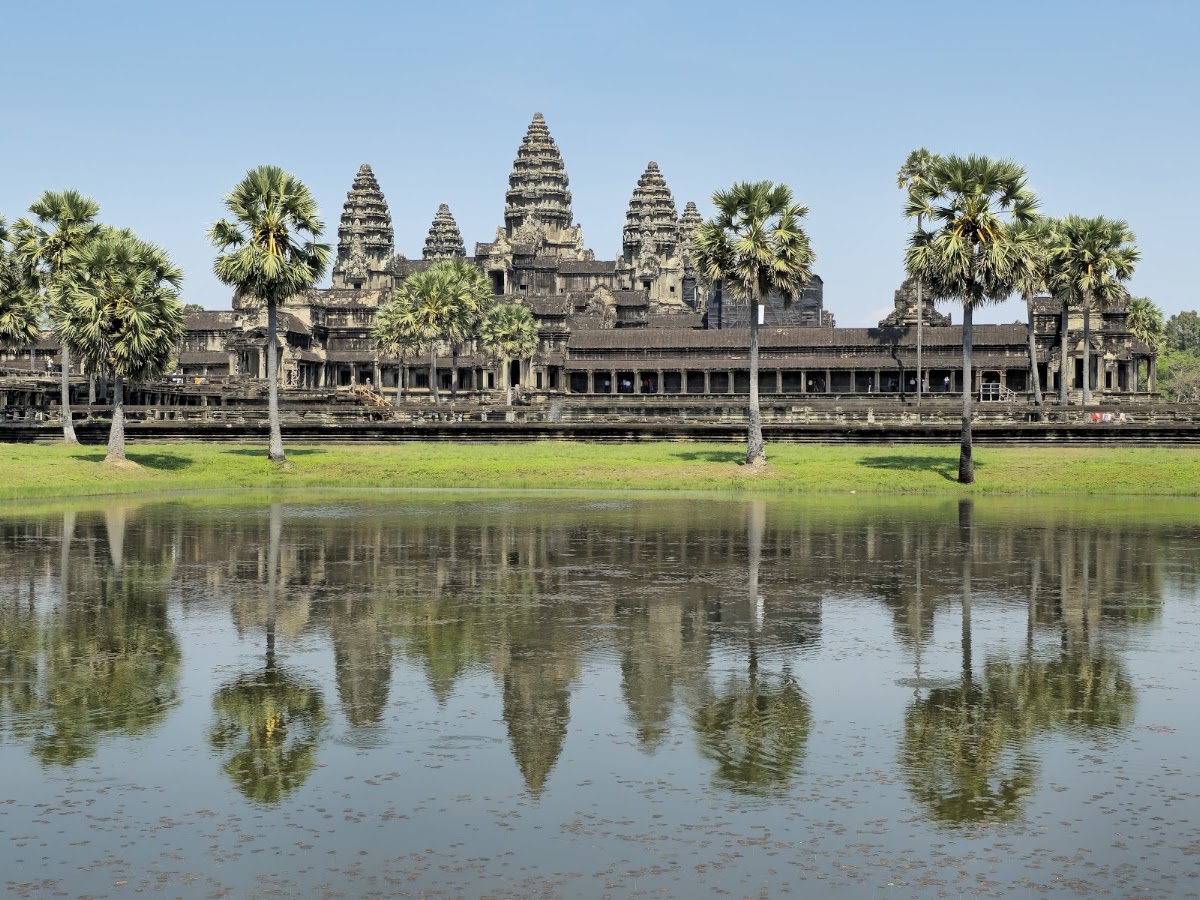
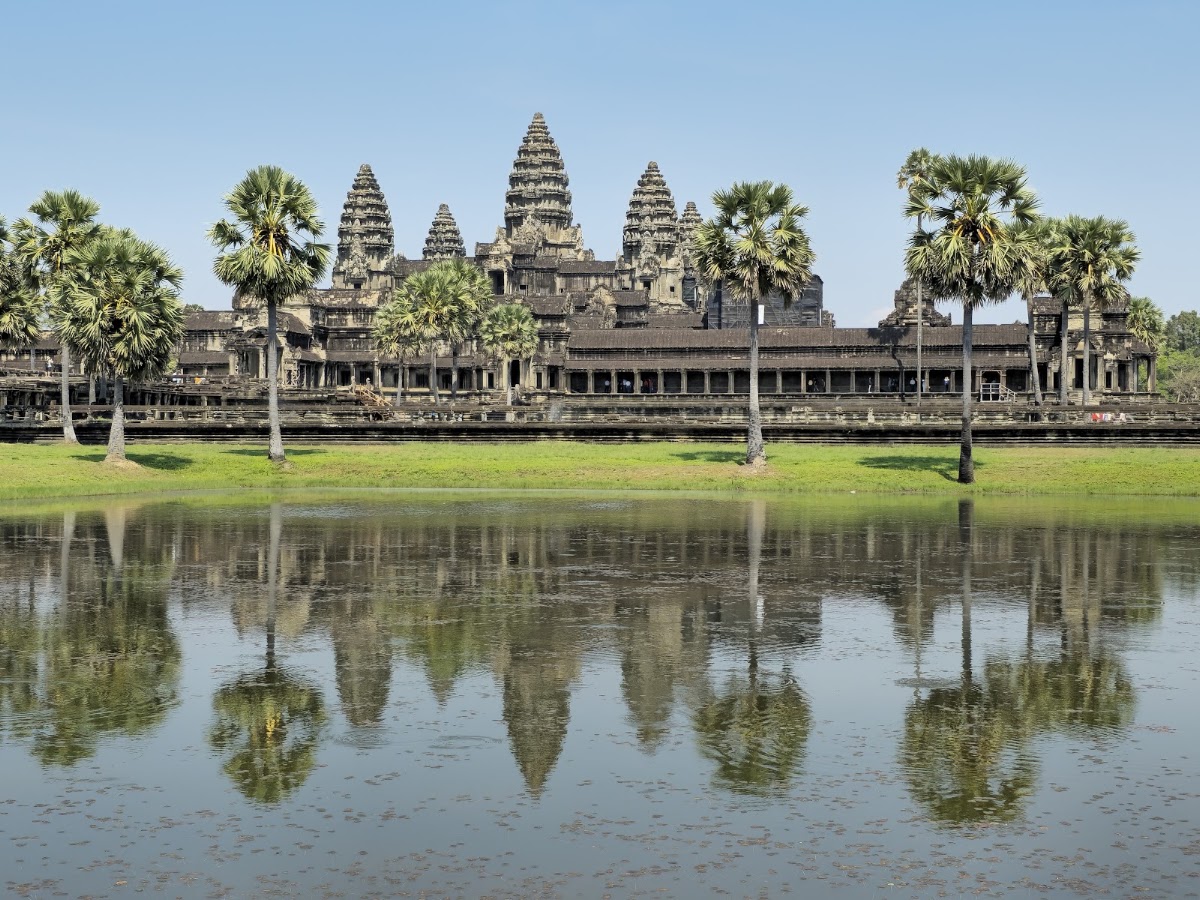
Angkor is far bigger than most first-time visitors imagine. The archaeological park spreads across a huge landscape, and that is exactly why 4 days in Siem Reap works so well: you get the headline temples, the quieter corners, and one day that reminds you Siem Reap is more than a sunrise photo stop.
Most travelers asking how many days they need in Siem Reap are really asking a more practical question: how do I see Angkor Wat without burning out by day two? This route is built for that. If you like laying out a trip stop by stop before you land, this is the same kind of rebuildable planning approach travelers use on TravelDeck.
How many days in Siem Reap do you really need?
Niclas Toussaint
If you only have one day, you can race through Angkor Wat, Bayon and Ta Prohm, but it will feel like a checklist in heavy heat. Two days is enough for the essentials. Three days is the classic first-timer answer. But 4 days in Siem Reap is the sweet spot if you want the temples, a slower pace, and one beyond-Angkor experience without regretting what you skipped.
The big reason is simple: temple fatigue is real. After a dawn start, several kilometers of walking, and midday humidity, even the most enthusiastic history lover needs a reset. Four days lets you divide the trip into a town day, two temple-heavy days, and one day for Banteay Srei plus Tonle Sap. That balance keeps the trip memorable instead of exhausting.
- 1 day: Only for a layover or a very rushed side trip
- 2 days: Angkor highlights, but little room for town or countryside
- 3 days: Excellent if your only priority is temples
- 4 days: Best for first-timers who want Angkor plus culture and breathing room
How to get there
Photo by Tim Hüfner on Unsplash
Siem Reap is served by Siem Reap Angkor International Airport, code SAI, roughly 45 km east of town. The drive into the center usually takes 50 to 60 minutes, so do not plan a packed arrival morning unless you land very early. Private airport transfers usually cost about US$25 to US$35 per car, while shared hotel shuttles often run around US$8 to US$12 per person.
If you are already in Cambodia, buses from Phnom Penh usually take around 5.5 to 6.5 hours and cost about US$8 to US$18 depending on seat class. From Battambang, a private car is around 3 hours and usually costs US$50 to US$70 total. Check visa requirements at the official Cambodia eVisa portal and temple pass details at the official Angkor Enterprise website. If you are arriving on a long overnight journey from Europe or North America, a calm first day matters more than people think, and Long Haul Flight Comfort Checklist 2026: Sleep, Water, Seat is a useful pre-flight read.
- Airport to Old Market or Wat Bo: 50 to 60 minutes
- Phnom Penh to Siem Reap by road: 5.5 to 6.5 hours
- Angkor Enterprise ticket office to town center: about 15 minutes by tuk-tuk
- Angkor pass prices in 2026: 1 day US$37, 3 days US$62, 7 days US$72
Day 1: Soft landing in Siem Reap Town
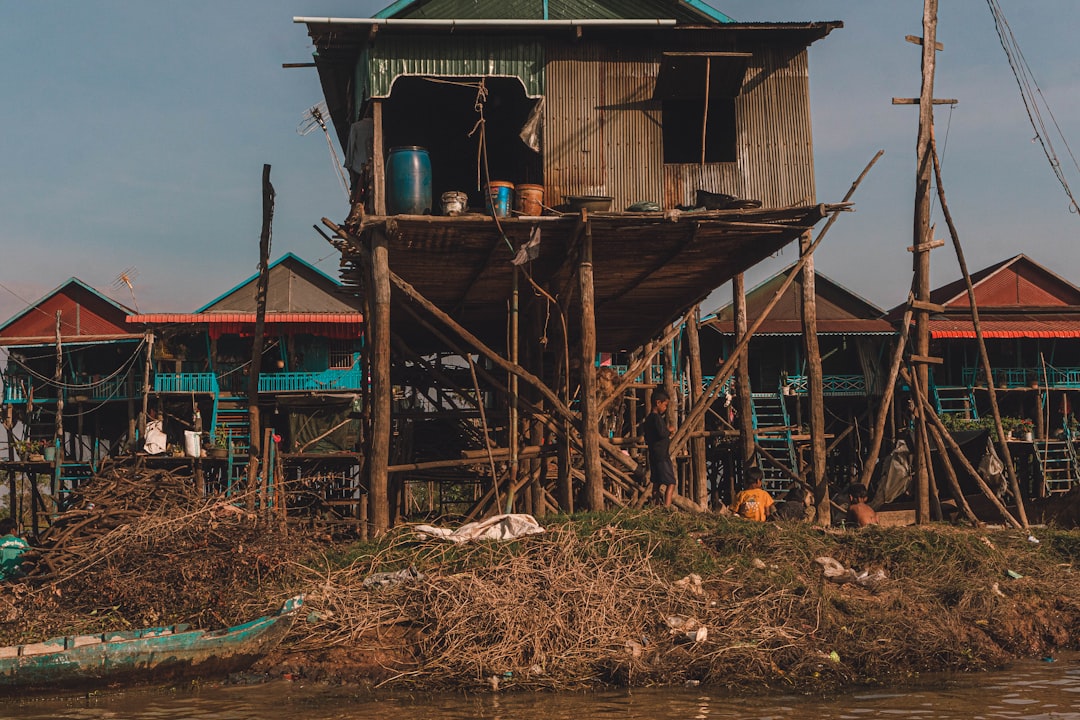
Photo by Aleksandra B. on Unsplash
The best first day in Siem Reap is not a heroic temple push. It is about letting the place come into focus slowly: saffron-robed monks passing white walls, the river running through town, old colonial facades near the center, and cafes filling with travelers who already learned the local rule of thumb, which is to do big sightseeing early and everything else later.
For 4 days in Siem Reap, this arrival day does important work. You adjust to the heat, get your Angkor context before the ruins, and avoid wasting a sunrise on jet lag. Stay in or near Kandal Village, Wat Bo or the Old French Quarter so the afternoon can be mostly walkable.
Morning
- 09:00 to 11:00: Check in and settle into Kandal Village or Wat Bo
- 11:00 to 12:00: Walk Hap Guan Street in Kandal Village for boutiques, shaded cafes and an easy first look at central Siem Reap
- Cost: mostly free unless you stop for coffee, about US$3 to US$5
Afternoon
- 13:30 to 15:30: Visit Angkor National Museum on Charles de Gaulle Boulevard, Old French Quarter
- 15:40 to 16:10: Stroll the Royal Independence Gardens and the area around the Royal Residence, just south of the museum
- 16:30 to 17:00: Stop at Angkor Enterprise on Road 60 to buy your 3-day Angkor pass for US$62 and save time the next morning
- Museum entry: about US$12 per person
- Tuk-tuk from center to museum and ticket office loop: about US$8 to US$12 total
Evening
- 18:00 to 19:00: Early dinner in the Wat Bo area or near the Old Market
- 20:00 to 21:15: Watch Phare, The Cambodian Circus, in Svay Dangkum district
- Circus ticket: usually US$18 to US$38 depending on seat category
- Return tuk-tuk to central Siem Reap: about US$3 to US$5
Insider tip
Book the evening show only if your flight lands before mid-afternoon. If you arrive late or feel wrecked, swap Phare for a short riverside walk and an early night. The real victory on day one is waking up ready for Angkor Wat before dawn.
Day 2: Angkor Wat sunrise and Angkor Thom
This is the day most people picture when they imagine Siem Reap: black temple towers slowly appearing against a pale orange sky, the smell of wet grass and coffee from the stalls outside, and the odd silence that settles for a few minutes before the crowd begins talking again. The trick is not just seeing Angkor Wat at sunrise, but organizing the rest of the day so the energy never collapses.
A classic small circuit works best here. Keep the morning for Angkor Wat itself, then move into Angkor Thom while your brain is still fresh enough to take in carvings, bas-reliefs and the scale of the old Khmer capital. Finish with a sunset stop instead of trying to cram in one more temple at 2 pm.
Morning
- 04:45: Leave your hotel by tuk-tuk for Angkor Archaeological Park
- 05:20 to 06:15: Sunrise at the west reflecting pools of Angkor Wat
- 06:20 to 08:15: Explore Angkor Wat galleries, central causeway and upper levels
- 08:20 to 08:50: Breakfast at the food stalls opposite the west entrance
- Angkor entry: covered by your 3-day pass
- Breakfast: about US$4 to US$8
- Full-day small circuit tuk-tuk: about US$20 to US$25
Afternoon
- 09:15 to 09:30: Enter Angkor Thom through the South Gate
- 09:30 to 10:30: Bayon Temple, famous for its carved stone faces
- 10:40 to 11:20: Baphuon Temple
- 11:30 to 12:15: Terrace of the Elephants and Terrace of the Leper King
- 12:30 to 14:30: Return to town or hotel pool for lunch and rest during peak heat
- Lunch in town: about US$6 to US$12
Evening
- 16:30 to 17:45: Head back out to Pre Rup for sunset light over the laterite and brick towers
- 19:00 onward: Dinner around Wat Bo Road or the Old French Quarter
- Coconut or cold drinks around the temples: US$1 to US$2 each
- Dinner: about US$8 to US$15 per person
Insider tip
At Angkor Wat sunrise, most people cluster around the left reflecting pool. Walk to the pond on the right-hand side or slightly farther north for a calmer view and more room to actually enjoy the moment rather than defend your elbow space.
Day 3: Ta Prohm and quieter Siem Reap temples
Day three is where Siem Reap starts feeling deeper than a highlights reel. The trees growing over Ta Prohm are as dramatic as people expect, but the real pleasure of this day is contrast: roots and ruin at dawn, long quiet corridors at Preah Khan, and the feeling that the empire keeps stretching outward the farther you go.
This is also the best day to reverse the rhythm of the crowds. Start very early at Ta Prohm, then move through the grand circuit while many day-trippers are still concentrating on Angkor Wat. By evening, you will have earned something livelier back in town.
Morning
- 07:00 to 08:00: Ta Prohm, entering as early as possible through the east side if your driver can arrange it
- 08:10 to 08:50: Banteay Kdei, one of the more atmospheric and usually quieter temple complexes
- 09:00 to 09:20: Short stop at Srah Srang reservoir for views and a breather
- Temple entry: covered by your pass
- Grand circuit tuk-tuk for the day: about US$22 to US$28
Afternoon
- 10:00 to 11:15: Preah Khan, north of Angkor Thom, with time to wander the long cruciform halls
- 11:30 to 12:00: Neak Pean island temple area
- 12:15 to 12:45: Ta Som
- 13:15 to 15:30: Return to town for lunch, a shower and, if needed, a Khmer massage
- Lunch: about US$6 to US$12
- Massage in central Siem Reap: about US$8 to US$15 per hour
Evening
- 17:30 to 19:00: Explore Pub Street and the lanes around the Old Market area
- 19:00 onward: Browse Angkor Night Market off Sivutha Boulevard for souvenirs and casual dinner stops
- Optional dessert or drinks in Kandal Village afterward
- Evening spend: as low as US$5 for street snacks, US$15 to US$25 for a sit-down dinner and drinks
Insider tip
Ta Prohm feels completely different depending on the entrance. If you arrive early and start from the less crowded side, you get the giant strangler figs and stone galleries before the one-way visitor flow turns it into a slow queue.
Day 4: Banteay Srei and Tonle Sap at sunset
If day two is the blockbuster and day three is the connoisseur day, day four is the reason 4 days in Siem Reap beats a shorter stay. Banteay Srei is smaller than the temples in the main Angkor zone, but the sandstone carvings are so fine that they look almost embroidered. Then, after a midday pause, Tonle Sap shifts the trip away from monuments and back into living Cambodia.
This final day is also a smart answer to the question of how many days in Siem Reap you really need. Once you add a remote temple and a floating-village outing, the town suddenly stops feeling like a two-night stopover and starts feeling like a real destination.
Morning
- 07:00: Leave town for Banteay Srei, around 37 km north of Siem Reap
- 08:00 to 09:15: Explore Banteay Srei temple before the biggest tour groups arrive
- 09:45 to 10:45: Visit the Cambodia Landmine Museum on the road back toward the main Angkor area
- 11:30: Return to town for lunch and rest
- Remote temple tuk-tuk or car: about US$30 to US$45 depending on vehicle and bargaining
- Landmine Museum entry: around US$5
Afternoon
- 15:30: Leave Siem Reap for Kompong Phluk, southeast of town on the Tonle Sap side
- 16:30 to 18:15: Boat trip through stilted houses and, in the wetter months, the flooded forest
- 18:15 to 19:00: Stay for sunset light if water level and weather cooperate
- Shared or standard organized trip: usually US$20 to US$30 per person including transport and boat
Evening
- 19:45 onward: Dinner back in Wat Damnak or Wat Bo
- Final evening walk through the riverfront or Old Market area for last-minute shopping
- Dinner: about US$8 to US$18 per person
Insider tip
Ask exactly what the Kompong Phluk trip includes before you pay. In the dry season, water levels change the route, and some operators include only the main channel while others add the flooded forest section, which is the most memorable part.
Best time to go to Siem Reap
For most travelers, the best time to visit Siem Reap is November to February. Days are still warm, but the heat is more manageable for temple walking, sunrise starts feel pleasant rather than punishing, and roads are generally easy to navigate. This is also peak season, so the reward for comfort is more people around the biggest temples.
March and April are the hardest months for long temple days because the midday heat can be brutal. May to October brings greener landscapes, fewer crowds and better water levels for Tonle Sap, though you should expect humidity and short downpours. For 4 days in Siem Reap, late November, January and early February are the easiest months to recommend.
- Best overall balance: late November to February
- Best for greener photos and Tonle Sap: July to October
- Toughest heat: March and April
- Pack: light clothing, temple-covering shoulders and knees, sun hat, refillable bottle, strong sunscreen and sandals with grip
Estimated budget per person
Siem Reap can be done on a backpacker budget, but the real cost difference comes from transport style and room quality rather than food. The 3-day Angkor pass at US$62 is the big fixed expense, and for most first-timers it offers much better value than trying to compress everything into one day.
If you are splitting tuk-tuks, airport transfers and a Tonle Sap outing with friends, daily costs drop fast. It is worth agreeing on the shared-cost rules before the trip rather than at the end of a humid temple day, and Group Trip Agreement Template 2026: Plan Without Meltdowns is surprisingly helpful for that.
| Style | 4 nights stay | Food | Transport | Tickets and activities | Approximate total |
|---|---|---|---|---|---|
| Budget | US$60 to US$120 | US$60 to US$100 | US$50 to US$80 | US$105 to US$130 | US$275 to US$430 |
| Mid-range | US$180 to US$360 | US$100 to US$180 | US$80 to US$140 | US$110 to US$150 | US$470 to US$830 |
| Higher-end | US$500 to US$1,000+ | US$180 to US$320 | US$140 to US$260 | US$120 to US$180 | US$940 to US$1,760+ |
Where to stay in Siem Reap
Location matters more than luxury in Siem Reap. You want an area that lets you walk to dinner and still get out of town quickly before sunrise. For most first-time visitors, that means staying central but not directly on the loudest nightlife streets.
The best bases for this 4 days in Siem Reap itinerary are neighborhoods with easy tuk-tuk access to Angkor and a good choice of cafes, low-key bars and massage spots for the midday reset.
- Old French Quarter and Kandal Village: best for first-timers, boutique atmosphere, easy walks to cafes and shops, typical rooms around US$45 to US$120
- Wat Bo and Wat Damnak: calmer and slightly more local feeling, good restaurant scene, many guesthouses and small boutique hotels from US$20 to US$90
- Svay Dangkum and National Road 6 area: better for larger resorts and family stays, more space and pools, usually US$70 to US$200+
Where to eat
Siem Reap is easy on travelers who want to eat well without overplanning. The smartest move is to keep breakfast light before temple mornings, eat lunch in air-conditioning or back at your hotel, and save the long meals for the evenings when the temperature drops.
For Khmer food, central Siem Reap gives you enough choice that you never need to settle for the first tourist menu you see. Prices are still reasonable, and it is worth trying both classic sit-down restaurants and market-style stops.
- Chanrey Tree, Wat Bo Road: refined Khmer cooking, roughly US$12 to US$25 per person
- Khmer Kitchen Restaurant, near Pub Street: reliable local dishes, roughly US$5 to US$10 per person
- Tevy's Place, Wat Damnak area: home-style Khmer food, roughly US$4 to US$8 per person
- Little Red Fox Espresso, central Siem Reap: strong coffee and good early breakfasts, roughly US$4 to US$9
- Try these local dishes: fish amok, beef lok lak, kuy teav noodle soup, and fresh green mango salad
How to get around
Central Siem Reap is walkable in short bursts, especially around Kandal Village, Old Market, Wat Bo and the riverfront. But the town heat builds quickly, and for any full sightseeing day, a tuk-tuk is the most practical option. It is flexible, affordable and better suited to the pace of temple hopping than trying to do everything by bicycle in high temperatures.
For Angkor days, negotiate the full-day price before you leave the hotel. For remote outings like Banteay Srei or Kompong Phluk, a car is more comfortable if you are two or more people, though tuk-tuks remain common for budget travelers.
- Town tuk-tuk ride: about US$2 to US$4
- Small circuit Angkor day: about US$20 to US$25
- Grand circuit day: about US$22 to US$28
- Remote temple day or Tonle Sap round trip: about US$30 to US$45 by tuk-tuk, more by car
- Bicycle rental: about US$5 to US$10 per day, best only in cooler months or for confident cyclists
FAQ
Is 4 days in Siem Reap too much?
No. For first-time visitors, 4 days in Siem Reap is ideal because it gives you two strong temple days, one softer town day and one beyond-Angkor day. That structure reduces fatigue and makes the trip feel complete rather than rushed.
Is 3 days in Siem Reap enough?
Yes, if you mainly care about Angkor. If you only have three days, skip day one or compress it into your arrival evening, then keep days two, three and four. You will still see the major temples and one countryside or Tonle Sap experience.
Do I need a guide for Angkor?
Not necessarily. This itinerary is designed to be rebuildable with a tuk-tuk driver and your own pacing. A licensed guide is worth considering for one day if you want more historical detail at Angkor Wat, Bayon and Banteay Srei.
Is the Angkor Wat sunrise worth it?
Yes, but only if you treat it as a full early-morning plan rather than a rushed photo stop. Go early, accept that it will not be empty, and stay to explore the temple after the sky brightens, which is when the stone carvings really begin to show.
Is Tonle Sap worth adding to a Siem Reap itinerary?
Yes, especially on a fourth day. After several temple visits, Tonle Sap changes the rhythm of the trip and shows a different side of the region through stilt villages, water-level life and broad sunset light.
Plan Siem Reap as one gentle town day, two temple-heavy days and one final day beyond the main circuit, and the whole trip starts to make much more sense before you even pack.
---