Tokyo is huge, but the surprise is this: a smart 5 days in Tokyo itinerary can feel cleaner and calmer than a rushed weekend in a smaller city. The trick is not seeing everything. It is grouping districts that naturally flow together, building each day around one side of the city, and leaving just enough slack for the noodle shop, shrine lane or department-store food hall that ends up becoming your favorite memory.
This guide is built for a first-time trip, but it is not a vague wish list. It is a rebuildable route with precise stops, realistic transit, approximate costs and neighborhoods that make sense on the ground. If you like seeing a trip laid out stop by stop before you land, sketching this route into TravelDeck can make Tokyo feel immediately more manageable.
How to get there for 5 days in Tokyo
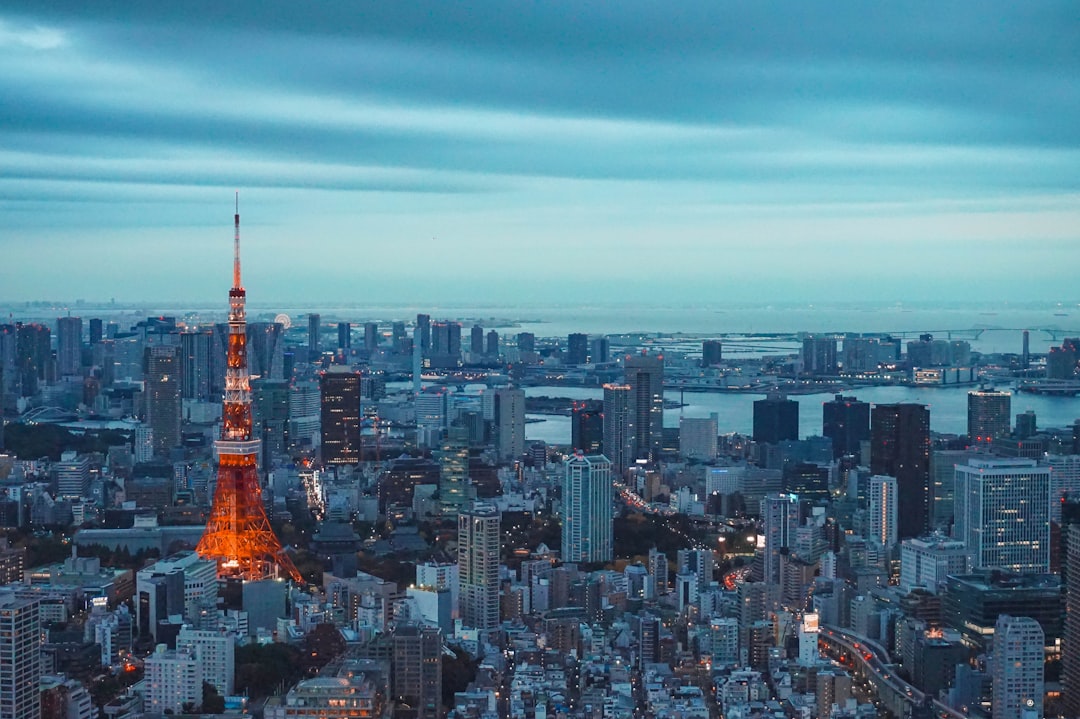
Photo by Louie Martinez on Unsplash
Most international travelers arrive through Haneda Airport, HND, or Narita Airport, NRT. Haneda is much closer to the city and usually makes the smoothest start to a 5 days in Tokyo itinerary, especially if you want to check in and be in Asakusa, Shibuya or Ginza the same afternoon. Narita works perfectly well, but it eats more time and money on arrival day.
If you are already in Japan, Tokyo is also simple by shinkansen. From Kyoto, the fastest trains reach Tokyo Station in about 2 hours 15 minutes. From Shin-Osaka, plan around 2 hours 30 minutes. Unless you are adding countryside stops before or after, this is not a city where you need a car.
- From Haneda Airport to Tokyo Station: 30 to 40 minutes, about ¥500 to ¥700 by train
- From Haneda to Asakusa: 45 to 55 minutes, about ¥620 to ¥700
- From Narita Airport to Tokyo Station: about 55 to 65 minutes on the Narita Express, around ¥3,000
- Kyoto to Tokyo by shinkansen: about 2 hours 15 minutes, roughly ¥13,500 reserved seat
- Shin-Osaka to Tokyo by shinkansen: about 2 hours 30 minutes, roughly ¥14,500 reserved seat
- Best arrival choice for this Tokyo day by day itinerary: Haneda if fares are close
Day 1: Asakusa Lanterns, Ueno Culture, Skytree After Dark
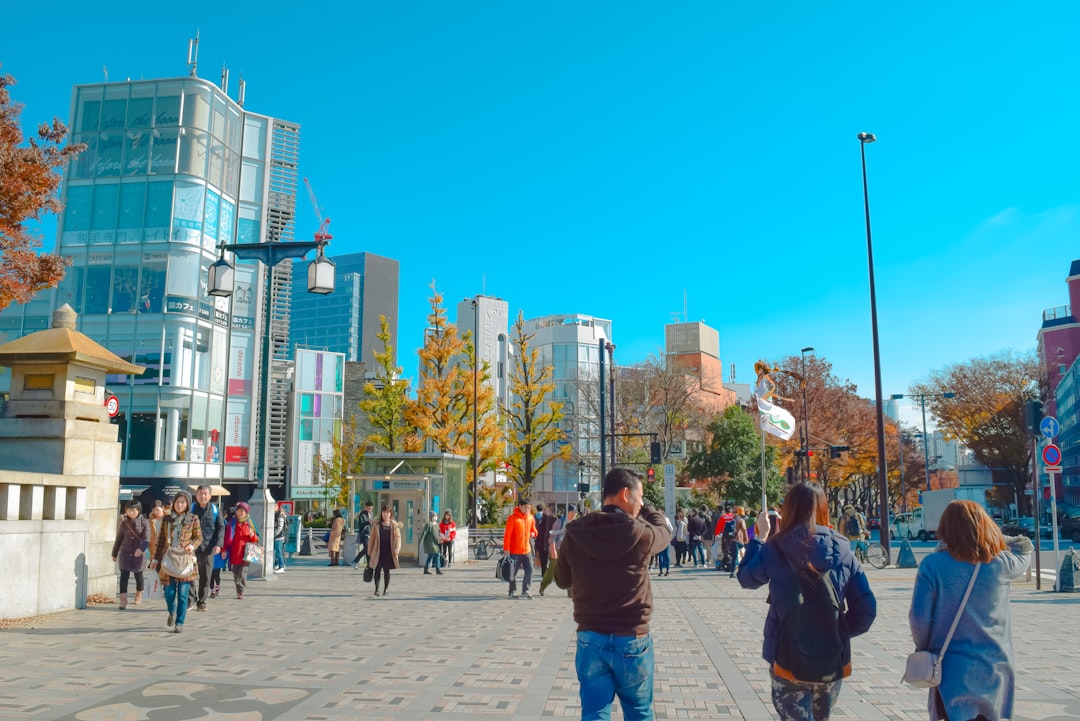
Photo by Nopparuj Lamaikul on Unsplash
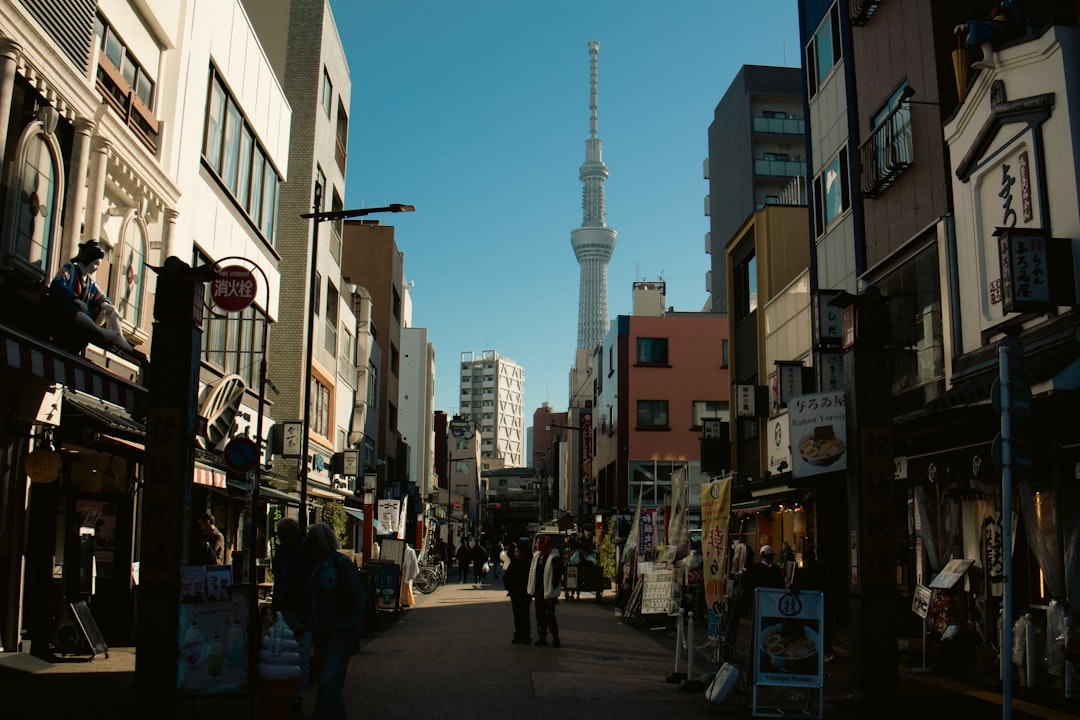
Start your 5 days in Tokyo itinerary on the east side, where the city still knows how to slow down. Asakusa wakes up to incense, temple bells and shutters rolling open along Nakamise Street. The mood is old Tokyo, but never frozen in time; a rickshaw glides past a convenience store, kimono rentals spill onto the pavement, and the Skytree keeps hovering in the background like a reminder that the future is always one train stop away.
This first day works because it is gentle on the legs and rich in landmarks. You will see one of Tokyo's most famous temple districts, one of its best museum zones, and a skyline view in the evening without zigzagging across the city. It is exactly what a first time in Tokyo needs: orientation without overload.
Morning
- 08:00 to 09:30: Senso-ji Temple, Asakusa, Taito. Main hall and grounds are free.
- 09:30 to 10:15: Walk Nakamise Shopping Street for snacks and souvenirs. Budget ¥500 to ¥1,500.
- 10:15 to 10:45: Walk to Sumida Park riverfront for Skytree views. Free.
- 10:45 to 11:15: Coffee break near Kaminarimon Gate. Budget ¥500 to ¥800.
Afternoon
- 11:30 to 12:00: Ginza Line from Asakusa Station to Ueno Station, about 10 minutes, around ¥180.
- 12:00 to 13:00: Lunch around Ameyoko Market, Ueno. Budget ¥1,000 to ¥2,000.
- 13:15 to 15:15: Tokyo National Museum, Ueno Park. Standard collection ticket around ¥1,000. Official info: Tokyo National Museum
- 15:15 to 16:00: Short walk through Ueno Park and Shinobazu Pond. Free.
Evening
- 17:00 to 17:20: Train to Tokyo Skytree Station or Oshiage Station, about ¥180 to ¥220.
- 17:30 to 19:00: Tokyo Skytree Tembo Deck, Sumida. Around ¥2,100 to ¥3,100 depending on ticket and timing.
- 19:15 to 20:30: Dinner in Solamachi or back in Asakusa. Budget ¥1,500 to ¥3,000.
- 20:30 onward: Optional evening walk around illuminated Senso-ji if you want a quieter second look. Free.
- Insider tip: Visit Senso-ji before 09:00 if possible. The temple grounds feel dramatically more spacious before tour groups and kimono photo sessions peak.
Day 2: Meiji Shrine Calm, Harajuku Details, Shibuya Energy
Day 2 shifts your 5 days in Tokyo itinerary into contrast mode. You move from cedar forest silence to fashion streets, then into the organized thunder of Shibuya. What makes this day satisfying is how close these worlds actually are. A short walk can take you from a gravel shrine path to one of the busiest intersections on Earth.
This is also the day to enjoy Tokyo at street level. Do not rush every stop. Harajuku and Omotesando reward aimless minutes: tiny side lanes, minimalist cafes, vintage shops, and architectural surprises hidden between bigger names. Build in time to simply look up.
Morning
- 08:30 to 10:00: Meiji Jingu Shrine, Shibuya. Free entry.
- 10:00 to 10:45: Walk through Yoyogi Park edge toward Harajuku Station. Free.
- 10:45 to 11:45: Takeshita Street and nearby lanes, Harajuku. Snacks and sweets budget ¥500 to ¥1,500.
Afternoon
- 12:00 to 13:15: Lunch in Omotesando or Cat Street area. Budget ¥1,500 to ¥3,000.
- 13:15 to 14:30: Walk Omotesando avenue and side streets in Jingumae. Free unless shopping.
- 14:30 to 15:00: Train or walk toward central Shibuya.
- 15:00 to 16:30: Shibuya Scramble Crossing, Hachiko area and Shibuya Center-Gai. Free.
- 16:30 to 17:30: Optional coffee or department-store food hall browse in Shibuya Hikarie or Shibuya Scramble Square. Budget ¥600 to ¥1,500.
Evening
- 17:45 to 19:00: Shibuya Sky, Shibuya. Around ¥2,200 to ¥2,700 when booked ahead.
- 19:15 to 20:30: Dinner in Nonbei Yokocho or around Dogenzaka. Budget ¥2,000 to ¥4,500.
- 20:45 onward: Optional train to Shinjuku for a first look at neon streets, about 10 minutes, around ¥170.
- Insider tip: Reserve Shibuya Sky for the slot starting 30 to 45 minutes before sunset. You get daylight views, the city lighting up, and full night skyline in one ticket.
Day 3: Tsukiji Flavors, Toyosu Immersion, Ginza at Night
Every 5 days in Tokyo itinerary needs one day centered on food and modern spectacle, and this is it. Start where Tokyo still eats visibly, with grills smoking and knives flashing at Tsukiji Outer Market. Then trade fish stalls and tea counters for one of the city's most immersive digital art experiences in Toyosu, before drifting back into the polished evening glow of Ginza and Yurakucho.
The rhythm here is excellent because it follows the day itself. Markets are best early, waterfront gardens are best in softer afternoon light, and Ginza makes the most sense once the shop windows and side streets begin to glow. It is a day that feels expensive even when you keep it fairly moderate.
Morning
- 08:00 to 09:30: Breakfast and browsing at Tsukiji Outer Market, Chuo. Budget ¥1,500 to ¥3,500 depending on how much you snack.
- 09:45 to 10:45: Hamarikyu Gardens, Chuo. Entry about ¥300.
- 10:45 to 11:15: Short transfer to Toyosu by train, around ¥220 to ¥300.
Afternoon
- 11:30 to 13:00: teamLab Planets TOKYO DMM, Toyosu, Koto. Tickets usually around ¥3,800 to ¥4,200.
- 13:15 to 14:15: Late lunch in Toyosu or return toward Ginza. Budget ¥1,200 to ¥3,000.
- 14:45 to 16:30: Explore Ginza side streets, Itoya area and Chuo-dori. Free unless shopping.
- 16:30 to 17:30: Optional detour to Marunouchi and Tokyo Station red-brick facade. Free.
Evening
- 18:00 to 19:30: Dinner in Yurakucho yakitori alleys under the tracks. Budget ¥2,000 to ¥4,000.
- 19:30 to 20:15: Walk back through Ginza at night. Free.
- 20:15 onward: Optional cocktail or dessert in Ginza if you want one splurge evening. Budget ¥1,500 to ¥4,500.
- Insider tip: Wear trousers or a skirt you can comfortably roll up for teamLab Planets. Several rooms involve shallow water and mirrored floors, and shoes come off.
Day 4: Shinjuku Gardens, Viewpoints, and Tokyo After Dark
If Day 2 showed Tokyo's public energy, Day 4 shows its cinematic side. Shinjuku has giant screens, rail lines stacked like wiring, office towers, tiny bars, polished food halls and pockets of unexpected calm. It is easy to make this district chaotic. The fix is starting with greenery, then building toward the brighter, louder parts as the city wakes into itself.
This day is also useful for balance. Your 5 days in Tokyo itinerary should not be all temples and shopping streets. Shinjuku gives you urban texture, practical food options and one of the best free skyline views in the city. End in Roppongi and you get a smarter, moodier evening than staying in one neighborhood all day.
Morning
- 08:30 to 10:00: Shinjuku Gyoen National Garden, Shinjuku. Entry about ¥500.
- 10:10 to 10:40: Walk to Hanazono Shrine. Free.
- 10:45 to 11:30: Browse a department-store food hall near Shinjuku Station for snacks or picnic items. Budget ¥800 to ¥1,500.
Afternoon
- 12:00 to 13:00: Lunch in Shinjuku. Budget ¥1,200 to ¥2,500.
- 13:15 to 14:00: Tokyo Metropolitan Government Building observatories, Nishi-Shinjuku. Free.
- 14:15 to 15:30: Walk through Omoide Yokocho area and Kabukicho in daylight for orientation. Free.
- 15:30 to 16:00: Train to Roppongi, around ¥220 to ¥280.
- 16:15 to 17:45: Mori Art Museum or Roppongi Hills complex. Around ¥2,000 to ¥2,400 depending on exhibition.
Evening
- 18:00 to 19:30: Dinner in Roppongi or back in Shinjuku. Budget ¥2,000 to ¥5,000.
- 19:45 to 21:00: Optional return to Shinjuku for neon photos around Kabukicho Tower and the east exit streets. Free.
- 21:00 onward: Nightcap in Golden Gai if you want a tiny-bar experience. Budget ¥1,000 to ¥3,000 plus possible cover charges.
- Insider tip: Do Golden Gai as a short experience, not an all-night mission. Pick one or two bars with clear menus outside and move on before the area feels like a checklist.
Day 5: Kamakura Day Trip for Temples and Sea Air
A strong Tokyo 5 day plan benefits from one day out of the capital, and Kamakura is the cleanest choice. In under an hour you trade vertical city layers for temple paths, bamboo groves, coastal light and a pace that feels more breathable. It is enough of a change to feel like a second trip, but close enough that you still sleep in Tokyo.
Kamakura is also realistic. You are not spending half the day on transit, and the main sights fit into a sequence that does not require heroic planning. For a first trip, it is one of the smartest additions to a 5 days in Tokyo itinerary because it widens your sense of Japan without blowing up the whole route.
Morning
- 08:00 to 09:00: JR Yokosuka Line from Tokyo Station to Kamakura Station, about 55 to 60 minutes, around ¥940.
- 09:00 to 10:00: Komachi-dori Street breakfast walk and snack stop, Kamakura. Budget ¥500 to ¥1,500.
- 10:00 to 11:00: Tsurugaoka Hachimangu Shrine. Free.
- 11:15 to 12:00: Local bus or taxi to Hokokuji Temple bamboo grove if you want a quieter temple detour. Entry around ¥400, tea extra.
Afternoon
- 12:30 to 13:30: Lunch near Kamakura Station or Hase area. Budget ¥1,200 to ¥2,500.
- 13:45 to 14:00: Enoden train to Hase Station, about ¥260.
- 14:00 to 15:00: Hasedera Temple. Entry around ¥400.
- 15:10 to 15:50: Kotoku-in Great Buddha, Hase. Entry around ¥300.
- 16:00 to 17:00: Walk toward Yuigahama Beach for sea air and a softer ending. Free.
Evening
- 17:15 to 18:15: Return to Tokyo by JR or Enoden plus JR, around ¥940 to ¥1,100 depending on route.
- 19:30 to 21:00: Final dinner near your hotel neighborhood. Budget ¥2,000 to ¥5,000.
- 21:00 onward: Pack, pick up last convenience-store snacks, and leave the final morning easy.
- Insider tip: If it is raining hard, skip Hokokuji and spend longer around Kamakura Station and Hase. Kamakura is still lovely in rain, but too many dispersed stops make the day feel soggy rather than atmospheric.
Best time for 5 days in Tokyo
The best time for 5 days in Tokyo is usually late March to April for cherry blossom atmosphere, May for mild weather after the blossom rush, and October to November for crisp air and comfortable walking. These months make a Tokyo day by day itinerary much easier because long walks stay pleasant and skyline views are clearer.
Summer, especially July and August, is vibrant but hot, humid and tiring by mid-afternoon. Winter is drier and often sunny, which can actually be excellent for a 5 days in Tokyo itinerary if you do not mind cold mornings. The main dates to treat carefully are Golden Week, late April into early May, and the New Year period, when transport still runs but accommodation patterns and closures shift.
- Best overall months: April, May, October, November
- Best for lower hotel pressure: early December and late January
- Hardest weather for walking-heavy days: late July to early September
- Best blossom chance in city parks: late March to early April, varying by year
- Official travel planning help: Japan National Tourism Organization
Estimated budget for 5 days in Tokyo
Tokyo can be done cheaper than many first-timers expect, especially if you treat lunch as the main meal and use convenience stores, depachika food halls and neighborhood ramen shops well. The expensive part is usually the room, not the trains. For this 5 days in Tokyo itinerary, the ranges below assume one person, excluding international flights, with mid-range costs based on sharing a double room.
A realistic Tokyo travel budget also depends on how much you shop. Ginza, Shibuya and station malls can quietly destroy a careful plan. If you want to stay on budget, pre-choose one splurge evening and let the rest of the days stay simple.
| Budget style | Hotel per night | Food per day | Transport and entries total | 5-day total per person |
|---|---|---|---|---|
| Budget | ¥8,000 to ¥14,000 | ¥4,000 to ¥6,500 | ¥16,000 to ¥24,000 | ¥60,000 to ¥120,000 |
| Mid-range | ¥18,000 to ¥32,000 | ¥7,000 to ¥12,000 | ¥18,000 to ¥30,000 | ¥125,000 to ¥250,000 |
| Comfort | ¥40,000 to ¥85,000+ | ¥15,000 to ¥30,000 | ¥25,000 to ¥45,000 | ¥240,000 to ¥620,000+ |
Where to stay in Tokyo
Where to stay in Tokyo matters almost as much as the itinerary itself. For a first visit, choose an area that is easy to reach from the airport and easy to return to after dinner. You do not need the coolest district; you need a base that reduces transfers at the end of a long day.
For this route, the best neighborhoods are the ones that let your mornings start smoothly. This is one reason so many first-timers ask where to stay in Tokyo before they even lock in flights.
- Budget: Asakusa, Ueno, Ikebukuro. Expect roughly ¥8,000 to ¥16,000 per night for simple business hotels, hostels or compact private rooms.
- Mid-range: Shinjuku, Shibuya, Ginza. Expect roughly ¥18,000 to ¥35,000 per night for well-located business hotels and modern mid-range stays.
- Luxury: Marunouchi, Roppongi, Toranomon. Expect roughly ¥40,000 to ¥90,000+ per night for larger rooms, skyline views and stronger service.
- Best all-round base for this Tokyo 5 day plan: Shinjuku if you want nightlife and easy rail access, Asakusa if you want quieter evenings, Ginza if you want polished central access.
How to get around Tokyo
Public transport is the reason a 5 days in Tokyo itinerary works at all. Trains are frequent, signs are good, and most mistakes are recoverable within minutes. Buy a rechargeable IC card on arrival if available, or use the mobile version on a compatible phone, and stop thinking about single tickets.
The only places where taxis really earn their money are late at night, on rainy Kamakura detours, or when you are carrying luggage between hotel and station. For nearly everything else, trains plus short walks are faster.
- Use Tokyo Metro and JR lines together rather than trying to stay loyal to one network
- Typical city train rides: ¥170 to ¥300
- Airport transfer from Haneda is cheap and easy enough that you rarely need a taxi
- Avoid rush hour if possible: roughly 07:30 to 09:30 and 17:30 to 19:00
- Keep one offline screenshot of your hotel address in Japanese for late arrivals or taxi use
Things to do on this Tokyo itinerary
A good Tokyo day by day itinerary should mix icons with texture. The famous sights matter, but the city becomes more memorable when you connect them with parks, station neighborhoods, food alleys and ordinary streets in between.
These are the anchor experiences that make this route feel complete rather than random.
- Senso-ji Temple, Asakusa, for classic old-Tokyo atmosphere
- Tokyo National Museum, Ueno, for a strong cultural overview
- Meiji Jingu, Shibuya, for a calm forested shrine walk
- Shibuya Sky, Shibuya, for the city's best modern panorama
- Tsukiji Outer Market, Chuo, for one of the most practical food mornings in Tokyo
- teamLab Planets, Toyosu, for a distinctly contemporary Tokyo experience
- Shinjuku Gyoen, Shinjuku, for breathing room in the middle of dense city days
- Kamakura day trip, Kanagawa, for temples and sea within easy reach
Where to eat
Tokyo rewards curiosity more than star chasing. The meals that stick are often the least formal: a sushi counter near Tsukiji, crisp tempura in Asakusa, a ramen lunch under a station building, yakitori smoke curling through Yurakucho, strawberries and cream in a basement food hall, or a convenience-store egg sandwich eaten on a bench because the timing was right.
For this 5 days in Tokyo itinerary, eat according to the neighborhood you are already in. That alone saves time and money. Tokyo's best dining move is often not crossing town for one famous table when a great option is already two blocks away.
- Asakusa: tempura, soba and melon pan around Kaminarimon and Nakamise side streets. Budget ¥1,000 to ¥3,000.
- Ueno and Ameyoko: casual izakaya, grilled seafood and market snacks. Budget ¥800 to ¥2,500.
- Harajuku and Shibuya: ramen, curry, specialty coffee and sweets. Budget ¥1,200 to ¥3,500.
- Tsukiji Outer Market: sushi bowls, tamagoyaki, grilled scallops. Budget ¥1,500 to ¥3,500.
- Yurakucho: yakitori alleys under the tracks for lively evening food. Budget ¥2,000 to ¥4,000.
- Depachika strategy: Ginza Mitsukoshi, Isetan Shinjuku and other department-store food halls are ideal for picnic dinners, train snacks or a cheaper gourmet splurge.
Practical tips for first time in Tokyo
Tokyo is easier than its scale suggests, but the city rewards small habits. Walk on the correct side of escalators for the region you are in, speak softly on trains, carry a small bag for your rubbish because public bins are limited, and keep a little cash even though cards are common. Convenience stores are astonishingly useful for breakfast, water, umbrellas and late-night rescue meals.
For a first time in Tokyo, the biggest planning error is overestimating how much energy you will have after dark every single night. Build one or two bigger evenings into your Tokyo day by day itinerary and let the rest stay flexible.
- Pack comfortable shoes and one easy layer for air-conditioned interiors
- Summers need a hat, sunscreen and more water than you think
- Cash is still handy for smaller temples, old shops and some bars
- Pocket Wi-Fi or eSIM makes station transfers dramatically easier
- Mondays can affect museum and garden schedules, so verify official hours before you lock each day
- Before long-haul travel, it is worth sorting cover with Where to Get Travel Insurance in 2026: Smart Buying Plan
FAQ
Is 5 days enough for Tokyo?
Yes, if you treat Tokyo as a set of neighborhoods rather than a checklist of every attraction. A 5 days in Tokyo itinerary is enough for the essential districts, strong food stops, one museum-heavy day and an easy side trip such as Kamakura. It is not enough for every niche neighborhood, so choose flow over volume.
Should I stay in Shinjuku or Asakusa?
Stay in Shinjuku if you want the easiest rail access and livelier nights. Stay in Asakusa if you prefer calmer evenings, slightly lower hotel prices and a softer old-city atmosphere. Both work well for this Tokyo 5 day plan.
Do I need a rail pass for this trip?
Usually no. For a city-focused 5 days in Tokyo itinerary, point-to-point local transit is typically cheaper than a national rail pass. You are mostly using ordinary urban trains and one short day trip.
Can I do Tokyo without speaking Japanese?
Absolutely. Station signage is strong, many restaurants use picture menus or ticket machines, and basic politeness goes a long way. Learn a few words, but do not let language fear shrink your route.
What if I want another city break after Tokyo?
If you enjoy tightly mapped urban trips, the same neighborhood-by-neighborhood logic works beautifully in Europe too. 4 Days in Berlin Itinerary 2026: The First Trip That Flows and 3 Days in Copenhagen Itinerary 2026: Harbour, Food, Hygge are both good examples of shorter city plans built around real movement rather than random lists.
Tokyo rewards planning, but only the kind that gives you structure without squeezing out surprise. Build the bones well, keep your evenings a little loose, and this five-day route will feel less like a sprint and more like a city gradually opening itself to you.
---