Copenhagen is one of the few capitals that gets better when you do less. The historic core is compact enough to cross on foot, yet every neighborhood changes the mood: royal squares give way to canals, bakeries, bike lanes and late-evening harbor light. If you are searching for a practical 3 days in Copenhagen plan, this is the sweet spot that lets you see the icons without turning the city into a checklist.
Three days gives you the first-timer essentials and enough breathing room for the part people remember most: the rhythm. You will have time for Nyhavn at the right hour, a proper smørrebrød lunch, Christianshavn canals, a local-feeling afternoon in Nørrebro and an unhurried Tivoli night. If you like plotting every stop before you fly, it helps to drop the route into a planner such as TravelDeck. Before departure, it is also worth sorting the basics like cover through Where to Get Travel Insurance in 2026: Smart Buying Plan.
How many days in Copenhagen do you need?
Photo by Alla Hetman on Unsplash
If this is your first visit, three days is the answer I would actually give a friend. Two days is enough for the headline sights, but you will spend much of the trip moving briskly between them. Four or five days becomes worthwhile if you want deeper museum time, more restaurant bookings or a day trip north to Louisiana Museum of Modern Art.
For most travelers, 3 days in Copenhagen lands right in the middle: long enough to feel the city, short enough to keep the route tight. The old center, Slotsholmen, Christianshavn and Nørrebro all fit comfortably into one rebuildable plan.
| Trip length | Best for | What you can realistically cover |
|---|---|---|
| 2 days | Fast city break | Nyhavn, royal center, Tivoli, one extra neighborhood |
| 3 days | Best first trip | Main sights, canals, one local neighborhood, museums, Tivoli |
| 4 to 5 days | Slower trip | Add Louisiana, more food bookings, swimming spots, extra museums |
Day 1: Royal Copenhagen and the harbourfront
No.2
Your first day should be all about orientation. Copenhagen reveals itself through water and scale: nothing feels too far, the streets stay human-sized, and even the most photographed spots are stitched together by easy walks. Start early and the city feels almost quiet enough to belong to locals, joggers and bakers.
This is the day for Copenhagen postcard images, but in a useful order. You will begin in Nyhavn before the crowds thicken, continue through Frederiksstaden for palaces and church domes, then loop back into Indre By for castles, gardens and one of the best skyline views in the center.
Morning
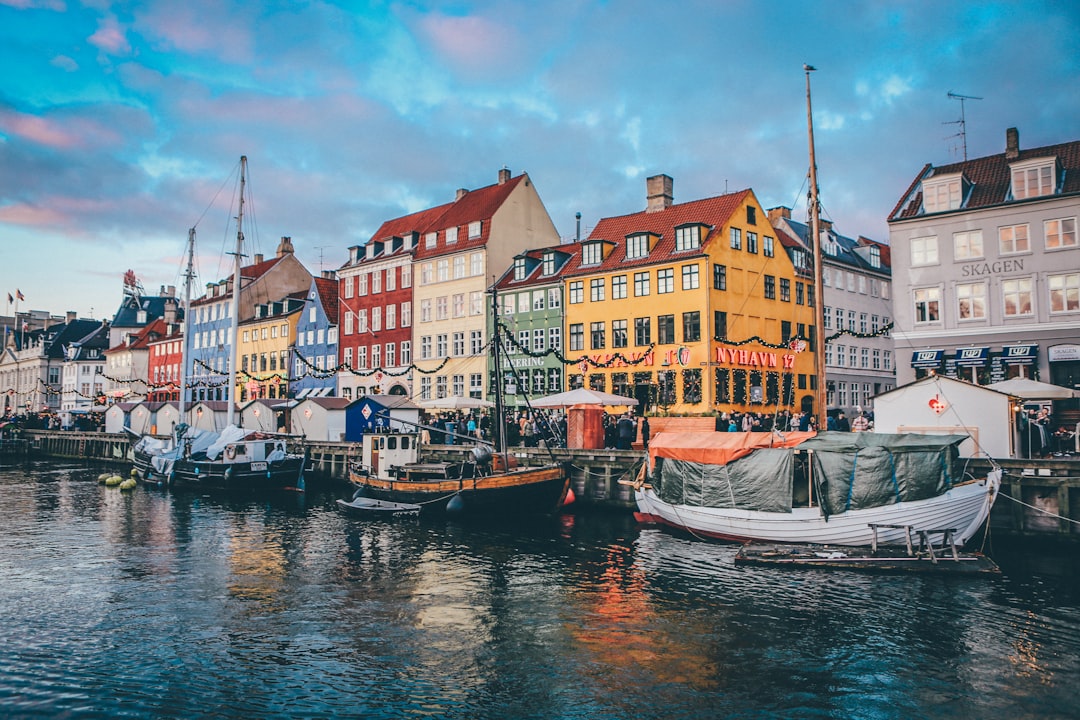
At 9:00, Nyhavn is still more harbor than photo set. The colored facades reflect softly in the canal, delivery bikes hum past, and the whole area feels far less staged than it does later in the day. From here, the walk to Amalienborg is so short that it barely feels like sightseeing logistics.
Frederiksstaden is Copenhagen at its most elegant: broad streets, pale stone, symmetrical palace courtyards and the copper-green dome of Marmorkirken rising just behind. It is a strong first lesson in how the city works: major sights, all within walking distance, with good coffee never far away.
- 09:00 - Walk Nyhavn, Indre By. Cost: free. Allow 30 to 40 minutes.
- 09:30 - Coffee and pastry at Andersen Bakery, Store Kongensgade 108, Indre By. Cost: around DKK 45 to 70.
- 10:15 - Visit Amalienborg Palace Museum, Amalienborg Slotsplads 5, Frederiksstaden. Cost: around DKK 125. Allow 60 minutes.
- 11:20 - Step inside Frederik's Church, also called Marmorkirken, Frederiksgade 4, Frederiksstaden. Cost: free. Allow 20 minutes.
- 12:00 - Watch the Changing of the Guard in Amalienborg square if timing lines up. Cost: free.
Afternoon
After a royal morning, the route bends back toward everyday Copenhagen: office workers on bicycles, quiet side streets and one of the city center's best lunches. This is the right moment for smørrebrød, because Denmark's open-faced sandwiches are better treated as a proper midday meal than a snack squeezed between monuments.
Rosenborg Castle and the King's Garden give the afternoon more contrast. The compact Renaissance castle feels intimate rather than overwhelming, and the garden outside is one of those urban spaces where tourists and locals naturally overlap. From there, the Round Tower delivers a final panoramic sweep without needing a complicated detour.
- 12:30 - Lunch at Aamanns 1921, Niels Hemmingsens Gade 19-21, Indre By. Cost: around DKK 180 to 280 for smørrebrød and a drink.
- 14:00 - Visit Rosenborg Castle, Øster Voldgade 4A, Indre By. Cost: around DKK 140. Allow 75 to 90 minutes.
- 15:30 - Stroll Kongens Have, the King's Garden, around Rosenborg. Cost: free. Allow 20 to 30 minutes.
- 16:15 - Climb the Round Tower, Købmagergade 52A, Indre By. Cost: around DKK 60. Allow 30 to 45 minutes.
Evening
Copenhagen evenings rarely need a grand plan; they need the right light. By late afternoon, the harbor takes on a silver-blue glow, and this is the ideal time to see the city from the water. A one-hour canal trip pulls together places you have already walked past and gives them context: the Opera House, Christianshavn, Christiansborg, the Black Diamond and the waterfront geometry that makes the city feel so calm.
After the boat, resist the temptation to eat right on the busiest strip of Nyhavn unless you want the view more than the food. One block inland or toward Sankt Annæ Plads, dinner gets quieter and better value, and the walk back along the water is part of the reward.
- 18:00 - Take a canal tour from Nyhavn or Ved Stranden. Budget option on Netto-Bådene: around DKK 60. Larger sightseeing boats: around DKK 160 to 170. Duration: about 1 hour.
- 19:30 - Dinner at Restaurant Sankt Annæ, Sankt Annæ Plads 14, Indre By. Cost: around DKK 220 to 350 for a main course.
- 21:00 - Walk to Ofelia Plads for blue-hour harbor views toward the Opera House. Cost: free.
Insider tip
Photograph Nyhavn first thing from the bridge at the harbor end, then walk the quieter side canals around Sankt Annæ Plads. You will get better angles, fewer people and a calmer first impression of the city.
Day 2: Christianshavn canals and a local-feeling Nørrebro afternoon
If day one is polished Copenhagen, day two shows its texture. Christianshavn has narrower canals, leaning facades, houseboats and a slightly softer pace than the royal center. It is one of the few parts of the city that can feel both historic and lived-in at the same time.
Later, the itinerary deliberately shifts into Nørrebro, where the mood changes again: more independent shops, more students, more strollers, more cafés that feel neighborhood-first and visitor-second. This mix is why 3 days in Copenhagen works so well. You are not just collecting sights; you are seeing different versions of the city.
Morning
Start at Christianshavn Metro Station and simply walk. Strandgade and Overgaden Neden Vandet are the kind of streets that reward slowness: old warehouses turned apartments, small bridges, moored boats and a hush that feels surprising so close to the center. Then climb the golden spiral of the Church of Our Saviour for the city's most dramatic urban view.
After the tower, continue into Freetown Christiania with respect and curiosity rather than urgency. It is not a conventional attraction, and it works best when you treat it as a real community rather than an exhibit. Walk lightly, keep the phone away where requested and notice the murals, workshops and alternative architecture.
- 09:00 - Metro to Christianshavn Station from Kongens Nytorv or Nørreport. Single central ticket: around DKK 24 if you are not using a pass.
- 09:15 - Canal walk on Strandgade and Overgaden Neden Vandet, Christianshavn. Cost: free. Allow 45 minutes.
- 10:00 - Climb the tower at Church of Our Saviour, Sankt Annæ Gade 29, Christianshavn. Cost: around DKK 69. Allow 45 to 60 minutes.
- 11:15 - Walk through Freetown Christiania via Prinsessegade entrances. Cost: free. Allow 45 minutes.
Afternoon
For lunch, stay close to the water. In warmer months, Broens Street Food is an easy, social stop with benches facing the harbor and plenty of choice without losing time to decision fatigue. In colder months, sit down indoors in Christianshavn instead and keep the day gentle.
The move to Nørrebro is what makes this day memorable. The lakes, Torvehallerne and Jægersborggade show a very different Copenhagen from the palaces of yesterday. You will pass from market energy to cemetery park calm to one of the city's most enjoyable short streets for coffee, bread, ceramics and browsing.
- 12:30 - Lunch at Broens Street Food, Strandgade 95, Christianshavn. Cost: around DKK 120 to 180. If visiting in winter, swap for Christianshavns Færgecafé, Strandgade 50, at around DKK 180 to 250.
- 13:45 - Head to Torvehallerne, Frederiksborggade 21, near Nørreport. Cost: browse free; coffee or dessert around DKK 40 to 100.
- 15:00 - Walk Assistens Cemetery, Kapelvej 4, Nørrebro. Cost: free. Allow 45 minutes.
- 16:00 - Explore Jægersborggade, Nørrebro, with a stop at Coffee Collective and Meyers Bageri. Cost: around DKK 45 to 75 for coffee and pastry.
Evening
Nørrebro is where many visitors suddenly understand why people talk about Copenhagen lifestyle with such devotion. The dinners are less formal than the city's famous fine dining scene, the bars feel local, and even a simple walk across Dronning Louises Bro at dusk can be a highlight. Cyclists stream home, the lakes catch the last light and the city looks lived in rather than posed.
Book dinner in advance if you want one of the well-known neighborhood tables. If not, keep the evening loose: a good pizza, a natural wine bar or a craft beer stop all work here. The point is to enjoy a night that feels less monumental and more daily.
- 18:30 - Dinner at Bæst, Guldbergsgade 29, Nørrebro. Cost: around DKK 220 to 320 per person before drinks. Reserve ahead.
- 20:15 - Walk across Dronning Louises Bro and along the lakes. Cost: free.
- 21:00 - Optional beer at Brus, Guldbergsgade 29F, Nørrebro. Cost: around DKK 65 to 90 per glass.
Insider tip
In Christiania, respect all posted photography rules, especially around sensitive areas. The calmest and most interesting part is often the lake edge and quieter lanes beyond the first busy entrance, not the stretch where everyone bunches up.
Day 3: Slotsholmen culture and a Tivoli finale
By day three, the city stops feeling new and starts feeling navigable. That is exactly when Copenhagen becomes fun to plan with precision: one major museum in the morning, a royal-historic stop after lunch, then an evening in Tivoli when the lights come on and the place shifts from theme park to old-world theater set.
This final day stays compact around Slotsholmen, the Latin Quarter and Vesterbro, so you are not spending your last hours commuting across town. It is culture-heavy, but not in a punishing way. The spaces are varied, and the evening ends in the part of Copenhagen that feels most openly joyful.
Morning
The National Museum is the best place to add depth to everything you have already seen. Instead of another pretty street, you get Denmark in layers: Viking objects, royal history, prehistoric finds and design clues that make the rest of the city easier to read. It is large enough to be worthwhile and focused enough not to swallow your day.
Slotsholmen is also one of Copenhagen's most graceful areas for walking between sights. Water edges, government buildings and church spires frame the island, and even the short transitions feel scenic rather than functional.
- 10:00 - Visit the National Museum of Denmark, Ny Vestergade 10, Slotsholmen. Cost: around DKK 140. Allow 90 to 120 minutes.
- 12:15 - Lunch at Kanalcaféen, Frederiksholms Kanal 18, Slotsholmen area. Cost: around DKK 180 to 260.
Afternoon
After lunch, move into the grander side of Danish history. Christiansborg is not just another palace stop; it is where royal rooms, ruins and state ceremony all overlap on one island. You can go deep here, but even a single section gives enough of a sense of place if you are pacing the day well.
From there, the mood softens again in the old streets around Magstræde and Larsbjørnsstræde, where colorful facades, boutiques and side-lane cafés make a pleasant buffer before one last museum. The Glyptotek is ideal because it feels restful: sculptures, winter garden palms and a cool, quiet atmosphere just minutes from Tivoli.
- 13:45 - Visit Christiansborg Palace, Prins Jørgens Gård 5, Slotsholmen. Cost: around DKK 160 to 215 depending on ticket combination. Allow 75 to 90 minutes.
- 15:30 - Wander Magstræde and Larsbjørnsstræde, Indre By. Cost: free. Allow 30 minutes.
- 16:15 - Visit Ny Carlsberg Glyptotek, Dantes Plads 7, near Tivoli. Cost: around DKK 135. Allow 60 to 90 minutes.
Evening
Tivoli works best when you arrive early enough to enjoy the gardens in daylight and stay until dark. The oldest parts have a theatrical charm that no photograph fully catches: lanterns reflected in water, flower beds lit from below, roller coaster rattles overhead and families, date-night couples and groups of friends all sharing the same space without it feeling chaotic.
Even if you are not a rides person, Tivoli is worth the evening. Have dinner inside, ride one or two classics if you like, then slow down and simply watch the park shift after sunset. It is the right final note for 3 days in Copenhagen: playful, historic and just a little dreamlike.
- 18:00 - Enter Tivoli Gardens, Vesterbrogade 3, Vesterbro edge. Entry: around DKK 175. Ride wristband: usually around DKK 299 or more if you want unlimited rides.
- 19:15 - Dinner at Grøften inside Tivoli. Cost: around DKK 220 to 350 for mains.
- 21:30 - Stay for the illuminated gardens, evening rides and live entertainment if scheduled. Cost: included with entry unless you buy ride add-ons.
Insider tip
If your budget is tight, pay for Tivoli entry but skip the unlimited ride pass unless you plan several rides. The gardens, atmosphere and evening lights are the real value, especially for adults.
Best time to go to Copenhagen
The best months for this itinerary are May, June, late August and September. You get long daylight, outdoor café weather and harbor walks that still feel comfortable after dinner. June is especially good if you want bright evenings that seem to go on forever.
December can be wonderful for Tivoli and winter atmosphere, but you need to front-load outdoor sightseeing because daylight is short. July is lively and beautiful, though prices rise and popular places book out faster. For a first trip, shoulder season often gives the best balance.
- Best overall: May to June and late August to September
- Best for Tivoli at Christmas: late November to December
- Best for swimming and long evenings: June to August
- Trickiest factor: winter darkness, not cold alone
Estimated budget per person
Copenhagen is not a cheap city, but it is manageable if you plan where you splurge. The simplest money saver is geographic: stay central, walk more, and cluster paid sights so you are not zigzagging across town. If you want many museums and palace entries, the Copenhagen Card can make sense for a 72-hour stay.
The ranges below assume a three-day trip, excluding flights, and a shared room for mid-range and high-end budgets. Solo hotel travelers should budget more for accommodation.
| Budget style | Estimated total for 3 days | What it looks like |
|---|---|---|
| Budget | DKK 2,700 to 4,200 | Hostel or simple room, bakery breakfasts, some free sights, metro instead of taxis |
| Mid-range | DKK 5,000 to 7,500 | Central hotel, one to two paid attractions daily, canal tour, sit-down dinners |
| High-end | DKK 9,000 to 14,000 | Boutique stay, many paid sights, Tivoli rides, better dining, fewer cost checks |
A realistic mid-range daily food budget is around DKK 350 to 700 depending on whether you do bakeries and markets or full restaurant meals. Museum-heavy travelers should compare separate tickets against the Copenhagen Card before booking.
Where to stay in Copenhagen
For a first-timer itinerary, location matters more than room size. Staying close to the center saves time, protects your energy and makes it easier to return for a short break before dinner. In Copenhagen, that can be the difference between a rushed trip and one that actually feels relaxed.
These three areas work best for this route because every day starts easily on foot or with one short metro hop.
- Indre By: Best for classic first visits. You can walk to Nyhavn, Rosenborg, Strøget, Slotsholmen and much of day one and day three. Typical mid-range double: around DKK 1,500 to 2,800 per night.
- Vesterbro: Best for transport convenience and evenings. You stay near Central Station and Tivoli, with plenty of restaurants and bars. Typical mid-range double: around DKK 1,200 to 2,400 per night.
- Christianshavn: Best for canal atmosphere and a quieter base. It feels scenic and distinctive, while still close to the center by metro, bike or foot. Typical mid-range double: around DKK 1,400 to 2,700 per night.
If you want a second European capital with a similarly walkable but moodier contrast, 4 Days in Berlin Itinerary 2026: The First Trip That Flows makes a logical follow-up city break.
Where to eat in between sightseeing
Food is one of the reasons this itinerary works so well. Copenhagen rewards structured eating: pastry in the morning, a real lunch, a coffee pause, then dinner somewhere you actually want to stay awhile. If you only snack your way through the city, you will miss part of its personality.
For a short stay, do not chase every famous table. Aim for one classic smørrebrød lunch, one neighborhood dinner, one market stop and one bakery breakfast that justifies the local obsession with cardamom buns and laminated pastries.
- Best classic lunch: Aamanns 1921, Niels Hemmingsens Gade 19-21, for refined smørrebrød
- Best market stop: Torvehallerne, Frederiksborggade 21, for grazing, coffee and easy variety
- Best neighborhood dinner: Bæst, Guldbergsgade 29, in Nørrebro
- Best harbor casual option in warm months: Broens Street Food, Strandgade 95, Christianshavn
- Best classic Tivoli meal: Grøften inside Tivoli Gardens
- Best bakery breakfast near the center: Andersen Bakery, Store Kongensgade 108
How to get around Copenhagen
This itinerary is designed so you can mostly walk. That is not romantic advice; it is practical advice. Many of the best parts of Copenhagen happen between the landmarks: crossing a bridge, spotting a bakery, detouring through a square, or realizing the next major stop is only ten minutes away.
For longer hops, public transport is excellent. The metro runs frequently, the harbor buses are part of the same system and bikes are a realistic option if you are comfortable riding in a city. Use the official DOT tickets and transport planner for fares and route checks.
- Walk: Best inside Indre By, Slotsholmen, Frederiksstaden and parts of Christianshavn
- Metro: Best for airport transfers and jumps to Christianshavn or Nørrebro
- Bike rental: Usually around DKK 150 to 250 per day, good if you already cycle confidently
- Single city ticket: often around DKK 24 for central zones
- 24-hour to 72-hour city passes: useful if you expect several daily rides
- Harbor buses: included in regular public transport tickets and great in good weather
Unless mobility needs require it, skip the car. Parking is expensive, central streets are not built for easy sightseeing by car and this city is far more enjoyable on foot, by metro or by bike.
How to get there
Most travelers arrive through Copenhagen Airport, and this is one of Europe's easiest airport-to-center transfers. You can be in the city in well under half an hour without special planning, which makes even a short stay feel efficient from the start.
The other easy approach is by train, especially if you are combining Denmark with southern Sweden or northern Germany. Copenhagen links particularly well with Malmö across the Øresund, so it is simple to build a broader regional trip around this city.
- By air: Fly into Copenhagen Airport, CPH. Train to København H, the Central Station, takes about 13 minutes. Metro to Kongens Nytorv takes about 13 to 15 minutes. Airport-to-center ticket: around DKK 36.
- From Malmö: Øresund train to Copenhagen Central or Nørreport takes around 40 to 45 minutes. Check schedules on DSB.
- From Odense: train takes about 1 hour 15 minutes.
- From Aarhus: train takes about 3 hours.
- From Hamburg: expect roughly 5 hours or a little more depending on connections.
- By car: possible, but usually not worth it for a central three-day trip because of parking costs and limited need.
If you are comparing compact European city breaks, Weekend in Lisbon Itinerary 2026: A Rebuildable 2-Day Plan is useful context for a shorter, hillier alternative.
FAQ
Is 3 days in Copenhagen enough?
Yes. For most first-time visitors, 3 days in Copenhagen is the ideal balance. You can cover Nyhavn, royal sights, Christianshavn, one local neighborhood, a museum day and Tivoli without racing from stop to stop.
Is Copenhagen very expensive for a city break?
It can be, especially for hotels and dinner. But costs become much more manageable if you mix bakeries and food halls with one or two sit-down meals, walk between central sights and book accommodation in a well-connected area rather than relying on taxis.
Should I buy the Copenhagen Card?
Buy it if you plan to visit several paid sights such as Rosenborg, Amalienborg, Christiansborg, Tivoli and major museums, and if you will also use public transport often. If your plan is more neighborhood walks, one museum and lots of free outdoor time, separate tickets may work out cheaper.
What should I book in advance?
Reserve Tivoli entry on busy dates, Bæst or any special dinner you really want, and check timed entries for palace or tower visits in high season. For summer weekends, central hotels also fill quickly, so book your base earlier than you might for a larger city with more inventory.
Do I need cash in Copenhagen?
Very little. Cards are accepted almost everywhere, from bakeries to museums to public transport machines. Keep a small amount only if you like having backup for market stalls or rare exceptions.
Give Copenhagen three well-paced days and it stops feeling like a must-see capital and starts feeling like a city you can actually inhabit, even briefly. That is exactly the point when planning the trip becomes as satisfying as taking it.
---