Cabin air on a long flight can sit around 10 to 20 percent humidity, which helps explain why a 12-hour journey can leave you feeling more wrung out than a full day of sightseeing. This long haul flight comfort checklist is built for that exact problem: less guesswork, fewer bad habits, and a routine you can actually follow from your front door to the arrivals hall.
The goal is not to feel luxurious in economy. It is to land functional: clear enough to navigate immigration, calm enough to deal with delays, and rested enough to enjoy your first evening instead of losing it to brain fog. If you are heading straight into an active trip like 5 Days in Zanzibar in 2026: The Split-Stay Route or 7 Day Turkey Itinerary 2026: Istanbul, Cappadocia, Ephesus, that matters more than any in-flight movie choice.
Start 24 hours before takeoff, not at the gate
Photo by Jason Sung on Unsplash
Most long-haul misery starts before boarding. You rush to the airport under-slept, eat a salty terminal meal, forget to fill your devices, and only start thinking about comfort when the seatbelt sign goes on. A better long haul flight comfort checklist begins the day before, when small choices still change the outcome.
Think in terms of friction. Anything that will be annoying at hour eight should be solved at home: tight shoes, dead headphones, dry contact lenses, a sweater that scratches, or a bag packed so badly you need to unpack half of it just to find lip balm. If you are traveling with friends, agree in advance who wants the window and who values aisle access; it sounds minor, but seat arguments are exactly the kind of thing that Plan a Group Trip in 2026 With Less Stress and Fewer Fights is trying to prevent.
Before you leave home, do this:
- Sleep as normally as possible the night before. Do not stay up late packing.
- Wear compression socks before leaving for the airport, not after boarding. A decent pair usually costs $20 to $40.
- Eat a lighter meal 2 to 3 hours before the flight. Think rice, eggs, yogurt, soup, toast, fruit.
- Skip the one last big airport beer. Alcohol hits harder in dry cabin air and ruins sleep quality.
- Charge every device and bring a power bank, because seat power ports fail often.
- Download boarding passes, hotel details, and transport notes before you lose signal.
- Do 20 to 30 minutes of walking, stretching, or an easy workout to get circulation moving.
If you are carrying liquids in cabin baggage, check the official TSA liquids rule before you pack. A 100 ml face moisturizer that actually makes it through security is more useful than a full-size bottle you surrender at screening.
Pick the best seat for a long haul flight
Photo by Annie Spratt on Unsplash
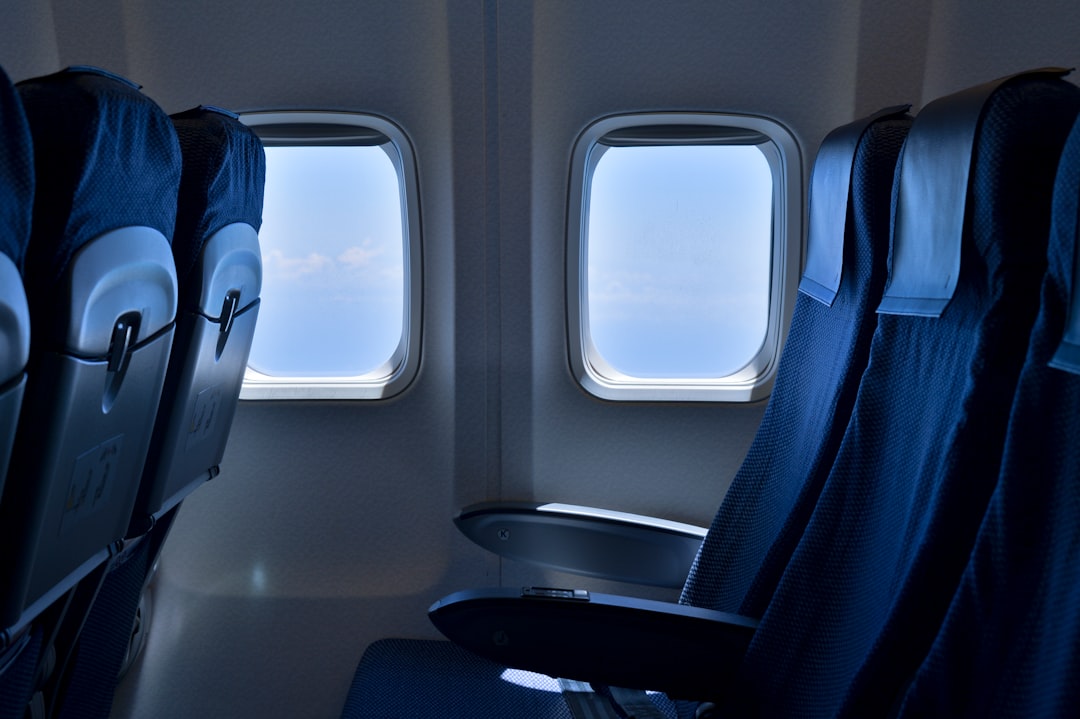
A lot of travelers treat seat choice as a simple window versus aisle debate. In reality, the best seat for a long haul flight depends on your actual weakness: sleep, anxiety, bathroom frequency, or back pain. This is where the long haul flight comfort checklist saves the most pain for the least money.
If sleep is your priority, a window seat usually wins. You get a wall to lean on, more control over light, and no need to stand up for every neighbor. If you know you will drink a lot of water and get up often, take the aisle and own it. People who hate turbulence often do best near the wing, where movement feels less exaggerated than it does at the very back.
Use these rules when you book:
- Choose a seat within a few rows of the wing for a steadier ride.
- Avoid seats right by toilets and galleys if you want sleep; the noise, light, and foot traffic are constant.
- Avoid the last row if possible. Recline can be limited and people queue beside you.
- Bulkhead seats give knee room, but armrests are fixed and bags must go overhead during takeoff and landing.
- If the airline charges $20 to $60 for a better standard seat on a 10-plus-hour flight, it is often worth it.
- For overnight routes, prioritize sleep position over fast exit. Saving 8 minutes on arrival is rarely worth losing 3 hours of rest.
A good test is simple: imagine yourself at hour nine in dim cabin light, shoes off, trying to rest while meal carts clatter. That picture should decide your seat faster than any seat map label.
Pack long haul flight essentials that earn their space
Photo by Annie Spratt on Unsplash
At some point the cabin becomes its own strange little climate: cool air on your shoulders, dry air on your face, engine hum in your ears, plastic meal tray on your lap. The right long haul flight essentials do not make the flight glamorous, but they do remove the most common sources of misery.
Do not pack for fantasy-you who journals elegantly over the Arctic. Pack for real-you with a dry throat, cold ankles, and a phone battery at 14 percent. Keep everything you need during the flight in one easy-access pouch under the seat, not scattered through the overhead bin.
Here is a carry-on comfort kit worth copying:
| Item | Why it matters | Typical cost |
|---|---|---|
| Empty 500 to 750 ml water bottle | Lets you refill after security and track intake | $10 to $25 |
| Compression socks | Reduce swelling and help circulation | $20 to $40 |
| Eye mask | Helps you sleep even during bright cabin periods | $10 to $30 |
| Earplugs or noise-canceling headphones | Cuts engine hum and crying-baby spikes | $3 to $250 |
| Lip balm and richer moisturizer | Cabin air dries lips and skin fast | $5 to $20 |
| Saline nasal spray | Helps with dry nose and general comfort | $5 to $12 |
| Electrolyte sachets | Useful on flights over 8 hours | $1 to $2 each |
| Spare socks and underwear | A mid-flight reset feels better than people expect | $10 to $25 |
| Toothbrush and toothpaste | Best morale boost before landing | $3 to $8 |
| Simple snacks | Nuts, oat bars, crackers, banana chips | $5 to $15 |
Long haul flight essentials should stay small, soft, and repeat-use. If an item is bulky and helps only once, it usually does not deserve the space. That is why a lightweight cardigan often beats a heavy travel blanket, and why a compact toiletry kit beats carrying half your bathroom cabinet.
How to sleep on a plane without making jet lag worse
Many travelers chase sleep too aggressively and end up making the next day harder. The smarter move is to decide before takeoff whether this is a sleep flight, a rest flight, or a stay-awake flight based on your arrival time. The best long haul flight comfort checklist is less about getting perfect sleep and more about aligning enough rest with your destination clock.
For overnight eastbound flights, try to sleep as early as possible after the first service ends. For daytime flights or flights landing late evening, resting with eyes closed may help more than forcing a full sleep block. Set your watch or phone to destination time as soon as you board. It sounds small, but it stops you mentally living in two time zones at once.
If you are wondering how to sleep on a plane, this is the routine that works best for most people:
- Eat lightly once on board, not continuously.
- Change into socks or loosen shoes as soon as allowed.
- Brush teeth after the meal service to signal that the day is ending.
- Put on eye mask and ear protection before you feel desperate.
- Recline the moment the cabin settles, not three hours later.
- Try one 3 to 5 hour sleep block instead of constant dozing.
A few things make sleep worse fast:
- Too much caffeine in the 6 hours before your target sleep time
- Alcohol as a sedative
- Bright screen use right up to trying to sleep
- Heavy, greasy meals
- Waiting until you are overtired and irritated to set up your sleep gear
If you use melatonin or magnesium at home and know it suits you, keep the dose conservative and use it only as part of a plan, not as a random fix. If you do not normally use sleep aids, a long-haul cabin is not the best place to experiment.
Move, hydrate, and eat like you want to land sharp
The middle hours are where most flights go wrong. Your shoulders creep forward, your lower back stiffens, your feet puff up, and you start grazing on whatever the trolley brings because you are bored. This part of the long haul flight comfort checklist is not glamorous, but it is what determines whether you walk off the plane feeling human.
Aim to drink around 150 to 250 ml of water per hour in the air, adjusting if you are a smaller person or sleeping for a long stretch. On a 10-hour flight, that usually means 1.5 to 2.5 liters total, not counting coffee or wine. Airport water can cost $4 to $7, which is exactly why the refillable bottle matters.
Your movement rule is just as simple: do something every 60 to 90 minutes.
- Roll ankles for 20 seconds each side.
- Lift heels and toes while seated for 20 reps.
- Stand and stretch calves near your seat when safe.
- Walk the aisle to the galley and back every 2 to 3 hours.
- Avoid sleeping with legs tightly crossed for long periods.
For longer flights, it is worth reading the official CDC guidance on blood clots and travel, especially if you have risk factors such as recent surgery, pregnancy, or a history of clotting problems.
Food-wise, think steady rather than celebratory. A long-haul cabin is not the place for a giant burger, three coffees, and two mini bottles of wine. Better choices are boring in the best way:
- Water first, then tea or coffee if it fits your destination time
- Protein-forward snacks like nuts, cheese, or yogurt where available
- Lower-salt meals when you can choose
- Fruit, crackers, rice, or oatmeal if your stomach feels unsettled
If you can keep your body from drying out and locking up, you will feel the difference immediately on arrival.
Use a landing routine for the first 3 hours after arrival
The flight does not end when the wheels touch down. The first three hours after arrival decide whether you recover fast or spiral into a useless half-day. I keep this final part of the long haul flight comfort checklist brutally simple because your brain will not want complexity after immigration queues and baggage belts.
If you are landing in daylight, get outside light on your face as soon as you can. If you are landing late at night, move directly toward bed with as little stimulation as possible. Either way, do not let the airport decide your rhythm for you with random snacks and bright duty-free wandering.
My default landing sequence is this:
- Refill water and drink steadily on the way into town.
- Eat one proper local-time meal within 2 hours of arrival.
- Shower and change clothes as soon as you reach your room.
- Walk outside for 15 to 30 minutes if it is daytime.
- Keep any nap to 20 to 30 minutes maximum, or skip it.
This is the point where a little planning removes a lot of stress. I like storing my arrival notes, hotel address, and first meal idea in TravelDeck before departure so I do not have to think hard when I am tired. If your first day includes a transfer, ferry, or timed activity, build more buffer than you think you need. The exhausted version of you moves slower than the optimistic version who booked the flight.
FAQ
What is the best seat for a long haul flight if I want to sleep?
Usually a window seat away from toilets and galleys. You can lean against the wall, control light better, and avoid getting up every time someone else needs the aisle.
How much water should I drink on a long flight?
A practical target is 150 to 250 ml per hour, adjusted for your size and whether you are sleeping. The real goal is steady hydration, not chugging one liter at once and then sitting still for three hours.
Are compression socks really worth it?
Yes, especially on flights over 6 hours. They are one of the cheapest items on any long haul flight comfort checklist and can noticeably reduce swelling and leg fatigue when paired with regular movement.
Should I avoid coffee completely?
Not necessarily. Use coffee strategically instead of automatically. If you are trying to sleep soon after departure, skip it. If you are landing in the morning and need to stay awake for the final stretch, one coffee later in the flight can help.
Is it better to eat airline meals or bring my own food?
A mix works best. Bring a few reliable snacks so you are not trapped by odd service times, but still use the airline meal if it matches the local time you are trying to adopt.
Long flights rarely become comfortable by accident. They become manageable when you choose the seat on purpose, pack for the cabin you will actually sit in, and treat the journey as the first day of the trip rather than dead time in the middle.