The surprise with Mallorca is how quickly it changes. In a single day you can start under Gothic stone in Palma, eat lunch beside salt flats, and finish on a cliff road above water so blue it looks unreal. That is why 5 days in Mallorca is such a strong first-timer trip: it is long enough to see the island's big contrasts, but short enough to stay focused.
This Mallorca itinerary is built for travelers who want a route they can actually recreate, not a vague list of highlights. You will have one city day, one south-coast beach day, one Serra de Tramuntana day, one north-coast scenic drive, and one east-coast caves-and-coves day. If your recent trip ideas have bounced between island scenery and compact European routes, Mallorca sits nicely between the dramatic coastlines of the Bay of Kotor Travel Guide 2026: Montenegro's Hidden Bay and the easy structure of a shorter city break like the Ljubljana weekend itinerary 2026: the right 2-day plan.
How many days in Mallorca do you need?
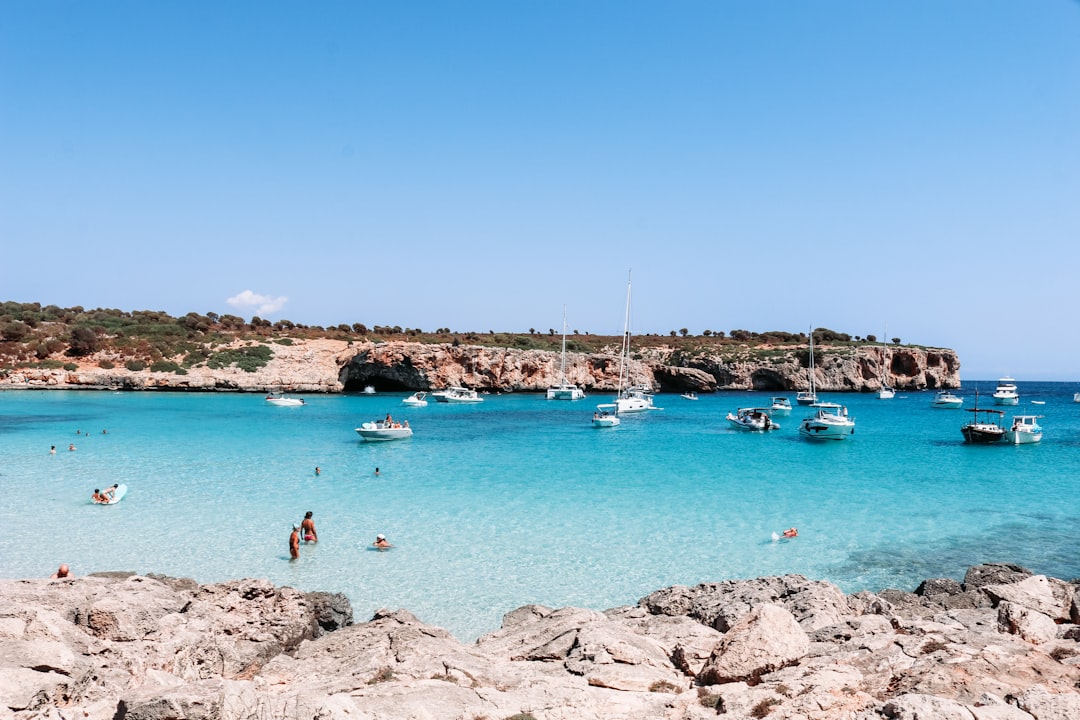
Photo by Austin Farrington on Unsplash
For a first trip, five days is the sweet spot. Three days is enough for Palma plus one scenic excursion, but it feels selective rather than complete. A full week gives you room for extra hikes, quieter coves, or a second base in the north, yet 5 days in Mallorca covers the island's signature experiences without turning the trip into constant packing and driving.
This route assumes you sleep in Palma for all five nights, which keeps the logistics simple and works especially well if you land at Palma de Mallorca Airport. Daily drives are reasonable by island standards, and you can still turn it into a light Mallorca road trip with early starts. If you prefer fewer return drives, spend nights 4 and 5 in Port de Pollença or Alcúdia instead.
Day 1: Palma Old Town and the Bay
Palma is the right place to begin because it shows you Mallorca before the beaches do. The city feels layered rather than flashy: market stalls, sandstone courtyards, narrow lanes that suddenly open onto a cathedral facade, and sea light reflecting up from the bay. On day one, keep the pace gentle and walkable.
The old center is compact, but it rewards small detours. Start with food and local rhythm, then move toward the monumental core around La Seu. By evening, shift west toward Santa Catalina for a more lived-in, less postcard version of Palma.
Morning
Ease into the island in Palma Centre. Start at Mercat de l'Olivar, then walk Carrer de Sant Miquel to Plaça Major, continue down Carrer del Colom to Plaça Cort, and take in the lanes around Santa Eulàlia. This stretch gives you shops, pastries, and enough historic texture to shake off travel mode.
- 09:00-10:00 Mercat de l'Olivar, Palma Centre, for coffee, fruit and a first taste of sobrasada or local cheese
- 10:00-11:15 Walk via Carrer de Sant Miquel, Plaça Major and Plaça Cort
- 11:15-12:00 Detour to Basílica de Sant Francesc and its quiet square
- Expected cost: €8-15 for breakfast and snacks, walking is free
Afternoon
After lunch, head to the monumental seafront. Visit Cathedral of Santa Maria of Palma, usually called La Seu, then walk the exterior of Palau de l'Almudaina and down to Parc de la Mar for the classic reflection view. If you still have energy, the Banys Àrabs adds a small but atmospheric stop.
- 13:30-15:00 Visit La Seu in Palma Old Town; standard entry is usually around €10-12 if booked ahead at the official site: Palma Cathedral
- 15:00-15:30 Exterior of Palau de l'Almudaina and sea-wall views
- 15:30-16:15 Parc de la Mar photos and short rest
- 16:30-17:00 Banys Àrabs, entry about €3-4
- Expected cost: €13-16 plus lunch
Evening
As the light softens, walk either Passeig del Born and La Llotja or go straight to Santa Catalina. The old fishing-and-market district is now one of Palma's easiest dinner neighborhoods, with a lively but still local feel once you move one street back from the busiest corners.
- 18:30-19:30 Sunset walk around La Llotja and the waterfront
- 20:00 Dinner in Santa Catalina, especially around Carrer de Sant Magí and the market area
- Expected cost: €20-40 for tapas and a drink
Insider tip: book the cathedral for the last entry slot you are comfortable with. The stone glows better in late afternoon, and the heaviest cruise and coach groups are often thinning out by then.
Day 2: Es Trenc, Santanyí and Cala Figuera
Day two is the classic south-coast contrast: one of Mallorca's most famous beaches, a handsome inland town, and a fishing harbor that still feels like a working place rather than a resort set. You are not trying to see every cove on the south side. You are building a day with three stops that fit naturally together.
Leave Palma early. Southern Mallorca gets busier as the day warms up, especially anywhere with photogenic water and limited parking. The reward for starting ahead of the crowd is space, cooler sand, and a slower lunch in Santanyí.
Morning
Drive about 50-55 minutes to Es Trenc, approaching via Ses Covetes or Colònia de Sant Jordi depending on where you park. Es Trenc is long, bright, windy on some days, and famously transparent when conditions are calm. It is not a hidden beach, but it absolutely earns a place in a first Mallorca itinerary.
- 08:30 Leave Palma
- 09:25-12:00 Es Trenc beach time, swimming and a shoreline walk
- Parking is usually around €7-10 in season depending on lot and duration
- Sunbeds, if available, are extra; bringing your own towel setup is cheaper
- Expected cost: €10-20 before lunch
Afternoon
From Es Trenc, drive about 20 minutes to Santanyí. The honey-colored old town is an ideal lunch stop, especially around Plaça Major and Carrer del Centre. After eating, continue 10 minutes to Cala Figuera, where the inlet is more about atmosphere than sunbathing: white boathouses, still water, and little bridges over the harbor arms.
- 12:30-14:00 Lunch and stroll in Santanyí Old Town
- 14:15-15:15 Short walk in Cala Figuera harbor area
- Optional coffee or gelato before heading back
- Expected cost: €18-35 for lunch and drinks
Evening
If you still want one more swim, stop at Cala Santanyí on the way out; if not, return calmly to Palma and keep the evening easy. A promenade walk by Can Pere Antoni beach or an early dinner near Plaça de la Reina works better than overloading the day.
- 16:00 Optional 60-90 minute swim stop at Cala Santanyí
- 18:00-19:00 Drive back to Palma
- 20:00 Light dinner in Palma Old Town or by Can Pere Antoni
- Expected cost: €15-30
Insider tip: skip the temptation to cram in Caló des Moro unless you are traveling in the shoulder season and happy with steep access and possible parking restrictions. On a five-day first trip, Es Trenc plus Santanyí and Cala Figuera is the cleaner route.
Day 3: Valldemossa, Deià and Sóller
This is the day that explains why so many travelers end up loving Mallorca beyond the beach. The Serra de Tramuntana changes the scale of the island completely. Olive terraces replace flat coastal roads, villages sit high in the folds of the mountains, and every bend seems to frame a new stone wall, cypress line, or sudden patch of sea.
Do not try to do every famous stop in the range. The smarter first-timer loop is Valldemossa, Deià and Sóller, with enough time to actually walk each place. If you like scenic routes that unfold one small town at a time, this is the day that makes the whole Mallorca itinerary feel complete.
Morning
Leave Palma early for Valldemossa, about 30 minutes away. Park on the edge of town and walk in on foot. Visit the lanes around Carrer Rectoria, the Mirador area, and the Real Cartuja de Valldemossa if you enjoy historic interiors. Before leaving, buy a coca de patata from a local bakery and eat it still warm.
- 08:30 Leave Palma
- 09:00-11:00 Valldemossa Old Town walk
- 10:00-11:00 Optional Real Cartuja visit, around €12-13
- 11:00 Coffee and pastry stop
- Expected cost: €8-20 without the monastery, €20-33 with it
Afternoon
Drive the MA-10 toward Deià, stopping at Son Marroig for one of the best sea viewpoints on this side of the island. Spend a short time in Deià village, then continue to Sóller for lunch and a longer wander through Plaça de la Constitució, Carrer de sa Lluna and the streets around the church.
- 11:20-11:50 Son Marroig viewpoint stop, small entry if you visit the estate
- 12:00-13:00 Deià village walk
- 13:30-15:30 Sóller town for lunch and strolling
- Expected cost: €20-40 for lunch and small admissions
Evening
Finish the day at Port de Sóller. If you do not want to move the car, drive down and park once; if you want a little nostalgia, take the historic tram between Sóller and the port. The curved bay catches evening light beautifully, and this is one of the best places on the island for a slow seafood dinner with a seafront walk afterward.
- 16:00-17:00 Tram or drive to Port de Sóller; tram fare is usually around €9 each way
- 17:00-19:00 Beach promenade and sunset
- 19:00 Dinner by the harbor
- 20:30-21:15 Drive back to Palma
- Expected cost: €25-50 for tram, dinner and parking
Insider tip: leave Palma before 08:30 if possible. The roads are not long, but village parking and the scenic pull-offs get noticeably harder once late-morning traffic builds.
Day 4: Alcúdia, Port de Pollença and Cap de Formentor
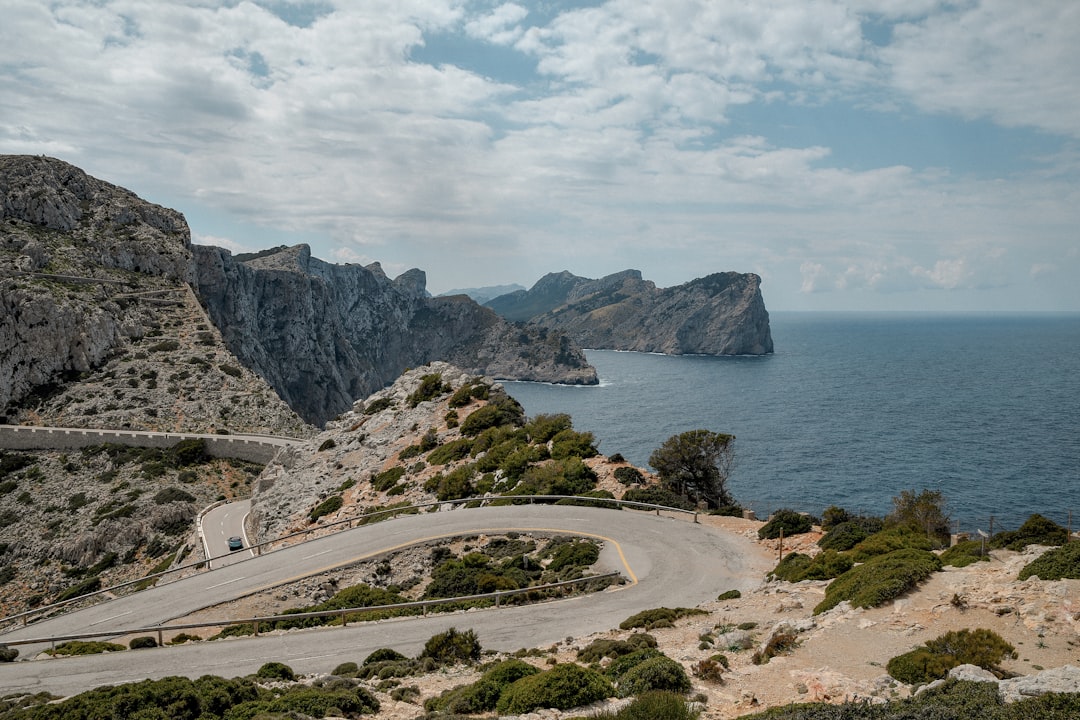
Northern Mallorca is where the island starts to feel wide and cinematic. The old walls of Alcúdia, the long light of Port de Pollença, and the final road out to Cap de Formentor give you a different kind of beauty from the south: less languid, more dramatic.
This day works best if you accept one simple rule: prioritize the sequence rather than improvising too much. Alcúdia first, the peninsula second, dinner by the water third. That keeps the traffic logic clean and leaves the sunset for the right coastline.
Morning
Drive about 50 minutes from Palma to Alcúdia Old Town. Walk the walls, the lanes inside the historic center, and if you are interested in archaeology, add the nearby Roman city of Pollentia just outside the walls.
- 08:30 Leave Palma
- 09:20-11:00 Alcúdia Old Town walk
- 11:00-12:00 Pollentia archaeological site, entry around €4-5
- Expected cost: €4-10 plus coffee
Afternoon
Continue to Port de Pollença, then follow the Formentor road. Make your main scenic stop at Mirador Es Colomer, and if access rules allow, continue to Platja de Formentor for a swim or a relaxed pause under the pines. In peak summer, private-car access can be restricted on parts of the road, so check seasonal transport updates in advance.
- 12:20-13:30 Lunch in Port de Pollença
- 14:00-14:45 Mirador Es Colomer stop
- 15:00-17:00 Platja de Formentor or nearby peninsula viewpoints
- Expected cost: €20-40 for lunch, parking or seasonal shuttle
Evening
Return to Port de Pollença for the softest part of the day. The Pine Walk promenade is flat, calm and ideal after the more exposed roads of the peninsula. It is one of the nicest low-effort evenings on the island, especially if day four has been your biggest driving day so far.
- 18:00-19:00 Pine Walk sunset stroll in Port de Pollença
- 19:15 Dinner by the bay
- 20:30-21:20 Drive back to Palma
- Expected cost: €25-45
Insider tip: do not save Mirador Es Colomer for midday photos if you can help it. Late afternoon brings gentler light, fewer harsh shadows and a more dramatic color shift across the cliffs.
Day 5: Porto Cristo, Coves del Drach and Artà
For your final full day, go east. This side of Mallorca gives you caves, calas and a smaller-town finish that feels less polished and more local. It is also a practical last day because the drives are straightforward and you can scale the beach time up or down depending on your energy.
Begin underground, then move back into daylight slowly. Porto Cristo's harbor is compact and pleasant, and the east-coast coves nearby are easy to pair with an afternoon in Artà, one of the island's most attractive inland towns.
Morning
Leave Palma for Porto Cristo, about one hour away. Book one of the early entry slots for Coves del Drach to avoid the thickest queues. The cave complex is atmospheric rather than adventurous, and the underground lake section remains one of Mallorca's classic experiences for a reason.
- 08:30 Leave Palma
- 09:30-11:00 Coves del Drach, Porto Cristo, usually around €17-19
- 11:00-12:00 Harbor walk in Porto Cristo
- Expected cost: €17-25 plus coffee
Afternoon
After Porto Cristo, choose one simple swim stop instead of hopping beaches. Cala Anguila and Cala Mendia are both easy options within 10 minutes by car, with clear water and straightforward access. After a late lunch, drive north to Artà and walk up through the old center toward Santuari de Sant Salvador for broad views over the town and plain.
- 12:15-14:00 Swim at Cala Anguila or Cala Mendia
- 14:15-15:15 Late lunch nearby
- 15:45-17:30 Artà Old Town and Santuari de Sant Salvador walk
- Expected cost: €20-35
Evening
Use the last evening for whichever ending suits your departure plans. If you fly out the next morning, return to Palma and keep the night relaxed. If you have another day, stay longer in Artà for dinner before driving back under dusk light.
- 18:00 Optional early dinner in Artà around Plaça del Conqueridor
- 19:00-20:10 Drive back to Palma
- 20:30 Final paseo in Palma or dessert stop
- Expected cost: €15-35
Insider tip: if you only want one cave-and-cove day, pick the earliest cave slot and the easiest beach access. The real luxury here is not squeezing more in; it is leaving enough time to actually swim and sit.
How to get there
Most travelers arrive through Palma de Mallorca Airport, code PMI, the island's main gateway. Direct flights are common from major Spanish and European cities, and once you land you are 15-20 minutes from central Palma by road. If you are coming from mainland Spain and want your own vehicle, ferries also connect Mallorca with Barcelona and Valencia.
From the airport, the A1 airport bus to central Palma usually takes about 20-25 minutes and costs around €5. By taxi, expect roughly €20-30 to Palma Centre depending on traffic and luggage. If you plan to follow this exact Mallorca road trip, pick up your rental car after the first night or immediately on arrival if you are comfortable driving into the city.
- Palma de Mallorca Airport, PMI, official airport info: Aena Palma Airport
- Airport and city buses in Palma: EMT Palma
- Island-wide public transport: TIB Mallorca
- Ferry option from mainland Spain: usually 6-8 hours from Barcelona, around 7-8 hours from Valencia depending on sailing and vessel
- Typical one-way airport transfer costs: bus €5, taxi €20-30, private transfer higher
Best time to go for a Mallorca itinerary
Mallorca is one of those islands where season changes the trip as much as geography does. For this 5 days in Mallorca route, late April to June and September to mid-October are the best windows. You get swimmable weather, longer light, and a better chance of parking without a daily battle.
July and August bring the hottest sea-and-sun conditions, but also the thickest traffic around beaches and mountain villages. Winter is quieter and lovely for Palma and the Tramuntana, though this exact itinerary becomes less beach-friendly.
| Period | Daytime weather | Sea feel | Crowds | Best for |
|---|---|---|---|---|
| April-May | Mild to warm, around 18-25°C | Cool to fresh | Moderate | Villages, scenic drives, walking |
| June | Warm, around 24-29°C | Comfortable | Busy but manageable | Best all-round balance |
| July-August | Hot, around 29-34°C | Warm | Very high | Pure beach time and long evenings |
| September-mid October | Warm, around 23-29°C | Very good | Easier than peak summer | Best overall for this itinerary |
| Late October-March | Cooler, variable | Often too cool for most swimmers | Low | Palma, food, hiking, road trips |
Estimated budget per person
Mallorca can feel expensive if you chase last-minute beach parking, waterfront dinners and peak-season rooms all at once. It becomes much more reasonable when you book early, stay in Palma, and treat lunch as your bigger meal. The table below assumes five days, one rental car shared by two travelers, and no international flights.
| Budget tier | Accommodation | Food | Transport and entries | Total for 5 days |
|---|---|---|---|---|
| Budget | Hostel or simple guesthouse, €45-75 per night share | €25-35 per day | €120-170 | €550-750 |
| Mid-range | Comfortable hotel, €90-150 per night share | €40-60 per day | €160-230 | €850-1,200 |
| Comfort | Boutique hotel, €170-280 per night share | €70-100 per day | €220-320 | €1,600-2,300 |
Add flights separately. From Spain or nearby Europe, shoulder-season returns can be modest; peak-summer fares rise fast, especially for Friday to Sunday patterns.
Where to stay
Where you sleep changes the mood of this Mallorca itinerary more than the driving time does. For a first trip, staying in or near Palma is the simplest choice because day one happens on foot and every other route branches out cleanly from the capital.
- Palma Old Town: best for first-timers, walkability and evenings without needing the car; expect roughly €110-220 for solid mid-range rooms, more for boutique stays
- Santa Catalina: best for food, nightlife and a less formal city feel; usually €100-210 mid-range, with easy bus or taxi links into the center
- Port de Pollença or Alcúdia: best if you want nights 4 and 5 by the sea and shorter access to Cap de Formentor; prices vary sharply, but mid-range often starts around €130-170 in season
If you only want one base, choose Palma. If you like slower evenings and less backtracking, split 3 nights in Palma and 2 in the north.
How to get around Mallorca
For this route, a car is the best tool. Mallorca's big roads are straightforward, but the real reason to drive is flexibility: early beach parking, freedom to stop at viewpoints, and the ability to combine a village, cove and dinner town in one day. This is the kind of route worth plotting in TravelDeck before you land, because the island's timing is shaped by parking lots and mountain roads as much as by distance.
You can visit parts of the island without a car using buses and the famous Sóller railway, but your timing becomes tighter and some beaches become awkward. If you do not drive, keep Palma as a base and swap the south and north days for organized or bus-based versions.
- Car rental is best for days 2-5; aim for the smallest car you are comfortable with for village streets and parking spaces
- Fuel and tolls: there are no standard road tolls on Mallorca, but fuel costs add up with scenic detours
- Public transport planner: TIB Mallorca
- Palma city buses: EMT Palma
- Historic train and tram: Ferrocarril de Sóller
- Summer note: always check seasonal access rules for Cap de Formentor before day 4
Where to eat
Mallorca is not just a swim-and-sunset island. It is also a very snackable, lunch-friendly place, which is perfect for a day-by-day route like this one. Build in local pastries in the morning, a proper lunch in a town with shade, and a lighter dinner by the sea or back in Palma.
Look for pa amb oli, tumbet, frito mallorquín, arròs brut, grilled fish, ensaïmada and coca de trampó. These are the stops that fit this itinerary especially well.
- Mercat de l'Olivar, Palma Centre, for market breakfast and local products
- Ca'n Joan de s'Aigo, Palma Old Town, for ensaïmada, hot chocolate and old-school pastry-house atmosphere
- Santa Catalina, Palma, for tapas-hopping and easy final-night dinners
- Can Molinas, Valldemossa, for coca de patata on day 3
- Port de Sóller waterfront, for fish and sea views without complicating the route
- Alcúdia Old Town, around the central lanes inside the walls, for a slower lunch before Formentor
- Artà Old Town, around Plaça del Conqueridor, for a final inland dinner with a local feel
FAQ
Is 5 days enough for Mallorca?
Yes, for a first trip it is enough to see Palma, one major south-coast beach, the Serra de Tramuntana, the north coast and one east-coast day. If you want multiple hikes, quieter coves or a second beach base, move up to seven days.
Do I need a car for this Mallorca itinerary?
For this exact route, yes, a car makes the trip far easier and more enjoyable. Palma works without one, but Es Trenc, Cala Figuera, Artà and the timing around Cap de Formentor are much smoother by car.
Can I do this route from one hotel?
Absolutely. Staying five nights in Palma is the easiest version and keeps luggage simple. The longest day trips are still realistic if you start around 08:30, though a 3-night Palma plus 2-night north split is even more relaxed.
Which beaches are best on this itinerary?
Es Trenc is the signature sandy beach day, Platja de Formentor gives you the north-coast pine-and-mountain setting, and Cala Anguila or Cala Mendia are the easiest east-coast swim stops. If you only want one iconic beach day, keep Es Trenc.
What should I book ahead?
Book your car, your first-choice accommodation area, La Seu if you want a timed entry, and Coves del Drach for day 5. In peak summer, it is also smart to reserve one or two dinner tables in Palma or Port de Sóller.
Five days will not empty Mallorca, and that is exactly the point. What this route does well is give the island in the right order: city first, then sea, then mountains, then cliffs, then one last cove-and-town day before you leave. Plan the timing carefully, start earlier than you think, and Mallorca turns from a beautiful idea into a trip you can genuinely rebuild.
---