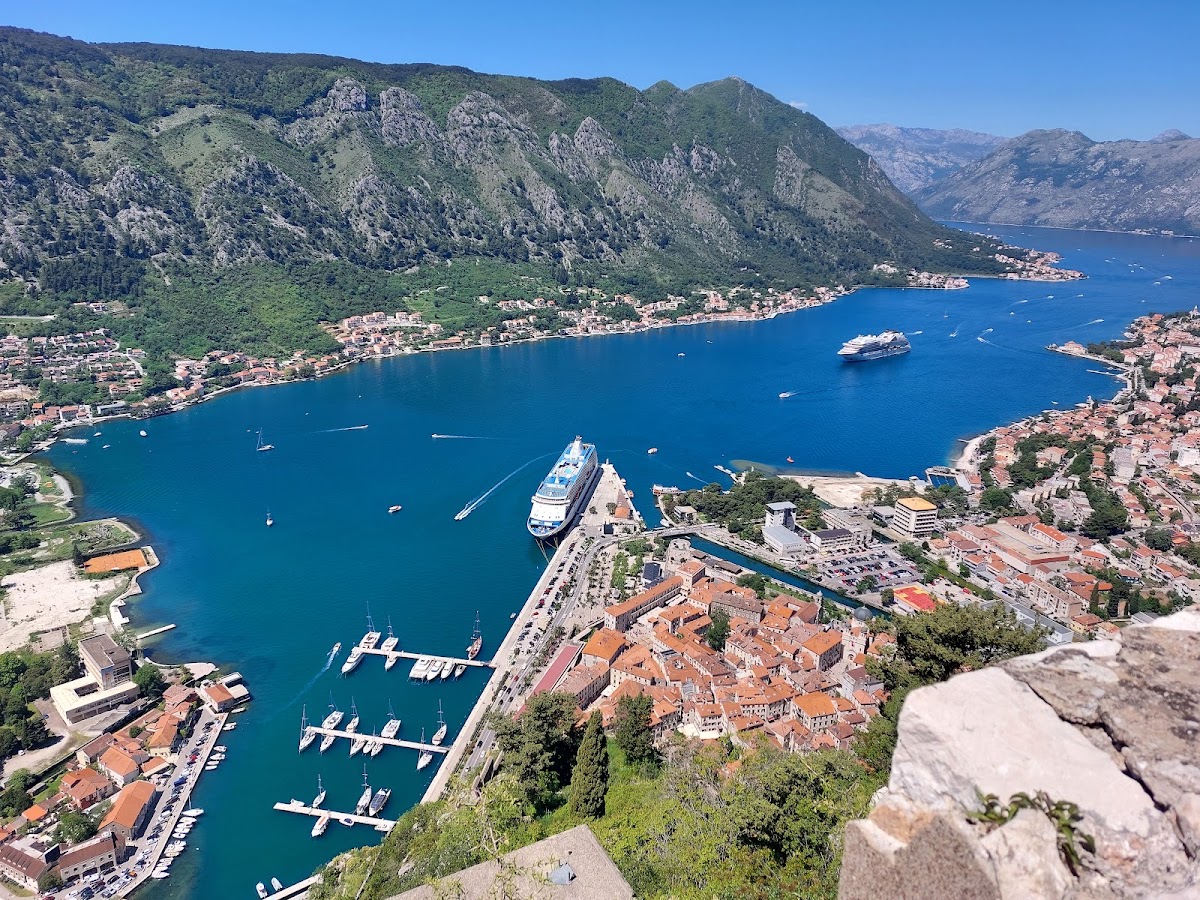
Europe's most memorable bay may be one of its most misread. The Bay of Kotor travel guide most travelers actually need is not a list of postcard stops, but a plan for sleeping inside the walls, walking the quieter waterfronts, and hitting the viewpoints before day-trippers arrive. Kotor gets the photos, but the wider bay rewards patience: church bells in Perast, still water in Dobrota at dawn, and mountain switchbacks that make the whole coast feel suddenly cinematic.
If you have been hunting for hidden gems in Europe most tourists miss, this is a good one because it hides in plain sight. Cruise passengers often see Kotor for a few hours and leave. Stay four days and the Bay of Kotor starts behaving less like a checklist stop and more like a layered Adriatic region you can genuinely travel through.
Why the Bay of Kotor still feels underdone in 2026
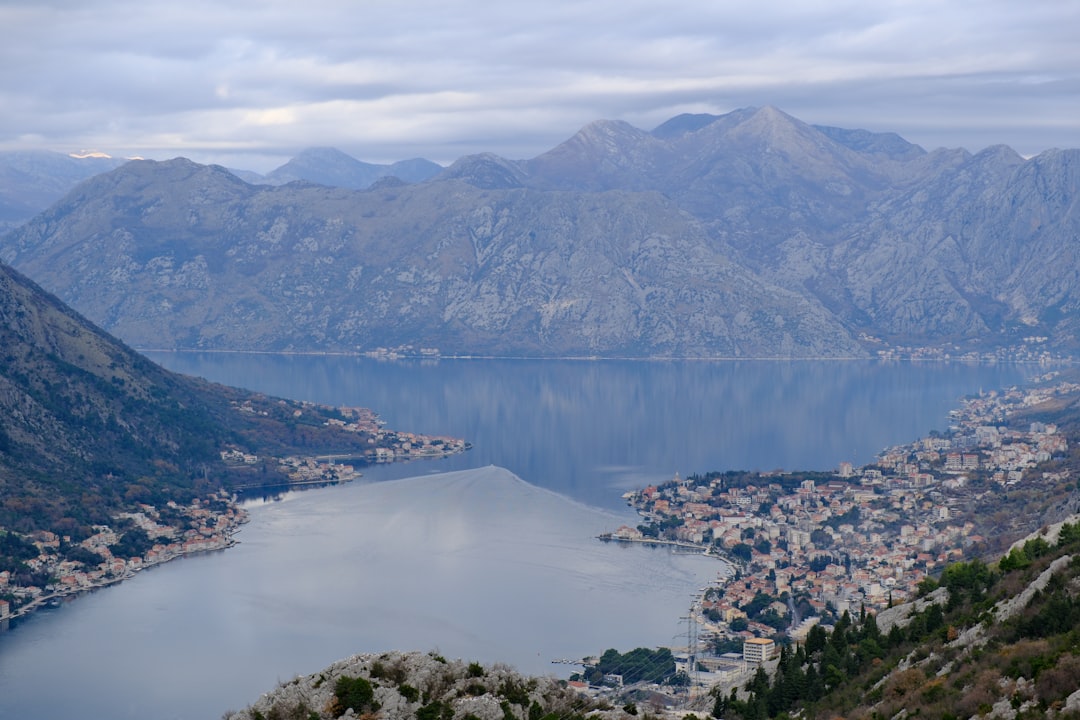
Photo by Eline Vanstraelen on Unsplash
The trick with Kotor is simple: do not treat the bay like one town. The destination works best as a chain of small places with different moods. Kotor Old Town is your stone-walled core for history, quick museum stops, and late dinners. Dobrota gives you a long waterfront for morning walks and quieter hotels. Perast is for the elegant, almost theatrical version of the bay, all palaces and still water. Then Lovćen rises above everything and reminds you Montenegro is not just a coast.
That mix is exactly why this Bay of Kotor travel guide is worth following as a real trip plan. You can see major landmarks without spending every hour in crowds, and most transfers are short: 10 to 35 minutes by bus, taxi, or boat. If you are comparing warm-weather Europe trips, 7 Days in Sardinia in 2026: The Ultimate First-Timer Route gives you a more beach-first island break; Kotor is the better pick if you want medieval lanes, mountain views, and a compact route.
Bay of Kotor itinerary at a glance
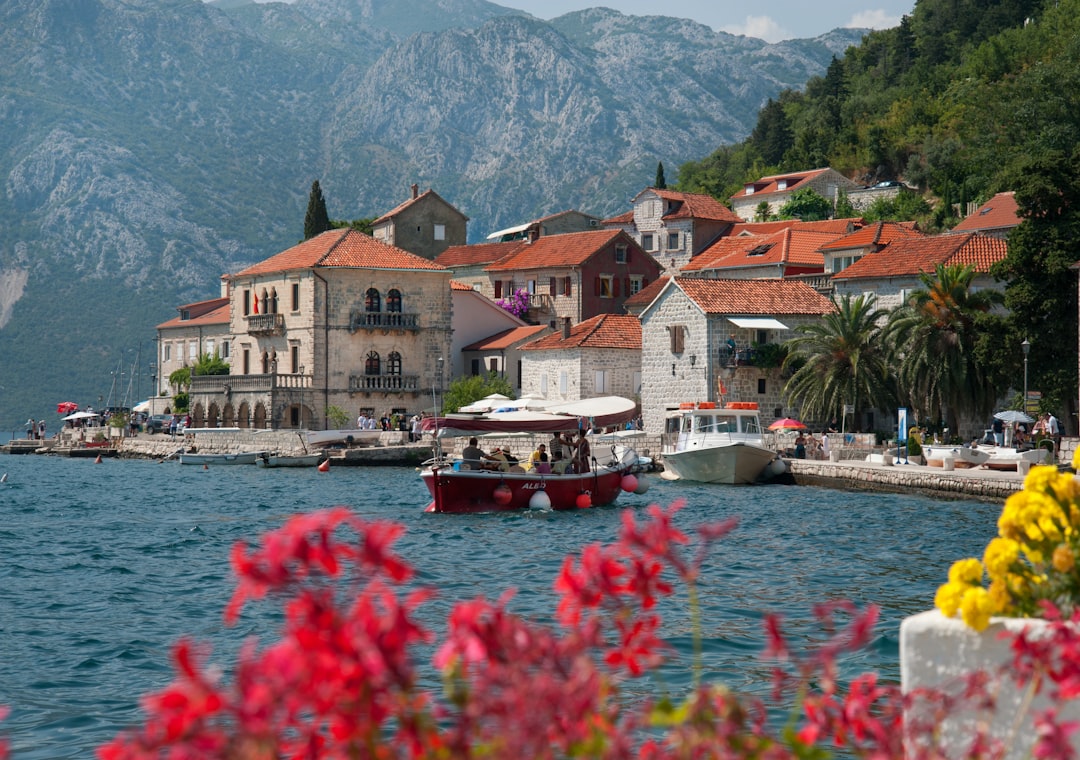
Photo by Evgeny Matveev on Unsplash
The ideal first trip is four days. That gives you one full day in Kotor, one slow waterfront day, one Perast and Risan day, and one mountain day above the bay.
- Day 1: Kotor Old Town, the market, St. Tryphon Cathedral, Maritime Museum, and the city walls
- Day 2: Dobrota, Prčanj, and a swim-stop or lazy lunch by the water
- Day 3: Perast, Our Lady of the Rocks, and Roman mosaics in Risan
- Day 4: Kotor Cable Car, Lovćen National Park, Njeguši village, and a final sunset dinner
If you like building the order of your days visually, sketching this route into TravelDeck works well once you decide whether to sleep in Kotor, Dobrota, or Perast.
How to get to the Bay of Kotor
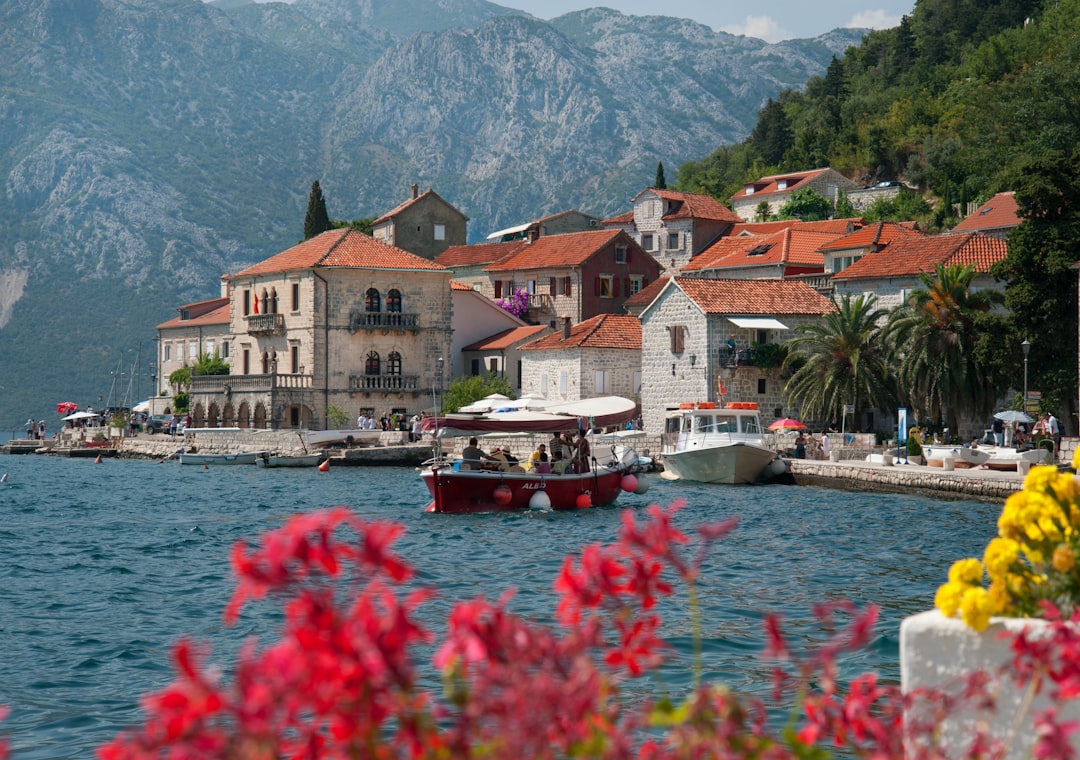
Photo by Evgeny Matveev on Unsplash
The Bay of Kotor has no train station, so your practical choices are airport plus road transfer, direct bus, or a rental car. The easiest arrival is Tivat Airport, but Dubrovnik is often useful if flight times are better. Just remember that the Croatia-Montenegro border can turn a short distance into a long transfer in summer.
| Arrival route | Time to Kotor Old Town | Typical cost | Best for |
|---|---|---|---|
| Tivat Airport TIV | 15 to 20 minutes | 20 to 25 euros by taxi | Fastest, easiest arrival |
| Dubrovnik Airport DBV | 2 to 3 hours with border | 35 to 60 euros bus or transfer | Better flight choice, but less predictable |
| Podgorica Airport TGD | 2 to 2.5 hours | 10 to 15 euros by bus, 60 to 80 euros taxi | Good backup, especially off-season |
| Budva to Kotor by bus | 35 to 50 minutes | 5 to 8 euros | Easy coastal add-on |
| Dubrovnik to Kotor by bus | 2.5 to 4 hours | 20 to 30 euros | Good if combining Croatia and Montenegro |
A few route notes help. From Tivat, taxis are quick and plentiful, but agree the fare before you leave or use an official stand. From Dubrovnik, early morning transfers are usually smoother than late afternoon ones. From Podgorica, buses are reliable enough for budget travelers, though summer heat makes luggage handling less fun. Before any border-hopping trip, it is worth checking Local Customs Checklist 2026: 12 Things Before You Fly.
Day 1: Kotor Old Town and the walls
Morning
Start at the Sea Gate on Trg od Oružja by 08:00 if you can. Kotor Old Town is at its best before group tours thicken the lanes. Step through the gate, walk across the main square, then curve toward the small streets around Stari Grad where laundry, cats, stone shutters, and little church courtyards soften the polished postcard look.
Your first stop should be the Kotor Farmers' Market just outside the old walls near the main gate. It is busiest in the morning, and even a short lap helps you understand what the region tastes like: figs, honey, olives, Njeguši ham, local cheese, and homemade rakija. After that, head to St. Tryphon Cathedral on Trg Svetog Tripuna. Budget around 4 euros for entry. Summer opening rhythms are usually broad, often from morning into early evening, while Sundays can be shorter.
Then walk to the Maritime Museum on Pjaca od Muzeja. Give it 45 to 60 minutes. Expect model ships, naval portraits, and the sense that this whole bay once lived by trade and weather. Admission is usually around 10 euros.
Afternoon
Have lunch before the climb. Tanjga Family Restaurant in Škaljari, just outside the south side of the walls, is a good first-day move if you want grilled meat and big portions for moderate prices. If you want seafood inside the old town, Konoba Scala Santa is a better sit-down choice.
By 16:30 in cooler months or closer to 18:00 in peak summer, start the city walls climb. The full route to San Giovanni Fortress is steep, exposed, and absolutely worth it. Budget around 15 euros for the walls in the main season. A practical rhythm is to allow 1.5 to 2 hours round-trip with photo stops. About midway up, pause at the Church of Our Lady of Remedy for the classic red-roof and bay view. From the top, you finally understand the geography: water pressed into mountains so tightly it feels inland and marine at once.
Evening
Come down before dark unless you are very comfortable on uneven steps. For an easy evening reset, walk out the North Gate to the River Škurda side, then circle back toward the harbor. This edge of town feels calmer than the squares by the Sea Gate, especially once dinner service begins.
Dinner options are simple. Galion, on the water just outside the walls, is good for a splurge seafood meal with a full bay backdrop. Cattaro Restaurant inside the old town is a safer middle ground if you want something central. Expect 18 to 30 euros per person for a mid-range dinner with wine, or 40 euros and up at a more polished waterfront table.
Day 2: Dobrota, Prčanj, and the quiet side of the bay
Morning
This is the day that turns the destination from Kotor town into the wider bay. From the old town, walk north along the Dobrota waterfront. You do not need to rush and you do not need to cover all of it. The point is the texture: stone jetties, tiny private ladders into the water, cats asleep on warm concrete, old captain's palaces facing a bay that barely ripples in the morning.
Aim for a 60 to 90 minute walk, then stop near the Church of St. Eustahije in Dobrota. You can continue farther if you are staying in the area, or simply pause for coffee and a swim from one of the public-access spots along the waterfront. On hot days, start no later than 09:00.
Afternoon
Take a short bus or taxi farther west to Prčanj. This village has less visual drama than Kotor or Perast, but more breathing room. The long shoreline road is lined with stone houses and sleepy waterside restaurants, and the Church of the Birth of the Virgin Mary dominates the settlement with a scale that feels oversized for such a quiet place.
Lunch at Konoba Portun in Dobrota if you want to loop back east, or choose a waterfront table in Prčanj if you want to linger. For a slower bay day, order mussels in buzara sauce, grilled squid, or a simple sea bass and do very little else. If the weather is clear and you want one more viewpoint without a full mountain excursion, take a taxi up to a Vrmac look-out in late afternoon for a broad, less crowded perspective over both Kotor and Tivat sides.
Evening
Return to Kotor on foot, by local bus, or by taxi depending on how lazy the day has made you. This Bay of Kotor travel guide works best when you protect one low-effort evening, and this is the right one. Sit on the Dobrota waterfront at sunset or head back inside Kotor for a casual meal.
Budget 12 to 20 euros for lunch, 3 to 4 euros for local bus rides, and 8 to 15 euros for short taxi hops depending on distance and season.
Day 3: Perast, Our Lady of the Rocks, and Risan
Morning
Catch a bus from Kotor to Perast early, ideally before 09:00. The ride takes about 20 to 30 minutes and usually costs around 3 to 4 euros each way. Perast is tiny, elegant, and almost absurdly photogenic. The best way to experience it is to walk the waterfront first before boarding any boat.
The main promenade, Obala kapetana Marka Martinovića, is lined with baroque palaces and little jetties that make every second angle look frameable. After your walk, take a short boat over to Our Lady of the Rocks. Boats typically run all day in season, leaving whenever enough passengers gather, and the return boat ticket is usually 5 to 10 euros. The church and museum entry is usually another 2 to 5 euros.
Afternoon
Have lunch in Perast. Conte Restaurant is a reliable waterfront choice if you want a polished setting, while other smaller konobas along the promenade work well for simple seafood and salads. After lunch, continue to Risan, either by local bus, taxi, or if the weather is kind and you enjoy walking, on a longer scenic stretch of road.
In Risan, visit the Roman Mosaics site. It is modest in scale, which is exactly why it fits this region so well. You are not here for a blockbuster ruin. You are here for a sharp little glimpse into how long people have wanted to live beside this water. Entry is usually around 3 to 4 euros, and an hour is enough.
Evening
Return to Kotor for dinner, or if you want the quietest possible overnight mood, book one night in Perast and stay after the day visitors leave. Perast after dusk feels like a different place: church bells, low light, almost no traffic, and the kind of stillness that makes the bay feel much more secret than it does at noon.
If you stay for dinner in Perast, budget a bit more than Kotor. Waterfront mains often land in the 18 to 30 euro range.
Day 4: Cable car, Lovćen, and Njeguši
Morning
By day four, you have seen the bay from sea level. Now go above it. The cleanest modern shortcut is the Kotor Cable Car, whose lower station sits above the Dub area on the Kotor side. A taxi from Kotor usually takes around 15 minutes and costs about 8 to 12 euros. Round-trip cable car tickets are typically around 23 to 25 euros for adults, though seasonal offers can change that.
The ride up is quick, but the visual payoff is huge. The bay folds out beneath you in layers, and even if you do nothing else up top, the perspective changes the whole trip. If the weather is clear, continue onward by organized transfer, taxi, or rented car toward Lovćen National Park and Njegoš Mausoleum. Park entry is usually about 3 euros, and the mausoleum ticket is around 8 euros.
Afternoon
This is the most effort-heavy day in the Bay of Kotor travel guide, but it is also the one that gives the trip its shape. Lovćen is where the coast turns mountainous and the Adriatic softness gives way to wind, stone, and broad exposure. Wear proper shoes. Even in summer, the temperature can feel much cooler up top than down in Kotor.
On the way back, stop in Njeguši village for smoked ham, cheese, and a simple mountain lunch. It is not a fancy detour. That is the appeal. Expect rustic plates, stronger flavors, and a very different side of Montenegro from the seafood-rich waterfront.
Evening
For your final evening, keep dinner easy and reflective. If you are sleeping in Kotor, take one last pre-dinner walk outside the walls to the harbor. If you are based in Dobrota or Perast, stay by the water and let the bay close quietly.
A four-day route like this is exactly why the Bay of Kotor travel guide beats a day trip. You get the fortress, the villages, the island church, and the mountain frame that makes everything below make sense.
Things to do in the Bay of Kotor beyond the basic photo stops
Even if you follow the itinerary above, it helps to have a short planning list you can swap in or out depending on weather, cruise traffic, and energy.
- Walk Kotor Old Town from Sea Gate to North Gate and explore the lanes around Trg od Oružja and Trg Svetog Tripuna
- Climb the Kotor city walls to San Giovanni Fortress for the essential panoramic view
- Visit St. Tryphon Cathedral and the Maritime Museum for the historical core of the destination
- Do a Dobrota waterfront walk at sunrise or early morning for the calmest bay atmosphere
- Take a Perast day trip with a boat to Our Lady of the Rocks
- Add Risan Roman Mosaics if you want a quieter archaeological stop
- Ride the Kotor Cable Car and continue to Lovćen National Park for the full mountain-and-bay contrast
- Reserve one slow meal in Prčanj, Dobrota, or Perast rather than eating every meal in Kotor Old Town
If you only have two days, keep Day 1 and Day 3. If you have five, add a lazy swim day or extend into Herceg Novi.
Where to stay in Kotor, Dobrota, and Perast
Where you sleep changes the whole feel of the trip more than most people expect. Kotor Old Town is atmospheric and practical, but can be noisy in high season. Dobrota is the easiest quiet base with water access. Perast is the prettiest romantic choice, but not the most practical if you want late-night flexibility.
| Budget tier | Best area | Good picks | Typical nightly rate |
|---|---|---|---|
| Budget | Kotor Old Town, Škaljari | Montenegro Hostel 4U, Old Town Hostel, Hotel Rendez Vous | 25 to 45 euros dorm, 70 to 110 euros double |
| Mid-range | Kotor Old Town, Dobrota | Hotel Marija, Hotel Vardar, Boutique Hotel Casa del Mare Vizura | 110 to 240 euros |
| Luxury | Dobrota, Stoliv, Perast | Huma Kotor Bay Hotel and Villas, Hyatt Regency Kotor Bay Resort, Heritage Grand Perast | 220 to 600 euros |
A few practical notes matter. Stay in Kotor Old Town if you want to walk everywhere and you do not mind some noise. Choose Dobrota if swimming access and quieter mornings matter more. Pick Perast if you are celebrating something or want one deeply atmospheric night.
Where to eat in the Bay of Kotor
The local food scene is not about endless trend-hopping. It is about choosing the right table in the right setting. In Kotor, the split is usually between atmospheric old-town restaurants and waterside places just outside the walls. Around the bay, the reward is often simplicity: grilled fish, mussels, risotto, local ham, and cheese with a view that does half the work.
Look for these dishes:
- Buzara mussels or shrimp in a garlicky wine sauce
- Black risotto with cuttlefish ink
- Grilled squid or whole sea bass
- Njeguški pršut and local cheese from the mountain side of the region
- Kačamak if you want something more inland and hearty
Good places to know:
- Konoba Scala Santa, Kotor Old Town: strong seafood and a good first-night atmosphere
- Tanjga Family Restaurant, Škaljari: big grilled plates and better value than many old-town spots
- Galion, Kotor waterfront: splurge dinner with bay views
- Konoba Portun, Dobrota: a strong choice for lunch or sunset dinner by the water
- Conte Restaurant, Perast: dependable waterfront lunch on a Perast day
For food budgeting, plan roughly 8 to 12 euros for breakfast, 12 to 20 euros for a casual lunch, and 18 to 35 euros for most dinners before drinks.
Practical tips for a smoother Bay of Kotor trip
This Bay of Kotor travel guide works best in late April to June and again in September to mid-October. July and August bring hotter weather, higher prices, and more traffic around Kotor and the border. Cruise-ship schedules can change the feel of Kotor Old Town dramatically, so early starts matter.
A few practical details help more than they sound like they will.
- Currency: Montenegro uses the euro
- Best months: May, June, September, early October
- Summer temperatures: often high 20s to mid 30s Celsius, with little shade on the walls climb
- What to pack: sturdy sandals or trainers, sun hat, swimsuit, light layers, and a proper water bottle
- Cash vs card: cards are common, but small boats, market stalls, and some smaller cafes still prefer cash
- Safety: the bay is generally safe, but the real hazard is heat, steep stone steps, and road traffic on narrow waterfront roads
- Connectivity: eSIM and local SIM options are easy enough to arrange; most hotels and restaurants have solid Wi-Fi
- Driving: beautiful but tiring in peak summer because the roads are narrow and parking near Kotor can be frustrating
Official planning links:
FAQ
Is the Bay of Kotor worth more than a day trip?
Yes. A day trip lets you see Kotor Old Town and maybe Perast, but you miss the early-morning calm, the slower waterfront villages, and the mountain views that give the bay its full identity. For most travelers, four days is the sweet spot.
Is Kotor or Perast better to stay in?
Kotor is better for first-timers who want restaurants, buses, and easy walking access to the walls and museums. Perast is better for romance and quiet. Dobrota is the best compromise if you want peaceful mornings but still want to reach Kotor quickly.
How expensive is the Bay of Kotor in 2026?
It is not rock-bottom cheap, but it is still better value than many famous Mediterranean coastlines. A comfortable mid-range day with transport, attraction tickets, lunch, and dinner often lands around 75 to 140 euros per person, depending on hotel choice and how many taxis or boat rides you add.
Can you do the Bay of Kotor without a car?
Yes, and many first-timers should. Kotor, Dobrota, Perast, and Risan are manageable with buses, taxis, and boat hops. A car helps for Lovćen and wider Montenegro, but it also brings parking stress in summer.
What is the best viewpoint in the Bay of Kotor?
The classic answer is San Giovanni Fortress above Kotor. The most dramatic wide-angle answer is from the Lovćen side after the cable car or the old serpentine road. For a calmer, lower-effort view, just walk the Dobrota waterfront at sunrise.
The kind of Europe trip that stays quiet in your memory
The Bay of Kotor is not a secret because nobody knows it exists. It feels hidden because so many people only brush against it. Give it four days, build the trip around Kotor, Dobrota, Perast, and Lovćen, and the place stops being a scenic stopover and becomes a real route you can return to in your head long after the water is gone from view.
---