Europe Hidden Gems Itinerary for 2026: 6 Smart Stops
In peak summer, some of Europe’s most famous neighborhoods now burn an hour of your day before you even reach the view, the bakery, or the museum door. Yet a good Europe hidden gems itinerary can put you in Roman theaters without the selfie scrum, on fishing harbors where the loudest sound is rigging tapping against masts, and in stone towns that still feel lived in after dinner. If you have already seen the headline cities, or simply want Europe at a more human pace, this is where the continent gets interesting.
The best hidden places are not necessarily remote. They are often one train, one regional bus, or one short ferry beyond where most travelers stop looking. That is what makes a strong Europe hidden gems itinerary so rewarding: it is not about bragging rights or hardship travel, but about choosing places where your time stretches further. When I sketch this kind of route, I usually start with rail legs, one or two flexible nights, and a realistic transfer day, the same way many travelers now map trip flow on TravelDeck.
This guide is built around six standout stops that work as a modular route rather than one frantic loop. Pick two if you want a ten-day trip. Pick three or four if you have three weeks and enjoy regional trains, sea air, and places with texture. What ties them together is simple: they are underrated Europe destinations with a strong sense of place, excellent food, manageable logistics, and enough detail to reward a slower gaze.
Why this Europe hidden gems itinerary works
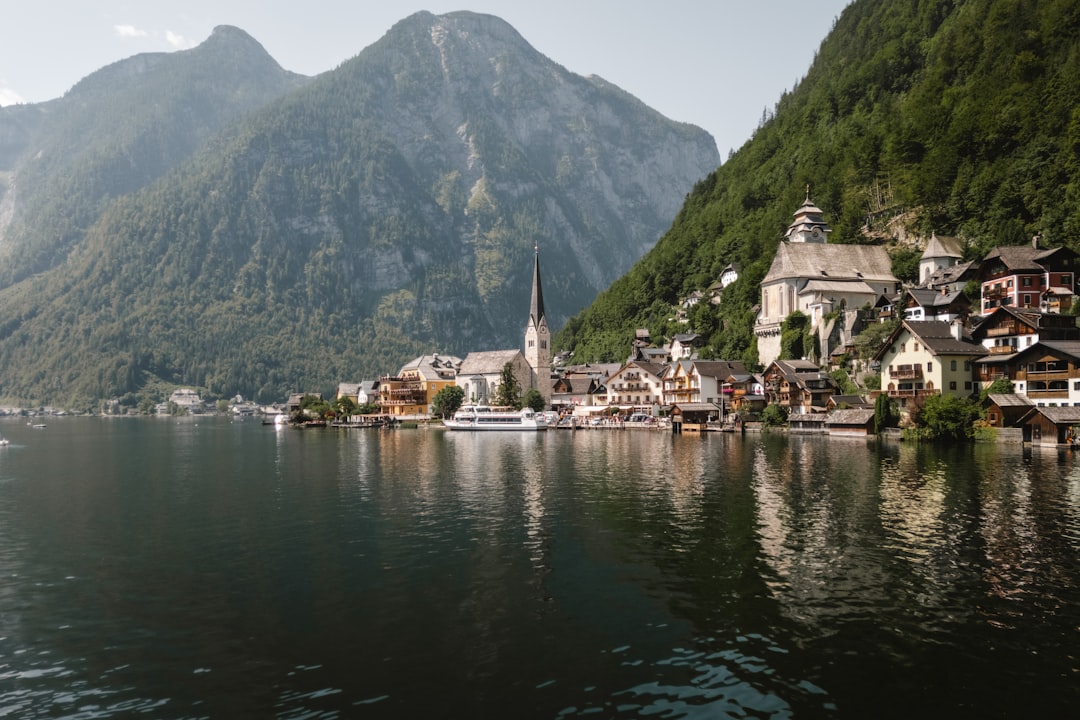
Photo by Ahmet Yüksek ✪ on Unsplash
A lot of lists of hidden places read beautifully but fall apart the moment you try to move between them. They ignore airport access, unreliable shoulder-season transport, or the fact that not every traveler wants to rent a car. This Europe hidden gems itinerary is designed around places that are still logistically realistic. Every stop here has a sensible gateway airport, a train or bus option that does not waste a whole day, and enough hotels and restaurants to make independent travel easy.
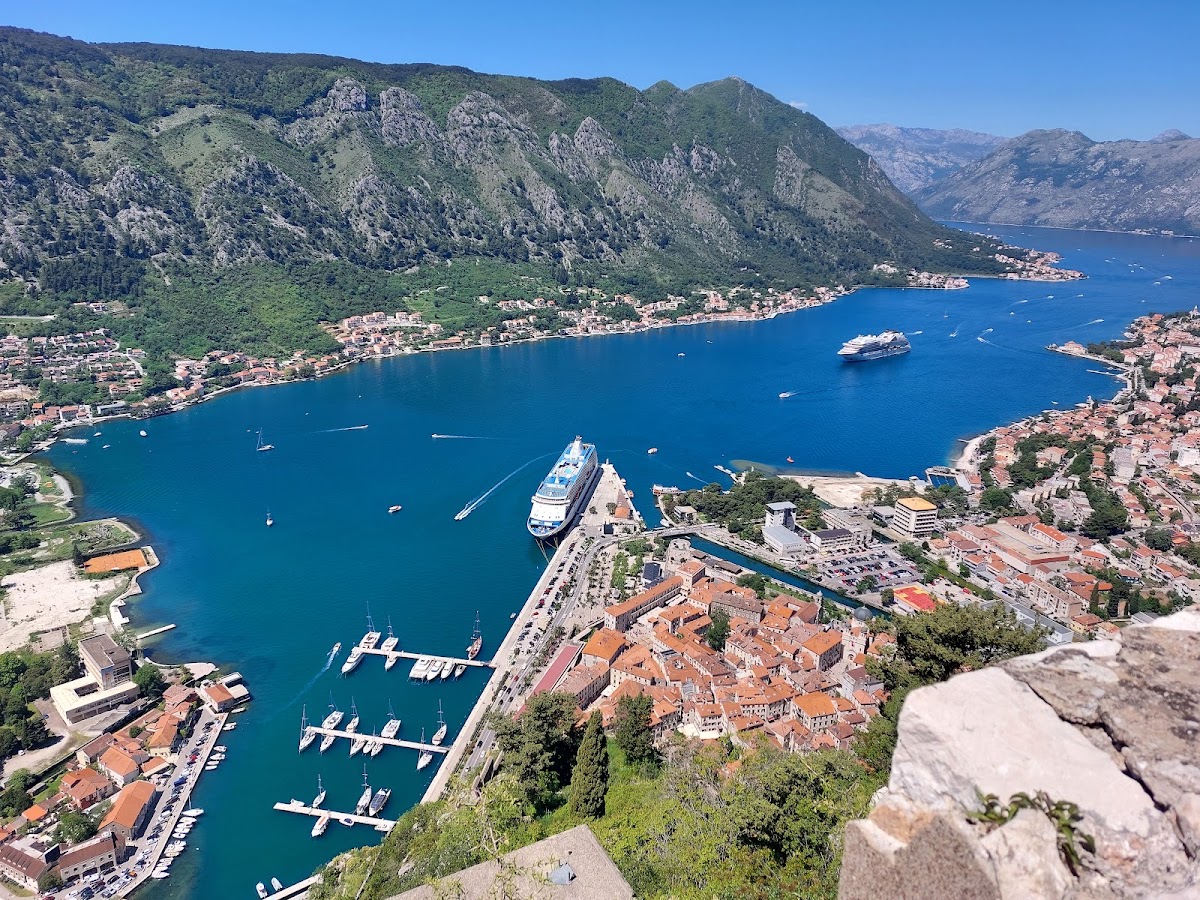
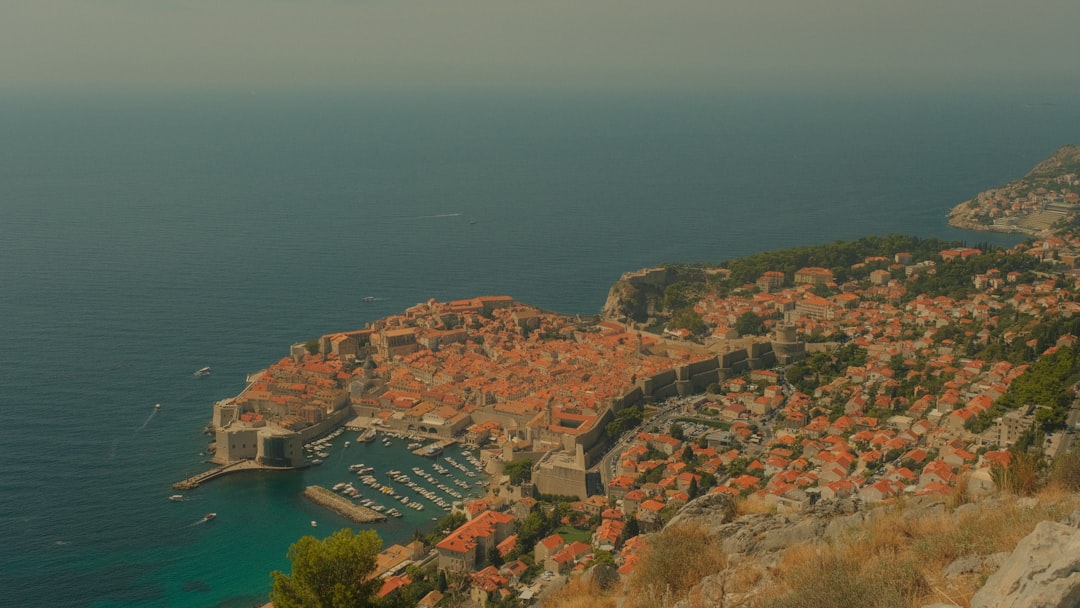
Just as important, these are not consolation prizes. They are less crowded places in Europe that deliver their own mood rather than a thinner version of somewhere else. Plovdiv has Roman layers and creative energy that feel entirely Bulgarian. Gjirokastër is all slate roofs, mountain light, and slow-cooked dishes. Izola trades flashy resort polish for salt, olive groves, and everyday Adriatic life. Lekeitio gives you Basque surf culture without big-city noise. Terracina folds Roman history into a proper beach town. Orkney feels windswept, ancient, and completely itself.
If you are shaping a broader Europe travel itinerary, use these places in one of three ways:
- As a two- or three-night break between major capitals
- As the anchor destination for a region you thought you already knew
- As a shoulder-season substitute for places where overtourism now drains the joy out of the day
The six stops worth building around
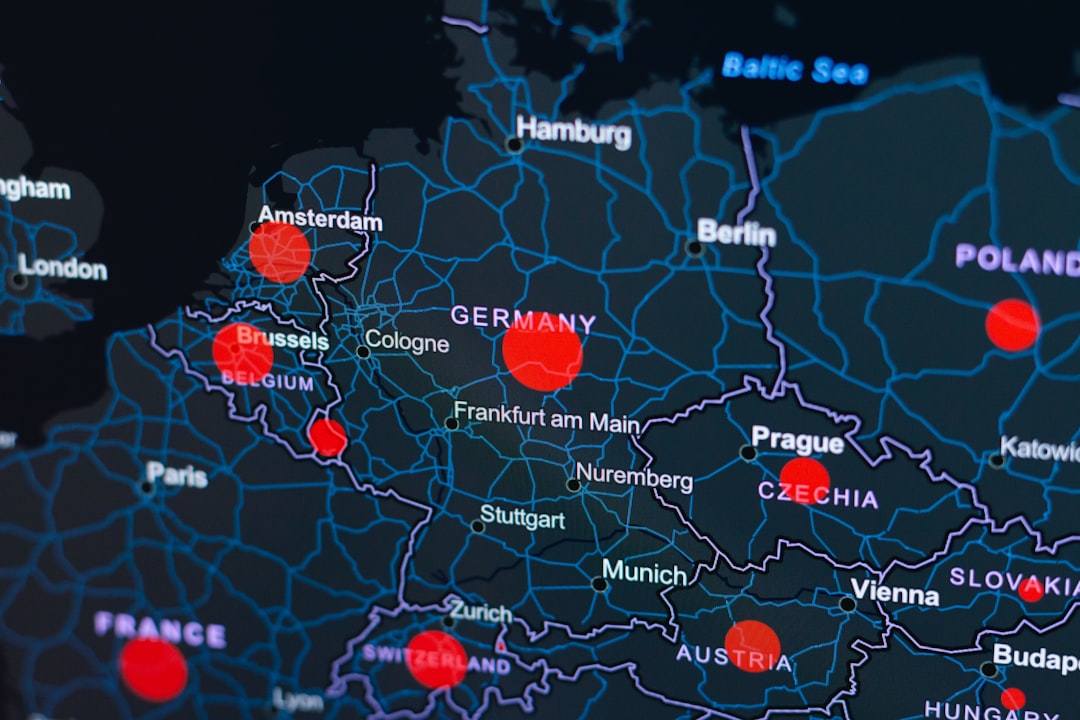
Photo by KOBU Agency on Unsplash
A good Europe hidden gems itinerary needs variety. You want at least one city with depth, one coast with a sense of daily life, one place where history is not trapped behind velvet rope, and one stop that changes your pace completely. These six do that better than most.
Plovdiv, Bulgaria
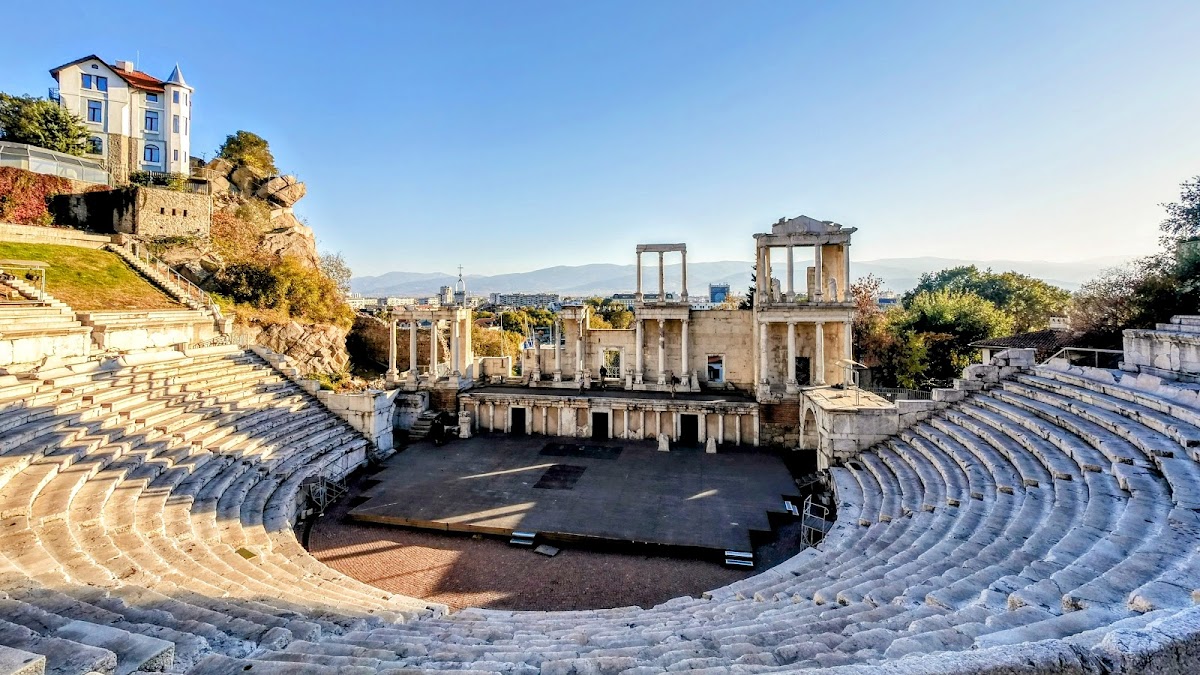
Plovdiv is one of those cities that makes a repeat Europe traveler feel pleasantly foolish for having skipped it for so long. The old town rises in ochre, mint, and brick-red houses above Roman ruins and steep lanes, while Kapana, the former craft quarter, hums with bars, design shops, and a young creative crowd. You can spend the afternoon tracing mosaics older than many nations, then be drinking Mavrud wine under string lights by evening.
What makes Plovdiv stand out in this Europe hidden gems itinerary is balance. It has enough cultural weight for history lovers, enough nightlife for city-break energy, and prices that still feel sane. Among underrated Europe destinations, few are as easy to enjoy on foot.
Gjirokastër, Albania
Gjirokastër does not reveal itself all at once. At first you notice the stacked stone roofs and the castle stretched across the ridge. Then you hear the call to prayer blending with café chatter, smell wood smoke drifting above the bazaar, and realize the whole place seems built from mountain light and slate. It is atmospheric without trying too hard, and still feels far from the usual European circuit.
For travelers looking for off the beaten path Europe experiences with real cultural texture, Gjirokastër is a gift. The Ottoman houses are not museum pieces in isolation; they sit inside a town where elderly men still linger over coffee and younger families come out for evening walks. It is one of the strongest less crowded places in Europe if you want character rather than checklist travel.
Izola, Slovenia
Slovenia’s tiny coast often gets flattened into a quick mention between Venice and Croatia, but Izola deserves better. It is a fishing town first, a visitor destination second, and that order matters. Nets dry beside pastel facades, locals stop for espresso by the marina, and the old streets carry the faint scent of salt and grilled fish. At sunset, the light across the Adriatic turns the harbor bronze.
This stop earns its place in any Europe hidden gems itinerary because it works in multiple moods. Come for a summer swim, come in September for seafood and mellow cycling weather, or come in spring when the sea is steel-blue and the promenade belongs mostly to residents. Of the quiet coastal towns in Europe, few feel this relaxed while remaining so practical to reach.
Lekeitio, Spain
The Basque coast has plenty of famous names, but Lekeitio is the kind of place people remember with an almost proprietary affection. It wraps around a small harbor, with a broad Gothic church on one side and beaches on the other. When the tide drops, a sand path appears to San Nicolás island, and suddenly the whole town seems to lean toward the water. The air smells of brine, fried anchovies, and rain on stone.
Lekeitio belongs on a Europe travel itinerary for people who want coastal Spain without a resort script. It is still one of the underrated Europe destinations that feels local first, which means your reward is simple: better conversations, better lunch, and streets that have not been polished into a brand.
Terracina, Italy
Terracina sits on Italy’s Pontine coast between Rome and Naples, but too many travelers race past it on the way to somewhere with a better marketing budget. That is their loss. Here, a Roman temple watches over a long beach, the upper town peels back layers of empire and medieval life, and seafood lands close enough to the table that dinner still tastes of tide.
In an off the beaten path Europe mood, Terracina is especially satisfying because it gives you two trips in one. You can do a proper beach break, but you can also spend hours in the old town tracing columns, arches, and stairways worn smooth by centuries. If you want quiet coastal towns in Europe that still offer history, this is one of the smartest choices on the map.
Orkney, Scotland
Orkney is not quiet in the soft, sleepy sense. It is quiet in the elemental sense: huge skies, fierce wind, sudden sun, green fields cut by dry-stone walls, and archaeological sites older than the pyramids. The islands can feel stark at first, then profoundly intimate. A church bell in Kirkwall, a sweep of seabirds over Yesnaby, a standing stone in evening light: the scale of things shifts here.
Every Europe hidden gems itinerary benefits from one place that breaks your rhythm and resets your senses. Orkney does exactly that. It is one of the most memorable less crowded places in Europe for travelers who love landscape, prehistory, and the thrill of being somewhere that cannot be reduced to a postcard cliché.
How to get there: trains, buses, ferries, and smart gateway airports
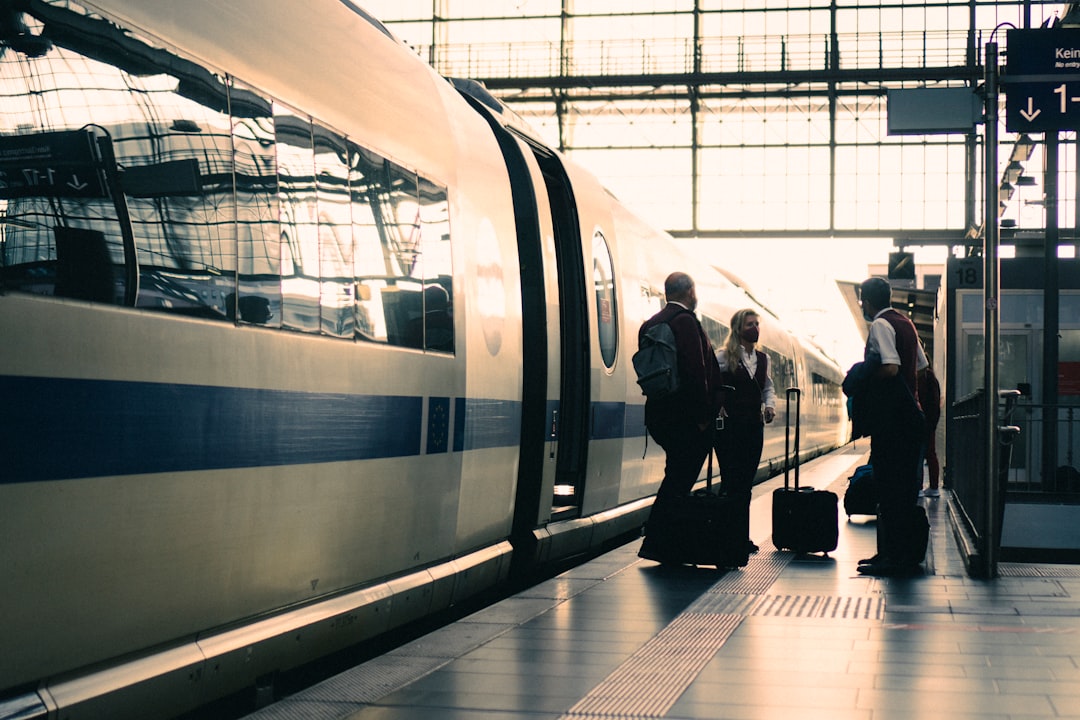
Photo by Christian Lue on Unsplash
The secret to making a Europe hidden gems itinerary feel elegant rather than exhausting is choosing the right gateway. You do not need to fly directly into every stop. In fact, the smoother move is usually a major airport, one rail leg or bus, and an arrival before dark. That keeps the day legible, especially in places where the old town streets are steep or the ferry schedule is weather-sensitive.
Most of these destinations are best reached from a nearby transport hub rather than by forcing a direct route. Think Sofia for Plovdiv, Tirana for Gjirokastër, Trieste or Ljubljana for Izola, Bilbao for Lekeitio, Rome for Terracina, and Aberdeen or Edinburgh for Orkney. Build that logic into your Europe travel itinerary and the trip starts to flow.
| Destination | Best gateway airport | Best onward route | Typical one-way cost | Total travel time | Ideal stay |
|---|---|---|---|---|---|
| Plovdiv | Sofia SOF | Train or shuttle from Sofia | BGN 16-35 | 2 hr 15 min to 3 hr 10 min | 2-3 nights |
| Gjirokastër | Tirana TIA | Long-distance bus or private transfer | ALL 1200-1800 or €120-150 private | 3 hr 45 min to 4 hr 30 min | 2-3 nights |
| Izola | Trieste TRS or Ljubljana LJU | Shuttle or bus to Izola via Koper | €12-45 | 1 hr to 1 hr 50 min | 2-4 nights |
| Lekeitio | Bilbao BIO | Bus or drive from Bilbao | €5-7 by bus | 1 hr 10 min to 1 hr 25 min | 2-3 nights |
| Terracina | Rome FCO or CIA | Train to Monte San Biagio-Terracina Mare plus local connection | €6.90-€12 | 1 hr 30 min to 2 hr | 2-4 nights |
| Orkney | Kirkwall KOI via Scottish hubs | Flight to Kirkwall or ferry from Scrabster to Stromness | £21-£60 ferry foot passenger, £90-£180 flight | 1 hr 30 min ferry or 1 hr flight | 3-4 nights |
Plovdiv
Fly into Sofia and head straight for the city center if you want the cheapest connection. Bulgarian State Railways usually gets you from Sofia Central Station to Plovdiv in around 2 hours 40 minutes to 3 hours 10 minutes, with standard tickets often around BGN 16-28. Buses and private shuttles can be slightly faster depending on traffic, usually BGN 25-35. If you want to check schedules in advance, use the official rail site at https://www.bdz.bg/en.
Gjirokastër
Tirana International Airport is the practical gateway. From there, buses and minibuses to Gjirokastër generally take between 3 hours 45 minutes and 4 hours 30 minutes, with fares around ALL 1200-1800. A private transfer is much easier if you are arriving late or carrying a lot of luggage, but expect roughly €120-150. For flight planning and current airport information, use https://www.tirana-airport.com.
Izola
Trieste is the easiest surprise gateway on this list. From Trieste Airport, shared shuttles and prebooked transfers to Izola can take about an hour and usually cost €25-45, while the Ljubljana to Izola bus route takes around 1 hour 45 minutes and usually costs €12-18. If you are linking Slovenia with Italy or Croatia, this is one of the neatest moves in a Europe hidden gems itinerary. General destination planning is easy through https://www.slovenia.info/en.
Lekeitio
Bilbao Airport keeps Lekeitio comfortably within reach. By car, expect about 55 to 65 minutes. By public transport, connections vary, but a bus trip is usually around 1 hour 15 minutes and costs roughly €5-7. The airport itself is straightforward and current transport details are easiest to verify at https://www.aena.es/en/bilbao.html.
Terracina
From Rome, take a Trenitalia service toward Monte San Biagio-Terracina Mare. The rail leg usually runs 1 hour 15 minutes to 1 hour 30 minutes, with fares often between €6.90 and €9.90 if booked in advance. From the station, a local bus or taxi gets you into Terracina in about 15 to 20 minutes. For train times, use https://www.trenitalia.com/en.html. This is one of the easiest additions to a broader Europe travel itinerary if you are already passing through Rome.
Orkney
Orkney rewards planning. If you want speed, fly to Kirkwall from a Scottish hub. If you want atmosphere, take the ferry from Scrabster to Stromness, which lasts about 1 hour 30 minutes and often costs from about £21 as a foot passenger. In rough weather, build a buffer day into your Europe hidden gems itinerary. Ferry schedules and updates are at https://www.northlinkferries.co.uk.
Things to do in these underrated Europe destinations
What makes these stops shine is not a single headline attraction. It is the rhythm of a day. A ruined fortress before lunch. A harbor walk in the warm low light. A market snack that turns into an hour at a café table. The best off the beaten path Europe experiences happen when a place gives you enough to do without pushing you into a queue-managed script.
Use the list below as a practical backbone, but leave room for drift. Every destination here rewards wandering, especially early morning and the hour before dinner, when the streets soften and local life is easiest to read.
Plovdiv
Plovdiv carries its history lightly. Roman stone sits below revival-era mansions, and a turn of the lane can move you from silence to clinking bar terraces in minutes. The city is compact enough that you can cover a lot on foot without making the day feel over-programmed.
- Watch the city unfold from the Ancient Theatre of Philippopolis, one of the best-preserved Roman theaters in the Balkans.
- Walk the cobbled Old Town around Nebet Tepe and step into the Regional Ethnographic Museum for a sense of Bulgarian domestic history.
- Visit the Bishop’s Basilica of Philippopolis for extraordinary early Christian mosaics.
- Spend an evening in Kapana, the creative district filled with bars, galleries, and independent shops.
- Catch sunset from Nebet Tepe, where the light turns the hills and roofs copper-red.
- Take a half-day trip to Bachkovo Monastery, around 30 kilometers south, if you want mountain scenery and frescoed interiors.
Gjirokastër
Gjirokastër is best experienced slowly, because the town itself is part of the attraction. The stone lanes are steep, the views keep changing, and almost every turn opens onto another balcony, roofline, or mountain fold.
- Start at Gjirokastër Castle for wide valley views, old artillery, and the uncanny sight of a captured aircraft displayed on the grounds.
- Wander the Old Bazaar in the morning, when the streets still smell faintly of bread and coffee.
- Tour Zekate House or Skenduli House to see how wealthy Ottoman families once organized space, privacy, and hospitality.
- Visit the Cold War Tunnel if open during your trip; it adds a darker, more recent layer to the town’s story.
- Walk out to Ali Pasha Bridge for a quieter landscape moment beyond the bazaar.
- Use one afternoon simply to sit at a terrace and watch the evening passeggiata-style promenade take shape.
Izola
Izola does not demand a frantic sightseeing list. Its pleasures are tactile: sea air, stone underfoot, olive oil on bread, a swim before lunch, a bike ride along the coast when the light is still clean.
- Explore the old center around Manzioli Square and the marina, especially just after fishing boats return.
- Swim at Simonov zaliv, known in English as Simon’s Bay, where the water is usually calm and family-friendly.
- Walk or cycle part of the Parenzana trail toward Koper or Portorož for a gentle coastal half-day.
- Head up to Belvedere for one of the best views over Izola’s red roofs and the Adriatic.
- Browse local olive oils and wines in small shops near the center; Malvazija is a good bottle to bring home.
- Reserve one sunset for the promenade only, with no destination beyond dinner.
Lekeitio
This is a small town with a dramatic relationship to the sea. Tides matter, the weather changes fast, and the town feels most vivid when you follow that coastal rhythm instead of forcing a city-break agenda onto it.
- Time your visit to walk across the sandbar to San Nicolás island at low tide, but only when conditions are safe.
- Visit the Basilica of the Assumption of Santa María to see a grand Gothic interior in a surprisingly intimate setting.
- Spend a beach day split between Isuntza and nearby Karraspio for two different coastal moods.
- Climb or drive up toward Mount Lumentza for a broader view over the town, harbor, and cliffs.
- Linger around the port at aperitif hour, when fishing-town practicality softens into evening sociability.
- If you have a car, add a short drive along the Basque coast to tiny viewpoints and wave-battered coves between towns.
Terracina
Terracina works best when you treat beach time and old-town time as equally important. The coast pulls you outward, but the upper town keeps tugging you back uphill with arches, stone staircases, and little squares that suddenly open onto sea views.
- Visit the Temple of Jupiter Anxur above town for the signature panorama over coast and mountains.
- Wander the Centro Storico Alto around Piazza del Municipio, where Roman remains are folded into later layers of the town.
- Spend a full lazy block of hours on Spiaggia di Levante, especially outside August when the sand is calmer.
- Walk part of the old Via Appia area and look for the traces that remind you this was once a major Roman corridor.
- Take a boat trip toward Ponza if you want a day on deeper blue water, though schedules vary by season.
- Eat seafood near the port at lunch, then return to the historic center for an after-dinner walk.
Orkney
Orkney has a density of ancient sites that can make the islands feel almost unreal. Yet what stays with many travelers is not only the archaeology, but the weather, the light, and the startling nearness of sea at almost every turn.
- Visit Skara Brae early or late in the day if possible; the prehistoric village feels far more intimate outside the busiest hours.
- Stand at the Ring of Brodgar and the Standing Stones of Stenness, where the landscape does half the storytelling.
- Explore St Magnus Cathedral in Kirkwall, then linger around the harbor for a slower urban interlude.
- Drive or tour the Churchill Barriers and the Italian Chapel, one of Orkney’s most moving modern sites.
- Walk the Yesnaby cliffs for rougher scenery, seabirds, and some of the best wind-in-the-face views in the islands.
- If distilleries interest you, book ahead for Highland Park or Scapa and let local spirits anchor one afternoon.
Where to stay in less crowded places in Europe
Accommodation is where many trips to hidden places go wrong. Travelers either over-romanticize and end up in an inconvenient guesthouse with no transport, or overcorrect into bland chain hotels outside the center. A good Europe hidden gems itinerary works better when you sleep within walking distance of the part of town you actually came to experience.
In most of these destinations, the sweet spot is a character property in or near the center, with air conditioning where summers get hot and flexible cancellation in shoulder season. If you are budgeting across multiple countries, the framework in Trip Cost Breakdown for 2026: Build a Budget That Fits Real Life is especially useful for balancing splurge nights with simpler stays.
| Destination | Budget | Mid-range | Special stay |
|---|---|---|---|
| Plovdiv | Hostel Old Plovdiv, about €18-35 | Landmark Creek Hotel, about €70-100 | Gallery 37, about €130-190 |
| Gjirokastër | Stone City Hostel, about €12-25 | Hotel Kalemi 2, about €55-85 | Kerculla Resort, about €110-180 |
| Izola | Hostel Alieti, about €35-55 | Hotel Marina, about €110-160 | Hotel Cliff Belvedere, about €150-240 |
| Lekeitio | Trinkete Etxea, about €35-60 | Hotel Metrokua, about €95-140 | Hotel Silken Palacio Uribarren, about €140-220 |
| Terracina | Hotel Poseidon, about €70-110 | Hotel Acquasanta, about €110-170 | Grand Hotel L’Approdo, about €160-260 |
| Orkney | Kirkwall Youth Hostel, about £30-60 | The Orkney Hotel, about £110-160 | Lynnfield Hotel, about £180-260 |
A few booking tips make this Europe hidden gems itinerary run more smoothly:
- In Gjirokastër and Orkney, prioritize cancellation flexibility because transport disruptions happen.
- In Terracina and Izola, sea-view rooms often carry a steep premium that is not always worth it if you will be outside most of the day.
- In Plovdiv, stay near Kapana or the Old Town edge if you want evenings on foot.
- In Lekeitio, book early for summer weekends; local demand can squeeze availability even when the town feels under the radar.
Where to eat on an off the beaten path Europe route
Food is one of the clearest reasons to choose a Europe hidden gems itinerary over the obvious route. In smaller cities and towns, you are more likely to eat what locals eat, in rooms calibrated for regular customers rather than passing demand. That usually means better pacing, more seasonal menus, and fewer places built around social media performance.
These destinations also make a good case for traveling by appetite style rather than by famous-food-city status alone. If your route is driven by markets, fish, mountain cooking, wine, or regional snacks, some ideas in Culinary Travel Cities for 2026: Choose by Appetite Style transfer surprisingly well to smaller towns too.
Plovdiv
Plovdiv’s dining scene feels youthful without being generic. Bulgarian comfort dishes sit happily beside natural wine bars and creative bistros.
- Try Pavaj for polished takes on Bulgarian ingredients and an easy Kapana atmosphere.
- Head to Rahat Tepe for grilled meats, salads, and wide city views.
- Look for banitsa at breakfast, then work in shopska salad, kavarma, and kebapche through the rest of your stay.
- Drink local Mavrud wine if you want a memorable regional red.
Gjirokastër
In Gjirokastër, meals feel tied to household tradition. Rice, herbs, yogurt, lamb, and slow sweets turn up again and again, often in rooms with heavy wood furniture and valley views.
- Eat at Taverna Kuka for a classic setting and strong local specialties.
- Try Kujtimi for hearty Albanian cooking in the bazaar area.
- Seek out qifqi, the local rice-ball specialty, along with pasha qofte and oshaf for dessert.
- Order mountain tea if you want something local beyond coffee.
Izola
Izola tastes of the Adriatic and the nearby Karst. Menus lean toward fish, olive oil, white wine, and ingredients that do not need much decoration.
- Reserve at Marina Restaurant for seafood with a more polished harbor-side setting.
- Try Gostilna Sidro for a more casual meal centered on fresh catch.
- Look for black cuttlefish risotto, grilled sea bass, mussels, and local Malvazija wine.
- If you self-cater, buy tomatoes, olives, and bread locally and let lunch be simple.
Lekeitio
The Basque Country rarely misses at the table, and Lekeitio benefits from that regional standard. Even a casual bar snack can turn into the meal you remember most.
- Build one lunch around pintxos and small plates around the port rather than a formal sit-down.
- Try Egaña Jatetxea for classic local cooking if available during your dates.
- Seek out grilled hake, anchovies, txipirones, and local txakoli.
- Keep your evening flexible and follow the crowd; in smaller Basque towns, busy usually means right.
Terracina
Terracina’s food is all about the coast, but there is also inland richness in mozzarella, vegetables, and Roman-Lazio habits. It is the kind of town where lunch can quietly stretch into the whole afternoon.
- Book Vicoletto for a memorable seafood dinner with more finesse than the average beach-town menu.
- Try Il Caminetto or a simple port-side trattoria for fried fish and pasta with clams.
- Order spaghetti alle vongole, frittura di paranza, and whatever the catch of the day happens to be.
- If you are driving, buy local buffalo mozzarella on the way through the Pontine plain.
Orkney
Orkney cooking can be surprisingly elegant, but the ingredient quality is what really matters: cold-water shellfish, lamb, cheeses, oats, and beef with real depth of flavor.
- Book The Foveran for a meal that shows off island produce with confidence.
- Try Helgi’s in Kirkwall for something more casual but dependable.
- Look for scallops, crab, local lamb, Orkney cheddar, and oatcakes.
- In stormy weather, there are few better comforts than soup, seafood, and a pint after a coastal walk.
For market lunches, seafood shacks, and buffet breakfasts, a little caution goes a long way. The habits in Avoid Food Poisoning Abroad in 2026 With a Smarter Food Routine are especially useful when your Europe travel itinerary swings between beach towns, ferries, and long transport days.
Practical tips for a smoother Europe travel itinerary
The common thread across these destinations is that timing matters more than marketing. Visit in the right month and you get long evenings, easier tables, fairer hotel prices, and streets that still belong partly to locals. Visit in the wrong week and even a hidden place can feel stressed, especially on holiday weekends.
Weather also shapes the experience differently in each stop. Heat changes old stone towns. Wind changes islands. Water temperature changes coastal rhythms. That is why the most successful Europe hidden gems itinerary is the one that respects seasonality rather than chasing the same expectations everywhere.
| Month | Best picks | What it feels like |
|---|---|---|
| April | Plovdiv, Gjirokastër, Terracina | Spring flowers, cool evenings, lower prices |
| May | Plovdiv, Gjirokastër, Izola, Terracina | Excellent walking weather and manageable crowds |
| June | Izola, Lekeitio, Terracina, Orkney | Long days, lively atmosphere, book early |
| July | Lekeitio, Izola, Orkney | Peak energy, best for sea and island time, highest rates |
| August | Orkney, Lekeitio | Mediterranean spots can be packed and hot |
| September | Plovdiv, Izola, Terracina, Lekeitio | Arguably the sweet spot for this whole route |
| October | Plovdiv, Gjirokastër, Terracina | Warm shoulders, golden light, fewer crowds |
More practical notes for this Europe hidden gems itinerary:
- Currencies: Bulgaria uses the lev, Albania uses the lek, Slovenia and Italy use the euro, Spain uses the euro, and Scotland uses the pound sterling.
- Cards and cash: Cards are widely accepted in Plovdiv, Izola, Terracina, and Orkney. Carry cash in Gjirokastër and for smaller bars in Lekeitio.
- Packing: For a mixed route of old towns, ferries, beaches, and windy cliffs, pack layers and shoes with grip. Carry-On Packing System for Awkward Trips in 2026 is a useful model for keeping that under control.
- Connectivity: eSIM coverage is easy across EU destinations; Albania and the UK may need separate roaming checks depending on your plan.
- Safety: These are generally comfortable places to travel, but use normal urban awareness in transport hubs and on late arrivals. Steps, cobbles, and steep lanes are a bigger day-to-day hazard than crime in most of these stops.
- Driving: You do not need a car for Plovdiv or Terracina. A car adds freedom in Gjirokastër, Lekeitio, and especially Orkney.
- Trip style: If you only choose one coast and one inland stop, pair Izola with Plovdiv for ease, or Terracina with Gjirokastër for stronger contrast.
FAQ
What is the best Europe hidden gems itinerary for a first-time visitor?
For a first attempt, keep it simple: one inland stop and one coast. Plovdiv plus Izola makes an easy combination if you want urban history and Adriatic ease. Terracina plus Gjirokastër works well if you want beach time and a more dramatic mountain-town feel. A first Europe hidden gems itinerary should leave room for delays, long lunches, and at least one unplanned afternoon.
Which of these places are cheapest?
Plovdiv and Gjirokastër usually offer the best overall value for accommodation, meals, and day-to-day transport. Terracina can also be good value outside high summer. Orkney is the priciest once ferries, car rental, or domestic flights are included, but the experience is distinct enough that many travelers find it worth the premium.
Are these destinations good without a car?
Yes, but not equally. Plovdiv, Izola, and Terracina are the easiest car-free choices on this Europe travel itinerary. Gjirokastër is manageable without a car if you are content to stay mostly in town. Lekeitio is easy enough to reach, but a car helps for coastal exploration. Orkney is possible with tours and buses, though a car gives you far more flexibility.
When should I go to avoid crowds but still get good weather?
Late May, June, and September are the strongest windows for most of this Europe hidden gems itinerary. September is especially good for Izola, Terracina, and Lekeitio, when the sea is still pleasant and the atmosphere loosens. Orkney is best from late May through early September, with June offering long daylight and usually lighter pressure than peak midsummer.
Are these really off the beaten path Europe destinations, or just smaller famous places?
They sit in the sweet spot between obscure and accessible. None are impossible to reach, which is exactly the point. Truly off the beaten path Europe travel does not have to mean logistical punishment. These are places most tourists miss because they are overshadowed, not because they are hidden behind a mountain pass and a three-day bus ride.
The real pleasure of a Europe hidden gems itinerary is not that it makes you feel clever. It is that it gives you back parts of travel that famous destinations sometimes flatten: room for surprise, conversations that do not feel transactional, and the sense that a town still keeps some of itself for ordinary life. When church bells, sea wind, market fruit, and evening light start to matter more than checking boxes, you know you chose the right map.