A great food trip rarely begins with a white tablecloth. It begins with steam rising off a griddle at 8 a.m., a paper plate balanced in one hand, and the sudden realization that the best culinary travel cities do more than feed you. They explain themselves through smell, rhythm, and appetite. If you have ever learned more from one taco stand, bakery queue, or noodle alley than from an afternoon in a museum, you already know why this style of travel sticks.
The mistake many travelers make is choosing cities by reputation alone. Fame helps, but the strongest culinary travel cities are the ones where eating is woven into daily movement: market shopping before work, tea after bargaining, grilled snacks after midnight, neighborhood bakeries that still feel more local than curated. In places like these, street food tours, guided tasting tours, and independent wanderings all complement one another. The city keeps giving you clues, and your job is simply to notice them.
So instead of ranking places by hype, this guide matches the world's most rewarding food destinations to appetite style. Some cities are built for chaotic, thrilling food markets. Some are best after dark, when neon, smoke, and chatter take over. Others reward slow lunches, wine detours, and the kind of local food experiences that change how you think about a region's history. If you are sketching a multi-stop route in TravelDeck, this is the list I would use to decide where to linger.
| City | Best for | Signature dishes | Typical food tour price | Ideal stay |
|---|---|---|---|---|
| Mexico City | Monumental markets and everyday eating | tacos al pastor, tlacoyos, esquites | US$45-90 | 4-5 days |
| Palermo | Layered street culture and old-market grit | panelle, arancine, sfincione | €40-75 | 3-4 days |
| Marrakech | Spice-heavy medina grazing and night squares | tanjia, harira, msemen | €35-70 | 3-4 days |
| Osaka | Late-night snacking and social eating | takoyaki, okonomiyaki, kushikatsu | ¥7,000-14,000 | 3-5 days |
| Ho Chi Minh City | Scooter-energy street dining | bánh xèo, cơm tấm, ốc | US$25-60 | 3-4 days |
| Istanbul | Cross-continental flavor and ferry-linked feasts | simit, balık ekmek, meze | €35-80 | 4 days |
| Lima | Market-to-ceviche depth and fusion history | ceviche, anticuchos, chifa | US$45-95 | 4 days |
| Tbilisi | Wine culture and hearty sharing plates | khinkali, khachapuri, mtsvadi | US$30-65 | 3-4 days |
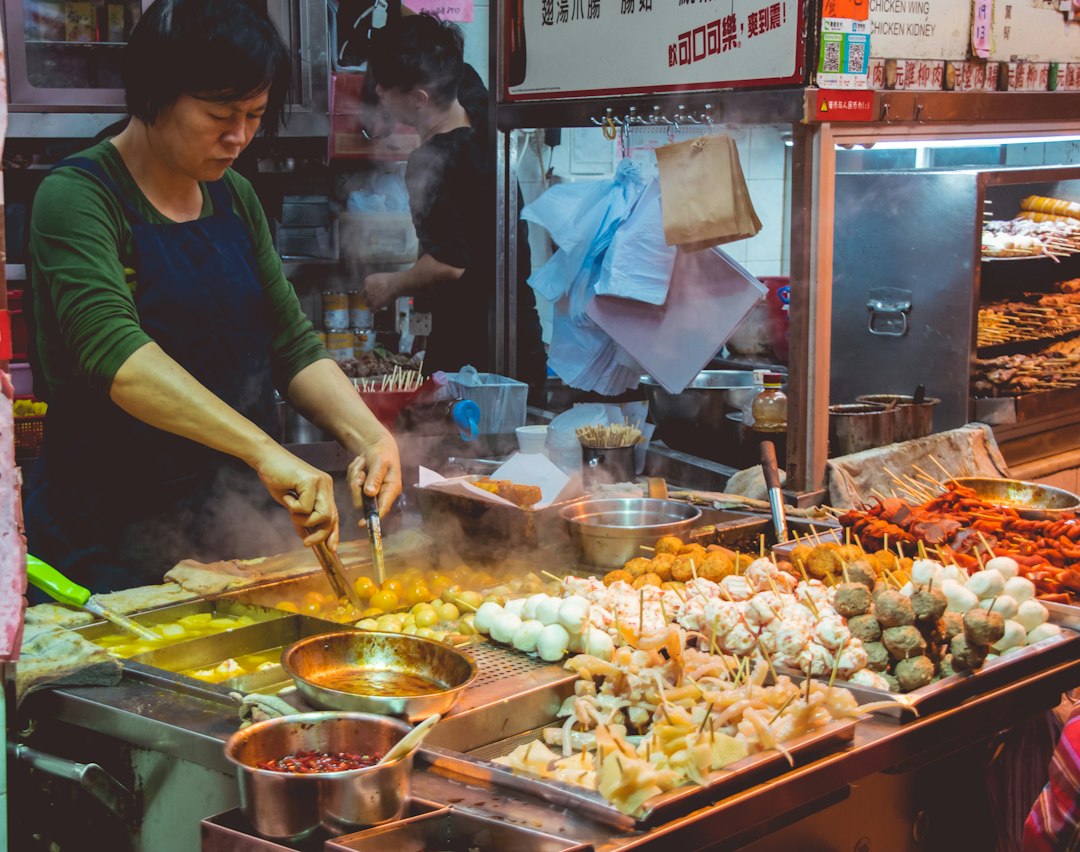
Culinary travel cities for market lovers
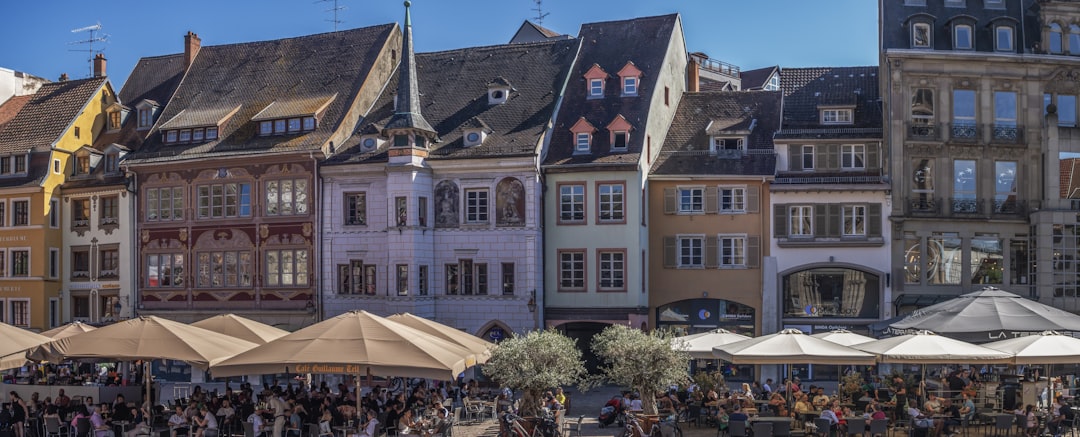
Photo by Snap Wander on Unsplash
The first category of culinary travel cities rewards people who want to begin at the source: produce stacked in pyramids, fish counters flashing silver, herb bundles tied with string, and cooks who treat the market as both pantry and social stage. These are cities where you do not just taste dishes; you see the ecosystem behind them. A morning in the market sharpens everything that follows, from lunch choices to restaurant reservations.
They are also ideal places for travelers who like structure without rigidity. A smart guide can decode ingredients, etiquette, and timing, but these cities still reward solo detours. The best guided tasting tours here leave room for spontaneity: an extra stop at a stall frying something irresistible, a conversation with a cheesemonger, a second coffee because the first one was too good to be the last.
Mexico City, Mexico
Among culinary travel cities, Mexico City is almost impossibly generous. You can spend the morning in Mercado de San Juan studying exotic produce, aged cheeses, and carefully arranged charcuterie, then cross town for blue-corn tlacoyos sizzling on a comal in a neighborhood that feels entirely different. Food here is not a niche interest; it is the shape of the city itself. Roma, Condesa, Centro, Coyoacán, Narvarte, and Santa María la Ribera all feed you in distinct dialects.
What makes Mexico City especially strong for local food experiences is its range. One day can move from pre-Hispanic ingredients to Lebanese-influenced tacos al pastor to modern tasting menus that reinterpret familiar street flavors. Even the air changes from block to block: toasted chiles near a fonda doorway, sweet bread drifting from a bakery, cut fruit and lime in a market aisle, smoke from a trompo turning in the evening. For travelers who want dense, high-reward food markets and memorable street food tours, few cities feel this alive.
- Start with Mercado de San Juan, Ernesto Pugibet 21, Centro, for produce, deli counters, and unusual ingredients.
- Go to Coyoacán Market for tostadas, churros, and a softer, more family-heavy pace.
- Save an evening for tacos al pastor at El Vilsito in Narvarte or late-night taquerías in Roma Sur.
- Expect to pay about US$45-90 for a 3-5 hour tour with 6-10 tastings.
- Best base: Roma Norte, Condesa, or the historic center if you want walkability and easy ride-hails.
Palermo, Italy
Palermo does not present its food politely. It arrives hot, loud, oily, aromatic, and deeply confident. Ballarò, Capo, and Vucciria are not polished market experiences designed for visitors; they are living stages where Arabic, Spanish, Jewish, Norman, and Sicilian influences collapse into one thrillingly messy bite. This is one of those culinary travel cities where the market soundtrack matters almost as much as the food: shouted prices, scooters slipping through gaps, espresso cups clinking, fishmongers calling out the day's catch.
For travelers who love food markets with visible history, Palermo is a masterclass. You taste chickpea fritters that reflect poverty and ingenuity, baked pasta that feels ceremonial, and spleen sandwiches that ask you to trust the city a little more than usual. The reward is that Palermo never feels sanitized. Its street food tours are strongest when they stay rooted in markets and side streets rather than chasing only famous names. Come hungry, keep your schedule light, and be ready for a lunch that turns into an afternoon.
- Head first to Ballarò Market around 10 a.m. when vendors are fully awake and frying begins in earnest.
- Look for panelle, crocchè, sfincione, arancine, stigghiola, and pani ca meusa.
- Pair a walking tasting route with an afternoon visit to Quattro Canti and the Cathedral area.
- Typical small-group food walks cost €40-75, often including wine, sweets, and market tastings.
- Best base: Kalsa for atmosphere, Centro Storico for convenience, or near Teatro Massimo for a smoother first stay.
Marrakech, Morocco
Marrakech is one of the most dramatic culinary travel cities because it changes personality across the day. In the morning, the medina smells of bread, mint, leather, spice, and dust warming in the sun. By night, Jemaa el-Fnaa becomes a living menu of smoke, broth, grilled meats, snails, sweets, and orange juice. Even when a stall caters partly to visitors, the sensory intensity remains real. You are constantly negotiating between the known and the unfamiliar.
The best local food experiences in Marrakech happen when you mix a few structured stops with plenty of room to wander. A guide helps with context, prices, and social ease, but some of the city's magic lies in following your nose down a lane toward msemen folded on a flat top or a clay-pot tanjia cooked slowly until the meat gives way at the touch of a spoon. Marrakech also rewards patient tea breaks. Sit, slow down, listen, and the city starts tasting more precise than its first burst of color might suggest.
- Explore the olive and spice lanes near Rahba Kedima before evening crowds peak.
- Try harira, tanjia, mechoui, msemen with honey, and fresh orange juice in the square.
- Book a night tasting walk if you want help navigating Jemaa el-Fnaa without wasting appetite on mediocre stalls.
- Expect food tours to cost about €35-70 depending on group size and inclusions.
- Best base: inside the medina for atmosphere, or in Gueliz if you prefer easier car access and quieter nights.
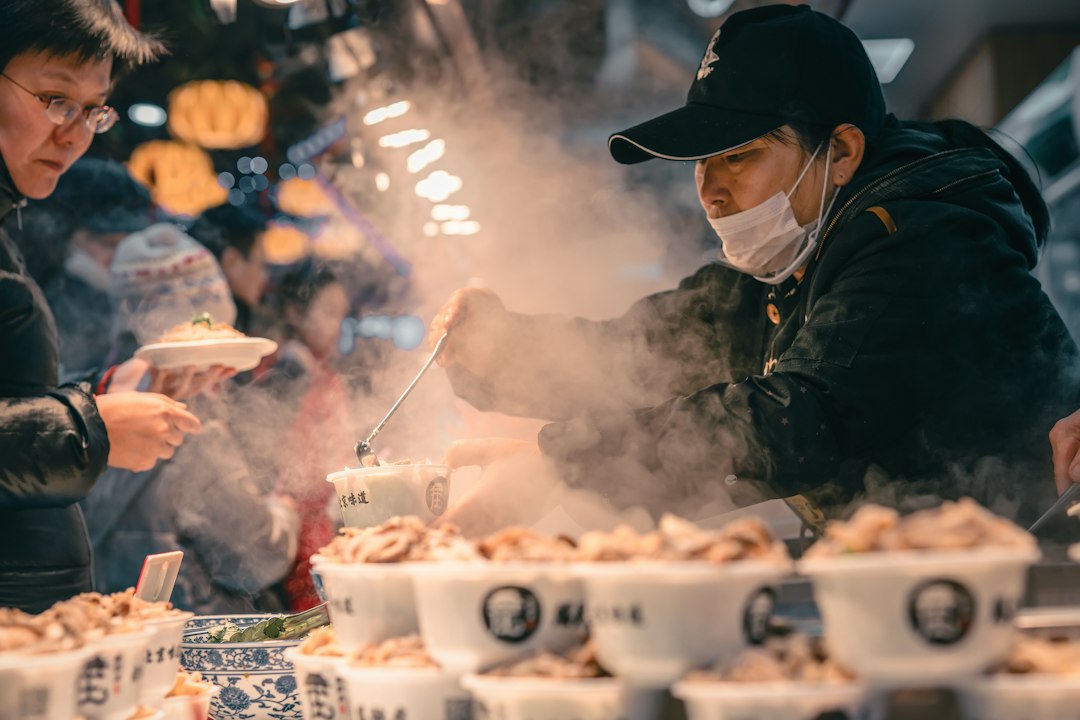
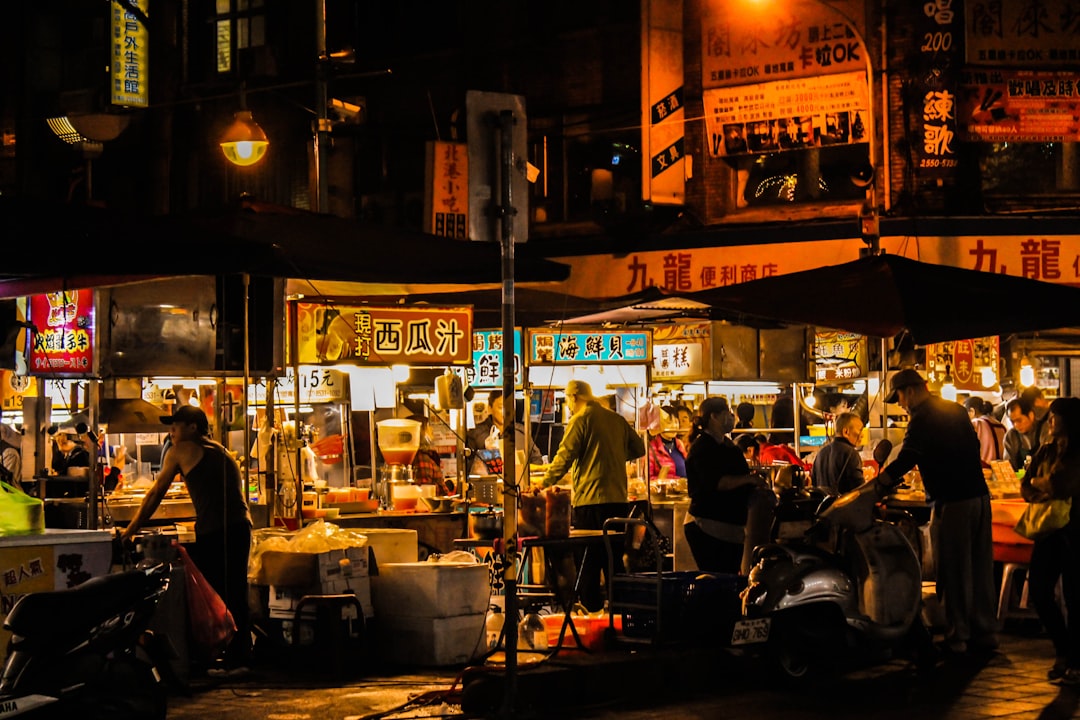
Best street food tours for night owls
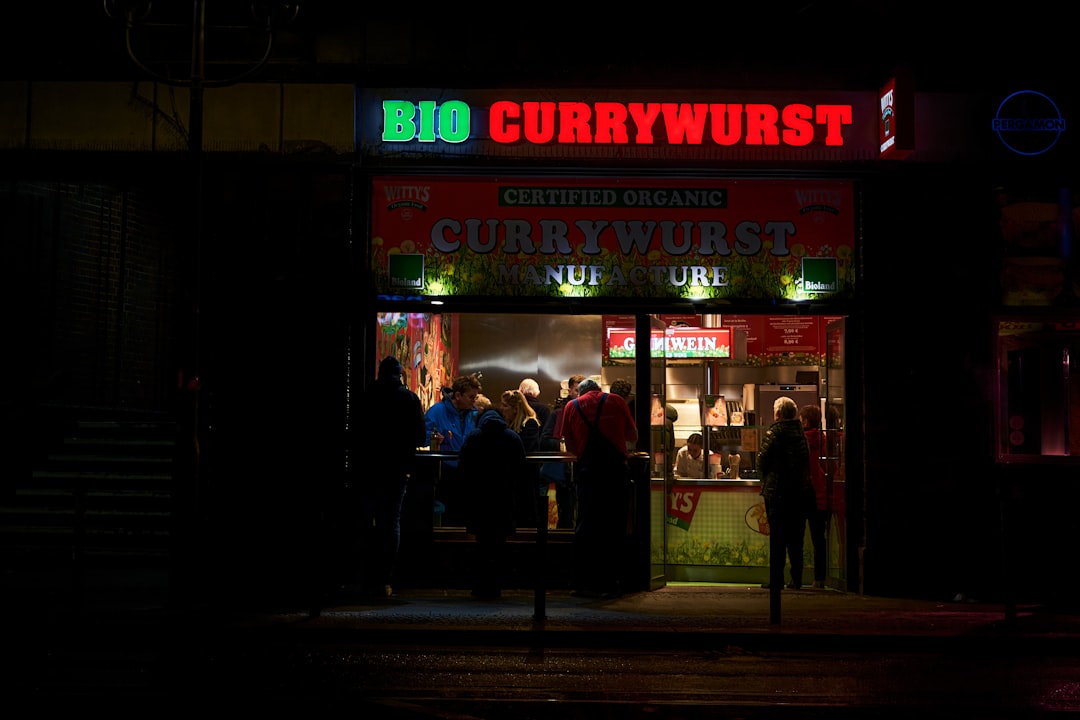
Photo by Jens Freudenau on Unsplash
Some culinary travel cities do their best work after sunset. Heat drops, charcoal wakes up, commuters turn into snack-seekers, and whole districts become edible theater. If your ideal trip means small bites over many hours rather than one sit-down meal, this is your category. These cities invite grazing, detours, and repeat visits to the same block because it somehow looks even better at 11 p.m. than it did at 8.
This is also where street food tours shine brightest. At night, decision fatigue becomes real, and a good guide helps you skip weak stalls, understand order etiquette, and pace your appetite. Even if you usually prefer independent wandering, the right city after dark can justify one of the better guided tasting tours on your whole trip.
Osaka, Japan
Osaka has long understood that food is a form of entertainment. Dotonbori's canal-side glare can feel theatrical, but the deeper pleasure lies in the city's relaxed seriousness about everyday comfort food. Takoyaki arrives molten and slippery, kushikatsu crackles at the table, okonomiyaki blurs the line between snack and meal, and tiny counters seem built for the simple happiness of ordering one more plate than planned. Among culinary travel cities, Osaka is the one that most fully embraces abundance without pretension.
The trick is not to treat Osaka as a checklist. Yes, you should walk Dotonbori, Kuromon Ichiba, and Shinsekai. But the city's strongest street food tours often drift into side streets around Namba, Fukushima, and Tenma, where standing bars, yakitori smoke, and noodle shops create a slower, more local rhythm. Osaka is also superb for repeat eating: a quick lunch, a long izakaya night, then a late stop for ramen or gyoza. Few culinary travel cities make second dinner feel so reasonable.
- Start in Kuromon Ichiba Market for seafood skewers, tamagoyaki, and fruit before crowds swell.
- Spend your evening between Dotonbori and the Hozenji Yokocho lanes for neon and older atmosphere.
- In Shinsekai, order kushikatsu and remember the local rule: no double-dipping in the shared sauce.
- Typical evening tours cost ¥7,000-14,000, usually with 5-8 dishes and a drink.
- Best base: Namba for pure energy, Umeda for transport connections, or Tennoji for value.
Ho Chi Minh City, Vietnam
Ho Chi Minh City feels as if the entire urban machine runs on appetite. Plastic stools appear wherever there is room, scooters hum past inches from your elbow, and a single block can offer grilled shellfish, broken rice, noodle soup, sugarcane juice, and dessert soup without requiring you to cross the street. It is one of the most kinetic culinary travel cities on earth, and that speed is exactly why guided first-night eating can be helpful.
The city's best local food experiences usually happen outside the obvious tourist loop. District 1 is easy, but District 3, District 4, Phu Nhuan, and Binh Thanh often deliver richer nights, especially if your guide knows which alley has the best ốc, which stand grills pork just right for cơm tấm, and which family has been pouring the same broth for decades. Great street food tours here are not just about what you eat; they are about learning how to cross, sit, order, and stay calm in the glorious noise.
- Try bánh xèo, cơm tấm, bún thịt nướng, ốc, bánh mì, and chè over one extended evening.
- Wander Nguyễn Thượng Hiền Street or Vĩnh Khánh Street for snack-dense after-dark energy.
- Add a morning coffee stop for cà phê sữa đá or egg coffee-style drinks before the heat builds.
- Most small-group night tours cost US$25-60 and often include transport between stops.
- Best base: District 1 for convenience, District 3 for a more local feel, or Thao Dien if you want calmer mornings.
Istanbul, Türkiye
Istanbul's magic lies in motion. Ferries stitch together continents, tea appears at exactly the right moment, and neighborhoods shift flavor identities within a few tram stops. One part of town wants you to nibble simit on the go; another asks you to settle into meze, grilled fish, or offal with the seriousness of a local. Among culinary travel cities, Istanbul may be the best at making movement itself part of the meal.
The city's strongest food routes combine old favorites with neighborhood specificity. Karaköy is good for baklava and coffee; Kadıköy excels in market browsing, meyhane culture, and cheese shops; Beşiktaş feels youthful and snackable; Eminönü still pulls people toward fish sandwiches and sweets. What elevates Istanbul's guided tasting tours is the geography. You are not just sampling dishes; you are learning why ferry access, migration, religion, and trade turned the city into such a layered table.
- Begin in Kadıköy Market for cheeses, pickles, olives, meze ingredients, and excellent casual counters.
- On the European side, taste simit, döner, baklava, balık ekmek, kokoreç, and lahmacun.
- Ride a ferry between tastings; it resets the palate and gives the city time to rearrange itself.
- Typical tours cost €35-80 depending on neighborhood count and transport included.
- Best base: Karaköy for views and transit, Sultanahmet for first-timers, or Kadıköy for repeat visitors.
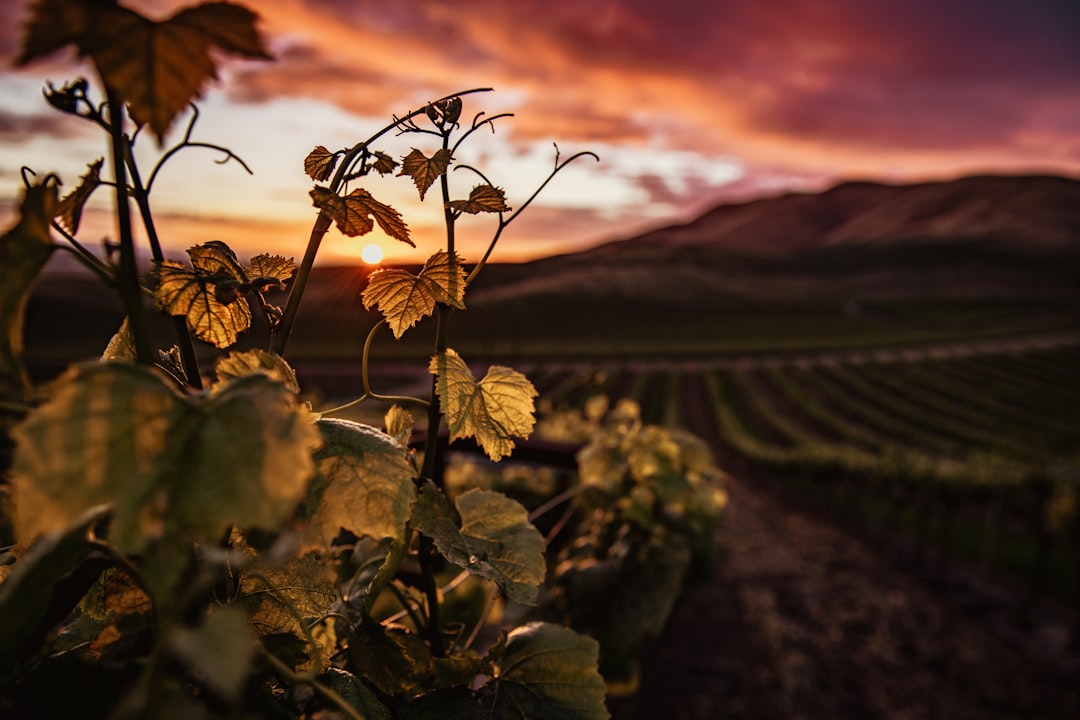
Local food experiences worth flying for
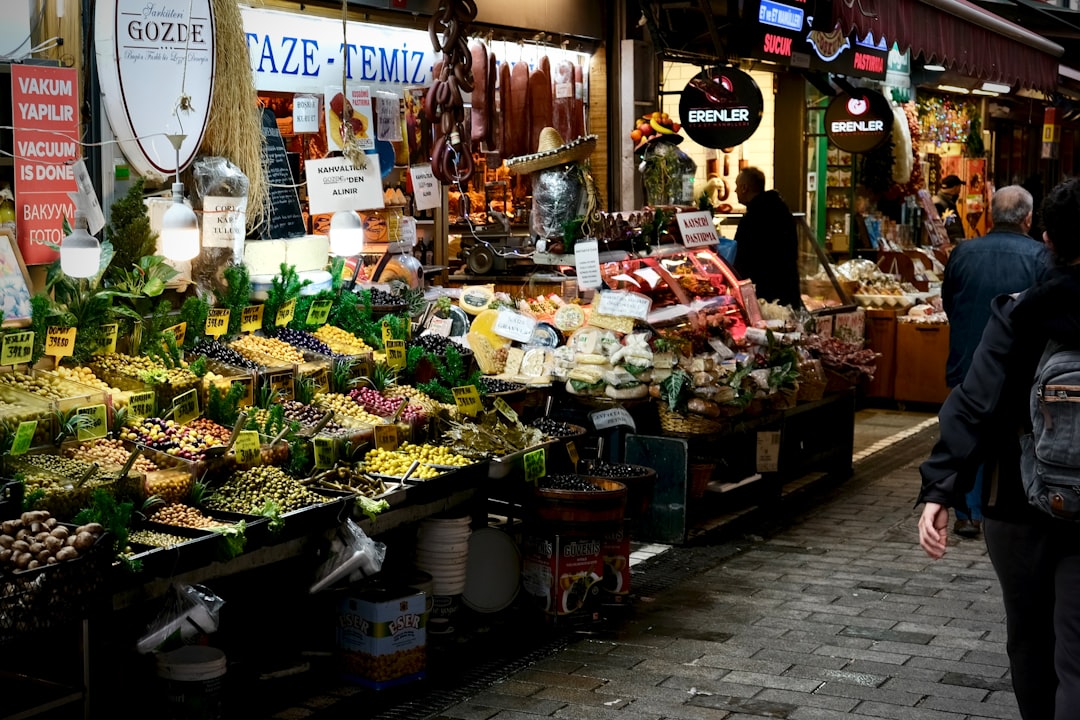
Photo by Andreea Munteanu on Unsplash
Not every great eating city is built on speed. Some of the finest culinary travel cities reveal themselves through lunch, market conversation, and the slow recognition that a dish carries centuries of migration, trade, colonization, adaptation, and pride. These are places where one ingredient can lead to an entire history lesson, and where a meal feels incomplete without the story of who brought it, changed it, or preserved it.
They also suit travelers who want their local food experiences to stretch beyond snacks. You might still take a market walk or a short tasting crawl, but these cities reward longer sits, cooking classes, wine conversations, and the kind of second-day understanding that makes the third day even better.
Lima, Peru
Lima is often discussed through fine dining, but its real power lies in how naturally it moves between market culture, seafood brilliance, immigrant influence, and neighborhood comfort. In Surquillo, you can see produce that feels almost painted in impossible color. In Barranco, lunch may slide into pisco at golden hour. In central districts, chifa and Nikkei traditions remind you that Peruvian cuisine is also a story of encounter. Among culinary travel cities, Lima offers one of the clearest lessons in how a capital can absorb the nation and still remain distinct.
The best local food experiences in Lima begin early. Ceviche is a daytime dish; markets are liveliest before afternoon heat; anticuchos carry a different charm when smoke starts building after sunset. Do not reduce the city to one famous restaurant. A stronger approach is to mix a Surquillo market visit, a cevichería lunch, an evening around Barranco, and one or two deeper dives into criollo, chifa, or Amazonian ingredients. Lima's food markets and restaurant culture feed each other beautifully.
- Visit Mercado N.1 de Surquillo for fruit, ají varieties, herbs, and snack stops with market regulars.
- Eat ceviche at lunch, not dinner, when the city's fish culture feels freshest and most traditional.
- Try anticuchos, causa, lomo saltado, leche de tigre, and chifa dishes in one short stay.
- Good small-group food walks usually cost US$45-95, especially if pisco or market tastings are included.
- Best base: Miraflores for logistics, Barranco for atmosphere, or San Isidro for a polished stay.
Tbilisi, Georgia
Tbilisi is one of the most underrated culinary travel cities because it balances ease and surprise so well. The food is instantly comforting, but the details keep opening up: different khachapuri styles, the ritual of khinkali, walnut-rich sauces, tarragon sodas, churchkhela hanging like edible lanterns, and amber wines that taste like nowhere else. The city has a gentle generosity to it. Tables fill quickly, pours get generous, and meals often stretch past their planned endpoint.
For travelers seeking guided tasting tours that feel personal rather than performative, Tbilisi is excellent. The old town is walkable, bazaar culture still matters, and wine is central enough that a guide can shift seamlessly from bread to dumplings to qvevri winemaking without it feeling forced. Dezerter Bazaar gives you the raw, practical city; cozy cellar restaurants give you warmth and depth. Among culinary travel cities, Tbilisi is less about spectacle than fellowship, and that intimacy is exactly why people remember it.
- Start at Dezerter Bazaar for cheese, herbs, spices, pickles, and pantry insight before lunch.
- Order khinkali carefully, learn the twist-and-sip technique, and do not rush the first bite.
- Seek out khachapuri, badrijani nigvzit, mtsvadi, lobio, churchkhela, and amber wines.
- Most food and wine walks cost US$30-65, often with more pours than you expect.
- Best base: Old Tbilisi for romance, Vera for cafés and wine bars, or Avlabari for value with views.
How to get there
Because these culinary travel cities are scattered across several regions, the smartest strategy is rarely a simple round trip. Open-jaw tickets often save time: fly into one city and out of another, then use short regional hops or trains in between. Europe is especially forgiving for this style of routing. Palermo can pair well with other Italian or Mediterranean stops, Istanbul links easily to both Europe and the Caucasus, and Marrakech works neatly with Madrid, Lisbon, or Paris connections.
In Asia, Osaka and Ho Chi Minh City are strong anchors for longer itineraries, while Mexico City and Lima work well as standalone deep dives or as part of broader Latin America routes. If you prefer ground travel once you land, several of these cities have excellent rail or bus add-ons: Osaka is about 2 hours 30 minutes from Tokyo by Nozomi shinkansen, Marrakech is roughly 2 hours 40 minutes from Casablanca by ONCF train, Istanbul connects to Ankara by high-speed rail in around 4 hours 40 minutes, and Palermo can be linked to Naples by overnight ferry in about 10 to 11 hours.
| City | Airport | Best transfer to center | Time | Typical cost | Useful link |
|---|---|---|---|---|---|
| Mexico City | Benito Juárez International, MEX | Metrobus Line 4 or authorized taxi | 30-50 min | MXN 30 by Metrobus; MXN 250-350 by taxi | AICM |
| Palermo | Falcone Borsellino, PMO | Prestia e Comandè bus to center | 45-55 min | about €6.50 | Aeroporto di Palermo |
| Marrakech | Menara Airport, RAK | Official taxi or airport bus | 15-25 min | MAD 150-200 taxi | Marrakech Menara Airport |
| Osaka | Kansai International, KIX | Nankai Rapi:t to Namba or JR Haruka | 38-50 min | about ¥1,490-2,400 | Kansai Airport |
| Ho Chi Minh City | Tan Son Nhat, SGN | Ride-hail or taxi | 25-45 min | VND 120,000-180,000 | ACV Vietnam Airports |
| Istanbul | Istanbul Airport, IST | Havaist bus or taxi | 50-90 min | about TRY 204 by bus | Istanbul Airport |
| Lima | Jorge Chávez International, LIM | Official airport taxi or shuttle | 45-60 min | PEN 60-80 | Lima Airport |
| Tbilisi | Tbilisi International, TBS | Bus 337 or taxi | 25-40 min | GEL 1 by bus; GEL 40-60 taxi | TAV Georgia |
Things to do
Food tours work best when they are not the only thing you do. Appetite sharpens when you alternate tasting with walking, ferry rides, cathedral visits, market photography, or simply time spent getting slightly lost in the right district. The point is not to burn calories for virtue; it is to understand the city from more than one angle so that the next bite lands with context.
In the strongest culinary travel cities, even non-food activities loop back into the meal. An architecture walk in Palermo helps explain Arab-Norman traces in the market. A ferry ride in Istanbul makes fish sandwiches and tea feel geographically inevitable. A shrine visit in Osaka changes how you see the neighborhood around your next okonomiyaki stop. Every city below rewards that kind of layered day.
- Mexico City: Wander Mercado de San Juan, then walk to the Palacio de Bellas Artes and Alameda Central before an afternoon in Roma Norte.
- Palermo: Explore Ballarò Market, the Cathedral, Quattro Canti, and the Capuchin-adjacent old streets before sunset aperitivo in Kalsa.
- Marrakech: Visit Bahia Palace, Le Jardin Secret, and the souks, then return to Jemaa el-Fnaa after dark for the full food spectacle.
- Osaka: Pair Kuromon Ichiba with a Dotonbori night walk and a quiet detour through Hozenji Yokocho's lantern-lit lane.
- Ho Chi Minh City: Spend the morning at Ben Thanh's edges or a neighborhood market, then visit the War Remnants Museum and finish with a District 4 seafood crawl.
- Istanbul: Cross by ferry between Eminönü and Kadıköy, stop at the Spice Bazaar, then watch evening light from Galata Bridge.
- Lima: Browse Surquillo market in the morning, walk the Malecón in Miraflores, and end in Barranco for bars and late desserts.
- Tbilisi: Start at Dezerter Bazaar, ride the cable car to Narikala for views, then drift back down for wine bars and dumplings.
Where to stay
The best base in a food city is rarely the prettiest one on a map. What matters is how easily you can reach breakfast, transit, late-night snacks, and at least one reliable coffee stop without logistical friction. In these culinary travel cities, a hotel five minutes from a market or tram line can outperform a far more glamorous address that leaves you relying on taxis for every meal.
I also like choosing neighborhoods that let one meal happen almost by accident. A stay in Kadıköy makes it easy to turn an errand into a meze stop. A room in Barranco turns dessert into an evening walk. Roma Norte lets Mexico City feel manageable between larger excursions. If the trip is built around local food experiences, proximity is worth paying for.
| Budget tier | Hotel | Area | Typical nightly rate |
|---|---|---|---|
| Budget | Casa Pepe Hostel Boutique, Mexico City | Centro Histórico | US$18-30 dorm, US$55-80 private |
| Budget | Hotel Ballarò, Palermo | Albergheria | €75-110 |
| Budget | Fabrika Hostel & Suites, Tbilisi | Chugureti | US$15-25 dorm, US$45-70 private |
| Mid-range | Cross Hotel Osaka | Dotonbori area | US$120-180 |
| Mid-range | Casa Andina Select Miraflores | Lima | US$110-160 |
| Mid-range | 10 Karaköy Istanbul | Karaköy | US$140-220 |
| Luxury | Four Seasons Hotel Mexico City | Paseo de la Reforma | US$500-800 |
| Luxury | La Mamounia, Marrakech | Hivernage | US$600-900 |
| Luxury | Hotel B, Lima | Barranco | US$300-480 |
Where to eat
Even in cities famous for tours, some meals are better taken alone or with only one companion and a little nerve. A guide may lead you to context, but appetite also thrives on repetition: returning to the bakery that smelled best at noon, chasing the same broth twice, comparing two versions of one dish because you cannot stop thinking about the first. The strongest culinary travel cities allow both styles. They can be decoded with help, then enjoyed more deeply on your own.
The list below is not meant as a definitive best-of. It is a practical starting point for neighborhoods, dishes, and specific names that consistently make a short stay feel fuller. Use it to anchor your days around food markets, classic counters, and one or two restaurants that show the broader range of each city.
- Mexico City: El Vilsito for tacos al pastor in Narvarte; Expendio de Maíz for ingredient-driven Mexican cooking in Roma; Mercado de Coyoacán for tostadas and antojitos.
- Palermo: Nni Franco U Vastiddaru for pani ca meusa; Antica Focacceria San Francesco for classic Sicilian dishes; Ballarò and Capo for panelle, arancine, and sfincione.
- Marrakech: Mechoui Alley near the medina for slow-cooked lamb; stalls in Jemaa el-Fnaa for harira and grilled meats; Café Clock for a more polished take on Moroccan staples.
- Osaka: Mizuno in Dotonbori for okonomiyaki; Yaekatsu in Shinsekai for kushikatsu; Kuromon Ichiba for seafood snacks and tamagoyaki.
- Ho Chi Minh City: Cơm Tấm Ba Ghiền for pork and broken rice; Bánh Xèo 46A for crisp pancakes; Ốc Oanh in District 4 for shellfish and late-night bustle.
- Istanbul: Karaköy Güllüoğlu for baklava; Çiya Sofrası in Kadıköy for regional Turkish depth; fish sandwiches around Eminönü when the Bosphorus mood is right.
- Lima: Isolina in Barranco for generous criollo comfort food; El Mercado in Miraflores for seafood; Surquillo market stalls for fruit, juices, and quick lunches.
- Tbilisi: Mapshalia for Mingrelian flavors; Salobie Bia for beans, breads, and home-style Georgian cooking; wine bars around Old Tbilisi for amber pours and small plates.
Practical tips
The pleasure of food-first travel is that it feels spontaneous even when it is planned well. Still, logistics matter. Heat can flatten appetite. Monday closures can quietly erase your wishlist. The wrong neighborhood can turn a dream trip into a constant ride-hail routine. A little preparation keeps the romance intact and makes room for better improvisation.
Season matters more than many travelers expect. Mexico City is especially comfortable from February to April and again from October to November. Palermo shines in late spring and September, when the city is lively but not as punishingly hot. Marrakech is best in March to May and October to November. Osaka and Tbilisi reward spring and autumn. Lima is excellent year-round for food, though its gray winter skies from June to September surprise some visitors. Ho Chi Minh City can be rewarding any month if you accept humidity, while Istanbul is most pleasant in April to June and September to October.
Budgeting also changes by city. Osaka and Mexico City can become expensive if you mix cocktail bars and higher-end dinners with multiple paid tours; Ho Chi Minh City and Tbilisi usually stretch further; Palermo and Marrakech sit in the middle if you balance market eating with one nicer meal a day. If you want a method for planning daily spend without guesswork, How to Budget for Travel in 2026 Using a Real Rome Trip is still one of the clearest budgeting frameworks to borrow. And if you are extending your route into lower-cost destinations, compare your assumptions with What $50 a Day Feels Like in the Cheapest Countries to Travel in 2026.
| City | Best months | Street-snack budget | Mid-range dinner budget | Notes |
|---|---|---|---|---|
| Mexico City | Feb-Apr, Oct-Nov | US$8-15/day | US$20-45 pp | Mild altitude, cool evenings |
| Palermo | Apr-Jun, Sep-Oct | €10-18/day | €25-50 pp | Hot midsummer afternoons |
| Marrakech | Mar-May, Oct-Nov | €8-15/day | €20-45 pp | Dry climate, cool nights in winter |
| Osaka | Mar-May, Oct-Nov | ¥2,000-4,000/day | ¥3,500-8,000 pp | Carry cash for smaller spots |
| Ho Chi Minh City | Dec-Mar ideal, good year-round | US$6-12/day | US$12-30 pp | Humid; rain showers are common |
| Istanbul | Apr-Jun, Sep-Oct | €8-15/day | €20-45 pp | Hilly streets, layered weather |
| Lima | Mar-May, Sep-Nov | US$8-15/day | US$20-45 pp | Coastal gray skies in winter |
| Tbilisi | Apr-Jun, Sep-Oct | US$6-12/day | US$15-35 pp | Wine pours can enlarge the bill |
- Cash and cards: Carry some local cash in Palermo, Marrakech, Tbilisi, Ho Chi Minh City, and older-market parts of Istanbul. Many stalls remain cash-first.
- What to pack: Breathable layers, hand wipes, a small crossbody bag, electrolytes, and shoes you do not mind getting market dust or oil spots on.
- Food safety: Choose busy stalls with visible turnover, fresh cooking, and hot food served hot. If Bangkok is also on your itinerary, read Bangkok Street Food Safety Tips for 2026: Eat Boldly, Not Blindly before you go.
- Etiquette: In Japan, avoid eating while walking in some areas if locals are seated nearby; in Georgia, toasts can be meaningful and frequent; in Morocco, accept mint tea when offered if time allows.
- Connectivity: eSIM coverage is generally easy in Mexico, Japan, Türkiye, Peru, and Georgia. Vietnam and Morocco also have straightforward airport SIM options.
- Tour timing: Book street food tours for your first evening or first morning, then leave later meals unstructured once you know the city's rhythm.
- Dietary needs: Vegetarian travelers do well in Mexico City, Istanbul, and Tbilisi. Osaka and Ho Chi Minh City require more attention to broth, fish sauce, and dashi.
FAQ
Which city is best for first-time food tours?
If you want an easy first step into culinary travel cities, start with Mexico City or Istanbul. Both offer huge variety, strong guide infrastructure, and enough familiar reference points to make unfamiliar dishes feel exciting rather than intimidating. Osaka is also excellent if you enjoy order, transit ease, and late-night eating.
Are street food tours worth it if I usually explore alone?
Yes, especially on day one. In the best culinary travel cities, street food tours help you learn ordering etiquette, payment norms, neighborhood geography, and which dishes are best at which hour. After that, you can wander independently with far more confidence and usually eat better for the rest of the trip.
How much do guided tasting tours usually cost?
Most guided tasting tours in this guide range from about US$25 at the lower end in Ho Chi Minh City or Tbilisi to US$90 or more in Mexico City and Lima if transport, drinks, or premium stops are included. Evening tours are often pricier than morning market walks.
Which city is best for travelers who love food markets?
For pure market drama, Mexico City and Palermo stand out. Lima is superb if you want produce education alongside restaurant culture, and Istanbul offers a broader neighborhood market experience that pairs beautifully with ferries and tea. Travelers obsessed with food markets could build an entire year of trips around those four alone.
Can vegetarians enjoy these destinations?
Absolutely, though the ease varies. Mexico City, Istanbul, and Tbilisi are especially good for vegetarian travelers thanks to beans, breads, cheeses, mezze, and vegetable-heavy dishes. Marrakech can also be rewarding. Osaka, Lima, and Ho Chi Minh City are still possible, but you need to ask more questions about stock, fish sauce, and hidden meat elements.
The best food city is not always the one with the most famous restaurants. Often it is the one that changes how you walk. You wake earlier for market hours, leave room in the afternoon for another snack, take a longer route home because one street smells better than the next, and start measuring a destination not by monuments alone but by where you would happily eat the same thing twice.
That is why these culinary travel cities endure in memory. They do not just give you standout meals; they train your attention. Long after the trip ends, you remember the hiss of oil in Palermo, the ferry wind in Istanbul, the fruit stalls in Lima, the midnight neon of Osaka, the mint and smoke of Marrakech. Good travel feeds you. Great food travel teaches you how to notice.