What $50 a Day Feels Like in the Cheapest Countries to Travel in 2026
A strange thing happens when you land in the cheapest countries to travel in 2026: your habits loosen before your wallet does. You stop treating every coffee like a tiny financial decision. You order the extra plate of dumplings. You say yes to the sunrise boat, the sleeper train, the old city guesthouse with a balcony, because suddenly travel feels expansive again. In the right destination, $50 a day does not feel like austerity. It feels like possibility.
That is the real story behind budget travel 2026. The biggest savings rarely come from one heroic flight hack or a single lucky hotel deal. They come from picking places where food is still cooked for locals first, where buses knit cities together for the cost of a sandwich, and where a private room can be cheaper than an airport meal back home. When I sketch routes and compare burn rates in TravelDeck, the most dramatic difference is nearly always what happens after arrival: the daily spend, not the airfare, decides whether a trip feels rushed or gloriously open-ended.
This guide is not another generic roundup of the cheapest places to visit. It is a ground-level look at what your money actually buys once you are there: the smell of broth rising from a Hanoi sidewalk, the dusty gold light around temple stones in Siem Reap, the clatter of chai cups in Jaipur, the sharp mountain air above Pokhara, the salt breeze off the Albanian Riviera. If you are planning affordable countries to travel through next year, think of this as a field note from the road rather than a spreadsheet with a passport.
How the cheapest countries to travel stretch a daily travel budget
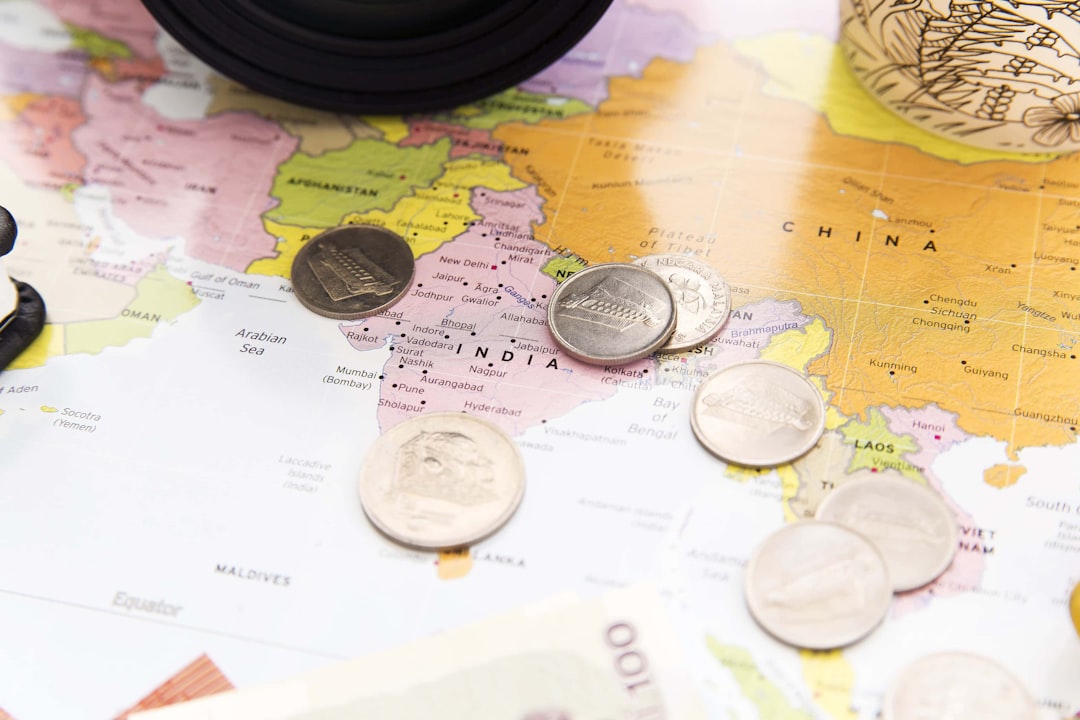
Photo by OhTilly on Unsplash
The numbers below assume independent travel, not resort packages. They also assume a traveler who wants comfort and character, not survival mode: a hostel dorm or simple private room, local meals, public transport, a few paid sights, and enough wiggle room for coffee, laundry, or the occasional splurge. International flights are not included, because the whole point here is how far your money stretches once boots hit pavement.
A good daily travel budget is not just about finding the lowest headline price. It is about friction. Can you move between cities without hiring a car? Can you eat memorably for $3 to $6? Are there budget beds in the neighborhoods you actually want to explore? The cheapest countries to travel are the ones where your costs stay low without draining the joy out of the trip. That is why this list favors destinations with strong food culture, decent transport, and enough tourism infrastructure to make budget travel 2026 feel easy rather than exhausting.
| Country | Realistic daily budget | Bed for the night | Typical local meals | Getting around | Best value months |
|---|---|---|---|---|---|
| Vietnam | $28-$45 | $10-$25 | $1.50-$5 | $2-$20 | Feb-Apr, Oct-Nov |
| Cambodia | $25-$40 | $10-$22 | $2-$6 | $6-$15 | Nov-Feb, Jun-Jul |
| India | $22-$40 | $8-$25 | $1.50-$5 | $1-$18 | Oct-Mar |
| Nepal | $24-$38 | $8-$22 | $2-$6 | $2-$25 | Oct-Nov, Mar-Apr |
| Indonesia | $30-$45 | $12-$30 | $2-$6 | $1-$12 | May-Jun, Sep-Oct |
| Turkey | $35-$50 | $18-$40 | $3-$9 | $2-$25 | Apr-Jun, Sep-Oct |
| Albania | $32-$48 | $18-$35 | $2-$8 | $4-$12 | May-Jun, Sep |
If you are choosing between several cheapest places to visit, notice how the trade-offs change. Vietnam and Cambodia are especially kind to food lovers and first-time backpackers. India and Nepal reward patience with extraordinary depth. Indonesia gives you islands, volcanoes, and culture if you avoid the most inflated pockets. Turkey and Albania are two of the most affordable countries to travel in the wider Europe-Mediterranean orbit, especially outside peak summer.
Vietnam and Cambodia: cheapest countries to travel for food, temples, and easy routes
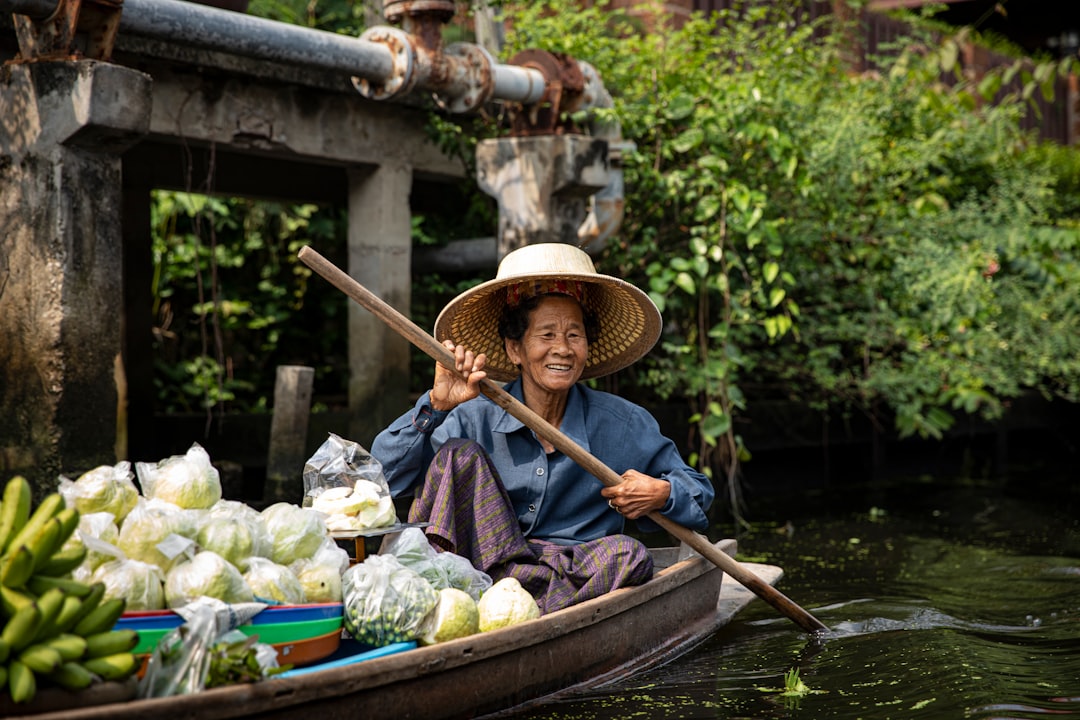
Photo by Leo_Visions on Unsplash
Southeast Asia still sets the standard for low-cost, high-pleasure travel. The streets feed you quickly and well. Buses and trains stitch together major stops. Tourist infrastructure exists, but in the best places it has not flattened local rhythm. You can wake to temple bells, spend an afternoon on a train or minibus, and end the night eating something fragrant and hot on a low plastic stool for less than the price of a bottled water in many airports.
These are also some of the strongest backpacking destinations for travelers who want momentum. Distances make sense. Border crossings are manageable. English is common enough in guesthouses and transport hubs to keep things moving. If you want the cheapest countries to travel without feeling like you are constantly negotiating chaos, this is the sweet spot.
Vietnam
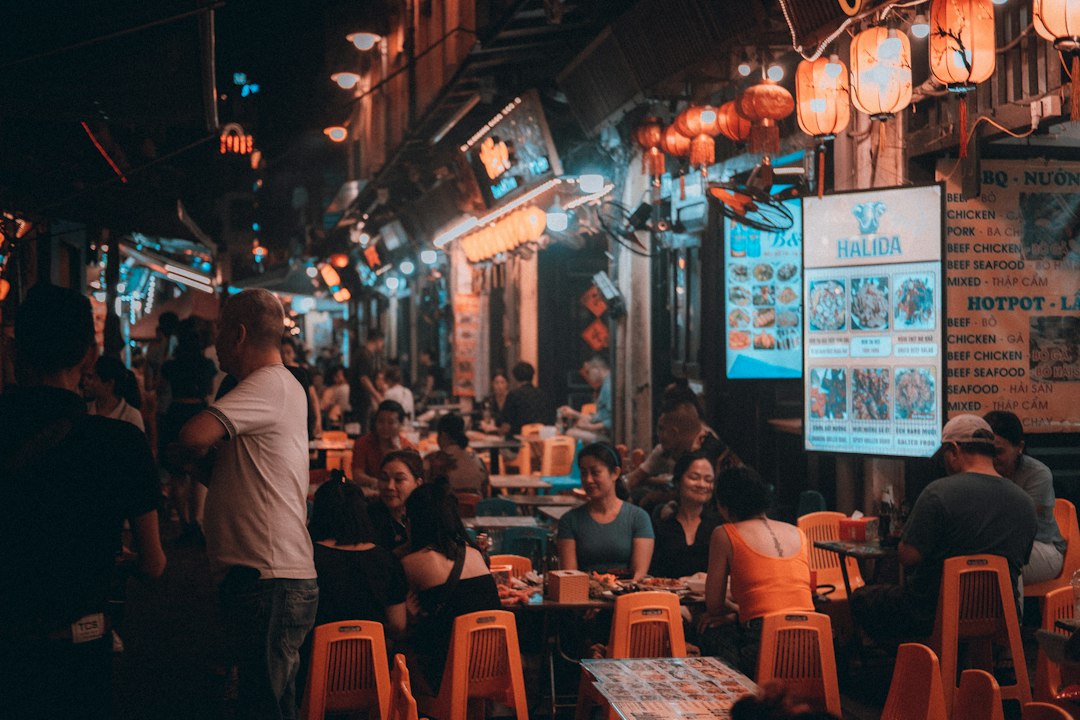
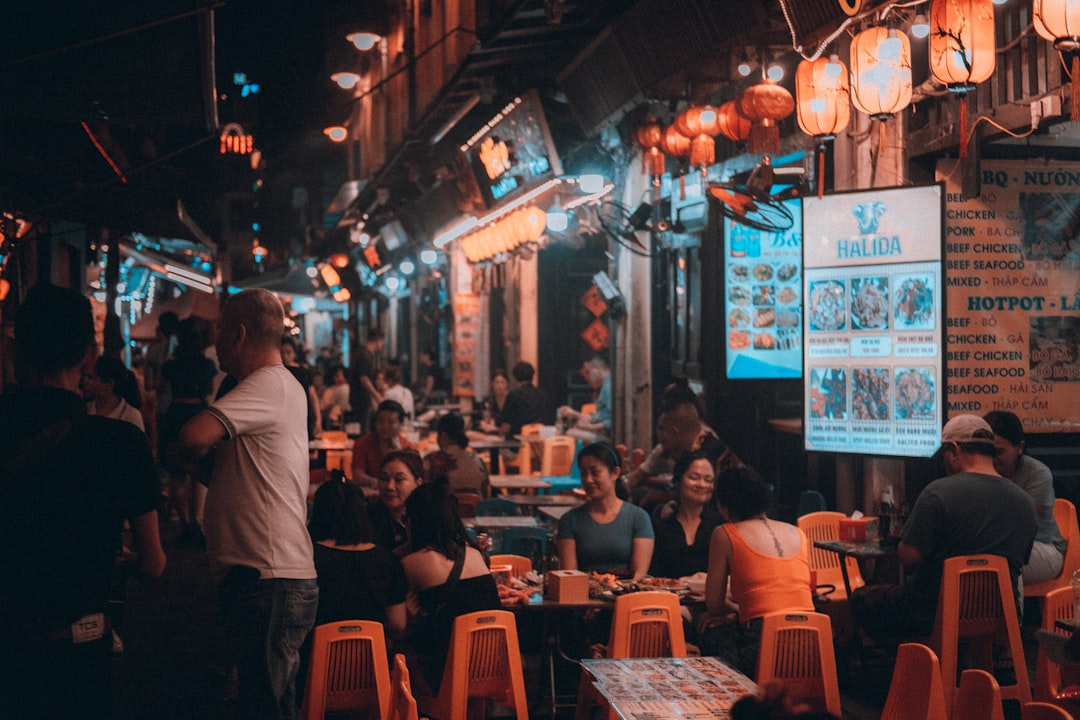
Vietnam is one of those places where frugality and pleasure feel strangely aligned. In Hanoi, dawn begins with the slap of wet market tarps opening, scooters humming over damp pavement, and broth pots sending star anise and cinnamon into the morning air. By lunchtime, the city smells of grilled pork, herbs, and motorbike exhaust; by evening, beer glasses knock together on tiny tables in the Old Quarter. It is vivid, kinetic, and startlingly good value.
The magic of Vietnam is that even your splurges feel reasonable. A clean boutique room in Hanoi or Da Nang can cost less than a basic chain hotel elsewhere. Sleeper buses and trains make long distances affordable. Hoi An, Ninh Binh, Hue, and the Ha Giang Loop all deliver very different moods without blowing up your daily travel budget. Among the cheapest countries to travel, Vietnam remains one of the easiest places to feel rich in experiences without spending like it.
- Realistic daily spend: $28-$45
- Dorm bed in Hanoi or Da Nang: $8-$14
- Simple private room: $15-$30
- Pho, bun cha, banh mi: $1.50-$4 each
- Coffee: $1-$2.50
- Overnight bus or train between major cities: $12-$28
- Strong money-saving move: travel north to south by train or sleeper bus and book stays 3 to 5 nights at a time
- Worthwhile splurge: a small-group Ha Long Bay day cruise or an upgraded homestay in Ninh Binh
Cambodia
Cambodia feels softer and slower, with a warmth that arrives before the details do. Siem Reap has the lantern glow, the tuk-tuks, the scent of lemongrass and charcoal drifting from grills after sunset. Phnom Penh can feel rougher around the edges, but it is compelling in a way budget travelers often appreciate: riverfront light, hard history, inexpensive rooftop bars, and meals that are still rooted in everyday local life. Kampot and Kep add pepper farms, lazy river scenes, and seafood without the price shock of neighboring beach destinations.
Angkor is the obvious headline, but Cambodia works best when you build around it rather than treat it as a one-off stop. The one-day temple pass is not cheap by local standards, yet the rest of your day can be. A fruit shake, a bowl of kuy teav, a bed with a fan or AC, and a tuk-tuk split with another traveler keep the total surprisingly low. For travelers hunting cheapest places to visit that still deliver bucket-list moments, Cambodia punches far above its costs.
- Realistic daily spend: $25-$40
- Dorm bed in Siem Reap: $9-$14
- Private room in a guesthouse: $14-$25
- Noodle soups, curries, amok, fried rice: $2-$6
- Tuk-tuk around town: $2-$5 short rides
- Bus Phnom Penh to Siem Reap: $8-$15
- Angkor pass: $37 for 1 day, $62 for 3 days
- Strong money-saving move: base in Siem Reap for several nights and share temple transport
- Worthwhile splurge: 3-day Angkor pass if you like photography and early starts
India and Nepal: affordable countries to travel for culture, trains, and mountain air
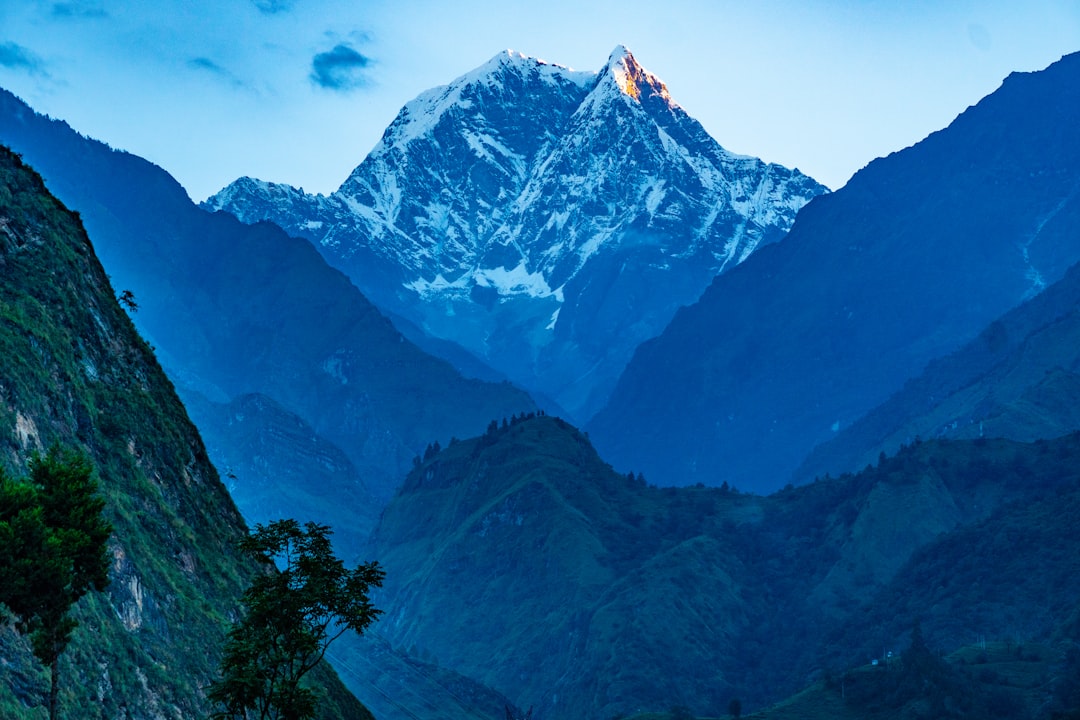
Photo by Shai Pal on Unsplash
South Asia asks more from you, but it gives more back. Noise, color, incense, diesel, prayer, spice, traffic, music, and weather all seem turned up a notch. Yet within that sensory density sits one of the best-value travel regions on earth. If your idea of budget travel 2026 includes depth rather than just low prices, this is where the road gets fascinating.
These are affordable countries to travel if you can accept a little unpredictability. Trains run on their own logic. Streets change tempo by the hour. Heat can be intense, and mountain weather can pivot quickly. Still, your money buys range here: old havelis, courtyards, momo stalls, lakeside guesthouses, overnight trains, and mountain views that feel absurdly generous for the price.
India
India can be the cheapest of all if you travel thoughtfully. One day you are eating a stainless-steel thali in Jaipur, each little bowl refilled before you finish it, while marigold garlands dry in the market heat outside. The next day you are in Udaipur watching the lake turn silver at dusk, or stepping off a sleeper train into Varanasi as smoke, bells, and morning chants rise above the ghats. India does not whisper value; it overwhelms you with it.
But India rewards structure. Book longer train segments in advance, choose neighborhoods with walkable food options, and do not zigzag too aggressively between cities. If you do, the country becomes one of the cheapest countries to travel while still allowing memorable upgrades. Heritage guesthouses, rooftop restaurants, domestic flights on long hops, even beautifully restored havelis can fit inside a modest daily travel budget if the rest of your spending stays local and steady.
- Realistic daily spend: $22-$40
- Dorm bed in Jaipur or Delhi: $6-$12
- Simple private room: $10-$25
- Thali, dosa, kachori, chai: $1.50-$5
- Metro rides in Delhi: under $1
- Sleeper train tickets: $6-$18 on many popular routes
- Domestic budget flights booked ahead: often $35-$70
- Strong money-saving move: use trains for overnight travel and eat lunch thalis instead of tourist-district dinners
- Worthwhile splurge: one or two nights in a heritage haveli in Rajasthan
Nepal
Nepal feels like a conversation between dust and sky. Kathmandu is a tangle of temple courtyards, saffron robes, tangled wiring, scooter buzz, and the smell of incense curling out from stone shrines. Patan slows the pulse with brick lanes and carved windows. Pokhara opens everything up: lake water, paragliders overhead, Annapurna silhouettes beyond the haze. Even before you start trekking, Nepal feels like it is priced for travelers who want time more than luxury.
For mountain lovers, Nepal is one of the smartest backpacking destinations in the world. Tea houses keep costs grounded. Hearty meals such as dal bhat and momos are filling and inexpensive. Tourist buses are cheap if slow, and once you are on the trail your days simplify beautifully: tea, walking, clouds moving across ridgelines, another plate of food, an early night. Among the cheapest countries to travel, Nepal is one of the few where $35 can include world-class scenery rather than just city value.
- Realistic daily spend in cities: $24-$38
- Trekking daily spend on common routes: $25-$45 plus permits
- Dorm bed or simple room in Kathmandu: $7-$14
- Guesthouse in Pokhara: $10-$22
- Momos, dal bhat, noodle soup: $2-$6
- Tourist bus Kathmandu to Pokhara: $10-$25
- Local buses: cheaper but slower and less comfortable
- Strong money-saving move: carry cash into trekking regions and stay in tea houses that discount rooms if you eat on site
- Worthwhile splurge: a guide for a short trek if you want logistics handled and local context
Indonesia, Turkey, and Albania: cheapest countries to travel with beaches, islands, and old cities
Cheap travel gets more interesting when it stops looking stereotypically cheap. That is where this trio stands out. Indonesia gives you volcanic landscapes, surf towns, and temple cities. Turkey delivers imperial architecture, ferry rides, and deeply satisfying food. Albania adds a Mediterranean sheen that still feels underpriced compared with nearby coastlines. If you thought the cheapest countries to travel had to mean compromise, these places challenge that idea.
They also prove that affordable countries to travel are not always the cheapest on every line item. You may spend a bit more on intercity transit, museum entries, or summer rooms near the coast. But the experience-to-cost ratio stays excellent, especially if you pick shoulder season, stay outside the most inflated neighborhoods, and eat where locals actually queue.
Indonesia
Indonesia only feels expensive when travelers treat Bali as if it were a tiny luxury bubble rather than part of a giant, varied country. Move beyond the priciest corners of Canggu and Uluwatu, or skip Bali altogether for Yogyakarta, East Java, Lombok, and Flores, and costs settle fast. In Yogyakarta, the call to prayer rises over tiled roofs at dawn, scooters whine along alleyways, and breakfast can be a plate of gudeg or nasi pecel eaten under a corrugated awning while the street wakes up. It is everyday, flavorful, and inexpensive.
What keeps Indonesia among the cheapest countries to travel is flexibility. You can do city culture, temple visits, volcano sunrises, island ferries, and warung meals without hemorrhaging cash. A scooter and a guesthouse in the right area stretch money wonderfully. Diving trips and Komodo tours are the obvious splurges, but your baseline costs remain low enough that the occasional big day still feels manageable inside a longer trip.
- Realistic daily spend: $30-$45
- Simple guesthouse in Yogyakarta or Ubud outskirts: $12-$28
- Dorm bed: $8-$14
- Warung meals, nasi campur, bakso: $2-$6
- Scooter rental: $5-$7 per day plus fuel
- Airport train in Yogyakarta: about $2
- Ferries and buses between Java and Bali: usually very affordable
- Strong money-saving move: stay outside the trendiest beach strips and use Gojek or Grab instead of private drivers
- Worthwhile splurge: sunrise trip to Borobudur or a shared Komodo boat excursion
Turkey
Turkey has a way of making even simple days feel textured. In Istanbul, gulls wheel above the Bosphorus, ferry horns cut through sea air, simit sellers work the mornings, and tea arrives in tulip glasses that steam in the cool breeze. Walk from Eminonu to Karakoy or cross to Kadikoy and the city keeps feeding you: soup, pide, kofte, baklava, coffee, all at prices that remain gentle if you avoid obvious tourist traps.
Currency shifts have kept Turkey in the conversation about affordable countries to travel, especially for travelers who want cultural density. Istanbul can be done cheaply with an Istanbulkart and disciplined eating habits, while places such as Selcuk, Antalya in shoulder season, and inland Anatolian towns go even further. Cappadocia is the exception, but even there you can skip the balloon and still enjoy cave hotels, valley walks, and golden light at dawn. For travelers scanning the cheapest countries to travel near Europe, Turkey is usually one of the smartest answers.
- Realistic daily spend: $35-$50
- Hostel dorm in Istanbul: $15-$25
- Private room in Istanbul or Selcuk: $25-$45
- Lokanta meal, pide, soup, meze: $3-$9
- Istanbulkart transit rides: low-cost and efficient
- Intercity buses: $10-$25
- Domestic flights booked ahead: often $25-$60
- Strong money-saving move: stay on the Asian side or outside Sultanahmet and eat lunch menus at lokantas
- Worthwhile splurge: a hammam session or a cave hotel night in Goreme
Albania
Albania is what happens when a Mediterranean trip still feels discoverable. Tirana is colorful, caffeinated, and loose-limbed, with broad boulevards, brutalist leftovers, byrek shops, and bars that fill late. Berat is a hillside painting in white stone and Ottoman windows. Down south, the Riviera flips to brilliant blue water, olive hills, and beach towns that can still be navigated on a backpacker budget if you come before the hottest weeks of July and August.
This is one of the cheapest countries to travel for people who want Europe without Western European pricing. Espresso is still a tiny ritual, not a financial event. Guesthouses remain personal. Buses and furgons are cheap if not always polished. Along the coast, you need timing more than tricks: May, June, and September keep the sea inviting and room prices sane. In the wider map of cheapest places to visit in 2026, Albania feels like a secret that is trying very hard not to become one.
- Realistic daily spend: $32-$48
- Hostel or guesthouse in Tirana or Berat: $18-$35
- Coastal rooms in shoulder season: $25-$45
- Byrek, grilled meat, salads, seafood: $2-$8
- Intercity bus or furgon: $4-$12
- Airport bus Tirana to center: about $4
- Strong money-saving move: base in Berat or Himare instead of the flashiest coast towns and travel in May, June, or September
- Worthwhile splurge: a boat day from the Riviera or a sea-view apartment for two travelers sharing costs
How to get there
Choosing one of the cheapest countries to travel is only half the strategy; getting in and moving onward matters too. A destination can look cheap on paper and still eat your budget if the airport transfer is overpriced, domestic transport is fragmented, or every route requires a private driver. The best-value countries tend to have one thing in common: a clear first landing point and at least one low-cost onward network by train, bus, ferry, or budget airline.
For most travelers, the smartest move is to fly into a major hub, stay at least three nights, and only then branch out. That slows the burn rate and reduces the hidden costs of constant movement. It also helps you avoid the classic budget mistake of stacking too many short flights into a trip that was supposed to save money in the first place.
| Country | Main gateways | Typical airport-to-center option | Good onward routes | Notes |
|---|---|---|---|---|
| Vietnam | Hanoi HAN, Ho Chi Minh City SGN, Da Nang DAD | Bus 86 from HAN to Old Quarter about $2, ride-share from SGN about $4-$8 | Reunification Express trains, sleeper buses, domestic flights | Great for north-south overland trips |
| Cambodia | Siem Reap SAI, Phnom Penh PNH | Tuk-tuk or taxi $5-$10 | Buses between Phnom Penh, Siem Reap, Kampot, Kep | Easy open-jaw route with Thailand or Vietnam |
| India | Delhi DEL, Mumbai BOM, Jaipur JAI | Delhi Airport Metro to New Delhi for about $1 | Sleeper trains, low-cost domestic flights, state buses | Book rail early on busy routes |
| Nepal | Kathmandu KTM | Prepaid taxi to Thamel about $6-$10 | Tourist buses to Pokhara, Chitwan, trailheads | Keep cash before mountain travel |
| Indonesia | Jakarta CGK, Yogyakarta YIA, Bali DPS | YIA airport rail about $2, ride-share from DPS varies by zone | Java trains, ferries between Java and Bali, domestic flights | Great if you build a regional route |
| Turkey | Istanbul IST, Sabiha Gokcen SAW, Antalya AYT | Havaist from IST about $5-$7 | Intercity buses, domestic flights, ferries in Istanbul | Use Istanbulkart immediately |
| Albania | Tirana TIA | Airport bus to Skanderbeg Square about $4 | Buses and furgons to Berat, Shkoder, Vlore, Himare, Sarande | Best with light luggage and flexible timing |
Useful planning and entry links:
- Vietnam e-visa: https://evisa.xuatnhapcanh.gov.vn
- Cambodia e-visa: https://www.evisa.gov.kh
- India e-visa: https://indianvisaonline.gov.in
- Nepal immigration: https://www.nepalimmigration.gov.np
- Indonesia immigration and e-VOA: https://molina.imigrasi.go.id
- Turkiye travel information: https://goturkiye.com
- Albania travel information: https://albania.al
- Useful regional transport booking platform: https://12go.asia
Things to do
The cheapest places to visit become memorable when you spend on the right experiences and ignore the fluff. A cheap trip can still feel flat if every day is just moving, checking in, and chasing discounts. The key is choosing a few anchor moments in each country: a market at the right hour, a boat crossing, an old quarter before the crowds, a viewpoint at sunrise, a meal in the neighborhood where locals linger after dark.
That is also how you protect your daily travel budget. Many of the best experiences in these destinations are inexpensive by nature. Walking old neighborhoods, riding public ferries, wandering markets, watching sunset from a hilltop shrine, or renting a bike for the day often delivers more atmosphere than pricey packaged tours.
- Hanoi, Vietnam: Start early at Hoan Kiem Lake, then wander the Old Quarter around Hang Bac and Ta Hien before breakfast. Add the Temple of Literature and a late lunch near Dong Xuan Market.
- Ninh Binh, Vietnam: Take a Trang An boat ride, then cycle between limestone karsts and village lanes. Tam Coc and Bich Dong are especially beautiful in the late afternoon.
- Siem Reap, Cambodia: Do Angkor Wat at sunrise, but stay for Bayon, Ta Prohm, and the quieter Srah Srang area later in the day when the big groups thin out.
- Jaipur, India: Pair Amer Fort with the old pink-city lanes around Johari Bazaar and Bapu Bazaar. Finish with sunset from Nahargarh Fort if the sky is clear.
- Kathmandu Valley, Nepal: Combine Boudhanath Stupa, Patan Durbar Square, and Swayambhunath in one slow day. Each site feels different in light, sound, and pace.
- Yogyakarta, Indonesia: Visit Borobudur at sunrise if it fits your budget, then spend the afternoon along Jalan Malioboro and nearby kampung lanes for street food and batik shops.
- Istanbul, Turkey: Ride the ferry from Eminonu or Karakoy to Kadikoy, browse the Kadikoy Carsi market area, and return after sunset when the Bosphorus turns steel blue.
- Berat, Albania: Walk up through Mangalem to Berat Castle, then linger on the ridge above the white Ottoman houses before descending for dinner near Boulevard Republika.
Where to stay
Beds shape budget travel more than almost anything else. The right stay lowers transport costs, cuts restaurant spending, and lets you walk into the atmosphere you came for. The wrong one forces taxis, overpriced breakfasts, and wasted time. In the cheapest countries to travel, it is usually better to stay central in a simple room than save a few dollars on a distant hotel that makes every move harder.
I also like to think about accommodation in layers. Budget travelers need social hostels or clean guesthouses near transit. Mid-range travelers want character and air-conditioning without sacrificing location. And even on a frugal trip, one high-value luxury night can make the whole route feel more spacious. These suggestions are examples of properties and styles that consistently make sense for their category.
Budget
- Little Charm Hanoi Hostel, Hanoi: Dorms around $8-$12, private rooms often $18-$30. Old Quarter location, good if you want to walk everywhere.
- Onederz Siem Reap, Siem Reap: Dorms around $10-$14, private rooms often $20-$30. Reliable for temple-base logistics and social atmosphere.
- Zostel Jaipur, Jaipur: Dorms around $8-$12, private rooms roughly $20-$28. Good location for first-time India travelers who want an easier landing.
Mid-range
- Tegal Sari Accommodation, Ubud: Usually around $45-$75. Quiet setting and strong value if you stay outside the most inflated Bali zones.
- Kelebek Special Cave Hotel, Goreme: Often $70-$120 in lower-demand periods. A classic Cappadocia splurge that can still feel fair in shoulder season.
- Hotel Mangalemi, Berat: Roughly $55-$85. Historic setting and walkable access to the old quarters.
Luxury that still feels like value
- Tam Coc Garden, Ninh Binh: Around $140-$220. Rural calm, rice fields, and a genuine sense of escape without the usual luxury-country markup.
- Argos in Cappadocia, Uchisar: Often $220-$400 depending on season. Not cheap, but extraordinary for the level of design and setting.
- Santa Quaranta Premium Resort, Sarande: Around $130-$220. A useful reminder that Mediterranean sea views do not always require a French Riviera budget.
Where to eat
Food is where these trips stop feeling theoretical. In strong budget destinations, meals are not just inexpensive; they are deeply local, quick to access, and varied enough that eating cheaply never feels repetitive. The best strategy is simple: eat your biggest meal at lunch, use markets and neighborhood streets instead of polished tourist strips, and watch where office workers, drivers, and families go.
Street food and humble local restaurants also protect your budget against sightseeing days. Once you have paid for a temple pass, museum, or boat ride, it is a relief to know a great lunch can still cost $2 to $5. That is one reason these are such dependable backpacking destinations: the daily rhythm is built to keep travelers fed without draining cash.
| Country | What to order | Where to look | Typical cost |
|---|---|---|---|
| Vietnam | Pho bo, bun cha, banh xeo, egg coffee | Hanoi Old Quarter, Dong Xuan Market, Hoi An Central Market | $1.50-$5 |
| Cambodia | Fish amok, lok lak, kuy teav, grilled skewers | Siem Reap Psar Chaa area, Road 60 night market zone | $2-$6 |
| India | Thali, dosa, kachori, chaat, chai | Jaipur MI Road and old-city lanes, Delhi Karol Bagh, Udaipur backstreets | $1.50-$5 |
| Nepal | Momos, dal bhat, thukpa, sel roti | Thamel side streets, Patan, Pokhara Lakeside back lanes | $2-$6 |
| Indonesia | Nasi campur, gudeg, bakso, sate | Jalan Malioboro in Yogyakarta, local warungs off main Ubud roads | $2-$6 |
| Turkey | Mercimek corbasi, pide, kofte, meze | Kadikoy Carsi, Karakoy lokantas, neighborhood bakeries | $3-$9 |
| Albania | Byrek, tav kosi, qofte, grilled fish | Tirana Pazari i Ri, Berat center, Himare and Sarande local grill spots | $2-$8 |
A few extra food rules save a surprising amount over time:
- Order seasonal fruit from markets instead of buying snacks in minimarts.
- Eat near bus stations only if you see locals lingering, not just passing through.
- In Turkey and Albania, lunch menus are often better value than dinner.
- In India and Nepal, a filling vegetarian meal is often the smartest price-to-satisfaction ratio.
- In Vietnam and Indonesia, coffee culture can be both excellent and cheap if you stay away from global chains.
Practical tips for budget travel 2026
The cheapest countries to travel still punish rushed decisions. A cheap room booked in the wrong season becomes expensive if the heat ruins your afternoons. A bargain flight with checked-bag fees can cost more than a hand-luggage fare. A beach town in August may blow through the same money that would last nearly twice as long in May or September. Good budget travel 2026 is not about deprivation; it is about timing and friction.
The other truth is that cheap travel works best when you travel lighter than your instincts tell you to. Smaller bags mean faster border crossings, fewer taxi temptations, cheaper flights, and easier bus changes. If you need help tightening your setup, Pack Everything in a Carry-On for 2026 With the Buy-Later Method is a smart companion read. And if your route touches hot cities or shoulder-season heatwaves, read Traveling in Extreme Heat: Safety Guide for Summer 2026 before you go.
Best months by region
| Region | Best value window | What it feels like | Price pattern |
|---|---|---|---|
| Vietnam and Cambodia | Feb-Apr, Oct-Nov | Warm, manageable humidity, fewer weather disruptions | Good balance of rates and conditions |
| India | Oct-Mar | Cooler and easier for city travel | Peak around holidays, but still good value overall |
| Nepal | Oct-Nov and Mar-Apr | Clear skies for mountains, pleasant trekking weather | High demand on top treks, but cities stay fair |
| Indonesia | May-Jun, Sep-Oct | Dry-ish, green, and less crowded than peak summer | Better rates outside the flashiest Bali zones |
| Turkey | Apr-Jun, Sep-Oct | Mild, walkable, ideal for cities and coast | Much cheaper than July-Aug |
| Albania | May-Jun, Sep | Warm sea, lower coastal pressure | Best Riviera value before and after peak summer |
Smart savings that actually work
- Stay longer in each stop: Three to five nights often unlock better room rates and lower transit costs.
- Use local transport cards and apps: Istanbulkart, airport rail links, metro cards, and ride-share apps usually beat tourist transfers.
- Build routes in one direction: North-to-south Vietnam or a Jaipur-Udaipur-Jodhpur arc in India makes more sense than hopping back and forth.
- Take one intentional splurge: A cave hotel, temple pass, hammam, or mountain guide is easier to enjoy when the rest of the trip stays steady.
- Avoid eating every meal in old-town core zones: Walk 10 minutes out and prices can drop fast.
- Carry some cash: Especially in Nepal, Albania, and smaller towns across Asia where cards are inconsistent.
- Buy an eSIM before arrival or at the airport: Connectivity is usually inexpensive, and having data saves money on transport confusion.
Customs, safety, and comfort
- Dress a little more conservatively at temples, mosques, and rural areas than you might at beach resorts.
- In India, Nepal, Cambodia, and parts of Indonesia, modest clothing often improves both comfort and social ease.
- In Turkey and Albania, busy market areas are generally fine but standard urban pickpocket awareness still matters.
- In Vietnam and Indonesia, crossing roads confidently and predictably matters more than darting.
- Learn a few greetings and thank-yous. It lowers friction and often improves prices and patience.
- For a quick refresher on manners before landing, Travel Etiquette by Country: 2026 Customs for First Encounters is genuinely useful.
FAQ
What is the cheapest country to travel in 2026 overall?
If you measure pure daily spend, India often comes out cheapest, with Cambodia and Nepal close behind depending on your route. But the best answer depends on what you need. Vietnam is often the easiest all-around winner because transport, food quality, and accommodation all line up so well. For many travelers, that makes it the most practical choice among the cheapest countries to travel, not just the absolute lowest-cost one.
Is $50 a day enough for international travel in 2026?
Yes, in the destinations above, $50 a day is enough for a comfortable independent trip once you arrive. That usually covers a hostel or simple private room, local meals, ground transport, and some paid sights. It does not usually include long-haul flights, frequent nightlife splurges, or luxury hotels. As a daily travel budget, though, it is very workable across these routes.
Which destination is best for first-time budget travelers?
Vietnam is probably the smoothest entry point. Turkey is also a strong choice if you want something culturally rich and geographically closer to Europe. Both are affordable countries to travel with enough infrastructure to reduce stress. India is extraordinary, but for many first-timers it makes more sense as a second or third budget trip rather than the very first one.
Are these countries safe for solo travelers?
Generally yes, especially if you use the same common-sense habits you would in any unfamiliar city. Watch bags in transport hubs, use licensed rides or trusted apps, avoid arriving in remote towns very late, and choose central accommodation with recent reviews. Several of these are classic backpacking destinations precisely because solo travelers can plug into well-worn routes and easy social infrastructure.
How do I lower costs without making the trip feel cheap?
Pick shoulder season, slow down, eat local lunches, and limit one-night stops. Those four choices matter more than most hacks. Also, treat your route like a story instead of a checklist. The cheapest places to visit become more memorable when you give them time: one extra market morning, one extra ferry ride at dusk, one extra night in the old town instead of rushing onward.
The most useful lesson from all of this is simple: cheap is not the point. Space is the point. Space to stay longer, eat better, change plans, say yes to the boat, the guide, the extra temple morning, the room with the balcony. That is what the cheapest countries to travel really buy you.
And that is why these destinations remain so compelling in 2026. They do not just lower the cost of travel; they restore a feeling many trips lose too quickly. Time opens up. Small pleasures return. The road starts to feel generous again.