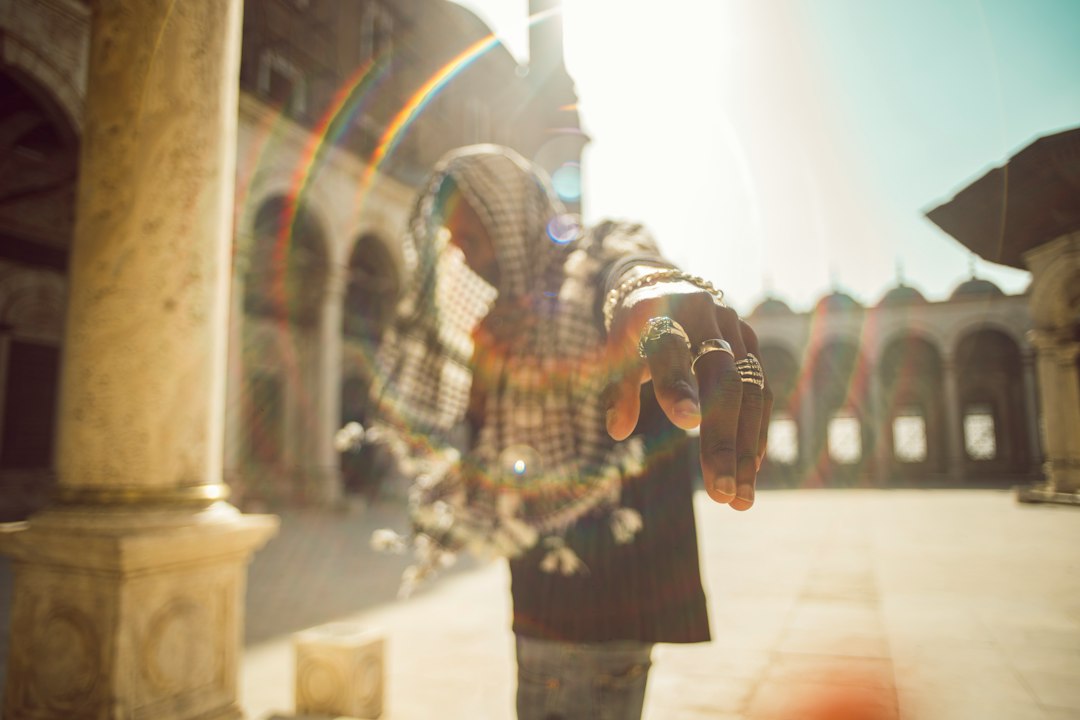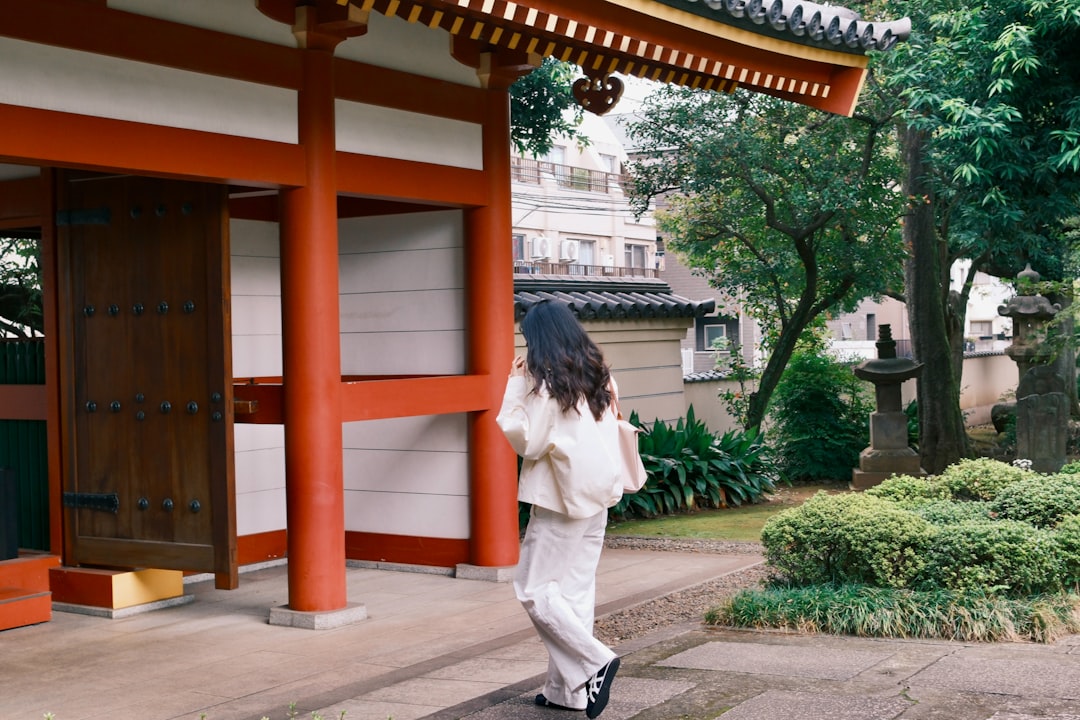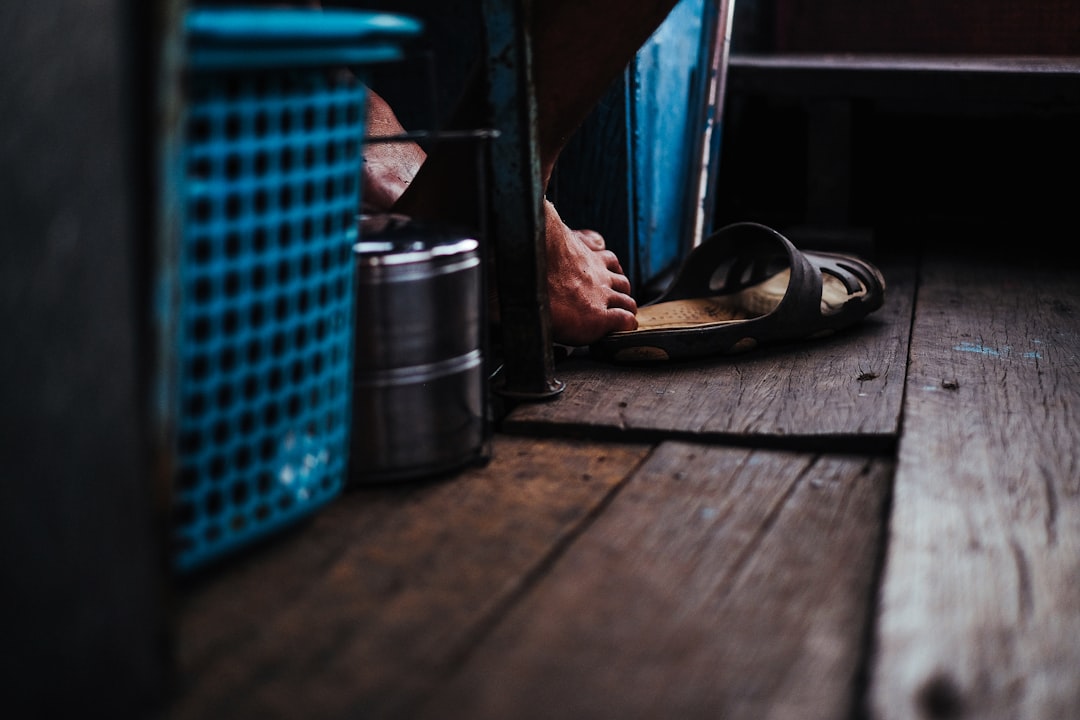
A trip can go wrong before you even leave the airport. Not because you missed a train or packed badly, but because you reached for a handshake that should have been a bow, walked into a home with your shoes on, or raised a camera at the exact moment someone expected privacy. That is why travel etiquette by country matters so much more than most travelers realize.
The good news is that you do not need perfect language skills or a degree in anthropology to get it right. You need attention, humility, and a small working map of local customs abroad before you land. If you want a fast primer on social cues, Cultural Etiquette Around the World: How to Read a Room is a useful companion. This guide takes a different route: not a broad sweep of manners, but a moment-by-moment field guide to the situations that actually create friction on the road.
Travel becomes richer when you stop moving through places as if every city shares the same social operating system. The smell of incense at a temple gate, the pause before tea is poured in a riad, the hush of a morning train in Japan, the warm insistence of a second helping in Mexico or Morocco, the tiny ritual of saying hello before asking for help in France or Italy, all of it is part of the place, not extra decoration. Good travel etiquette tips are not about performing politeness. They are about noticing what respect looks like in real life.
Here is a fast glance at some cultural norms in different countries before we go deeper.
| Place | Greeting cue | Shoes | Dining note | Tipping norm | Easy mistake to avoid |
|---|---|---|---|---|---|
| Japan | Light bow, soft tone | Often remove indoors | Do not stick chopsticks upright in rice | Usually not expected | Talking loudly on trains |
| Thailand | Return a wai when appropriate | Remove at temples and many homes | Do not point feet at people or sacred objects | Small tips okay, not mandatory everywhere | Touching someone's head |
| Turkey | Warm greeting, handshake if offered | Remove in homes and some guesthouses | Tea may be offered more than once | Service often 5 to 10 percent | Refusing hospitality too abruptly |
| Morocco | Greet first, often with the right hand | Usually remove in homes or riads | Eat with the right hand when sharing | Small tips are common | Photographing people without asking |
| Italy | Say buongiorno or buonasera before requests | Usually keep shoes on in public spaces | Cappuccino is mostly a morning drink | Small tip or rounding up | Ordering and rushing without greeting |
| Mexico | Warm verbal greeting matters | Follow the host's lead at home | Meals can be social and unhurried | Tips are widely expected in tourist zones | Impatience with timing or formality |
| India | Namaste works widely, use context | Remove shoes in homes and temples | Eat with the right hand when traditional | Tips vary by setting | Using the left hand in shared food settings |
Why travel etiquette by country is really about respect, not rules
Photo by Margo Evardson on Unsplash
The biggest misunderstanding about manners abroad is the idea that etiquette is a checklist of traps. Travelers often frame it as fear: do not offend, do not embarrass yourself, do not do the wrong thing with the wrong hand. But the deeper truth is gentler. Travel etiquette by country is really a way of reading values. If a society puts great weight on ritual greetings, it is telling you that relationships matter before transactions. If a household asks you to leave shoes at the door, it is telling you that the home is treated as protected space, not just shelter.
That shift in perspective changes how you move. Instead of memorizing random rules, you start asking better questions. Is this place formal or relaxed? Is this interaction private or communal? Is the meal about speed, generosity, hierarchy, or conversation? Those questions make local customs abroad easier to understand because customs stop feeling arbitrary. They begin to connect to religion, climate, family structure, urban density, or colonial history.
It also makes you more observant. A traveler who notices where everyone places their hands, how loudly they speak, whether they queue tightly or loosely, and how servers interact with older guests is already halfway to getting things right. That is why the best travel etiquette tips start with silence and watching. Before you perform confidence, gather information.
Greetings and first impressions: the local customs abroad that open doors
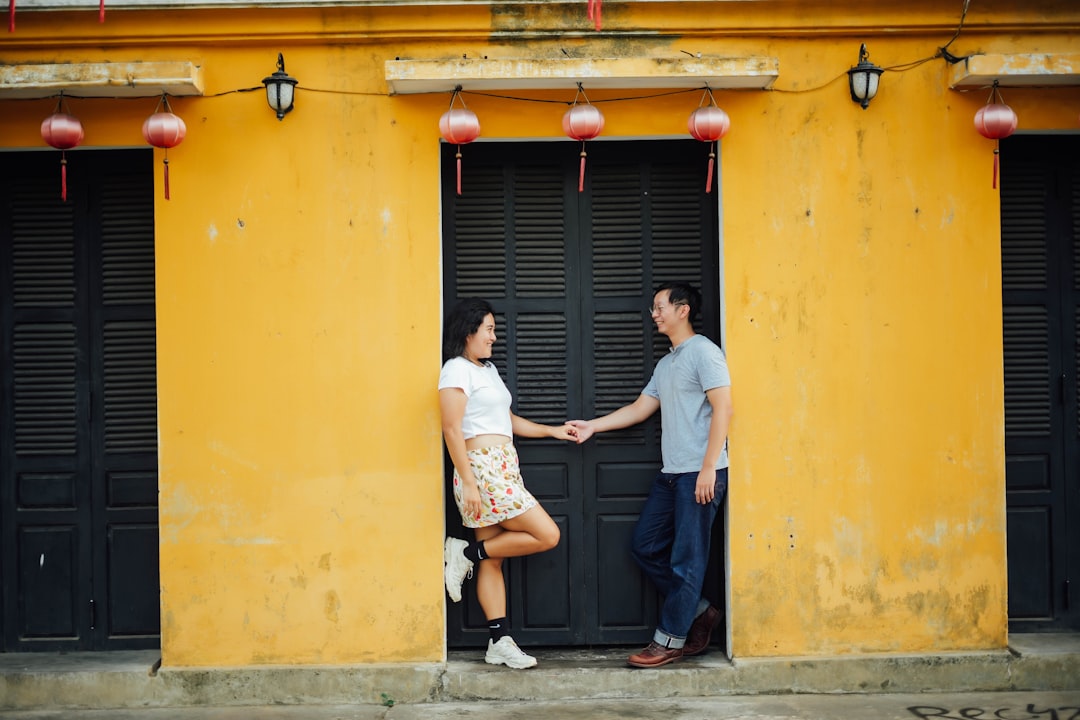
Photo by Hoi An Photographer Fernandes Photographer on Unsplash
First impressions are rarely about charm. They are about pace. In some places, warmth arrives quickly and physically. In others, respect arrives first and warmth follows later. Walk into a small cafe in Rome, Marseille, or Seville without greeting the room and you can feel the temperature change immediately. Step into a shop in Tokyo and you may be met with a chorus of welcome while the space itself stays calm, precise, and almost ceremonial.
This is where travel etiquette by country becomes visible in seconds. Greetings reveal hierarchy, distance, gender expectations, and the line between public friendliness and private familiarity. A traveler who barrels straight into a question can sound rude even if the words are polite. A traveler who pauses, smiles, and mirrors the local rhythm often gets a completely different response.
For solo travelers, especially, these small cues can shape both safety and connection. If you are traveling alone, the same observational skills that help with etiquette also help with confidence and street smarts; First Solo Trip Guide 2026: Safe Cities and Smarter Habits pairs well with this approach.
Keep these greeting patterns in mind:
- Japan: A bow is safer than a big handshake. The deeper the bow, the more formal the respect. Visitors are not expected to master the subtleties, but a small bow and calm voice go a long way.
- Thailand: The wai, with palms together near the chest, is common. Return it politely when offered, but do not overdo it in every casual exchange.
- India: Namaste is widely understood and appreciated in many settings. In cities, handshakes happen too, but wait for the local cue.
- Gulf countries: A handshake may be light and extended, especially between men. With women, do not initiate physical contact unless they do.
- France and Italy: Verbal greetings matter. A simple bonjour, buongiorno, or buonasera before asking for help is basic politeness.
- Mexico and much of Latin America: Warmth matters. Even in quick service settings, a respectful good morning or good afternoon softens everything.
- Scandinavia and Northern Europe: Greetings can be brief and understated. Friendly does not always mean expansive.
A few universal first-contact habits help almost everywhere:
- Lower your volume for the first few minutes.
- Let the other person set the amount of physical contact.
- Use titles for elders or formal hosts when you know them.
- Do not mistake reserve for coldness.
- Do not mistake warmth for immediate intimacy.
Doorways, shoes, and private homes: respectful travel habits that people remember
Hotels can make the world look standardized, but homes never do. The front door is where many cultural norms in different countries become unmistakably real. In Tokyo, Seoul, parts of Turkey, much of Scandinavia, and countless homes across Central Asia and the Middle East, shoes are not just dirty objects. They belong to the outside world. Crossing that threshold in sneakers can feel like carrying the street onto someone's floor.
There is a texture to these spaces that changes how you behave. Tatami mats in Japan hold the faint grassy smell of woven rush. A Turkish family apartment might have neatly lined slippers by the entrance and a living room arranged for tea and conversation. In a Moroccan home or riad, the cool tile under your feet can feel like part of the welcome itself. Respectful travel habits begin by noticing what the doorway is asking of you.
Travel etiquette by country matters even more in homes because people remember domestic rudeness more clearly than tourist-site mistakes. A wrong gesture at a monument can be shrugged off. Shoes on a clean floor, refusing a host too sharply, sitting before being invited, or wandering into private rooms can stay in memory.
When you are invited into a home, guesthouse, or family-run accommodation, follow these customs:
- Look down at the entrance first. A shoe rack, step, slippers, or scattered shoes usually tells you the answer immediately.
- Bring a small gift when appropriate. Fruit, pastries, good tea, or something from your home country is often safer than alcohol.
- Avoid gifts with hidden cultural baggage. Leather may be inappropriate in some Hindu homes; alcohol may be unsuitable in conservative Muslim households.
- Accept refreshments graciously. You do not always need a second serving, but refusing everything at once can feel abrupt.
- Ask where to sit. In more traditional homes, seating can reflect age or status.
- Keep feet controlled. Pointing the soles of your feet toward people or sacred objects is rude in many parts of Asia and the Middle East.
- Do not start photographing interiors without asking. What looks beautiful to you may feel private to the host.
One of the best respectful travel habits is this simple line: Thank you, what would you prefer? It works in homes, temples, desert camps, ryokans, and farm stays. Humility is portable.
Dining etiquette around the world: the rules hidden in every table setting
Meals are where travelers most often create accidental comedy. The problem is not usually the food itself. It is tempo, gesture, and symbolism. A table is full of social meaning: who serves whom, who begins first, whether finishing your plate signals hunger or appreciation, whether slurping is rude or enthusiastic, whether hands belong above or below the table. Dining etiquette around the world is rarely about being fancy. It is about learning what a meal is supposed to communicate.
Think about the contrast. In Japan, a bowl of ramen can come with the bright clatter of chopsticks and happy slurping, while the room around you still feels orderly. In Ethiopia or India, shared food eaten by hand may feel intimate and communal, with an unspoken expectation that one hand is for eating and the other is not. In Italy, the cafe counter has its own choreography: stand, order, drink, move. In Morocco, a shared dish can be an act of hospitality before it is a menu item.
This is one of the clearest places where travel etiquette by country affects how welcome you feel. Good dining etiquette around the world does not require perfection. It requires you to slow down for one meal and notice the logic of the table.
Some of the most useful travel etiquette tips for meals are these:
- Japan: Never plant chopsticks upright in rice. It resembles a funeral offering. If chopstick rests are provided, use them.
- China: On some tables, leaving a little food can show that you are satisfied rather than still hungry.
- India and parts of the Middle East: Use the right hand for eating when meals are traditionally shared by hand.
- Italy: Cappuccino is mainly a breakfast drink. After lunch or dinner, espresso is the usual move.
- France: Hands often stay visible above the table, not in your lap.
- South Korea and Japan: Tipping is often unnecessary and can feel awkward if forced.
- United States, Canada, and many tourist-heavy parts of Mexico: Tipping is expected and part of service culture.
- Turkey and the Balkans: Lingering over tea is normal. Leaving the second it is served can feel abrupt.
When you are unsure, use this order of operations:
- Watch who starts first.
- Follow the host's pace.
- Ask one quiet question instead of making a joke.
- Never turn unfamiliar food into a performance.
- Thank the cook or server clearly.
Dining etiquette around the world is also about what you say after the meal. Praise the food, ask about the dish, and show interest in ingredients or family recipes. Curiosity, when it is sincere, is usually read as respect.
Temples, mosques, churches, and shrines: cultural norms in different countries at their most visible
Sacred spaces can be stunning, but they are not scenery. The gold glow of a Buddhist temple at dusk, the cool stone of a Roman basilica, the soft carpet of a mosque before prayer, the scent of wax and old wood in an Orthodox church, all of them invite awe. They also demand discipline. Of all the cultural norms in different countries, religious etiquette is often the least forgiving because these places are still active, living spaces of devotion.
The problem for many travelers is not bad intention. It is museum behavior carried into worship spaces. People whisper too late, dress too casually, step where they should not, or treat rituals as stagecraft for social media. Travel etiquette by country becomes especially important here because the same act can mean different things. Covering your head may be required in one place, optional in another, and irrelevant in a third. Shoes may come off at the door in Bangkok or Delhi, while shoulders and knees matter more in Rome or Seville.
The safest approach is modesty plus observation. If you are underdressed, you usually know it the moment you arrive. If you are overdressed with respect, nobody minds.
A practical sacred-site checklist:
- Cover shoulders and knees for many churches, temples, and monasteries.
- Carry a lightweight scarf or shawl. It is the most useful etiquette item in a day bag.
- Remove shoes at many mosques, Hindu temples, and homes connected to worship.
- Ask before taking photos. Even when photography is technically allowed, ceremonies may not be.
- Do not turn your back on rituals for selfies. It reads as careless almost everywhere.
- Keep voices low and phones silent. In Japan, silence itself can be part of respect.
- Avoid public eating during fasting periods when local norms strongly discourage it, such as daylight hours in more conservative places during Ramadan.
- Watch for leather restrictions in some Hindu temple contexts.
If you visit major sacred sites on a real trip, these official planning pages are useful starting points:
- Japan National Tourism Organization: https://www.japan.travel/en/
- GoTürkiye: https://goturkiye.com/
- Visit Morocco: https://www.visitmorocco.com/en
- Italia: https://www.italia.it/en
- Visit Mexico: https://www.visitmexico.com/en/
Photos, bargaining, and money: the travel etiquette tips that save you from awkward scenes
Few things divide traveler and local faster than a camera lens or a price negotiation gone wrong. The world can feel visually irresistible on the road: indigo textiles in Marrakech, saffron robes in Bangkok, a market stall glowing under one bare bulb in Mexico City, a tea tray catching afternoon light in Istanbul. But the fact that something is photogenic does not make it public property.
The same goes for bargaining. In some markets, negotiation is part of the social fabric and expected with good humor. In others, the price is the price. The mistake is not bargaining itself. It is bargaining aggressively over tiny amounts with someone whose livelihood is already obvious, or haggling for sport after deciding you do not even want the item. Travel etiquette by country matters here because money reveals your ethics faster than your outfit does.
Among the most useful travel etiquette tips anywhere are the ones that govern consent, fairness, and face-saving.
Follow these rules for cameras and cash:
- Ask before photographing people, especially elders, children, artisans, and worshippers. A smile and gesture are better than a long lens.
- Expect payment requests in some markets or performance spaces. Decide quickly whether you are comfortable and respectful with that exchange.
- Do not photograph military sites, border areas, or security personnel. Rules vary, and consequences can be serious.
- Bargain where bargaining is normal, but stay warm. In Morocco, Turkey, and parts of South Asia, it can be part of the interaction.
- Do not bargain in supermarkets, transport counters, or fixed-price artisan cooperatives.
- Know tipping culture before you sit down. In Japan, a tip may embarrass; in the United States it may offend not to tip.
- Use the right hand or both hands when passing money or receiving items in many cultures where the gesture itself matters.
- Avoid flashing large amounts of cash. It is poor etiquette and poor security.
One small but powerful habit: if you negotiate a fair price and accept it, follow through cheerfully. Walking away after driving a tiny vendor down to the number you wanted is not savvy. It is just graceless.
Queues, noise, touch, and public space: cultural norms in different countries that shape everyday life
Not every etiquette mistake happens in ceremonial moments. Some happen on escalators, trains, sidewalks, and grocery lines. These are the rules travelers notice late because nobody announces them. In London and Tokyo, queuing can feel nearly sacred. In parts of southern Europe, North Africa, or South Asia, the line may look more fluid, more like a negotiated cluster than a tidy row. Neither system is random. Each one has its own internal logic.
Sound works the same way. A street packed with voices in Naples, Bangkok, or Mexico City can still contain very specific ideas about what counts as intrusive. Public intimacy also shifts dramatically. In some places, friends of the same gender may walk arm in arm without it carrying romantic meaning. In others, a kiss between partners in public still feels too intimate for conservative settings. Respectful travel habits depend on reading the room beyond your own comfort zone.
This is another place where travel etiquette by country changes the entire mood of a day. You may never remember the exact bus fare in a new city, but locals will remember the traveler who blocked the train door, talked loudly in a quiet carriage, or cut the line with a rolling suitcase and a look of confusion.
Public-space reminders worth keeping:
- Japan: Keep phone calls off trains and lower your voice.
- United Kingdom: Queue clearly and do not jump the line.
- Thailand and many Buddhist cultures: Do not touch people's heads and be careful with where your feet point.
- Middle East: Public displays of affection can be unwelcome, especially in conservative areas.
- Northern Europe: Personal space is often wider than in Latin America or the Mediterranean.
- Singapore: Public cleanliness rules are enforced more strictly than many visitors expect.
- Mexico and much of Latin America: Greetings before requests remain important even in everyday transactions.
Respectful travel habits are often tiny acts of compression: take up a bit less space, speak a bit more softly, assume you know a bit less than you think.
A simple system for learning travel etiquette by country before you fly
The easiest way to make etiquette feel manageable is to stop researching whole civilizations and start researching moments. Before any trip, I build a one-page customs brief around the situations most likely to trip me up: airport arrival, greeting, taxi ride, coffee order, house rules, sacred sites, meals, payments, and photography. That keeps travel etiquette by country practical instead of abstract.
My own version is embarrassingly simple. I keep five lines in my notes app or trip planner, and if I am organizing a multi-stop journey, I save them inside TravelDeck so the details sit next to flights and hotel addresses rather than floating in memory. Five lines are enough: how to greet, what to wear, whether to tip, whether to remove shoes, and one taboo I absolutely should not forget. Good local customs abroad become usable only when they are close at hand.
Here is a fast pre-trip method that works:
- Research greetings first. They shape every interaction after that.
- Check sacred-site dress rules. This prevents the most visible mistakes.
- Look up tipping and payment habits. Money mistakes create disproportionate tension.
- Learn one food custom. Dining etiquette around the world becomes easier when you already know one clear rule.
- Search local transit etiquette. Quiet trains, queue norms, reserved seating, and platform behavior vary widely.
- Memorize three phrases: hello, thank you, and excuse me.
- Observe on day one. Treat your first meal and first train ride as research.
If you are traveling with friends, agree in advance that nobody turns local customs into a joke or a dare. Group energy amplifies bad manners fast. The smartest groups protect one another from that spiral.
How to get there
A global article needs a practical backbone, so here is one: if you want to turn these ideas into a real trip, choose two or three culturally layered gateway cities where etiquette is visible in daily life. You do not need a round-the-world ticket. A three-city arc such as Tokyo, Istanbul, and Marrakech or Bangkok, Rome, and Mexico City already gives you a strong education in greetings, table manners, sacred-site behavior, and public-space norms.
Travel etiquette by country becomes easier to learn when the place itself teaches you. Tokyo trains teach silence. Istanbul tea culture teaches patience. Marrakech markets teach the difference between friendly bargaining and rude bargaining. Rome teaches the ritual of greeting before asking. Mexico City teaches warmth, pacing, and the social life of meals.
Use these gateways as a practical starting map:
| Destination hub | Airport code | Typical nonstop or easy gateway routes | Usual flight time | Typical 2026 fare | Best transfer into town |
|---|---|---|---|---|---|
| Tokyo | HND or NRT | London, Los Angeles, Singapore, Sydney | 11 to 14 hours from Europe or North America west coast | $750 to $1,300 return from major hubs | Tokyo Monorail or Keisei Skyliner; 20 to 60 minutes |
| Bangkok | BKK | Dubai, Singapore, Tokyo, Frankfurt, Sydney | 2 to 12 hours depending on origin | $500 to $1,000 return from Asia or Europe gateways | Airport Rail Link; about 25 minutes to central Bangkok |
| Istanbul | IST | London, New York, Rome, Dubai, Bangkok | 2.5 to 11 hours | $450 to $950 return from Europe or the Gulf | Havaist bus or metro; 45 to 90 minutes |
| Marrakech | RAK | Madrid, Paris, Istanbul, London, Casablanca | 1.5 to 4.5 hours from Europe and nearby hubs | $80 to $300 return from Europe | Official airport taxi or shuttle; 15 to 25 minutes |
| Rome | FCO | New York, London, Dubai, Istanbul, Paris | 2 to 10 hours | $500 to $1,100 return | Leonardo Express to Termini; 32 minutes, about €14 |
| Mexico City | MEX | Madrid, New York, Los Angeles, Bogotá, Lima | 4 to 12 hours | $350 to $900 return from the Americas or Spain | Authorized taxi, rideshare, or Metrobus depending on terminal |
Useful overland links once you arrive:
- Tokyo to Kyoto: Nozomi Shinkansen, around 2 hours 15 minutes, roughly ¥14,000 one way.
- Bangkok to Ayutthaya: Train or minivan, 1.5 to 2 hours, often under 300 THB.
- Istanbul airport to Sultanahmet: Havaist plus tram or taxi, usually 60 to 90 minutes depending on traffic.
- Marrakech to Casablanca: ONCF train from central station, roughly 2 hours 40 minutes, around 150 MAD in second class.
- Rome to Florence: High-speed train, 1 hour 30 minutes, often €20 to €60 if booked early.
- Mexico City to Puebla: ADO bus, around 2 hours 15 minutes, usually 200 to 350 MXN.
- Southern Spain to northern Morocco: Tarifa to Tangier Ville ferry, around 1 hour, useful if you want to compare Iberian and Maghrebi etiquette in one trip.
For official trip-planning details, start with airport and tourism pages rather than random forums:
- Haneda Airport: https://tokyo-haneda.com/en/
- Suvarnabhumi Airport: https://www.bangkokairportonline.com/
- Istanbul Airport: https://www.istairport.com/en
- ONCF Morocco trains: https://www.oncf-voyages.ma/
- Trenitalia: https://www.trenitalia.com/en.html
- ADO buses Mexico: https://www.ado.com.mx/
Things to do
If you want to understand etiquette, do not only visit monuments. Put yourself in rooms where social rules are still alive. A tea ceremony teaches timing better than a museum label. A neighborhood food market teaches greetings, patience, and ordering rhythm. A tram ride during rush hour teaches more about everyday courtesy than a week of reading.
The best experiences are the ones that place you gently inside local choreography. You hear the low murmur before prayer, the slap of fresh noodles, the clink of tea glasses, the hush before a guide begins. These are not background details. They are the atmosphere that makes local customs abroad legible.
Try these etiquette-rich experiences:
- Kyoto tea ceremony at Camellia, Higashiyama
- Senso-ji and Asakusa at early morning, Tokyo
- Wat Pho and Pak Khlong Talat, Bangkok
- Blue Mosque and Arasta Bazaar, Sultanahmet, Istanbul
- Kadikoy Market, Istanbul
- Jemaa el-Fnaa and Rahba Kedima, Marrakech medina
- Mercato Testaccio, Rome
- Coyoacán and Mercado de Coyoacán, Mexico City
Where to stay
Accommodation shapes etiquette more than travelers expect. A business hotel with self-check-in shields you from local rhythms; a family-run riad or small guesthouse places you inside them. If learning respectful travel habits is part of the trip, stay at least a few nights somewhere with staff who can explain neighborhood expectations, house customs, and meal timing.
Look for places in walkable districts where daily life happens at street level. That means you can watch how locals enter cafes, line up for bakeries, use public transit, and dress for evenings out. It is much easier to absorb cultural norms in different countries when you are stepping into them from your front door each morning.
Here are strong options across budget tiers, with realistic 2026 price ranges that can rise sharply during holidays and festivals.
| Budget tier | Hotel | City and neighborhood | Typical 2026 price |
|---|---|---|---|
| Budget | The Millennials Shibuya | Tokyo, Shibuya | $55 to $110 |
| Budget | Cheers Lighthouse | Istanbul, Sultanahmet | $35 to $80 |
| Budget | Casa Pepe | Mexico City, Centro Historico | $25 to $70 |
| Mid-range | Hotel Gracery Asakusa | Tokyo, Asakusa | $130 to $220 |
| Mid-range | Hotel Ibrahim Pasha | Istanbul, Sultanahmet | $120 to $190 |
| Mid-range | Riad BE Marrakech | Marrakech, Medina | $110 to $180 |
| Luxury | Hoshinoya Tokyo | Tokyo, Otemachi | $700 to $1,100 |
| Luxury | La Mamounia | Marrakech, Hivernage | $650 to $1,300 |
| Luxury | Hotel de Russie | Rome, near Piazza del Popolo | €1,000 to €1,800 |
What to prioritize when booking:
- Near transit, not only attractions. Public transport teaches public behavior fast.
- Locally run if possible. Staff can explain neighborhood customs better than a generic chain often can.
- Breakfast included. Morning rituals reveal a lot about dining etiquette around the world.
- Clear house rules. Shoe policy, quiet hours, and prayer-space access matter.
- Reviews that mention kindness and clarity. Hospitality style is part of the learning.
Where to eat
Food is the fastest route into a culture, but only if you let the meal teach you something. The room matters as much as the plate: who arrives first, whether water is automatically served, how long people linger, whether the bill is requested or simply appears, whether you order at a counter or stay seated until invited. Dining etiquette around the world is easier to understand when you choose places with a strong local following instead of only international comfort stops.
The sensory payoff is enormous. Steam lifting from ramen in Tokyo. Butter and chilies blooming in a wok in Bangkok. The sweet bitterness of tea in Istanbul. Grilled lamb smoke in Marrakech. Coffee cups ringing against marble in Rome. Salsa, lime, and blue-corn tortillas in Mexico City. Good meals train your senses and your manners at the same time.
Start with these reliable, culture-rich spots:
- Tokyo: Tsukiji Outer Market, Chuo
- Tokyo: Ginza Kagari
- Bangkok: Thip Samai, Phra Nakhon
- Bangkok: Or Tor Kor Market
- Istanbul: Karakoy Lokantasi
- Marrakech: Le Trou au Mur, Medina
- Rome: Mercato Testaccio
- Rome: Roscioli Salumeria con Cucina
- Mexico City: Contramar, Roma Norte
- Mexico City: Mercado de Coyoacán
Food customs worth remembering while you eat:
- Ask before modifying dishes heavily.
- Do not assume spicy means the same thing everywhere.
- If sharing, take from the part nearest you unless told otherwise.
- Tip according to local practice, not your home habit.
- Compliment the meal specifically, not generically.
Practical tips
By now the pattern is probably clear: etiquette is easiest when you build your trip around seasons, neighborhoods, and settings that make observation easy. Arrive in shoulder season, stay somewhere walkable, and give yourself slow mornings. Travelers who rush from airport to checklist often miss the social tone of a place entirely. Travelers who linger notice everything from bakery queues to when people change from street shoes to indoor shoes.
Travel etiquette by country also becomes simpler when you reduce friction in your basics. Dress slightly more modestly than you think you need to, carry smaller notes for tips and markets, and learn the local hello before you learn any slang. Small readiness supports respectful travel habits in ways people underestimate.
These practical notes help across multiple regions:
Best months for an etiquette-focused multi-country trip
| Months | Why they work | Watch for |
|---|---|---|
| March to May | Pleasant in Japan, Turkey, Italy, Morocco, and Mexico City; festivals and public life return outdoors | Bangkok can be very hot before monsoon |
| September to November | Strong for Istanbul, Rome, Marrakech, and Mexico City; better light and easier walking | Typhoon risk can affect Japan early in the season |
| December to February | Excellent for Morocco and some parts of Mexico; festive urban atmosphere in Europe and Japan | Colder church and mosque visits, shorter daylight |
| June to August | Good for some alpine or northern extensions | Heat, crowds, humidity, and stricter dress discomfort in many cities |
What to pack for local customs abroad
- A light scarf or shawl
- One outfit that covers shoulders and knees
- Easy slip-on shoes for temple and home visits
- Socks without holes if you expect shoe removal
- A compact wallet with small bills
- A portable charger so you are not hunting for outlets in sacred or formal spaces
- Tissues or wipes for markets and transport, used discreetly
Money, connectivity, and everyday logistics
- Japan: Cards are widespread, but cash still helps in smaller spots. Keep coins accessible.
- Thailand: Cash remains useful in markets and street food stalls.
- Turkey: Card use is common in cities, but carry some cash for taxis and small tea houses.
- Morocco: Cash is essential in the medina. Ask before assuming card payment.
- Italy: Cards are standard, though tiny purchases can still be smoother with cash.
- Mexico: Cards are common in urban neighborhoods, but cash helps in markets and for tips.
Safety and social awareness
- Dress for the neighborhood, not only the weather.
- Avoid drunk sightseeing in sacred or residential areas.
- If corrected, apologize once and adapt immediately.
- Never argue that something would be normal at home.
- Use observation as a safety tool as well as an etiquette tool.
These same habits reduce friction for solo travelers, couples, and groups. They are not fussy rules. They are efficient ways to move through unfamiliar places without creating unnecessary heat.
FAQ
What is the fastest way to learn travel etiquette by country before a trip?
Focus on five things only: greeting, dress code, tipping, shoe rules, and one major taboo. That tiny framework covers most situations travelers actually face. It is the shortest route to useful travel etiquette by country without drowning in research.
What should I do if I break a local custom by accident?
Apologize briefly, correct yourself, and move on. Most people can tell the difference between ignorance and disrespect. A sincere smile and a quick adjustment repair far more than a defensive explanation ever will.
Do I always need to remove my shoes when traveling?
No, but you should always be ready to. In Japan, many homes, ryokans, temples, and some traditional restaurants expect it. In parts of Turkey, Scandinavia, India, and the Middle East, homes often do too. Look for shoe racks, slippers, or what everyone else is doing.
Is tipping rude in some countries?
Yes. Japan is the clearest example, and South Korea can feel similar in many settings. Elsewhere, norms vary widely. In the United States and much of tourist-oriented Mexico, tipping is expected. In parts of Europe, rounding up or leaving a small amount is enough. Check before you go.
Why does dining etiquette around the world feel so different from place to place?
Because meals express different values. Some cultures emphasize efficiency, others hospitality, hierarchy, abundance, or conversation. Dining etiquette around the world changes because the meaning of a meal changes.
The quiet skill that changes a trip
The best travelers are not the ones who never make mistakes. They are the ones who arrive curious, notice fast, and do not insist on being the center of every room. That is the real value of travel etiquette by country. It turns you from a consumer of places into a guest inside them.
And once you start moving that way, the world feels less like a collection of attractions and more like a series of invitations. A doorway, a tea glass, a market stall, a temple threshold, a breakfast counter, a shared plate. Learn to read those moments well, and almost everywhere you go, people will meet you halfway.