Cultural Etiquette Around the World: How to Read a Room
The fastest way to announce yourself as a stranger is not bad pronunciation or a wrong subway turn. It is walking into a home with your shoes on, offering a handshake where none is expected, or raising your phone in a sacred space at exactly the wrong second. Cultural etiquette around the world rarely appears on a sign. It lives in pauses, thresholds, tone of voice, and the tiny rituals locals barely notice because they have carried them since childhood.
That is why cultural etiquette around the world matters so much more than any neat checklist of do this and do not do that. Respectful travel is pattern recognition. It is noticing who speaks first, where people stand, how they hand over money, whether they rush a meal, and what changes when an elder enters the room. Once you start seeing those patterns, trips feel less transactional and more human. You stop moving through destinations like a consumer and start moving through them like a guest.
Cultural etiquette around the world starts with context, not commandments

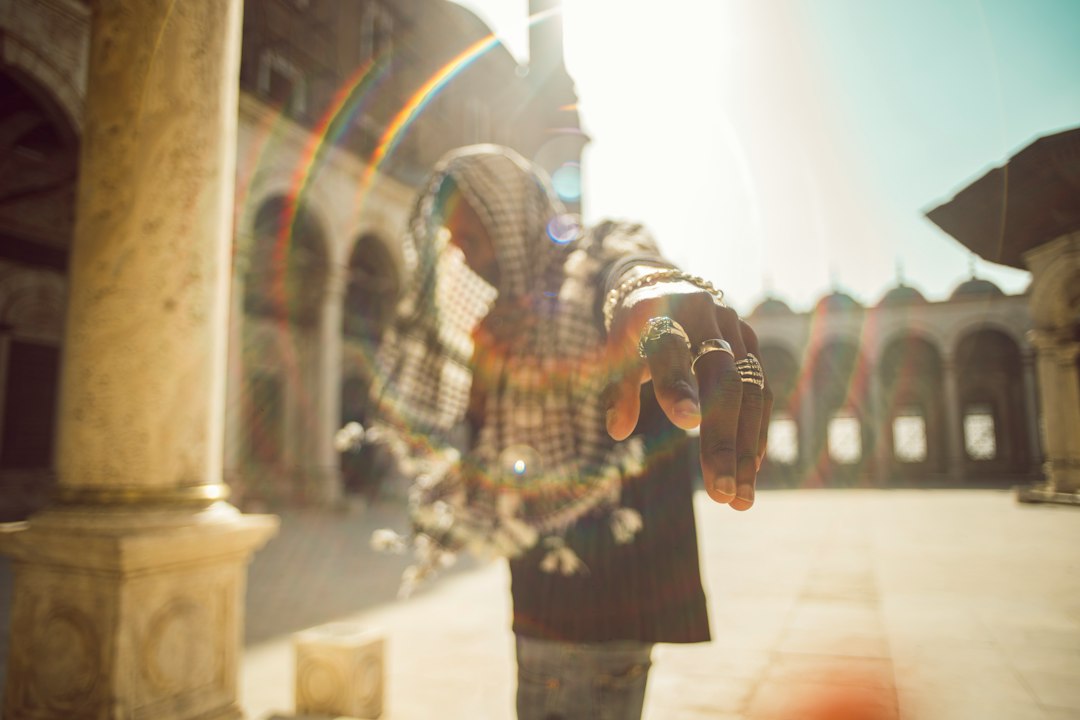
Photo by Markus Winkler on Unsplash
The reason cultural etiquette around the world can feel confusing is simple: the same action carries a different meaning from one place to the next. Eye contact may read as confidence in New York, pressure in Tokyo, warmth in parts of the Mediterranean, and challenge in more formal settings elsewhere. A direct question can sound efficient in one culture and abrupt in another. Silence can mean discomfort, reverence, patience, or respect.
The deepest local customs abroad are rarely random. They often grow out of religion, climate, family structure, history, ideas of purity, or the value a society places on harmony versus individual expression. In places where homes are carefully separated from the street, shoes matter. In societies shaped by hierarchy, greetings matter. In destinations where hospitality is sacred, refusing tea too quickly or treating food casually can feel colder than travelers realize.
Good travel etiquette tips begin with observation, not performance. You do not need to become a perfect imitation of a local. You need to become more alert. The respectful traveler watches one beat longer before acting. That pause alone prevents most awkward moments.
Before you step into any unfamiliar setting, ask yourself:
- Who is being acknowledged first: elders, hosts, staff, or the whole room?
- What happens at the doorway: shoes off, voice lowered, hat removed, shoulders covered?
- How close are people standing to each other, and how much are they touching?
- Is this a place for speed and efficiency, or for unhurried conversation?
- Are people eating, paying, photographing, and queuing in a visibly patterned way?
Greeting customs that shape first impressions
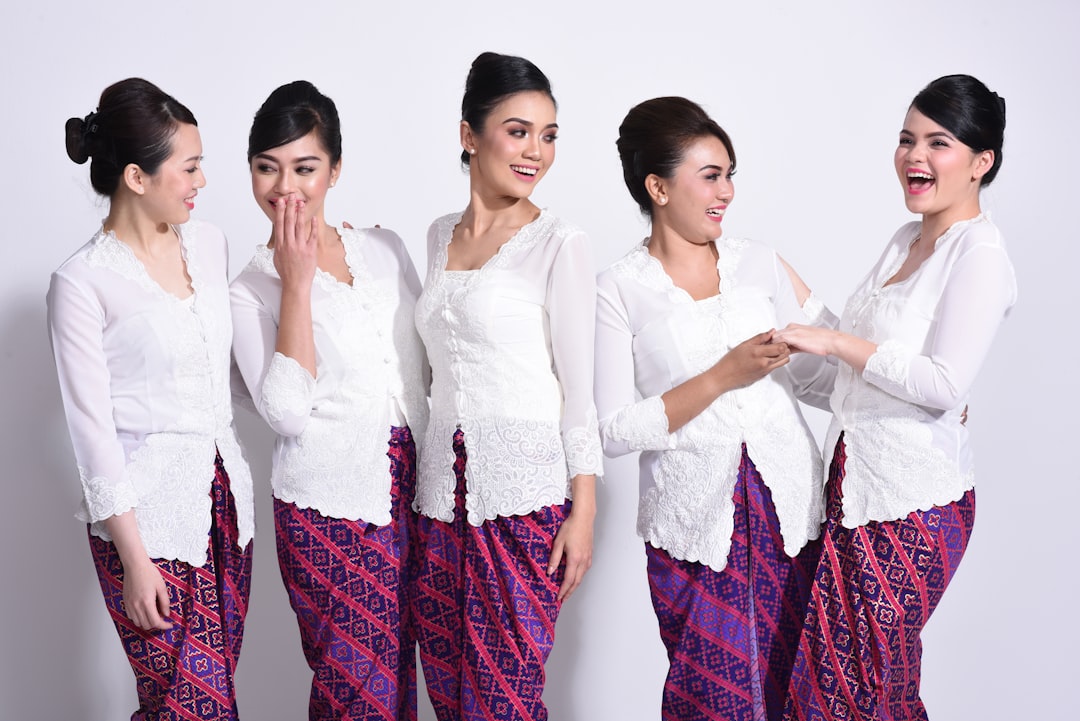
Photo by Abby AR on Unsplash
Greeting customs are the front door of social life. In many destinations, a conversation does not really begin until you have acknowledged the person properly. You feel this immediately in France, where a simple greeting before a question softens everything. You feel it in Japan, where the bow sets the emotional temperature before a word is spoken. You feel it across South Asia, where a small gesture of respect can matter more than fluent grammar.
Cultural etiquette around the world often becomes visible in the first five seconds of contact. In Bangkok, a wai is not just a hand position; it signals attentiveness, status, and courtesy. In India, a gentle namaste can be more elegant than an overly enthusiastic handshake. In parts of the Gulf, a hand over the heart may be the right response when physical contact is not invited. In Latin America, warmth may arrive quickly through closer distance, longer greetings, and questions about family before business.
The smartest travel etiquette tips for greeting customs are simple: let the local lead, match the energy in front of you, and never force physical contact. If someone bows, bow back. If a shopkeeper says hello before anything else, respond before asking for what you need. If two people of the opposite sex are greeting at a distance, assume there is a reason.
Quick rules for greeting customs in different settings:
- Japan: a small bow is safe in most casual interactions; a handshake may happen in business settings, but bowing is always understood.
- Thailand: return a wai when it is offered; do not overdo it with service staff or children.
- India: namaste works beautifully in both formal and informal moments.
- United Arab Emirates and other conservative Gulf settings: wait before initiating a handshake, especially across genders.
- France: begin with bonjour in shops, hotels, cafes, and even when asking for help.
- Mexico: expect warmer, longer greetings than in Northern Europe or North America.
- Germany and much of Central Europe: a clear verbal greeting and direct, not theatrical, eye contact feel appropriate.
- Rural communities almost anywhere: greet before you request. Skipping straight to the ask can seem abrupt.
Local customs abroad: shoes, space, hands, and body language
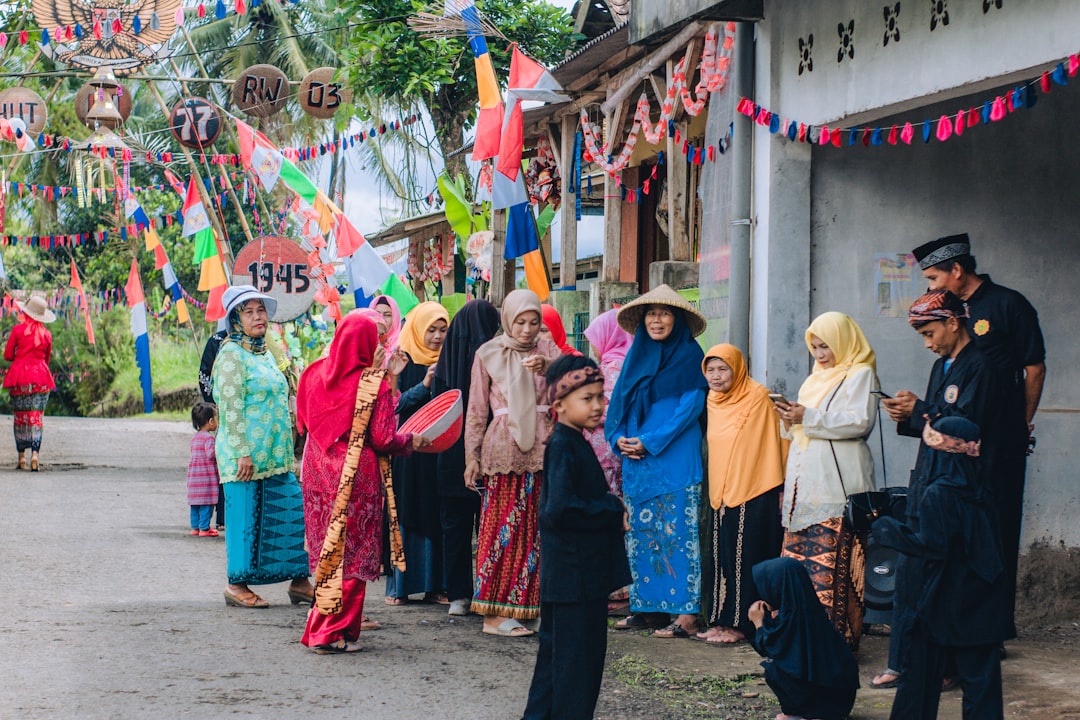
Photo by firman fatthul on Unsplash
Some of the strongest local customs abroad happen without words. They live in doorways, hands, and posture. You see them in the neat row of shoes outside a home in Japan, the way people avoid pointing feet toward others in Thailand, or the quiet assumption in parts of India and the Middle East that the right hand is for giving, eating, and receiving. These habits are so deeply learned that breaking them can register as disrespect even when your face is smiling.
Cultural etiquette around the world often starts at the threshold. In homes across Japan, South Korea, and many parts of Southeast Asia, outdoor shoes stay out of the living space. In some temples, mosques, and traditional guesthouses, the doorway is a line between public dust and inner order. Step across it correctly, and you show you understand the difference between passing through and being welcomed in.
Personal space is equally revealing. Northern Europe often prizes calm distance, low volume, and minimal interruption. Mediterranean and Latin cultures may feel physically closer, more expressive, and more interruptive without any aggression at all. Neither style is more correct. But if you misread one through the lens of the other, you can label warmth as intrusion or reserve as coldness.
Pay attention to these local customs abroad:
- Remove shoes when entering private homes in Japan, South Korea, and many homes in Thailand, Turkey, and Scandinavia.
- Use your right hand for food, cash, and small exchanges in India, the Middle East, and parts of East Africa.
- Avoid touching a person on the head in Buddhist cultural settings; the head is often treated as symbolically important.
- Do not point your feet at people, shrines, or images of reverence in much of Southeast Asia.
- Public displays of affection can be read very differently across countries; what feels ordinary in Barcelona may feel inappropriate in more conservative settings.
- Queuing is serious social glue in places like Japan and the United Kingdom. Cutting the line, even casually, is remembered.
- Keep voices lower on trains and in quiet public transport systems, especially in Japan and parts of Northern Europe.
Dining etiquette abroad: the table tells you what a place values
If you want to understand a culture quickly, sit down and watch a table for ten minutes. Dining etiquette abroad is rarely just about manners. It tells you how a place thinks about hierarchy, family, abundance, speed, gender, hospitality, and pleasure. In Italy, meals stretch because conversation matters. In Japan, precision matters, from how dishes are arranged to how chopsticks are handled. In Morocco and parts of the Middle East, sharing food can feel like a social contract as much as a meal.
Cultural etiquette around the world becomes especially vivid when food arrives. A bowl of noodles in Tokyo sounds different from a candlelit dinner in Rome or a tagine opening in Marrakech. The room tells you what is acceptable long before anyone corrects you. Is the meal collective or individual? Are people speaking loudly or softly? Is there one host serving everyone? Are elders beginning first? Even the rhythm of coffee can signal what a destination thinks breakfast, lunch, and after-dinner time should feel like.
The best travel etiquette tips for dining etiquette abroad are humble ones. Watch first. Follow the host if there is one. Ask politely when you are unsure. And remember that table mistakes matter less than attitude. If you receive food with gratitude, avoid mocking unfamiliar flavors, and make an effort to align with the room, people usually respond generously.
Useful dining etiquette abroad to remember:
- Japan: never stick chopsticks upright in rice, and avoid passing food from chopstick to chopstick.
- Japan: slurping noodles is generally acceptable and can signal enjoyment rather than bad manners.
- India: eat with your right hand when meals are served traditionally by hand.
- Ethiopia and some shared dining traditions elsewhere: communal eating means pace and awareness matter; follow the group rather than claiming your own territory on the plate.
- South Korea: let older diners begin first, and pour drinks for others rather than only yourself.
- China: wait for the host or eldest person to begin; lazy-Susan dining rewards patience and shared access.
- Italy: cappuccino is usually a breakfast drink, not an after-dinner order; dinner often starts later than many visitors expect.
- France: bread may be placed on the table rather than on your plate, and long meals are not inefficiency; they are the point.
- United States and Canada: tipping is typically part of service pay expectations, especially in restaurants.
- Japan and South Korea: tipping may confuse or embarrass staff, especially outside tourism-heavy contexts.
- Much of Europe: service may already be included, but rounding up or leaving a small extra amount can still be appreciated.
- Middle Eastern hospitality settings: declining tea or sweets too sharply can feel more abrupt than travelers intend.
Religious site etiquette: silence, fabric, and timing
Religious site etiquette is where many travelers accidentally slide from curious to careless. Sacred spaces are not just beautiful architecture with soft lighting. They are living places of prayer, mourning, community, and routine. A temple at noon, a church before mass, a mosque during prayer time, or a shrine on a festival day is not a stage set. It has an internal rhythm that existed long before your itinerary.
Cultural etiquette around the world feels especially important in these spaces because locals are often extending access rather than offering entertainment. In Bangkok, the shimmer of gold roofs, bells, incense, and bare feet creates a mood of reverence that is easy to disrupt with shorts, loud laughter, or a badly timed selfie. In Istanbul, the cool carpet and filtered light inside a mosque invite a slower body. In Rome, centuries-old churches can feel museum-like until a mass begins and the atmosphere changes in a single minute.
Religious site etiquette also includes timing. During Ramadan in Muslim-majority destinations, public behavior shifts through the day. In Hindu temples, leather items may be unwelcome in some places. In Buddhist sites, sitting with feet toward an altar can look startlingly disrespectful. Clothing is the obvious part, but pacing, posture, and photography are what separate respectful presence from visual consumption.
Keep these religious site etiquette basics in mind:
- Cover shoulders and knees for temples, churches, mosques, and many monasteries.
- Carry a light scarf or shawl; it solves more problems than almost any other travel item.
- Remove shoes when required, and wear clean socks if floors may be hot.
- Ask before photographing people in prayer, monks, or active rituals.
- Never assume flash photography is acceptable just because others are using phones.
- Lower your voice before entering, not after being reminded.
- Sit or stand where visitors are meant to be, and do not cross barriers for a better angle.
- During Ramadan, avoid eating, drinking, or smoking in public during daylight where local norms discourage it.
Money, markets, gifts, and tipping without awkward moments
Money carries etiquette just as powerfully as food or religion. The way a culture handles prices, gifts, and service tells you a great deal about dignity, trust, and relationship-building. In a fixed-price cafe in Tokyo, the transaction is clean and quiet. In a souk in Marrakech, the price may be an opening line in a conversation. In Istanbul, tea may arrive before a deal is discussed. In many homes around the world, a small gift is less about the object than about showing you understood you were entering someone else's space.
Cultural etiquette around the world becomes delicate whenever travelers assume that their own tipping or bargaining habits are universal. They are not. Tipping generously in New York can be thoughtful; insisting on tipping in Japan can feel awkward. Hard bargaining in a market can be expected; hard bargaining over a handcrafted piece after long conversation can feel rude if you treat it like a sport. The goal is not to overpay blindly or underpay proudly. It is to understand the social script.
Travel etiquette tips are most useful here because money is where discomfort shows on people's faces first. If you are unsure, ask a hotel front desk, a local guide, or your host what is normal. One minute of checking can save an entire evening of unease.
A few practical rules for money and exchange:
- United States: 18 to 20 percent restaurant tips are still standard in many full-service settings.
- Japan: no-tip culture remains common; excellent service is expected without an extra cash ritual.
- Italy, Spain, and Portugal: check the bill for service before adding more; rounding up is often enough.
- Morocco, Egypt, and Turkey: bargaining can be normal in markets, but stay relaxed and polite.
- Gulf countries and conservative households: avoid gifting alcohol unless you know it is welcome.
- Japan and much of East Asia: present gifts neatly and receive them with both hands when possible.
- China: avoid gifts associated with mourning or funerals, such as clocks in many contexts.
- India: sweets or small treats for a host are usually safer than something overly expensive or made of leather for a Hindu household.
Phones, photos, and public behavior in the age of sharing
The camera has changed travel faster than etiquette has caught up. A generation ago, many awkward moments stayed small. Now one impulsive video in a quiet prayer hall or one close-up of a vendor's face can turn a private breach into public extraction. Cultural etiquette around the world now includes knowing when not to document. Just because a moment is visible does not mean it is available.
Phones also affect how we behave in public. In some cities, loud speakerphone conversations on trains feel aggressively out of place. In others, filming every market exchange can change the interaction itself. Social media can flatten living traditions into content. That is why respectful travel means reading not only the room, but also the lens.
A good rule is to ask yourself whether you are participating or harvesting. The answer changes your behavior immediately.
Modern etiquette for photos and public conduct:
- Ask before photographing people, especially in rural areas, markets, and places of worship.
- Do not assume children are easier to photograph than adults; permission still matters.
- Put the phone away during rituals, memorials, prayer, and emotionally charged events.
- Avoid drone use unless you have confirmed local law and site-specific rules.
- Keep calls quiet on public transport.
- Never block a line, doorway, or altar for the perfect shot.
Cultural etiquette around the world in six unforgettable cities
If you want to feel cultural etiquette around the world rather than merely read about it, a handful of cities make the lessons immediate. They are not the only places where etiquette matters. They are simply places where the invisible rules are vivid, memorable, and woven into daily life.
Tokyo, Japan
Tokyo teaches restraint with almost musical precision. On trains, the quiet is striking. In convenience stores and department stores, cash is often placed in a tray rather than directly into a hand. Escalator lines, station queues, and platform markings show how much social trust depends on everyone moving in a coordinated rhythm. At a ramen counter in Shinjuku or a tiny izakaya in Asakusa, dining etiquette abroad suddenly becomes visible in chopstick placement, shared dishes, and the deep courtesy of staff.
Bangkok, Thailand
Bangkok feels warmer, looser, and more visibly expressive than Tokyo, but the etiquette is no less real. Shoes come off before entering many homes and some indoor spaces. Heads are treated with symbolic care, while feet should not be pointed at people or images of reverence. In temples like Wat Pho, religious site etiquette is unmistakable: shoulders covered, knees covered, voices down, photos thoughtful. Greeting customs matter too; a wai is simple, graceful, and worth learning.
Marrakech, Morocco
Marrakech teaches social navigation through sound and color. In the medina, prices are often conversational, but politeness matters. A greeting before a question changes the mood instantly. In Jemaa el-Fna, smoke from grills curls through the air, musicians tune up, oranges are squeezed to order, and cameras are everywhere, which is exactly why asking before photographing performers or vendors matters. Local customs abroad here revolve around hospitality, patience, and dignity in exchange.
Istanbul, Turkey
Istanbul sits at a crossroad where tea, trade, prayer, and neighborhood life overlap all day. In mosques, religious site etiquette shapes everything from dress to movement. In markets, bargaining may happen, but usually with a lighter touch than travelers expect. In local lokantas, meals feel practical and generous rather than theatrical. Greeting customs with older people often carry warmth and formality together, and hospitality can arrive faster than you are ready for if someone offers tea while you browse.
Rome, Italy
Rome teaches that etiquette can look relaxed while still being structured. A quick greeting when entering a shop matters. Coffee culture has its own rhythm, with many locals taking espresso standing at the bar. Long lunches and late dinners are not inefficiency; they are social architecture. In churches, religious site etiquette still matters even when tourism is heavy. Shoulders covered, hats off, voices low. The city may seem noisy and improvisational from the outside, but it has its own code of timing and tone.
Mexico City, Mexico
Mexico City can feel immediately warm, but warmth comes with social grace. Greeting customs often include longer acknowledgment and more conversation before the practical question. In markets and family-run restaurants, politeness opens doors faster than speed. Meals stretch. Families gather. Staff may remember regulars and expect a bit more human exchange than the fastest transactional cultures. Local customs abroad here often reward sincerity over efficiency, and that is exactly why many visitors leave feeling unusually connected.
How to get there
To experience cultural etiquette around the world in a way that actually changes how you travel, it helps to build a route through places where the contrasts are clear. Tokyo, Bangkok, Marrakech, Istanbul, Rome, and Mexico City are strong hubs because they are globally connected, rich in living tradition, and dense with daily moments where social awareness matters. When I sketch a loop like this in TravelDeck, I always leave the first evening empty in each city. Etiquette is easier to read when you are not exhausted, late, and dragging luggage through a neighborhood you barely understand.
If you are stacking long-haul flights, recovery is part of respect. A sleep-deprived traveler is more likely to miss queues, snap at staff, forget dress codes, or behave loudly in quiet spaces. Build in buffer time and, if you need a reset plan, use Best Jet Lag Remedies 2026 for Safer, Sharper Arrivals before your first full day.
| City | Main airport codes | Best city transfer | Time to center | Typical cost |
|---|---|---|---|---|
| Tokyo | HND, NRT | Tokyo Monorail plus JR from HND, or Keisei Skyliner from NRT | 25 to 41 min | JPY 500 to 2,580 |
| Bangkok | BKK, DMK | Airport Rail Link from BKK, taxi from DMK or BKK | 26 to 60 min | THB 45 by rail, THB 350 to 500 by taxi |
| Marrakech | RAK | Bus L19 or official taxi to the medina or Gueliz | 20 to 30 min | MAD 30 by bus, MAD 150 to 200 by taxi |
| Istanbul | IST, SAW | Havaist airport bus or taxi | 60 to 90 min | TRY 170 to 220 by bus |
| Rome | FCO, CIA | Leonardo Express from FCO, shuttle bus from CIA | 32 to 50 min | EUR 14 from FCO, EUR 6 to 7 from CIA |
| Mexico City | MEX, AIFA | Metrobus Line 4 from MEX or authorized taxi | 40 to 60 min | MXN 30 by Metrobus, MXN 300 to 450 by taxi |
Useful overland add-ons from major cities:
- Kyoto to Tokyo: Nozomi Shinkansen in about 2 hr 15 min, usually from JPY 14,000 one way.
- Chiang Mai to Bangkok: overnight train in about 10 to 13 hours, usually THB 900 to 1,600 depending on class.
- Casablanca to Marrakech: ONCF train in about 2 hr 40 min, usually from MAD 150.
- Ankara to Istanbul: high-speed YHT in about 4 hr 30 min, usually TRY 350 to 600.
- Florence to Rome: Frecciarossa in about 1 hr 30 min, often EUR 25 to 60 if booked early.
- Puebla to Mexico City: ADO or Estrella Roja bus in about 2 hours, usually MXN 220 to 350.
Things to do
The best way to absorb cultural etiquette around the world is not to race through landmarks. It is to put yourself inside ordinary rituals: a market greeting, a temple entrance, a neighborhood lunch, a queue, a family-run guesthouse, a place where the rules are quiet but visible. Choose activities that make you participate gently rather than consume quickly.
Aim for mornings and late afternoons. That is when cities often feel most legible. Shopkeepers have more time to talk, sacred sites are calmer, and you can watch locals move through routines before the loudest tourist hours flatten everything into background noise.
- Senso-ji and Nakamise-dori, Asakusa, Tokyo - Go early, ideally before 8 a.m. Watch purification rituals at the entrance, note how visitors move around prayer spaces, and then walk Nakamise-dori as stalls open.
- Meiji Jingu, Shibuya, Tokyo - A calm place to observe shrine etiquette, from bowing at gates to washing hands at the chozuya before approaching the inner grounds.
- Wat Pho, 2 Sanamchai Road, Bangkok - Dress properly, arrive early, and pay attention to how locals remove shoes, sit, and move through the temple complex.
- Jemaa el-Fna and Rahba Kedima, Medina, Marrakech - Do a late-afternoon walk through the main square and the spice area. Ask before photographing anyone, and practice greeting before bargaining.
- Suleymaniye Mosque and Eminonu, Istanbul - Combine a mosque visit with a walk through nearby streets and the Spice Bazaar to compare religious site etiquette with market etiquette in one afternoon.
- Trastevere and Santa Maria in Trastevere, Rome - Visit the basilica respectfully, then stay for the evening passeggiata and watch how Romans use streets, piazzas, and aperitivo hours.
- Mercado de Coyoacan, Ignacio Allende 36, Mexico City - Eat at a local stall, observe how people order and wait, and practice the slower, warmer conversational style that defines so much of the city.
- A cooking class or hosted meal in any of the six cities - If you can pick one paid experience, choose food. Dining etiquette abroad becomes far easier once you cook, serve, and eat with locals instead of only watching from the next table.
Where to stay
For an etiquette-focused trip, stay somewhere that gives you access to neighborhood life rather than only landmark views. Small hotels, riads, family-run inns, and well-located boutique properties often expose you to greeting customs, breakfast rhythms, shoe rules, and staff interactions that big chain hotels smooth over.
Price changes by season, weekends, and festivals, but these ranges are realistic starting points for 2026 and give you a mix of budget, comfort, and splurge options across the route.
| Budget tier | Hotel | Area | Typical nightly price |
|---|---|---|---|
| Budget | Hotel Plus Hostel Tokyo Asakusa 2 | Tokyo | JPY 8,000 to 12,000 |
| Budget | Riad Dia | Marrakech Medina | MAD 300 to 500 |
| Budget | Cheers Lighthouse | Sultanahmet, Istanbul | EUR 40 to 65 |
| Mid-range | Hotel Gracery Asakusa | Tokyo | JPY 18,000 to 28,000 |
| Mid-range | Hotel Amira Istanbul | Sultanahmet, Istanbul | EUR 120 to 180 |
| Mid-range | Nena y Josefina | Centro, Mexico City | MXN 2,200 to 3,400 |
| Luxury | Hoshinoya Tokyo | Otemachi, Tokyo | JPY 110,000 to 180,000 |
| Luxury | Royal Mansour Marrakech | Marrakech | MAD 12,000 and up |
| Luxury | Four Seasons Hotel Istanbul at Sultanahmet | Istanbul | EUR 600 to 1,000 |
Where to eat
Restaurants are where travel etiquette tips stop being theory. The doorway greeting, whether you wait to be seated, whether the table is reset quickly or slowly, when the bill appears, and how much conversation wraps around the meal all tell you how a place relates to hospitality.
Choose a few meals that are visibly local rather than globally standardized. Dining etiquette abroad is easier to understand when you are eating what the room is built to serve.
- Tsukiji Outer Market, 1 Chome-9 Tsukiji, Tokyo - Try tamagoyaki, grilled seafood, or a kaisendon breakfast. Eat neatly, avoid blocking stalls, and keep moving after buying.
- Krua Apsorn, Dinso Road, Bangkok - Known for rich Thai classics like crab omelet and yellow curry. Dress casually but respectfully, and keep temple clothes on if you are coming from nearby sights.
- Le Trou au Mur, 4 Derb El Ferrane, Marrakech - A good place to try tangia and Moroccan salads in a medina setting that still feels rooted in local hospitality.
- Karakoy Lokantasi, Kemankes Caddesi, Istanbul - Excellent for meze and home-style Turkish dishes. Lunch is especially good for watching local dining rhythm.
- Armando al Pantheon, Salita de' Crescenzi 31, Rome - A classic place for Roman dishes like cacio e pepe and amatriciana. Book ahead and do not expect a rushed meal.
- El Cardenal, Palma 23, Centro Historico, Mexico City - Ideal for breakfast or lunch, with dishes like chilaquiles and hot chocolate. Notice how service mixes formality with warmth.
Practical tips
The best way to learn cultural etiquette around the world is to slow the first 24 hours of every stop. Arrive, walk, watch, listen, and avoid making your most socially demanding reservations on day one. If you are moving through busy airports, taxi ranks, and markets, awareness matters as much as politeness, so keep Tourist Scam Warning Signs in 2026: Outsmart the Setup in mind. And if part of this trip is a solo journey, First Solo Trip Guide 2026: Safe Cities and Smarter Habits pairs well with the etiquette side of travel because confidence and respect reinforce each other.
For weather and comfort, shoulder seasons usually work best. Heat, rain, and festival crowds make it harder to dress appropriately, stay patient, and observe calmly. Slip-on shoes, a scarf, a refillable water bottle, and one modest outfit that works across temples, churches, and conservative neighborhoods will solve more problems than a second pair of heavy sneakers.
| Hub | Best months | Typical daytime temperature | Why it works |
|---|---|---|---|
| Tokyo | March to May, October to November | 12 to 24 C | Comfortable walking weather and strong seasonal atmosphere |
| Bangkok | November to February | 28 to 33 C | Drier days and easier temple visits |
| Marrakech | March to May, October to November | 20 to 31 C | Warm days without peak summer intensity |
| Istanbul | April to June, September to October | 17 to 28 C | Pleasant for mosques, ferries, and market walks |
| Rome | April to June, late September to October | 18 to 29 C | Long evenings and manageable sightseeing pace |
| Mexico City | February to May, October to November | 20 to 27 C | Mild altitude climate and lower rain risk |
Pack with etiquette in mind:
- Lightweight scarf or shawl for religious site etiquette and sun
- Slip-on shoes for homes, temples, and mosque visits
- One outfit covering shoulders and knees
- Small cash in local currency for tips, markets, and transit
- Portable charger so you are not hunting outlets in cafes or sacred spaces
- Translation app plus offline maps
- A pen for forms and small notes when language fails
Money, connectivity, and safety basics:
- Carry a mix of card and cash; cash still matters in markets, small eateries, and older transit systems.
- Download local taxi or ride-hailing apps where appropriate, but confirm airport pickup rules in advance.
- Buy an eSIM or local SIM if your route spans several weeks; stable data reduces stress and helps you check customs in real time.
- Keep clothing adaptable. A sleeveless top that works in one district may not work ten minutes later at a shrine, mosque, or church.
- If you are unsure about local customs abroad, ask your hotel staff before you head out. They answer these questions every day.
Useful official planning links:
- Japan travel information: https://www.japan.travel/en/
- Thailand travel information: https://www.tourismthailand.org/
- Morocco travel information: https://www.visitmorocco.com/en
- Turkiye travel information: https://goturkiye.com/
- Rome tourism information: https://www.turismoroma.it/en
- Mexico City visitor information: https://mexicocity.cdmx.gob.mx/
- Trenitalia for Italian rail: https://www.trenitalia.com/en.html
- JR East Narita Express details: https://www.jreast.co.jp/multi/en/nex/
FAQ
What is the biggest etiquette mistake travelers make?
The most common mistake is acting too quickly. Cultural etiquette around the world rewards a pause. Watch how locals enter, greet, pay, sit, and photograph before doing the same yourself.
Is tipping expected everywhere?
No. Tipping is essential in some countries, optional in many, and awkward in others. Check local practice before the meal rather than after it. Tipping customs are one of the clearest examples of how local customs abroad differ sharply.
How do I know when to remove my shoes?
Look at the entrance first. If you see lined-up shoes, slippers, raised floors, or a temple or mosque threshold, remove them. When in doubt, ask. Few hosts mind the question; many mind the assumption.
Can I take photos in temples, mosques, churches, or markets?
Sometimes, but never assume. Religious site etiquette and market etiquette both depend on context. A building may allow photos while a ceremony does not. A vendor may allow a wide market shot while disliking a close-up portrait. Ask first.
What should I do if I get something wrong?
Apologize simply, correct yourself, and move on without defensiveness. Most people respond generously when they see effort. Good travel etiquette tips are not about performing perfection. They are about showing humility fast.
A final thought on traveling well
Cultural etiquette around the world is not a performance of being well traveled. It is a practice of making room for other people to be at home in their own place. That can look like lowering your voice on a train in Tokyo, covering your shoulders before entering a church in Rome, greeting a shopkeeper before asking a price in Marrakech, or waiting one extra beat before offering your hand in Dubai or Delhi.
The beautiful part is that these gestures are small. They cost almost nothing, but they change everything. A city softens. A meal opens up. A conversation lasts longer. And somewhere between the market noise, the temple bells, the espresso cups, and the evening call to prayer, you begin to understand that respect is not travel's limitation. It is the thing that lets you see more.