Cultural Etiquette Tips for 2026: Customs to Know Before You Go
The smallest travel mistake is rarely a missed train or a forgotten charger. More often, it is walking into a home with your shoes on, reaching out for a handshake that is not offered, or pointing your feet toward a shrine without thinking. Good trips run on tiny signals, and cultural etiquette tips matter because those signals are often invisible until you get them wrong. The good news is that most people do not expect perfection. They notice effort.
What makes travel memorable is not only the skyline or the museum queue. It is the moment a shopkeeper softens because you greet them properly, the way a host smiles when you accept tea with the right hand, or how a market conversation becomes warmer because you asked before taking a photo. Across Asia, Europe, the Middle East, Africa, and Latin America, the rules change, but the principle stays beautifully simple: pay attention, move gently, and assume you are a guest before you are a consumer.
These cultural etiquette tips are designed for real trips, not textbook scenarios. I am talking about damp temple courtyards at sunrise, crowded night markets, ferry docks, neighborhood bakeries, riad rooftops, commuter trains, and family-run guesthouses where local customs abroad are felt more than explained. If you like keeping notes on customs, opening hours, and dress reminders in one place before a trip, a simple planner like TravelDeck can help keep the practical details tidy.
This guide focuses on the habits that shape first impressions: greeting customs, dining etiquette abroad, clothing choices, body language, photography, bargaining, and public behavior. Along the way, I will also show you where to practice these respectful travel tips in real places such as Tokyo, Bangkok, Marrakech, and Istanbul, because etiquette is easiest to learn when attached to streets, meals, and daily rituals.
Why local customs abroad shape better trips
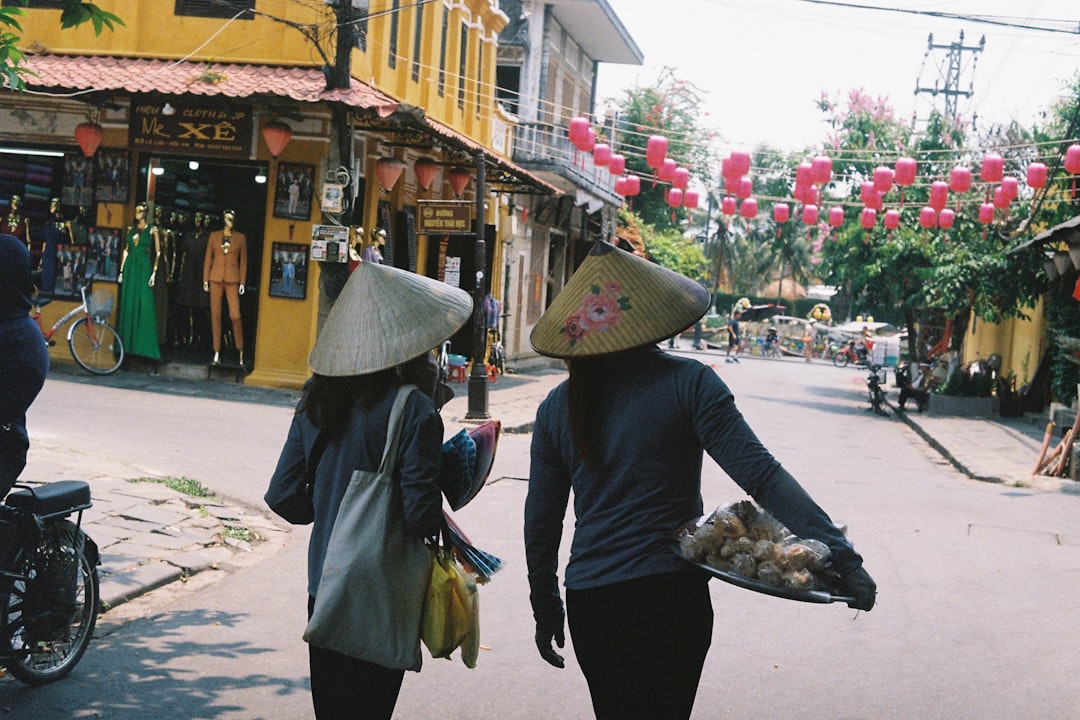
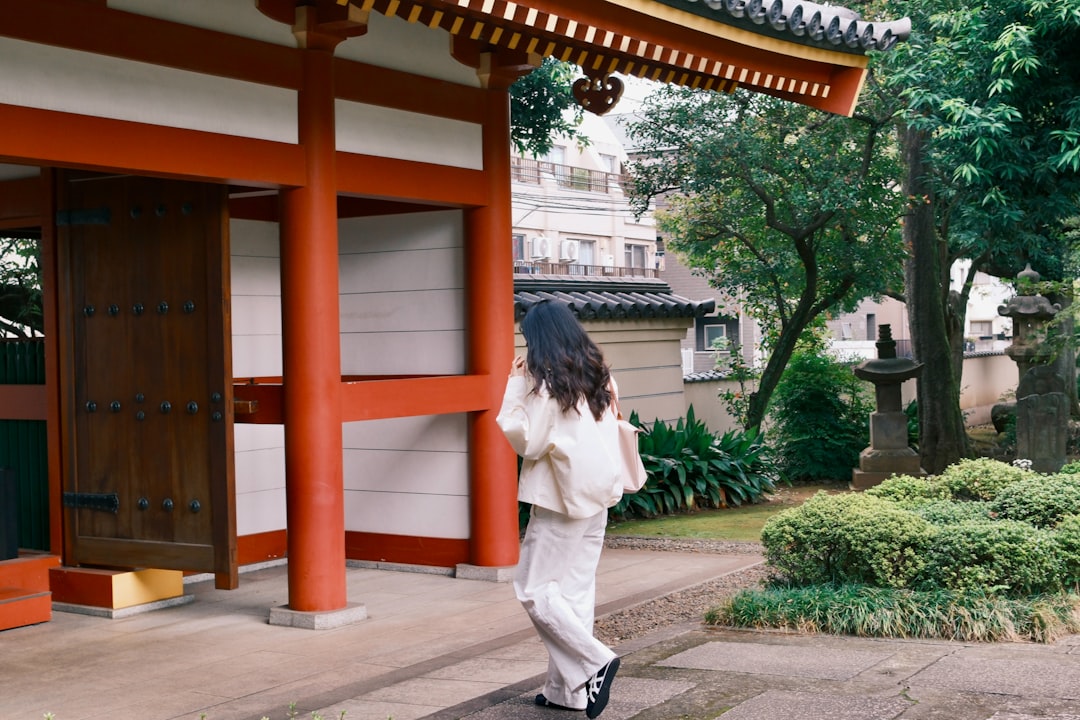
Photo by Céline Cao on Unsplash
There is a difference between seeing a place and being welcomed into it. The first is easy. You can land, check in, queue for the famous view, eat whatever the algorithm served you, and fly home with nice photos. The second takes a little humility. It means noticing that the room has gone quiet because everyone removed their shoes at the threshold and you did not. It means realizing the greeting comes before the question, the pause matters as much as the answer, and generosity is often offered in forms that are easy to miss if you are moving too fast.
The texture of travel changes when you understand local customs abroad. In Japan, formality can feel like a soft layer of choreography, visible in bows, careful exchanges of money, and the hush of a train carriage. In Morocco, hospitality often arrives with mint tea and conversation that should not be rushed. In Thailand, calmness and composure are part of social ease, while in parts of Southern Europe warmth can be louder, closer, and more expressive. None of these ways is better than another. They simply ask you to adjust your rhythm.
The best respectful travel tips are not about acting like a local after one overnight flight. They are about reducing friction. Once you stop assuming your habits are neutral, you travel more lightly. You also make better decisions: you pack differently, book differently, and plan more thoughtfully. If your trip involves shared decisions about what to wear to sacred sites or how formal dinners will work, it is worth aligning expectations early, especially with friends; Group Trip Planning Tips 2026: How to Avoid Drama Fast is useful for that side of the puzzle.
A practical mindset before you go:
- Research greeting customs before you research the best cocktail bars.
- Learn whether shoes come off in homes, temples, guesthouses, or even some fitting rooms.
- Check dining etiquette abroad for tipping, seating, and how to handle shared plates.
- Pack one lightweight layer that works for churches, mosques, temples, and cool evenings.
- Assume photography is a privilege, not a right.
- Carry small cash in local currency for markets, taxis, tips where appropriate, and temple donations.
- When confused, observe quietly for thirty seconds before acting.
Greeting customs around the world: first impressions happen fast
Photo by Abby AR on Unsplash
You can feel greeting customs before you understand them. In Tokyo, morning commuters move with precision, and the first exchange at a hotel desk often has a level of courtesy that seems almost ceremonial. In Bangkok, the wai is graceful and compact, palms together with a slight bow, and the tone matters as much as the shape. In Paris or Buenos Aires, a social greeting may come with cheek kisses among friends, while in the Gulf a hand over the heart can communicate warmth more appropriately than immediate physical contact.
This is where many travelers create accidental distance. They walk up to a counter and launch straight into a request. They assume a firm handshake signals confidence everywhere. They mirror too quickly, or not at all. Greeting customs are social weather: invisible until you step outside in the wrong clothes. The key is not to perform them dramatically. It is to be modest, watchful, and willing to follow the lead of the person in front of you.
One of the most useful cultural etiquette tips is to separate friendliness from familiarity. In some cultures, warmth is immediate and tactile. In others, respect looks quieter. A smile can help nearly everywhere, but even smiling has different weights depending on context. Add a local greeting in the local language and you shift the entire exchange. That effort signals respect before the rest of your vocabulary catches up.
Common greeting customs to know:
- Japan: Bowing is common, especially in formal settings. A handshake may happen in international business contexts, but a slight bow is a safe default. Avoid overly strong eye contact or back slapping familiarity.
- Thailand: The wai is widely recognized, but visitors do not need to overdo it. Return it politely when offered, especially with elders or in formal interactions.
- India and Nepal: Namaste, with palms together, is respectful and widely understood. Handshakes happen too, but wait for cues, especially across genders.
- France: In shops, begin with Bonjour before asking a question. Skipping the greeting can feel abrupt.
- Middle East: Use the right hand for greetings and exchanges. Physical contact across genders may be limited; let the other person set the tone.
- Latin America: Personal space can be closer than in Northern Europe or North America. Warm greetings are normal, and a purely transactional tone may feel cold.
- Scandinavia: Politeness is often understated. Do not mistake quietness for unfriendliness.
If you forget everything else, remember this sequence: greet, pause, then ask. That order alone improves countless interactions.
Dining etiquette abroad: what the table quietly expects
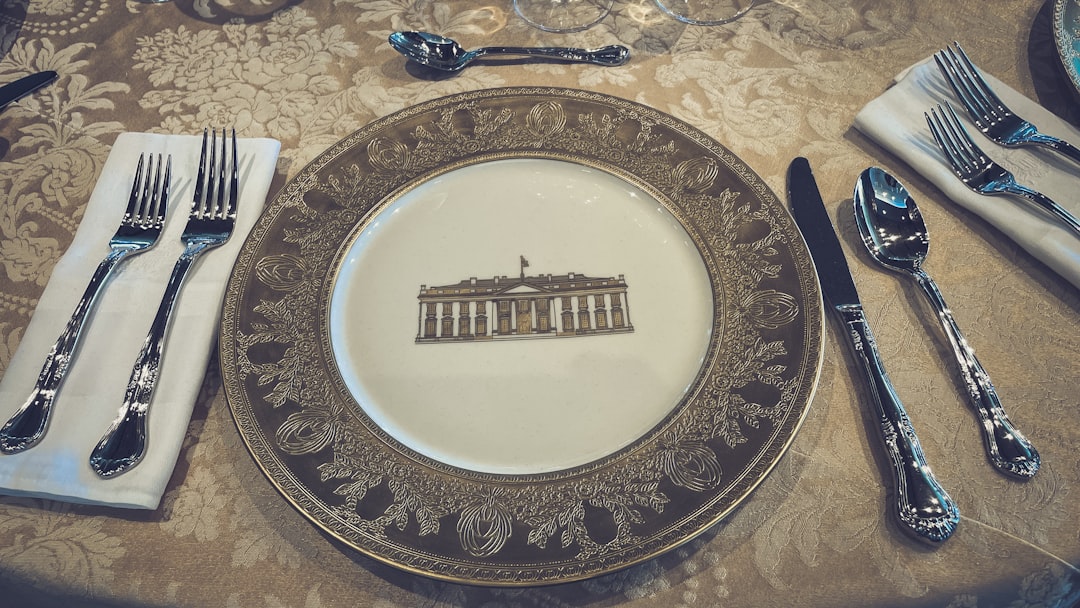
Photo by Jametlene Reskp on Unsplash
Meals are where travel becomes intimate. The scent of grilled fish rising from a night market, the clink of tiny tea glasses in a tiled courtyard, the steam from noodle bowls on a rainy evening: these moments are rich with culture because food carries rules that locals learned long before they learned to explain them. Dining etiquette abroad is not just about forks and napkins. It includes pacing, portioning, invitation etiquette, tipping, and the unspoken question of who begins first.
In many countries, the biggest mistake is rushing. Travelers eat as if they are completing a task between attractions. But a meal can be a social structure. In Morocco, tea may be part of welcome more than thirst. In Japan, the placement of chopsticks matters. In Ethiopia, sharing from a communal platter can be part of the experience. In Italy, coffee orders follow a cultural rhythm that does not always match international habits. These are small things, but they shape how relaxed and respectful you appear.
Among the most practical cultural etiquette tips is this: if you are unsure at a table, follow the eldest person, the host, or the room. Look for when people sit, when they start, where hands rest, whether dishes are shared, and whether the bill is handled discreetly or discussed openly. Dining etiquette abroad becomes much easier once you stop treating every meal as universal.
Important dining etiquette abroad to remember:
- Japan: Do not stick chopsticks upright in rice. It resembles a funeral ritual. Slurping noodles is generally acceptable and can signal enjoyment.
- India: Eat and pass food with your right hand when dining traditionally. The left hand may be considered unsuitable for food handling.
- China: Shared dishes are common. In some settings, leaving a little food can suggest you are satisfied, though practices vary by region and context.
- Italy: Cappuccino is usually a breakfast drink. Ordering one after a large evening meal is not forbidden, but it stands out.
- Middle East and North Africa: Accepting tea or small refreshments is often part of hospitality. If you decline, do so gently.
- South Korea and Japan: Tipping is not standard in the way it is in the United States. In some settings, it can create awkwardness.
- United States and Canada: Tipping remains expected in many restaurants and service settings.
A quick comparison of tipping and table habits:
| Destination | Typical tip | One table habit to know | Budget for a casual meal |
|---|---|---|---|
| Tokyo | Usually no tip | Do not pass food chopstick to chopstick | JPY 1200-2500 |
| Bangkok | Small rounding up or 5-10% in some restaurants | Share dishes; wait for the table flow | THB 120-350 street food, THB 300-700 casual sit-down |
| Marrakech | Around 10% if service is not included | Tea and hospitality may extend the meal | MAD 60-150 casual |
| Istanbul | Around 5-10% in restaurants | Bread and meze often set the pace | TRY 250-700 casual |
| Rome | Coperto or service may appear; rounding up is common | Bread and coffee timing matter | EUR 15-30 casual |
If food costs are part of your planning, especially across countries with different tipping habits and cash needs, Create a Travel Budget in 2026: A Realistic Guide is a smart companion read.
Dress codes for temples, mosques, churches, and family homes
Nothing announces whether you prepared for a destination faster than clothing. The irony is that travelers often spend hours choosing what photographs well and almost no time choosing what travels respectfully. Yet dress codes for temples, mosques, churches, and conservative neighborhoods can shape whether you are admitted, how you are perceived, and how comfortable you feel moving through a place.
The feeling of being underdressed in a sacred space is immediate. You notice it in the cool shade of stone after a bright street, in the silence, in the fact that everyone around you seems to have understood a rule you missed. Dress codes for temples are not about style policing for its own sake. They are often tied to reverence, modesty, and shared expectation. In many parts of Southeast Asia, shoulders and knees should be covered for temple visits. In some mosques, women may need a head covering and everyone may need clothing that avoids tight or revealing cuts. In churches across Southern Europe, beachwear can look jarring even where enforcement is inconsistent.
A second layer of clothing etiquette happens beyond religion. Local customs abroad shape how people interpret shorts, crop tops, athletic wear, beach cover-ups, and even outdoor voices paired with outdoor clothes. There are places where a sleeveless top is normal and shorts are not. Places where a headscarf is required in one building and optional in the next. Places where shoes come off in homes, traditional lodgings, and some religious sites. Good cultural etiquette tips make room for flexibility instead of one global packing list.
Smart clothing rules that work across many destinations:
- Carry a light scarf or shawl. It can cover shoulders, knees, or hair when needed.
- Pack loose trousers or a long skirt for sacred sites and conservative districts.
- Choose tops that cover shoulders if you plan to visit temples, churches, or mosques.
- Wear shoes that slip on and off easily if you expect to remove them often.
- Keep swimwear for beaches and pools, not city streets or transport.
- Avoid clothing with offensive slogans, political symbols, or sacred imagery used as fashion.
Dress codes for temples and sacred spaces by example:
- Bangkok, Wat Pho and the Grand Palace: covered shoulders and below-the-knee bottoms are the safest choice.
- Marrakech mosques: many are not open to non-Muslim visitors, but modest clothing in surrounding areas is still respectful.
- Istanbul, Blue Mosque area: modest dress is appreciated; women may need head coverage inside mosques and shoes come off.
- Rome, major churches such as St. Peter's Basilica: avoid bare shoulders, very short hemlines, and beachwear.
- Kyoto and Nara temples: modest, neat clothing is wise even where enforcement is relaxed.
Respectful travel tips for body language, photos, and public behavior
A traveler can learn all the right phrases and still make a room tense with body language. Gesture is one of the least translated parts of travel. In some Buddhist cultures, the head is treated with special respect while feet are considered low and impolite to point toward people or sacred objects. In some countries, strong direct eye contact feels confident; in others, it can feel aggressive. In some places, the line between animated and disruptive is much thinner than visitors expect.
Photography multiplies these mistakes because it mixes body language, ownership, and speed. A market in Marrakech glows with copper lamps and spice mounds; a lane in Kyoto seems made for quiet images; a ceremony in Bangkok or Varanasi can feel visually irresistible. But the camera changes the moment. Even where it is legally permitted, it may not be welcome. This is one of the most important respectful travel tips in this guide: not every meaningful moment belongs in your gallery.
Public behavior also includes volume, queueing, litter, affection, smoking, and how you occupy space. The hush on a Japanese train, the disciplined line at a London bus stop, the rule-conscious public spaces of Singapore, the calmer tone expected in temple compounds, the etiquette of bargaining in souks and bazaars: all of it belongs to daily civic life. Cultural etiquette tips work best when they move beyond tourist attractions and into ordinary behavior.
Body language and public etiquette reminders:
- Do not touch someone's head in Thailand and many Buddhist cultures.
- Avoid pointing your feet at people, altars, or sacred objects in parts of Asia.
- Ask before photographing people, especially elders, children, artisans at work, and worshippers.
- Observe no-photo signs carefully in religious buildings and museums.
- Keep voices low on public transport in places where quiet is the norm.
- Queue where queues exist, even if the line looks informal.
- Bargain with humor and restraint in markets where it is customary, but do not bargain aggressively in fixed-price stores.
- Be cautious with public displays of affection in conservative destinations.
A useful rule for solo travelers: when you stand out, etiquette and safety often overlap. Blending in through calmer dress, quieter observation, and better reading of social cues can make a place feel smoother as well as safer. For that wider lens, Solo Travel Safety Tips for 2026: A Confident Guide adds context beyond etiquette.
How to get there
A global etiquette guide needs real-world entry points, because customs become memorable when attached to arrivals. If you want to practice cultural etiquette tips in destinations where local rituals are especially visible in everyday life, Tokyo, Bangkok, Marrakech, and Istanbul are excellent gateways. Each offers a different social rhythm, a different relationship to sacred space, and a different lesson in how quickly first impressions matter.
The arrival experience itself teaches a lot. In Tokyo, order and quiet begin the moment you board the airport train. In Bangkok, the heat and movement are immediate, and temple dress codes start to matter almost as soon as you plan your first sightseeing day. Marrakech brings scent first, then color, then the layered etiquette of medina hospitality. Istanbul unfolds through calls to prayer, ferry horns, tea, and neighborhoods where modesty and metropolitan energy coexist side by side.
Typical 2026 arrival options from major hubs:
| Gateway city | Main airport | Common nonstop hubs | Flight time from London | Typical return fare from London | Airport to center |
|---|---|---|---|---|---|
| Tokyo | HND, NRT | London, New York, Los Angeles, Singapore | 13-14 hours | GBP 700-1100 | Haneda to Tokyo Station 25-35 min by Tokyo Monorail and JR, around JPY 700; Narita Express 55-65 min, around JPY 3070 |
| Bangkok | BKK, DMK | London, Dubai, Singapore, Hong Kong | 11.5-12.5 hours | GBP 550-900 | Airport Rail Link to Phaya Thai 26-30 min, around THB 45; taxi 35-60 min, around THB 350-500 plus tolls |
| Marrakech | RAK | London, Paris, Madrid, Lisbon | 3.5-4 hours | GBP 80-250 | Taxi 15-25 min to Medina or Gueliz, usually MAD 100-150 depending on time and negotiation |
| Istanbul | IST, SAW | London, New York, Doha, Frankfurt | 3.75-4.25 hours | GBP 150-350 | Havaist bus to Sultanahmet or Taksim 60-100 min depending on traffic, around TRY 170-250 |
If you are arriving from the United States, expect roughly these nonstop durations: New York to Tokyo 14 hours, New York to Istanbul 9.5-10 hours, New York to Marrakech usually 10-12 hours with a connection, and New York to Bangkok most often 16-20 hours with a connection.
Useful official links for transport and planning:
- Tokyo airports: https://tokyo-haneda.com/en/ and https://www.narita-airport.jp/en/
- Tokyo tourism: https://www.gotokyo.org/en/
- Bangkok airports: https://suvarnabhumi.airportthai.co.th/ and https://donmueang.airportthai.co.th/
- Thailand tourism: https://www.tourismthailand.org/
- Marrakech airport information: https://www.onda.ma/en/Our-airports/Marrakesh-Menara-Airport
- Morocco tourism: https://visitmarrakech.com/en/
- Istanbul Airport: https://www.istairport.com/en
- Turkiye tourism: https://goturkiye.com/
Things to do
The fastest way to turn cultural etiquette tips into instinct is to place yourself in spaces where behavior matters. Markets teach you how to ask before photographing. Temples teach you to slow your movements and consider clothing. Traditional neighborhoods reveal how greetings begin before transactions. Museums, tea houses, hammams, ferries, and family-run restaurants all train your social radar in different ways.
What follows is not a list of the biggest headline attractions alone. It is a list of places where local customs abroad are visible and where respectful travel tips make the experience noticeably richer. Go early, go slowly, and remember that observation is part of the activity.
- Senso-ji Temple, Asakusa, Tokyo
- Tsukiji Outer Market, Tokyo
- Wat Pho, Bangkok
- Or Tor Kor Market, Bangkok
- Jemaa el-Fnaa and Rahba Kedima, Marrakech
- Le Jardin Secret, Marrakech
- Blue Mosque and Sultanahmet Square, Istanbul
- Grand Bazaar and Spice Bazaar, Istanbul
Where to stay
Where you sleep can teach etiquette as effectively as any museum. A large international chain may reduce uncertainty, but smaller stays often sharpen your awareness of local customs abroad: removing shoes at the entrance, lowering your voice in shared halls, understanding breakfast rituals, or handling staff interactions with a little more formality. That said, comfort matters too. The best choice is not the most traditional one; it is the place whose style matches your confidence and curiosity.
For travelers using cultural etiquette tips as part of the trip itself, I like mixing one highly local stay with one familiar base. A ryokan or small Japanese guesthouse teaches structure and quiet. A riad in Marrakech teaches hospitality and domestic rhythm. A boutique hotel in Istanbul or Bangkok often offers enough guidance to help you navigate dress, greeting customs, and neighborhood behavior without feeling lost.
Suggested stays by budget tier:
| Budget tier | Hotel | Area | Typical 2026 price |
|---|---|---|---|
| Budget | K's House Tokyo Oasis | Asakusa, Tokyo | JPY 9000-16000 per double |
| Budget | The Yard Hostel | Ari, Bangkok | THB 1200-2200 per private room |
| Budget | Hotel Aday | Medina, Marrakech | MAD 500-900 per double |
| Mid-range | Nohga Hotel Ueno Tokyo | Ueno, Tokyo | JPY 22000-36000 |
| Mid-range | AriyasomVilla | Sukhumvit area, Bangkok | THB 4200-7000 |
| Mid-range | Riad BE Marrakech | Medina, Marrakech | MAD 1400-2200 |
| Luxury | Hoshinoya Tokyo | Otemachi, Tokyo | JPY 95000-160000 |
| Luxury | Mandarin Oriental Bangkok | Riverside, Bangkok | THB 18000-32000 |
| Luxury | Ciragan Palace Kempinski | Besiktas, Istanbul | TRY 18000-35000 |
What to consider before booking:
- In traditional lodgings, ask whether shoes are removed in common spaces.
- Check whether breakfast is included and whether it is served at fixed times.
- In medina neighborhoods, confirm whether cars can reach the door or if luggage must be walked in.
- During Ramadan, prayer times, or major holidays, ask how service patterns may change.
- If traveling with children or a large group, verify dress expectations in shared areas and pool zones.
Where to eat
Restaurants are the friendliest place to learn cultural etiquette tips because the rewards are immediate. A meal gives you structure, repetition, and context. You watch how locals queue, order, share, pour tea, handle chopsticks, tip, and linger. You smell sesame oil, grilled lamb, charred peppers, fish stock, butter, mint, citrus, cardamom, coffee. You notice that one culture treats breakfast like a quick ritual and another treats dinner like an evening's architecture.
Dining etiquette abroad becomes much easier when you choose places where local habits are still visible rather than flattened for speed. Sit-down lunch counters, classic neighborhood restaurants, market food courts, meze houses, and long-standing cafes are better teachers than generic menus with glossy photos. The goal is not to chase authenticity as a performance. It is to place yourself where the social rhythm of eating can still be felt.
A few reliable places and food areas to learn from:
| City | Place | What to order | Price range | Etiquette note |
|---|---|---|---|---|
| Tokyo | Sometaro, Asakusa | Okonomiyaki cooked at the table | JPY 1500-3000 | Follow the pace of the table and be mindful of shared hotplates |
| Tokyo | Tsukiji Outer Market | Sushi, grilled scallops, tamagoyaki | JPY 1000-3500 | Eat near the stall if requested and avoid walking while eating where space is tight |
| Bangkok | Krua Apsorn | Crab omelet, yellow curry, stir-fries | THB 250-600 | Meals are shared; order several dishes for the table |
| Bangkok | Or Tor Kor Market | Mango sticky rice, curries, seafood | THB 80-400 | Observe queue flow before stepping in |
| Marrakech | Cafe des Epices, Rahba Kedima | Tagine, couscous, mint tea | MAD 80-160 | Tea is part of the social rhythm, not just a drink |
| Istanbul | Karakoy Lokantasi | Meze, lamb, seasonal mains | TRY 600-1200 | Bread, meze, and conversation set the pace; do not rush the meal |
Local dishes worth seeking out:
- Japan: ramen, tempura, soba, sushi, okonomiyaki, matcha sweets
- Thailand: khao soi, som tam, pad kra pao, mango sticky rice, grilled river prawns
- Morocco: tagine, pastilla, harira, msemen, mechoui, orange with cinnamon
- Turkiye: simit, menemen, kofte, meze spreads, baklava, Turkish tea
A final note on invitations: if you are invited into a home, bring a small gift when appropriate, arrive on time unless local norms suggest otherwise, and do not assume you should start photographing the table. Home hospitality is one of the clearest places where local customs abroad matter.
Practical tips
The trick to using cultural etiquette tips well is turning them into habits before you board the plane. That means checking seasons, carrying the right clothing layers, keeping small cash, and knowing when public life changes because of religion, holidays, or weather. It also means planning enough margin that you do not bulldoze through a place simply because you are late.
Many etiquette mistakes happen because travelers are tired, overheated, underdressed, or operating on a schedule so tight that they stop noticing their surroundings. Respectful travel tips are often logistical before they are moral. A scarf in your bag, a refillable water bottle, an offline map, a little local cash, and ten extra minutes before a temple or family dinner will improve your behavior more than memorizing fifty rules.
Season, money, safety, and connectivity at a glance:
| Destination | Best months | Weather notes | Currency | Connectivity |
|---|---|---|---|---|
| Tokyo | Mar-May, Oct-Nov | Humid summers, cool winters, rainy season in early summer | JPY | Excellent eSIM and pocket Wi-Fi options |
| Bangkok | Nov-Feb | Hot year-round, very humid before monsoon breaks | THB | Strong 4G and 5G, easy airport SIM setup |
| Marrakech | Mar-May, Sep-Nov | Very hot in midsummer, cool nights in winter | MAD | Good urban coverage; riad walls can weaken signal |
| Istanbul | Apr-Jun, Sep-Oct | Hot summers, damp cool winters | TRY | Strong urban coverage and easy eSIM use |
Packing list for etiquette and comfort:
- Light scarf or shawl
- Tops that cover shoulders
- Loose trousers or a midi skirt
- Slip-on shoes or sandals that can be removed easily
- Reusable water bottle
- Portable charger
- Small cash in local currency
- Offline translation app and offline map
- Minimalist day bag that closes securely
Money, customs, and safety notes:
- Carry both card and cash. Small vendors, taxis, market stalls, and donations may still prefer cash.
- In some places, public holiday and prayer schedules change business hours more than travelers expect.
- During Ramadan in Muslim-majority countries, be discreet about eating and drinking in public during daylight hours where local norms require it.
- Learn the difference between friendly bargaining and disrespectful haggling.
- Use modest dress and calm body language in areas where you want less attention.
More useful official planning links:
- UK foreign travel advice: https://www.gov.uk/foreign-travel-advice
- US travel advisories: https://travel.state.gov/content/travel/en/traveladvisories/traveladvisories.html
- EU consumer travel rights: https://europa.eu/youreurope/citizens/travel/index_en.htm
- Rome and Vatican visitor information: https://www.turismoroma.it/en and https://www.basilicasanpietro.va/en.html
If you are traveling in shoulder months to avoid crowds and reduce social friction in busy sacred sites and markets, Shoulder Season Travel Tips for 2026: Save More, See More pairs especially well with this guide.
FAQ
What are the most important cultural etiquette tips before traveling?
Start with the basics: learn greeting customs, check dress expectations, understand whether shoes should come off, read up on dining etiquette abroad, and know the local approach to photos, tipping, and public affection. You do not need to memorize everything, but you do need to avoid assuming your habits are universal.
How can I avoid offending locals if I do not know the rules?
Slow down and observe. Most mistakes happen because travelers act before they read the room. A quiet pause at a doorway, restaurant table, shrine, or market stall will often tell you what to do. If you make a mistake, apologize simply and move on.
Are cultural etiquette tips different for cities and rural areas?
Yes. Capital cities are often more flexible, international, and forgiving, especially in business districts and major tourist zones. Rural areas, family homes, and religious communities may expect closer adherence to local customs abroad, especially around dress, greetings, shoes, and photography.
How much should I change my clothing for cultural reasons?
Enough to show respect, not enough to feel disguised. The safest approach is adaptable clothing: shoulders covered, knees covered when needed, neutral layers, and footwear you can remove easily. Dress codes for temples and conservative neighborhoods are easier to manage when you pack for them from the start.
What should I do if a custom conflicts with my comfort level?
You are never required to participate in something that feels unsafe or deeply uncomfortable. Cultural etiquette tips are about respect, not self-erasure. Decline politely, express thanks, and choose an alternative when possible.
Travel gets richer when you stop treating etiquette as a list of traps and start seeing it as a language of care. A bow, a scarf over the shoulders, a pause before a photo, the decision to greet before asking, the instinct to lower your voice in a sacred space: these are small acts, but they change the way a journey feels. They make you more observant, more welcome, and often more present. Long after the flights blur together, what remains is the warmth of having moved through another culture with curiosity instead of entitlement.