Here is the uncomfortable truth: most trips do not go wrong because a traveler is alone. They go wrong because the traveler is distracted. A dead phone, a rushed airport pickup, one wrong turn after dark, a wallet kept in the same pocket as a passport: that is enough to turn confidence into panic. That is why solo travel safety tips matter so much. The safest solo traveler is rarely the boldest one; it is the one who arrives with a plan, a backup, and the calm that comes from knowing what to do next.
Solo travel has a way of sharpening the senses. You notice the click of bicycle chains at dawn, the smell of coffee drifting out of a station kiosk, the soft fluorescent light of a hotel lobby at midnight. Traveling alone can be liberating, but it also asks you to manage every detail by yourself. In 2026, that is exactly what many people want: freedom, flexibility, and the luxury of moving at their own pace. Solo travel safety tips are not about making the trip smaller. They are about making the trip feel open, even when you are the only person holding the map.
This guide focuses on real habits that reduce risk without turning your holiday into a spreadsheet. You will find a practical travel safety checklist, advice for solo female travel safety, what to do during the first 24 hours, how to choose safe accommodation for solo travelers, and how to eat, move, and explore with more confidence. If you want a quieter, less frantic version of the same journey, the timing advice in Shoulder Season Travel Tips for 2026: Save More, See More can help too.
Solo travel safety tips start before you book
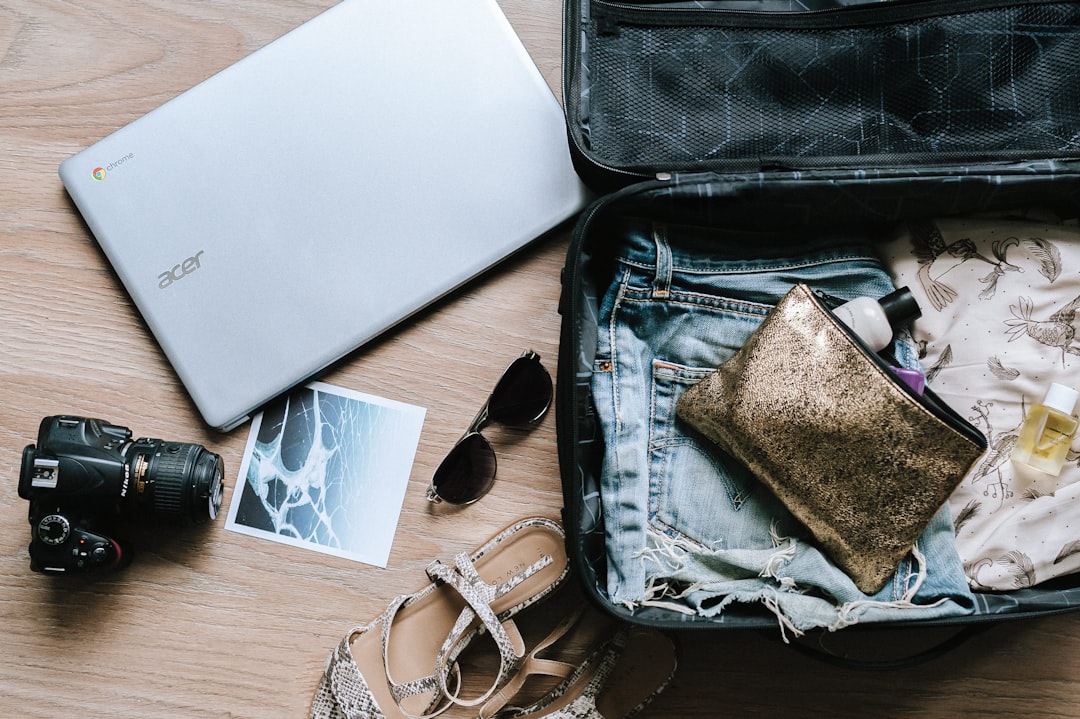
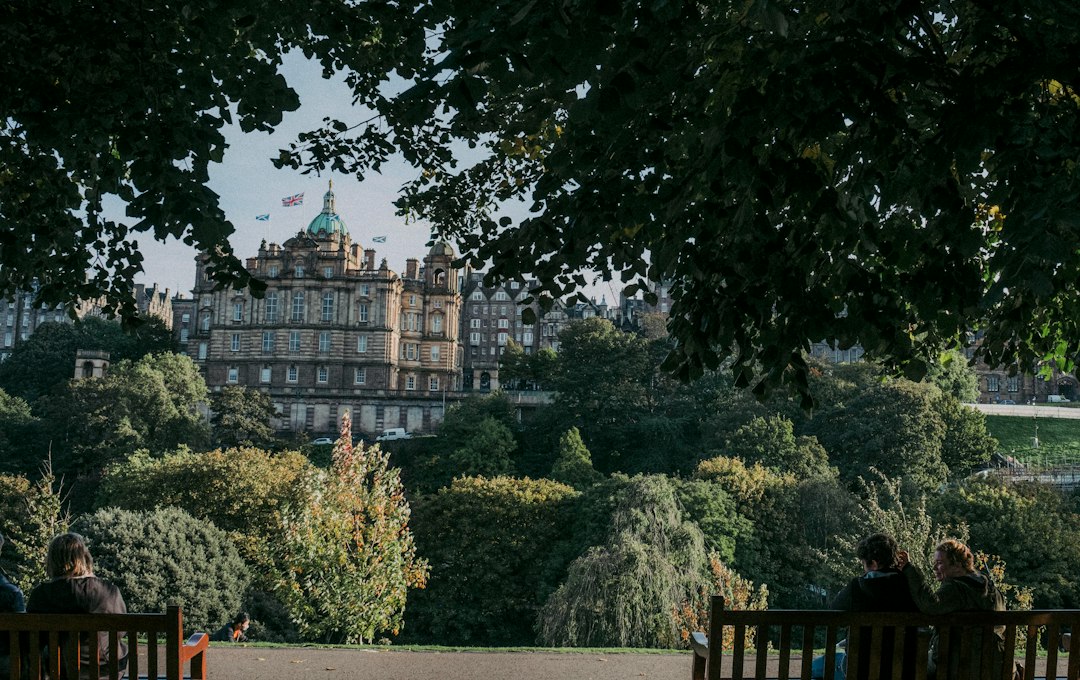
Photo by Anete Lūsiņa on Unsplash
The best solo trips feel effortless because the hard work happens long before departure. That is the heart of solo travel safety tips: set up a trip that leaves less to chance. Before you click buy, spend a few calm minutes on the basics. Check the latest advice for your destination, read a handful of recent traveler reports, and look at the arrival logistics as carefully as you look at the hotel photos. A city can be beautiful and still be awkward for a solo traveler if the airport transfer is confusing, the neighborhood is isolated, or late-night transport is thin.
Start with official travel advisories and health guidance. A few trustworthy places to bookmark are U.S. travel advisories, UK foreign travel advice, and Smartraveller. Then compare them with what recent travelers say about the exact neighborhood, train station, or bus route you plan to use. That combination gives you a much clearer picture than any glossy brochure.
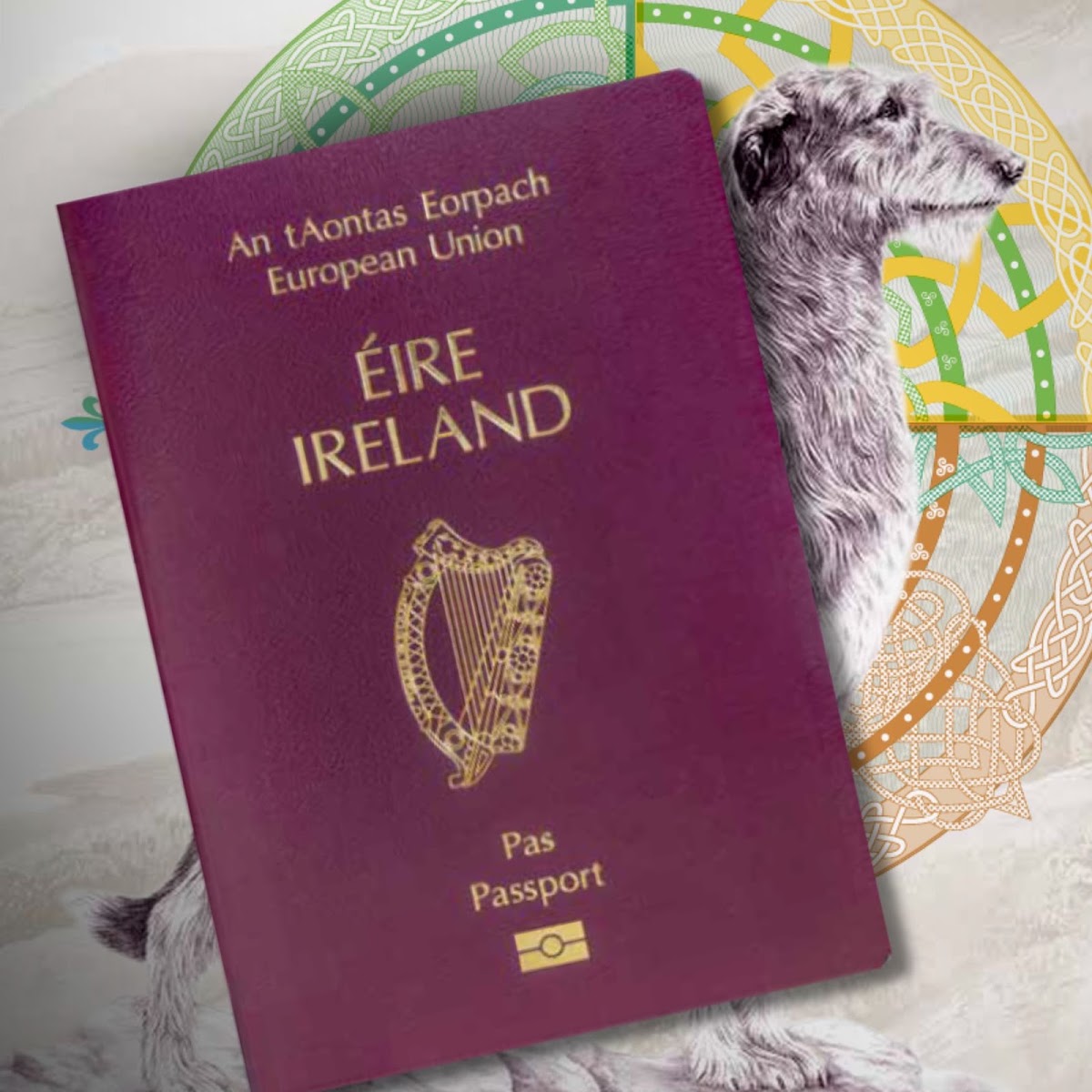
A solid travel safety checklist should also cover your documents and backups. Scan your passport, visa, insurance, driver’s license, and cards before you leave. Store them in encrypted cloud storage, email copies to yourself, and keep a separate offline version on your phone. I like to keep everything in one secure folder and pair it with an itinerary hub like TravelDeck so the hotel address, transfer confirmation, and emergency contacts are never buried in a chaotic inbox.
A good solo traveler also plans for the boring little failures, because those are the ones that matter most. Pack two payment cards from different networks, bring a spare charger, and save your country’s embassy or consulate information. Learn how to say a few survival words in the local language: help, police, hospital, lost, and where is the station. You will probably never need them, but the moment you do, they are priceless.
Here is a simple pre-trip travel safety checklist you can use without overthinking it:
- Read destination advisories and recent neighborhood reports.
- Buy travel insurance for solo travelers that includes medical cover, evacuation, and cancellation.
- Share your itinerary with one trusted person at home.
- Save hotel, transfer, and emergency contacts offline.
- Download maps before you fly.
- Learn a few local phrases for emergencies.
- Book your first night’s transfer in advance if you arrive late.
- Keep a copy of your passport and bank cards separate from the originals.
That list is short on purpose. A travel safety checklist should help you travel, not trap you in preparation paralysis. The aim is not to predict every problem. It is to make sure that if something small goes wrong, you already know your next move.
The first 24 hours are where solo travel safety tips pay off
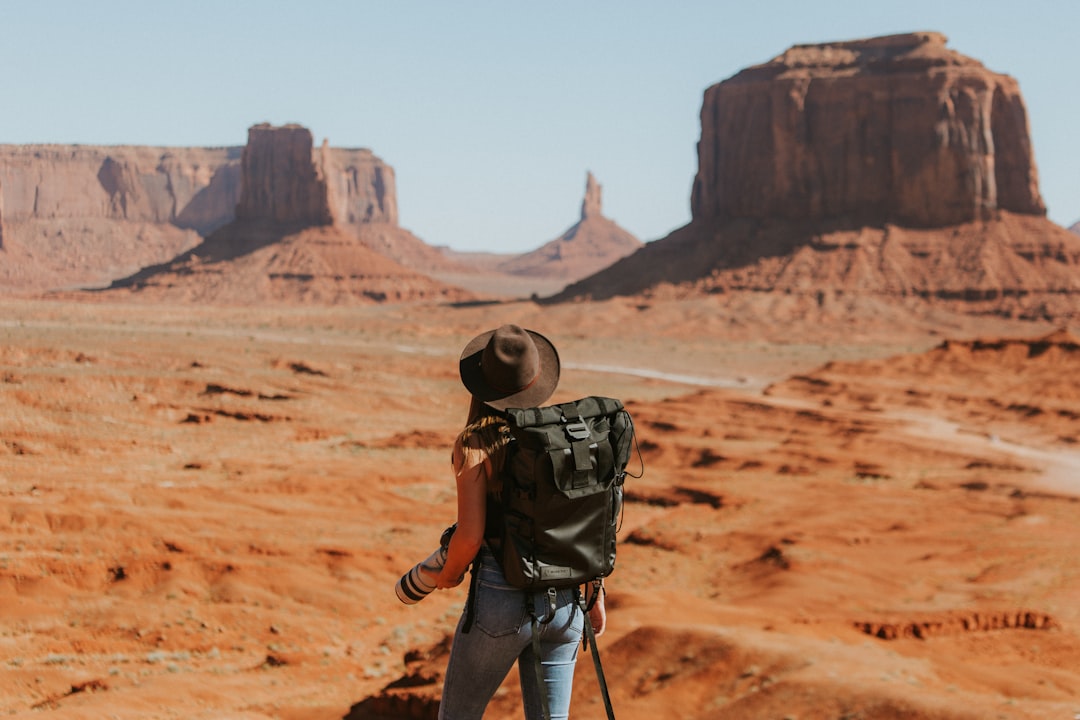
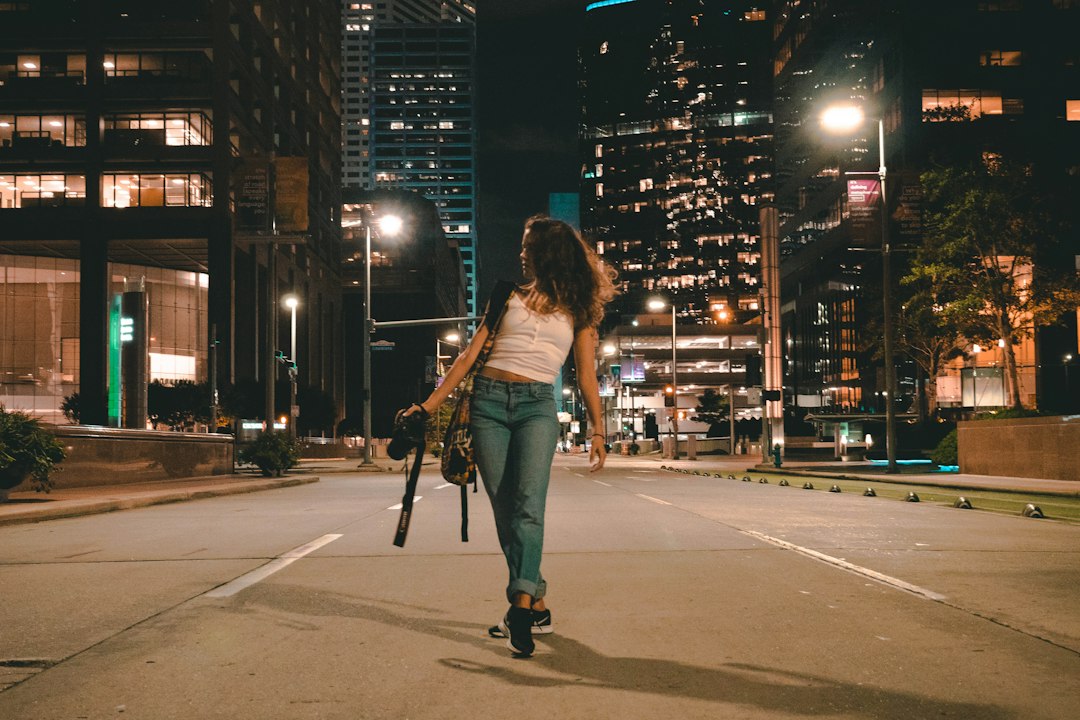
Photo by Ivana Cajina on Unsplash
The first day in a new place is a blur of noise, bright signs, unfamiliar accents, and the deep tiredness that arrives after a flight or overnight train. That is exactly when people make avoidable mistakes. If you want solo travel safety tips that genuinely reduce stress, focus on the hours between landing and bedtime. The goal is not to do more. It is to do less, more deliberately.
When you land, turn on offline maps before you leave the airport. Make sure your phone battery is topped up and your data connection works. If you are taking a rideshare, check that the plate number, driver name, and car match the app before you get in. If you are using a taxi, choose the official rank, not the driver who waves you over with too much enthusiasm. The safest option is usually the one that looks plain and slightly unglamorous.
Once you reach your accommodation, take five minutes to notice the room like a tired local would. Lock the door, test the chain, find the nearest exit, and put your passport somewhere you can reach without unpacking the entire room. If you are too drained to go out, do not force a big first-night adventure. Eat nearby, walk a single well-lit street, and keep the evening simple. One calm night can set the tone for the whole trip.
A useful first-day routine looks like this:
- Land with your first transfer already arranged.
- Confirm the route from airport to accommodation before you arrive.
- Check in, lock up, and rest for 20 to 30 minutes.
- Make one daylight walk to learn the nearest safe area.
- Buy water, cash, or a local SIM only from obvious, busy places.
- Eat close to your stay rather than chasing a late-night restaurant across town.
- Set an alarm for the next morning so you do not wake up disoriented and rushed.
Those are small habits, but they sit at the core of solo travel safety tips. Most solo travelers do not need dramatic heroics. They need a smooth arrival that lets the rest of the trip unfold at normal speed.
Money and digital safety matter more when nobody is watching your back
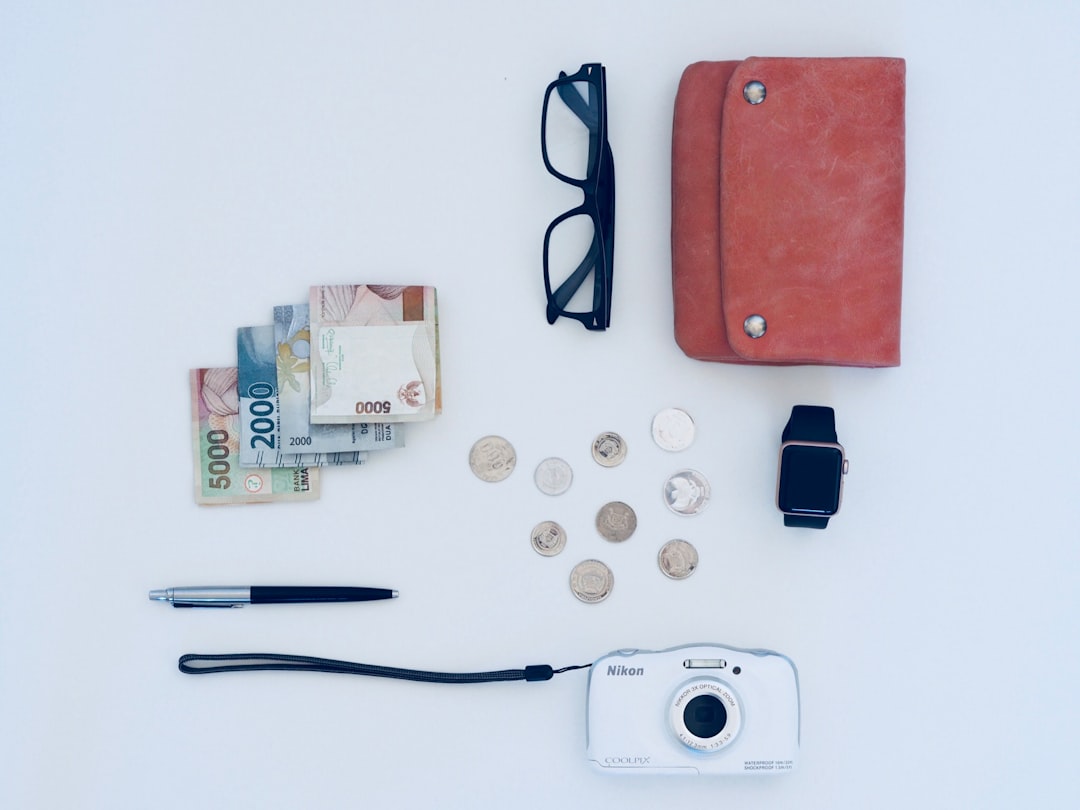
Photo by Jess Bailey on Unsplash
Money problems feel twice as sharp when you are alone. If a card stops working or cash disappears, there is no travel partner to cover dinner or lend you a backup phone charger. That is why travel insurance for solo travelers and strong money habits are not optional extras. They are part of the trip itself. When you are on your own, every decision about access matters: access to money, access to data, access to your own identity if something gets stolen.
Use at least two cards, and keep one separate from your everyday wallet. I prefer a main card in a secure pocket and a backup card hidden deeper in my bag or money belt. Keep a small emergency stash of cash in local currency or a widely accepted equivalent, and never store all of it in the same place. Use ATMs inside banks, shopping centers, or airport halls rather than stand-alone machines on quiet streets. It is a tiny thing, but it reduces risk in a way that is easy to miss until you need it.
On the digital side, treat public Wi-Fi like a shared lounge, not a private office. If you need to check a bank app or make a booking, use a VPN and avoid logging into sensitive accounts on open networks whenever possible. Turn on remote wipe for your phone and laptop, enable face or fingerprint lock, and keep your most important travel details backed up somewhere secure. A good travel safety checklist now includes digital habits because a stolen phone can be as disruptive as a stolen wallet.
A few money and tech habits worth building into solo travel safety tips:
- Use travel-friendly banking or card apps that alert you to suspicious activity.
- Notify your bank before you travel so your card is not blocked at the worst possible moment.
- Keep ATM PIN entry shielded with your hand.
- Save your insurance hotline and embassy number in your contacts, not just in your email.
- Avoid posting your exact location in real time if it could reveal that you are alone or away from your room.
- Carry a small charger or power bank so your maps, taxi apps, and translation tools never die at once.
Money security sounds unglamorous, but it buys something luxurious: ease. When your cards work, your phone has battery, and your backups are organized, the city feels kinder. You move a little more lightly.
Solo female travel safety: quiet habits that add real protection
Solo female travel safety is often described in vague, polished language, but the practical version is much more ordinary. It is about making your presence less complicated to read. In some places that means dressing more simply than you would at home. In others it means choosing accommodation with stronger lighting, a more visible front desk, or women-only dorms. The right move depends on location, but the principle stays the same: reduce friction before it becomes a problem.
The biggest solo female travel safety upgrades are often the ones that other people barely notice. Pick a room on an upper floor if possible. Use the door lock every time, even when you are inside. Carry a small personal alarm if it gives you peace of mind. And if a new acquaintance asks for your hotel address or room details, you do not owe them that information. Friendly does not mean available, and politeness is never worth more than your comfort.
A lot of solo female travel safety is also about social timing. Arriving at night in an unfamiliar neighborhood can feel dramatically different from arriving at 3 p.m. with daylight on the sidewalks and open shops nearby. Try to arrange your first arrival, check-in, and first dinner while the city is still awake. If you are heading out after dark, keep the plan short and specific: one restaurant, one taxi back, one well-lit route.
A few habits that experienced solo women lean on:
- Read recent reviews from other solo women before booking.
- Choose hostels or hotels with clear reception hours and visible staff.
- Keep a low profile with valuables, jewelry, and expensive gear.
- Use ride-hailing apps or official taxis instead of random street pickups at night.
- Share live location with someone you trust for the first evening if that makes you feel safer.
- Trust the feeling that tells you to leave early. You do not need to justify it.
The point of solo female travel safety is not to shrink your trip. It is to keep your decisions clear enough that fear does not get to write the script. Confidence is much easier to maintain when the basics are already handled.
How to get there
For a solo traveler, arrival is part of safety. The easiest trip is not always the cheapest one; it is the one that gets you from plane, train, or ferry to your room with the least confusion. When people ask for solo travel safety tips, they often mean the moment the map stops being a plan and starts being a place. That is why transport matters so much.
If you are choosing a first solo base city, look at how simple the transfer feels from the airport or station. Does the city have a direct train into the center? Are taxis official and easy to find? Is there a bus that runs frequently enough to avoid a long, lonely wait? Those details decide whether your arrival feels smooth or precarious.
| Solo-friendly base | Main airport / station | Safest transfer | Typical cost | Typical time |
|---|---|---|---|---|
| Tokyo | HND / NRT | Train or official taxi | ¥500-¥7,500 | 20-60 min |
| Lisbon | LIS | Metro, Aerobus, or taxi | €1.80-€15 | 20-30 min |
| Reykjavik | KEF | Flybus or prebooked transfer | ISK 3,500-6,500 | 45-60 min |
| Chiang Mai | CNX | Grab or prebooked taxi | THB 150-250 | 15-20 min |
| Auckland | AKL | SkyBus or verified rideshare | NZ$22-75 | 45-60 min |
A few overland examples also help when you are deciding whether to stay put, hop regions, or combine cities on one trip:
| Route | Transport | Typical time | Approximate cost |
|---|---|---|---|
| Osaka to Tokyo | Shinkansen | 2h10m-2h30m | ¥13,320-¥14,000 |
| Porto to Lisbon | Intercity train | 2h50m-3h10m | €25-€40 |
| Bangkok to Chiang Mai | Overnight train | 11-14h | THB 250-1,800 |
| Auckland to Waiheke Island | Ferry | 40 min | NZ$46 return |
| Reykjavik to the Golden Circle area | Car or bus | 1h-2h+ | varies |
Notice how many of those routes avoid the most chaotic middle of the night. That is intentional. Solo travel safety tips work best when your arrival or departure does not force you into a tired, disoriented, late-evening scramble. If you land after dark, pay the extra amount for a reliable transfer. If you are arriving by train, know the station exit that puts you closest to your accommodation. If you are arriving by ferry, pre-read the terminal layout so you are not wandering around with luggage while trying to find the right platform.
Think of transportation as a sequence of decisions you want to simplify:
- Book the first leg if it arrives late.
- Choose the airport transfer that is easiest to verify.
- Save your accommodation address in the notes app and in your map app.
- Keep one payment method ready for the first ride, not buried in your bag.
- If you are unsure, step into a staffed kiosk, hotel desk, or station office rather than standing on the curb trying to decode signs.
The smoother the arrival, the faster the city stops feeling abstract. That is the real value of solo travel safety tips: they buy you enough mental space to notice the place itself.
Things to do when you travel alone
The best solo days are not necessarily the busiest ones. They are the days when you feel comfortably occupied, lightly social, and never stranded in a place you did not choose. Good solo activities let you stay visible without feeling exposed. They place you among people, but not in a way that demands constant conversation. That balance is where confidence grows.
Start with daylight activities that are easy to exit when you want. A morning walking tour, a museum visit right after opening, or a market stroll before lunch gives you structure without pressure. In Lisbon, that might mean wandering Alfama before the trams fill up. In Tokyo, it could be a quiet walk through Yanaka or a first coffee in Asakusa. In Chiang Mai, the Old City is at its most readable in the morning light. In Reykjavik, the harbor and Harpa concert hall are both pleasant places to begin a day alone.
If you like food, book a small group class or a market tour. This is one of the simplest solo travel safety tips because it gives you instant context. You learn the city through taste, smell, and conversation, and you do not have to perform extroversion to do it. Cooking classes, wine tastings, tea ceremonies, and street-food tours all create a soft structure that helps the hours pass naturally.
A few solo-friendly activities that feel social without being overwhelming:
- Join a free walking tour on your first or second morning.
- Reserve a counter seat at a ramen shop, tapas bar, or sushi bar.
- Spend an hour in a museum, gallery, or cathedral when it opens.
- Take a daylight ferry, river cruise, or short train excursion.
- Sit in a busy market for coffee, fruit, or a light lunch and just watch the city move.
- Pick one sunset viewpoint, then leave before the neighborhood empties out.
- Book a class that has a clear start and end time, such as pottery, cooking, or photography.
If your trip happens in late March or early April, blossom season can make public spaces feel especially crowded, beautiful, and a little chaotic. Plan early if that is your timing, much like the trip ideas in Best Cherry Blossom Destinations 2026 Around the World. Peak bloom is not the time to improvise every detail. It is the time to book ahead, keep your routes simple, and enjoy the atmosphere without fighting the crowd.
A good solo day is not about filling every hour. It is about choosing one or two anchors so you never feel aimless. Aimless is when people get tired, hungry, and careless. Structured, by contrast, feels like freedom.
Where to stay: safe accommodation for solo travelers
Where you sleep shapes the whole trip. A bright, well-run hotel near transport can make a new city feel generous. A cheap room in a dim, awkward area can make every outing feel like a negotiation. That is why safe accommodation for solo travelers is not just about the room itself. It is about the neighborhood, the staff, the entrance, the lighting, and the feeling you get when you return after dark.
If you are booking on Booking.com or Hostelworld, use the filters and recent reviews with care. Read the comments from solo travelers rather than only the overall score. Look for places with at least 8.5 ratings when possible, a 24-hour front desk or clear check-in process, and enough lighting that the walk from the elevator to your room does not feel strange. In hostels, female-only dorms, secure lockers, and common areas are strong signals. In hotels, upper floors, key-card access, and visible staff matter most.
Here is a practical way to think about safe accommodation for solo travelers across price tiers:
| Budget tier | Examples | Typical price range | What makes it safe |
|---|---|---|---|
| Budget | Generator-style hostels, HI/YHA hostels, capsule hotels in Japan | €25-€70, ¥4,000-¥12,000, NZ$35-95 | Social spaces, lockers, staff on site, good transit access |
| Mid-range | citizenM, Moxy, NH Collection, Ibis Styles, boutique guesthouses | €90-€220 | 24-hour desk, elevator, quiet but central location, better room security |
| Luxury | Corinthia, Conrad, Park Hyatt, Six Senses, Four Seasons | €300-€900+ | Concierge support, secure transfers, late check-in options, reliable neighborhood reputation |
A few examples help the picture come alive. In Tokyo, a capsule hotel can be an efficient and oddly soothing choice if you are comfortable with compact spaces. In Lisbon, a polished mid-range hotel near Baixa or Avenida da Liberdade lets you move around easily without long, lonely rides. In Auckland or Reykjavík, luxury can be worth it if you want airport pickup, thick curtains, and a desk that answers questions immediately in English. None of those choices are about status. They are about reducing uncertainty.
When you book, ask yourself four simple questions:
- Can I walk to transit in daylight without crossing a bleak stretch of road?
- Is the entrance obvious and well lit?
- Will I feel comfortable returning here alone after dinner?
- If something goes wrong, will there be staff available to help me quickly?
Those questions are more useful than a glossy photo of the breakfast buffet. Safe accommodation for solo travelers is less about luxury than reassurance. And reassurance, on the road, is priceless.
Where to eat without overthinking it
Eating alone can be one of the happiest parts of the trip if you choose the right setting. The wrong restaurant can make you feel awkward and watched; the right one can feel like a small theater where you are free to observe, taste, and disappear into the room. Solo travel safety tips also apply at the table. Eat in places that are busy enough to feel open, but not so hectic that you become invisible to staff.
Counter seating is your friend. So are food halls, market stalls, cafes with clear menus, and restaurants that welcome quick turnover. In Tokyo, ramen shops like Ichiran make solo dining feel normal because the format is built around privacy and focus. In Lisbon, Time Out Market is ideal when you want several choices under one roof. In Chiang Mai, Khao Soi Khun Yai and the stalls around the Old City are satisfying when you want a straightforward bowl and a chair that faces the street. In Reykjavik, the harbor area and iconic spots like Bæjarins Beztu Pylsur work well because the atmosphere is casual and visible.
Here is a quick guide to solo-friendly eating styles:
| Setting | Why it works alone | Example |
|---|---|---|
| Counter seating | Low pressure, easy to come and go | Ichiran, Tokyo |
| Food hall | Many choices, bright and central | Time Out Market Lisboa |
| Market stall | Fast, visible, lively | Warorot Market, Chiang Mai |
| Harbor café | Open sightlines, easy transport nearby | Reykjavik Old Harbour |
| Small neighborhood bistro | Personal service, calm pace | Lisbon Baixa or Alfama |
A few dishes that travel well and make excellent solo meals:
- Ramen or udon in Tokyo, especially if you want a quick dinner after a long day.
- Pastel de nata and a coffee in Lisbon, best when paired with a slow walk through the old streets.
- Khao soi in Chiang Mai, rich and fragrant, especially on a day when you want something warm and filling.
- Fish soup or a hot dog in Reykjavik, practical and cheerful on a cold evening.
- Pho or bun cha in Hanoi’s Old Quarter if your route takes you into Vietnam.
When you eat alone, keep your practical habits simple. Arrive before you are starving, because hunger makes bad choices feel urgent. Sit where you can see staff and the exit. If a place feels too isolated at night, trust that feeling and pick the brighter one next door. And if you want to make your meal feel more memorable, choose a dish that belongs to the city rather than one you could find anywhere. That is how a solo dinner becomes part of the trip instead of a stop between other things.
Practical tips for the smartest month to travel
Timing can change the feel of an entire solo trip. In many places, shoulder season is the sweet spot: the streets are less crowded, transit is easier, and people working in hotels and cafes have more time to help. That is why the advice in Shoulder Season Travel Tips for 2026: Save More, See More pairs so well with solo travel safety tips. A calmer city is easier to read, and a city that is easier to read is easier to navigate alone.
Weather matters, but so does daylight. Short winter days can be beautiful, especially in cities with cozy interiors and strong transport, but they also compress your schedule. Summer brings long evenings and more life on the streets, yet it can also bring crowded platforms, sweltering buses, and sold-out rooms. Spring and autumn are often the easiest seasons for first-time solo travelers because they strike a better balance between light, comfort, and crowd levels.
| Month | Crowd level | Weather feel | Solo travel note |
|---|---|---|---|
| January | Low to medium | Cold in the north, quieter in the south | Good for museums and slower city breaks |
| February | Low | Calm and often cheaper | Great for travelers who want less noise |
| March | Rising | Mild in many cities | Book early if blossom or festival season is approaching |
| April | High in popular bloom cities | Bright, lively, variable | Excellent if you like parks and longer days |
| May | Medium | Comfortable and balanced | One of the best months for first-timers |
| June | Medium | Warm and social | Good for walking tours and waterfront cities |
| July | High | Hot and busy | Book transport early and hydrate often |
| August | High | Peak holiday pressure in many places | Expect crowds and slower service |
| September | Medium | Warm, calmer, often ideal | A sweet spot for solo travel safety tips |
| October | Medium | Crisp and pleasant | Excellent for city breaks and food travel |
| November | Low | Cooler and shorter daylight | Better for museums, cafes, and flexible itineraries |
| December | High around holidays | Festive but crowded | Plan your transfers carefully |
For your packing, think light but precise. A strong solo travel packing list usually includes a crossbody bag, a spare credit or debit card, a charger, a power bank, a small first-aid kit, comfortable shoes, a universal adapter, and whatever medication you need with a little extra buffer. If you are heading somewhere conservative, add a scarf or layer that helps you blend in. If you expect public transport delays, bring water and a snack so hunger does not push you into a bad decision.
Connectivity also shapes safety. Buy a local SIM or eSIM if that is easy in your destination, and download maps before arrival. Keep your translation app, taxi app, and hotel address ready to use offline. A travel safety checklist should include not only what you pack, but what your phone can still do if data disappears. That is the difference between feeling lost and feeling inconvenienced.
A last practical note: customs. Research whether people dress modestly in temples or religious sites, whether cash is still preferred in markets, and whether tipping is normal or awkward. Small cultural mistakes are rarely dangerous, but they can make you stand out. Solo travel safety tips are partly about blending in just enough to move through a place comfortably.
FAQ
Is solo travel safe for first-time travelers?
Yes, in many places it is safe enough if you prepare well. The most useful solo travel safety tips for first-timers are simple: book safe accommodation for solo travelers, keep a travel safety checklist, avoid late-night arrivals when possible, and use reliable transport. Most solo trips go smoothly when the traveler stays alert, not anxious.
What are the best solo travel safety tips for the first night?
Keep the first night easy. Arrive before dark if you can, use a prebooked transfer, check into your room, and eat somewhere close by. Do not schedule a long bar night, a late meeting, or a big sightseeing push. The first night is for orientation, not performance.
Should I stay in a hostel or hotel when traveling alone?
Both can be safe. Hostels are often better if you want social energy and easy conversation, especially in cities with strong backpacker communities. Hotels are often better if you want privacy, a 24-hour desk, and a quieter sleep. Choose the option that fits your style and your travel safety checklist, not the one that sounds more adventurous.
What should be on my travel safety checklist?
Your travel safety checklist should include documents, backups, insurance, money, and arrival logistics. At a minimum, it should cover passport scans, travel insurance for solo travelers, two payment cards, offline maps, emergency contacts, a charged phone, and a clear plan for your first night.
How do solo female travelers stay safe at night?
Keep night outings short, use official taxis or rideshare apps, stay in central neighborhoods, and avoid returning to unfamiliar areas on foot if you can take a direct ride instead. Solo female travel safety is mostly about reducing unnecessary exposure: visible routes, predictable transport, and accommodation that feels secure when the city gets quiet.
Traveling alone is not a test of fearlessness. It is a practice in paying attention. The streets will still be loud, the stations will still be busy, and the weather will still change its mind, but good solo travel safety tips turn uncertainty into something manageable. That is what makes solo travel feel so rewarding: not the absence of risk, but the moment you realize you know how to move through it.
The most memorable solo trips are rarely the ones where every detail is perfect. They are the ones where you get your bearings, trust your judgment, and let the city meet you halfway.