One group chat, four budgets, seven opinions, and a plan that never gets past the emoji reactions. That is usually where a holiday starts to wobble. The real secret behind group trip planning tips is simple: drama rarely begins on the trip. It begins in the planning phase, when nobody wants to say what they actually want, what they can afford, or what they are willing to skip. If you can solve those three things early, the rest of the journey feels lighter, warmer, and much more like a holiday.
The trick is not to force everyone to love the same things. It is to build a trip that can hold different travel styles without cracking. One person wants long lunches, another wants museums, another wants beaches, and one person is already checking the flight prices three months too late. Good group trip planning tips turn those differences into structure: clear budgets, clear deadlines, clear room assignments, and enough free time that nobody feels trapped in someone else’s itinerary.
Lisbon is a useful example because it is forgiving. It has walkable neighbourhoods, strong public transport, easy day trips, and enough variety to keep a mixed group happy. A seafood lover can chase shellfish by the river, a design nerd can disappear into tiled streets, and the person who needs fresh air can escape to the coast. If you are juggling bookings, notes, and costs, a shared planner like TravelDeck helps keep the moving parts in one place instead of buried inside screenshots and half-read messages.
Group trip planning tips that keep the peace

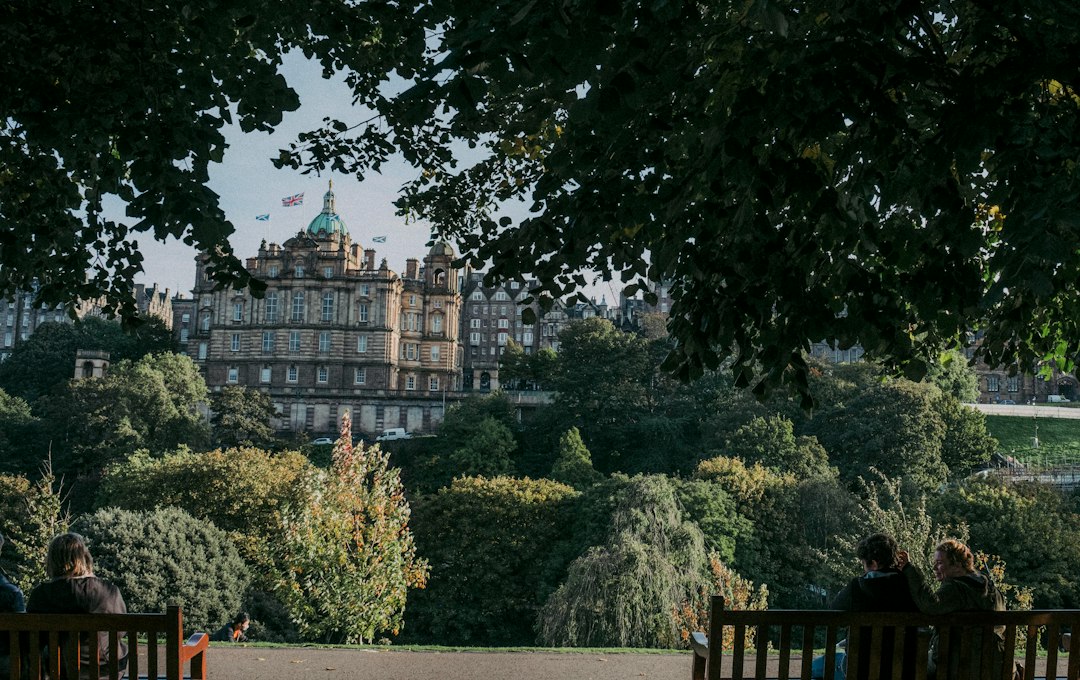
Photo by Felix Rostig on Unsplash
Before anyone books a flight, start with the human part of the trip. Ask who is actually coming, what pace they like, and what they cannot compromise on. That sounds obvious, but most group chaos comes from pretending everyone has the same budget, the same energy level, and the same idea of a good time. A weekend with cousins, a friends’ reunion, and a work trip after-hours all need slightly different rules.
A good group plan starts with a short, honest brief. Write it down in a shared budget spreadsheet, even if it is only five lines long at first. When the trip is still abstract, people feel comfortable saying yes to almost anything. Once flights, rooms, and restaurant deposits appear, hidden preferences come out. That is why the best group trip planning tips focus on boundaries before inspiration. A split expenses app later is useful, but it cannot rescue a vague plan that was never realistic in the first place.
Use this as your pre-booking checklist:
- How many people are actually committed, not just interested
- The maximum all-in budget per person, including flights
- The sleeping setup everyone can accept
- One or two trip priorities, such as food, beaches, nightlife, or museums
- The latest date by which decisions will be made
- Who has final say if the group is stuck
The fastest way to remove tension is to separate required costs from optional ones. Accommodation, transport, and one shared meal a day can be the backbone. Extra tastings, boat rides, and fancy dinners can be opt-in. That is the difference between a shared trip and a negotiated peace treaty.
If your group is more than four people, define roles early. One person can manage dates, one can handle the shared budget spreadsheet, one can research activities, and one can keep the group chat etiquette from sliding into chaos. Those roles do not need to become a bureaucracy. They just stop one person from doing all the work while everyone else turns up at the airport with opinions.
A practical rule that works well in real life: if someone misses the deadline, the group moves on. Not because they are unimportant, but because a trip needs momentum. Good group trip planning tips protect the trip from endless indecision. Kindness matters, but so does keeping the plan alive.
Choose a city that can absorb compromise

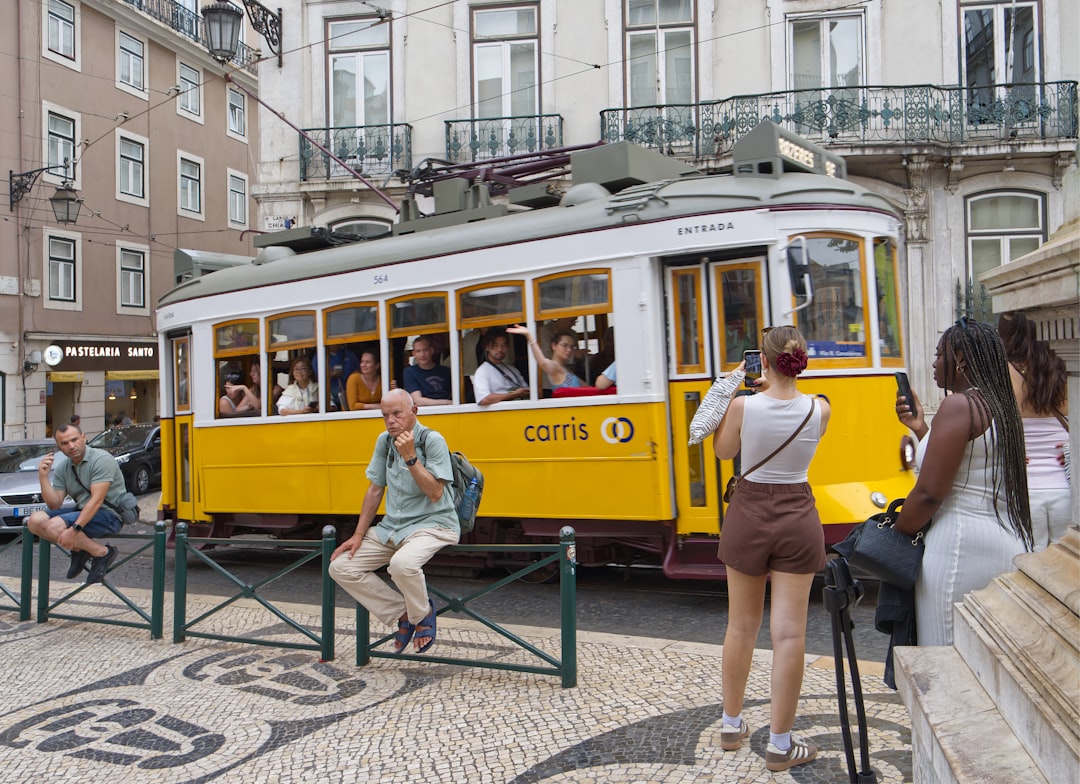
Photo by Vitaly Gariev on Unsplash
Not every destination is equally good for a group. Some places are easy to navigate with friends because the city itself offers choices: quiet corners, big restaurants, walkable streets, simple transit, and enough variety that people can split up for a few hours without feeling isolated. That is why Lisbon works so well. It has the rhythm of a capital, but it does not punish you for travelling with different tastes.
When you are choosing where to go, think about friction. Can the group share a ride from the airport without paying a fortune? Can you find group accommodation with enough bathrooms? Can one person nap while another goes out for coffee? Can two people head off for a coastal walk while the rest browse markets? The best group trip planning tips are really stress-reduction tips disguised as travel advice.
Lisbon also helps mixed-budget groups because the city has layers. You can eat well without spending a lot, or go full luxury for one night and keep the rest simple. The historic centre is compact, but the neighbourhoods feel distinct. Baixa is polished and central. Alfama is atmospheric and steep. Bairro Alto is loud after dark. Cais do Sodré has river energy and easy access to transport. That variety lets a group compromise without feeling like it has settled.
If your dates are flexible, the calmer travel windows are usually the smartest choice. April to May and September to October are gentler on the wallet and the nerves, which is exactly the same logic behind Shoulder Season Travel Tips for 2026: Save More, See More. Fewer crowds mean easier restaurant bookings, more room to breathe, and less pressure on the group to make every minute count.
A useful way to evaluate a city for a group is to ask these questions:
- Is the city walkable enough that not every movement requires a taxi
- Are there different neighbourhood vibes within a short distance
- Is there a reliable airport or train connection
- Can you find group accommodation without chaos
- Are there enough free or low-cost activities to balance the budget
- Can people split up safely for part of the day
Lisbon passes all of those tests. So if you want group trip planning tips that feel practical instead of theoretical, it is a strong model.
Book the trip in layers, not all at once

Photo by John Matychuk on Unsplash
The biggest planning mistake is trying to solve every detail in one conversation. People burn out fast when they are asked to choose the city, the dates, the rooms, the restaurants, and the exact day trips at the same time. The easier method is to book the trip in layers: first dates, then beds, then anchors, then details. That keeps the group travel itinerary moving without forcing everyone to think about everything at once.
Start with dates and duration. Give the group two or three clear windows and a deadline. Once the dates are locked, move straight to group accommodation. For groups of four or more, one apartment or a pair of adjacent apartments is often calmer than separate hotel rooms. You get one common area for morning coffee, one shared fridge, and fewer chances for people to drift apart just because the lifts are slow. This is one of those group trip planning tips that sounds basic but changes the whole mood.
Then identify the anchors. Anchors are the things that really need booking: one special dinner, one boat trip, one museum slot, one private transfer, one day trip. Everything else can stay flexible. If you lock every hour, people start rebelling by day two. If you lock nothing, the trip becomes a series of vague promises. A healthy group travel itinerary sits somewhere in the middle.
A simple rule for optional vs required planning:
- Required: flights, rooms, one shared arrival plan, one or two anchor bookings
- Optional: extra meals, bars, shopping, sunset spots, side trips
- Flexible: wake-up time, free afternoon plans, who joins which activity
Keep a shared budget spreadsheet open from the start. Do not wait until someone has booked a private transfer or paid for a reservation deposit. The earlier the numbers are visible, the less personal the money conversation becomes. A split expenses app helps later, but the spreadsheet is what lets the group see the shape of the trip before anyone commits.
If you have remote workers or staggered arrivals in the group, build that into the plan. Someone might arrive a day early, someone else might leave late, and one person may want a slower start because of work. That is normal. Group trip planning tips are easier to follow when they accept reality instead of fighting it.
How to get there
For a Lisbon group trip, the main gateway is Humberto Delgado Airport, code LIS, which sits close enough to the city that the transfer does not feel like a punishment. The red line on the metro is the most budget-friendly option, and taxis or ride-hailing can be reasonable if you arrive with luggage or land late. The city centre is usually 15 to 25 minutes away by car, depending on traffic.
Trains and buses matter too, especially if your group is starting in Portugal or making a multi-city trip. The key is to compare transport as a group, not as solo travellers. A flight that looks cheap individually may turn expensive once airport transfers and luggage fees are added. That is why group trip planning tips should always include the journey, not just the destination.
Use the practical links below when you want to check schedules or book directly:
| Route | Typical time | Approx. cost per person | Notes |
|---|---|---|---|
| LIS airport to Baixa/Chiado by metro | 30 to 40 minutes | €1.80 plus card fee | Cheapest option, best if everyone lands close together |
| LIS airport to central Lisbon by taxi or ride-hail | 15 to 25 minutes | €12 to €25 | Good for late arrivals or heavy luggage |
| Porto Campanhã to Lisbon Oriente by train | 2h45 to 3h15 | €25 to €40 | Book early for better fares on CP |
| Madrid to Lisbon by long-distance bus | 7h30 to 9h | €25 to €60 | Useful for budget groups and overnight travel |
| Porto to Lisbon by car | About 3 hours | Fuel plus tolls | Good for mixed stopovers, less ideal for city-only trips |
| Faro to Lisbon by car | About 2h45 | Fuel plus tolls | Handy if the group is combining coast and capital |
If your group is flying in from different places, agree on a single meeting point near the accommodation rather than at the airport. That keeps the arrival process from turning into a scavenger hunt. For a central Lisbon base, Baixa, Chiado, Cais do Sodré, and Avenida da Liberdade all work well because they are easy to explain to tired arrivals.
Things to do in Lisbon when everyone wants something different
This is where Lisbon shines. The city gives a group enough variety that people can keep their own rhythm without fragmenting the trip. It is also one of the best places to apply group trip planning tips in real time, because almost every day can be built around one anchor and one optional branch.
Think in textures, not just attractions. The sound of a tram rattling uphill in Graça, the smell of coffee and butter in a pastelaria, the blue-white shine of tiled facades after rain, the salt in the river air at sunset. Lisbon rewards wandering. It is a city where a morning museum, a lazy lunch, and a riverside drink can all live happily on the same day.
Here is a balanced list of group-friendly ideas:
- Walk Belém early, then split between Jerónimos Monastery and Pastéis de Belém
- Climb to Castelo de São Jorge before lunch for the views over the terracotta roofs
- Watch sunset from Miradouro da Senhora do Monte or Miradouro de Santa Catarina
- Spend an afternoon at LX Factory in Alcântara for coffee, design shops, and casual drinks
- Ride Tram 28 early in the day, or better, choose a quieter tram and walk the same route sections
- Take the ferry from Cais do Sodré to Cacilhas for a low-cost river crossing and a different view back at the city
- Book a Tagus river cruise from the waterfront if your group wants one shared splurge
- Spend a half-day in Sintra by train for palaces and cooler air, especially if a few people want a more active branch of the trip
For a group with mixed energy levels, the best strategy is to pair one big sight with one loose, low-pressure activity. For example, a castle visit in the morning and a long lunch in the afternoon. That way nobody feels like the day was over-programmed. If your group has a few walkers who would rather trade the city for trails, the thinking in First Multi-Day Hiking Trip 2026: Beginner Planning Guide adapts nicely to a Sintra or Arrábida side excursion.
A strong group travel itinerary in Lisbon might look like this:
Day 1: arrival, easy dinner, early night
Day 2: Baixa, Chiado, and a sunset viewpoint
Day 3: Belém and riverfront time
Day 4: Sintra or a split day with free time
Day 5: market breakfast, shopping, and departure
That structure leaves enough room for the city to feel alive without making the group feel managed. It is one of the best group trip planning tips for avoiding the sense that every minute has already been spent.
Where to stay: group accommodation without the fighting
Room assignments can make or break a trip. The dream is simple: enough space, enough bathrooms, a decent kitchen or breakfast area, and quiet corners for the person who is up early. The nightmare is also simple: one bathroom for six people, one person on the sofa, one person sleeping beside a loud street, and no one willing to say they wanted something different.
That is why group accommodation deserves more attention than it usually gets. For a group of four to six, serviced apartments or a pair of adjoining suites often work better than trying to force everyone into one giant space. For larger groups, two nearby properties can be less stressful than one house with too few bathrooms. Good group trip planning tips are as much about sleep quality as sightseeing.
The table below gives a useful starting point for Lisbon:
| Budget tier | Good neighbourhoods | Typical price range | Good fit |
|---|---|---|---|
| Budget | Baixa, Cais do Sodré, Intendente | Beds from €30 to €70, private rooms from €90 to €160 | Friend groups, shorter stays, travellers who do not mind shared spaces |
| Mid-range | Chiado, Bairro Alto, Avenida da Liberdade, Arroios | Rooms from €120 to €250 | Mixed groups, better privacy, easier logistics |
| Luxury | Chiado, Alfama, Avenida da Liberdade, Príncipe Real | Rooms or apartments from €250 to €700 | Celebrations, milestone trips, groups that want service and design |
Some solid options to compare:
Budget:
- Home Lisbon Hostel, Baixa: lively, central, and usually among the easiest for mixed groups to use if you book early
- The Independente Hostel & Suites, Bairro Alto: good for groups that want energy, courtyard space, and a central base
- Selina Secret Garden Lisbon, Cais do Sodré: social without feeling too chaotic, with private and shared room options
Mid-range:
- My Story Hotel Tejo, Baixa: central, practical, and convenient for walking almost everywhere
- 1908 Lisboa Hotel, Intendente: design-forward, with a location that feels local but still connected
- Lisboa Pessoa Hotel, Chiado: polished, comfortable, and good for groups who want a more contained stay
Luxury:
- Memmo Alfama: atmospheric, with views and a quieter feel than the nightlife districts
- Bairro Alto Hotel: classic central luxury for groups that want to stay in the middle of everything
- Locke de Santa Joana: a strong option for groups that want apartment-style flexibility with hotel service
If you are booking for five or more, look for these details before you pay:
- At least two bathrooms for larger apartments
- Air conditioning in summer
- Reliable Wi-Fi
- A lift if anyone has mobility concerns or heavy luggage
- A kitchen or breakfast setup for slow mornings
- Good reviews from groups, not just couples
A shared budget spreadsheet is especially useful here because lodging is where costs vary fastest. One person may care most about style, another about location, and another about having a kitchen. If you write down what matters before booking, the decision becomes a trade-off instead of a fight.
Where to eat: crowd-pleasers and local favorites
Food is where a group either bonds or splinters. Lisbon is generous in this respect. The city can do casual and elegant, loud and quiet, traditional and modern. The smell of grilled fish on hot streets, the hiss of espresso at the counter, the sweetness of custard tarts in the afternoon heat — it all makes people easier to please, which is a gift when you are working through different opinions.
The best group dinners are not always the fanciest ones. They are the ones where nobody sits staring at a menu for twenty minutes because the restaurant has enough range to satisfy different appetites. That is why good group trip planning tips always include a food strategy. A split expenses app will not help if the group is too hungry to think clearly.
Try these spots and styles:
- Time Out Market Lisboa in Cais do Sodré for a choose-your-own-adventure dinner when everyone wants something different
- Cervejaria Ramiro in Intendente for shellfish, garlic prawns, and the kind of meal people talk about later
- O Trevo near Praça Luís de Camões for one of Lisbon’s best bifanas, the fast pork sandwich locals actually eat
- Solar dos Presuntos near Avenida da Liberdade for classic Portuguese plates and a setting that works well for larger bookings
- Pastéis de Belém for the famous custard tart stop that feels essential even if the queue is long
- Mercado de Campo de Ourique for a calmer, less crowded market than Time Out, with more breathing room for groups
- Zé da Mouraria for traditional dishes that feel warm and unfussy, especially if your group wants a proper Portuguese lunch
A few dishes worth ordering if the table can agree:
- Bacalhau à brás, shredded cod with egg and potato
- Sardinhas assadas in season, especially in early summer
- Prego no pão, a steak sandwich that lands well after a long day
- Arroz de marisco, seafood rice for sharing
- Caldo verde, the classic green soup that works as a starter or a light dinner
- Pica-pau, a garlicky beef dish that disappears fast at the table
- Pastéis de nata, because one is never enough
If your group likes to linger, book one special dinner and keep the other meals loose. That balance stops the trip from becoming a parade of reservations. It also keeps room for spontaneity, which is usually where the best memories happen.
Practical tips for a smooth group trip
The most useful group trip planning tips are the ones that hold up once the trip is real: the delayed flight, the one rainy afternoon, the friend who forgot to charge their phone, the restaurant that is suddenly full. Lisbon is forgiving, but no city can fully save a poorly prepared group. Small decisions made in advance keep the mood easy later.
Weather matters more than people admit. Lisbon can be bright and warm even when the calendar says winter, but the hills, wind, and occasional rain change how the day feels. If you are choosing when to go, the best months for most groups are April, May, September, and October. That is the same calm logic behind Shoulder Season Travel Tips for 2026: Save More, See More: fewer crowds, better rates, and a little more breathing room.
Month by month, Lisbon generally feels like this:
| Month | Avg. high | Crowd level | Best for |
|---|---|---|---|
| January | 14°C | Low | Quiet city breaks |
| February | 15°C | Low | Affordable stays |
| March | 17°C | Low to moderate | Early spring walks |
| April | 19°C | Moderate | Balanced weather |
| May | 22°C | Moderate | Best all-round month |
| June | 25°C | High | Festivals and long evenings |
| July | 28°C | High | Beach add-ons and nightlife |
| August | 28°C | Very high | Only if your group likes heat and crowds |
| September | 26°C | Moderate | Excellent travel month |
| October | 22°C | Moderate | Strong value and comfortable weather |
| November | 18°C | Low to moderate | Slower, cheaper city break |
| December | 15°C | Moderate | Festive lights and indoor meals |
What to pack:
- Comfortable shoes with grip for hills and cobblestones
- A light jacket or layer, even in summer evenings
- A compact umbrella or rain shell in spring and autumn
- A power bank for long days of maps and messages
- One slightly nicer outfit for a shared dinner
- A refillable water bottle
- A card and a little cash for small cafés and bakeries
Money and customs are easy once you know the rhythm. Portugal uses the euro, and card payments are widely accepted, but small cafés and snack stops sometimes still prefer cash for tiny purchases. Tipping is polite, not mandatory. Rounding up or leaving 5 to 10 percent for good service is enough in most places. Lunch can run late, dinner often starts late, and nobody needs to rush the table unless they have a booking.
Connectivity is good in the city centre, but do not assume everyone will stay online automatically. A local SIM or eSIM saves time if your group splits up. That matters more than people expect, because good group trip planning tips always include a backup plan for meeting up again. Even in a group, people will wander off for coffee, shopping, or a quiet hour. The habits in Solo Travel Safety Tips for 2026: A Confident Guide are surprisingly useful here: share your location, agree on a return time, and keep the next meetup simple.
Safety is mostly about awareness. Pickpockets can be an issue around crowded trams, viewpoints, and busy downtown streets, especially when everyone is distracted by photos. Keep bags zipped, do not leave phones hanging from back pockets, and avoid making the group a moving target by scattering valuables into different day bags.
A few final habits make a huge difference:
- Pick one meeting point for every day
- Keep one person responsible for reservations and confirmations
- Decide in advance what happens if someone wants to skip an activity
- Do not overbook the evenings
- Treat free time as part of the plan, not a failure of the plan
That last point matters most. A group trip is better when people are allowed to drift apart for a while and come back together at dinner. The same spirit that makes a city break feel humane is what makes the memories last.
FAQ
How many people is ideal for a group trip?
Four to six is usually the sweet spot. It is large enough to feel like a real group, but small enough that decisions do not take forever. Once you get past eight people, group trip planning tips become much more about logistics, voting, and splitting into sub-groups.
What is the best area to stay in Lisbon for a group?
Baixa, Chiado, Cais do Sodré, and Avenida da Liberdade are the easiest for first-time groups because they are central and well connected. Alfama is beautiful, but its hills and stairs can be tiring after long days.
How do you split money fairly on a group trip?
Use a shared budget spreadsheet from the start, then add shared expenses to a split expenses app as you go. Keep optional activities separate so people only pay for the things they join. Settle up every few days instead of waiting until the end.
Is Lisbon expensive for a group?
It can be, but it does not have to be. Lisbon gives you plenty of mid-range and budget options if you book early. A group can save money by choosing one apartment, eating lunch at simple places, and using public transport instead of constant ride-hailing.
How many days do you need in Lisbon?
Three full days works for a quick city break, but four or five days is better for a group because it leaves room for one day trip and a slower pace. That extra buffer is one of the most underrated group trip planning tips.
The real goal is not to design a perfect trip. It is to design a trip that can survive different moods, different budgets, and different levels of energy without anyone feeling forced. When a group has clear money rules, a flexible group travel itinerary, and enough room to breathe, the city does the rest. In Lisbon, that usually means tiled streets, sea air, and one more dinner that starts as a plan and ends as a story.