The first time you plan a first multi-day hiking trip, the biggest challenge is rarely the uphill section. It is the quiet, unglamorous stuff: choosing a route that matches your fitness, packing the right layers, finding a reliable weather window, and making sure your feet still like you by day three. The good news is that a first multi-day hiking trip does not have to be extreme to be unforgettable. In fact, the smartest beginner trips are often the simplest ones: steady miles, decent camp options, easy exits, and scenery that keeps changing just when your legs start to complain. If you like keeping trail notes, trains, backup bookings, and packing lists in one place, I use TravelDeck for that kind of pre-trip chaos because it keeps the moving parts visible.
For a lot of hikers, Scotland's West Highland Way is the benchmark. It is long enough to feel like a real journey, but structured enough that a first multi-day hiking trip can be planned without turning into a spreadsheet of panic. You get a trailhead near Glasgow, clear waymarkers, village stop-offs, and the kind of loch-and-mountain scenery that makes every break feel earned. More importantly, it teaches the real rhythm of multi-day hiking: start steady, eat earlier than you think, pack lighter than your instincts suggest, and always respect the weather. That rhythm matters more than brute fitness.
What follows is the practical version of route planning, the hiking pack list, trail food planning, and the small safety habits that make a first multi-day hiking trip feel confident instead of chaotic. Use it as a blueprint, whether you are doing the whole route or a shorter starter version with two or three nights on trail.
Route planning for your first multi-day hiking trip
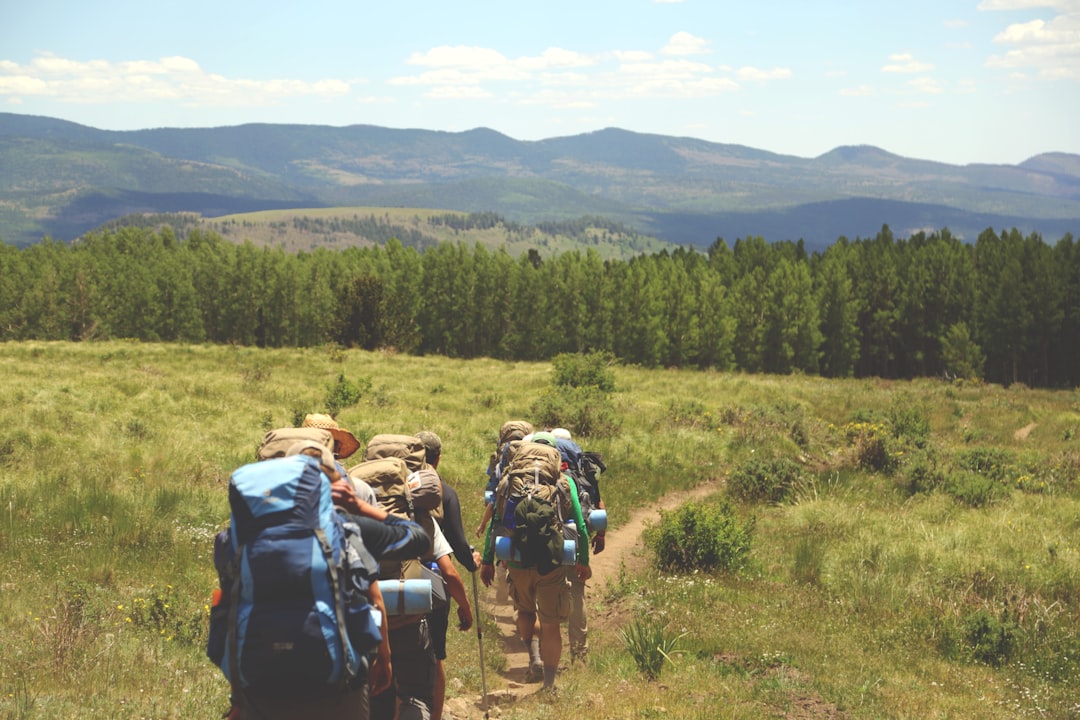
Photo by Austin Ban on Unsplash
Route planning is where a first multi-day hiking trip either becomes a memory you repeat for years, or a story about sore shoulders and bad decisions. Beginners often focus on total distance, but the real question is how the trail feels hour by hour. A 12-mile day on flat ground is one thing. A 12-mile day with rain, wet roots, and a full pack is something else entirely. The best first trip is the one that leaves margin for mistakes, photo stops, and the occasional wrong turn without pushing you into darkness.
A useful rule is to choose a route where your longest day still feels manageable at 70 to 80 percent of your normal day-hike range. If you usually walk 10 miles comfortably, do not build your first multi-day hiking trip around 14-mile mountain days and call it optimism. Build around 7 to 9 miles, then leave time for lunch, foot care, and weather delays. That buffer is not laziness. It is what allows you to enjoy the changing light over the hills instead of racing the sunset.
For beginners, route planning should answer four questions before anything else: how hard is the terrain, where can I stop, what happens if the weather turns, and how do I leave early if I need to. The more honestly you answer those, the more enjoyable the trip becomes. On trails like the West Highland Way, the structure is helpful because villages, hostels, and transport links appear often enough that you are not stranded with your doubts. On wilder routes, you need even more caution.
Here is a simple way to think about it:
| First-trip style | Daily distance | Pack weight target | Best for |
|---|---|---|---|
| Gentle starter | 5-8 miles / 8-13 km | 9-11 kg before water | Nervous beginners, first timers, rainy climates |
| Balanced first trip | 8-10 miles / 13-16 km | 10-13 kg before water | Fit walkers with regular day-hike experience |
| Longer first adventure | 10-12 miles / 16-19 km | 11-14 kg before water | Confident hikers with decent hill fitness |
A first multi-day hiking trip should also be planned around daylight, not just mileage. In spring or autumn, losing two hours of light can change everything. Your route planning should assume you will walk a little slower with a heavier pack, stop more often, and need a proper camp setup before dinner. I like to pick my last walking hour as a buffer hour: no big climbs, no complicated route-finding, no pressure. It keeps the day calm even if the morning was messy.
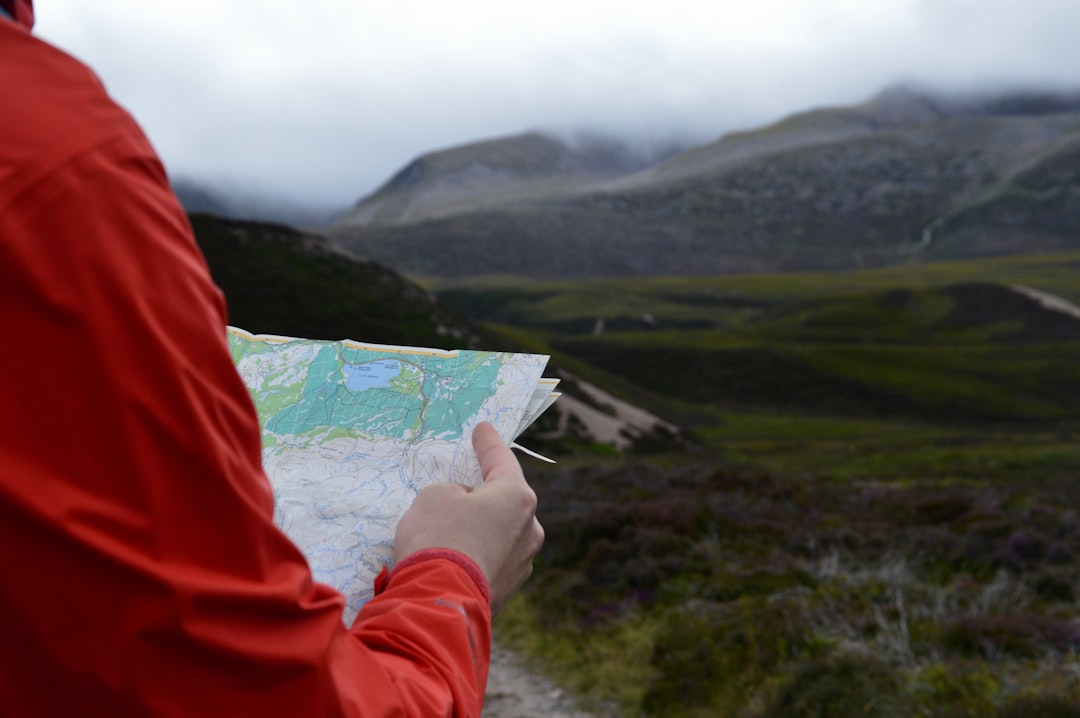
Before you commit, look at the map like a logistics planner, not a dreamer. Mark these points:
- Water sources and stream crossings
- Villages or cafés for resupply points
- Campsites, bunkhouses, or bothies
- Escape routes to roads, buses, or rail stations
- Areas exposed to wind, bog, or flooding
- Sections where phone signal is likely to disappear
That list sounds basic, but it is exactly what turns a first multi-day hiking trip from a vague idea into a realistic plan. If the route has a brutal section in the middle, shift your overnight stop. If the best camp lies just beyond your energy limit, move it closer. Good route planning is not about proving something. It is about keeping enough energy in reserve to look up and enjoy the landscape.
A final note on route planning: do not be tempted by someone else's pace unless you also have their legs, their pack system, and their tolerance for discomfort. The best first multi-day hiking trip is the one that finishes with you thinking, I could do that again, not I survived that.
Hiking pack list: what actually earns space
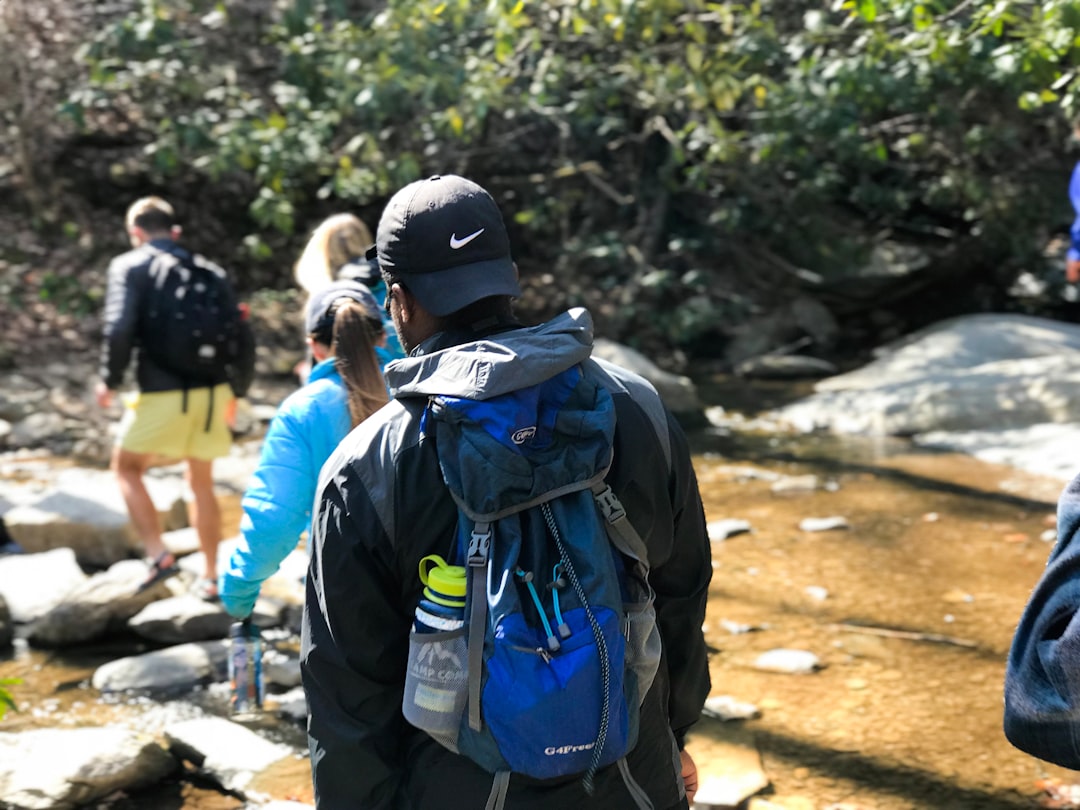
Photo by Timmy Wesley on Unsplash
The hiking pack list is where enthusiasm usually gets heavier than the pack itself. New hikers tend to bring too many just-in-case items: a second fleece, a spare charger, three snacks for every hour of the day, and a bulky towel that never dries. A first multi-day hiking trip rewards restraint. The lighter your setup, the more the trail feels like a walk and not a punishment detail.
Think in systems, not objects. Your pack should solve five problems: shelter, sleep, warmth, water, and safety. Everything else should justify its place by making those five easier. That is the simplest way to keep your hiking pack list honest. If an item does not improve comfort, safety, or speed, it is probably dead weight.
For a beginner, the most important comfort factor is not ultralight perfection. It is balance. A pack that fits well, compresses cleanly, and keeps the load high and stable will feel better than a fancy one overloaded with extras. Aim for a pack volume around 40 to 55 litres for most first multi-day hiking trip plans, depending on whether you are camping, using bothies, or sleeping in hostels. If you are carrying a full tent and food for several nights, the upper end makes sense. If you are moving between inns and only carrying layers and food, smaller often works better.
My hiking pack list usually starts with these essentials:
- Backpack with a good hip belt and adjustable torso length
- Waterproof pack liner or dry bags
- Sleeping bag or quilt rated for the coldest night expected
- Sleeping pad with enough insulation for damp ground
- Tent, tarp, or booked accommodation depending on route style
- Waterproof jacket and trousers
- Base layers that dry quickly
- Warm mid-layer for camp
- Two pairs of hiking socks and one dry sleep pair
- Hiking boots or trail shoes already broken in
- Headlamp with spare batteries or full charge
- Map, compass, and offline phone maps
- First aid kit with blister care
- Water bottle or reservoir
- Water filter or purification tablets
- Power bank and charging cable
- Toiletries in a single pouch
A common mistake on a first multi-day hiking trip is assuming the pack will feel fine once the walk begins. It usually does not. Every hill makes the pack more noticeable, and every extra kilo shows up in your shoulders by the second afternoon. That is why a shakedown at home matters. Load the pack, walk the stairs, tighten the straps, and take one item out. Then take another.
Here is a practical target for most beginners:
| Category | Good target |
|---|---|
| Base weight | 7-10 kg for a simple route, 10-12 kg if camping |
| Total start weight | 10-14 kg including food and water |
| Water carried | 1-2 litres in normal conditions, more in dry stretches |
| Food carried | 1.5-2 kg for three days, depending on calories |
Footwear deserves its own conversation because blister prevention starts before you step onto the trail. Break boots in on day hikes. Wear the socks you will actually use. If your feet rub at home, they will not magically improve on a wet hillside. I like to carry a small roll of tape, one set of blister plasters, and a few feet-first habits: stop early at the first hot spot, dry your feet at lunch, and change into sleep socks as soon as camp is ready. That is one of the cheapest comforts you can buy.
If you only remember one thing from the hiking pack list, remember this: every item should be useful in the rain, at dusk, or when you are tired. Those are the conditions that matter. A first multi-day hiking trip is rarely ruined by missing a luxury item. It is usually spoiled by poor layering, bad socks, or a pack that should have stayed home by half its contents.
Trail food planning and water strategy
Trail food planning is where many first-timers underestimate how much they will enjoy eating. Hiking all day makes ordinary food taste better, but it also burns through calories faster than most people expect. A strong plan keeps your energy steady and prevents the late-afternoon slump that turns a cheerful walk into a grim negotiation with your own legs. On a first multi-day hiking trip, food is morale.
The simplest rule is to eat before you are hungry and drink before you feel thirsty. That sounds obvious until you are three hours into a windy climb and realize you have not eaten since breakfast. The best trail food planning is proactive, not reactive. Small snacks every hour or two work better than one heroic lunch. Warm dinner at camp can reset your mood, but a pocket full of easy calories can rescue your pace.
A good beginner menu does not need to be fancy. It needs to be familiar, calorie-dense, and easy to prepare when your hands are cold. I prefer a mix of quick snack food and one simple hot meal. The less friction at dinner, the more likely you are to actually eat enough. That matters because a first multi-day hiking trip always feels longer when you are underfed.
Try building your trail food planning around the following pattern:
- Breakfast: porridge, granola, instant coffee, dried fruit
- Mid-morning snack: flapjack, banana, nuts, or a cereal bar
- Lunch: wraps, cheese, peanut butter, salami, oatcakes, or tortillas
- Afternoon snack: chocolate, trail mix, dried fruit, or a pastry from a village shop
- Dinner: dehydrated meal, couscous with olive oil, noodles, or instant mash with tuna
- Night snack: biscuits, hot chocolate, or a small sweet treat for morale
If your route has resupply points every day or two, use them. A village shop in the middle of a first multi-day hiking trip feels like a miracle when you are low on snacks. On the West Highland Way, that might mean topping up in Drymen, Crianlarich, Tyndrum, Kinlochleven, or Fort William. Even if you are carrying most of your food, building a plan around resupply points keeps the pack lighter and gives you flexibility if your appetite spikes.
Water strategy is equally important. Never assume the next source will be easy to find just because the map suggests it should be there. Streams can dry up, burns can run brown after heavy rain, and a source that looked close on the map can be awkward in reality. Carry enough water for the longest dry section plus dinner and breakfast, then filter or treat what you collect. For a first multi-day hiking trip, that usually means at least one reliable bottle system and a backup treatment method.
A practical trail food planning checklist looks like this:
- Count calories for each day instead of eyeballing snacks
- Pack one extra meal in case of delays
- Choose foods you already eat at home
- Avoid anything that needs a long cook time
- Store all food securely if wildlife is a concern
- Repack bulky shop items into zip bags before leaving town
The emotional side of trail food planning matters too. After a long climb, the wrong snack can feel like a disappointment. The right one can feel like a small festival. I have seen a simple cheese roll restore someone’s mood faster than a perfect viewpoint. That is the point: food is part of the experience, not just fuel.
If you want a reliable habit for a first multi-day hiking trip, make dinner simple and breakfast even simpler. The morning should not be a test of your patience. Trail food planning works best when it leaves room for tired brains and wet gloves. A meal you can cook while half-asleep is a meal worth carrying.
How to get there
For a first multi-day hiking trip on the West Highland Way, the trailhead at Milngavie is the easiest place to start. Glasgow Airport (GLA) is the closest major airport, and Glasgow Queen Street is the most useful rail hub if you are arriving from elsewhere in the UK. If you are flying into Edinburgh Airport (EDI), you can still reach the start without much stress, but you will usually spend longer on transfers. The point is not to overcomplicate arrival day. Arrive near the trail, sleep well, and start walking fresh.
The easiest public transport options are simple:
| From | Best option | Time | Approx cost |
|---|---|---|---|
| Glasgow Queen Street to Milngavie | ScotRail train | 25-30 minutes | £4-£7 |
| Glasgow Airport (GLA) to Milngavie | Taxi or airport transfer via Glasgow city centre | 35-50 minutes total | £25-£50 |
| Edinburgh Airport (EDI) to Milngavie | Tram/bus to city plus train | 1 hour 45 minutes to 2 hours 30 minutes | £18-£35 |
| Fort William to Glasgow | ScotRail West Highland Line | 3 hours 45 minutes to 5 hours | £20-£55 |
| Fort William to Glasgow | Citylink bus | 3 hours 45 minutes to 4 hours 30 minutes | £18-£35 |
For live train times, check ScotRail. For coach links, Citylink is the main name to know. If you want an overview of the route before you commit, the official West Highland Way site is a useful reference point at westhighlandway.org.
If you are doing a point-to-point trip, many walkers leave a car in Glasgow or Milngavie and return from Fort William by train or bus. That is usually easier than doubling back by road. If you prefer not to drive at all, the rail-and-bus combination works well enough that you can treat the journey as part of the adventure instead of a problem to solve.
The arrival strategy for a first multi-day hiking trip should be boring in the best possible way: minimum stress, minimum gear juggling, and one night near the start if possible. That gives you time to check straps, sort snacks, and buy anything forgotten. If you are flying in late, spend the night in Glasgow and take the morning train to Milngavie. If you are finishing in Fort William, a final night there lets you enjoy the town instead of sprinting to a departure platform with wet socks in your bag.
Things to do before, during, and after the walk
A good first multi-day hiking trip is not only about walking from A to B. The small stops, side views, and town moments are what make the journey feel like a trip rather than a fitness exercise. On the West Highland Way, the scenery changes in a way that keeps your attention awake: suburban edges give way to woodland, then open moor, then the long silver water of Loch Lomond, then the wilder, wider spaces beyond. If you plan the trip well, those transitions become part of the pleasure.
The best thing to do is not rush the highlights. A first multi-day hiking trip improves when you spend a little time in places that reward a slow look. A viewpoint is not just a photo stop; it is where you notice how wet the grass smells after rain, how the wind moves over the water, and how the light changes on the slopes when cloud breaks.
Here are some practical things to do on or around the route:
- Start at the Milngavie town centre marker and wander the paths through Mugdock Country Park, just north of Glasgow, to ease into your first walking day.
- Climb Conic Hill above Balmaha if the weather is clear; the view over Loch Lomond is one of the best confidence boosters on the whole route.
- Pause at Rowardennan and the shore sections of Loch Lomond to feel the terrain shift from village paths to rougher, more remote walking.
- Stop at Inversnaid Falls and the surrounding viewpoints, where the sound of the water can drown out the day’s fatigue for a few minutes.
- Take a slower lunch in Tyndrum or Crianlarich and use the stop as a gear check, foot check, and snack restock.
- Walk the open moorland and lochside viewpoints near Bridge of Orchy and Inveroran, where the landscape feels larger and quieter.
- Finish with time in Fort William: the Old Fort, Neptune’s Staircase, and the Ben Nevis Visitor Centre make a fine end to a first multi-day hiking trip.
For a place to begin gently, Mugdock Country Park in Milngavie is a brilliant warm-up. The paths are broad, the trees give you a sense of enclosure, and it lets your pack settle onto your shoulders before the real miles begin. Conic Hill, by contrast, gives you a proper test of legs and lungs, but the payoff is immediate. When the wind comes across the loch and the islands appear below, you understand why people come back to this trail again and again.
If your first multi-day hiking trip includes a zero day or a shorter half day, Fort William is a useful finish point because the town gives you options. The Old Fort area, the waterfront near Corpach, and Neptune’s Staircase all make for relaxed wandering after days of hiking. A little light sightseeing after the walk helps your body unwind while your mind catches up with what you just did.
If you are planning a shorter version of the route, choose your scenic priorities rather than trying to tick every viewpoint. A good first multi-day hiking trip should feel memorable, not exhaustive. One great hilltop and one good meal are often enough.
Where to stay: budget, mid-range, and luxury
Accommodation can either support your first multi-day hiking trip or quietly drain your energy. The best places are clean, practical, and close enough to the trail that you are not wasting time on awkward transfers at the end of the day. On the West Highland Way, that means a mix of hostels, bunkhouses, inns, and the occasional hotel in Glasgow or Fort William. Prices rise in late spring and summer, so book early if you want the best options.
A simple way to think about it is this: budget stays protect the trip budget, mid-range stays protect your sleep, and luxury stays protect your recovery. For a first multi-day hiking trip, any of the three can make sense depending on whether you want the experience to feel adventurous, comfortable, or celebratory.
| Budget tier | Typical price range | Good options | Notes |
|---|---|---|---|
| Budget | £30-£60 per bed, £70-£100 for basic private rooms | Glasgow Youth Hostel, Beinglas Farm Campsite, Blackwater Hostel & Campsite | Best for walkers who value practicality over polish |
| Mid-range | £110-£180 per room | Buchanan Arms Hotel, Oak Tree Inn, Nevis Bank Inn | Comfortable, reliable, and close to trail towns |
| Luxury | £220-£500+ per night | Kimpton Blythswood Square, Inverlochy Castle Hotel, Cameron House | Best for pre- or post-hike nights and a proper recovery treat |
A few specific stays worth looking at:
Budget
- Glasgow Youth Hostel, Glasgow: a simple pre-trail base that keeps costs down and works well if you want to sleep near the city before heading to Milngavie.
- Beinglas Farm Campsite, Inverarnan: a classic trail stop with camping and simple accommodation, useful if your first multi-day hiking trip includes a softer camp-style night.
- Blackwater Hostel & Campsite, Kinlochleven: practical, straightforward, and popular with walkers finishing the long middle section of the route.
Mid-range
- Buchanan Arms Hotel, Drymen: useful for the first or second night, especially if you want a proper bed before you hit the Loch Lomond sections.
- Oak Tree Inn, Balmaha: a very good mid-route base with easy access to the loch and a relaxed village feel.
- Nevis Bank Inn, Fort William: a solid finish-line hotel if you want to sleep well after your final day.
Luxury
- Kimpton Blythswood Square, Glasgow: ideal for a calm pre-trip night or a final reward after the trail.
- Inverlochy Castle Hotel, Fort William: a dramatic splurge near the end of the route if you want the final night to feel memorable.
- Cameron House, on Loch Lomond: not trail-side, but an excellent option if you are turning the first multi-day hiking trip into a short Scottish getaway.
For most walkers, the sweet spot is a mid-range room before the trip and either a bunkhouse or hotel at the end. That gives you the comfort you need without overcomplicating the route. If you are doing a camping-based first multi-day hiking trip, book at least your first and last nights in advance so the journey begins and ends smoothly.
Where to eat: trail fuel with a bit of Scotland on the side
Food on a hiking trip is partly nutrition and partly mood management. The best trail meals are the ones you look forward to after a long climb. In Scotland, that often means hot soup, a solid pie, a full breakfast, and something sweet that tastes even better when you have been cold for an hour. On a first multi-day hiking trip, choosing decent food stops is not indulgent. It is smart pacing.
You do not need a restaurant every night, but you do need a few dependable places where you can refill energy and feel human again. The West Highland Way is blessed with exactly that kind of practical hospitality. Village pubs, café counters, and roadside cafés can save the day when your own food plan starts to look less exciting than you thought it would.
Look for places that serve local dishes as well as easy hiking food:
- Cullen skink, the creamy smoked haddock soup that is perfect after rain
- Haggis, neeps, and tatties for a proper Scottish dinner
- Steak pie and gravy, especially when the weather turns grey
- Fish and chips, ideally eaten while still too warm to hold comfortably
- Porridge with berries, honey, or cream for a reliable breakfast
- Oatcakes, tablet, scones, and shortbread for trail snacks or dessert
- Smoked salmon or cheese sandwiches for lunches that travel well
A few reliable stops often recommended by walkers include:
- The Clachan Inn, Drymen: a historic pub with dependable pub food, good for a first night meal and a pint after the opening miles.
- The Oak Tree Inn, Balmaha: a friendly stop with breakfast, lunch, and dinner options right where the trail meets the loch.
- The Real Food Café, Tyndrum: one of the most useful practical stops on the route, especially for coffee, hot meals, and takeaway-friendly trail fuel.
- Mhor 84, near Crianlarich: a lively roadside café and motel stop that is especially good for brunch, burgers, and a morale boost.
- The Grog & Gruel, Fort William: a classic finish-line pub with hearty plates, cask ale, and the right atmosphere after a long walk.
- The Geographer, Fort William: a good option for a celebratory meal at the end of a first multi-day hiking trip.
If you are carrying your own food, do not make the mistake of underpacking breakfast. A good bowl of porridge, a coffee, and a snack before you leave camp can improve the whole day. Likewise, a real lunch break can prevent the dreaded afternoon slump. I often find trail food planning works best when it includes one small luxury item each day: a chocolate bar, a pastry, a flavoured coffee, or a packet of crisps from a village shop. Little rewards keep big walks cheerful.
Practical tips for weather, safety, and pacing
This is the section that saves first-timers from the most common mistakes. A first multi-day hiking trip is rarely ruined by one dramatic failure. It is more often undone by a string of small issues: leaving too late, packing too much, ignoring the forecast, starting too fast, or assuming the trail will be dry just because it looked beautiful the previous afternoon. Good practical habits keep all of that under control.
The best weather window for the West Highland Way is usually late spring to early summer, then early autumn. May and June offer long daylight hours, greener scenery, and generally manageable temperatures. September is excellent too, especially if you want clearer air and a slightly quieter trail. July and August are warmest, but they also bring more midges and more people. For many hikers, that is a fair trade. For others, it is a reason to lean into shoulder season planning. If that timing question matters to you, the advice in Shoulder Season Travel Tips for 2026: Save More, See More is a useful companion read.
Here is a simple month-by-month guide for a West Highland Way-style first multi-day hiking trip:
| Month | Typical conditions | What it means for you |
|---|---|---|
| March | Cold, wet, short days | Not ideal for beginners unless you are very prepared |
| April | Cool, changeable, muddy sections | Possible, but you need solid waterproofs and flexible timing |
| May | Brighter, greener, generally comfortable | One of the best months for a first multi-day hiking trip |
| June | Long daylight, mild to warm | Excellent for beginners and long evenings at camp |
| July | Warmest, busy, midge-prone | Book early and expect company on popular sections |
| August | Similar to July, with stormier spells possible | Good weather can be excellent; bad weather can feel sticky and humid |
| September | Crisp, quieter, often very stable | Another top choice for a first multi-day hiking trip |
| October | Shorter days, colder nights, more rain | Only if you are comfortable with wet and dark finishes |
Connectivity can be patchy between villages, so download offline maps and save your accommodation details locally. Do not rely on signal for wayfinding or for checking your next bed. If your route crosses areas with camping restrictions, check official guidance before you go. The Loch Lomond & The Trossachs National Park has specific camping byelaws in parts of the eastern loch area, and those rules matter if you are wild camping near popular shores. It is worth checking the park information directly before a first multi-day hiking trip rather than guessing on arrival.
For official information, these links are useful and current:
- VisitScotland for route-region inspiration, town ideas, and seasonal advice
- Met Office for forecasts and weather warnings
- ScotRail for train planning
- Citylink for bus options
- Loch Lomond & The Trossachs National Park for camping and access guidance
A few more practical habits make a big difference on a first multi-day hiking trip:
- Start earlier than feels necessary so you are never racing sunset.
- Keep one dry layer untouched for camp and sleep.
- Put snacks in the top pocket so you actually eat them.
- Check your feet at lunch, not only at night.
- Carry cash as a backup, even if most places take cards.
- Use a headlamp before you need it so camp setup stays calm.
- Know your bail-out point for each day in case weather or injury changes the plan.
If you are walking alone, the confidence and safety habits in Solo Travel Safety Tips for 2026: A Confident Guide translate well to trail life: share your route, keep check-ins realistic, and trust the discomfort signals in your body. Solo hiking can be wonderfully clear-headed, but a first multi-day hiking trip is easier when someone knows where you are supposed to be.
The biggest practical tip of all is to leave room for the unexpected. A broken lace, an earlier rain front, or a better-than-expected café stop should not collapse the plan. A good first multi-day hiking trip has enough slack in it to absorb little surprises without feeling derailed.
FAQ
How long should my first multi-day hiking trip be?
For most beginners, three to five walking days is the sweet spot. That is long enough to feel like a real journey and short enough that you can still adjust if something feels off. If you are nervous, start with three days and one buffer night nearby. A first multi-day hiking trip becomes much easier when you are not trying to prove endurance on day one.
How heavy should my backpack be?
Try to keep your starting pack weight under 20 percent of your body weight, and preferably a bit lower if the route has steep sections or wet ground. For many people, that means a total start weight around 10 to 14 kg for a simple first multi-day hiking trip. If you are above that before water, food, or fuel are added, your hiking pack list probably needs trimming.
Do I need to book everything in advance?
If your first multi-day hiking trip is in a popular season, yes, at least the first and last nights should be booked. Mid-route stops can sometimes be more flexible, but summer weekends fill quickly. Booking also makes route planning easier because your day lengths become real rather than theoretical.
Can I wild camp on a first multi-day hiking trip?
You can in some places, but do not assume every landscape is equally permissive. In Scotland, the general access culture is welcoming, but local camping rules still matter in busy or protected areas. On a first multi-day hiking trip, I usually recommend a mix of campsites, bunkhouses, and one or two nights of simpler camping rather than relying entirely on wild camping.
Is it a bad idea to do my first multi-day hiking trip alone?
Not at all, but solo hiking needs a more disciplined approach. Choose a well-marked route, tell someone your itinerary, and keep your schedule realistic. If you are unsure, the habits in Solo Travel Safety Tips for 2026: A Confident Guide are a good companion. A first multi-day hiking trip can be deeply satisfying solo, as long as the route planning and safety habits are honest.
What should I practice before I go?
Practice walking with your loaded pack, pitching your shelter, using your stove, and reading your map offline. Also test your blister prevention routine: socks, tape, foot drying, and the shoes or boots you will actually wear. The more you rehearse the boring parts, the more enjoyable the wild parts become.
The best first multi-day hiking trip is rarely the hardest one. It is the one where the route fits your pace, the pack feels sensible, and every camp or inn gives you just enough comfort to look forward to the next day. When that happens, the trail stops feeling like a challenge and starts feeling like a rhythm: walk, eat, rest, repeat, and slowly watch the landscape become a story you were part of.
If you plan well, keep the hiking pack list lean, and respect the weather window, your first multi-day hiking trip will feel less like an intimidating test and more like the beginning of a habit. And once you have felt that first dawn on trail, with damp grass, quiet water, and boots already warm from the day before, it is very hard not to start planning the next one.