Traveling in Extreme Heat: Safety Guide for Summer 2026
A summer trip can turn risky faster than most travelers expect. In some cities, stone plazas radiate heat long after sunset, airport taxi lines feel like ovens, and a routine museum walk can tip into dizziness before lunch. That is why traveling in extreme heat is no longer a niche concern for desert holidays alone. It now matters on Mediterranean city breaks, road trips across the American Southwest, island hops in Greece, Gulf stopovers, and even places that once felt reliably mild.
The hardest part is that heat rarely announces itself with drama at first. It sneaks in through fatigue after a flight, one missed water refill, a hotel room that never truly cools down, a long uphill walk with no shade, or a glass of wine when your body is already dry. If you arrive sleep-deprived, start with Best Jet Lag Remedies 2026 for Safer, Sharper Arrivals, because travel fatigue and high temperatures are a rough combination.
This guide is built around real-world decisions, not generic reminders. You will find practical advice on hydration, transport, hotel choices, activity timing, food, warning signs, and the small habits that make traveling in extreme heat feel manageable instead of punishing. The goal is not to scare you away from hot places. It is to help you move through them with better judgment, lighter effort, and a much lower chance of getting sick.
Why extreme heat changes the way you travel
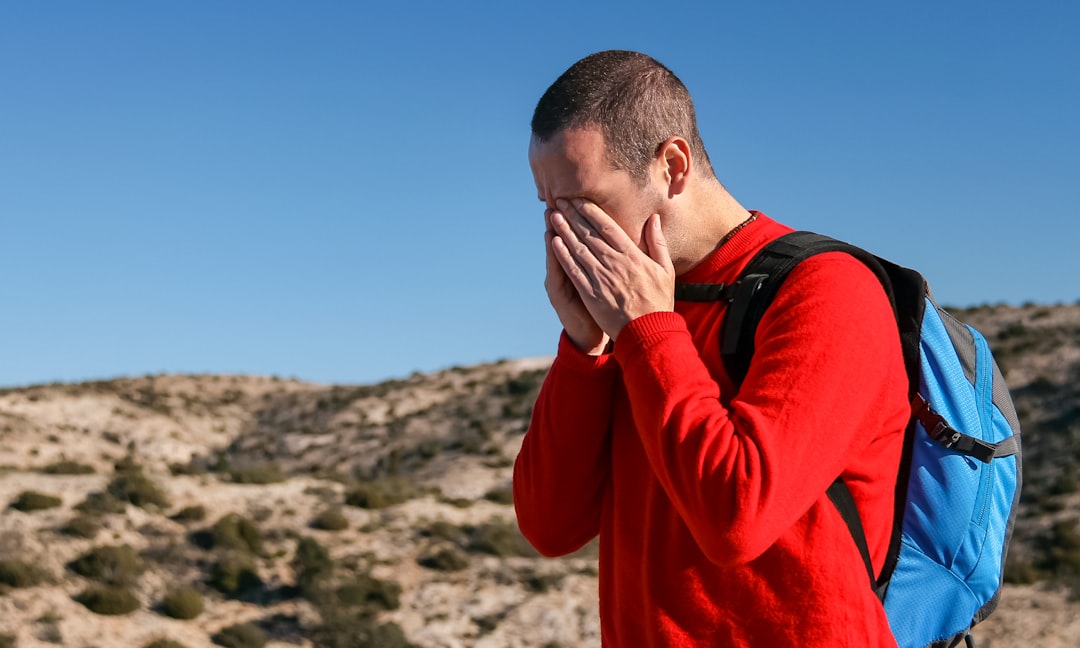
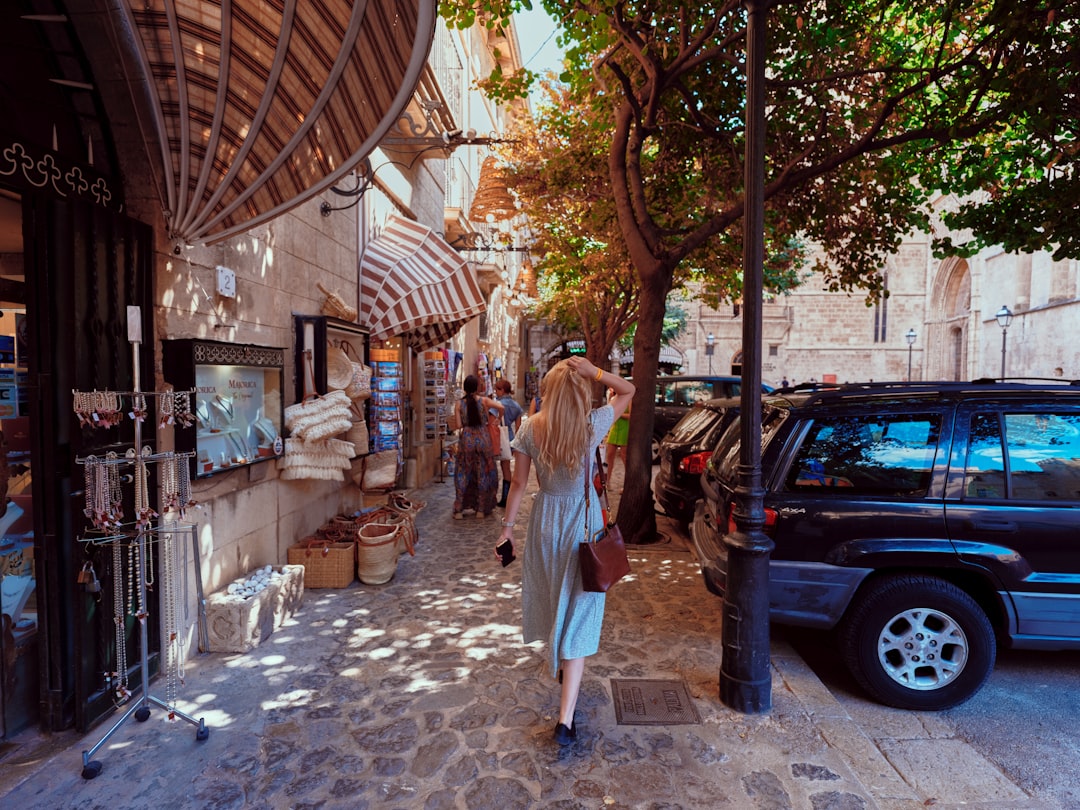
Photo by Jorge Franganillo on Unsplash
Most travel plans are built around distance. You look at a map, see that two sights are only 1.5 kilometers apart, and assume it is an easy walk. In high heat, that same distance can feel completely different. Pavement reflects upward, shade disappears on broad avenues, and every traffic light becomes a place where your body stops cooling itself. Traveling in extreme heat is less about mileage and more about exposure: how long you are in direct sun, how much water you carry, how humid the air feels, and how quickly you can get somewhere cooler.
Hot places also reshape the emotional texture of a trip. You notice sound differently when the streets go quiet at 2pm. You smell sunscreen, diesel, hot dust, sea salt, grilled meat, and dry stone. You begin to understand why some cities truly wake up after dark, why locals eat late, why shutters close at noon, and why the smartest travelers stop trying to win against the weather.
That shift matters because hot weather travel safety is not just about emergencies. It is about preserving energy so the trip still feels joyful. If your day is built badly, heat steals appetite, patience, curiosity, and sleep before it ever becomes a medical issue.
Here is what extreme heat tends to change first:
- Your walking tolerance drops faster than your enthusiasm.
- Outdoor attractions become best at opening time or after sunset.
- Public transport waits feel worse than the actual ride.
- Alcohol hits harder and earlier.
- Sleep suffers if your room traps heat.
- Some medicines, sunscreens, snacks, and electronics degrade in direct sun.
- Tempers rise in groups when nobody has planned enough water, shade, or breaks.
Heat exhaustion symptoms travelers should never ignore
Weston Airport
The dangerous thing about overheating is how ordinary it can feel in the beginning. You tell yourself you are just tired from the flight. You think the headache is from coffee, the nausea is from a rich lunch, the weakness is from climbing too many steps to a viewpoint. Then the city begins to blur around the edges. The sunlight looks almost white. Your shirt sticks to your back. Your legs feel heavy. That is often how heat exhaustion symptoms start while you are supposedly still sightseeing.
Heat exhaustion symptoms can include intense thirst, heavy sweating, headache, dizziness, weakness, muscle cramps, nausea, feeling faint, and a general sense that your body is suddenly working much harder than it should. In dry climates, people are sometimes fooled because sweat evaporates so quickly that they do not realize how much fluid they are losing. In humid places, the body struggles to cool itself because sweat does not evaporate efficiently. Either way, the result can be the same: your system is under strain.
The line between manageable overheating and something more serious matters. If confusion sets in, coordination worsens, the skin becomes very hot, breathing speeds up, or sweating stops despite obvious distress, treat it as an emergency. Heatstroke is not a dramatic traveler cliché; it is a genuine medical crisis. Hot weather travel safety begins with accepting that you do not push through these signs to keep a reservation, catch a photo, or finish a walking tour.
What to do immediately if heat exhaustion symptoms appear:
- Move into air conditioning or deep shade at once.
- Sit or lie down with legs slightly raised if the person feels faint.
- Remove unnecessary layers, hats, or anything tight around the neck.
- Sip cool water slowly. If available, use an oral rehydration drink or electrolyte solution.
- Cool the body with wet cloths, a mist of water, or cold packs wrapped in fabric at the neck, armpits, and groin.
- Stop all sightseeing, shopping, or transit decisions until the person improves.
- Seek medical help quickly if symptoms worsen, vomiting starts, confusion appears, or recovery is not happening within about 30 minutes.
If you are traveling solo, tell someone where you are going before long outdoor stretches. If you are with friends, agree that anyone can call a shade break without debate. That simple rule saves arguments and, sometimes, far more than that. For groups, it helps to assign a light-touch check-in rhythm, especially on city breaks with free time; Group Travel Rules 2026: Plan a Friends Trip That Flows offers useful habits that become even more important in high temperatures.
How to stay cool while traveling through airports, trains, and road trips
Some of the worst heat exposure happens before a trip properly begins. Airports funnel people into outdoor pickup zones with little shade. Train platforms can feel hotter than the streets around them. Long-distance buses may not open luggage bays or doors until the last minute, leaving passengers waiting on baked concrete with backpacks on. Rental cars become furnaces after ten minutes in an open lot. If you have ever gripped a steering wheel too hot to touch or crossed a shimmering parking deck with the air smelling faintly of rubber and fuel, you already know that how to stay cool while traveling is partly a transport problem.
Flying into a hot destination at midday often feels glamorous on paper and punishing in real life. The body is dehydrated from cabin air, sleep is fractured, and then you meet full sunlight at the exact hottest hour. Trains are often kinder because they reduce time spent standing outside and usually bring you closer to the center. Ferries can be beautiful, but upper decks in strong sun can turn a scenic crossing into an endurance test.
This is where traveling in extreme heat becomes a sequencing game. Early departures, indoor waits, reserved seats, and direct transfers matter more than squeezing every last euro or dollar from a ticket.
Ways to stay cooler in transit:
- Choose the first flight or earliest practical train when going to a hot-weather destination.
- Avoid tight self-transfers that force you to rush through hot terminals.
- Carry one full bottle before you leave security, not after you start feeling thirsty.
- Keep sunscreen, a hat, and electrolytes in your personal item, not your checked bag.
- Pre-cool rental cars by opening all doors briefly before settling in and blasting AC.
- Use sunshades when driving and never leave children, older adults, pets, or medication in a parked vehicle.
- On ferries, pay extra for indoor seating if the crossing lands around noon.
- On trains, reserve seats away from doors that open repeatedly at intermediate stops.
Hot weather travel safety for your daily schedule
The most experienced hot-climate travelers do not necessarily pack better gadgets. They structure the day differently. Dawn becomes useful. Midday becomes defensive. Evening becomes generous. Once you accept that rhythm, hot weather travel safety feels far less restrictive. You stop fighting local climate logic and start using it.
Think about the classic mistake: breakfast at 9, major outdoor site at 11, long lunch on a sunny terrace at 1, uphill viewpoint at 3, then a slow, overheated walk back to the hotel. That schedule can wreck even a fit traveler. Better heatwave travel advice starts with designing your energy around the forecast. Outdoor ambition belongs in the coolest hours, while museums, shaded courtyards, thick-walled churches, baths, galleries, long lunches, and naps sit in the middle of the day.
When I build an itinerary for traveling in extreme heat, I mark every outdoor segment with a cooling exit: a museum, metro station, hotel lobby, market hall, or café with reliable AC. It sounds simple, but it changes the entire feel of the trip. When I sketch those backup stops in TravelDeck, the plan instantly becomes more humane.
A better hot-day rhythm looks like this:
- 6am to 10:30am: walking routes, viewpoints, archaeological sites, beaches, light hikes.
- 10:30am to 12pm: shaded market, second breakfast, indoor transit, slow transfer to lunch.
- 12pm to 4:30pm: museum time, long lunch indoors, rest at the hotel, pool, reading, light shopping.
- 5pm to sunset: short outdoor walk, waterfront, gardens, open-air monuments, rooftop with shade.
- After dark: main square, dinner, neighborhood wandering, riverfront, night tour, photography.
A few extra rules make how to stay cool while traveling much easier:
- Book timed-entry tickets for early morning or late afternoon whenever possible.
- Keep one day in the trip intentionally light in case of a heat spike.
- Build in taxi or metro options for the return leg, even if you plan to walk out.
- Avoid strenuous hikes if the route has poor shade, no water points, or long descents on exposed rock.
- Accept the local slow hours instead of treating them as lost time.
Dehydration while traveling: what to drink and when
Dehydration while traveling is not always obvious because the body can lag behind the environment. By the time you feel genuinely thirsty, you may already be behind, especially after flights, alcohol, long museum days, beach swims, or outdoor city walks. Heat dulls appetite in some people and tricks others into relying on iced coffee, beer, or sugary drinks that do not replace what the body is losing very well.
A better approach is to make drinking routine rather than emotional. You do not wait until you are desperate. You sip steadily through the day. A useful, practical sign is urine color: aim for pale straw, not dark yellow. That is not glamorous travel advice, but it works. Dehydration while traveling often arrives with headache, low mood, sticky mouth, fatigue, and reduced focus long before dramatic symptoms appear.
Food matters too. Salt is not the enemy on a hot day if you are sweating heavily. Cold soups, yogurt, cucumbers, tomatoes, melon, citrus, broth, olives, lightly salted nuts, and simple grilled food can help you recover more smoothly than heavy fried meals in the afternoon. Heatwave travel advice is often over-focused on bottles and under-focused on meals.
Use this hydration rhythm on very hot days:
- Drink 500 to 750 ml of water in the first hour after waking.
- Carry at least 1 liter when leaving the hotel, more for beaches, ferry trips, hikes, or archaeological sites.
- Add electrolytes once or twice a day if you are sweating hard, hiking, or feeling depleted.
- Drink before a long taxi wait, queue, or transfer, not afterward.
- Alternate alcohol with water at dinner.
- Rehydrate after swimming, because time in water can mask how much you are losing.
- If you take medication or have kidney, heart, or blood pressure conditions, follow medical advice specific to your needs rather than copying someone else’s hydration plan.
Drinks that generally help most in the heat:
- Plain water
- Oral rehydration solutions
- Electrolyte tablets mixed into water
- Sparkling water with lemon and a salty snack
- Ayran, laban, or lightly salted yogurt drinks in regions where they are common
- Fresh fruit and high-water foods
Drinks to limit when temperatures spike:
- Strong midday alcohol
- Very sugary sodas in place of water
- Energy drinks used as hydration
- Excess coffee without matching water intake
How to get there
Even a general safety guide needs concrete examples, because extreme heat is experienced in real terminals, real stations, and real transfer routes. If your trip involves a city or region that regularly pushes above 35C, the safest journey is usually the one with the fewest exposed waits, the earliest arrival, and the least guesswork after landing.
Air travel is often unavoidable, but not all arrivals are equal. Landing at 1pm in a heat-prone city, waiting 30 minutes for a taxi, and then dragging luggage across a sunlit square is a rough start. Trains can be gentler where they exist, especially in southern Europe. Ferries are wonderful for island travel, but only if you think about deck exposure and luggage handling in full sun. Road trips offer flexibility, yet they also bring risk if you underestimate how sparse shade, water, and services can be outside big cities.
Here are useful, heat-aware sample routes travelers often take in 2026:
| Route | Mode | Duration | Typical cost | Heat-smart note |
|---|---|---|---|---|
| Madrid Atocha to Seville Santa Justa | AVE train | 2h 42m to 2h 50m | €20 to €120 | Early departures avoid the hottest platform hours and get you into town before midday |
| Seville Airport SVQ to city center | EA airport bus or taxi | 35m or 20m | €5 or €25 to €35 | Buy water before exiting arrivals; curbside waits can feel brutal in summer |
| Athens Airport ATH to Syntagma | Metro Line 3 or taxi | 40m or 35m to 60m | €9 or €40 to €55 daytime | Metro can be more predictable than queueing for a taxi in direct sun |
| Piraeus Port to Hydra | Fast ferry | 1h 40m to 2h | €38 to €46 | Indoor seating is worth it if you are crossing at noon |
| Dubai Airport DXB to Dubai Marina | Metro Red Line or taxi | 45m to 55m or 25m to 35m | AED 7.5 to 9 or AED 90 to 120 | Avoid long outdoor rideshare waits in peak afternoon heat |
| Phoenix Airport PHX to Sedona | Rental car | About 2h | $20 to $30 in fuel plus rental | Fill water before leaving the metro area; roadside shade is scarce |
Heat-aware arrival strategy:
- Book arrivals before 11am or after sunset if the budget allows.
- Pre-book airport transfers when the taxi rank is known to be exposed.
- Save offline maps in case your phone overheats or the network struggles.
- Check whether your station, ferry port, or airport requires a long outdoor walk to rideshare pickup.
- If driving, know where the first shaded stop, gas station, or service area is before you leave.
- Keep one emergency cold snack in your bag, especially if you travel with children or older relatives.
Things to do
A heat-safe trip is not a lesser trip. In many places, it is actually a better one. You hear fountains earlier, smell bread and coffee when the city is still cool, and notice how neighborhoods soften at dusk. The trick is choosing activities that respect the climate rather than challenge it. Traveling in extreme heat is often more memorable when the day is sliced into shorter, well-timed experiences.
You do not need to hide indoors the whole time. You just need to stop thinking of noon as prime sightseeing. Early-entry tickets, shaded parks, waterfront breezes, covered markets, and after-dark monuments can completely transform a hot destination. This is also where how to stay cool while traveling becomes more cultural than medical: you start living on local time.
Here are specific activities that work well when temperatures climb:
- Start at Parque de María Luisa and Plaza de España, Seville
- Book the first entry slot at the Acropolis Museum, Athens, Dionysiou Areopagitou 15
- Eat breakfast in Mercado de Triana, Plaza del Altozano, Seville
- Take an abra across Dubai Creek from Al Fahidi to Deira near sunset
- Swim or soak at Lake Vouliagmeni on the Athens Riviera
- Visit the Real Alcázar of Seville early, then hide out in thick-walled interiors
- Plan a post-sunset walk around the Setas de Sevilla at Plaza de la Encarnación
Where to stay
Hotels can make or break hot weather travel safety. A stylish room with weak air conditioning, west-facing glass, thin curtains, and a long uphill walk from transit can quietly ruin a trip. By contrast, a simple room with reliable cooling, blackout shades, a mini-fridge, fast elevator access, and a location near shade or transport can feel like luxury when the forecast is severe.
When traveling in extreme heat, old building stock is not automatically bad and modern design is not automatically good. Traditional thick-walled buildings in southern Europe often stay cooler than glass-heavy apartments. Some desert-city hotels manage heat brilliantly with covered drop-off zones, shaded pools, internal courtyards, and strong insulation. Always check recent reviews for AC performance in the hottest month, not just generic comfort scores.
Look for these features before booking:
- Air conditioning that guests can control in-room
- Blackout curtains or shutters
- Elevator access if upper floors get hot or you are carrying water
- Refrigerator for drinks, fruit, and medication
- Walkable access to metro, taxi ranks, or shaded streets
- Pool, courtyard, or lounge where you can recover in the afternoon
- 24-hour reception in case you feel unwell at night
A quick comparison table helps:
| Budget tier | What matters most in heat | Typical nightly range |
|---|---|---|
| Budget | Strong AC, easy transit, mini-fridge, shade nearby | €70 to €150 |
| Mid-range | Better insulation, pool or lounge, larger rooms, quieter sleep | €140 to €280 |
| Luxury | Excellent climate control, shaded outdoor spaces, wellness facilities, seamless transfers | €400+ |
Good examples of heat-smart stays in hot destinations:
Budget
- Hotel Abril, Seville — Around €75 to €140. Central enough to move early, then return for a midday reset. Travelers like it for simple comfort and a manageable location.
- City Circus Athens — Around €90 to €150. Useful Plaka-adjacent base with strong transport links and easy food access when you do not want a long walk in the sun.
- Rove Downtown Dubai — Around AED 300 to 500. Reliable AC, functional rooms, and easy access to cooled interiors and transport.
Mid-range
- H10 Casa de la Plata, Seville — Around €150 to €240. Excellent for a split-day schedule because the center is close, but retreat is still easy.
- The Stanley, Athens — Around €140 to €220. A rooftop pool and metro access matter enormously when afternoon heat hangs over the city.
- Zabeel House The Greens, Dubai — Around AED 450 to 650. A calmer base than some central districts, with comfortable interiors and solid service.
Luxury
- Hotel Alfonso XIII, Seville — Around €420 to €700. Deep shade, grand interiors, and a classic city-center location that still offers refuge.
- Four Seasons Resort Dubai at Jumeirah Beach — Around AED 1,800 to 3,000. High-level climate comfort, strong pool infrastructure, and less exposure between activities.
- One&Only Aesthesis, Athens Riviera — Around €900 to €1,700. Best for travelers who want sea air, private space, and a far gentler heat rhythm than the urban core.
Where to eat
Heat changes appetite, and the smartest meals on hot trips are often the least dramatic ones. You want food that restores fluid, salt, and energy without making the body work overtime. That means cold soups, yogurt, seafood, fruit, tomatoes, cucumbers, grilled vegetables, light breads, rice dishes, and long lunches indoors rather than giant fried platters in full sun.
Where you eat matters almost as much as what you eat. A shaded market, a tiled tapas bar with strong AC, a waterside fish restaurant, or a modern food hall can keep you functioning well through the hottest hours. Dehydration while traveling is often worsened by travelers who postpone lunch until they are already overheated, then choose alcohol before water.
Good hot-weather eating options to look for:
- Mercado de Triana, Seville — Great for fruit, chilled drinks, and a low-stress breakfast under cover.
- Bar Alfalfa, Seville — Order gazpacho or salmorejo with small plates instead of a heavy midday feast.
- Ergon House Athens, Mitropoleos 23 — Convenient for salads, grains, yogurt-based dishes, and an indoor break near the center.
- Varoulko Seaside, Piraeus — A good example of a seafood-forward meal that feels restorative rather than exhausting in hot weather.
- Al Hallab, Dubai Mall or Garhoud — Useful for grilled meats, hummus, tabbouleh, yogurt, and cool interiors when the city outside is blazing.
- Time Out Market Dubai — A practical option when a group wants choice without walking block after block in the afternoon heat.
Best foods to prioritize when the forecast is fierce:
- Gazpacho or salmorejo in Spain
- Greek salad, grilled fish, and yogurt dishes in Greece
- Mezze, laban, and grilled skewers in the Gulf
- Fresh fruit, cucumbers, tomatoes, melon, citrus, and simple rice dishes almost anywhere
Practical tips
By now, the pattern should feel clear: hot weather travel safety is not one heroic move. It is ten small choices made early enough. Choose the kinder month, the earlier train, the shadier route, the better hotel, the bigger water bottle, the lighter lunch, the later dinner, and the shorter afternoon plan. Most heat problems on the road are preventable if you stop treating the weather as background scenery.
The best months vary sharply by region. A destination that feels dreamy in October may feel punishing in July. Families tied to school holidays often have less flexibility, but even then, choosing a coastal base, a pool hotel, or a night-focused itinerary makes a real difference. If you are planning around school breaks, Best Family Summer Vacation Ideas 2026 That Actually Work can help you think more strategically about timing and destination style.
Heatwave travel advice also means respecting local rhythm. In many hot places, midday slowness is not laziness or inconvenience. It is adaptation. Shops may close, plazas empty, and dinner begins late for a reason. Travelers who sync with that pattern usually feel better, spend less energy, and enjoy the destination more deeply.
Best months for common heat-prone trip styles
| Trip style or region | More comfortable months | Higher-risk stretch | What usually changes |
|---|---|---|---|
| Mediterranean city breaks | April to June, September to October | July to August | Stronger midday sun, hotter stone streets, later social hours |
| Gulf city stopovers | November to March | May to September | Outdoor sightseeing narrows sharply, nights stay very warm |
| Southwest US desert road trips | October to April | June to September | Hiking windows shrink, car prep becomes crucial |
| North Africa city and desert trips | November to March | June to August | Long outdoor touring becomes draining fast |
| South Asian heritage circuits | November to February | April to June | Heat plus humidity or pre-monsoon conditions can sap energy |
What to pack for traveling in extreme heat
A good hot-weather bag feels almost boring, and that is the point. You want lightweight tools you will actually use all day.
- Wide-brim hat or cap with neck coverage
- UPF shirt or loose long sleeves in light colors
- Breathable trousers or long skirt instead of heavy denim
- Sunglasses with proper UV protection
- SPF 30+ broad-spectrum sunscreen
- Refillable 1-liter water bottle or hydration flask
- Electrolyte tablets or oral rehydration packets
- Small cooling towel or buff
- Power bank, because batteries drain faster in heat
- Compact umbrella for shade in cities with little tree cover
- Mini zip pouch for medication stored according to label guidance
Practical habits that really help
- Check the next day’s hourly forecast every evening, not just the daily high.
- Save local emergency numbers before arrival.
- If you are fasting or managing a medical condition, get tailored health advice before the trip.
- Keep a backup card and a little cash in case a water kiosk or taxi only takes one form of payment.
- Use an eSIM or local SIM so you can receive heat alerts and book rides quickly.
- If you are hiking, tell someone your route and turnaround time.
- Never be embarrassed to step into a hotel lobby, pharmacy, supermarket, or museum just to cool down.
Useful official links before a hot-weather trip
- Weather forecasts in the US: https://www.weather.gov
- Weather forecasts in the UK and many international destinations: https://www.metoffice.gov.uk
- Air quality checks in the US: https://www.airnow.gov
- UV and sun safety basics: https://www.epa.gov/sunsafety/uv-index-1
- Emergency and health info for UK travelers abroad: https://www.gov.uk/foreign-travel-advice
FAQ
Is 40C too hot for sightseeing?
For many travelers, yes, at least in the usual sense of walking city-to-city for hours. You can still enjoy a destination in that kind of heat, but the schedule has to change. Sightseeing becomes an early-morning and after-dark activity, with indoor or water-based recovery in between. That is the heart of good hot weather travel safety.
What are the first heat exhaustion symptoms travelers notice?
The earliest heat exhaustion symptoms are often headache, unusual fatigue, intense thirst, dizziness, nausea, muscle cramps, heavy sweating, and the feeling that a short walk has suddenly become much harder. If those signs appear, stop, cool down, hydrate, and do not push ahead with the plan.
How much water should I drink in extreme heat while traveling?
There is no perfect one-size-fits-all number because body size, activity, humidity, and medical conditions vary. A practical baseline is to drink regularly enough that your urine stays pale straw colored, then increase intake if you are walking a lot, spending time at the beach, or sweating heavily. Dehydration while traveling is common precisely because people wait too long.
Is it safe to hike or exercise on a heatwave trip?
Only if the route, timing, shade, and your conditioning make sense. In severe heat, even fit travelers should shift exercise to dawn or skip it entirely. Many rescues begin with people who assumed a familiar effort would feel normal on vacation. Heatwave travel advice is simple here: do less, earlier.
Should I cancel a trip if a heatwave is forecast?
Not always. Sometimes the right move is to adjust rather than cancel: switch to shoulder-season dates, shorten outdoor plans, upgrade to a better hotel, book more indoor activities, or change the destination base from inland to coastal or higher elevation. Traveling in extreme heat is possible, but only if you are willing to redesign the trip around the conditions.
A final thought
The biggest shift that makes traveling in extreme heat safer is psychological. You stop treating endurance as a badge of honor. You stop forcing noon photos, punishing walks, and overstuffed itineraries. You start noticing the practical beauty of cool stone floors, shaded courtyards, first-light streets, market breakfasts, sea breezes, and quiet afternoon rooms.
That is not a lesser version of travel. Often, it is a more observant one. The places themselves are telling you how to move through them. If you listen early enough, the trip stays vivid for the right reasons: not because you survived the heat, but because you learned how to travel well inside it.