Avoid Tourist Scams Abroad in 2026: The Politeness Trap
Peak-season travel fraud keeps rising, but the part that surprises experienced travelers is not how sophisticated the scams look. It is how ordinary they feel in the moment. If you want to avoid tourist scams abroad in 2026, the biggest skill is not suspicion. It is recognizing when someone is trying to insert themselves into your decision while you are tired, flustered, grateful, or trying not to seem rude. The clipboard in a plaza, the airport driver waving your name, the late-night hotel call asking to verify your card, the taxi driver who claims your destination is closed: different stage, same pressure.
That is the angle most travelers miss. Common travel scams rarely begin with a dramatic threat. They begin with a social shortcut. You do not want to offend a stranger. You do not want to hold up the line. You do not want to look ignorant in a new city. That tiny hesitation is exactly where money disappears.
The good news is that common travel scams are repetitive. Cities change, languages change, uniforms change, but the mechanics barely do. Learn the pattern once and you can use it in Paris, Bangkok, Marrakech, Rome, Istanbul, Barcelona, or the airport hotel outside a city you never planned to remember.
Why smart travelers still fall for common travel scams
Photo by I'M ZION on Unsplash
The first vulnerable moment of almost any trip is sensory overload. You step off a flight into fluorescent light and recycled air. Your phone is low, your brain is operating on airport coffee, and your attention is split between signs, luggage, passports, messages, and directions. Outside, engines idle at the curb. Drivers call out destinations. Someone smiles and offers help before you have even located the official taxi stand. In that fog, a scam does not feel like a scam. It feels like relief.
The same thing happens on old stone streets after sunset. A square fills with violin music, mopeds buzz past, restaurant hosts lean into the walkway, and the crowd seems to move in six directions at once. In tourist zones, scammers do not need to force decisions. They only need to accelerate them. Their edge comes from tempo. If they can make you choose before you think, they are halfway done.
That is why so many common travel scams target transition moments rather than major attractions themselves. Booking a room. Exiting the airport. Entering a taxi. Stopping to help. Withdrawing cash. Checking in late. Those are the cracks in a trip. If you want a useful companion piece for the highest-risk window, Travel Scam Red Flags for Your First 24 Hours Abroad in 2026 maps the earliest warning signs particularly well.
Here are the emotional triggers behind most common travel scams:
- Urgency: Your fare will disappear, your booking will be canceled, the driver must leave now, the special shop closes in ten minutes.
- Authority: A fake officer, fake temple employee, fake customer service agent, or fake front desk staffer borrows credibility you do not have time to verify.
- Reciprocity: Someone gives you a flower, bracelet, blessing, tissue, map, or help with your bag, then turns the favor into a debt.
- Distraction: You look at a petition, stain, phone screen, map, shell game, or fake ticket while another hand targets your pocket or bag.
- Embarrassment: Scammers rely on your desire not to create a scene in public, especially when other people are watching.
- Fatigue: Jet lag and decision overload flatten judgment faster than travelers like to admit.
The lesson is not to become cold. It is to separate kindness from compliance. You can be respectful and still keep walking. You can smile and still refuse. You can ask for proof without apologizing for it.
How to avoid tourist scams abroad with the five-second test
Photo by André Eusébio on Unsplash
To avoid tourist scams abroad, use a rule simple enough to survive jet lag: if a stranger inserts themselves into your transaction in a tourist zone, pause for five seconds and assume friction, not convenience. Real help usually becomes clearer when you slow the scene down. Fake help usually gets pushier.
Those five seconds matter because scammers hate verification. They do not want you checking the license plate. They do not want you reopening the app. They do not want you stepping inside a hotel to confirm with the desk. They do not want you asking another staff member, photographing a badge, or insisting on the meter. The moment you slow things down, the script begins to wobble.
Ask yourself these five questions before responding:
- Did I start this interaction, or did they? If they approached you first, caution goes up.
- Is there pressure to decide immediately? Urgency is one of the oldest travel safety tips because it works.
- Am I being moved off the official channel? Off-app, off-meter, off-platform, off-ticket desk usually means higher risk.
- Is the offer unusually cheap, unusually easy, or unusually personal? That trio catches a huge share of common travel scams.
- Would this still make sense if I were not obviously a traveler? If the answer is no, walk.
A firm script helps. You do not need new words every time. Use short sentences and keep moving:
- No thanks, I already arranged it.
- I only book through the app.
- I will check at the station.
- I only use official taxis.
- I am not interested.
- Please step back.
That last line matters more than many people realize. Good travel safety tips are not only about gear and passwords. They are about posture, pace, and voice.
Common travel scams before departure: fake booking sites, cloned support, and payment traps
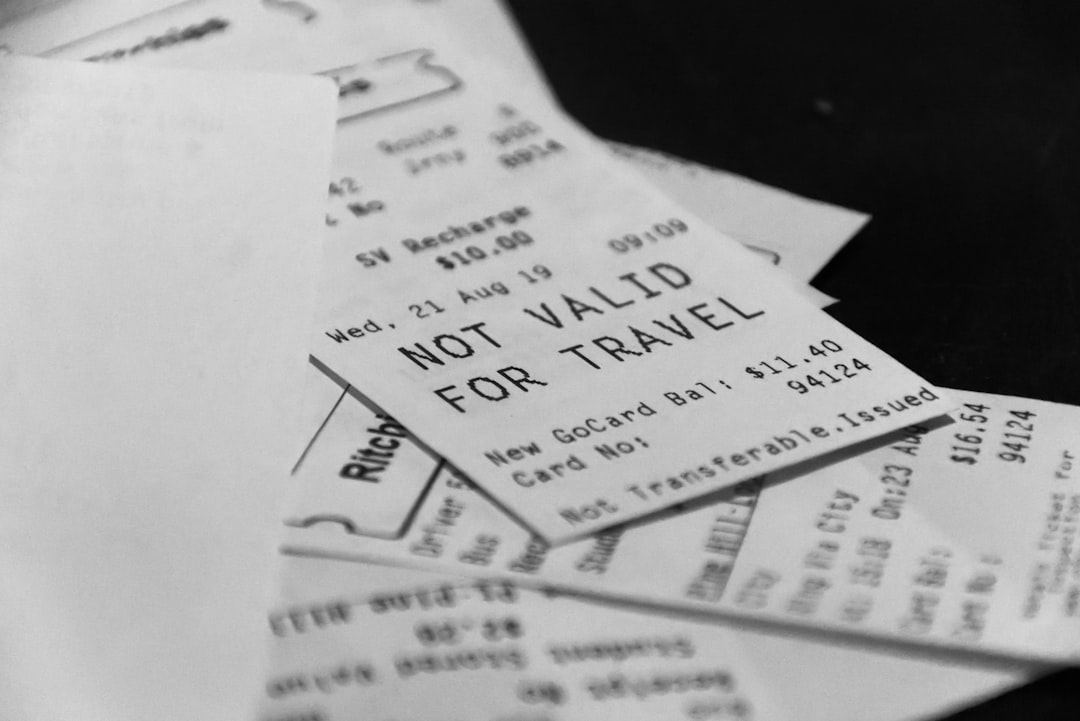
Photo by Duskfall Crew on Unsplash
The most expensive travel mistakes now often happen before anyone sees your suitcase. One of the easiest ways to avoid tourist scams abroad is to treat booking like a financial transaction first and a travel dream second. The glossy photos, sea-view room, and countdown timer are designed to pull you into vacation mode before your skeptical brain has checked the basics.
Fake booking sites have become much more convincing. They mimic airline layouts, hotel branding, and color palettes so well that travelers often realize the problem only when they arrive and the reservation number means nothing. Then there are cloned listings, fake guesthouse profiles, and messages that claim a booking issue requires urgent re-verification of your card. The visual polish is new. The structure is not. The scammer wants you to leave the protected platform, send money through a weaker payment method, or click a link you did not independently navigate to.
This is also where travel planning habits matter. When all your reservations, transfer notes, and confirmation details live in one organized place, it is easier to spot a fake change request or a sudden inconsistency. That can be a folder, a notes app, or a planner such as TravelDeck. What matters is not the tool itself. What matters is that you know exactly what you booked, how you paid, and which channel is official.
The biggest pre-trip traps look like this:
- Fake booking sites: The URL is slightly off, the price is far below the market, and the site pushes bank transfer, crypto, or gift cards.
- Phishing about a reservation problem: You receive an email, text, or messaging-app note claiming your booking failed, your card needs updating, or your room will be released.
- Vacation rental bait-and-switch: A beautiful apartment with suspiciously few reviews leads to off-platform payment or a worse substitute on arrival.
- Sponsored search result traps: You click the top ad rather than typing the known website or using the official app.
- AI voice or chat impersonation: Someone calling as airline support or hotel staff asks you to verify payment details you did not intend to share.
Use this booking filter every time:
| Situation | Safe move | Red flag |
|---|---|---|
| Hotel or flight booking | Type the URL yourself or use the official app | You arrived through a social ad or unfamiliar sponsored result |
| Rental property | Keep payment and messaging on-platform | Host asks for a transfer, crypto, or separate deposit link |
| Reservation problem message | Log in directly through the official site | Link asks you to act urgently before a deadline |
| Customer service call | Hang up and call the public number yourself | Caller asks for card details, codes, or passport data |
| Deal far below market | Compare with three real alternatives | Price is 30 percent or more below similar listings |
To avoid tourist scams abroad at the booking stage, make these habits automatic:
- Use a credit card rather than debit when possible. Fraud protection is usually stronger.
- Keep card notifications on during booking season.
- Screenshot confirmation pages and save reservation numbers offline.
- Check the property on a map, then compare the address with street imagery and recent reviews.
- Never trust a payment request simply because it includes real trip details. Data leaks make highly personalized scams more convincing.
- Refuse any message that tries to move you away from the platform where you booked.
Fake booking sites are especially dangerous because they can feel so administrative. There is no dramatic street confrontation, only a neat page and a clean invoice. But in many cases, the cheapest room on the screen becomes the most expensive night of the trip.
Taxi scams abroad and airport arrival pressure
After booking fraud, the fastest way to lose money is usually the curb outside arrivals. To avoid tourist scams abroad, assume that the airport transfer is not a small detail. It is one of the highest-risk transactions on the trip because you are carrying luggage, visibly unfamiliar, and often operating on poor sleep.
Taxi scams abroad rely on one of four plays. First is the fake driver or fake ride-share pickup, where someone approaches you before you reach the official rank. Second is the broken-meter routine, convenient only when a visitor gets in. Third is the scenic route, which stretches a simple ride into an expensive tour you never asked for. Fourth is the destination-is-closed lie, which redirects you to a hotel, shop, or tour operator that pays commission.
You can hear the setup before you fully notice it: quick footsteps, a confident voice, your hotel name repeated back to you, a hand already reaching for your bag. Real providers generally let the process breathe. Scammers try to do the thinking for you.
The safest arrival routine is wonderfully boring:
- Follow airport signage to the official taxi rank, train, metro, or airport bus.
- For ride-share pickups, verify license plate, driver name, and car model before opening the door.
- Put your route on your own map as soon as the trip starts. Let the driver see that you are following it.
- Keep your luggage with you until you know the car is legitimate.
- Have your destination written in the local language if possible.
- Carry small notes so a false no-change drama does not start at the end.
Classic taxi scams abroad and how to answer them:
- The meter is broken: Say, Then I will take another taxi. Get out before the ride starts.
- Cash only, app down: Cancel and use another vehicle unless that rule was clear in advance.
- Your hotel is full or closed: Say, Take me there anyway. If the driver refuses, end the ride.
- This route is better: Fine, but keep your own map open and watch for detours.
- A man inside the terminal says he is your Uber: Ignore him. Real app drivers do not usually recruit riders that way.
For solo travelers, this moment can feel especially awkward because declining help often feels more visible when you are on your own. Travel Alone With Confidence in 2026: Safer, Smarter Days has useful habits for handling exactly that kind of pressure without losing your calm.
Taxi scams abroad also show up far from the airport. Train stations, ferry terminals, nightlife districts, and cruise ports create the same conditions: tired travelers, unclear exits, and a crowd of people who seem to know more than you do. Stick to the same rule everywhere. Official channel first. Explanations second.
Street scams that weaponize politeness
Some common travel scams are loud and theatrical. Others are almost tender. A bracelet tied gently around the wrist. A petition held out with a hopeful smile. A monk-like figure offering a blessing. A stranger brushing at your jacket because something spilled. These scenes work because the first gesture looks harmless or kind.
In busy squares, the sensory detail is part of the design. You smell sugar, diesel, incense, frying oil. A violinist is playing. Scooters whine through narrow streets. A church bell rings. All of it makes the interaction feel incidental, part of the street's natural chaos. It is not. In many tourist corridors, the same setups appear year after year because they keep producing enough distracted wallets to remain profitable.
To avoid tourist scams abroad in plazas, promenades, and monument zones, do not overcomplicate your response. Do not negotiate the premise. Do not explain your day. Do not reach for your wallet just to make the situation end nicely. Distance beats debate.
The street setups most likely to target travelers are these:
The bracelet, flower, or free gift trap
Someone steps into your path with string, beads, roses, or a small token and frames the moment as generosity. The object may be placed in your hand or tied to your wrist before you fully register what is happening. Once contact is made, payment becomes the demand.
Best response:
- Keep your hands close to your body.
- Say no without stopping.
- If something lands in your hand, put it down or hand it back immediately.
- Never open your wallet to make a nuisance go away.
The petition or clipboard distraction
This one still catches smart people because it appears civic rather than commercial. Someone asks you to sign for a cause, school, or charity. While you look down, your pockets or phone become easier targets.
Best response:
- Do not stop for petitions in tourist zones.
- Keep walking and keep your bag in front.
- If someone blocks your path, step sideways and move toward a shop or staffed entrance.
The shell game or street gambling trick
There is no honest version of the cup game in a tourist hotspot. The crowd that seems to be winning is often part of the performance. The point is not entertainment. It is extraction.
Best response:
- Never join.
- Do not stand close enough to get boxed in by the crowd.
- Keep your attention on your own pockets while passing.
The stain, bird mess, or cleaning distraction
Something lands on your jacket or shoulder. A helpful stranger appears with tissues and concern. While you are busy checking the stain, a second person may be checking your bag.
Best response:
- Step away before anyone touches your clothing or backpack.
- Check your phone, passport, and wallet first.
- Clean up later, indoors, away from the crowd.
Fake police or fake security
A person with a plausible badge, partial uniform, or stern tone asks to inspect your documents, wallet, or cash for counterfeit notes. Travelers often comply because the request sounds official and the setting is public.
Best response:
- Ask for identification slowly and clearly.
- Say you will accompany them to a police station or official office.
- Never hand over your wallet for examination on the street.
- Real officers can verify identity and procedure. Fakes usually vanish when you insist on formal process.
Fake monks, blessings, and fortune-telling
The costume or prop carries the authority. A string bracelet, a card reading, incense, or a spiritual blessing becomes the hook, then guilt does the rest.
Best response:
- Do not accept anything into your hand.
- Do not sit down for a reading you did not seek out.
- If you want a cultural experience, arrange it through a temple, guide office, or reputable venue rather than through street solicitation.
Travel safety tips for crowded monuments are almost boring in their consistency: keep your bag cross-body and zipped, walk with purpose, keep one hand free, and do not let anyone create physical contact you did not choose. Common travel scams rely on your attention more than your belongings. Guard the attention first.
ATM skimming, exchange tricks, and payment pressure
Money fraud feels more technical than the street setups, but the principle is identical: distraction plus haste. You are trying to get local cash, the queue is behind you, the glare on the screen is bad, and a stranger offers help. That is enough for a stolen PIN, a swapped card, or a bad exchange.
ATM skimming remains one of the most persistent financial risks for travelers because it is easy to miss in the moment. A card reader only has to look nearly right. A tiny camera only has to point in roughly the correct direction. A keypad overlay only has to feel normal for ten seconds. Then your data is gone.
To avoid tourist scams abroad when handling money, make cash withdrawals feel deliberate rather than casual. Go inside a bank branch when possible. Use machines attached to financial institutions rather than isolated tourist-corridor ATMs. Cover the keypad every single time, even when nobody seems nearby.
Use this payment-risk table as a rule of thumb:
| Payment method | Best use | Main risk | Safer habit |
|---|---|---|---|
| Credit card | Hotels, flights, larger purchases | Fraud attempts, dynamic currency conversion | Pay in local currency and monitor alerts |
| Debit card | ATM withdrawals from bank machines | ATM skimming, weaker dispute protection | Withdraw inside banks and cover the keypad |
| Cash | Small markets, tips, backup transport | Overcharging, theft, fake notes | Carry small denominations in a separate wallet |
| Mobile wallet | Transit, quick retail payments | Phone theft, shoulder surfing | Keep biometric lock on and low-screen visibility |
What to watch for around cash and cards:
- ATM skimming signs: Loose card slots, mismatched plastic, wobbling parts, hidden-camera angles, or keypads that seem raised.
- Helpful stranger at the ATM: Decline assistance and cancel the transaction if someone hovers.
- Dynamic currency conversion: When the card terminal offers your home currency, choose local currency instead. The exchange rate is often worse.
- Bad exchange booth terms: If the rate board is vague or the commission is not clear, leave.
- Contactless crowd bumps: In very packed transit halls or markets, keep your wallet shielded and cards in a zipped section.
ATM skimming is not only about hardware. It is also about behavior. Do not count cash in the street. Do not put your whole wallet on the machine shelf. Do not let a driver or merchant take your card out of sight when a portable terminal can come to you.
ATM skimming, like other common travel scams, punishes routine. The more automatic your money habits feel, the more likely you are to miss the odd detail that mattered.
Hotel and rental scams after check-in
Many travelers relax too early once they reach the room. That is understandable. The hallway is quiet, the air-conditioning hums, the suitcase is open, and the city suddenly feels far away. But to avoid tourist scams abroad, remember that some of the most effective fraud happens after you think the vulnerable part is over.
One frequent setup is the room phone call from someone claiming to be the front desk. There is supposedly a problem with your card, deposit, or pre-authorization, and they need you to read the details over the phone. Another is the rental bait-and-switch: the apartment has a last-minute issue, but another property is available if you act fast. Sometimes the replacement is simply worse. Sometimes it does not exist.
Protect the quiet part of the trip with a few non-negotiables:
- If the front desk calls about payment, hang up and go downstairs in person.
- Do not scan random QR codes in lobbies, elevators, or room folders unless you know the property uses them officially.
- On arrival at a rental, compare the address, photos, and access details before sending any extra payment.
- Photograph damage, locks, and entry instructions immediately.
- Keep communication on the original booking platform whenever possible.
- If a host pressures you to move to a different property, contact the platform before agreeing.
Good travel safety tips often sound almost old-fashioned here: walk to the desk, verify face to face, keep records, and trust process over convenience. Digital tools can help, but direct confirmation still beats hurried messaging when money is involved.
How to get there
To avoid tourist scams abroad, plan the first ride before wheels touch the runway. The safest route from airport, train station, or ferry terminal is usually the one you can describe in one sentence before departure. If you already know the official train line, airport bus name, or taxi rules, you are far less vulnerable to invented alternatives.
Below are reliable arrival options for several classic tourist gateways where airport and station pressure tends to be high. Prices change, but these routes are standard, official, and easy to verify before the trip.
| City gateway | Official route into town | Typical cost | Typical time | Common scam to skip | Official link |
|---|---|---|---|---|---|
| Paris CDG | RER B to Chatelet-Les Halles | about EUR 11.80 | 35 to 40 min | Unofficial taxi offers in arrivals | https://www.iledefrance-mobilites.fr/en |
| Rome FCO | Leonardo Express to Roma Termini | EUR 14 | 32 min | Driver saying the train is not running | https://www.trenitalia.com/en.html |
| Bangkok BKK | Airport Rail Link to Phaya Thai | about THB 45 | 25 to 30 min | Broken-meter taxi before official rank | https://www.srtet.co.th/index.php/en/ |
| Istanbul IST | Havaist to Taksim or Sultanahmet connections | around TRY 200 to 250 | 45 to 60 min | Private transfer touts outside exits | https://www.hava.ist/en |
| Barcelona BCN | Aerobus to Plaça Catalunya | about EUR 7.45 | 30 to 35 min | Fake taxi or inflated flat-rate offer | https://aerobusbarcelona.es/en |
| Marrakech RAK | Official airport taxi to Medina or approved bus connection | about MAD 100 to 150 by taxi | 15 to 20 min | Driver refusing fare norms or detouring to another riad | https://www.onda.ma/en |
If you are arriving by rail or ferry, the same logic applies:
- Roma Termini: Book onward taxi only from the official stand and keep the route visible on your phone.
- Barcelona Sants: Use the metro, suburban rail, or an app-based pickup at the designated area rather than following lobby solicitors.
- Istanbul ferry and cruise areas: Confirm whether you are boarding a licensed taxi or pre-booked transfer before luggage is loaded.
- Marrakech CTM or Supratours stations: Ignore anyone claiming your riad moved or your district is inaccessible. Contact the property directly.
Pre-booking does not mean pre-trusting. Verify every transfer with the same basics: official pickup point, vehicle plate, and total payment method.
Things to do
Avoiding scams does not mean skipping iconic places. In fact, the smartest approach is often the opposite: go to the famous place, but remove the improvisation. Book official tickets, arrive earlier than the rush, and know exactly where the legitimate entrance sits on the map. That is how you enjoy the atmosphere without becoming part of the day's street theater.
This is where practical confidence matters. A traveler who knows the entrance gate, transit stop, and bag setup already looks less easy to redirect. If you ever worry about seeming too blunt when declining unwanted approaches, International Travel Etiquette Tips for 2026 That Matter is useful because politeness and boundaries can absolutely coexist.
Here are six classic experiences that stay memorable without making you easy prey:
- Paris: Eiffel Tower and Champ de Mars, 7th arrondissement
- Rome: Trevi Fountain and Pantheon, historic center
- Bangkok: Grand Palace, Na Phra Lan Road
- Marrakech: Jemaa el-Fnaa and the Medina
- Istanbul: Sultanahmet and the tram corridor
- Barcelona: La Rambla and La Boqueria
The best travel safety tips are not anti-fun. They are anti-chaos. Famous places become easier when you strip away the unnecessary decisions.
Where to stay
Accommodation choice can quietly reduce scam exposure before the trip even begins. To avoid tourist scams abroad, prioritize places that make verification easy: a staffed desk, clear digital communication, visible payment policies, and a location that is well connected without forcing you through an aggressive arrival funnel at midnight.
For the first night in a new city, many seasoned travelers deliberately choose a slightly less romantic setup and sleep better for it. An airport rail stop hotel, a business-district chain, or a reputable hostel with 24-hour reception can be smarter than chasing charm down an unmarked alley on no sleep.
Budget
- Generator hostels in major European cities
- Meininger city hotels and hostels
- ibis Budget properties
Mid-range
- Motel One
- Hampton by Hilton or Holiday Inn Express
- citizenM
Luxury
- Hyatt Regency
- Marriott, Westin, or similar full-service international brands
- Four Seasons or Mandarin Oriental
Whatever your budget, read the most recent one-star and two-star reviews before booking. They often reveal the friction that polished photos hide.
Where to eat
Food scams are usually softer than transport scams, but they can still sour a day fast. The pattern is familiar: a host waves you toward a terrace with a laminated menu full of photos, no visible prices for extras, and a location so close to the monument that the table itself is the product. Travelers then discover inflated bread charges, vague service fees, or a bill that somehow arrived without the discount promised on the street.
The fix is simple and surprisingly pleasant. Eat one or two streets away from the main monument line. Follow menus with clear pricing, local turnover, and dishes that make sense for the neighborhood. If you love market eating, the selection habits in Safe Street Food Abroad in 2026: Singapore Hawker Lessons are useful far beyond Singapore.
Good places to anchor your appetite without unnecessary friction:
- Rome: Testaccio Market
- Bangkok: Or Tor Kor Market
- Marrakech: Cafe des Epices or rooftop spots off Rahba Kedima
- Istanbul: Kadıköy Çarşı and Karaköy side streets
- Barcelona: Mercat de Santa Caterina and the Born area
Simple restaurant travel safety tips go a long way:
- Sit only after you have seen the menu and understood the price structure.
- Confirm if bread, olives, or water are included.
- Pay by card in local currency when possible.
- Avoid handing your phone to anyone who offers to translate a menu or scan a code for you.
Practical tips
To avoid tourist scams abroad, think in layers rather than tricks. No single gadget or script protects a trip. A safer trip comes from stacking small advantages until you look harder to manipulate: organized bookings, visible route awareness, a zipped bag, a backup card, a calm refusal, and enough phone battery to verify things yourself.
These practical travel safety tips matter in almost every destination:
- Best months for lower scam pressure: Shoulder seasons such as April to early June and late September to early November can be easier than peak summer and holiday crush, when crowds make distraction simpler.
- Weather and gear: Hot-weather travel means lighter clothing and more exposed pockets. Use cross-body bags, zip compartments, and a phone tether if you like one.
- What to pack: Two payment cards stored separately, a small day wallet, photocopies or digital copies of documents, and a compact power bank.
- Customs and boundaries: You can refuse assertively without being culturally insensitive. A short no is often more effective than a long polite explanation.
- Currency: Use bank ATMs, choose local currency on card terminals, and carry small denominations for transit and minor purchases.
- Safety: Keep your main cash and passport separate from spending money. Never store everything in the same bag pocket.
- Connectivity: An eSIM or local SIM reduces the temptation to join random public Wi-Fi networks for urgent booking checks.
- Phone habits: Turn on biometric lock, remote tracking, and cloud backup before you depart.
- Social sharing: Delay posting live location details until you have left a place, especially if you are traveling solo.
If a scam does happen, do not let embarrassment waste the next hour. Freeze cards, secure accounts, photograph evidence, notify the booking platform or police if needed, and move quickly. Shame is part of the scammer's leverage. Speed is yours.
FAQ
What are the most common travel scams in 2026?
The most common travel scams still cluster around bookings, airport transfers, taxis, street distractions, fake police, rental bait-and-switch cases, and card fraud such as ATM skimming. The tools may look more polished in 2026, but the underlying pressure tactics are still urgency, authority, distraction, and social awkwardness.
How can I avoid tourist scams abroad without becoming paranoid?
Use a short routine rather than a fearful mindset. To avoid tourist scams abroad, stick to official booking channels, official transport lines, bank ATMs, and clear payment methods. You do not need to distrust everyone; you only need to slow down any stranger who tries to speed you up.
Are taxis or ride-share apps safer abroad?
In many cities, app-based rides reduce fare disputes because the route, plate, and price are logged. But they are only safer if you verify the exact vehicle and pickup point. Taxi scams abroad happen most often when travelers skip verification because the driver sounds confident.
What should I do immediately if I think I was scammed?
Get to a safe, staffed place first. Then freeze cards, change exposed passwords, contact the booking platform or hotel directly through official channels, and document names, times, receipts, plates, screenshots, and messages. Fast action often matters more than perfect recall.
Are solo travelers more vulnerable to common travel scams?
Sometimes, yes, mainly because scammers assume a solo traveler will feel more pressure to accept help or avoid conflict. But solo travelers also tend to stay more alert and move faster once they trust their routines. Good travel safety tips and clear scripts usually matter more than group size.
The real goal is not to move through the world suspicious of everyone. It is to notice when a moment has been designed to rush you into agreement. Most places are full of honest people, ordinary inconveniences, and small acts of generosity that are exactly what they seem. The trick is learning to tell those moments apart from the polished little performances that feed on hesitation. Once you can spot the pressure, the trip opens back up. You hear the market again, smell the coffee, follow the tram, and keep your money for the parts of travel that deserve it.