Travel Scam Checklist for 2026: From Booking to Taxi
The costliest travel mistake is often tiny: one wrong tap on a QR code, one polite pause beside a clipboard, one car door opened for the wrong driver. This 2026 travel scam checklist matters because most losses happen in transition moments, not in dramatic alleyway scenes. They happen while you are tired, late, jet-lagged, hungry, or trying not to look rude.
The good news is that most tourist scams follow old scripts. The setting changes from Las Ramblas to the Trevi Fountain to a dim arrivals lane outside Suvarnabhumi, but the pressure points stay the same: urgency, friendliness, confusion, and your wish to keep things smooth. Use the checklist below by trip stage, and you can shut down most scams before they start.
The five-second rule that stops most tourist scams
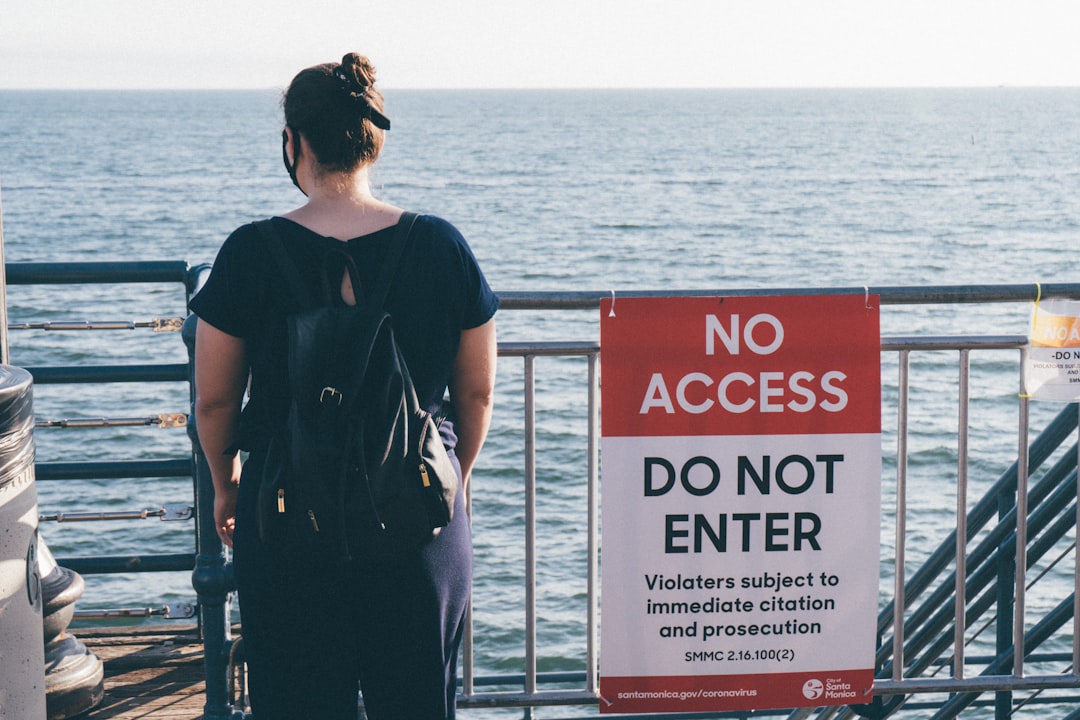
Photo by Kashawn Hernandez on Unsplash
Imagine the soundscape of arrival: luggage wheels on tile, taxi drivers calling out, phone notifications pinging, the smell of espresso, diesel, and airport air conditioning. That is exactly when scammers want you distracted. A useful travel scam checklist starts with one rule: if a stranger inserts themselves into your transaction, pause before you respond.
Real businesses usually wait for you to come to them. Official taxis sit in marked ranks. Hotel staff already have your booking. Legitimate ticket offices have counters, uniforms, and receipts. Scams often begin with an approach, not a request you made.
Copy this into your notes app before you fly:
- If they approached first, assume nothing is urgent.
- If they want cash only, slow down.
- If they want you to move off-platform to WhatsApp, text, or a bank transfer, stop.
- If they touch your wrist, your bag, your phone, or your jacket, step back first and speak second.
- If the price is strangely low or strangely fast, expect a catch.
- If you feel pressured to decide within one minute, walk away for five.
That tiny delay is often enough. A scam works best when you react before you think.
Fake booking sites and message scams before you leave home
Photo by appshunter.io on Unsplash
Some of the most expensive travel scams happen before the airport coffee. You find a perfect apartment in central Lisbon, a July room in Positano that looks 35% cheaper than everything nearby, or a last-minute airport hotel that supposedly has one room left. The photos are glossy, the message thread sounds human, and the payment request arrives with a deadline.
In 2026, fake booking sites and fake confirmation messages look cleaner than ever. The common thread is not bad design. It is a break in the payment chain. A host asks you to pay outside the platform to keep the room. An airline email tells you to re-enter card details through a link. A hotel sends a message saying your reservation will be cancelled unless you verify payment within 15 minutes.
Before departure, build this part of your travel scam checklist:
- Book flights and rooms only through the official airline or hotel site, or a major platform you typed into your browser yourself.
- Never pay for accommodation by bank transfer, gift card, or crypto because a host says the platform is down.
- Check the URL letter by letter before entering card details. One swapped character is enough.
- Search the property name on maps and street view. If the building photos, entrance, and address do not line up, keep digging.
- Read the worst reviews, not just the best ones. Bait-and-switch reports usually appear there first.
- Save every confirmation, transfer policy, and support number in one place before departure, whether that is a folder in your email or a trip board such as TravelDeck.
- Use a credit card, not a debit card, for bookings whenever possible. Chargebacks are easier when something goes wrong.
A good test is simple: if the seller needs you off the platform, away from the app, and in a hurry, treat it like a fake until proven otherwise.
Airport taxi scam and fake pickup tricks after landing
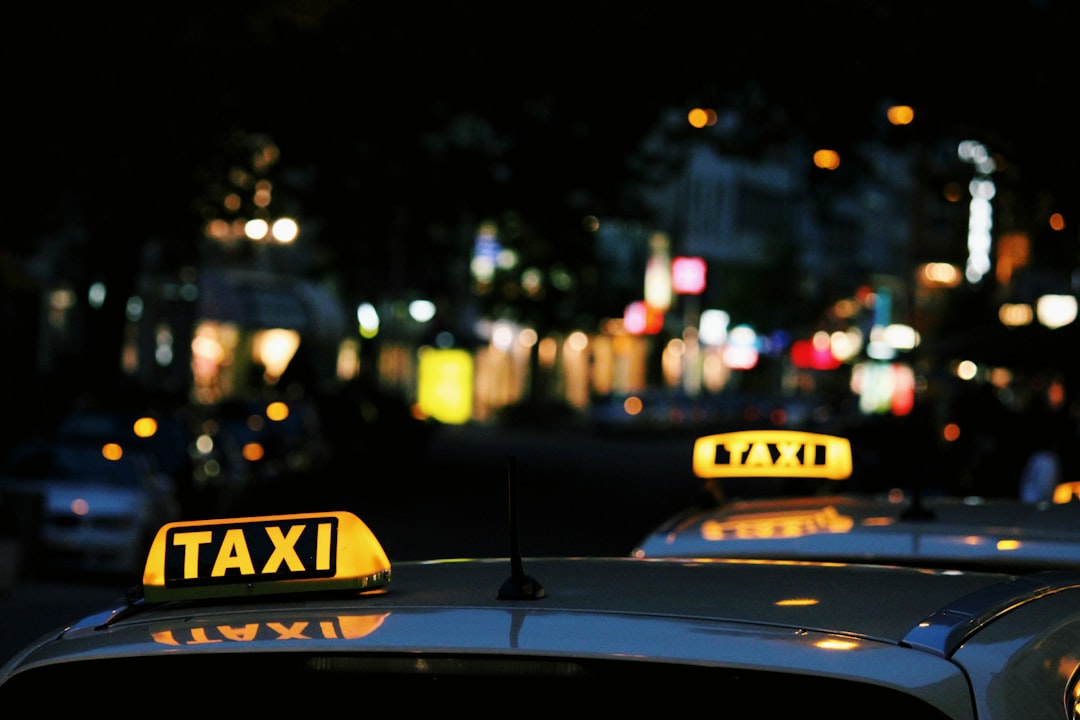
Photo by Lexi Anderson on Unsplash
The airport is where fatigue meets optimism. You have landed, your phone battery is lower than you thought, and the line for the official taxi rank looks longer than your patience. That is why the airport taxi scam keeps working from Paris to Bangkok to Mexico City.
At Charles de Gaulle, official taxis use fixed fares to Paris: €56 to the Right Bank and €65 to the Left Bank. At Rome Fiumicino, the official taxi fare into central Rome within the Aurelian Walls is €55. Those numbers matter because the scam often starts with a driver separating you from the official queue and offering something supposedly easier.
Use this arrival routine every time:
- Before you land, screenshot the official airport transfer page or the fare you expect.
- Ignore anyone who approaches you inside arrivals and asks if you need a taxi. Real ride-share drivers do not recruit like that.
- If you booked a ride, verify the license plate, driver name, and car model before opening the door.
- Put your destination into Google Maps or Apple Maps as soon as you get in. Let the driver see the route on your screen.
- If the driver says the meter is broken, your hotel is closed, or there is a better hotel or shop nearby, get out in a safe public place.
- Keep small notes on you so you do not expose a thick stack of cash at drop-off.
The same calm arrival habits that help in Porto Solo Travel Guide 2026: Safe Stays, Walks, and Nights also work in larger, noisier hubs. Your goal is not to look fearless. It is to make your next move obvious, verified, and boring.
Street tourist scams that start with contact
Some scams are almost theatrical. A man waves a clipboard near Trafalgar Square. Someone loops a bracelet toward your wrist near Sacre-Coeur. A stranger points to a stain on your sleeve outside the Trevi Fountain. Around you, scooters hum, church bells cut through the air, and the whole scene feels too public to be dangerous.
That public feeling is the trick. These are not clever because they are complex; they are clever because they are social. They rely on your instinct to answer, smile, sign, help, or explain yourself. That is why Avoid Tourist Scams Abroad in 2026: The Politeness Trap is such a useful companion read: politeness is often the opening they need.
Use this street section of your travel scam checklist:
| Setup | What it looks like | Your move |
|---|---|---|
| Bracelet or friendship band | Someone steps into your path with string or beads already in hand | Keep both hands close to your body, say no once, and keep walking |
| Petition or clipboard | A charity, survey, or deaf-awareness form appears in a crowded attraction zone | Do not stop to read it; move away without touching the clipboard |
| Spill scam | Mustard, coffee, or bird mess lands on your jacket and help appears instantly | Step back, check your pockets first, and clean up alone indoors |
| Shell game or three cups | A small crowd watches easy winners near a square or metro exit | Never play; the crowd is often part of the setup |
| Fake monk, blessing, or fortune teller | An item is placed in your hand, on your wrist, or near your chest | Return nothing by hand if they are crowding you; step away and leave |
Three phrases are enough in most cities:
- No, thank you.
- I am in a hurry.
- I do not want help.
Say them while moving. Stillness invites the next line of the script.
ATM skimming, QR code menus, and public Wi-Fi scam risks
Not every scam has a human face. Sometimes it is a loose plastic card reader at an ATM outside a convenience store. Sometimes it is a QR code sticker placed neatly over the real menu on a cafe table. Sometimes it is a network called Airport Free WiFi that appears to save you from roaming fees just when you need to check your bank.
These scams feel ordinary because they blend into routine travel tasks: getting cash, ordering lunch, checking a boarding pass. That is why your digital habits need to be as deliberate as your street habits.
Add these rules to your travel scam checklist:
- For cash, use ATMs inside bank branches, airport banking halls, or mall lobbies instead of standalone street machines.
- Tug the card reader gently before inserting your card. If it shifts, skip it.
- Cover the keypad with your other hand every time. ATM skimming often works with a hidden camera as well as a fake reader.
- Never accept help at an ATM from a stranger, even if the screen language is unfamiliar.
- At restaurants, inspect the QR code before scanning. A sticker on top of another sticker is a bad sign.
- After scanning, read the web address before you tap anything. If the domain looks unrelated to the restaurant, back out.
- Use your mobile data for banking and bookings when possible. A public Wi-Fi scam is easiest to avoid when you never join the network.
- Turn off auto-join for open networks before your trip so your phone does not connect on its own.
One more useful habit: separate spending tools. Keep one main card locked in your hotel safe or hidden in your bag, and use a secondary card or mobile wallet for day-to-day purchases. If ATM skimming or a QR payment trap catches one card, the whole trip does not freeze.
Hotel room phone scams, fake police, and the 30-minute recovery plan
Late at night, the room phone rings. The caller says they are from reception and there is a payment issue with your card. Or you are stopped near a station by someone who flashes a badge and asks to inspect your wallet for counterfeit notes. Both moments feel official. Both can strip away your judgment if you are tired enough.
Real hotels do not need your full card details over a surprise room call, and real police can identify themselves properly and will not mind going to a station. If someone asks for your passport or wallet on the street, keep it in your hand, not theirs, and say you will continue the conversation at the nearest police post.
If something already happened, use this 30-minute recovery plan:
- Move to a safe indoor place first. A hotel lobby, staffed cafe, pharmacy, or airport service desk is better than standing on the pavement in shock.
- Lock or freeze the affected card in your banking app immediately.
- Screenshot messages, websites, ride details, or account charges before they disappear.
- Tell your hotel front desk or an official transport desk what happened while details are fresh.
- File a police report the same day if money, ID, phone, or cards were taken. Insurance companies usually want this.
- Contact your insurer and any booking platform involved before you sleep on it.
- Monitor bank activity for the next 72 hours. Small test charges often come before bigger ones.
Useful official links to save before a trip:
- U.S. travel emergencies: https://travel.state.gov/content/travel/en/international-travel/emergencies.html
- UK foreign travel advice: https://www.gov.uk/foreign-travel-advice
- Cross-border consumer fraud reporting: https://www.econsumer.gov/
One health precaution that travelers ignore: sit down, drink water, and breathe before you start making calls. After a scam, adrenaline makes people forget timelines, taxi plates, and login steps. Two calm minutes can save you hundreds.
FAQ
What are the most common travel scams in 2026?
The most common tourist scams still cluster around bookings, airport transport, street approaches, cash withdrawals, and digital payments. In practice, that means fake booking sites, the airport taxi scam, bracelet or petition distractions, ATM skimming, fake QR code menus, and hotel phone phishing.
How can I tell if an airport taxi is legitimate?
Use only the official taxi rank or a ride booked inside the app. Check the plate before you get in, keep your map open during the ride, and know one real number before landing, such as the fixed Paris CDG fare of €56 or €65 depending on bank side, or the Rome Fiumicino city fare of €55.
Is it safe to scan QR code menus abroad?
Usually, yes, but only after a two-second check. Make sure the QR code is not a sticker placed over another code, scan it, then read the web address before ordering or paying. If the URL looks unrelated to the restaurant name, ask for a paper menu or pay at the counter.
What should I do first if my card was skimmed at an ATM?
Freeze the card immediately, note the ATM location, and contact your bank before making any more withdrawals. Then file a local police report, especially if you will need an insurance claim or a replacement card sent abroad.
Are fake police common in tourist areas?
They are uncommon overall but common enough in busy visitor zones to deserve a script. Ask for identification, keep your documents in your own hands, and insist on going to a police station. A fake officer usually disappears once the interaction stops being quick and private.
Travel gets safer when you stop treating every decision as a fresh one. Build a few fixed rules before you leave home, and the noise of arrivals halls, busy squares, and late-night check-ins becomes much easier to read. Most scams are not brilliant. They are repetitive. That is exactly why a traveler with a routine can beat them.