The most vulnerable part of a solo trip is often not the midnight alley or the dramatic cliff trail. It is the first 90 minutes after landing, when you are tired, undercharged, hungry, and trying to decide whether the steep street ahead is charming or simply the wrong one. That is why this Porto solo travel guide is built around rhythm rather than fear. Porto is one of the easiest European cities to learn safe independent travel in real time: compact enough to understand quickly, layered enough to stay interesting for days, and social enough that eating, walking, or sitting alone never feels strange.
A strong Porto solo travel guide should do more than tell you that the city is beautiful. Yes, the Douro glows copper at sunset, church bells roll over the hills, and laundry lines still flutter above tiled facades in Miragaia. But the real reason Porto works so well for solo travelers is practical. The center is walkable, the metro from the airport is simple, cafés are used to solo diners, and the city gives you a lot of public life without forcing you into chaos. You can spend a morning among market stalls, an afternoon in a museum garden, and a late evening crossing a lit bridge with plenty of people around.
That said, safe does not mean friction-free. Granite pavements get slick in rain, riverside drinks can stretch later than planned, and there are still tourist pressure points where distraction beats common sense. I like pinning my hotel, nearest pharmacy, backup ATM, and one late-opening food spot in TravelDeck before wheels-up, because small decisions made at home become real safety tools on the ground. If you want a city that rewards awareness without punishing curiosity, Porto is a smart first or fifth solo destination.
Is Porto safe for solo travelers?
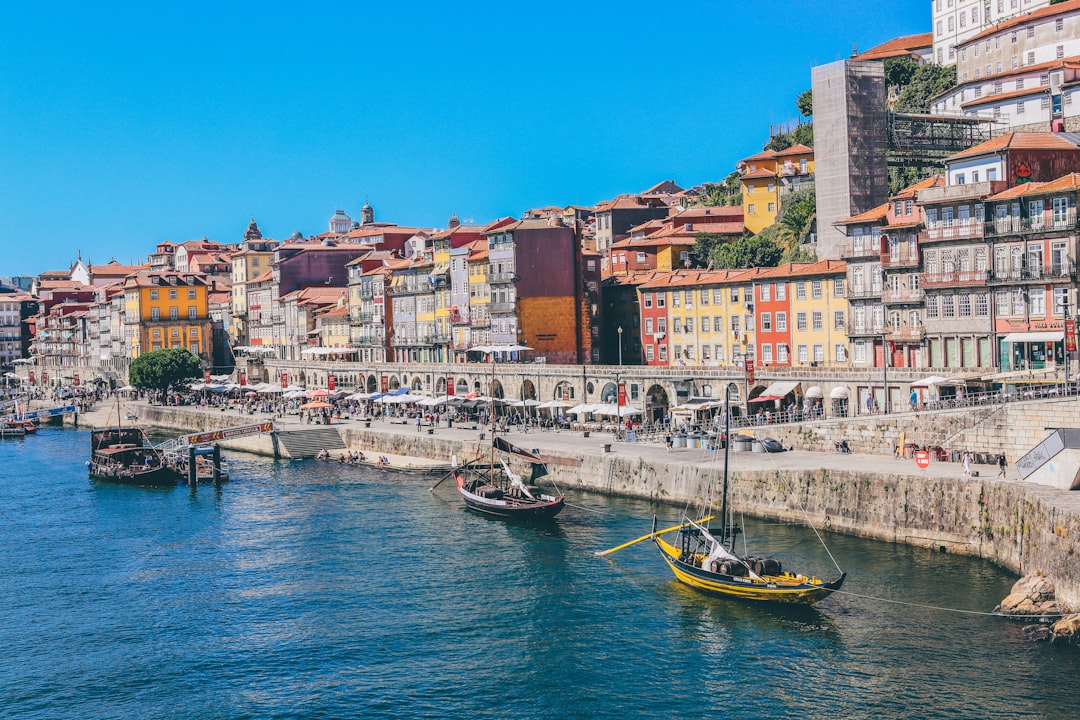
Photo by Nick Karvounis on Unsplash
If you are asking is Porto safe for solo travelers, the short answer is yes, especially by big-city European standards. Violent incidents affecting visitors are uncommon, and most solo travelers describe Porto as relaxed rather than tense. In the center, you will hear tram bells, suitcase wheels, snippets of Portuguese, French, English, and Spanish, and the constant soundtrack of uphill footsteps. Even late in the day, Baixa, Clérigos, Cedofeita, and the bridge areas tend to have enough foot traffic to feel alive rather than isolated.
The longer answer matters more. Is Porto safe for solo travelers all the time, in every mood, on every hill, after every glass of port? Of course not. The city asks for ordinary urban habits. Pickpocketing can happen where visitors slow down and admire the view with their phone half out. Taxi overcharging is less common than in some capitals, but airport arrivals still favor travelers who know their route. Wet cobblestones are as much a risk as petty theft, especially around Ribeira staircases and steep side streets. In other words, the danger is usually not drama. It is distraction.
A useful Porto solo travel guide should also admit that the emotional side of safety matters. Porto feels friendly because you are rarely trapped in private space. You can duck into pastry shops, churches, grocery stores, metro stations, bookstores, and hotel lobbies without ceremony. That public texture gives solo travelers options. If a street feels too dark, you can reroute. If you need to reset, you can sit with a coffee and recheck the map. If you are ever unsure how to interpret social pressure from strangers, the patterns are softer here than in many tourist capitals, but the same instincts from Avoid Tourist Scams Abroad in 2026: The Politeness Trap still apply.
Here is what usually matters most in practice:
- Low-risk does not mean no-risk: Porto is generally comfortable for solo travel, but crowded transport hubs like São Bento, Campanhã, Trindade, and riverfront viewpoints reward zipped bags and a phone kept in hand only when you need it.
- Terrain creates fatigue: Many bad decisions happen after one too many hills. If your hotel is above Ribeira, take a rideshare back late instead of forcing a final steep climb when you are tired.
- Nightlife is concentrated: Galerias de Paris, Clérigos, and parts of Baixa stay lively. That is good for atmosphere, but it also means drunk crowds, misplaced phones, and poor route choices after midnight.
- The weather matters: In winter and shoulder season, Atlantic rain makes stone steps slippery. Pack shoes with grip, not smooth fashion soles.
- Solo dining is normal: You do not need to invent confidence here. Sit at the counter, order a soup and a plate of petiscos, and take your time.
- Your main job is to stay reachable: Carry a small power bank, keep one offline map downloaded, and know the exact street number of your stay.
If you want a direct answer to is Porto safe for solo travelers, think of it this way: Porto is safe enough that good habits feel easy, not exhausting. That is what makes it such a strong solo city.
How to get there
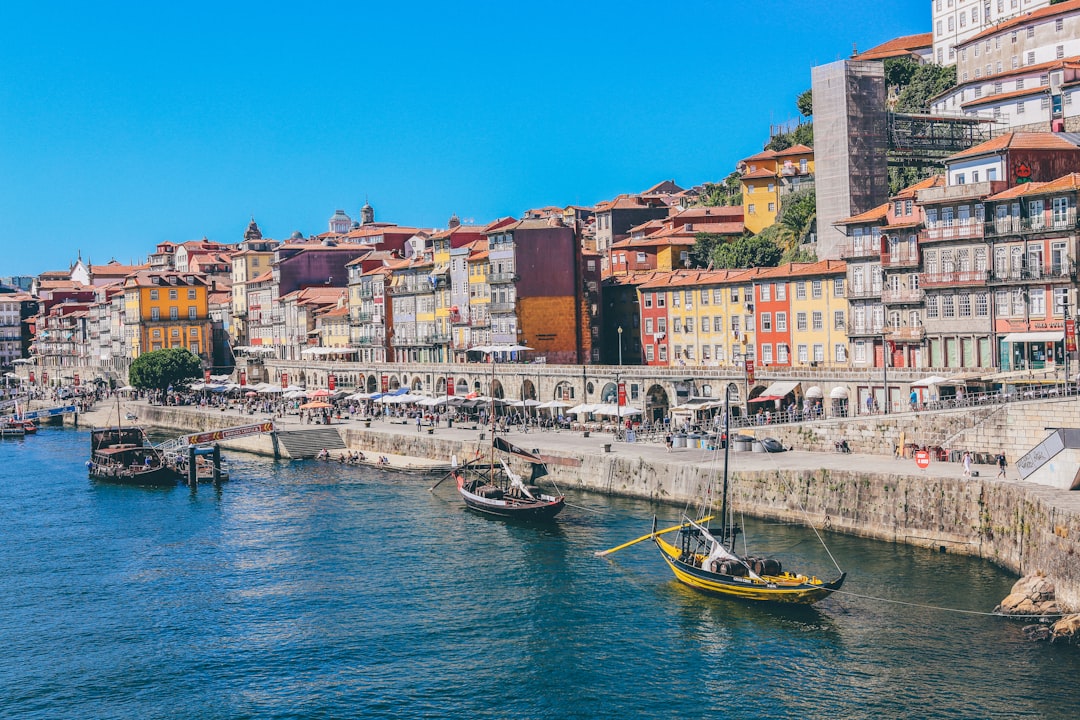
Photo by Nick Karvounis on Unsplash
Most international visitors arrive at Francisco Sá Carneiro Airport, Porto Airport, OPO, about 11 kilometers north of the center. Porto does not do the cinematic airport scramble. That is part of its charm. You leave baggage claim, follow clear signs to the metro, and within minutes you are moving toward Trindade with suburban neighborhoods sliding past the windows. For solo travelers, that straightforward arrival is a genuine safety advantage, especially if you land in daylight.
This Porto solo travel guide strongly favors an arrival plan you can execute even when you are tired. If you land after a long transatlantic flight, the temptation is to improvise. Do not. Know whether you are taking the metro, a taxi, or Uber or Bolt before you leave the airport Wi-Fi zone. If Porto is part of your first big overseas trip, First Long Haul Flight in 2026: 21 Comfort Rules That Help is useful prep because how you feel on arrival changes how safely you move through the city.
Airport and arrival options
| Route | Duration | Typical cost | Best for | Safety note |
|---|---|---|---|---|
| Metro Line E from OPO to Trindade | 27-30 min | about €2.25 plus €0.60 Andante card | Daytime arrivals with light luggage | Simple, reliable, and well used; keep valuables zipped in busy periods |
| Uber or Bolt to Baixa or Cedofeita | 20-30 min | €12-€20 | Late arrivals or heavy bags | Verify plate and driver before entering |
| Official taxi from airport rank | 20-30 min | €25-€30 | When app prices surge or you want a direct ride | Use the official queue only |
| Airport shuttle or hotel transfer | 25-45 min | €8-€35 | First-time travelers who want less friction | Best if you arrive very late or in heavy rain |
If you are already in Portugal, trains are excellent. Lisbon to Porto on Alfa Pendular or Intercidades trains runs roughly 2 hours 50 minutes to 3 hours, usually from Santa Apolónia or Oriente to Campanhã, with fares commonly between €15 and €35 if booked ahead on Comboios de Portugal. Buses from Lisbon usually take 3 hours 15 minutes to 3 hours 45 minutes and can drop as low as €5 to €20. From Santiago de Compostela, buses often take 3 hours 30 minutes to 4 hours. Driving from Lisbon is about 313 kilometers and normally 3 hours without heavy traffic, but solo travelers should remember that toll roads and urban parking can turn a simple plan into a tiring last hour.
A calm arrival routine looks like this:
- Save your hotel name, street number, and reception instructions offline.
- If you take the metro, buy the Andante card once and keep it for reloading.
- If you land after 10 pm, default to Uber, Bolt, or a pre-booked taxi unless your stay is directly beside a central metro stop.
- Avoid dragging luggage down Ribeira lanes or steep Miragaia steps at night; ask for the nearest vehicle-access point.
- If your stay uses self-check-in, request the entry code before boarding your flight, not after landing.
- Keep one small note in your phone with emergency number 112, your hotel phone number, and your travel insurance contact.
Where to stay in Porto for solo travelers
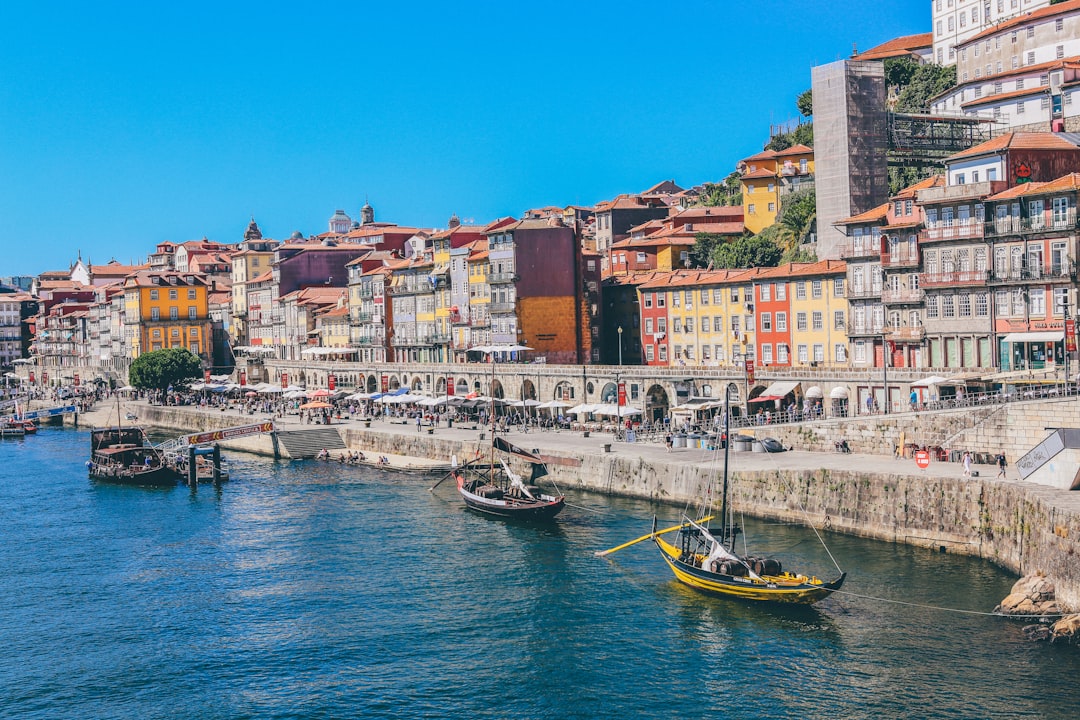
Photo by Nick Karvounis on Unsplash
If you are wondering where to stay in Porto, start with a simple truth: the prettiest area is not always the easiest one to live in alone. Ribeira is postcard-perfect, all ochre walls, waterside terraces, and the glow of the Dom Luís I Bridge at dusk. But it is also busy, noisy, and full of staircases. For many solo travelers, the best answer to where to stay in Porto is slightly uphill in Baixa, Trindade, Santo Ildefonso, or lower Cedofeita, where you get better transport, easier returns after dinner, and flatter routes to the essentials.
A thoughtful Porto solo travel guide treats geography as a safety feature. Being close to nightlife is useful only if you also sleep. Being close to the river is magical only if you can get back without struggling up stone alleys at 1 am. Where to stay in Porto depends on your energy as much as your budget. If this is your first solo city break, central and practical beats romantic and remote almost every time.
Another point many guides skip: check the building, not just the map. Porto is full of beautiful older properties with narrow staircases, partial soundproofing, and charming but inconvenient street access. As a solo traveler, choose places with 24-hour reception or very clear self-check-in, strong recent reviews, and comments that specifically mention safety, quiet, and reliable door codes.
Best neighborhoods for a solo base
| Area | Best for | Night feel | Typical price level | Solo safety notes |
|---|---|---|---|---|
| Baixa / Trindade | First timers, easy transport, walkability | Lively but manageable | €€ | Best balance of metro access, food, and simple returns |
| Cedofeita | Cafés, galleries, quieter evenings | Relaxed | €€ | Great for solo travelers who want atmosphere without riverfront noise |
| Santo Ildefonso | Value stays near center | Mixed but generally fine | € | Good if you check exact block and uphill walking tolerance |
| Ribeira | Views and romance | Busy, noisy, tourist-heavy | €€€ | Fine for confident travelers, less ideal for late arrivals with luggage |
| Vila Nova de Gaia near Jardim do Morro | Sunset views, wine lodges | Calm to moderate | €€ | Good choice if you do not mind crossing the bridge often |
Budget stays
- The Passenger Hostel near São Bento Station: roughly €35-€65 for a dorm bed and €90-€130 for a private, depending on season. Strong common areas, central location, and an easy base if you want company without forced socializing.
- Rivoli Cinema Hostel in Baixa: often €28-€55 for a dorm and €75-€110 for private options. Good for travelers who want to be near Aliados and still walk home after dinner.
- Gallery Hostel in Cedofeita: typically €38-€70 for a dorm, with private rooms higher. More polished than the average hostel and often a good compromise for people who want social energy but quieter nights.
Mid-range stays
- Moov Hotel Porto Centro: usually €95-€150. Reliable, central, and simple in the best way. Solid pick if your version of where to stay in Porto is close to transport and low drama.
- Zero Box Lodge Porto: around €110-€180. A more design-forward stay in a useful central location, especially for solo travelers who want a private room and a lively downstairs scene.
- Exe Almada Porto: commonly €120-€190. Comfortable rooms, dependable front desk, and a location that keeps you close to Baixa without the heaviest noise.
Luxury stays
- Torel Avantgarde: usually €240-€420. For solo travelers who want a treat, a view, and a calm base after long walking days.
- Maison Albar Le Monumental Palace: often €320-€600. One of the best choices if your priority is polished service and easy central access.
- The Yeatman in Gaia: often €350-€700. Worth it for river views, spa time, and a slower solo rhythm, though you will rely more on rides or bridge crossings.
A few rules help no matter your budget:
- Prefer accommodations with reviews from the last six months.
- Check whether your room faces a nightlife street.
- Ask if lockers fit a laptop or camera if you are staying in a hostel.
- Avoid ground-floor rooms opening directly to quiet lanes unless the property has excellent security.
- If you plan late dinners, stay within a 10-15 minute walk of a route you are happy to repeat alone.
Things to do alone in Porto
The best part of solo travel in Porto is that the city never punishes a wandering day. You can start with coffee and warm bread in a tiled bakery, follow the slope until the river appears like polished metal below, then end up in a contemporary art garden without ever feeling that you wasted time. This Porto solo travel guide is not about packing your day to the minute. It is about choosing places where being alone actually improves the experience.
Porto also rewards half-plans. One hill leads to another. A church opens. A staircase reveals a rooftop. You hear Fado from one doorway and clinking glasses from another. Still, some places are simply better for solo travelers than others because they combine beauty with easy navigation, daylight foot traffic, and clear ways out if you are tired.
1. Cross the Dom Luís I Bridge and watch sunset from Jardim do Morro
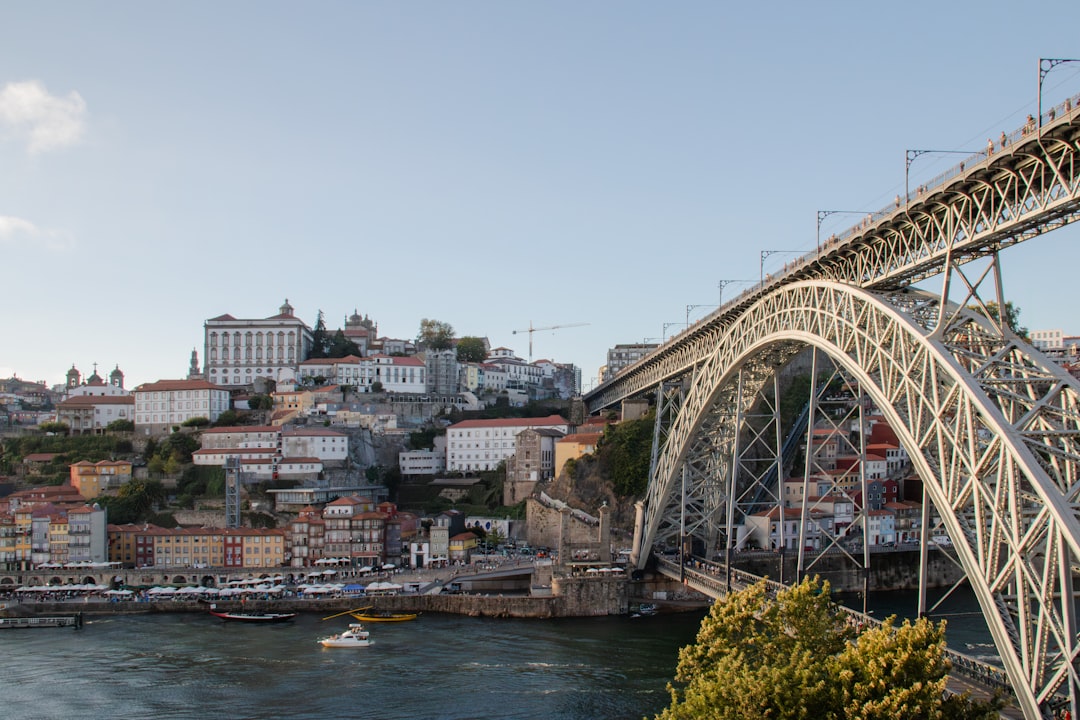
The upper deck of the Dom Luís I Bridge is one of those places that feels cinematic even when you arrive with sore feet and a supermarket bottle of water. On one side, the cathedral ridge. On the other, Gaia wine lodges and the broad Douro reflecting gold. Jardim do Morro, just across in Vila Nova de Gaia, is ideal for solo travelers because the crowd does half the safety work for you. There are usually musicians, couples, students, and photographers around sunset, so you get atmosphere without isolation. Go before dark, stay for the light change, and take a rideshare back if the hills feel like too much.
2. Start early in Ribeira, not late
Ribeira is famous for dinner terraces, but solo travelers often enjoy it more in the morning. The stone alleys smell faintly of river air and bread delivery vans, waiters are setting tables, and the facades look freshly washed in soft light. Walking here early lets you enjoy the beauty without the midnight noise. This Porto solo travel guide recommends using Ribeira as a daytime pleasure zone and not necessarily as your nightly base. Sit by the water, photograph the boats, then head uphill before the crowds peak.
3. Visit São Bento Station and continue to the cathedral terrace
Even if you are not taking a train, São Bento is worth it for the azulejo panels alone. The blue-and-white tile scenes are a reminder that transit buildings in Portugal can still feel ceremonial. From there, climb to Sé do Porto, the cathedral terrace, where the city opens below in roofs and bell towers. This is one of the best things to do alone in Porto because you control the pace. Linger, read plaques, or just listen to the gulls and church bells. Keep your phone close in crowded station moments, then relax once you are on the terrace.
4. Browse Mercado do Bolhão and eat standing up or at the counter
Markets are where solo travel gets easy. At Mercado do Bolhão, you can move from produce to flowers to canned fish to pastries without needing a schedule or company. There is always something to smell or taste: oranges, coffee, cured ham, grilled sardines if you hit the right hour. For a solo traveler, the market is useful because it offers both food and orientation. You see how locals move, what they buy, and which stalls are busy for a reason. If you want a low-pressure meal alone, this is one of the smartest places in the city.
5. Climb Clérigos Tower on a clear day
The Clérigos Tower climb is short, dramatic, and one of the quickest ways to understand Porto's vertical logic. Up top, you see how the city folds toward the river, where the newer avenues flatten out, and why the bridge crossings matter. Book ahead through Visit Porto or the attraction site in busy months to avoid long waits. Because the stairwell is tight, go early or late afternoon rather than peak midday if crowds make you uncomfortable.
6. Book a port tasting in Gaia, then walk the quieter side streets
For solo travelers, Gaia's wine lodges are useful because tastings create gentle social contact without forcing you into a bar crawl. Graham's, Taylor's, and other houses offer structured visits where you can join a group, learn something, and still keep to yourself if you want. The air in the lodge districts carries the smell of oak barrels and the river breeze, and after a tasting you can walk the calmer lanes above the waterfront. Pace yourself. Porto wine hits harder than the elegant glasses suggest.
7. Spend half a day at Serralves
When city intensity builds, go west. Serralves Museum and Park gives you contemporary art, tree-lined paths, and a calmer version of Porto life. The gardens are especially good for solo travelers because they restore the feeling of private thought without actual isolation. You can check opening times at Serralves. If you need a soft reset on day three, this is one of the best things to do alone in Porto.
8. Ride out to Foz do Douro or Matosinhos
Porto is not only hills and tile. Follow the river or take transport west and you reach Foz do Douro, where the Douro meets the Atlantic, or Matosinhos, where sea air and grilled fish change the mood completely. Waves slap against the breakwater, joggers pass, families gather on benches, and the horizon opens. This Porto solo travel guide always makes room for the coast because it gives nervous solo travelers space to breathe. Matosinhos is also a smart lunch move if you want seafood without Ribeira prices.
Where to eat when you are on your own
Solo dining in Porto is easier than many first-time travelers expect. The city does not stare at a table for one. Counter seats, market stools, bakery ledges, and compact dining rooms all make it normal to eat alone. In fact, some of the best meals here are better solo because you can order exactly what you want, linger over a glass of vinho verde, and leave when you are satisfied rather than when the group is ready.
This Porto solo travel guide also recommends eating earlier than you think on your first night. Travel fatigue disguises itself as confidence. Have a real meal, not just a pastry and wine. Porto rewards appetite, but heavy dishes plus hills plus dehydration is a bad solo combination. Think warm soup, water, protein, then decide if you still want the francesinha.
Good solo-friendly food stops
- Mercado do Bolhão: great for grazing. Try small plates, fruit, pastries, and whatever looks busy. Perfect for a flexible lunch and one of the easiest places to eat alone without feeling pinned to a table.
- Café Santiago or Brasão Aliados: classic choices for a francesinha, Porto's gloriously excessive sandwich layered with meat, cheese, and sauce. Go hungry and do not schedule a steep climb immediately after.
- Casa Guedes near Praça dos Poveiros: famous for roast pork sandwiches, often with Serra cheese. Fast, flavorful, and ideal if you want a casual meal before an evening walk.
- Gazela: known for hot dogs and a quick, low-fuss vibe. Good for solo travelers who want something iconic without committing to a long sit-down meal.
- Taberna dos Mercadores in Ribeira: tiny, atmospheric, and better if you go at an off-peak hour. Order cod or octopus if available and be patient with the close quarters.
- Manteigaria or a good local pastry shop for pastel de nata: not Porto-exclusive, but still essential with coffee when your energy drops in midafternoon.
- Matosinhos seafood restaurants along Rua Heróis de França: if you head to the coast, grilled fish is the move. Prices vary, but lunch menus can be better value than dinner.
What to order if you want local without overdoing it
- Caldo verde for a light but comforting start.
- Bacalhau in one of its many forms if you want a classic Portuguese dinner.
- Petiscos if you prefer several smaller dishes over one heavy plate.
- Vinho verde or a single glass of port, but pace alcohol carefully if you are walking home.
- Coffee and a pastry in the late morning if you need a small reset between neighborhoods.
A useful rule for eating alone safely is simple: sit where you can see the room, keep your bag looped to your chair or under your leg, and never let tiredness trick you into skipping dinner entirely.
Porto at night: bars, viewpoints, and safe returns
Porto at night is less about neon intensity and more about layered glow. The river turns black-blue under bridge lights, glasses catch amber reflections, and side streets fill with murmured conversation rather than all-out spectacle. In the central zones, especially around Galerias de Paris, Clérigos, and parts of Baixa, Porto at night feels festive without being too large to read. That is good news for solo travelers. You are rarely far from a café, convenience store, rideshare pickup point, or other people.
Still, Porto at night is where the city tests your judgment. Not because it is unusually dangerous, but because it is seductive. One last drink becomes two. The scenic shortcut becomes a dark staircase. The cheap apartment you booked for the view suddenly sits at the top of a silent hill. A good Porto solo travel guide treats the return home as part of the evening, not something you improvise later.
If you want nightlife without unnecessary risk, this is a solid routine:
- Watch sunset from Jardim do Morro or Miradouro da Vitória, then decide whether you still want a full night out.
- Keep your first bar in Baixa or Cedofeita, where walking between venues is easy and streets stay active.
- Use Uber or Bolt if your route home involves long, dark stairways or riverfront detours.
- Avoid carrying your passport on nights out. Take one card, some cash, and your phone.
- If you drink port, remember it is stronger than it tastes. Pair it with food and water.
- Share live location with a friend if you are meeting new people.
- Leave when your instincts first whisper, not when they start shouting.
Good late-evening choices for solo travelers include a calm glass of wine in Gaia after a tasting, a people-watching terrace in Baixa, or live music in a venue with seated options rather than a pure standing crowd. Porto at night can be gentle, memorable, and very safe if you build the trip home into the plan.
Porto solo female travel: what changes and what does not
Porto solo female travel benefits from all the same basics as any safe solo trip: central lodging, controlled alcohol, charged phone, and an arrival plan you can execute while tired. The good news is that many women find Porto refreshingly manageable. Harassment levels are often lower than in some bigger Mediterranean party cities, solo dining is normal, and walking alone in active central areas during the day rarely draws much attention.
But Porto solo female travel still deserves its own adjustments. A city can be generally comfortable and still require boundaries. Dating-app meetups should happen in busy public places only. If a bar atmosphere turns too loose, do not argue with your discomfort; leave. And if your hotel is in a charming but quiet lane, do the route in daylight first. Porto solo female travel is easiest when you remove avoidable friction before it appears.
A few small moves help a lot:
- Choose female-only dorms if you prefer them; many central hostels offer them.
- Keep your room number private when chatting with new people.
- Use rideshares after midnight if you are returning from riverside or bridge viewpoints.
- Wear shoes you can actually move in on hills and steps.
- If someone pushes conversation too hard, step into the nearest café, hotel, or pharmacy rather than trying to manage it alone on the street.
- Keep one backup layer in your bag; coastal wind can make an otherwise comfortable evening feel unexpectedly exposed.
The biggest truth about Porto solo female travel is reassuring: the city rewards alertness without demanding paranoia. That balance is rarer than it should be.
Practical tips
The difference between an easy solo trip and a draining one in Porto is often a set of small physical details: shoes with grip, a room near the right metro stop, breakfast before the first hill, and enough phone battery to change your plan without stress. This Porto solo travel guide works best if you treat energy like part of your safety strategy. The city rises and falls constantly. That beauty has a cost in calves, timing, and judgment.
You should also think in layers. Porto can feel warm in the sun and sharply cooler in Atlantic wind, sometimes within the same hour. Rain arrives sideways. Granite holds moisture. A light jacket, compact umbrella, and shoes that handle slick pavement matter more than fancy outfits. If you have ever underpriced the real cost of a trip, especially as a solo traveler carrying all the logistics alone, Travel Budget Categories List for 2026: Stop Underpricing Trips is a useful companion before you book.
Best months to visit Porto alone
| Period | Weather feel | Crowds | Price vibe | Solo travel verdict |
|---|---|---|---|---|
| March to May | Cool to mild, flowers, occasional rain | Moderate | €€ | Excellent balance for first-time solo trips |
| June | Warm, lively, long days | High around festival dates | €€€ | Great atmosphere, book early |
| July to August | Warm to hot, bright evenings | High | €€€ | Easy social energy, more tourists and pricier rooms |
| September to October | Warm days, softer light, fewer crowds | Moderate | €€ | Probably the sweet spot |
| November to February | Cool, wetter, moodier | Lower | € | Good for slower travelers who pack for rain |
Daily budget guide for solo travelers
| Style | Typical daily spend | What it looks like |
|---|---|---|
| Budget | €65-€110 | Hostel dorm, metro or walking, market meals, one paid sight |
| Mid-range | €130-€220 | Private hotel room, a few rideshares, museum entry, sit-down dinner |
| Comfort plus | €250+ | Boutique hotel, tastings, taxis, higher-end dining, spa or premium experiences |
What to pack for a safer, easier Porto trip
- Grippy walking shoes for wet stone and hills
- Crossbody bag with zip closure
- Small power bank and charging cable
- Compact rain layer or umbrella
- Refillable water bottle
- One bank card kept separate from your main wallet
- Offline maps and hotel details saved to your phone
- A light scarf or extra layer for windy evenings by the river or coast
Connectivity, money, and everyday logistics
Portugal uses the euro, and cards are widely accepted in Porto, but carry a little cash for tiny cafés or old-school spots. ATMs attached to banks are safer than standalone machines aimed at tourists. For connectivity, Vodafone, MEO, and NOS all have solid coverage, and eSIM options are widely available if your phone supports them. Tap water is safe to drink. Pharmacies are easy to find, and many staff members speak enough English to help with basic needs.
Local habits that make Porto easier
- Dinner often starts later than in northern Europe, but you do not need to wait if you are hungry.
- A friendly bom dia, boa tarde, or obrigada/obrigado goes a long way.
- Tipping is appreciated but not as automatic or as large as in the United States.
- Public transport is orderly; let people off first, then board.
- Sundays can be quieter for shopping, so do not leave essentials to the last minute.
Useful official links
- Porto Airport OPO
- Metro do Porto
- Comboios de Portugal
- Visit Porto
- Serralves Museum and Park
- Livraria Lello
The smartest solo safety habits in Porto
- Start day one with a simple radius: hotel, café, metro, pharmacy, grocery store.
- Walk the route home once in daylight before doing it after dark.
- Do not post your exact live location publicly if you are traveling alone.
- Save a screenshot of your rideshare booking before you get in.
- Keep a little emergency cash separate from your main wallet.
- When in doubt, choose the brighter street, the flatter street, or the busier street.
FAQ
Is Porto safe for solo travelers at night?
Yes, in most central areas Porto is manageable at night, especially in active zones like Baixa, Clérigos, and parts of Cedofeita. The bigger risks are tired route choices, slippery streets, and carrying too much after drinks. If your walk home involves steep or quiet lanes, use Uber or Bolt.
Where to stay in Porto if I am traveling alone for the first time?
For a first solo trip, Baixa, Trindade, and lower Cedofeita are the easiest answers to where to stay in Porto. They balance transport, food options, and walkability without forcing you into Ribeira's noise or stair-heavy access.
How many days do I need for a solo Porto trip?
Three full days is enough for the highlights, but four or five feels better if you want a slower pace, a port tasting in Gaia, a museum afternoon, and a coastal half-day in Foz or Matosinhos. Porto rewards unplanned time more than checklist speed.
Is Porto solo female travel a good idea for a first Europe trip?
Yes. Porto solo female travel works well for first-timers because the city is compact, public transport is straightforward, and eating alone is socially easy. Choose a central stay, avoid overdrinking, and learn your route home in daylight.
Do I need cash in Porto, or can I use cards everywhere?
You can use cards in most hotels, restaurants, museums, and rideshares, but a little cash is still useful for small cafés, kiosks, or older local spots. Keep your main card and backup card in separate places.
Porto does something rare for solo travelers: it makes caution feel natural rather than restrictive. You can build a safe day here without shrinking it. Coffee on a tiled street, market lunch, bridge sunset, one careful ride home, and a room in the right neighborhood — that is not a limited version of travel. It is freedom with structure, which is often the most enjoyable kind.