A trip rarely blows up because of one dramatic splurge. It usually leaks money in quiet little drips: a train to the airport before sunrise, a carry-on fee added at checkout, one museum you forgot to price, three coffees that somehow become lunch money. That is why a solid travel budget categories list matters more than a dreamy total pulled from the air. If you want a trip that feels generous rather than anxious, you need to price the journey in parts, not vibes.
The best travel plans do not begin with a spreadsheet. They begin with honesty. What kind of bed helps you sleep well? How often do you like to sit down for a proper meal? Do you wander all day on foot, or do you call a ride the minute your shoes start complaining? A realistic budget is less about being strict than about admitting who you are when you travel.
To make that practical, I am using Porto as a worked example throughout this guide. It is a useful city for building a travel budget because it has enough layers to expose every weakness in your math: cheap flights that tempt you, pretty boutique hotels that pull you upward, riverfront restaurants that make one extra glass of wine seem reasonable, and plenty of low-cost days that can rescue the numbers if you plan well. Think of this guide as a travel budget categories list with salt in the air, tram bells in the background, and the smell of grilled sardines drifting up from the river.
Why a travel budget categories list beats a guessed total
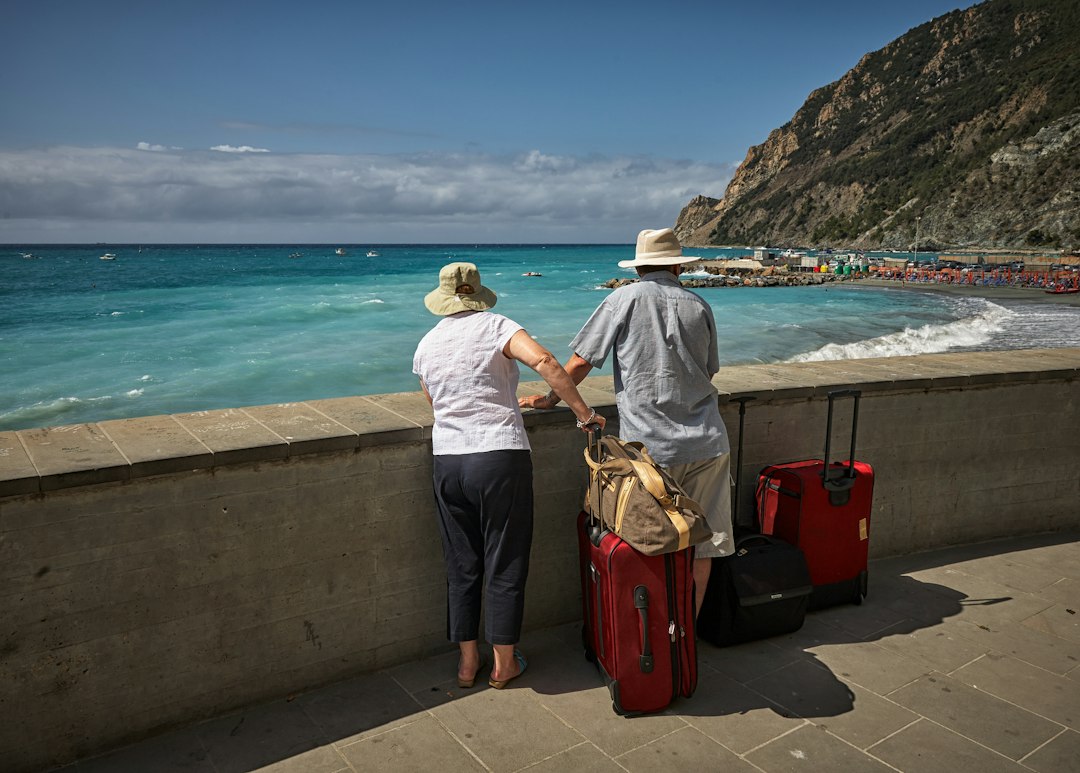
Photo by Omar Al-Ghosson on Unsplash
Travel money feels abstract right up until the card machine tilts toward you. Suddenly every choice has weight: the extra Metro ticket, the pastry because it is raining, the view-side table because the light over the Douro is too good to refuse. A guessed total cannot absorb those moments because it never understood the shape of the trip in the first place. A travel budget categories list does. It turns a foggy number into separate decisions you can actually control.
That matters because not all costs behave the same way. Flights tend to be fixed. Accommodation is fixed once booked. Food stretches and shrinks depending on mood, weather, and energy. Activities sit somewhere in the middle: some are non-negotiable, some only happen if the budget breathes. When you separate those rhythms, you stop treating your whole trip like one big bill and start steering it like a living thing.
This is also how experienced travelers keep trips feeling spacious. They do not simply spend less. They spend with hierarchy. If a beautiful guesthouse matters more than cocktails, the money shifts there. If food is the point of the trip, they protect that line and trim somewhere else. A travel budget categories list makes those priorities visible before the first tap of your card.
Here is the simplest category framework I use for almost every trip:
- Getting to departure: train, bus, airport parking, airport hotel, early taxi
- Main transport: flights, trains, ferries, seat selection, luggage fees
- Accommodation: nightly room rate, city tax, cleaning fee, breakfast add-ons
- Food and drink: coffee, snacks, grocery runs, market lunches, dinner, drinks
- Local transport: airport transfer, metro card, tram, bus, rideshare, fuel, tolls
- Activities: museums, tours, viewpoint tickets, classes, beach gear, rentals
- Admin and safety: travel insurance, eSIM, visa fee, ATM fees, baggage storage
- Cushion: 10 to 15 percent for hidden travel costs and unplanned moments
If you want to see how the same discipline changes longer or pricier journeys, look at the math mindset behind 10 Days in Japan Under 2000 Euros in 2026. The destination changes. The budgeting logic does not.
Start with the trip shape before you start the math
Photo by Anete Lūsiņa on Unsplash
Before you price anything, stand still for a minute and picture the pace. This is where most people skip ahead and later wonder why their neat little budget feels false. A city break with 25,000 steps a day needs more coffee, more quick snacks, and maybe one or two taxis when your legs give up. A beach week might mean cheaper transport but higher spending on sunbeds, cocktails, or seafood dinners near the water. A trip with friends often lowers room costs and raises drinks, splitting apps, and last-minute cabs.
Porto is a perfect example of why trip shape matters. On paper, it can look cheap. Low-cost airlines often make the flight line look harmless. But the city is built on steep streets, long bridges, and seductive eating. A traveler who loves walking and market lunches can keep a daily travel budget very lean here. A traveler who wants river-view hotels, wine cellar tastings, and rides uphill after dinner is still getting excellent value, but they are playing a different game.
Your budget should reflect your travel identity, not an imaginary bargain version of yourself. If you know that one rainy afternoon sends you straight into a café for coffee and cake, budget for that softness. If you hate dorms and need a quiet room to feel human, say it now. Pretending costs nothing on planning day and a lot once you land.
Before you research prices, answer these questions:
- What is the purpose of the trip: food, rest, culture, nightlife, or a mix?
- How fast do you travel: packed days, slow mornings, or one major sight per day?
- What is non-negotiable: private room, central location, checked bag, one special dinner?
- What can stay flexible: paid tours, shopping, taxis, drinks, day trips?
- What season are you traveling in: January rain, spring shoulder season, summer peaks, autumn wine weather?
- Are you traveling solo, as a couple, or in a group with shared costs?
This is also where comparison helps. A city with strong public transport and compact sightseeing can behave very differently from somewhere where you rely on ferries or ride-hailing. If you want a useful contrast in urban movement costs, 4 Days in Istanbul in 2026: Mosques, Markets, and Ferries is a good reminder that local transit style changes the entire daily rhythm.
Build the travel cost breakdown before you open booking tabs
Budget Travel Ireland | Travel Agents Dublin
There is a particular kind of planning mistake that feels efficient and is not: opening five hotel tabs, three flight tabs, a restaurant list, and a map, then trying to mentally average it into one total. It is like trying to smell the whole city at once. You need order. A travel cost breakdown gives you that order by turning research into separate questions with specific answers.
I like to split a travel cost breakdown into fixed, semi-fixed, and flexible costs. Fixed costs are things you will almost certainly pay in full before or during the trip: flights, the room, insurance, city taxes. Semi-fixed costs are likely but adjustable: local transport, one or two activities, maybe a checked bag. Flexible costs are where personality shows up: food, drinks, extra museum entries, desserts, last-minute rides, vintage market finds. Once you know which is which, the budget stops feeling punitive and starts feeling strategic.
For Porto, a 7-day trip in shoulder season might look like this before any polishing:
| Category | How to research it | Realistic range per person | Porto example |
|---|---|---|---|
| Transport to departure | Train or bus to your airport, parking, or taxi | €10-€80 | €22 train to airport |
| Round-trip flight | 2-4 date combinations, include baggage | €60-€220 | €118 with cabin bag |
| Airport to city | Metro, bus, taxi, rideshare | €2.25-€30 | €2.25 Metro |
| Accommodation | 3 central neighborhoods, same dates | €28-€260 per night | €95 per night mid-range |
| City tax | Check hotel fine print | €2-€4 per night | €14 total for 7 nights |
| Food and drink | 1 cheap breakfast, 1 casual lunch, 1 sit-down dinner | €22-€80 per day | €38 per day |
| Local transport | Metro card, tram, occasional rideshare | €3-€15 per day | €6 per day |
| Activities | 2 paid highlights plus free sights | €0-€30 per day | €12 per day average |
| Connectivity | eSIM or roaming | €0-€25 total | €10 eSIM |
| Cushion for hidden travel costs | 10-15 percent of total | varies | €90 |
Notice what this does psychologically. A vague idea like Porto is affordable becomes a set of practical levers. If flights jump by €70, maybe you stay one stop farther from Ribeira. If you know you want the view from your hotel window every morning, you cut back on cellar tastings or cocktails instead. The travel cost breakdown turns disappointment into trade-offs you can live with.
If you like tech for this stage, I still recommend writing the first version by hand. It forces clarity. Then I test the timing against routes and daily logistics using TravelDeck, because unrealistic routing is often where a beautiful budget quietly breaks apart.
Use this sequence when building your travel cost breakdown:
- Price your trip on the exact dates first, not an average month
- Research three examples per cost, not one lucky deal
- Use the middle number, not the cheapest, as your planning number
- Add taxes and bag fees before comparing options
- Convert everything into one currency immediately
- Build a contingency line before you decide the trip is affordable
The daily travel budget rule that keeps the trip honest
A total trip number is useful for saving. A daily travel budget is what keeps you calm on the road. The trick is not to treat every day as equal, because they never are. Arrival day behaves differently from a museum-heavy day, which behaves differently from a beach or park day. If you demand the same spend every day, you will either overspend early and panic later or under-enjoy the very days you most wanted.
Instead, I like an anchor-and-float method. Your anchor costs are the unavoidable base for each day: accommodation divided by nights, typical food, everyday transport. Your float is the part that moves: drinks, paid attractions, taxi home, shopping, sunset wine. This is a more forgiving daily travel budget because it accepts that humans travel in moods, not neat averages.
In Porto, the difference is obvious. One day you might wander Miragaia, cross the Dom Luís I Bridge, sit on the riverfront, and spend almost nothing beyond food. The next day you might pay for Livraria Lello, Clérigos Tower, a wine cellar visit in Vila Nova de Gaia, and a longer dinner by the water. The average matters, but the sequence matters more.
A good daily travel budget usually works like this:
- Base day: accommodation share + simple meals + local transport
- Experience day: base day + one ticketed attraction or tasting
- Spill day: base day + room for weather, energy, or impulse spending
For a mid-range Porto week, that might translate to:
- Base day: €58-€68
- Experience day: €75-€95
- Spill day: €90-€120 if you add a special dinner or rideshares
That is why the average daily travel budget for Porto is better set around €78 than a fantasy €55 if you want a private room, two paid highlights, and the freedom to say yes now and then. Budget travel tips often focus on cutting, but the smarter approach is matching days to behavior. Make your expensive days visible ahead of time and the whole week feels lighter.
Hidden travel costs are where budgets quietly lose credibility
The most annoying money on any trip is the money you technically should have seen coming. It is the €6 airport sandwich because you left home before dawn. It is the locker fee because your flight home is late. It is the foreign card charge that appears later like a mosquito bite after the party. These hidden travel costs rarely look dramatic individually, but together they are often the reason a cheap trip ends up 15 percent more expensive than planned.
Porto exposes this beautifully because so much of the city feels walkable and affordable that travelers tend to underbudget the edges. Yes, the Metro from the airport is very cheap. But if you land late and your hotel is uphill from the station, you may still call a car. Yes, a francesinha can be a filling bargain meal. But after a full day in the rain, you may add soup, dessert, and a second drink. The city is not tricking you. Your first draft simply was not honest enough.
A realistic budget always includes hidden travel costs up front, so they feel normal rather than like failures.
The most common hidden travel costs to add before booking are:
- Seat selection and cabin bag fees on low-cost airlines
- Airport coffee, water, breakfast, or late-arrival dinner
- City taxes charged at check-in
- ATM fees or bad exchange rates
- Roaming, eSIM, or extra data use for maps and ride apps
- Museum booking fees or timed-entry surcharges
- Laundry or replacement clothes after bad weather
- Baggage storage on the last day
- Tips for free walking tours, cellar tastings, or hotel housekeeping
- One emergency rideshare when the hill suddenly feels steeper than it looked
I also add one line called friction. It is not a financial term. It is a human term. Friction money covers the small spends that make travel smoother when your patience is low: the snack between trains, the taxi after a delayed arrival, the umbrella bought because the sky over the Douro has turned slate-gray. If you are worried about the first-day mistakes that burn cash fast, Travel Scam Red Flags for Your First 24 Hours Abroad in 2026 is worth reading before you land anywhere unfamiliar.
A realistic trip budget example: 7 days in Porto
By now, the city should feel less like an idea and more like a series of actual spending decisions. Porto gives you blue-tiled churches, steep lanes, old trams, tiled stations, cellar tours, and Atlantic light at a friendlier price point than many big Western European city breaks, but it still demands structure if you want the numbers to be trustworthy. This is where a travel budget categories list becomes concrete.
Imagine a shoulder-season week in April or October. The mornings are bright and cool, the river reflects silver until the sun warms the stone, and lunch can still be taken outside if you catch the right hour. You want a central stay, good food, a handful of paid sights, and a rhythm that leaves room for lingering. That is the perfect setup for a realistic trip budget because it has enough comfort to feel like a holiday and enough restraint to stay teachable.
Below is a sample 7-day Porto budget per person, excluding shopping.
| Budget style | Flight and arrival | 7 nights stay | Food and drink | Local transport | Activities | Hidden travel costs and cushion | Total |
|---|---|---|---|---|---|---|---|
| Lean budget | €105 | €280 | €175 | €30 | €45 | €65 | €700 |
| Balanced mid-range | €142 | €665 | €266 | €42 | €84 | €101 | €1,300 |
| Comfort with splurges | €220 | €1,260 | €455 | €75 | €155 | €135 | €2,300 |
Here is what the balanced mid-range version actually feels like on the ground:
- Flight: €118 round trip with cabin bag, plus €22 to reach the departure airport and €2.25 Metro into Porto
- Stay: 7 nights at about €95, plus city tax
- Food: coffee and pastry breakfast on some mornings, market lunch or sandwich on others, casual dinner most nights, one special riverside meal
- Transport: mostly walking and Metro, one or two rideshares, maybe one heritage tram ride
- Activities: Livraria Lello, Clérigos Tower, one wine cellar visit, maybe Serralves or a river cruise
- Cushion: enough for rain, snacks, a delayed train, or a night when the octopus rice looks too good to refuse
This is why I like using a real city rather than an abstract formula. Once the travel cost breakdown becomes a week you can smell and hear, your decisions sharpen. You can almost hear the clink of glasses in Gaia and the brakes of the tram near the river. You know whether you want the extra cellar tasting more than the boutique hotel. You know whether you would rather walk home along Ribeira than pay for another ride. A travel budget categories list stops being an accounting tool and becomes a values test.
How to get there
Porto is one of the easiest European cities to use as a budget example because arrival logistics are refreshingly clear. Francisco Sá Carneiro Airport, code OPO, sits about 11 kilometers northwest of the center. The city feels close even before you reach it: concrete gives way to apartment blocks, then tiled façades, then sloping streets where laundry hangs above cafés and the light goes softer by the minute.
The cheapest arrival is almost always the Metro. The purple Line E runs directly from the airport into the city, and the ride to Trindade takes around 25 to 30 minutes. If you are staying in Ribeira or near São Bento and have a light bag, this is the kind of transfer that makes your budget feel instantly wise. If you land late or your room sits high on one of Porto's steep streets, a taxi or rideshare may be the better value in energy.
For a 7-day city break budget, these are the most useful arrival options:
| Route | Time | Typical cost | Notes |
|---|---|---|---|
| OPO to Trindade by Metro | 25-30 min | about €2.25 | Cheapest and dependable; buy an Andante card |
| OPO to Ribeira by taxi | 25-35 min | €20-€30 | Useful with late arrivals or heavy luggage |
| Lisbon to Porto by Alfa Pendular train | 2 h 42-3 h | €25-€45 booked ahead | Fast, comfortable, city center to city center |
| Madrid to Porto flight | 1 h 20 | often €45-€150 | Great for short breaks, but watch bag fees |
| London to Porto flight | about 2 h 20 | often €60-€180 | Shoulder season usually offers the best value |
| Braga to Porto by train | 40-75 min | €3.50-€15 | Good if you base elsewhere in northern Portugal |
Useful official links:
- Porto Airport: https://www.aeroportoporto.pt/en/opo/home
- Metro do Porto: https://www.metrodoporto.pt/
- Portuguese railways: https://www.cp.pt/passageiros/en
- Visit Porto: https://visitporto.travel/en-GB
If you are driving from Lisbon, expect roughly 3 hours on toll roads in light traffic, plus parking costs that can quickly distort a city-break budget. For most travelers, train beats car here both financially and emotionally.
Things to do
Porto rewards slow looking. The best moments often come between attractions: the sudden reveal of the Douro from a stairwell, the polished blue of azulejos after rain, the smell of roast chestnuts in cooler months, or the way a church façade catches late sun and seems to glow from within. That makes it an excellent city for a realistic budget, because not every memorable experience carries a ticket.
Still, the paid highlights matter. They give the trip structure and help you decide where your activity money really belongs. Porto's charm is that you can alternate them with low-cost wandering and never feel shortchanged. A travel budget categories list works beautifully here because the city offers genuine free value between more selective splurges.
These are the best activities to price into a 7-day Porto plan:
- Ribeira and the Douro riverfront
- São Bento Station
- Clérigos Tower
- Livraria Lello
- Port wine cellar visit in Vila Nova de Gaia
- Serralves Museum and Park
- Foz do Douro
- Mercado do Bolhão area
Where to stay
Accommodation is usually the largest part of a city budget after flights, which is why vague hotel shopping is so dangerous. In Porto, where you sleep changes not just the nightly rate but the shape of each day. Stay in Ribeira and you pay more for postcard beauty and river access. Stay near Bolhão or Trindade and you often get better value, easier Metro access, and a still-walkable base. Stay across the river in Gaia and the night views can be magnificent, but the bridge crossings become part of your daily math.
The city also rewards honesty about stairs and sound. Historic buildings are gorgeous, but not every charming property handles street noise, steep climbs, or tiny lifts with grace. When you build a travel cost breakdown, include location effort as part of value. A slightly pricier room that saves you two daily rides and a lot of uphill trudging may be the cheaper choice in practice.
Budget stays
- The Passenger Hostel, São Bento
- Nice Way Porto Hostel, Cedofeita side of center
- Being Porto Hostel, Miragaia
Mid-range stays
- Moov Hotel Centro Porto
- Zero Box Lodge Porto
- Exe Almada Porto
Luxury and special-occasion stays
- Torel Avantgarde
- Pestana Vintage Porto, Ribeira
- Maison Albar Le Monumental Palace
If you travel in high summer or around major holidays, expect these rates to rise. Shoulder season is where Porto often looks its smartest on paper and in person.
Where to eat
Food is where Porto can save you and seduce you at the same time. One minute you are standing at a counter with a pastry and coffee for a few euros, the next you are leaning over a table while sauce runs around a francesinha and the wine list starts making persuasive suggestions. That is why food deserves its own serious line in your travel cost breakdown. It is not a nuisance category. It is half the memory.
The city smells like espresso in the morning and grilled fish by evening. Around Bolhão, the air carries market chatter and the warm scent of bread. Down by the river, glasses knock softly against stone as waiters slide octopus, cod, and little plates of olives onto tables barely large enough. Good budgeting here is not about denying yourself. It is about deciding where the meal matters most.
What to eat, and where to build it into your numbers:
- Francesinha at Café Santiago or Cervejaria Brasão
- Hot dogs and snacks at Cervejaria Gazela
- Roast pork sandwiches at Casa Guedes
- Market grazing at Mercado do Bolhão
- Seafood or traditional plates at Taberna dos Mercadores
- Pastel de nata stop at Manteigaria or local pastelarias
- Riverfront dinner in Ribeira or Gaia
A balanced Porto food budget often works well at about €35-€45 per day if you mix one casual sit-down meal, one lighter meal, coffee, and one or two treats. If you like wine with dinner and long lunches, move that closer to €50-€60 and your budget will feel much more truthful.
Practical tips
Porto changes personality by season. In summer the terraces spill out, the stone stays warm late, and the riverfront hums until well after dark. In winter the city turns moodier and cinematic, with slick pavements, gray sky, and cafés that feel all the more inviting for it. Both can be wonderful, but they produce different spending patterns. Rain tends to increase café time, museum time, and ride-hailing. Heat tends to increase drinks, gelato, and scenic pauses that mysteriously become second lunches.
This is where budget travel tips become most useful: not as generic rules, but as friction-reducers tied to the season and your habits. Porto is generally safe, compact, and easy to navigate, but the hills are real, the weather can turn quickly, and old streets are hard on shoes that looked prettier in the mirror than they feel after six hours.
Best months, weather, and budget feel
| Period | Weather | Crowds | Price feel | Notes |
|---|---|---|---|---|
| Jan-Feb | Cool, wet, around 8-15°C | Low | Lowest | Great hotel value, but add rain-day spending |
| Mar-Apr | Mild, 11-19°C | Moderate | Good | One of the best times for balanced budgets |
| May-Jun | Warm, 14-24°C | Rising | Medium | Long days, strong atmosphere, better book ahead |
| Jul-Aug | Hot, 17-28°C | High | Highest | Best energy, weakest hotel value |
| Sep-Oct | Warm to mild, 14-25°C | Moderate | Good | Excellent shoulder season sweet spot |
| Nov-Dec | Cool, mixed rain, 9-17°C | Moderate to low | Good | Festive stretches can nudge prices upward |
Practical budgeting notes
- Currency: Portugal uses the euro. Cards are widely accepted, but keep some cash for tiny purchases.
- Connectivity: An eSIM or EU roaming plan is usually enough. Budget €10-€20 if you need extra data.
- Safety: Porto is broadly safe, but watch bags in crowded areas and on transit.
- Tipping: Not obligatory in the way it is in the US. Small rounding up is common for good service.
- Packing: Comfortable shoes with grip matter more than one extra outfit. Bring a light waterproof layer most of the year.
- Transport pass: An Andante card is useful for Metro and buses; check current zones before loading credit.
- Tourist tax: Confirm hotel city tax in advance so it does not appear as a surprise at checkout.
- Cash flow: Use Multibanco machines where possible and avoid dynamic currency conversion on card terminals.
If you also like understanding the social side of spending, from café customs to when it is normal to linger, International Travel Etiquette Tips for 2026 That Matter pairs well with budget planning because awkward moments often become expensive ones.
FAQ
Travel budgeting usually sounds abstract until the same few questions come up on every trip-planning table: How much extra should I add, do I really need cash, can I make this work without feeling deprived? The answer is almost always less about the destination than about whether your numbers match your habits.
Porto is generous to budget-conscious travelers precisely because it gives you room to adjust. You can walk more, spend more on food, stay simpler, or book a better room and trim paid attractions. The city is flexible. Your budget should be too.
How much contingency should I add to a realistic travel budget?
Add 10 to 15 percent of the total trip cost. If you are taking low-cost flights, arriving late, traveling in rainy months, or moving around more than once, go closer to 15 percent because hidden travel costs tend to multiply.
Is it better to budget by day or by category?
Use both, but in that order: category first, day second. A travel budget categories list helps you build the real total, while a daily travel budget helps you manage the trip once you are there.
Can Porto be done on €75 a day?
Yes, if that figure excludes flights and you are staying in a hostel or a low-cost private room, walking a lot, and choosing only a few paid attractions. If you want a central private hotel room, regular sit-down meals, and one or two splurges, €75 per day is tight.
What do most travelers forget to budget for in Porto?
Airport food, city tax, timed-entry fees, rideshares on steep or rainy evenings, and the way riverfront drinks stretch longer than planned. None of these are dramatic alone, but together they shift the total meaningfully.
What is the fastest way to make a budget more realistic?
Replace every cheapest-case number with the middle number from three real options. Then add one friction line for hidden travel costs. That single change usually turns a hopeful budget into a usable one.
A budget is realistic when it can survive your actual behavior. It should be sturdy enough for a rainy afternoon, a late train, a second glass of wine, and the simple truth that travel is not a laboratory exercise. Porto just makes that lesson visible in a particularly beautiful way: tiled walls, river light, steep climbs, bakery windows, and all. If your numbers leave room for the trip to feel alive, you have done it right.