Japan has a reputation for draining wallets, but that reputation is badly outdated. A bowl of excellent ramen can still cost less than a bad airport sandwich in Europe, temple visits are often free or just a few euros, and if you plan flights and long-distance transport carefully, a full Japan under 2000 euros trip is absolutely realistic in 2026.
The trick is not to travel like a martyr. This is not a survival guide built on vending-machine dinners and miserable hostels. It is a real 10-day route through Tokyo, Kyoto, Osaka, and Nara with enough structure to feel smooth, enough flexibility to feel personal, and enough breathing room to keep the Japan trip cost below the line that scares most first-time travelers. I usually map a route like this visually before booking anything, and tools such as TravelDeck make that planning stage much easier when you want to see how neighborhoods and transfers fit together.
This budget Japan itinerary is designed with shoulder-season flights from Italy in mind, dorm beds or compact private rooms, one overnight bus instead of an expensive train segment, mostly local food, and a selective approach to paid attractions. If you want to stretch the savings even further, it also helps to understand payments and fees before you go, especially if you are comparing cards with no foreign transaction fees in Travel Credit Cards for Japan in 2026: Use Points Wisely.
How to get there for a Japan under 2000 euros trip
Photo by David Edelstein on Unsplash
For a Japan under 2000 euros plan, the flight matters more than almost any single temple, meal, or souvenir. The sweet spot from Italy is usually an open-jaw ticket: fly into Tokyo and out of Osaka, or the reverse. That removes the cost of doubling back across the country and saves a full half-day of travel. From Milan Malpensa and Rome Fiumicino, shoulder-season fares to Tokyo Haneda, Tokyo Narita, or Osaka Kansai often land in the 550 to 850 euro range if booked early.
Tokyo feels like the dramatic front door to Japan: neon, crossings, station chimes, convenience stores that are somehow better than expected. Osaka, by contrast, is a practical and often cheaper exit point if your itinerary ends in Kansai. For this cheap Japan travel route, arriving in Tokyo and departing from Osaka is the cleanest move.
Here is the most budget-friendly arrival framework:
- Best airports for this route: Tokyo Haneda HND, Tokyo Narita NRT, Osaka Kansai KIX
- Best booking logic: open-jaw flight, arriving in Tokyo and departing from Osaka
- Typical flight time from Italy: 15 to 19 hours total with one stop, or around 12 to 14 hours on faster routings
- Good target fare from Italy in 2026: 550 to 850 euros round trip in January, February, late May, June, September, or early December
- Airport to city costs:
- Narita to central Tokyo: 9 to 18 euros depending on train choice
- KIX to Namba or Osaka Station: about 7 to 13 euros
- Useful official links:
- Haneda Airport: https://tokyo-haneda.com/en/
- Narita Airport: https://www.narita-airport.jp/en/
- Kansai Airport: https://www.kansai-airport.or.jp/en/
Giorno 1: Asakusa lanterns and your first Tokyo rhythm
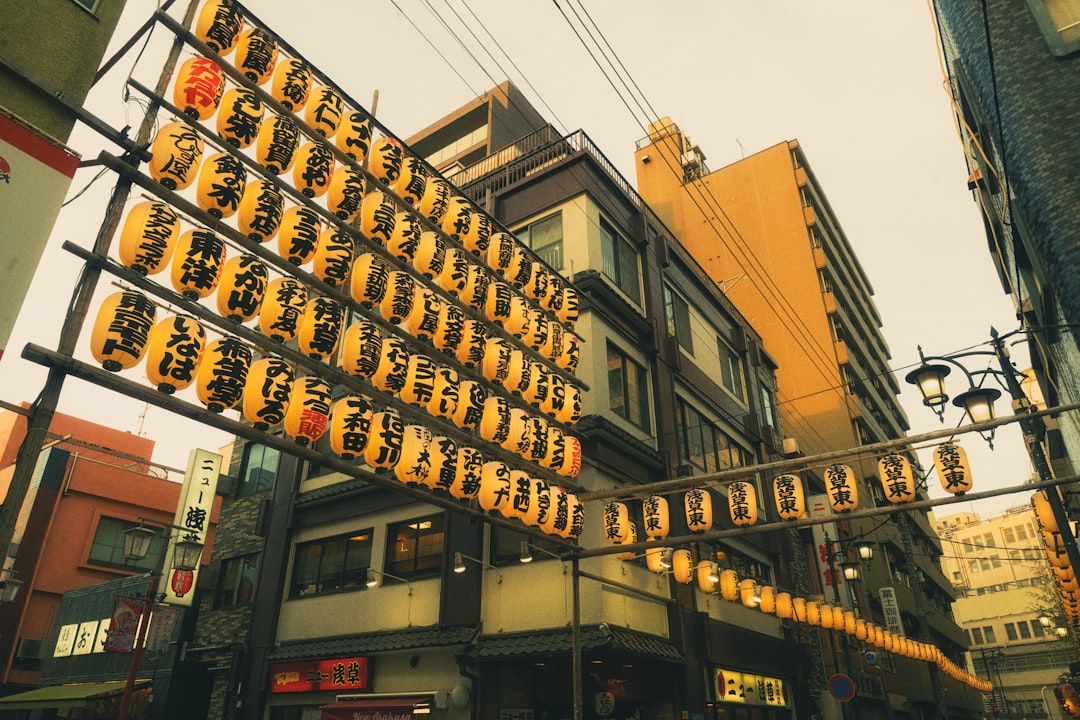
Photo by ayumi kubo on Unsplash
Landing in Tokyo can feel like stepping into a film set that happens to function perfectly. Trains glide in on time, station signs flicker in Japanese and English, and even the convenience stores seem to run on a polished logic of hot snacks, iced coffee, and impossible efficiency. For the first day of this Japan under 2000 euros route, the goal is not to conquer the city. It is to land gently, stay awake, and let Tokyo introduce itself without rushing you.
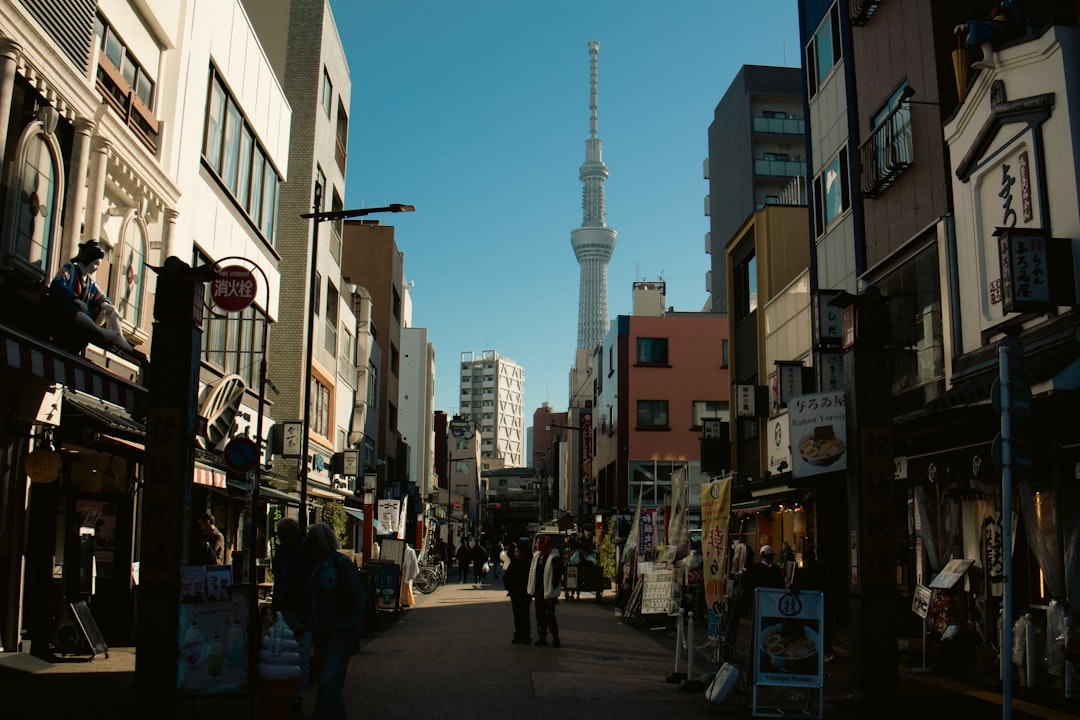
Asakusa is ideal for that first contact. The giant red lantern at Kaminarimon, the scent of sweet ningyo-yaki cakes on Nakamise Street, the incense drifting around Senso-ji, and the broad sky over the Sumida River give you an immediate sense of place without the sensory overload of Shinjuku on day one. You can do almost everything on foot, which keeps this budget Japan itinerary both atmospheric and cheap.
- Morning, 09:00 to 12:00: Arrive, drop bags, and head to Senso-ji Temple, Kaminarimon Gate, and Nakamise Street in Asakusa. Temple entry is free. Grab a convenience-store breakfast or onigiri and coffee for 3 to 5 euros.
- Afternoon, 12:30 to 16:30: Walk to the Sumida River promenade, then continue toward Kappabashi Kitchen Street if you have energy. Lunch at a ramen or soba shop: 6 to 10 euros.
- Evening, 18:00 to 21:00: Early dinner in Asakusa, then stroll the temple grounds after dark when the crowds thin and the lanterns glow. Dinner budget: 8 to 14 euros.
- Transport: 3 to 5 euros on Tokyo metro or JR lines
- Approximate day total: 20 to 34 euros, excluding hotel
- Insider tip: If jet lag hits hard, skip any rooftop observatory on day one and do a quiet nighttime walk around Senso-ji instead. Tokyo feels more magical than impressive when you are tired.
Giorno 2: Ueno mornings, Akihabara energy, Tokyo after dark
The second day shifts from old Tokyo calm to electric modernity. Ueno Park is one of those places where the city seems to exhale a little: broad paths, museum facades, crows calling from the trees, commuters cutting through on bicycles, and locals eating quick lunches on benches. It is the perfect contrast to what comes later.
By afternoon, Akihabara changes the temperature of the trip. Arcades spill sound into the street, anime billboards rise over electronics shops, and every floor of every building seems to contain a different subculture. You do not need to spend much here to enjoy it. That is the beauty of Japan on a budget: some of the best hours are spent browsing, wandering, and watching.
- Morning, 08:30 to 12:30: Ueno Park, Shinobazu Pond, Ameyoko market streets. Free unless you add a museum. Budget breakfast plus snack: 4 to 6 euros.
- Afternoon, 13:00 to 17:30: Akihabara walk. Try a game arcade, browse retro game stores, or window-shop electronics. Optional arcade budget: 3 to 8 euros. Lunch: curry rice, gyudon, or tonkatsu set for 6 to 10 euros.
- Evening, 18:30 to 22:00: Head to Tokyo Station Marunouchi side for illuminated brick architecture, then continue to a low-key izakaya near Kanda or Ueno. Dinner: 12 to 20 euros with one drink.
- Transport: 3 to 6 euros
- Approximate day total: 28 to 50 euros, depending on arcades and drinks
- Insider tip: In Akihabara, the most interesting shops are often above street level. Check upper floors instead of only the obvious storefronts.
Giorno 3: Meiji Shrine, Harajuku color, Shibuya lights, Shinjuku night views
By day three, Tokyo starts to make sense. Its neighborhoods stop feeling like separate cities and begin to reveal a rhythm: shrine to shopping street, quiet lane to giant crossing, convenience-store coffee to skyline. This is the day when first-time visitors often fall completely for the city.
Start in the forested calm of Meiji Shrine, where gravel crunches underfoot and the city seems to disappear behind tall torii gates and cedar shade. Then drift into Harajuku, where teenagers, vintage boutiques, crepe shops, and polished flagship stores collide in a way that only Tokyo makes look natural. End in Shibuya and Shinjuku, where the Tokyo you imagined before the trip finally appears in full.
- Morning, 08:00 to 11:30: Meiji Shrine and Yoyogi Park area. Free entry. Breakfast from a bakery or konbini: 4 to 6 euros.
- Afternoon, 12:00 to 17:00: Takeshita Street, Omotesando walk, then Shibuya Crossing and Hachiko area. Optional Shibuya Sky if you want one splurge: around 15 to 20 euros if booked ahead. Lunch: 8 to 12 euros.
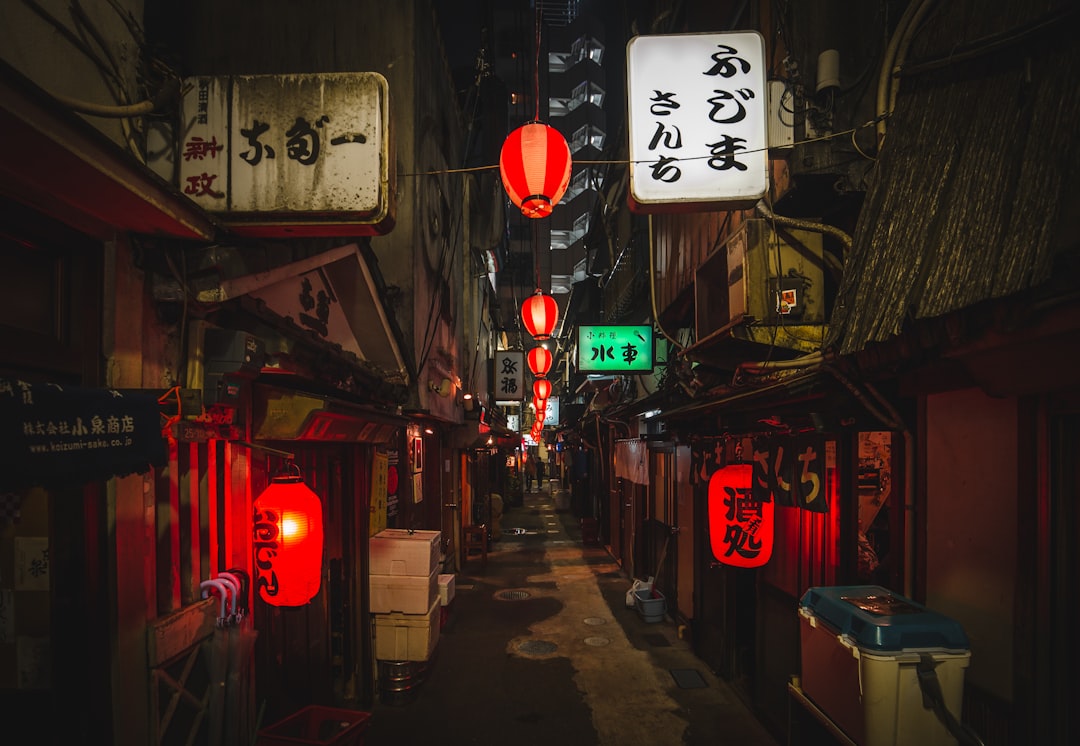
- Evening, 18:00 to 22:30: Shinjuku Omoide Yokocho or Kabukicho walk, plus free skyline view from the Tokyo Metropolitan Government Building. Dinner: 10 to 18 euros.
- Transport: 4 to 6 euros
- Approximate day total: 26 to 62 euros
- Insider tip: Skip the paid skyline if the weather is hazy. The free Metropolitan Government Building view is better value and often just as satisfying for a Japan under 2000 euros trip.
Giorno 4: Yanaka nostalgia, Tokyo station snacks, overnight bus south
A smart Japan under 2000 euros itinerary does not try to win every battle with speed. This is where you save real money without making the trip worse. Instead of taking a daytime shinkansen to Kyoto and paying for both the train and another Tokyo hotel night, use your final Tokyo day well and then board an overnight bus to Kansai.
Spend the daylight hours somewhere softer and more human-scaled. Yanaka still carries an older Tokyo mood: low-rise streets, tiny cafés, neighborhood shrines, old houses, and a sense of daily life that survives the city around it. It is a good emotional reset before moving on. Later, pick up snacks in or around Tokyo Station, collect your luggage, and head to the bus terminal.
- Morning, 09:00 to 12:30: Yanaka Ginza, small temples, side streets, local bakery breakfast. Budget: 4 to 8 euros.
- Afternoon, 13:00 to 17:30: Return toward central Tokyo, last-minute shopping in a 100-yen store, simple lunch near Tokyo Station. Lunch: 6 to 10 euros.
- Evening, 20:30 to 23:30: Board overnight highway bus from Tokyo to Kyoto or Osaka. Fare usually 25 to 55 euros depending on season and seat type. Dinner before boarding: 7 to 12 euros.
- Transport in Tokyo: 3 to 5 euros
- Approximate day total: 45 to 80 euros, but you save one hotel night and avoid a pricier train
- Insider tip: Pay a little extra for a three-row bus seat if the difference is small. On a cheap Japan travel route, sleep quality is worth more than one extra snack stop.
Giorno 5: Kyoto at dawn, Fushimi Inari, Gion in the evening glow
Kyoto after Tokyo feels like switching from volume to texture. The train platforms quiet down, tiled roofs appear, temple bells replace station jingles, and narrow lanes seem made for slower footsteps. After an overnight bus, resist the temptation to fill every hour. Drop your bag, wash up, and give yourself a gentle first Kyoto day.
Fushimi Inari works best early, before the tunnel of vermilion torii becomes crowded. The path rises gradually through the hillside, and even walking only part of the route gives you that unmistakable Kyoto feeling: moss, cedar, stone foxes, and shafts of light cutting through the gates. Later, move into Higashiyama and Gion, where wooden machiya houses, lanterns, and sloping lanes carry the city into evening.
- Morning, 07:30 to 11:00: Fushimi Inari Taisha. Free entry. Breakfast near Kyoto Station or from a konbini: 3 to 5 euros.
- Afternoon, 12:00 to 16:30: Kiyomizu area walk, Sannenzaka, Ninenzaka, Yasaka Pagoda views. Optional Kiyomizu-dera entry around 3 euros. Lunch: noodles or teishoku set for 7 to 11 euros.
- Evening, 17:00 to 21:30: Gion, Yasaka Shrine, Shirakawa area, budget dinner in central Kyoto. Dinner: 10 to 16 euros.
- Local transport: 3 to 6 euros
- Approximate day total: 23 to 41 euros
- Insider tip: In Kyoto, start before 08:00 whenever you can. The same street can feel sacred at 07:30 and jammed by 10:30.
Giorno 6: Arashiyama bamboo, river light, and western Kyoto
Arashiyama can be frustrating if you arrive at the same time as everyone else. It can also be one of the most beautiful parts of the entire trip if you reach it early enough to hear the wind in the bamboo and the river before the tour groups. On this budget Japan itinerary, the reward for the early alarm is not only atmosphere but also time: you see more with less stress.
Beyond the bamboo grove itself, western Kyoto has a cinematic gentleness. The Katsura River widens under the Togetsukyo Bridge, mountain slopes frame the town, and side streets hide gardens, coffee counters, and old temple walls. It is a place that invites a slower pace and makes cheap Japan travel feel unexpectedly elegant.
- Morning, 07:00 to 11:30: Arashiyama Bamboo Grove, Togetsukyo Bridge, riverside walk. Free unless you add gardens or temple entries. Breakfast: 4 to 6 euros.
- Afternoon, 12:00 to 17:00: Optional Tenryu-ji garden visit around 4 to 5 euros, then lunch in Arashiyama and return via Randen or JR. Lunch: 8 to 12 euros.
- Evening, 18:00 to 21:00: Pontocho or central Kyoto stroll, casual dinner of curry, udon, or kaiten sushi. Dinner: 10 to 16 euros.
- Transport: 4 to 7 euros
- Approximate day total: 26 to 46 euros
- Insider tip: Walk one block away from the bamboo grove entrance for food. The first cafés near the main path are rarely the best value.
Giorno 7: Golden Pavilion, Nishiki Market, and an easy move to Osaka
This is the day your Tokyo Kyoto Osaka itinerary starts to feel connected rather than segmented. Kyoto gives you one more concentrated burst of classic sights, then hands you over to Osaka, a city with looser energy, louder food culture, and usually better-value accommodation. That final shift is one of the reasons a Japan under 2000 euros route works so well.
Start with Kinkaku-ji if it matters to you visually. Yes, it is famous, and yes, it gets busy, but the gold surface mirrored against the pond still delivers that clean, almost unreal Kyoto image people carry home. Later, swing back through central Kyoto for Nishiki Market and a simple lunch before taking a local train to Osaka, a transfer that is quick, cheap, and refreshingly painless.
- Morning, 08:30 to 11:30: Kinkaku-ji. Entry around 3 to 4 euros. Breakfast: 4 to 6 euros.
- Afternoon, 12:00 to 15:30: Nishiki Market browsing, snack lunch or donburi meal for 7 to 12 euros, final Kyoto wander.
- Late afternoon, 16:00 to 17:00: Local train from Kyoto to Osaka, often 4 to 7 euros depending on route.
- Evening, 18:30 to 22:00: Check in around Namba, Umeda, or Tennoji, then first walk through Dotonbori. Dinner: 10 to 18 euros.
- Approximate day total: 28 to 47 euros plus hotel
- Insider tip: If Kyoto accommodation is expensive on your dates, move to Osaka earlier and day-trip back. It often cuts accommodation costs dramatically without hurting the experience.
If Kyoto becomes your main obsession after this stop, you can go deeper with 7 Day Kyoto Itinerary for 2026: Temples, Tea, and Evenings.
Giorno 8: Osaka markets, castle views, and neon on the canal
Osaka feels immediately different from Kyoto. It is broader in tone, warmer in street energy, and much more direct in its pleasures. Here, nobody pretends food is secondary. Steam rises from takoyaki stalls, station corridors smell faintly of broth and fried batter, and entire evenings revolve around deciding what to eat next. For anyone planning Japan on a budget, Osaka is a gift.
The city also balances well with the rest of this Japan under 2000 euros route because its greatest pleasures are not necessarily expensive attractions. A market, a casual lunch, a castle park, a river walk, and a neon-lit canal can fill a whole day beautifully.
- Morning, 09:00 to 12:00: Kuromon Market or Shinsekai depending on where you stay. Breakfast and snacks: 5 to 8 euros.
- Afternoon, 13:00 to 17:00: Osaka Castle grounds and park. Castle museum entry around 4 euros if you want it; the exterior and grounds are free. Lunch: okonomiyaki or curry for 8 to 12 euros.
- Evening, 18:00 to 22:30: Dotonbori canal walk, Hozenji Yokocho, cheap izakaya dinner. Dinner: 12 to 20 euros.
- Transport: 3 to 5 euros
- Approximate day total: 28 to 49 euros
- Insider tip: Dotonbori is best just before full dinner rush. Arrive around 17:30 for photos, then eat one street snack and move a street or two away for a cheaper sit-down meal.
Giorno 9: Nara deer, temple scale, and a slow Osaka night
A lot of travelers try to cram Nara into a rushed half day, but it is worth more patience than that. The train ride from Osaka is easy, the town center is walkable, and the experience changes tone beautifully from playful to monumental. Deer drift across the paths and bow for crackers, but then Todaiji appears and resets the scale of the whole day with its enormous wooden structure and serene interior.
This is one of the most satisfying low-cost day trips in Japan. The movement is simple, the food can stay cheap, and the memories feel large: stone lanterns, moss, open lawns, temple gates, and the odd surreal moment of being gently nudged by a determined deer looking for snacks.
- Morning, 08:30 to 11:30: Train from Osaka to Nara, Kofuku-ji surroundings, Nara Park. Train around 5 to 10 euros return depending on starting point and line.
- Afternoon, 12:00 to 16:00: Todaiji entry around 4 to 5 euros, deer crackers around 1 euro, casual lunch near the park for 7 to 11 euros.
- Evening, 18:00 to 21:30: Return to Osaka for a quieter evening in Tennoji, Ura-Namba, or Nakazakicho. Dinner: 10 to 16 euros.
- Approximate day total: 27 to 43 euros
- Insider tip: Buy deer crackers only when you are ready to use them. The deer recognize the paper packs instantly and negotiations begin fast.
Giorno 10: A final Osaka morning and departure from Kansai
Last days in Japan often feel sharper than first days. The sounds are more familiar, the station maps less intimidating, the convenience stores oddly comforting. You know how to tap through gates, where to find decent coffee before 08:00, and how to assemble a quick breakfast for almost nothing. That feeling of competence is one of the quiet joys of a budget Japan itinerary.
Keep the final morning light. If your flight leaves later in the day, take a last walk through Namba Yasaka Shrine, Sumiyoshi Taisha, or a neighborhood coffee street, then head to Kansai Airport with more time than you think you need. Japan rewards calm departures.
- Morning, 08:00 to 11:00: Final shrine or neighborhood walk, souvenir pickup, breakfast: 4 to 8 euros.
- Midday: Airport transfer from Osaka to KIX, usually 7 to 13 euros.
- Lunch before departure: 8 to 12 euros.
- Approximate day total: 19 to 33 euros, excluding flight
- Insider tip: Leave room in your budget for airport food. Japanese airport meals are often much better than expected, and a final bowl of udon is a better send-off than panic buying snacks.
Things to do on this budget Japan itinerary
A good Japan under 2000 euros trip is not built around constant ticketed attractions. It is built around contrast: ancient temple grounds versus mega-stations, quiet side streets versus giant crossings, convenience-store breakfasts versus deeply satisfying noodle shops. Paid sights matter, but they should be chosen rather than accumulated.
What makes this Tokyo Kyoto Osaka itinerary work is that the expensive moments stay selective. One observatory, one or two temple entries that truly matter to you, maybe a castle interior if that interests you. The rest of the experience comes from walking, timing, and neighborhood choices.
- Watch sunrise light hit the torii at Fushimi Inari in Kyoto
- Take a slow nighttime walk through Senso-ji after the crowds leave
- Browse Ameyoko in Ueno for cheap snacks and street life
- Stand in the middle of Shibuya and then escape to the calm of Meiji Shrine
- Cross Togetsukyo Bridge in Arashiyama early in the morning
- Eat your way through Osaka without turning every meal into a splurge
- Spend a full, unhurried day in Nara instead of a rushed checkbox visit
Where to eat on a Japan under 2000 euros route
Food is where most first-time travelers overestimate the Japan trip cost. The reality is more generous. A konbini breakfast can be fresh, fast, and inexpensive. Chain restaurants are reliable and often surprisingly good. Local ramen shops, curry counters, soba spots, and kaiten sushi places make cheap Japan travel feel less like compromise and more like insider knowledge.
The real trick is timing. In Japan, lunch sets are frequently much better value than dinner. Department-store food halls become more tempting near closing time. Supermarkets discount bentos in the evening. And in cities like Osaka, the best meal of the night is often not the one under the biggest neon sign.
Best budget-friendly food stops on this route:
- Tokyo, Asakusa: tempura bowls, soba, melon pan, and street snacks around Nakamise and nearby side streets
- Tokyo, Ueno and Kanda: gyudon chains, curry shops, low-cost izakaya, and ramen counters
- Tokyo, Shinjuku Omoide Yokocho: atmospheric but watch prices and choose simple spots
- Kyoto, Nishiki area: small snacks for tasting, but sit-down lunch one or two streets away for better value
- Kyoto, around Kyoto Station: dependable noodle shops and teishoku sets at lower prices than in the most scenic lanes
- Osaka, Dotonbori and Ura-Namba: takoyaki, okonomiyaki, kushikatsu, udon, and cheap late-night bites
- Nara: simple lunch sets near the park and station rather than in the most crowded deer-cracker zone
Typical food budget for this budget Japan itinerary:
- Breakfast: 3 to 6 euros
- Lunch: 6 to 12 euros
- Dinner: 10 to 18 euros
- Snacks and drinks: 3 to 6 euros
- Comfortable daily target: 22 to 38 euros
Best time to go for Japan under 2000 euros
If your dream is cherry blossom season, this may not be the smartest version of Japan under 2000 euros. Sakura weeks are beautiful, but they push flight and hotel prices up quickly, especially in Kyoto. The same goes for Golden Week and peak autumn foliage weekends. If budget is the priority, chase atmosphere rather than iconic peak dates.
The best months for this cheap Japan travel plan are late January to February, late May to June, September, and early December. Winter gives you crisp light, clear Fuji views, and fewer crowds. Early summer can be green and affordable before the hottest stretch. September is still warm but often cheaper than October or November.
| Period | Crowds | Prices | Weather | Budget verdict |
|---|---|---|---|---|
| Late Jan to Feb | Low | Low | Cold but clear | Excellent |
| Late Mar to early Apr | Very high | Very high | Mild | Bad for a Japan under 2000 euros trip |
| Late May to June | Moderate | Moderate to low | Mild to warm | Very good |
| July to Aug | Moderate | Moderate | Hot and humid | Good only if you handle heat well |
| September | Moderate | Moderate to low | Warm, possible rain | Very good |
| October to November | High | Higher | Comfortable | Great weather, weaker budget value |
| Early December | Low to moderate | Low to moderate | Cool and crisp | Excellent |
Estimated budget per person for 10 days in Japan
Here is the part most travelers actually need. A Japan under 2000 euros trip works when you manage the big three well: flights, beds, and intercity transport. Food is rarely the problem. Random taxis, badly timed hotel bookings, and unnecessary rail passes are the problem.
For this specific 10-day route, the overnight bus is the key money-saving move, and the open-jaw flight is the second. Skip the national rail pass unless you are adding much longer train travel. For this Tokyo Kyoto Osaka itinerary, point-to-point tickets and local transit win.
Realistic 10-day cost breakdown for the budget version
| Category | Estimated cost |
|---|---|
| Flights from Italy | 550 to 850 euros |
| Accommodation, 8 hotel nights plus 1 overnight bus | 280 to 520 euros |
| Food | 220 to 350 euros |
| Local transport | 45 to 75 euros |
| Intercity transport | 25 to 55 euros for overnight bus plus local Kyoto to Osaka transfer |
| Attractions | 30 to 80 euros |
| eSIM, laundry, small extras | 30 to 70 euros |
| Total | 1180 to 2000 euros |
Budget tiers
| Style | Per person total | What it looks like |
|---|---|---|
| Lean budget | 1180 to 1550 euros | Dorms, overnight bus, konbini breakfasts, selective paid sights |
| Smart budget | 1550 to 2000 euros | Mix of dorm and compact private rooms, better dinners, one or two splurges |
| Mid-range | 2100 to 2900 euros | Business hotels, more paid attractions, shinkansen instead of overnight bus |
This is why Japan on a budget is more realistic than many first-time visitors expect. If you want a fuller pre-departure look at money, cards, and common fee traps, it is also worth reading Travel Scam Red Flags for Your First 24 Hours Abroad in 2026, especially for airport cash machines, transfers, and card use on arrival.
Where to stay for a budget Japan itinerary
Choosing the right neighborhood matters more than choosing the fanciest property. On a Japan under 2000 euros route, you want places that are well connected, safe, and surrounded by inexpensive food. Tiny rooms are normal in Japan, and that is fine. Good location beats extra square meters every time.
The best-value pattern is simple: stay in eastern Tokyo rather than the trendiest western pockets, stay in central but not postcard-central Kyoto, and let Osaka carry the cheaper final nights. That keeps the Japan trip cost steady while still placing you close to the action.
Budget stays
- Tokyo, Asakusa: hostels and compact hotels, 28 to 55 euros per night. Great for Senso-ji, easy metro access, less frantic than Shinjuku.
- Tokyo, Ueno: hostels and business hotels, 35 to 65 euros. Excellent transport, food, and airport access.
- Osaka, Shin-Imamiya or Tennoji: simple hotels and hostels, 30 to 60 euros. Often the best raw value on this route.
Mid-range stays
- Tokyo, Ueno or Kanda: 70 to 120 euros. Good chains, practical station access, strong food options.
- Kyoto, Gojo or around Karasuma: 65 to 130 euros. Better value than staying deep inside the most scenic lanes.
- Osaka, Namba or Umeda: 80 to 140 euros. More central, livelier, still often cheaper than equivalent Tokyo options.
Higher-comfort picks
- Tokyo, Shibuya or Shinjuku: 140 euros and up. Convenient but harder to keep within a Japan under 2000 euros plan.
- Kyoto, Gion or Higashiyama: 150 euros and up, often much more in peak season.
- Osaka, central riverside hotels: 140 euros and up.
How to get around cheaply in Japan
Transport in Japan is legendary because it works. It is also where travelers can make expensive mistakes. The biggest one is buying a nationwide rail pass without checking whether it actually pays off. For this particular budget Japan itinerary, it usually does not.
Inside cities, Japan is manageable, clear, and friendly to independent travelers. Google Maps works exceptionally well, station signs are strong, and tap-in transport cards make daily movement easy. The right strategy is local passes where useful, an IC card for convenience, and selective long-distance transport.
Smart transport rules for this cheap Japan travel plan:
- Use an IC card such as Suica, Pasmo, or ICOCA for urban travel and convenience-store purchases
- In Tokyo, consider a 24-hour or 48-hour subway ticket only if your day is metro-heavy
- In Kyoto, rely on trains, subway, and walking more than buses when possible
- Use local rail between Kyoto and Osaka instead of shinkansen for this short hop
- Skip the JR Pass unless you are adding longer sectors beyond this route
- Take one overnight bus to save both transport money and one hotel night
Useful official links:
- Tokyo Metro tickets: https://www.tokyometro.jp/en/ticket/travel/
- JR West: https://www.westjr.co.jp/global/en/
- Japan Rail Pass information: https://www.japanrailpass-reservation.net/
Practical tips for Japan on a budget
A good Japan under 2000 euros trip is built on a few small habits. Carry some cash even though cards are more widely accepted now. Pack light because station stairs still exist. Start sightseeing early in Kyoto. Eat the expensive meal at lunch, not dinner. And never assume that a more famous area gives you a better experience.
Japan is also one of the easier countries in the world for first-time independent travel, but easy does not mean culture-free. Quiet trains, orderly queues, and low-key public behavior matter. If you want a refresher on small habits that smooth out cross-border travel anywhere, International Travel Etiquette Tips for 2026 That Matter is a useful companion before departure.
Practical essentials:
- Currency: Japanese yen
- Daily cash target: 40 to 80 euros worth of yen is a comfortable amount to have on hand
- Tipping: not expected
- Connectivity: eSIMs are often cheaper than airport SIMs or roaming; budget around 8 to 20 euros depending on data
- Packing: comfortable walking shoes, compact umbrella, light layers, power bank, small coin purse
- Safety: very high overall, but stay alert in nightlife districts and on late arrivals like you would in any major city
- Laundry: many hostels and business hotels have coin machines, useful on a 10-day route
- Convenience stores: ideal for breakfast, snacks, and emergency late-night meals
FAQ
Can you really do 10 days in Japan under 2000 euros?
Yes, especially if you travel in shoulder season, book flights early, use an open-jaw ticket, sleep in hostels or small hotels, and replace one shinkansen leg with an overnight bus. A Japan under 2000 euros trip is much more realistic than many people assume.
Is the JR Pass worth it for this Tokyo Kyoto Osaka itinerary?
Usually no. For this route, the national rail pass is often more expensive than paying separately for local trains and using one overnight bus. It becomes more interesting only if you add longer trips such as Hiroshima or multiple shinkansen sectors.
What is the biggest budget mistake in Japan?
Booking peak-season Kyoto hotels too late is probably the biggest one. The second is assuming every long-distance move needs a shinkansen. On a Japan under 2000 euros route, bad timing hurts more than food spending.
Should I stay longer in Tokyo or Kyoto?
For a first trip, three and a half to four days in Tokyo and three days in Kyoto is a very balanced split. Osaka then works beautifully as your cheaper final base with food-focused evenings and an easy Nara day trip.
Is Japan good for solo budget travelers?
Extremely good. It is safe, organized, rich in inexpensive food options, and full of compact accommodations designed for one person. Japan on a budget is often easier solo than in places where transport and safety feel more unpredictable.
Japan under 2000 euros is not about seeing less of the country. It is about seeing the right things at the right pace, sleeping where the trains work for you, and spending money where Japan gives back the most. Once the flights, beds, and key transfers are in place, the rest of the trip becomes the fun part of planning.
---