Japan gets labeled expensive for the same reason luxury watches do: most people look at the sticker, not the system. The truth is that travel credit cards for Japan can turn one of Asia’s most polished, efficient, and visually intoxicating countries into a surprisingly manageable trip. A Tokyo hotel room that looks impossible at sunset, a Kyoto ryokan breakfast that smells of grilled fish and miso, a late-night Osaka ramen stop under electric neon — all of it gets cheaper when you stop redeeming points lazily and start using them with intent.
What makes Japan special is not just that flights can be pricey. It is that the trip has several cost layers where points help differently: long-haul airfare, airport lounge access, city hotels, and even the cash flow around trains and dining. When I sketch possible itineraries, I like to compare cash and award scenarios side by side in TravelDeck before I book anything irreversible. That habit alone usually shows whether a points redemption is actually great or just emotionally satisfying.
Japan also rewards organized travelers. Trains run with almost theatrical precision, neighborhoods change personality block by block, and your budget can swing dramatically depending on whether you stay in Shinjuku or Asakusa, whether you transfer points to an airline or burn them through a portal, whether you arrive through Haneda or Narita. If you are new to award travel, Travel Points for Beginners: A 2026 New Orleans Playbook is a good warm-up before tackling a long-haul trip like this.
Why travel credit cards for Japan work unusually well
Photo by Bhanu Singh on Unsplash
Japan has a polished, premium aura, but under that smooth surface is a rare kind of pricing flexibility. Flights from the United States and Europe rise and fall sharply by season, business hotels are abundant, and chain hotel footprints in Tokyo, Kyoto, and Osaka create real opportunities for flexible points. The reason travel credit cards for Japan work so well is that you are not limited to one redemption style. You can book through a bank portal when cash fares dip, transfer to an airline when award space opens, or save your points for a city hotel during cherry blossom season when rates get irrational.
Another advantage is psychological. Japan tempts travelers into upgrading everything. You see the clean lines of a lounge shower after a long flight and suddenly a premium card fee looks more reasonable. You step into a high-rise room with a view of Tokyo Tower and hotel points in Tokyo start feeling more powerful than cash back. Good strategy is what protects you from overpaying for that feeling. The best approach is not to chase every perk. It is to match one or two cards to your actual Japan habits.
A lot of travelers over-focus on welcome bonuses and under-focus on use cases. That mistake gets expensive fast. A massive sign-up offer can still be the wrong choice if the annual fee is heavy, the credits are awkward, or the transfer partners do not fit the airlines you can actually use. The same cash-versus-points logic shows up in destination planning too, which is why Travel Credit Card Strategy for Mexico City in 2026 remains a useful reminder: a cheaper city is not automatically a better redemption, and an expensive city is not automatically a bad one.
Best travel credit cards for Japan in 2026
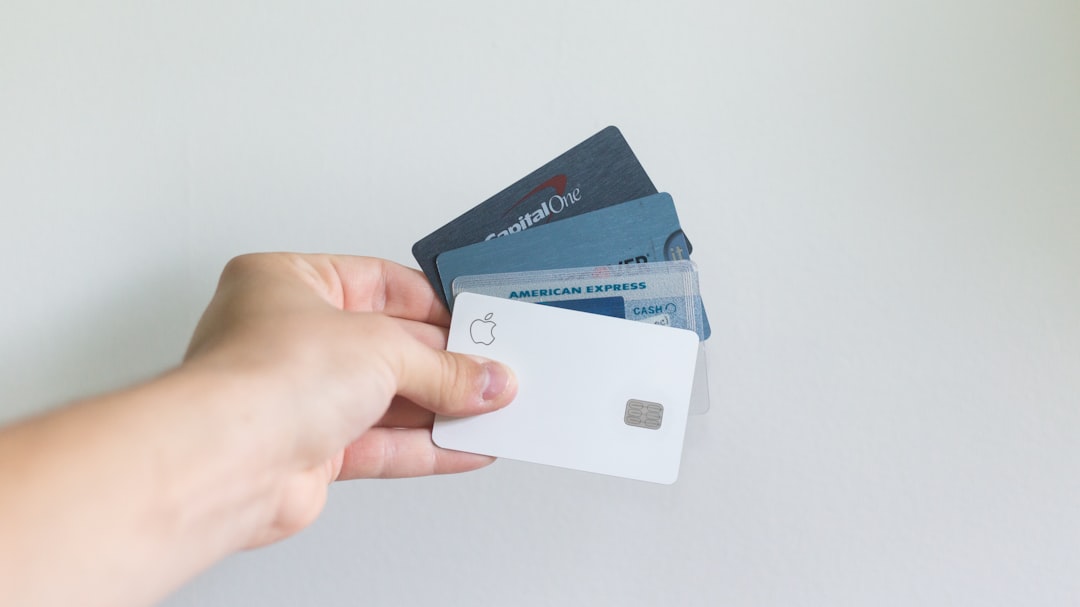
Photo by Avery Evans on Unsplash
The skyline of central Tokyo at dusk can make any premium credit card look justified. Glass towers glow pink, trains slide in under layers of steel, and everyone appears to be moving with purpose. But the best card is still the one that quietly lowers your total trip cost. Among all the travel credit cards for Japan, only a few reliably make sense for most travelers because they combine flexible rewards, good travel protections, and realistic ongoing value.
Japan is also the kind of trip where category bonuses matter. Flights are obvious, but dining, transit, online booking, and hotel spend all add up. You want at least one card that earns strongly before the trip and one that redeems flexibly during it. If you prefer simplicity, one card can work. If you travel often, a two-card setup usually unlocks much better value.
| Card | Best for | Annual fee | Why it works for Japan | Watch out for |
|---|---|---|---|---|
| Chase Sapphire Preferred | Most travelers | $95 | Strong transfer partners, 3x dining, 2x travel, good travel insurance, low fee | Lower lounge benefits |
| Chase Sapphire Reserve | Frequent travelers | $795 | $300 travel credit, strong airport lounge access, elevated travel earning, rich protections | High fee requires active use |
| Capital One Venture X | Simple earners | $395 | 2x on almost everything, $300 annual travel credit, 10,000 anniversary miles, lounge access | Portal use matters, guest access is less generous now |
| Amex Platinum | Premium airport and flight users | $895 | Excellent airport lounge access, 5x on flights, elite-style perks | Credits are fragmented and easy to miss |
| Amex Gold | Food-first earners | $325 | Great for restaurants and groceries before a Japan trip, useful if dining is a major spend bucket | Not a complete travel card on its own |
| Bank of America Travel Rewards | Low-fee simplicity | $0 | No annual fee, no foreign transaction fees, simple redemption | No major transfer partner power |
Chase Sapphire Preferred: the safest one-card answer
If you only want one of the travel credit cards for Japan, this is the cleanest recommendation for most people. The fee is manageable, the transfer partners are useful, and Japan is a country where the card’s earning categories naturally fit real travel behavior. Dining in Tokyo, train tickets that code as travel, and a flexible bank currency that can move to airline or hotel partners all make this a dependable workhorse.
The card is especially strong because it encourages discipline. Instead of forcing you to recover an enormous annual fee with lifestyle credits, it lets you keep the math simple. That matters when your goal is an efficient trip, not a hobby. I like it most for travelers who plan one Japan trip in 2026 and maybe one or two other trips around it.
Best reasons to carry it:
- Low annual fee that is easy to justify
- Strong earning on dining, useful in a country where food is half the fun
- Solid travel protections for delays, cancellations, and rental cars
- Transfer options that often beat portal redemptions on flights and Hyatt stays
Chase Sapphire Reserve: best when lounges and protections matter
Haneda after a red-eye feels very different when you have a quiet place to shower, charge devices, and reset your body clock before the train into town. That is where the Reserve starts to make emotional sense. For travelers who value airport lounge access, book several paid flights a year, and reliably use the travel credit, this card can be powerful.
Still, this is not automatically the best of the travel credit cards for Japan. The fee is high enough that passive ownership is a mistake. You should choose it only if you know you will use the travel credit, want premium protections, and will actually spend time in lounges on long-haul days.
Best reasons to carry it:
- Strong airport lounge access for long international itineraries
- Automatic annual travel credit softens the real fee
- Elevated earning on travel and dining
- Excellent for travelers who book direct and travel several times per year
Capital One Venture X: best for people who hate category micromanagement
Some travelers want a spreadsheet. Others want one card, one earning rate, and no fuss. Venture X is designed for the second group. If your pre-trip spending is broad rather than category-heavy, the flat earning structure is refreshingly efficient. It is also helpful when you are buying many mid-sized trip costs: luggage, rail reservations, admission tickets, airport hotels, travel insurance top-ups, and everyday purchases before departure.
The card still works well for Japan because simple earnings turn into flexible travel currency. Its annual travel credit and anniversary miles can offset the fee, but you need to be comfortable booking at least some spend through the issuer’s portal. Also note that the airport lounge access story is slightly less generous for companions than it used to be, so solo travelers get more value than groups.
Best reasons to carry it:
- 2x miles on everyday spend without thinking too much
- Annual travel credit plus anniversary miles can offset most of the fee
- Good fit for travelers who book a mix of flights, hotels, and transit
- Solid premium-lite option if the Reserve or Platinum feels too expensive
Amex Platinum and Amex Gold: strong, but only for the right style
Walk through the hushed calm of a premium lounge before a fourteen-hour flight and you immediately understand why the Platinum still has fans. The card is excellent for frequent flyers who book airfare directly and care deeply about airport lounge access. Japan is a natural lounge trip because the flight is long enough for the perk to feel tangible. But the fee is steep, and many of the card’s credits require attentive tracking.
The Amex Gold is different. It is less about the trip itself and more about the earning runway before the trip. If you spend heavily on dining and groceries at home, you can pile up flexible points quickly and then transfer them when award space appears. It is a useful companion card, not usually the only one.
Best reasons to choose one of them:
- Platinum for high-value airport lounge access and frequent direct flight purchases
- Gold for building points fast through daily food spend
- Strong fit for travelers who understand exactly how they will use the credits
How to use points without wasting them
A Tokyo trip can tempt you into impulsive redemptions. You are tired, the airfare looks high, the portal says you can book now, and suddenly you burn 90,000 points for a seat that should have cost far less in value terms. Knowing how to use points well is mostly about resisting easy but mediocre choices. Your points become more valuable when you compare three options every time: pay cash, book through a portal, or transfer to a partner.
The first rule of how to use points is brutally simple: never redeem flexible points for statement credits, gift cards, or random merchandise if the goal is travel. Japan is exactly the kind of trip where flexible currencies can outperform fixed cash-like redemptions because flight prices and hotel rates move sharply by season. A redemption that looks okay in February can be terrible in April.
The second rule of how to use points is to price the whole journey, not just the flashy segment. A cheap award flight into Narita that lands late at night and forces an airport hotel might be worse than a slightly higher-cost award into Haneda. A luxury hotel redemption can feel thrilling, but not if you end up paying far more cash for trains and meals because the property is inconveniently located.
Use this framework before transferring anything:
- Check the cash fare first, including baggage and seat selection
- Check the bank portal rate next
- Compare transfer partners only after you know the cash baseline
- Value convenience, airport, and timing, not just point totals
- Never transfer points speculatively unless you know the award is bookable
If you want a beginner rule for how to use points, here it is: transfer points only when the trip is ready to book and the redemption clearly beats the cash price. Flexible points are valuable because they are undecided. Keep them that way until the math is real.
Award flights to Japan: where the real savings start
The cabin lights dim somewhere over the Pacific, the map inches toward Tokyo, and suddenly your redemption either feels genius or foolish. Award flights to Japan are where most travelers get their biggest emotional win, but they are also where mistakes get costly. Availability changes fast around cherry blossom season, Golden Week, Obon, and late autumn foliage. If you are looking for award flights to Japan, flexibility by a few days can be worth tens of thousands of points.
For economy, the sweet spot is often not glamorous, but it is efficient. You want a decent route, reasonable taxes, and a schedule that does not destroy your first day. Premium cabins can be spectacular, but they are not always the best use of a limited points balance if a paid fare in economy is already reasonable. For many travelers, the smartest move is a hybrid: use points for the long-haul flight, pay cash for short domestic segments or rail.
Common strategies for award flights to Japan:
- Use flexible points to transfer to airline partners when saver-level seats appear
- Search nearby gateways such as Los Angeles, San Francisco, Seattle, Vancouver, New York, or Chicago rather than only your home airport
- Compare Haneda and Narita for Tokyo, plus Kansai for Kyoto and Osaka
- Be open to one stop if the points savings are meaningful
- Search shoulder season first: late January to early March, late May, early June, and much of November
A realistic economy target for award flights to Japan
For round-trip economy, many travelers should aim to spend roughly 50,000 to 75,000 points plus taxes, depending on route, transfer partner, and season. Under that, you are doing very well. Above that, you should check whether a paid sale fare is better. Some dates will price higher, especially from smaller airports or during peak bloom and school holiday periods.
Premium cabin pricing can be far higher, sometimes worthwhile and sometimes wildly inefficient. If you dream of lie-flat seats, focus on value per point after you have priced the equivalent cash ticket. If the award feels expensive and availability is sparse, consider paying cash for economy and saving points for hotel points in Tokyo, where the value can be more consistent.
This is the core of how to use points well on a Japan trip: do not assume the flight must be the points play. Sometimes the flight is the cash purchase and the hotel is the redemption hero.
Hotel points in Tokyo, Kyoto, and Osaka
Night falls differently in Japanese cities. In Tokyo, windows glow in stacked grids above the tracks. In Kyoto, lantern light catches wet stone in side streets near Gion. In Osaka, signs flash over canal water while the smell of takoyaki hangs in the air. That atmosphere can seduce you into overpaying for a room you barely use. Smart hotel points in Tokyo and beyond are about location, season, and convenience, not vanity.
This is where many travel credit cards for Japan become genuinely useful. Flexible bank points can move into hotel programs, and Japan’s major cities have enough chain options that you can sometimes get excellent value during expensive periods. Tokyo is often the strongest case because cash rates can spike sharply on popular weekends and during spring. Kyoto has fewer chain bargains, so cash and guesthouses often compete well there.
Guidelines for hotel points in Tokyo and other major stops:
- Tokyo: prioritize neighborhoods with strong rail links such as Ueno, Asakusa, Shimbashi, Shinagawa, or around Tokyo Station if budget matters
- Kyoto: compare chain hotels with machiya stays and guesthouses because cash rates sometimes beat points
- Osaka: points can work well in Umeda or Namba, but cash deals are often strong too
- Book cancellable cash rates while you monitor award availability
- Use points for expensive nights, cash for cheap nights, and do not force one method across the whole trip
When hotel points in Tokyo are strongest
The best value for hotel points in Tokyo usually appears when business hotels and mid-range chains suddenly surge due to demand. A room that is ¥18,000 one week can jump to ¥32,000 the next. If your points price stays fixed or only rises modestly, the redemption becomes attractive fast. That is especially true near major stations, where location saves time and transport money every single day.
By contrast, Kyoto sometimes rewards humble cash bookings. A clean guesthouse near Kyoto Station or a simple inn on the Karasuma side can be a better total value than forcing a chain redemption far from where you actually want to be. Osaka often sits in the middle: decent hotel points in Tokyo may beat Osaka on pure cents-per-point value, but Osaka’s paid hotel market is often so competitive that cash remains a serious contender.
The practical lesson is this: hotel points in Tokyo deserve more attention than many travelers give them, but Kyoto and Osaka still require comparison shopping every time.
Japan trip cost breakdown: cash vs points vs hybrid
Budget travel in Japan is less about denial and more about sequencing. You can sip excellent convenience-store coffee under a clean blue morning sky, spend almost nothing on breakfast, then splurge on a memorable sushi lunch. You can ride efficient local trains instead of taxis and still feel like the trip is running on silk. A realistic Japan trip cost breakdown should show where points create the biggest relief rather than pretending everything can be free.
Below is a sample 8-day shoulder-season trip for one traveler from the U.S. West Coast with 5 nights in Tokyo and 2 nights in Kyoto. Prices vary, of course, but this is close enough to be useful for planning.
| Expense | Cash only | Hybrid strategy | Mostly points strategy |
|---|---|---|---|
| Round-trip flight to Tokyo | $950 | 65,000 points + $86 taxes | 65,000 points + $86 taxes |
| 5 nights Tokyo hotel | $550 | 24,000 to 45,000 points or $220 cash mix | 45,000 to 60,000 points |
| 2 nights Kyoto stay | $190 | $190 cash | 18,000 to 30,000 points or $0 if using a free night certificate |
| Tokyo to Kyoto train | $92 | $92 cash | $92 cash |
| Local transit | $45 | $45 cash | $45 cash |
| Food | $240 | $240 cash | $240 cash |
| Attractions | $70 | $70 cash | $70 cash |
| Total out of pocket | $2,137 | about $943 plus points | about $533 plus points |
This Japan trip cost breakdown shows something important: points rarely erase everything. Trains, local transit, food, and many attractions will still be paid in cash. That is why high annual fees are only worth it if the earning and perks truly reduce other pain points such as baggage costs, delay stress, or airport lounge spending.
A strong hybrid trip often beats an all-points obsession. In this Japan trip cost breakdown, the hybrid version can be the smartest because it preserves points, lowers out-of-pocket cost meaningfully, and keeps you flexible if award space changes. For many travelers, that is better than draining every balance for a trip that still requires substantial cash on the ground.
How to get there
Japan feels distant on a map, but arrival logistics are smoother than many first-time visitors expect. The real choice is not whether you can get there easily. It is whether you arrive in the airport and city that suit your itinerary. For Tokyo-first trips, Haneda is usually the most convenient because it is much closer to the city center. Narita often has more long-haul options and sometimes better cash fares. For Kyoto and Osaka-first itineraries, Kansai International can save you both time and a hotel night.
If you are using travel credit cards for Japan, pay attention to airport convenience when you redeem. A cheaper award into the wrong airport can quietly increase your total cost. After a long flight, that extra hour matters. So does the price of late-night transport, especially if you land after rail schedules thin out.
Major arrival options
| Arrival point | Best for | Typical transfer to city | Approximate cost |
|---|---|---|---|
| Tokyo Haneda, HND | Tokyo city stays | 20 to 35 minutes to central Tokyo by Keikyu, Monorail, or bus | ¥500 to ¥1,500 |
| Tokyo Narita, NRT | More flight options | 55 to 75 minutes to Tokyo by Narita Express or Keisei Skyliner | ¥2,500 to ¥3,500 |
| Osaka Kansai, KIX | Kyoto and Osaka itineraries | 50 minutes to Namba, about 75 minutes to Kyoto | ¥1,200 to ¥3,000 |
Useful routes and costs
The first ride into Tokyo tells you a lot about the country. Luggage wheels click quietly, station signs glow in crisp colors, and even tired commuters move with measured calm. It is hard not to feel efficient just by being there.
Practical transport choices:
- HND to Shinjuku: around 35 to 45 minutes by train, often under ¥800
- NRT to Tokyo Station: about 55 minutes on Narita Express, around ¥3,000
- NRT to Ueno: about 40 to 45 minutes on Skyliner, around ¥2,580
- KIX to Namba: about 45 to 50 minutes by Nankai Airport Express or Rapi:t, roughly ¥970 to ¥1,500
- KIX to Kyoto: about 75 minutes on the Haruka limited express, around ¥2,900
- Tokyo to Kyoto: about 2 hours 10 minutes on the Nozomi Shinkansen, usually around ¥14,000 to ¥14,500 one way
- Osaka to Kyoto: about 30 minutes by JR Special Rapid, around ¥580
Official trip-planning resources:
- Japan National Tourism Organization: https://www.japan.travel/en/
- Haneda Airport: https://tokyo-haneda.com/en/
- Narita Airport: https://www.narita-airport.jp/en/
- JR Pass information: https://japanrailpass.net/en/
Things to do
Japan rewards early starts. The country’s most famous places often feel almost private if you arrive before the crowds and the retail shutters fully open. At Senso-ji in Asakusa, the incense drifts through cool morning air while the temple grounds still feel contemplative. At Fushimi Inari in Kyoto, the orange torii tunnels are far more atmospheric at dawn than at midday, when the trail becomes a river of phones.
Then there is the other Japan: the electric, high-saturation version. The one with mirrored tower lobbies, capsule toy machines chiming in station arcades, and late-night Osaka streets that smell like soy, oil, smoke, and sweetness all at once. Your itinerary should balance both moods.
Recommended stops for a first trip:
- Senso-ji, Asakusa, Tokyo: go around 7 am for softer light and fewer crowds; free
- Shibuya Sky, Shibuya, Tokyo: sunset city views; around ¥2,200 depending on date and time
- teamLab Borderless, Azabudai Hills, Tokyo: immersive digital art; book ahead, around ¥3,800 to ¥4,800
- Meiji Jingu and Yoyogi area, Tokyo: a quiet shrine walk before Harajuku energy wakes up; free
- Fushimi Inari Taisha, Kyoto: best at dawn or late evening; free
- Nishiki Market, downtown Kyoto: snack through market lanes and pick up local sweets; pay per bite
- Arashiyama Bamboo Grove and Tenryu-ji, Kyoto: arrive early; temple admission extra
- Dotonbori and Hozenji Yokocho, Osaka: evening street atmosphere, canal lights, food stalls, and side lanes; free to wander
For crowded stations and nightlife districts, common-sense awareness still matters even in very safe Japan. The habits in Travel Scam Prevention Tips for 2026: A Street-Smart Routine are worth keeping in mind, especially around nightlife touts and tourist-heavy areas.
Where to stay
Japan does budget accommodation better than many countries do mid-range. Even modest rooms tend to be cleaner, quieter, and more functionally designed than their price suggests. That is good news for travelers using travel credit cards for Japan strategically, because it means you do not need a luxury redemption to enjoy your stay. Sometimes the smartest room is simply the one beside the right train line.
Tokyo rewards station convenience above almost everything else. Kyoto rewards walkability or easy access to Kyoto Station. Osaka rewards nightlife proximity if you want evenings on foot. Your hotel should save you transit time, not create it.
Budget stays
- K’s House Tokyo Oasis, Asakusa, Tokyo: hostel and private room options, often around ¥5,000 to ¥11,000 per night
- Piece Hostel Kyoto, near Kyoto Station: stylish budget pick with social areas, often around ¥4,500 to ¥12,000
- Hotel S-Presso Namba, Osaka: simple, compact rooms near Namba, often around ¥6,500 to ¥11,500
Mid-range stays
- Tokyu Stay Shinjuku, Tokyo: efficient rooms, strong location, often around ¥16,000 to ¥28,000
- Cross Hotel Kyoto, Kyoto: polished but practical, excellent base for central Kyoto, often around ¥18,000 to ¥32,000
- Hotel The Flag Shinsaibashi, Osaka: sleek and reliable, usually around ¥14,000 to ¥25,000
Luxury stays
- Park Hotel Tokyo, Shiodome, Tokyo: art-filled rooms and big city views, often around ¥32,000 to ¥55,000
- Hyatt Regency Kyoto, Higashiyama, Kyoto: calm atmosphere near temple districts, often around ¥45,000 to ¥75,000
- Conrad Osaka, Nakanoshima, Osaka: dramatic skyline experience, often around ¥55,000 to ¥95,000
If you are considering hotel points in Tokyo, mid-range properties often create the best value. Luxury redemptions can be excellent, but the quiet power move is frequently a well-located business hotel that lets you walk less, ride less, and start each day better rested.
Where to eat
Japan is one of the few places where budget eating can still feel extravagant. A perfect bowl of ramen can cost less than an airport sandwich back home. A convenience-store egg salad sandwich can become a small obsession. Steam rises off noodles in narrow counters, soy and grilled fat perfume alleyways, and department store basements turn food shopping into performance art. This is why a dining-focused card often matters more for the earning side than travelers expect.
The good news is that memorable food does not require Michelin budgets. In fact, some of the best meals on a smart Japan trip are spontaneous: skewers under train tracks, curry rice in a tiny shop with ten seats, a fresh taiyaki from a market stall, or an immaculate set meal at lunch prices. That is also why travel credit cards for Japan with strong dining earn rates pull extra weight before and during the trip.
Where to eat well without losing control of the budget:
- Tsukiji Outer Market, Tokyo: fresh seafood bowls, tamagoyaki, grilled scallops; go early and expect tourist prices on some stalls
- Uobei Shibuya Dogenzaka, Tokyo: fast, surprisingly fun conveyor-style sushi at budget prices
- Butagumi, Nishi-Azabu, Tokyo: excellent tonkatsu if you want one nicer meal
- Nishiki Market, Kyoto: tofu, yuba, sesame sweets, pickles, and small bites from long-running vendors
- Men-ya Inoichi, Kyoto: refined ramen with a lighter broth style; lines are common
- Kyoto Engine Ramen, Kyoto: popular with visitors and easy for first-timers
- Dotonbori, Osaka: classic takoyaki and okonomiyaki territory, especially lively after dark
- Kuromon Ichiba Market, Osaka: seafood, grilled skewers, fruit, and snack browsing
Typical food budget per day:
- Tight budget: ¥3,000 to ¥4,500
- Comfortable budget: ¥5,000 to ¥8,000
- Food-focused splurge day: ¥10,000 and up
If you love planning trips around appetite rather than monuments, Culinary Travel Cities for 2026: Choose by Appetite Style is a useful companion read before you decide how much of your Japan budget belongs to food.
Practical tips
Japan feels frictionless once you understand its rhythms. The first few days can still surprise you: cash-only ticket machines in smaller places, hotel rooms compact enough to punish overpacking, station exits that seem to multiply the moment you are sleep-deprived. The right practical habits save almost as much money as points do. A smart wallet gets you to Japan; smart routines make the trip feel easy.
This is also where travel credit cards for Japan should be judged honestly. Do you really need premium airport lounge access, or would you rather keep the annual fee low and put that money toward a ryokan night or an unforgettable omakase lunch? Are you using the card’s protections, earning structure, and credits — or just admiring them? Once you ask those questions, most choices become simpler.
Best months and value by season
| Month | Weather feel | Crowds | Value for points and cash |
|---|---|---|---|
| January | Cold, crisp, often sunny in Tokyo | Low after New Year | Strong value, especially later in the month |
| February | Cold but manageable | Low to moderate | Often excellent for award flights to Japan |
| March | Mild, cherry blossom buildup | Rising fast | Book early, prices climb |
| April | Pleasant, blossom peak in many areas | Very high | One of the hardest months for deals |
| May | Warm, green, attractive | High around Golden Week, calmer later | Better after holiday peak |
| June | Humid, rainy season begins | Moderate | Good cash value, mixed award space |
| July | Hot and humid | Moderate to high | Watch festival dates |
| August | Very hot, Obon travel peaks | High | Usually weak value during peak dates |
| September | Still warm, typhoon risk | Moderate | Can improve late month |
| October | Cooler, comfortable | Moderate | Very good overall month |
| November | Crisp, autumn color | Moderate to high | Strong but book foliage periods early |
| December | Cold, clear, festive lights | Moderate, rising late month | Good until Christmas week |
Money, transit, and packing
The currency is the yen. Cards are widely accepted in cities, but do not assume every noodle shop, temple admission booth, or countryside stop will take them. Carry a modest cash reserve. ATMs at 7-Eleven stores are dependable for foreign cards.
Transport is beautifully efficient, but not always cheap. Load a Suica or Pasmo card for local transit, and treat taxis as a last resort unless you are splitting the fare. If you are comparing portals versus cash, remember that trains and metro rides will usually remain cash expenses in your Japan trip cost breakdown.
Pack lighter than you think. Hotels are compact, station staircases are real, and forwarding luggage between hotels can be worth the fee if you are doing Tokyo to Kyoto to Osaka with a lot of bags. One carry-on and a personal item is the sweet spot for most travelers.
Practical checklist:
- Bring one Visa or Mastercard and one backup card if possible
- Carry some yen for smaller shops and temple admissions
- Download offline maps before arrival
- Use an eSIM or pocket Wi-Fi if your roaming is expensive
- Reserve popular attractions ahead in peak months
- Choose Haneda over Narita if arrival convenience matters more than a slightly lower fare
- Think hard about whether premium airport lounge access is worth the fee for your travel style
Helpful official resources:
- Kyoto tourism: https://kyoto.travel/en/
- Osaka travel guide: https://osaka-info.jp/en/
- Tokyo convention and visitors bureau: https://www.gotokyo.org/en/
FAQ
How many points do I need for Japan in 2026?
For many travelers, a realistic economy target is roughly 50,000 to 75,000 points for round-trip award flights to Japan, plus taxes. Premium cabins can cost much more. Hotel needs vary widely by season and city.
What are the best travel credit cards for Japan if I only want one?
For most people, Chase Sapphire Preferred is the safest one-card answer because the fee is low, travel protections are good, and the points are flexible. Among premium options, Capital One Venture X and Chase Sapphire Reserve make sense if you will use the credits and airport lounge access.
Is it better to use points for flights or hotels in Japan?
It depends on the dates. If airfare is expensive and saver space appears, flights can be the best win. If cash fares to Tokyo are reasonable but hotel prices spike, hotel points in Tokyo may deliver better value. Always compare both before transferring.
Do I need cash in Japan or can I use cards everywhere?
You can use cards in many hotels, department stores, train stations, and chain restaurants, but cash still helps in smaller restaurants, temples, local markets, and some neighborhood businesses. Carrying a modest amount of cash is wise.
Is a premium card worth it for a Japan trip?
A premium card is worth it only if you will use the credits, protections, and airport lounge access enough to offset the fee. For a single trip, a lower-fee option often wins. Frequent long-haul travelers get more value.
Japan is one of the best places to learn that frugal travel does not have to feel cheap. The train still arrives on time, the ramen still steams in front of you, the temple gravel still crunches underfoot in the morning quiet. The trick is not collecting the fanciest cards. It is choosing the right moments to spend points, the right moments to pay cash, and letting the trip feel rich where it matters most.