A single welcome bonus can erase more travel cost than a fare sale, and that is exactly why a smart travel credit card strategy matters more than hunting random discounts. If you have ever looked at a round-trip flight to Mexico City, added three hotel nights in Roma Norte, thrown in airport transfers, museum tickets, tacos, coffee, and one rooftop mezcal, you know how fast a cheap city break stops feeling cheap. Used well, points can turn that same trip from a maybe later plan into a booked itinerary.
The trick is that most travelers do not actually need the flashiest card. They need a travel credit card strategy that matches the trip they want to take, the spending they already do at home, and the kind of reward they can redeem without headaches. Mexico City is perfect for this because it sits in the sweet spot: major airline competition, frequent sale fares, strong chain-hotel coverage, and enough brilliant food, art, and neighborhood texture to make a long weekend feel much bigger than the map suggests.
This guide takes a different angle from the usual card roundup. Instead of ranking shiny wallets in the abstract, it shows how the best travel credit cards work inside a real, budget-minded trip plan. We will look at which cards make sense, how to use points without draining value, what a realistic cost breakdown looks like, and how to turn points into a four-day Mexico City escape that still smells like fresh tortillas on a morning corner stand and sounds like clattering cups in a Condesa cafe.
If you want a bigger-picture framework for trip math, pair this with Trip Cost Breakdown for 2026: Build a Budget That Fits Real Life. But here, the focus is narrower and more useful: one destination, one wallet decision, and one repeatable system.
Why this travel credit card strategy works for Mexico City
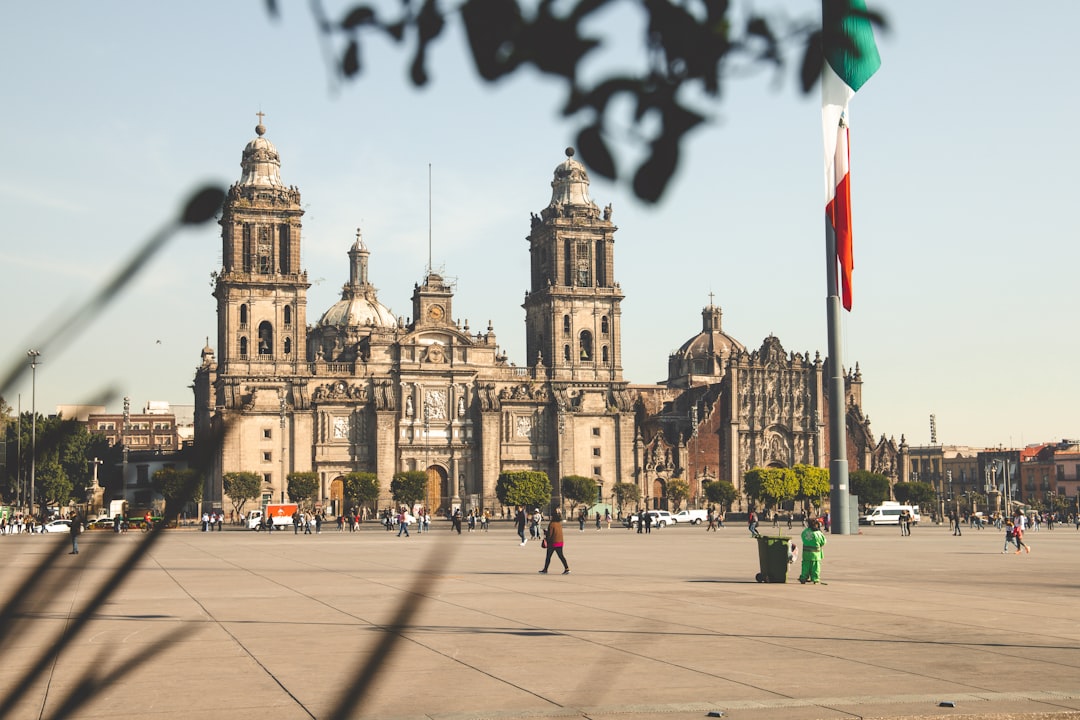
Photo by Bhargava Marripati on Unsplash
Mexico City rewards travelers who like value layered on value. The flight network is dense, which means airfare is often reasonable in cash and occasionally excellent in points. Hotels range from design-forward budget stays in Roma to polished luxury towers on Reforma, so you can decide whether to spend points on flights, hotel points on rooms, or cash on whichever part of the trip is already cheap. That flexibility is what makes a travel credit card strategy useful here rather than theoretical.
There is also something refreshing about a points trip that lands in a place so alive at street level. You can step off a red-eye, drop your bag, and within an hour be standing under jacaranda-purple trees, hearing buses hiss along Avenida Reforma and smelling al pastor turning on a vertical spit. This is not the kind of destination where you need a giant resort budget to feel spoiled. Much of the magic is public, walkable, and inexpensive: grand museums, leafy parks, old churches, markets stacked with mango, tamarind, and lime, and neighborhood bakeries that make breakfast feel like a strategy all by itself.
That is why the best travel credit cards for a trip like this are not necessarily the cards with the highest annual fees. The right answer depends on whether you want a simple welcome bonus, flexible transfer partners, easy award flights, or premium airport perks. A good travel credit card strategy for Mexico City usually follows one of three models:
- Use flexible points for the flight and pay cash for a boutique hotel
- Use a mid-fee card for the welcome bonus, then book through the issuer travel portal when fares are low
- Pair flexible points with hotel points only if a chain stay is truly a better value than the city’s strong independent hotel scene
Mexico City also helps beginners learn how to use points because the mistakes are easier to see. A weak redemption stands out fast when a cash flight is only $310. A smart redemption stands out too when a last-minute holiday fare jumps to $540 but a transfer partner still shows decent award space. This is the kind of city where a travel credit card strategy becomes tangible, not just clever.
The best travel credit cards for this kind of trip
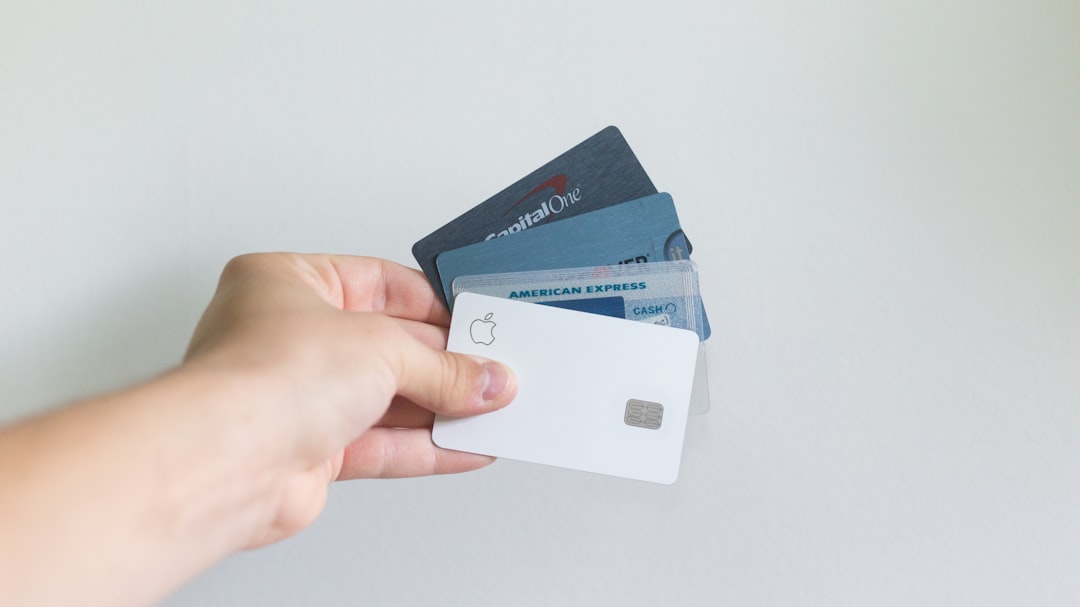
Photo by Avery Evans on Unsplash
Before talking cards, one rule matters more than any reward chart: never pay interest for points. Travel rewards cards are only money-saving tools if you pay the balance in full every month. Carrying debt at credit-card rates turns a cheap flight into an expensive lesson.
With that out of the way, think about what this trip actually needs. Mexico City does not demand lounge access, but it can make a connection day more pleasant. It does not require a luxury hotel card, but flexible points are helpful because flight pricing changes often. And because the destination itself offers such strong value on the ground, you do not need to overengineer the wallet. In most cases, one good flexible card beats a stack of annual fees.
Here is the card shortlist I would build a travel credit card strategy around for this specific use case in 2026.
| Card type | Typical annual fee | Best for | Why it works for Mexico City | Watch-outs |
|---|---|---|---|---|
| Chase Sapphire Preferred style flexible card | About $95 | Most travelers | Strong welcome bonus, solid travel protections, flexible points, easy value on dining and travel | Fewer premium perks than high-fee cards |
| Capital One Venture X style premium flexible card | About $395 | Frequent flyers who want simple earning | 2x on everyday spend, lounge access, useful travel credit, easy catch-all spending | Best value often requires using the travel portal for some benefits |
| Amex Platinum style premium card | High annual fee | Travelers who fly often and use lounges heavily | Excellent flight earning, airport lounge access, multiple credits | Weak everyday earning, harder to justify if this is only a few trips a year |
| United or airline-specific card | Mid annual fee | Travelers near a hub who often fly one airline | Free bag, better award flights, possible discounts and priority perks | Less flexible than bank points |
| Marriott or Hilton hotel card | Low to mid annual fee | Travelers loyal to one hotel group | Can help if a chain property is cheaper in hotel points than local cash rates | Mexico City has many great independent hotels that may beat chain value |
For most readers, the best travel credit cards for this trip start with flexible points. A low-fee flexible card often wins because it keeps your options open. If a round-trip fare from Chicago to Mexico City drops to $280, you may be better off paying cash and saving points. If summer demand pushes the same route to $450, those points become far more powerful. Flexibility is the whole game.
A Chase Sapphire Preferred-type card is the cleanest first move. The fee is modest, the earning categories suit real life, and the points can be used through a portal or transferred to airline partners when award flights make sense. It is especially good if your spending already leans toward dining, transit, and travel. Mexico City trips also pair nicely with the card’s travel protections, especially for delays, baggage issues, and rental coverage.
A Capital One Venture X-type card works well if you hate category micromanagement. A flat 2x earning structure makes it easy to build a balance from groceries, bills, and everyday spending instead of trying to remember which card earns what at every counter. For travelers who take a few trips a year and want some airport comfort without turning points into a hobby, this is one of the best travel credit cards on the market.
The Amex Platinum-type option is different. It can absolutely be valuable, especially if you buy flights frequently and actually use lounge access, hotel credits, and other recurring benefits. But this is where a travel credit card strategy has to be honest. If you are taking one or two leisure trips and mostly want cheap transport plus a nice room in Roma, a high annual fee can be more burden than benefit. Great perks are only great if you naturally use them.
Airline cards enter the picture if your home airport pushes you toward one carrier. A United flyer in Newark, Houston, Denver, or Chicago may find better utility in a United-linked setup because bag benefits, priority boarding, and easier award flights save real money. The same logic can apply if you usually fly Delta or American. Still, airline cards are best as specialists, not generalists.
Hotel cards are the weakest starting point for Mexico City unless you already stay with a chain often enough to make free night certificates or elite perks count. This city shines with independent hotels, art-filled guesthouses, and stylish small properties. Sometimes hotel points do great work here, especially at upscale chains on expensive dates, but a hotel-only strategy can feel too narrow.
Which card fits which traveler
The texture of the trip matters. Picture three travelers. One is a couple flying from Los Angeles for a long weekend, staying in a design hotel and walking everywhere. One is a solo traveler from Chicago booking a last-minute spring trip during a busy week. One is a consultant already stuck in airports often and planning to add leisure nights after a work leg. They should not all carry the same card.
A travel credit card strategy becomes much clearer when you match it to behavior, not aspiration.
- Casual city-break traveler: choose a low-fee flexible card and use the welcome bonus for flights
- Frequent flyer who values comfort: choose a premium flexible card if lounge access and travel credits are truly used
- Airline loyalist: choose an airline card only if your route network and home airport make that airline the default choice
- Hotel loyalist: choose a hotel card as a companion, not the first card, unless you already know you want chain stays
I like mapping redemption scenarios in TravelDeck before transferring anything because it makes the trade-offs obvious. If one option saves $340 and another only saves $180, the difference feels less abstract when the whole itinerary sits in one place.
How to use points without wasting value
This is where travelers win or lose. Earning points is rarely the hard part. Hitting a welcome bonus can happen through rent, groceries, insurance, dining, and routine purchases. But how to use points is what separates a meaningful trip from a pile of almost useful rewards.
Mexico City is a great classroom because the numbers expose bad habits quickly. If you cash out transferable points for statement credit, you may end up with flat value that barely covers part of the flight. If you transfer carefully, those same points can cover most or all of the airfare. If you spend hotel points at a chain property during a festival week or major holiday, you may get excellent value. If you burn them on an already cheap off-season night, you might simply be avoiding a cash payment rather than extracting real value.
A strong travel credit card strategy follows a simple sequence: search cash prices first, search award flights second, compare both, and transfer last. Never transfer points speculatively because once they leave a flexible program, they usually do not come back.
A simple redemption ladder
| Redemption option | Typical value level | Best use case | When to skip it |
|---|---|---|---|
| Statement credit or cash back | Low | Only if you rarely travel and need simplicity | When you have flexible points that could book more travel value |
| Issuer travel portal | Medium and predictable | Great when fares are already cheap or you want an easy booking | When transfer partners offer a much lower price |
| Transfer to airline partners | Often highest | Best for pricey dates, limited routes, or last-minute award flights | When taxes are high or cash fares are low |
| Transfer to hotel partners | Medium to high | Best when hotel cash prices spike or you want a chain stay | When independent hotels are much cheaper in cash |
The best travel credit cards usually earn their reputation because they give you more than one path. That matters in a city like Mexico City where both cash and points can be good depending on the season.
When to book flights with points
Award flights make the most sense on days when cash prices hurt. Think holiday weekends, short-notice bookings, school breaks, and dates with low seat inventory. A round-trip from JFK or EWR to MEX might sell for $320 in a normal shoulder-season window but jump above $500 around major holidays. That is where flexible points become surgical.
If your card lets you transfer to airline partners, compare the taxes and total miles before you move anything. Some programs price Mexico City well from the United States, especially on alliance routes. Others look cheap at first and then layer on fees. The best result is not always the fewest points. It is the best overall cost.
A useful rule for this travel credit card strategy is this: if a nonstop fare is cheap in cash, pay cash and save points. If the route is expensive, inconvenient, or last minute, start looking at award flights immediately.
When to use a portal instead
Travel portals are underrated by people who spend too much time chasing perfect value. Sometimes the clean move is the correct move. If a bank portal lets you book a $285 round-trip fare with a reasonable number of points, and the transfer partner options are messy, indirect, or taxable enough to erase the difference, book the portal fare and move on.
Portal bookings also help when you want to fly a low-cost carrier or book a cash ticket that still earns airline miles. They are often the simplest answer for Mexico City because there is frequent competition on the route. If you are learning how to use points, a portal redemption can be the first good habit: compare first, do the easy math, and avoid romanticizing complexity.
When hotel points shine
Hotel points are most useful in Mexico City when cash rates rise sharply. This happens during major festivals, holiday periods, business-heavy weeks, and big conference windows. Upscale hotels on Reforma or in Polanco can climb quickly, and that is where hotel points might suddenly outperform boutique cash rates.
Still, a travel credit card strategy for this city should stay flexible because independent hotels are part of the appeal. A small, leafy property near Plaza Rio de Janeiro may cost less in cash than a chain hotel in a less charming location. The smartest move is often to use points for the flight and cash for the hotel.
Five rules that save the most money
The room, the route map, and the timing all matter, but these habits matter more:
- Search cash fares before you touch your points
- Search award flights before you transfer points
- Compare total taxes and fees, not just mileage cost
- Save hotel points for expensive dates rather than cheap nights
- Never chase premium perks you will not use enough to justify the fee
That is how to use points without turning travel into spreadsheet theater. The goal is not to win the internet. The goal is to sit on a shaded terrace in Mexico City knowing your flight cost a fraction of what everyone else paid.
Real trip math: a 4-day Mexico City points weekend
Good travel writing can get airy. Good budget planning cannot. So let us put numbers under the romance.
Imagine a Thursday to Sunday trip in October from three common U.S. gateways: Los Angeles, Chicago, and New York. You stay in Roma Norte, eat very well but not extravagantly, use ride-hail and some public transit, and spend your days mixing museums with street food and one easy day trip. This is not a backpacker survival budget, and it is not luxury either. It is the kind of trip most people actually want.
Cash price snapshot
| Cost item | LAX traveler | ORD traveler | NYC traveler |
|---|---|---|---|
| Round-trip flight to MEX | $260-$360 | $300-$420 | $320-$450 |
| 3 nights budget hotel | $165-$255 | $165-$255 | $165-$255 |
| 3 nights mid-range hotel | $300-$510 | $300-$510 | $300-$510 |
| Airport transport + local transport | $25-$45 | $25-$45 | $25-$45 |
| Food for 4 days | $90-$180 | $90-$180 | $90-$180 |
| Attractions and day trip | $45-$110 | $45-$110 | $45-$110 |
| Total budget style | $585-$950 | $625-$1,010 | $645-$1,040 |
| Total comfortable mid-range | $720-$1,205 | $760-$1,265 | $780-$1,295 |
Now apply a travel credit card strategy with a flexible welcome bonus and decent redemption timing.
Points-based version
| Cost item | Likely points use | Out-of-pocket estimate |
|---|---|---|
| Round-trip flight | 24,000-38,000 flexible points or miles | $40-$95 taxes and fees |
| 3 hotel nights | Cash at a budget or mid-range independent hotel | $165-$510 |
| Or 2-3 chain nights | 18,000-45,000 hotel points depending on brand and date | $0-$60 taxes/fees |
| Transport | Cash | $25-$45 |
| Food | Cash | $90-$180 |
| Attractions | Cash | $45-$110 |
For many travelers, the sweet spot is simple: use points for the flight, pay cash for the hotel, and keep the annual fee low. That is why the best travel credit cards for Mexico City are often the ones with flexible points rather than hardwired hotel loyalties.
A realistic example looks like this:
- Welcome bonus from a low-fee flexible card: around 60,000-75,000 points after required spend
- Flight booked using 30,000-34,000 points round trip plus taxes
- Remaining points saved for a later domestic flight, one hotel night, or a second short trip
- Total savings on this trip: roughly $280-$450 depending on origin and date
That math matters because it changes the whole feel of the trip. Instead of treating museums, nicer coffee, or a day trip as extras to cut, you can shift that saved airfare into the parts of the city that actually make the memory. A breakfast of pan dulce and coffee at a neighborhood bakery. An unhurried lunch at Contramar. A spur-of-the-moment Uber back from Coyoacan after dark. Financially, that is smarter than splurging on a luxury card benefit you use twice a year.
If you want to keep the rest of the trip equally lean, Carry On Packing Tips for Beach, City, Work, and Winter Trips can save you from checked-bag creep, which is one of the easiest ways to waste the value you just created with points.
How to get there
Mexico City pulls you in long before landing. On a clear approach, the city stretches outward like a vast concrete basin ringed by mountains, sunlight flashing off glass towers while neighborhoods ripple outward in blocks of cream, terracotta, and rooftop water tanks. Because it is such a major capital, reaching it is straightforward from North America and simple from much of Mexico by air or long-distance bus.
For most international travelers, Benito Juarez International Airport is the main gateway. The city also has Felipe Angeles International Airport and Toluca for some limited routes, but Benito Juarez remains the most convenient for a first trip. Flights from Los Angeles usually take about 3 hours 45 minutes, from Chicago around 4 hours 20 minutes, and from New York roughly 5 to 5 hours 30 minutes depending on winds and airport flow.
Airports, routes, and costs
- Benito Juarez International Airport: MEX, closest to the city core, most international flights
- Felipe Angeles International Airport: NLU, farther out, sometimes cheaper but less convenient
- Toluca Airport: TLC, limited use for most leisure travelers
- Sale-fare round trips from major U.S. cities: often $260-$450 depending on season
- Best nonstop gateways from the U.S.: LAX, ORD, IAH, DFW, MIA, ATL, JFK, EWR
- Intercity buses from Puebla: about 2 hours, roughly MXN 200-350
- Intercity buses from Queretaro: about 3.5-4 hours, roughly MXN 350-550
- Overnight or long coach from Oaxaca: 6-7.5 hours, often MXN 500-900
Getting into the city from MEX
The first sensations outside the terminal are altitude-thin air, a rush of engines, and the smell of warm pavement. From MEX to Roma, Condesa, Centro, or Reforma, you have a few good options:
- Authorized airport taxi: usually MXN 250-350 to Roma or Condesa, about 25-45 minutes depending on traffic
- Ride-hail: often MXN 180-300, but pickup rules can vary by terminal and time
- Metrobus Line 4: budget-friendly option into central zones, around MXN 30
- Metro via Terminal Aerea station: cheapest, but awkward with luggage and best only for light packers
Useful official links:
Things to do
Mexico City does not unfold in one grand reveal. It arrives district by district, each with its own rhythm. Centro Historico feels stone-heavy and ceremonial, bells echoing off facades older than many countries. Roma and Condesa drift the other way, all plane trees, bookstores, dog walkers, espresso machines, and art deco corners washed in late-afternoon gold. Coyoacan slows the pace again, with cobbled plazas and blue-walled courtyards that seem to hold onto a softer century.
That variety is useful for a points trip because the city offers enormous return on relatively little spending. Some of the best hours here cost the price of metro fare and a street snack. Others deserve a ticket and a bit of planning, especially the most popular museums. Build your days around neighborhoods rather than racing the whole map.
7 excellent ways to spend a 4-day trip
- Walk the Zocalo and Centro Historico
- Visit the National Museum of Anthropology
- Climb Chapultepec Castle
- Spend an afternoon in Roma Norte and Condesa
- Go to Coyoacan and the Frida Kahlo Museum
- Take a half-day or full-day trip to Teotihuacan
- See lucha libre at Arena Mexico
If you plan your meals as carefully as your museums, the city becomes even richer. Culinary Travel Cities for 2026: Choose by Appetite Style is worth a look if food is driving half your itinerary anyway.
Where to stay
Accommodation in Mexico City has a texture problem in the best sense: there is too much good choice. A chain hotel may give you an easy hotel points redemption, but a courtyard property in Roma or a solid budget room near Centro can feel far more atmospheric. The right move depends on whether your priority is neighborhood charm, points efficiency, or easy transit.
For a first trip, Roma Norte, Condesa, Reforma, and Centro Historico are the most practical bases. Roma and Condesa feel greener and more leisurely, with easy cafe mornings and good restaurant density. Reforma is better for bigger hotels, business-friendly convenience, and some luxury options. Centro is ideal if you want history at your doorstep and do not mind the noise and intensity.
Budget stays
- Casa Pepe Hostel Boutique, Centro Historico: dorms about $20-$35, private rooms often $60-$85; social and well located
- Hotel Castropol, Centro Historico: about $45-$70; simple, reliable, and very good value near the old center
- Hotel Roosevelt, Roma Norte: about $55-$85; a solid pick if you want neighborhood feel without boutique pricing
Mid-range stays
- ULIV Cibeles, Roma Norte: about $120-$180; apartment-style comfort near one of the area’s best plazas
- Hotel MX Roma: about $90-$130; practical base for walking Roma and Condesa
- Hotel Geneve, Zona Rosa: about $110-$170; classic old-school style with a central location
Luxury stays
- Gran Hotel Ciudad de Mexico: about $240-$350; dramatic interiors and one of the best Zocalo views in the city
- Sofitel Mexico City Reforma: about $320-$500; polished, high-rise comfort with excellent skyline views
- Las Alcobas, Polanco: about $450-$700; intimate luxury in one of the city’s most refined districts
A practical travel credit card strategy here is to compare chain options only after checking strong cash rates at independent hotels. If the chain room costs 25,000 hotel points but a lovely boutique stay nearby is $110 cash, save the hotel points for a more inflated market.
Where to eat
Mexico City feeds you in layers. The scent of grilled meat and pineapple hits first at street corners. Then come the bakeries, warm with butter and sugar by mid-morning. Then market aisles smelling of cilantro, ripe avocado, stock simmering in giant pots, and oranges being squeezed to order. By evening, a different city appears: seafood dining rooms humming with conversation, natural wine bars flickering under low light, taquerias packed shoulder to shoulder under neon.
This is one of the reasons a points-funded city break works so well here. Once the flight is mostly covered, your remaining budget buys serious pleasure. You are not trapped in hotel restaurants or overpriced tourist strips. You can eat all over the map.
What to eat and where
- Tacos al pastor at El Vilsito, Narvarte: a classic late-night stop with excellent spinning pastor
- Seafood lunch at Contramar, Roma Norte: famous for tuna tostadas and pescado a la talla; book ahead
- Churros and chocolate at El Moro: the Centro branch is iconic, but there are multiple locations
- Breakfast chilaquiles at Lalo! or nearby neighborhood cafes in Roma: expect color, noise, and strong coffee
- Tostadas at Mercado de Coyoacan: great for variety and local atmosphere after museum time
- Azul Historico, Centro: beautiful courtyard setting and a good place to try regional Mexican dishes in one meal
- Tacos Orinoco: not a secret, but dependable for a fast, satisfying hit between neighborhood walks
Local dishes worth prioritizing:
- tacos al pastor
- tlacoyos
- esquites
- chilaquiles
- torta de chilaquiles
- churros with hot chocolate
- aguachile or ceviche in the city’s strong seafood spots
Street food is part of the joy, but be selective with water, salsas, and stall turnover. If you want a refresher on food caution without becoming timid, Avoid Food Poisoning Abroad in 2026 With a Smarter Food Routine is a useful companion read.
Practical tips
The city sits high, feels cooler than many first-timers expect, and shifts personality with the season. Morning can start crisp enough for a light jacket, noon can feel bright and dry, and an afternoon storm can sweep in fast during the rainy months. This is a place to pack layers, not fantasies.
Because Mexico City is large, safety and convenience are mostly about judgment rather than panic. Stick to well-trafficked areas, use ride-hail or authorized taxis late at night, and keep phones and wallets secure in crowded transit or markets. Most visitors move through Roma, Condesa, Coyoacan, Chapultepec, and central museum areas without trouble when using normal city habits.
Best months and quick planning notes
| Period | Weather feel | Why go | Watch for |
|---|---|---|---|
| January-February | Cool mornings, dry days | Pleasant walking weather, thinner crowds in some weeks | Chilly evenings |
| March-May | Warm, dry, often beautiful | Best overall balance, jacaranda season in spring | Higher demand around holidays |
| June-September | Mild but wetter afternoons | Lush parks, often good hotel deals | Rain showers and traffic delays |
| October-November | Fresh, comfortable, festive | Excellent for city breaks and Day of the Dead atmosphere | Popular travel period |
| December | Cool and lively | Holiday lights and events | Prices can rise around Christmas and New Year |
Practical advice that saves money and stress
- Currency: Mexican peso; carry small cash for markets, tips, and transit backups
- Cards: credit cards are widely accepted in restaurants and hotels, but not everywhere in street-food settings
- Tipping: 10-15 percent is standard in sit-down restaurants
- Museum planning: several museums are closed on Monday, so do not waste a key sightseeing day
- Water: drink filtered or bottled water unless your accommodation clearly confirms purification
- Connectivity: eSIMs are easy for many phones; local coverage is generally good in central areas
- Altitude: the city sits above 2,200 meters, so take the first afternoon gently if you are sensitive
- Packing: comfortable walking shoes, light jacket, sunglasses, and a compact umbrella in rainy months
This is also a city where carrying only what you need improves every day. Cobblestones, metro stairs, and small hotel elevators punish overpacking fast.
FAQ
Planning a points trip usually creates the same cluster of questions. The answers are less glamorous than social-media travel hacks, but they are more useful.
Most of the confusion comes down to timing, flexibility, and fee anxiety. So here are the clearest answers for a Mexico City trip built around a travel credit card strategy.
Is Mexico City a good destination for points beginners?
Yes. It is one of the better beginner destinations because there is strong airline competition, frequent cash sales to compare against points, and enough hotel range that you can choose whether to redeem or pay cash. That makes how to use points easier to learn in a real-world setting.
Should I use points for the flight or the hotel first?
Usually the flight first. Award flights tend to deliver the clearest value when cash fares are elevated, while hotel points in Mexico City do not always beat independent cash hotels. Check both, but start with airfare.
How far ahead should I book?
For flexible award flights, 1-4 months ahead is often a good search window for a normal city break, though holiday periods require more lead time. If you want Frida Kahlo Museum tickets or a popular restaurant, plan those much earlier than the flight.
Are premium travel rewards cards worth it for this trip?
Only if you will use the credits and perks across the full year. For one or two leisure trips, low-fee travel rewards cards are often the better value. Premium cards work best when your lifestyle already justifies them.
What is the biggest points mistake travelers make?
Transferring too early. The safest rule in any travel credit card strategy is to search first, verify the exact award flights or room, and only then transfer points.
A good trip rarely depends on having the richest wallet in the departure lounge. It depends on understanding where your money actually changes the experience. In Mexico City, that often means using points to neutralize the expensive part, then spending your cash where the city gives it back in flavor, energy, and memory. Cover the flight, keep the hotel sensible, leave room for museums and long lunches, and the trip suddenly feels generous without ever becoming reckless.
That is the real charm of a thoughtful travel credit card strategy. It does not promise luxury for the sake of showing off. It buys freedom: a little more time, a little less friction, and a much better table once you land.