The difference between a frantic airport morning and a smooth one is often just a few items you never needed in the first place. Good carry on packing tips are not about deprivation. They are about removing friction, so you can pack everything in a carry-on bag, step off the plane lighter, and start the trip without waiting under a fluorescent baggage carousel.
The trick is that not all trips ask the same thing from your bag. A long weekend in Barcelona wants breathable layers and comfortable shoes. A work trip to Singapore wants a sharper silhouette, wrinkle-resistant fabrics, and a cable setup that does not tangle. A winter week in Prague wants warmth without bulk. The smartest one bag travel strategy is not to pack less in a vague, heroic way. It is to pack differently for the actual rhythm of the trip.
I like to sketch the trip first: flight time, laundry access, dress codes, weather swings, and how often I will change neighborhoods. If you plan your trip that way in TravelDeck, the suitcase decisions become surprisingly obvious. From there, the best carry on packing tips are less about squeezing and more about sequencing: what you wear, what you wash, what earns its space, and what can stay home.
Carry on packing tips start before you touch the zipper
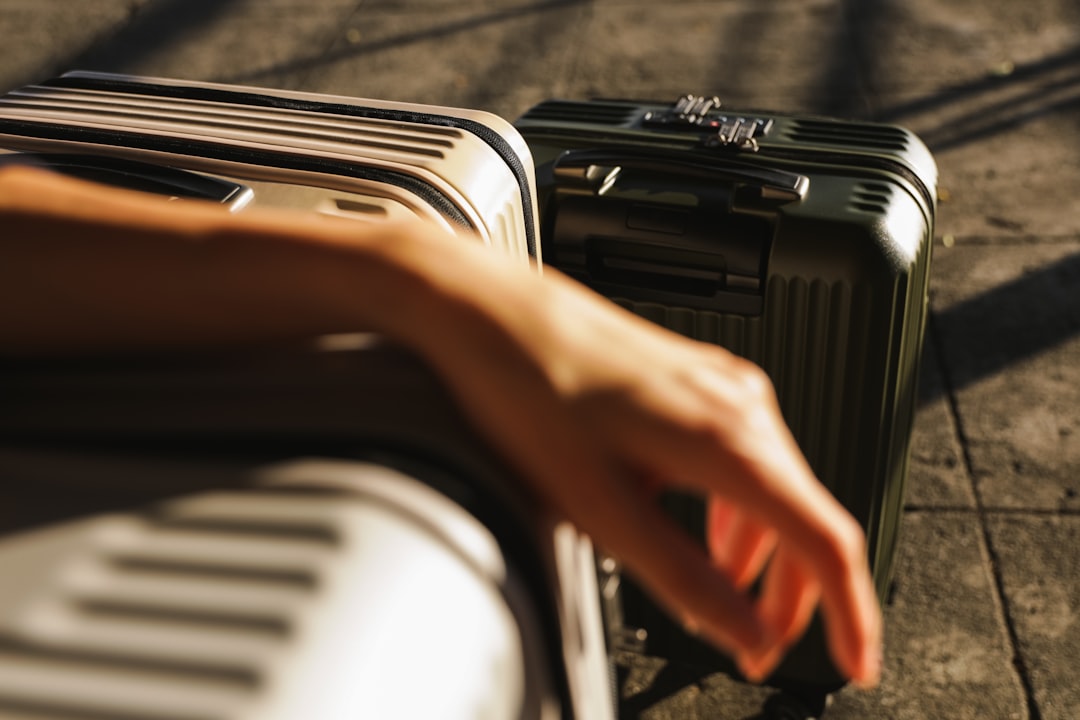
Photo by Eminent Luggage on Unsplash
The biggest packing mistake happens long before the suitcase opens. Most travelers pack by fantasy version of the trip rather than by actual itinerary. They imagine sunrise runs, elegant dinners, a spontaneous hike, a chilly museum, a beach club, and a backup outfit for all of it. The result is a bag full of possibility and a trip spent wearing the same dependable clothes on repeat.
A better method is to pack by scene change. Think about the real moments: airport to hotel, full walking day, one nicer dinner, one weather swing, one laundry reset, one transit day home. That is where carry on packing tips become practical. When you pack for moments instead of days, duplicates fall away fast.
You can see the budget impact immediately. Skip one checked bag each way on a budget airline and the savings can cover airport trains, a proper first lunch, or part of your hotel. If baggage costs are shaping your trip, How to Budget for Travel in 2026 Using a Real Rome Trip is a useful companion read.
Here is the pre-packing filter I use before anything enters the bag:
- If an item only works with one other item, it usually stays home.
- If it is uncomfortable after two hours, it does not travel.
- If it takes more than overnight to dry, it needs a very good reason.
- If it wrinkles the second you sit down, it is not carry-on friendly.
- If I am packing it for a hypothetical version of myself, not the booked itinerary, it comes out.
- If I would be annoyed to carry it up three flights of stairs, it is too heavy or too precious.
Choose the right bag for one bag travel
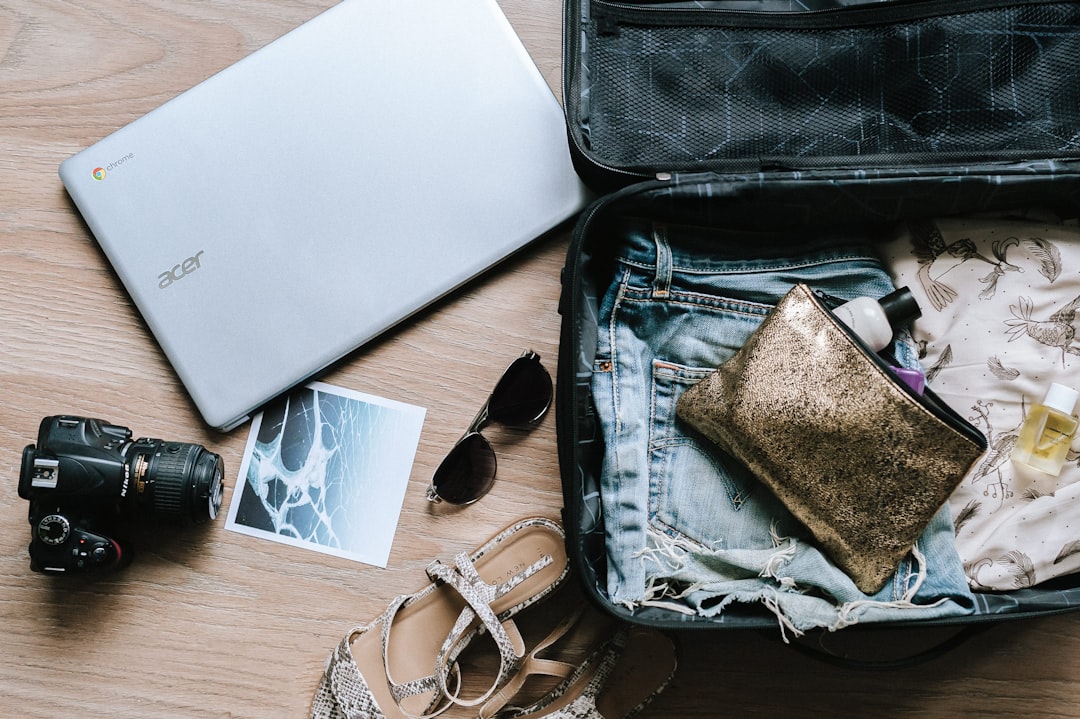
Photo by Anete Lūsiņa on Unsplash
A carry-on bag succeeds or fails in the first five minutes you use it. You feel it when the train platform is crowded, when the boarding gate changes, when the cobblestones get louder under cheap wheels, when the hotel lift is small, or when there is no lift at all. The best bag is not the one with the most compartments. It is the one that moves cleanly through the kind of trip you actually take.
For pure urban travel, a light spinner is comfortable on smooth terminals and hotel corridors, but less pleasant on old streets and broken sidewalks. For mixed itineraries with buses, ferries, stairs, and old town lanes, a structured travel backpack or soft-sided carry-on often feels easier. This is where one bag travel becomes physical rather than theoretical: if the bag is awkward to lift into an overhead rack, it is already too ambitious.
Use this simple comparison before you buy or pack:
| Bag type | Best for | Typical sweet spot | Main downside |
|---|---|---|---|
| 35 to 40 L travel backpack | Multi-stop trips, stairs, ferries, old towns | Easy to carry, hands free, flexible | Can tempt you to overload weight |
| 20 to 22 in soft carry-on roller | City trips, work travel, smoother surfaces | Good structure, expands slightly, easier organization | Annoying on cobblestones and curbs |
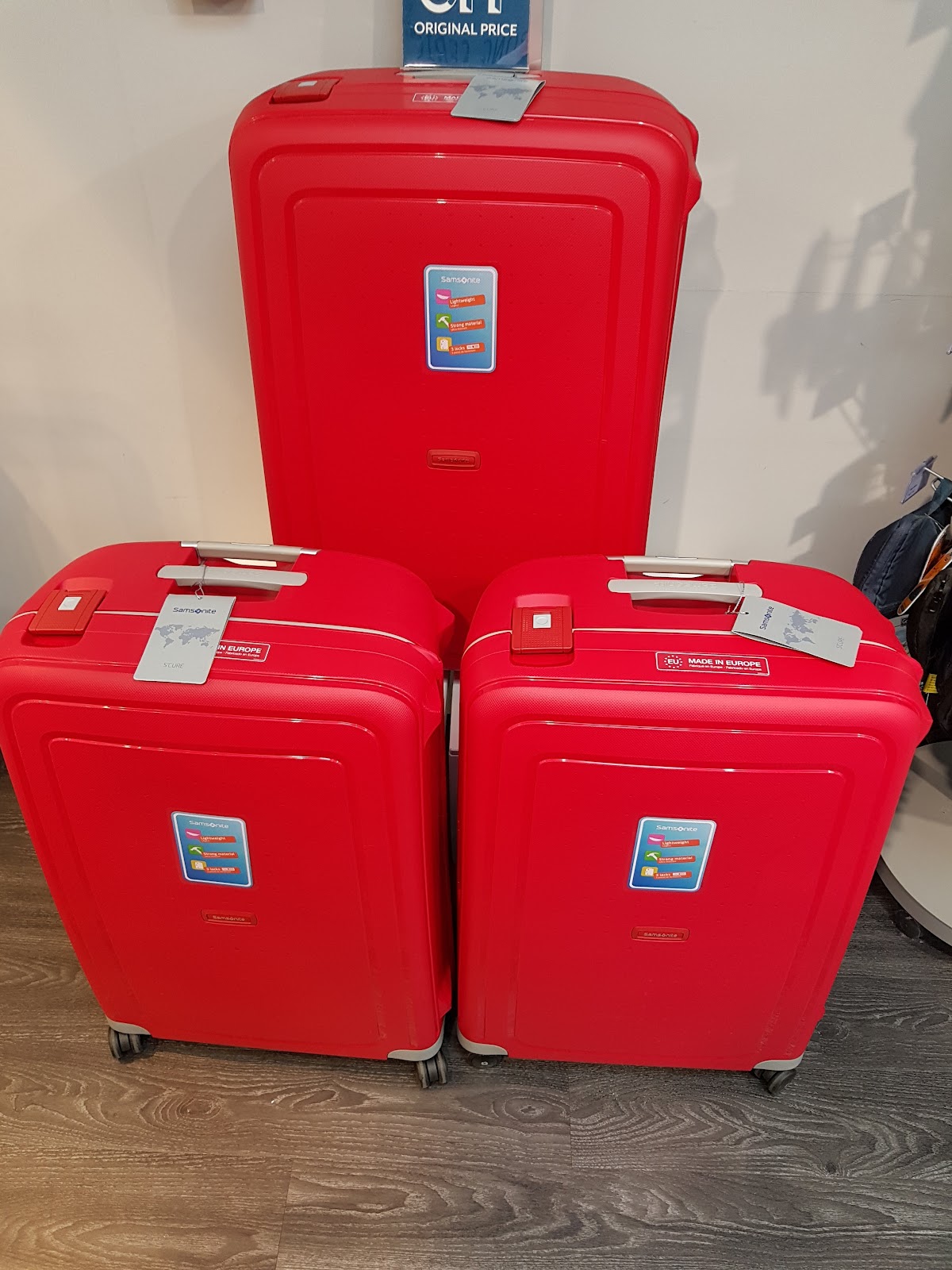
| Hard-shell carry-on | Business travel, fragile items, neat packers | Protection, clean shape, easy to wipe down | Less flexible, heavier, poor overstuff tolerance |
| Weekender plus personal item | 2 to 4 day trips, road trips | Fast and stylish, minimal footprint | Shoulder fatigue, not ideal for long walks |
A few details matter more than branding:
- Empty weight under about 2.5 kg if possible
- Strong zippers that do not snag under tension
- Wheels that roll quietly on tile and pavement
- A clamshell opening so you can see everything at once
- At least one exterior pocket for documents or a light layer
- A trolley sleeve or pass-through if you pair it with a personal item
For your personal item, think of it as the survival kit, not overflow. It should hold the things that save the first and last day of the trip:
- Passport and wallet
- Phone, charger, and power bank
- Headphones
- Water bottle after security
- One snack
- Medication
- A light layer or scarf
- Toiletries for a delayed arrival
- Laptop only if the trip truly requires it
The personal item is one of the most overlooked carry on packing tips because it acts like a second zone. Put flight comfort, valuables, and day-one essentials there. Put the bulk of clothing in the main bag. That division makes packing and unpacking faster every single day.
Build a travel capsule wardrobe, not a pile of outfits
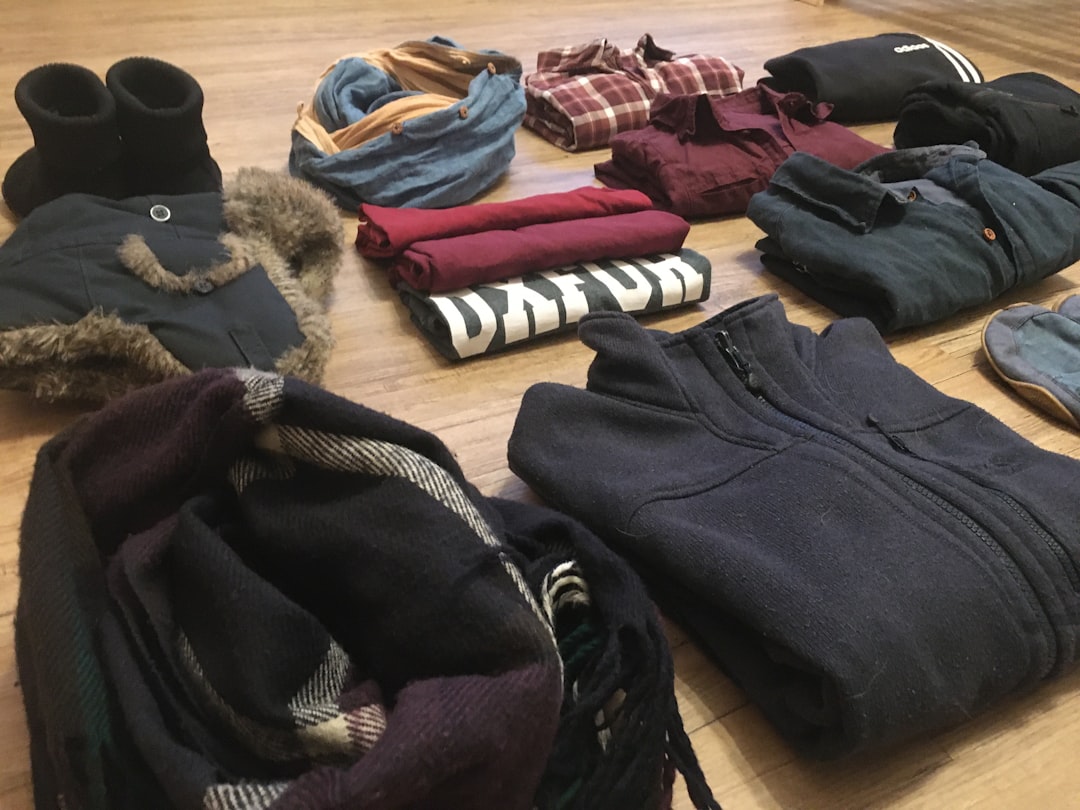
Photo by Deborah Altenbeck on Unsplash
The most reliable way to pack everything in a carry-on bag is to stop thinking in full outfits and start thinking in combinations. A travel capsule wardrobe should feel like a small rack in a very good hotel boutique: restrained colors, pieces that layer, fabrics that move, and nothing that needs special treatment. When it works, you can get dressed in low light, jet lag, or rain without making bad decisions.
Texture matters as much as color. Crisp linen looks beautiful but creases fast. Heavy denim is durable but slow to dry and surprisingly space-hungry. Merino, lightweight cotton blends, technical trousers, knit dresses, compact fleece, and thin sweaters do more for one bag travel than trendy pieces ever will. You want clothes that can survive the sink, the hotel radiator, the beach breeze, and a red-eye cabin without drama.
My default travel capsule wardrobe usually looks like this:
| Category | Core quantity | What works best |
|---|---|---|
| Tops | 4 to 5 | Neutral tees, one nicer shirt or blouse, one long-sleeve layer |
| Bottoms | 2 to 3 | One trouser, one lighter option, optional dress or second trouser |
| Outer layer | 1 to 2 | Packable jacket, overshirt, cardigan, or thin fleece |
| Shoes | 2 total | One walking pair worn, one lighter backup in bag |
| Sleep and lounge | 1 | Something that doubles as workout or rest wear |
| Underwear and socks | 4 to 6 each | Quick-dry fabrics so you can wash and rotate |
| Accessories | 3 to 4 | Belt, scarf, cap, compact jewelry, or foldable tote |
A strong palette keeps every piece working harder:
- Base colors: black, navy, olive, camel, grey, or cream
- Accent color: one tone that brightens photos and dinners
- Shoe rule: both pairs should match every bottom
- Layer rule: every top should work under the jacket
The most practical carry on packing tips are often fabric rules disguised as style rules:
- Wear the heaviest shoes on travel days
- Choose one bottom that can handle a nicer dinner and a long train ride
- Skip bulky hoodies unless the trip is truly casual and cold
- Use thin knits instead of chunky sweaters
- Pack one outfit that feels polished enough for a surprise restaurant booking
- Avoid white if the trip includes street food, children, or long transit days
Packing cubes help here, but only if you use them to create modules, not to hide clutter. One cube for tops, one for bottoms, one for underwear and socks, one slim pouch for tech, one clear bag for liquids. That is enough. Too many packing cubes create tiny drawers you have to excavate every morning.
One bag travel for different trip types
A beach trip and a business trip can both fit in the same carry-on size, but they ask for opposite instincts. Beach travel punishes overpacking because swimsuits and sandals are already small. Work travel punishes bad fabric choices because wrinkles show up immediately. Winter travel punishes dead weight because cold-weather volume gets big fast. The smartest carry on packing tips change with the setting.
Think of each trip type as a packing personality. Your job is not to force the same list onto every journey. It is to choose the smallest set of items that solves the real conditions. Once you do that, one bag travel feels less like a challenge and more like editing.
City break carry-on strategy
Cities reward agility. You will probably walk more than you planned, go from warm metro platforms to windy bridges, and spend hours on your feet in museums, bakeries, markets, and side streets. On a city trip, the danger is not underpacking. It is bringing things too precious or too uncomfortable for an actual day in motion.
For a 3 to 5 day city break, use this formula:
- 3 tops
- 2 bottoms
- 1 light knit or overshirt
- 1 weather layer
- 2 pairs of shoes total
- 1 nicer evening option, not a full separate wardrobe
Best additions for city travel:
- Crossbody bag that closes securely
- Dark or patterned top for café spills and transit dust
- Thin scarf that works for warmth, modesty, and pillow support
- Foldable tote for markets or picnic supplies
Beach week carry-on strategy
Beach destinations look casual on paper and somehow still cause people to overpack. The fantasy suitcase fills with hats too large to carry, five swimsuits, sandals for every mood, and resort outfits that never leave the hanger. The sea does not care. Salt air, sunscreen, and humidity all favor easy fabrics and simple shapes.
For 5 to 7 beach days, pack around repetition rather than variety. One swimsuit dries while the other is worn. One cover-up goes from beach to lunch. One pair of sandals handles almost everything. If you know you can buy a cheap tote, flip-flops, or extra sunscreen on arrival, you can lean into the lighter strategy described in Pack Everything in a Carry-On for 2026 With the Buy-Later Method.
Beach week formula:
- 2 swimsuits
- 3 lightweight outfits
- 1 dinner outfit that can be worn twice
- 1 long-sleeve shirt for sun or breezy evenings
- 1 sandals pair plus sneakers worn in transit
- 1 packable hat if it lies flat
Beach-specific carry on packing tips:
- Choose reef-safe sunscreen in travel size or buy it on arrival
- Pack a wet bag for swimsuits
- Use quick-dry shorts that double as sleepwear or workouts
- Bring a thin sarong only if it can also act as scarf, blanket, or cover-up
- Skip hair tools in humid destinations unless you truly use them daily
Work trip carry-on strategy
Work travel is where carry on packing tips earn their reputation. A good business bag feels almost invisible: your laptop slides out smoothly, your shirt survives the flight, your charger is not in the same pouch as socks, and you never have to open the whole case on the floor of a conference venue. The mood is neat, efficient, and slightly boring in the best possible way.
The secret is to pack fewer sharper pieces. One blazer or polished outer layer, two shirts, one trouser, one dark pair of smart shoes worn in transit, and one backup top solve most 2 to 4 day work trips. If the schedule includes dinners, swap the casual extra for one elevated item. Do not pack separate identities for meeting, dinner, and travel day when one coordinated uniform can cover all three.
Work trip formula:
- 2 presentation-ready tops
- 1 extra top for transit or casual sessions
- 1 smart trouser or skirt
- 1 blazer, structured cardigan, or compact jacket
- 1 smart walking shoe worn on the plane
- Minimal gym kit only if you really use it
Work-specific carry on packing tips:
- Put electronics in a dedicated personal item sleeve
- Use a garment folder or fold blazers inside out along natural seams
- Choose darker colors that hide coffee mishaps
- Carry a tiny wrinkle-release spray if you use it, or hang clothes in a steamy bathroom
- Pack one adapter and one cable pouch, not a bag of old chargers
Winter trip carry-on strategy
Winter is where people assume one bag travel stops being realistic. It does not. The problem is not cold weather. It is bulky clothing with poor warmth-to-weight ratio. A thick sweater and a heavy coat can consume half a case while doing less than smart layering. If you want to pack everything in a carry-on bag for cold weather, compressible warmth is your friend.
Wear your bulkiest items in transit: boots, coat, scarf. In the bag, focus on thin thermal layers, one warm mid-layer, one spare trouser, and accessories that trap heat better than weight. A merino base top takes less room than a second sweater and often works harder.
Winter formula:
- 2 base tops
- 2 regular tops
- 2 bottoms, one of them warm enough for repeated wear
- 1 thin thermal layer set
- 1 compact fleece or sweater
- 1 packable insulated jacket or shell depending on destination
- Hat, gloves, scarf
Cold-weather carry on packing tips:
- Stuff gloves and socks inside spare shoes
- Use wool socks instead of extra bulky shoes
- Choose one coat that works day and night
- Avoid packing jeans if they will get wet and dry slowly
- Rent specialist gear such as ski clothing at the destination when possible
Adventure or active weekend strategy
An adventure trip sounds gear-heavy, but a short one often packs smaller than a city break if you stay disciplined. Trails, rafting bases, surf schools, and climbing towns are forgiving of repeated outfits. What they are not forgiving of is cotton that stays wet, shoes that are not broken in, or extra casual clothing that never leaves the cube.
For active trips, aim for technical clothing that can cross over into everyday use. One quick-dry short, one hiking trouser, two tops, a warm layer, and one set of recovery clothes often does it. Borrow or rent niche equipment whenever you can.
Active-trip formula:
- 2 technical tops
- 1 active bottom plus 1 casual bottom
- 1 fleece or thin insulated layer
- 1 shell if forecast demands it
- Trail shoes worn in transit
- Small laundry soap sheet pack
Family trip carry-on strategy
Packing for a family trip is emotionally harder because you are not only solving for yourself. You are solving for spills, snacks, motion sickness, temperature tantrums, and surprise mess. But adults often over-sacrifice their own setup, stuffing essentials into children’s bags and ending up disorganized. The better move is to keep your own carry-on bag ruthlessly stable.
Put your essentials in your own personal item and make each child responsible for a scaled-down version of theirs when age allows. If you are heading into summer with kids, Best Family Summer Vacation Ideas 2026 That Actually Work can help you judge how much gear the trip will really require.
Family-trip adjustments:
- Keep one full change of clothes for each small child in the adult bag
- Use zip pouches by child rather than by clothing category
- Put wipes, medicine, and snacks in the personal item, not buried in the main case
- Limit toys to one comfort item and one compact activity pouch
How to get there
Transport mode changes what smart packing looks like. A bag that fits easily on a transatlantic flight may still be awkward on a small regional jet, a ferry gangway, or a bus under-seat rack. Some of the best carry on packing tips have nothing to do with folding and everything to do with matching your bag to the route.
Think beyond the first flight. Many trips now include a chain of transport: airport train, short-haul flight, local bus, ferry, then a walk on uneven pavement. Your bag must survive all of that. This is where one bag travel shines. The fewer times you have to haul, check, tag, and reclaim luggage, the more energy you keep for the trip itself.
| Mode | Example route | Typical duration | Bag reality | Cost note |
|---|---|---|---|---|
| Long-haul flight | New York JFK to London LHR | 7 to 8 hours | Standard cabin bags usually fine, but weight rules vary on connecting carriers | Checked bag can add from about US$0 to US$75 depending on fare family |
| European budget flight | Milan MXP to Barcelona BCN | About 1 hour 40 minutes | Strict cabin size and personal item rules are common | Large cabin bag priority can add roughly EUR 20 to EUR 60 |
| High-speed train | Paris Gare du Nord to Amsterdam Centraal via Eurostar | About 3 hours 20 minutes | Easier luggage flow, no liquid stress, stairs still matter | Bags are usually included, making carry-on even more efficient |
| Intercity bus | Los Angeles to Las Vegas | 4.5 to 6 hours | Soft bags and backpacks handle under-seat or rack space better | Extra bags may cost more than a basic fare on some operators |
| Ferry | Piraeus to Naxos | 3.5 to 5.5 hours | Rolling bags are fine but awkward on ramps and crowded boarding | Porters or paid baggage holds can add small fees |
| Rental car | Rome to Val d'Orcia | About 2.5 to 3 hours | Soft bags fit small European trunks more easily than hard cases | Extra space saved means more comfort than cost |
Before you leave, check the official rules for your exact carriers, not just generic advice:
If your route includes a hot destination, desert city, or humid summer stop, heat changes what earns space in the bag. Traveling in Extreme Heat: Safety Guide for Summer 2026 is worth reading before you decide how many layers or electrolytes to carry.
Things to do
Once the clothes are chosen, there is still a final stage between a decent packing plan and a truly calm trip. This is the part most people rush: testing the bag, checking the first-day setup, and making sure the heavy pieces live in the right place. Your suitcase should not simply close. It should function.
I always imagine the ugliest version of the arrival day: delayed flight, no hotel room yet, a walk to the station, maybe light rain, maybe hunger, maybe a dead phone battery. If the bag can handle that version of the trip, everything else feels easy. These are the last things to do before you zip it shut.
- Weigh the bag at home. Many international carriers care more about weight than bulk.
- Walk with it for five minutes. If your shoulder or hand is already annoyed, revise.
- Pack your arrival outfit at the top or wear it in transit.
- Fill the personal item with first-12-hours essentials only.
- Photograph your passport, visa, insurance, and bag contents.
- Leave 10 to 15 percent of space empty for snacks, laundry, or a small purchase.
- Do one brutal edit: remove the least versatile shoe, layer, or toiletry.
A simple final test helps: if your bag spilled open on a hotel bed, would everything inside still make sense? The best carry on packing tips create a bag with logic, not just compression.
Where to stay
Accommodation changes packing more than travelers expect. A room with reliable heating, laundry, and decent hangers lets you travel dramatically lighter. A tiny guesthouse with no elevator and no self-service laundry pushes you toward lighter fabrics and fewer rigid items. Choosing the right place to sleep can save more luggage space than any fold ever will.
This is especially true for trips longer than five days. In one bag travel, you are not just booking a bed. You are booking access to clean clothes, drying space, power outlets, and storage. I often pick an aparthotel over a prettier room if it means I can wash a few basics mid-trip and skip packing half a wardrobe.
| Budget tier | Good options | Typical price range | Why it helps your carry-on |
|---|---|---|---|
| Budget | YHA, Generator, Meininger, simple guesthouses | About US$25 to US$90 per night depending on city | Laundry rooms, lockers, communal kitchens, casual dress codes |
| Mid-range | Hampton, CitizenM, Moxy, Staycity, Citadines | About US$100 to US$220 per night | Better irons, stronger showers for sink washing, faster drying, more outlets |
| Luxury | Andaz, Kimpton, Shangri-La, Four Seasons, boutique design hotels | About US$280 to US$700 and up | Same-day laundry, quality toiletries, robes, slippers, and often better storage |
When booking, filter for these space-saving amenities:
- On-site laundry or nearby laundromat within a 10-minute walk
- Hair dryer provided
- Iron or steamer access
- Kitchenette for longer stays
- Elevator if you are bringing a roller bag
- Early bag storage if you land before check-in
Where to eat
Food-focused trips trigger a sneaky kind of overpacking. Travelers imagine they need a separate wardrobe for breakfast markets, long lunches, rooftop cocktails, and dinner reservations. In reality, most memorable food cities reward ease over formality. You want clothes you can sit in for hours, walk in before and after the meal, and wipe clean if olive oil, broth, soy sauce, or red wine enters the story.
That means dining is part of the packing plan. A dark knit dress, relaxed shirt, smart trousers, clean leather sneakers, or loafers can take you through most good meals on earth without the dead weight of special-occasion clothing. One of my favorite carry on packing tips is this: pack for the best table you have actually booked, not the imaginary one you might get if luck strikes.
If your trip revolves around eating well, these places and styles help define what to wear:
- Rome: Trastevere and Testaccio for cacio e pepe, amatriciana, and long dinners. Smart casual is enough almost everywhere, so one polished outfit is plenty.
- San Sebastián: Parte Vieja for pintxos hopping. Comfortable shoes matter more than formalwear because you stand, walk, and snack across multiple bars.
- Tokyo: department-store food halls and izakaya lanes in Shinjuku or Shibuya. Layers work well because trains, basements, and tiny restaurants change temperature fast.
- Bangkok: Yaowarat for street food and late-night heat. Breathable fabrics, secure bags, and sandals that handle slick pavement are better than anything dressy.
- Lisbon: Time Out Market and neighborhood tascas. A light layer earns its place because evenings by the river can feel cooler than the afternoon suggests.
A food trip is also where your personal item earns its keep:
- Pack a reusable utensil only if you genuinely use it
- Bring one flat snack for late arrivals, not a pantry
- Carry a foldable tote for market stops and picnic lunches
- Keep a stain-remover wipe or soap sheet if you wear lighter colors
Carry on checklist for 3 to 14 days
A good carry on checklist should feel reassuring, not restrictive. If it becomes a giant inventory of every object you own in travel size, it stops being useful. The real purpose is to cover the high-frequency needs of a trip while leaving enough empty space for flexibility. That is why the best carry on packing tips always return to the same question: what will I use repeatedly, and what am I packing to calm a fear?
The checklist below is built for trips from a long weekend up to about two weeks, assuming you can rewear, layer, or wash a few essentials. It works for city breaks, many beach holidays, work trips, and even cold-weather travel with thoughtful layering. Adjust by climate and dress code, not by automatically adding one outfit per day.
Clothing
- 4 to 5 tops total
- 2 to 3 bottoms total
- 1 nicer outfit or elevated combination
- 1 sleepwear or lounge set that can double as activewear
- 1 outer layer for weather
- 4 to 6 underwear pairs
- 4 to 6 sock pairs
- 2 shoes total including the pair worn in transit
- 1 compact accessory set such as scarf, cap, belt, or jewelry
Toiletries
Use the carry on checklist below with the liquids rule in mind. Solid products make one bag travel easier and reduce leak anxiety.
- Toothbrush and small toothpaste
- Solid or travel-size deodorant
- Travel-size cleanser or soap bar
- Travel-size moisturizer
- Razor only if needed
- Minimal makeup kit if used
- Sunscreen in compliant size or plan to buy on arrival
- Small hairbrush or comb
- Medication in original packaging where sensible
- One clear liquids bag
Tech
Tech is where smart bags turn messy fast. Keep it dull and minimal.
- Phone
- Charger
- One cable pouch
- Power bank
- Universal adapter if crossing regions
- Earbuds or headphones
- Laptop or tablet only if needed
- E-reader only if you actually finish books while traveling
Travel documents and money
- Passport
- Visa documents if required
- Boarding passes or rail tickets
- Travel insurance details
- One main payment card plus backup
- Small amount of local cash if arrival requires it
- Offline copies of confirmations on your phone
Laundry and repair mini-kit
This tiny category is one of the most underrated carry on packing tips because it allows smaller wardrobes to go farther.
- 2 to 4 detergent sheets or a tiny soap piece
- Sink stopper if you use one
- Flat clothesline or a few clips if staying longer
- Two safety pins
- Mini sewing kit only if you know how to use it
Personal item setup
Your personal item should make you comfortable and functional without opening the main bag during transit.
- Passport wallet
- Phone and charger
- Headphones
- Water bottle after security
- Medication
- Hand sanitizer or wipes
- Lip balm
- One snack
- Thin layer or scarf
- Pen for forms on international routes
Fast edits by trip type
Use these swaps instead of expanding the whole bag:
- Beach trip: remove one bottom, add second swimsuit
- Work trip: remove casual extra, add polished layer
- Winter trip: remove bulky sweatshirt, add thermal set
- Active trip: remove dressy shoes, add technical top
- Family trip: remove your extra outfit, add child emergency kit
Packing cubes fit neatly into this carry on checklist when you assign them roles rather than categories that sprawl. One for clothing core, one for underwear and socks, one for trip-specific extras. That is enough for most travelers.
Practical tips
The best month for one-bag travel is often not peak season but the shoulder around it. Late April to June and September to October in much of Europe let you dress in layers instead of extremes. Tropical destinations can still fit easily in a carry-on bag during rainy periods if you pack quick-dry fabrics and accept that laundry matters more than outfit variety. Harsh winter and high summer do not make carry-on impossible, but they make discipline more important.
Customs, weather, laundry culture, and connectivity all influence what belongs in the bag. In Japan, a compact extra bag for neat organization often feels useful. In Southern Europe, stylish but comfortable shoes pay off because days stretch long into dinner. In humid Southeast Asia, heavy makeup, denim, and elaborate hair routines usually lose to lightweight fabrics and good sandals. Carry on packing tips only work when they respect the reality of place.
Keep these practical notes in mind:
- Best months for easy one-bag travel in Europe: May, June, September, early October
- Best months for warm beach carry-ons: shoulder season when evenings are mild and you need fewer layers
- Laundry costs: often about US$8 to US$20 for a wash-and-fold load in major cities, sometimes more in island destinations or luxury hotels
- Hostel laundry machines: commonly US$4 to US$10 per wash cycle plus drying
- Hotel same-day laundry: convenient but often pricey, sometimes US$5 to US$15 per garment
- Connectivity: eSIMs are often easier than buying local SIM cards for short stays, but always confirm your phone is unlocked
- Currency: keep one small cash note for airport trains, tips, or vending machines, especially on arrival day
- Safety: a smaller bag is easier to watch, lock, and move quickly than a checked case
A few specialized reminders make a big difference:
- If you wear contacts, pack the smallest viable kit and a backup pair of glasses
- If you need prescription medication, split it between your main bag and personal item
- If modest dress is expected, a light scarf or overshirt is more efficient than carrying full extra outfits
- If the trip includes formal events such as weddings, decide early whether renting, repeating, or using hotel pressing services is smarter than hauling special clothing
- If extreme heat is on the itinerary, prioritize shade gear, breathable fabrics, and hydration tools over extra outfits
And finally, remember that every souvenir competes with dead weight you packed on the way out. The nicest version of one bag travel is not severe minimalism. It is arriving with exactly enough and returning with no regrets.
FAQ
Carry on packing tips get easier once you stop expecting a universal list. The bag that works for Santorini in June is not the bag that works for Berlin in December. But a few questions come up on almost every trip.
Can I really pack everything in a carry-on bag for two weeks?
Yes, if you repeat outfits, wash basics, and pack by climate rather than by calendar day. A travel capsule wardrobe, quick-dry underwear, and a sensible personal item setup are usually enough for 10 to 14 days.
What is the biggest mistake in one bag travel?
Packing multiple single-purpose items. The classic failures are extra shoes, bulky just-in-case layers, too many toiletries, and tech you do not use. The best carry on packing tips reduce categories before they reduce quantities.
Are packing cubes actually worth it?
Yes, especially if you use them to create modules. Packing cubes help compress soft clothing a little, keep the bag tidy, and make hotel unpacking faster. They are most useful when you have only two or three, not an entire suitcase of them.
How many shoes should I bring in a carry-on?
Two pairs total is the sweet spot for most trips: one worn in transit and one packed. Beach holidays may let you get away with sneakers plus sandals. Work travel may call for smart shoes plus one lighter casual option.
What if I need different clothes for weather changes?
Layer instead of duplicating. One base layer, one mid-layer, and one outer shell handle more range than packing separate warm and cool wardrobes. This is why carry on packing tips focus so heavily on fabric and layering strategy.
The most satisfying part of traveling with one small bag is not just speed. It is clarity. You move through stations, sidewalks, hotel lobbies, and old staircases with less noise around you. There is less to drag, less to sort, less to lose, and less to decide every morning.
That freedom does not come from being impossibly minimalist. It comes from knowing the shape of your trip and giving your bag a job it can actually do. Once you learn how to pack for the real weather, the real meals, the real transport, and the real version of yourself on the road, fitting everything into a carry-on stops feeling like a trick. It simply feels like traveling well.