If you want to know how to budget for travel, start with one uncomfortable truth: most trips do not go over budget because of one huge mistake. They drift over budget through tiny decisions made in bright airports, on cobbled side streets, and in the soft glow of late-night booking tabs. A cheaper flight lands farther out. A hotel deal sits three metro rides from everything. A museum day quietly turns into timed-entry tickets, coffee stops, and a taxi home when your feet give up.
Rome is a perfect city to learn this lesson. The city smells like espresso before sunrise and warm stone after rain. Church bells float over scooters, fountains hiss in little piazzas, and the temptation to say yes keeps arriving every few blocks. That is exactly why this guide shows how to budget for travel using a real five-day Rome trip. Instead of guessing one flat daily number, you will build the budget backward from actual choices: where you fly from, where you sleep, what you eat, how fast you move, and what you refuse to miss.
A realistic plan is not about stripping the romance out of travel. It is about making the romance affordable. If you are still comparing Rome with lower-cost destinations, What $50 a Day Feels Like in the Cheapest Countries to Travel in 2026 is a useful reality check. But if Rome is the trip on your mind, here is how to budget for travel without lying to yourself, your card balance, or your future self back home.
The reverse-first method for how to budget for travel
Photo by Mehdi Mirzaie on Unsplash
Most people budget in the wrong order. They pick a number first, then try to force a trip into it. That is how you end up with unrealistic line items like €20 for food in a city where you absolutely plan to eat cacio e pepe twice a day and stop for gelato every afternoon. The better method is to price the shape of the trip first and let the numbers answer back.
Picture the trip in sensory detail. Are you rolling your suitcase over the cracked pavement near Roma Termini, diving into museum days and cheap pizza slices, or are you waking in Monti with linen sheets, aperitivo on a rooftop, and pre-booked entries to every major site? The itinerary has a sound and a texture before it has a price. Once you know that texture, your trip cost breakdown becomes honest.
This reverse-first method is the fastest way to learn how to budget for travel with fewer surprises:
- Pick the exact trip type before you pick a total number.
- Separate fixed costs from flexible daily spending.
- Build a daily travel budget around your pace, not around averages on social media.
- Add hidden travel costs before you feel good about the total.
- Track prices for one real sample itinerary, not twenty imaginary ones.
- Leave a buffer of 10 to 15 percent for mood changes, weather shifts, and normal human weakness.
In other words, how to budget for travel is really how to price your decisions. Rome simply makes those decisions easier to see.
Step 1: Price the trip you actually want
Photo by Frugal Flyer on Unsplash
There is a huge difference between visiting Rome and experiencing Rome in the way you personally enjoy. One traveler wants sunrise at the Pantheon, an afternoon in the Borghese gardens, and two museum tickets. Another wants long lunches, vintage shops in Monti, and one perfect hotel. Both are legitimate trips. Both cost different amounts. Both fail when they use somebody else\'s numbers.
The smartest travel budgeting begins with emotional honesty. What are the non-negotiables? If your idea of Rome includes the Vatican Museums, the Colosseum, and a sit-down dinner in Trastevere every night, say that up front. If you are happy with one paid attraction a day and groceries from a neighborhood supermarket, say that too. Rome rewards both styles, but only if the plan matches the traveler.
Use these questions to shape your first draft before you total anything:
- How many full days are you actually on the ground?
- Are you flying with only a personal item, a carry-on, or checked luggage?
- Do you want a central stay within walking distance of major sights?
- How many paid attractions matter enough to book in advance?
- Are you a bar-coffee-and-slice traveler or a three-course-dinner traveler?
- Will you use trains for a day trip, or stay entirely in Rome?
- How much comfort do you need after long days of walking?
A quick way to test the shape of your trip is to write one sentence. For example: Five nights in Rome in October, mid-range hotel near Monti, one major paid site per day, train from the airport, lunch casual, dinner mixed, no checked bag. That sentence is the foundation of a real vacation budget planner, because every word in it changes the numbers.
Step 2: Build the trip cost breakdown from fixed costs first
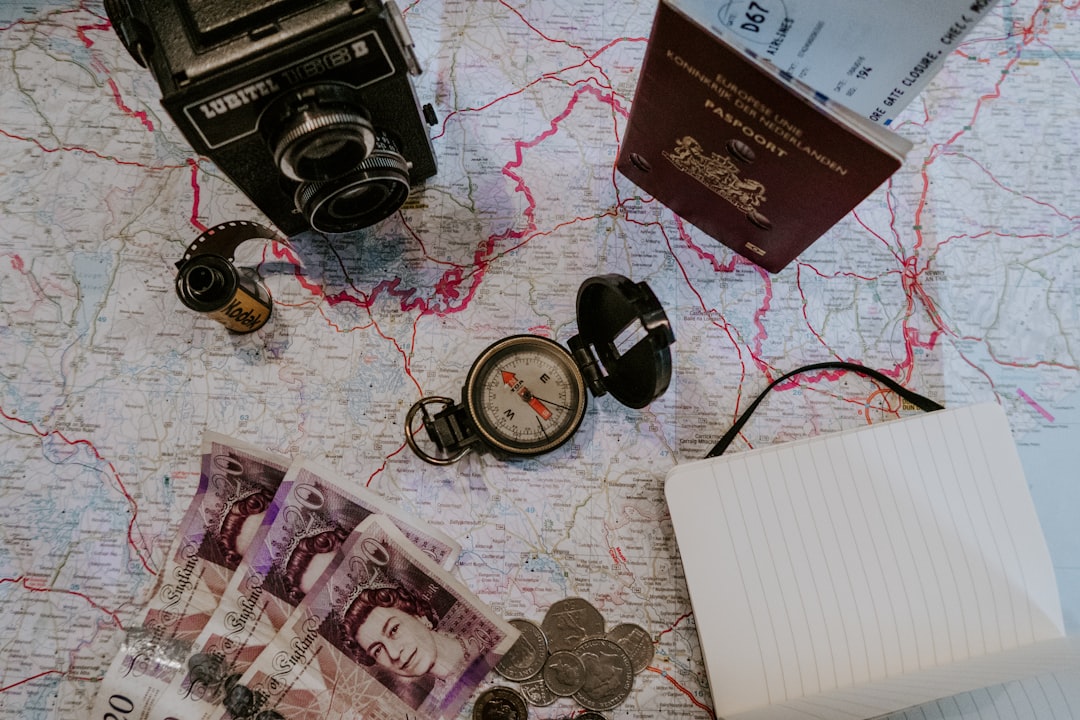
Photo by Denise Jans on Unsplash
Before you start dreaming about pasta budgets, anchor the hard costs. Fixed costs are the parts of the trip that usually get booked ahead and leave the least room for improvisation: flights, airport transfers, accommodation, insurance, visas if needed, and major attraction tickets. These numbers set the tone. They are the stone floor beneath the mosaics.
In Rome, fixed costs matter more than people think because location changes everything. A room that is €35 cheaper per night can cost you part of that saving back in transit, extra coffee stops, or pure fatigue. A flight that looks like a bargain can become expensive after seat selection, cabin bag fees, and a 5 a.m. airport transfer. Your trip cost breakdown should expose those trade-offs before you click pay.
Here is a sample fixed-cost framework for a five-night Rome trip in shoulder season:
| Fixed cost | Budget style | Mid-range style | Comfort style |
|---|---|---|---|
| Return flight within Europe | €60-€180 | €180-€320 | €320-€550 |
| Return flight from US East Coast | €450-€850 | €850-€1,200 | €1,200-€2,000 |
| Airport transfer round trip | €12-€28 | €25-€60 | €110-€180 |
| Accommodation, 5 nights | €175-€450 | €750-€1,500 | €2,250-€6,000 |
| Travel insurance | €20-€55 | €35-€80 | €50-€120 |
| Pre-booked attractions | €40-€90 | €70-€140 | €120-€250 |
| City tax, 5 nights | €20-€35 | €30-€50 | €40-€50+ |
What belongs in this first trip cost breakdown:
- Flights and all baggage or seat fees
- Accommodation and city tax
- Airport transfers
- Insurance
- Visa or entry requirements if they apply to your passport
- Any timed-entry sites you know you want
- Day-trip rail tickets if already essential to the trip
When travelers ask how to budget for travel, this is the step that usually changes everything. Once fixed costs are real, your dream trip stops floating and starts standing on actual ground.
How to get there
Rome has the rare quality of feeling mythic and practical at the same time. You can land in the morning, hear rolling suitcases on station tiles by noon, and be eating suppl\u00ec near the Forum before the light turns gold. But the arrival math matters. A cheaper airport, a slower bus, or a high-speed train can move your budget by more than you expect.
For most travelers, the main gateways are Leonardo da Vinci International Airport at Fiumicino and Ciampino Airport. If you are already in Italy, the rail network is often the best-value move. The country\'s fast trains slide into Roma Termini with that polished efficiency that makes a trip feel already underway before you even step into the city.
| Route | Typical duration | Typical 2026 cost | Notes |
|---|---|---|---|
| Fiumicino Airport, FCO to Roma Termini via Leonardo Express | 32 min | €14 | Fastest airport transfer; official info: Trenitalia Leonardo Express |
| Fiumicino Airport, FCO to city by regional train | 45-55 min | €8-€10 | Good for Trastevere, Ostiense, Tiburtina |
| Ciampino Airport, CIA to Roma Termini by shuttle bus | 40-50 min | €6-€7 | Cheapest direct option |
| Florence SMN to Roma Termini by Frecciarossa/Italo | 1 hr 32-1 hr 40 | €20-€60 | Often cheaper if booked early |
| Naples Centrale to Roma Termini | 1 hr 10-1 hr 20 | €15-€45 | Excellent day-trip or multi-city link |
| Milan Centrale to Roma Termini | 3 hr 10-3 hr 30 | €35-€90 | A strong alternative to domestic flights |
| Drive from Florence to Rome | about 3 hr | €45-€65 fuel and tolls, plus parking | Parking in central Rome can erase savings |
Useful official planning links:
If you are building a trip cost breakdown across multiple cities, overland travel can be the smartest place to save. A Rome and Florence pair, for example, is often cheaper and smoother than adding another flight. And if your trip includes ferry-heavy or multi-leg routing elsewhere, How to Plan Island Hopping Routes Perfectly in 2026 shows how route design affects budget more than travelers expect.
Step 3: Create a daily travel budget that matches your pace
This is where the city becomes personal. Some days in Rome are expensive by design. The Vatican Museums, a sit-down lunch, a taxi after too many steps, and sunset drinks in Trastevere can fill a day with pleasure and receipts. Other days feel almost magically affordable: espresso standing at the bar, a pastry, a long walk from Piazza Navona to Campo de\' Fiori, the Pantheon, the river, and a supermarket picnic in Villa Borghese.
A good daily travel budget is not the same every day. It breathes. It has heavy days and light days. Trying to force an identical daily number onto each day of a Rome trip is one of the classic budgeting mistakes. You will either underspend miserably early on, or overspend guiltily later. Better to set a realistic range and assign types of days.
Here is a working daily travel budget for Rome, excluding flights and accommodation:
| Daily category | Budget traveler | Mid-range traveler | Comfort traveler |
|---|---|---|---|
| Coffee and breakfast | €4-€8 | €8-€15 | €15-€30 |
| Lunch | €7-€15 | €15-€30 | €30-€60 |
| Dinner | €12-€25 | €25-€50 | €60-€120 |
| Snacks and gelato | €4-€10 | €8-€15 | €12-€25 |
| Local transport | €1.50-€7 | €3-€12 | €10-€35 |
| Attractions and extras | €0-€25 | €15-€45 | €30-€90 |
| Total daily travel budget | €30-€90 | €74-€167 | €157-€360 |
The most useful version of a daily travel budget is a three-band model:
- Light day: mostly walking, one cheap meal, no major ticketed site
- Standard day: one museum or major entry, casual lunch, sit-down dinner
- Heavy day: premium entry, taxis, shopping, cocktails, or a special meal
For a five-day Rome trip, you might plan:
- 2 light days at €45 each
- 2 standard days at €95 each
- 1 heavy day at €160
That gives you €440 in on-the-ground spending for a mid-range-but-careful style. This is how to budget for travel with real life in the plan, not just averages in a spreadsheet.
Things to do
Rome can drain a wallet quickly if every hour is ticketed. It can also feel rich on a modest budget if you mix iconic paid sites with the city\'s free textures: fountains, church interiors, market lanes, sunset viewpoints, and long neighborhood walks where the best moment costs nothing at all. Budgeting is not only about deciding what to cut. It is about deciding what deserves the money.
Think of Rome in layers. Ancient stone, Baroque drama, local food rituals, garden air, neighborhood noise. Build your sightseeing around one anchor each day, then let the walking do the rest. The city rewards travelers who understand pacing. Your feet, your wallet, and your attention all last longer that way.
Here are strong choices for a first five-day Rome trip, with realistic 2026 cost ranges:
- Colosseum, Roman Forum, and Palatine Hill
- Vatican Museums and Sistine Chapel
- Pantheon and the historic core walk
- Galleria Borghese and Villa Borghese gardens
- Testaccio Market lunch crawl
- Appian Way and catacombs
- Sunset from the Janiculum Hill
- Trastevere evening stroll and Santa Maria in Trastevere
If your budget is tight, spend on the two sites you would genuinely regret missing, then let churches, neighborhoods, and markets fill the rest. That single choice can reduce hidden travel costs because you avoid last-minute add-ons and rushed transport between too many timed reservations.
Where to stay
In Rome, location is a budget line. A room near the action costs more, but it can shrink transport costs and save the thing travelers underestimate most: energy. There is a special kind of travel overspending that happens when you are tired. It sounds like, Let\'s just grab a taxi. Let\'s just eat at the first place. Let\'s just stop for one more expensive drink because we do not want to hunt for anything better.
Choose a neighborhood that suits the trip you actually want. Termini is practical, Monti is stylish and central, Trastevere is atmospheric, Prati is calmer and good for Vatican access. If you are staying five nights, the hotel should support your walking radius as much as your sleep.
Budget stays
- YellowSquare Rome, Castro Pretorio/Termini — roughly €35-€70 for a dorm bed, €110-€180 for private rooms. Social, practical, and close to transport.
- The Beehive, near Termini — roughly €45-€90 for simpler options and more for private rooms. Quiet, personal, and a solid fit for travelers who want calm rather than a party scene.
- Generator Rome, Esquilino — roughly €40-€80 for dorms, €120-€190 for private rooms. Stylish for the price and walkable to several key areas.
Mid-range stays
- Condominio Monti, Monti — roughly €180-€300 per night. Strong location for people who want design and centrality.
- Hotel Artemide, Via Nazionale — roughly €220-€350 per night. Reliable comfort, excellent service, and a location that reduces spontaneous taxi spending.
- Mama Shelter Roma, Prati/Balduina area — roughly €170-€280 per night. Larger-property comforts and often good value if you are happy to use transit strategically.
Luxury stays
- J.K. Place Roma, Campo Marzio — roughly €700-€1,200 per night. Intimate luxury with a central address.
- Hotel de Russie, near Piazza del Popolo — roughly €900-€1,400 per night. One of the city\'s classic splurges.
- Palazzo Manfredi, by the Colosseum — roughly €850-€1,500 per night. The kind of view that turns accommodation into one of the trip\'s main experiences.
A useful test for how to budget for travel is this: if a central room costs €40 more per night but saves you €10 to €20 a day in transit, snack detours, and energy-tax spending, it may not be more expensive at all.
Where to eat
Rome is dangerous in the best possible way. The smell of pizza bianca drifts out of bakeries in the morning. Coffee cups tap against saucers all day. In the evening, little fried things appear behind glass counters, and trattorias fill with the sound of forks against plates. Food is where budgets most often fail because every extra purchase feels small and deserved.
That is why your food plan should be loose but intentional. Decide where you want value and where you want pleasure. Breakfast is easy to keep inexpensive in Rome. Lunch can be brilliant at a market or bakery counter. Dinner is where you can either protect the budget or happily burn it. What matters is choosing, not drifting.
Here are reliable, specific places and the numbers to expect:
- Forno Campo de\' Fiori, Campo de\' Fiori 22 — pizza bianca, focaccia, and pastries. Budget €3-€8 for a snack or light lunch.
- Pizzarium Bonci, Via della Meloria 43 — famous pizza al taglio near the Vatican area. Budget €6-€12 depending on how enthusiastic you get.
- Trapizzino Testaccio, Via Giovanni Branca 88 — Roman street-food comfort. Around €5-€8 per trapizzino.
- Testaccio Market, Via Beniamino Franklin 12E — one of the smartest places for a budget lunch. Expect €10-€18 if you sample generously.
- Da Enzo al 29, Via dei Vascellari 29 — classic Trastevere trattoria. Expect €20-€35 per person without going wild.
- Roscioli Salumeria con Cucina, Via dei Giubbonari 21 — a splurge-worthy meal with pastas, cured meats, and wine. Budget €45-€90 per person.
- Gelateria del Teatro, Via dei Coronari 65/66 — excellent gelato, usually €3.50-€6.
Useful food-budget rules for Rome:
- Espresso at the bar is often around €1.20-€1.80.
- A standing breakfast of coffee and pastry can stay under €4-€5.
- A simple sit-down pasta lunch often lands around €12-€18.
- Aperitivo drinks run roughly €6-€12 depending on area.
- Dinner in tourist-heavy zones can jump fast; step a few streets away and value improves.
A realistic daily travel budget gets much easier when you separate food into three buckets: basic fuel, local treats, and one memorable meal. You do not need every meal to be memorable. Rome makes that a relief, not a sacrifice.
Step 4: Add hidden travel costs before they ambush you
Here is the part travelers love to skip because it kills the pleasant illusion that the hard work is done. You total the flight, hotel, and museum tickets, feel proud, and then Rome begins nibbling at the edges: city tax, airport transfer, eSIM, baggage fees, tip-like service charges where applicable, public toilets, reservation fees, and the occasional taxi when your knees are done with ancient paving stones.
These hidden travel costs are rarely dramatic one by one. They arrive like drizzle. But over five days, drizzle becomes weather. In Rome, especially, timing matters. Bookings for top sights often carry small extras. Budget airlines can make a cheap fare expensive with one cabin bag. Summer heat can turn a planned bus ride into an unplanned taxi. Your hidden travel costs should exist on paper before they hit your card.
Common hidden travel costs for a Rome trip:
- City tax: often around €4-€10 per person per night depending on property type.
- Seat selection and baggage: some fares add €15-€60 each way fast. This is why Pack Everything in a Carry-On for 2026 With the Buy-Later Method can save real money.
- Booking fees for attractions: usually small, but they stack across multiple timed entries.
- eSIM or roaming: roughly €5-€20 for a short trip depending on your setup.
- Cash withdrawals and card fees: check your bank before you go.
- Public transport passes or extra taxi rides: one tired evening can cost the same as several bus rides.
- Airport food on departure day: often one of the most overpriced meals of the trip.
- Heat or weather spending: more water, more taxis, more indoor breaks.
A simple hidden travel costs buffer for Rome is €15-€25 per day for budget travelers and €25-€50 per day for mid-range travelers. That number may sound conservative until you realize how often small charges hide in the margins of a city break.
Step 5: Use a vacation budget planner and a travel expense tracker
A budget is alive only when you look at it during the trip. The best travelers I know are not obsessive misers. They are simply aware. They sit down at night with one last drink, hear scooters passing outside, and take thirty seconds to check where the money went that day. That tiny ritual is often the difference between control and denial.
You do not need a complicated system. A notes app works. A spreadsheet works. A paper notebook works. But a vacation budget planner becomes genuinely useful when it sits next to a real itinerary. If you map your days in a tool such as TravelDeck, your reservations, transport windows, and meal neighborhoods become visible together, which makes it much easier to price them honestly before you leave.
Build your vacation budget planner with these columns:
- Date
- Neighborhood or area
- Fixed bookings already paid
- Planned food budget
- Planned transport budget
- Planned extras
- Actual spend
- Difference
Your travel expense tracker should be light enough to use even when tired. For a five-day Rome trip, I like a two-layer method:
- Before departure: complete the full trip cost breakdown with estimates.
- During the trip: update only five live categories in your travel expense tracker: food, transport, attractions, shopping, and unexpected.
That is enough detail to stay honest without turning travel into homework. A travel expense tracker also helps emotionally. If you overspend on one beautiful dinner, you can adjust the next day instead of carrying vague guilt for the rest of the trip.
If you are learning how to budget for travel for the first time, this is the habit to keep. The method matters less than the consistency.
Money-saving strategies that protect the experience
The best savings never feel like loss. They feel like editing. In Rome, that often means paying for the moments that truly need money and letting the city hand you the rest for free: church interiors cooled by stone, river walks in blue evening light, bridges glowing after dinner, laundry strung above side streets, and little neighborhood bars where one drink and a bowl of chips can count as enough.
A cheap trip that feels deprived is not a success. A well-shaped trip that skips the forgettable stuff is. That distinction is the heart of how to budget for travel well. You are not cutting joy; you are protecting it from leaks.
Smart money-saving moves for Rome:
- Travel in late February, March, early April, late October, or November for lower airfares and room rates.
- Fly with a personal item or carry-on only when possible.
- Stay near a transit hub only if you will actually use it; otherwise pay for walkability.
- Book one or two major sites in advance and leave the rest of the schedule open.
- Make breakfast a low-cost ritual at the bar instead of a hotel buffet add-on.
- Use market lunches to free money for one memorable dinner.
- Refill water bottles at Rome\'s public nasoni fountains.
- Walk between central sights instead of stacking short taxi rides.
- Reserve one splurge category only: hotel, dining, or experiences. Not all three.
- Avoid impulse airport purchases by packing snacks for departure day.
- Compare neighborhoods, not just nightly rates, when choosing accommodation.
- Give yourself a shopping limit before you see the leather goods.
One of the simplest ways to learn how to budget for travel is to notice where your trip is most emotionally expensive. For some people it is food. For others it is convenience. If convenience is your weak spot, book central. If food is your weak spot, decide in advance which meals are splurges. The budget becomes calmer immediately.
A real sample budget: 5 days in Rome
Let us turn the method into actual numbers. Imagine the same five-night Rome itinerary in shoulder season: arrival midday, six days total with five nights, one checked-site-heavy day, one Vatican day, one market and neighborhood day, one gardens or Appian Way day, and one flexible final day. The traveler uses trains from the airport, mixes casual lunches with two nicer dinners, and wants a comfortable but not luxurious pace.
This is where how to budget for travel becomes less abstract. The shape is identical. Only the departure city, accommodation tier, and spending style shift. That makes the differences easy to see.
Sample trip cost breakdown by departure city
| Cost category | London traveler | New York traveler | Toronto traveler |
|---|---|---|---|
| Return flight | €70-€180 | €500-€850 | €550-€950 |
| Airport transfers | €28 | €28 | €28 |
| Mid-range hotel, 5 nights | €950 | €950 | €950 |
| City tax | €35-€45 | €35-€45 | €35-€45 |
| Insurance | €25-€45 | €35-€60 | €40-€70 |
| Attraction tickets | €85-€125 | €85-€125 | €85-€125 |
| Food and drink | €350-€500 | €350-€500 | €350-€500 |
| Local transport | €20-€45 | €20-€45 | €20-€45 |
| Hidden travel costs buffer | €75-€125 | €75-€125 | €75-€125 |
| Estimated total | €1,638-€2,043 | €2,078-€2,728 | €2,140-€2,838 |
Same trip, three styles
| Style | Estimated total from London | What it feels like |
|---|---|---|
| Budget | €850-€1,250 | Hostel or simple room, mostly casual food, limited paid attractions, lots of walking |
| Mid-range | €1,638-€2,043 | Central comfort, pre-booked highlights, mixed dining, flexible but not flashy |
| Comfort | €3,000-€5,500+ | Premium hotel, more taxis, top-end dining, private or guided extras |
These numbers matter because they answer a more useful question than Can I afford Rome? They answer Can I afford the version of Rome I actually want? That is the real trip cost breakdown question.
If the total is too high, do not immediately cancel the dream. Adjust the levers in order of impact:
- Change travel month.
- Change accommodation tier or neighborhood.
- Reduce paid attractions.
- Cut baggage and airport transfer costs.
- Shorten the trip by one night only if the first four changes are not enough.
That order protects the experience better than random cuts. It is one of the most practical lessons in how to budget for travel: change the expensive structure before you start depriving the daily moments.
Practical tips for 2026 travel budgeting in Rome
Rome changes character with the season. In July, the heat bounces off stone and every shaded bench feels valuable. In November, the city turns softer, with damp cobbles, lower hotel rates, and a slower rhythm in the streets. Budgeting well means noticing not just price, but how weather changes behavior. Heat creates taxi rides. Rain creates coffee stops. Peak crowds create pre-booking costs.
Practical details are not glamorous, but they are where the budget survives. A city this dense and seductive can feel easy right up until you realize you booked museums too tightly, packed the wrong shoes, and forgot that your hotel tax is due at check-in. Think of these notes as the quiet infrastructure of a good trip.
Best months by budget and feel
| Months | Weather feel | Crowds | Typical value |
|---|---|---|---|
| January-February | Cool, occasionally rainy | Low | Very good except around holidays |
| March-April | Mild, spring light | Medium | Good to very good |
| May-June | Warm, busy, beautiful | High | Fair |
| July-August | Hot to intense | High | Mixed; some hotel deals, high comfort costs |
| September-October | Warm, golden, ideal walking weather | High to medium | Good if booked early |
| November | Cool, softer light, fewer lines | Low to medium | Excellent |
| December | Festive, variable | Medium to high | Mixed depending on dates |
Practical tips
- Currency: Italy uses the euro. Carry a little cash for small purchases, but cards are widely accepted.
- Connectivity: eSIMs are usually the simplest choice for short trips. Budget €5-€20.
- Transport: A single ATAC ticket is around €1.50. Daily and multi-day passes can make sense if you are not walking everywhere.
- Safety: Watch bags and phones around Termini, on crowded buses, and near major tourist bottlenecks.
- Packing: Comfortable walking shoes matter more than almost anything else. Heat, stone, and distance change spending behavior.
- Dress and customs: Churches require respectful shoulders and knees. Pack one light layer so you do not have to buy one.
- Water: Refill at public fountains to save money and reduce plastic waste.
- Tipping: Service is generally lighter and less compulsory than in the US; check the bill for coperto or service charges.
A final practical note on how to budget for travel: build margin into your timing, not just your money. A rushed itinerary creates expensive decisions.
FAQ
How much should I budget for 5 days in Rome in 2026?
For many travelers, a realistic five-day Rome total lands around €850-€1,250 on a budget style, €1,600-€2,100 mid-range from within Europe, and much higher if flying long-haul or staying luxury. The right number depends mostly on airfare, location, and how often you sit down for full meals.
Is €100 a day enough in Rome?
Yes, €100 a day can work on the ground if accommodation is already paid and you manage your sightseeing mix carefully. It is tight for a full mid-range style, but a €100 daily travel budget can cover simple food, some transport, and a mix of free and paid sights.
What are the biggest hidden travel costs in Rome?
The most common hidden travel costs are city tax, baggage fees, airport transfers, booking fees for timed-entry sites, extra transport when tired, and higher-than-expected spending in tourist-center restaurants. These do not look dramatic alone, but they stack quickly.
Should I book Colosseum and Vatican tickets in advance?
Usually yes. Booking ahead helps your vacation budget planner because the cost becomes fixed, and it protects your time. Last-minute options can be pricier or force you into tours you did not want.
What is the easiest way to track spending during the trip?
Use a simple travel expense tracker with only a few live categories: food, transport, attractions, shopping, and unexpected. Update it once a day. That single habit teaches how to budget for travel faster than any theory.
Rome is a city of temptations, but it is also a city of patterns. Once you learn to price the pattern of your own trip, the numbers stop feeling restrictive and start feeling clarifying. You know where the splurge belongs. You know which corners of the day can stay simple. And when the evening light turns the stone honey-gold and the air smells faintly of coffee and traffic and dinner, you can enjoy the city for what it is instead of worrying about what you forgot to budget.