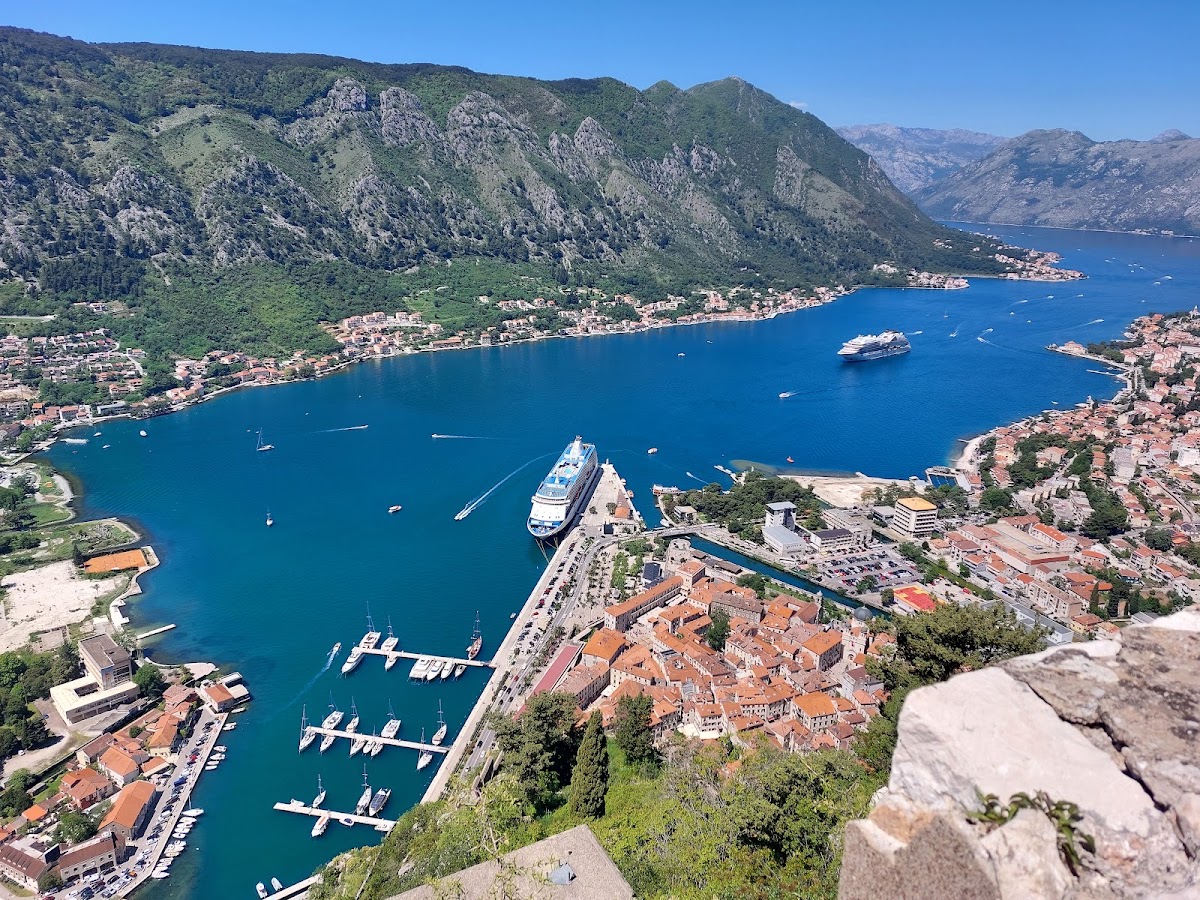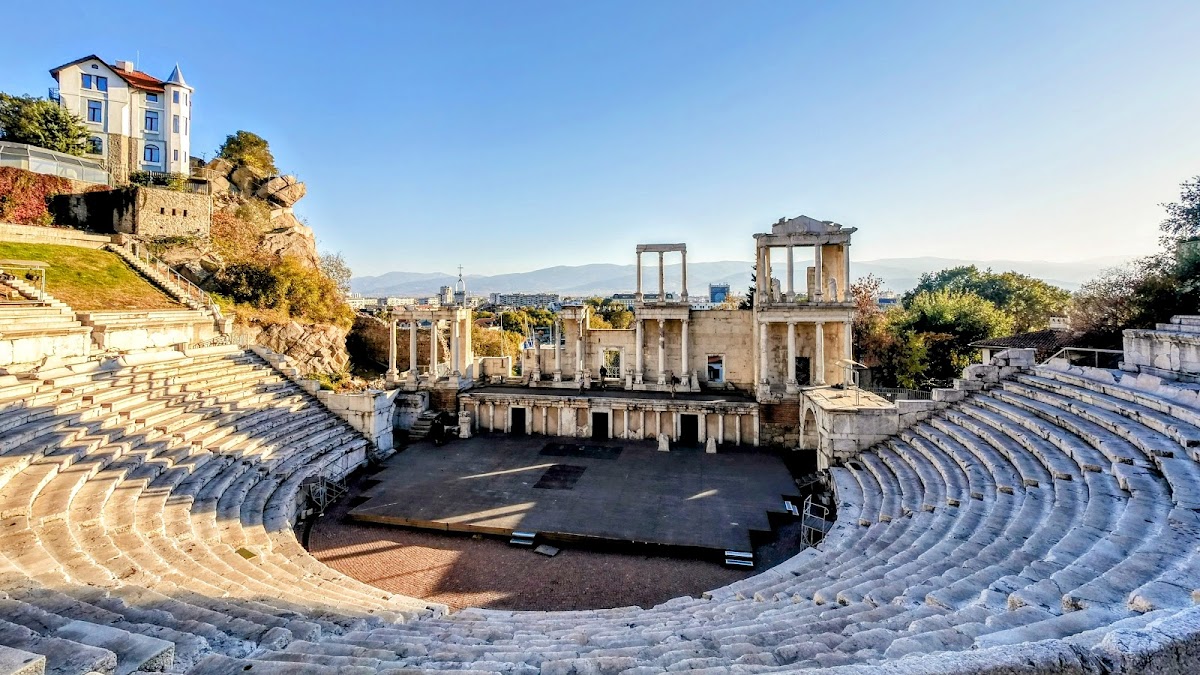
The biggest island-hopping mistake is not missing a ferry. It is choosing one island too many. If you are wondering how to plan island hopping, start with this rule: every sea crossing costs more energy than the map suggests. A route that looks effortless in photos can feel jagged in real life once you add taxi queues, port changes, wind, rolling luggage, and check-in windows.
A beautiful island trip is not a race to collect coves, beaches, or sunsets. It is a sequence. The sea should feel like part of the holiday, not a punishment between hotel bookings. That is why the best routes almost always look a little restrained on paper. Three islands done well will usually beat five islands done fast.
This guide is built for travelers who want the route itself to make sense: where to start, how to pick the right island order, when to use ferries instead of flights, how much buffer time to leave, where to sleep near ports, what to eat between crossings, and which worldwide regions actually reward island movement rather than just tolerate it. If you want to know how to plan island hopping with less stress and more sea time, this is the framework I keep coming back to.
Why route design matters more than your bucket list

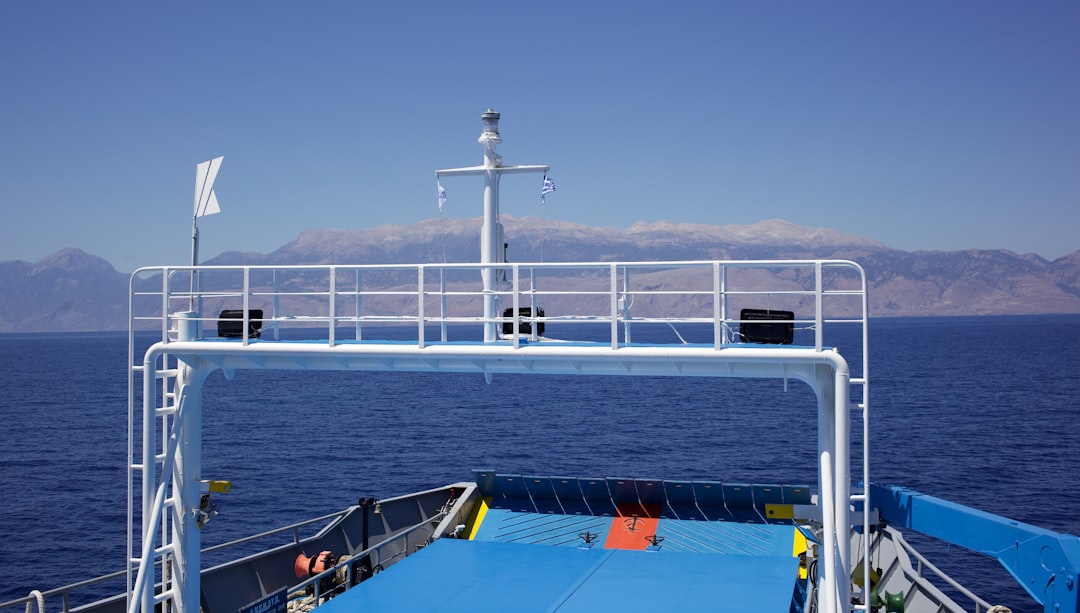
Photo by Matt Foxx on Unsplash
Island chains seduce you into bad decisions. On a map, the dots look close. In reality, each transfer has a hidden tail: hotel checkout, ride to the port, early arrival for boarding, possible wind delay, docking, luggage retrieval, and the slow shuffle into a new town where you still need to find lunch, water, and your room key. That is why a smart island hopping itinerary feels smooth before it feels ambitious.
There is also a rhythm problem. Some islands want sandals, slow breakfasts, and two-night minimums. Others reward short, vivid stays because the center is compact and the signature sights are easy to reach. Mixing those personalities without thought is what creates route fatigue. You do not need more islands; you need the right alternation between energy and rest.
When people ask me how to plan island hopping, I usually tell them to ignore the postcard hierarchy for a moment and focus on friction. The perfect route is the one with the fewest awkward backtracks, the fewest pre-dawn departures, and the highest number of afternoons that still belong to you.
Before you lock anything in, test your route against these questions:
- How many transfer days are you willing to spend in transit clothing rather than swimwear
- Do you prefer one scenic long crossing or several short hops
- Are you comfortable with small-boat movement if the sea gets choppy
- Does the route move in one clear direction, or does it boomerang
- Is there a buffer day before your international flight home
- Are you arriving in high season, shoulder season, or the weather-sensitive edge months
- Can you easily replace one island if an inter-island ferry is cancelled
A strong route should pass one simple test: if one ferry schedule changes, the whole trip should bend, not break.
Choose the best island hopping destinations for your style
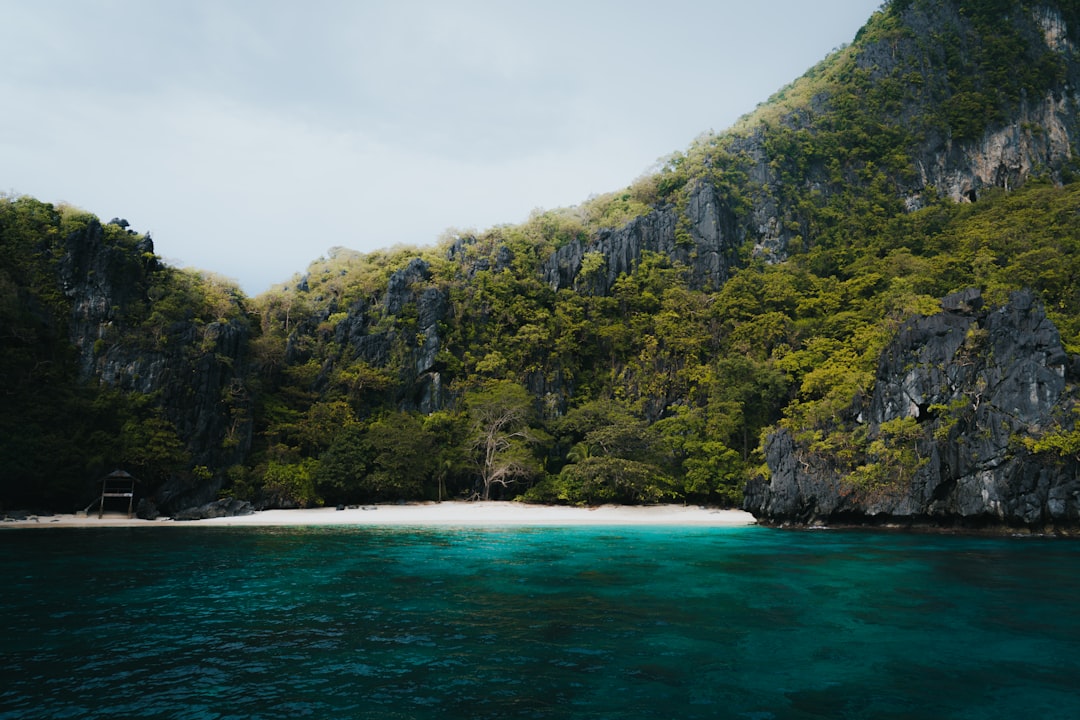
Photo by Matthew Stephenson on Unsplash
Not every archipelago behaves the same way. Some regions are made for first-timers, with dense ferry networks, short crossings, and forgiving infrastructure. Others are better for travelers who already know their pace and can handle the fact that a weather shift may reorder the week. The best island hopping destinations are not universally best; they are best for a certain kind of traveler, season, and tolerance for movement.
Mediterranean routes usually feel easiest because distances are short and ports are integrated into daily life. Southeast Asian routes often offer better value and dramatic scenery, but transfer quality can vary more from island to island. Indian Ocean routes are stunning and polished, though your island hopping budget climbs fast once high-speed ferries and resort transfers enter the picture.
If you are still figuring out how to plan island hopping, use this table as a filter rather than a fantasy board. Pick the region whose logistics match the kind of holiday you actually want.
| Region | Best months | Transfer style | Why it works | Typical daily budget |
|---|---|---|---|---|
| Greek Cyclades | May to June, September | Fast ferry and conventional ferry | Easy port infrastructure, iconic villages, strong food scene | €120 to €280 |
| Croatia Dalmatian Coast | May to June, September | Catamaran and ferry | Short hops, medieval towns, clear sequencing from Split southward | €130 to €300 |
| Thailand Andaman | November to April | Ferry, speedboat, van combo | Warm seas, great value, varied island personalities | €60 to €180 |
| Philippines Visayas | December to May | Fast ferry and short domestic flights | Excellent snorkelling, relaxed pacing, strong value | €55 to €170 |
| Canary Islands | October to April | Ferry plus regional flight | Year-round sunshine, volcanic scenery, excellent roads | €100 to €240 |
| Seychelles inner islands | April to May, October to November | Fast ferry and hotel transfer | Low-friction luxury, postcard beaches, compact route structure | €220 to €700 |
A few guiding patterns help narrow the field:
- Choose Greece if you want a classic island hopping itinerary with strong ferry culture and the easiest learning curve
- Choose Croatia if you want port-to-old-town convenience and shorter crossing times
- Choose Thailand if your island hopping budget matters as much as scenery
- Choose the Philippines if reefs, waterfalls, and scooter days sound better than designer beach clubs
- Choose the Canaries if you want winter sun and do not mind mixing ferries with flights
- Choose Seychelles if you want fewer islands, higher comfort, and a route that feels polished from start to finish
For first-timers, three regions consistently offer the cleanest learning curve: the Cyclades, the Dalmatian Coast, and the Andaman Sea. They reward restraint, have enough connections to recover from mistakes, and make it easier to understand how to plan island hopping without learning on the hardest possible stage.
How to get there

Photo by Volodymyr Hryshchenko on Unsplash
The cleanest route often begins with one smart gateway decision. This is where many travelers lose shape before the holiday even starts: they land at the wrong airport, choose the wrong port, or book a same-day onward ferry after an overnight flight. If you want to master how to plan island hopping, treat the gateway city as part of the route, not dead space at the edge of it.
For most archipelagos, the first day works best when it is intentionally soft. Land, sleep near the port or airport, eat something local, and leave the sea crossing for the following morning. You will board calmer, and the whole trip starts with less haste. I usually sketch that first-night logic in TravelDeck before touching any booking site, because it makes transfer friction visible in a way inspiration boards never do.
These are some of the most practical worldwide gateways for popular island-hopping routes:
| Region | Gateway airport | First port or hub | Transfer from airport | First onward leg | Typical cost |
|---|---|---|---|---|---|
| Greek Cyclades | Athens Airport, ATH | Piraeus Port | Metro 60 to 70 min, about €9; taxi 40 to 60 min, about €45 to €60 | Piraeus to Paros 2 hr 50 min to 4 hr; Piraeus to Naxos 3 hr 20 min to 5 hr 30 min | Ferry €41 to €83 |
| Croatia Dalmatian Coast | Split Airport, SPU | Split Ferry Port | Shuttle or bus 35 to 45 min, €4 to €8; taxi 30 min, €30 to €40 | Split to Hvar 55 to 70 min; Split to Brač about 50 min | Ferry €20 to €30 |
| Thailand Andaman | Phuket Airport, HKT | Rassada Pier or Ao Po | Taxi 45 to 60 min, ฿700 to ฿900 | Phuket to Phi Phi 1 to 2 hr; Phuket to Koh Yao Yai 30 min speedboat | Ferry ฿450 to ฿900 |
| Philippines Visayas | Mactan-Cebu Airport, CEB | Cebu Pier 1 | Taxi 25 to 40 min, ₱250 to ₱400 | Cebu to Tagbilaran 2 hr; Cebu to Siquijor via Tagbilaran 4 to 5 hr total | Ferry ₱800 to ₱1,600 |
| Canary Islands | Tenerife South, TFS | Los Cristianos Port | Taxi 15 to 25 min, €20 to €35; bus 30 to 40 min, around €4 | Tenerife to La Gomera about 50 min | Ferry €42 to €55 |
| Seychelles | Mahé Airport, SEZ | Inter-Island Quay, Victoria | Taxi 20 to 25 min, €20 to €30 | Mahé to Praslin about 1 hr; Praslin to La Digue 15 min | Ferry €60 to €85 total |
Useful booking and official planning links:
- Greece ferries: Ferryhopper and destination basics at Visit Greece
- Croatia ferries: Jadrolinija and Krilo
- Thailand trip planning: Tourism Authority of Thailand
- Philippines travel basics: Philippines Travel
- Seychelles inspiration and logistics: Seychelles Tourism
A few gateway rules save disproportionate stress:
- Never book a same-day ferry after a long-haul arrival unless there are multiple later departures
- Sleep close to the departure port on your first and final nights whenever possible
- Double-check whether your port is the main port or a secondary seasonal pier
- Read the latest ferry schedule the night before, not just the week before
- On islands with speedboat transfers, pack so you can carry your own bag over short docks or floating pontoons
If the sea is the spine of the trip, the gateway is the vertebra that keeps it aligned.
Build an island hopping itinerary that flows
If you really want to understand how to plan island hopping, think like an editor. Cut repetition. Sequence contrast. Let each island add something new. A good island hopping itinerary should move from busiest to calmer, or from easiest transport to more remote scenery, without forcing you to retrace your steps just because one famous place is pulling at your attention.
The simplest structure is the 3-island rule. For a 7 to 10 day trip, three islands is the sweet spot. For 10 to 14 days, four islands can work if at least one transfer is short and one island is a slower base. Once you go beyond that, you are not automatically seeing more; you are often just unpacking more often.
When people ask me how to plan island hopping for the first time, I suggest building the route in layers rather than all at once. Start with geography. Then transport. Then pace. Only after that should hotels and restaurants come into play.
A simple route-building method
- Pick your anchor island first
- Add one contrast island
- Check onward connections before you fall in love with the map
- Decide your direction
- Protect one full buffer block
- Book critical legs first
A practical timing rule
Use this pacing guide for the majority of routes:
| Trip length | Ideal islands | Transfer days | Notes |
|---|---|---|---|
| 5 to 6 days | 2 islands | 1 to 2 | Best for a short Mediterranean break or Seychelles pair |
| 7 to 8 days | 3 islands | 2 | The classic first-time route |
| 9 to 11 days | 3 to 4 islands | 2 to 3 | Add a fourth only if one hop is very short |
| 12 to 14 days | 4 islands | 3 | Best when one island is used as a slow base |
There is one more trick that quietly improves almost every island hopping itinerary: put the most famous island at the beginning or the end, not in the middle. Famous islands often have the strongest transport links and the highest prices. They make good entry or exit points. Let the quieter islands hold the center of the trip, where your energy is fullest and your schedule can breathe.
How long to stay on each island
The sea can make short stays feel shorter. By the time you arrive, orient yourself, and decide where to swim, half a day is gone. That is why the most common routing error is the one-night island. It sounds efficient. It usually feels rushed. Unless the island is tiny and the arrival time is excellent, a one-night stay tends to turn the island into a transit lounge with prettier water.
How to plan island hopping well also means recognizing island type. Some islands are day-trip islands. Some are two-night islands. Some reveal themselves only on the second late afternoon, when you stop trying to finish them. If your island hopping budget allows it, buy time rather than more boat tickets.
A useful rule of thumb:
- 1 night only for a transit island with near-perfect timing and a walkable port town
- 2 nights for compact islands with one main settlement and a few signature beaches or viewpoints
- 3 nights for islands where you want beach time plus one boat day or inland exploration
- 4 nights or more for road-trip islands, diving islands, or places where weather may affect excursions
Use island personality, not island fame, to decide duration:
| Island type | Examples | Best stay length | Why |
|---|---|---|---|
| Port-town islands | Hvar Town, La Digue | 2 to 3 nights | Easy arrivals, quick access to main sights |
| Beach-and-cove islands | Milos, Koh Lanta | 3 nights | You need time for moving between beaches and one weather-flex day |
| Adventure islands | Naxos, Bohol, La Palma | 3 to 4 nights | Room for hiking, scooters, inland villages, or day tours |
| Resort-led islands | Praslin, private islets in Maldives-style systems | 2 to 4 nights | Less transit friction, more value from slower pace |
If you are still unsure how to plan island hopping, be conservative with movement. Nobody comes home saying they ruined a trip by having one sunset too many from the same terrace.
Sample routes in the best island hopping destinations
Theory is useful, but routes become real only when you can see the sequence. The best way to learn how to plan island hopping is to study a few routes that actually breathe well. Each of the four options below works because it respects direction, transport logic, and mood contrast.
1. Greece: Athens to Paros to Naxos to Milos
This is the Mediterranean starter route I recommend most often. It begins with Athens because flights into ATH are frequent and the transfer to Piraeus is straightforward. Paros makes a gentle opening: whitewashed lanes in Naoussa, beach clubs if you want them, village quiet if you do not. Naxos comes next because it is broader, greener, and more grounded, with mountain villages and superb food. Milos finishes the route with a cinematic flourish of rock formations, hidden coves, and boat-only beaches.
This sequence also solves a common problem in how to plan island hopping around famous places: it avoids putting the most logistically awkward island first. Ferries between Paros and Naxos are frequent, often under 1 hour. Naxos to Milos can take 2 to 4 hours depending on vessel type. The route feels like it is opening out rather than tightening.
Suggested timing:
- Night 1 in Athens near Piraeus or central Athens
- 2 nights Paros
- 3 nights Naxos
- 3 nights Milos
- Optional final night in Athens before flying home
Expected costs in shoulder season:
- Ferries: about €90 to €180 total per person
- Mid-range hotels: €120 to €220 per night
- Scooter or small car on Naxos and Milos: €25 to €55 per day
- Tavern lunch with wine: €18 to €35 per person
2. Croatia: Split to Brač to Hvar to Korčula to Dubrovnik
If you love old stone harbors, cathedral bells, grilled fish, and swims that happen almost by accident, this route is hard to beat. Split is the natural launchpad. Brač offers an easy warm-up, with access to Zlatni Rat near Bol and a calmer first island feel. Hvar shifts the mood upward with elegant waterfront energy, sunset bars, and nearby coves. Korčula then slows the pulse with wine country, a handsome old town, and a quieter rhythm that makes Dubrovnik feel like a grand finale instead of a crowded detour.
This route demonstrates how to plan island hopping with a clear direction. You are not pinballing around the Adriatic. You are slipping south. Catamarans tend to be reliable in season, but the ferry schedule still tightens outside summer, so check departure days carefully before locking hotels.
Suggested timing:
- 1 night Split
- 2 nights Brač
- 2 or 3 nights Hvar
- 2 nights Korčula
- 1 or 2 nights Dubrovnik
Expected costs in shoulder season:
- Ferries: €55 to €110 total per person
- Mid-range hotels: €130 to €240 per night
- Car or scooter hire on Brač and Korčula: €30 to €60 per day
- Konoba dinner with local wine: €22 to €45 per person
3. Thailand: Phuket to Koh Phi Phi to Koh Lanta to Krabi
This is a tropical route built on contrast. Phuket gives you flights, supplies, and a practical start, especially if you stay in Phuket Old Town rather than a beach strip. Koh Phi Phi is your bright, vertical, dramatic stop: limestone walls, turquoise bays, long-tail boats thumping at the pier. Koh Lanta is the exhale that follows, with longer beaches, easier scooter movement, and quieter evenings. Krabi closes the route with convenient airport access and boat options to Railay, Hong Islands, or a final lazy beach day.
For anyone learning how to plan island hopping on a tighter budget, Thailand is deeply instructive. Costs stay manageable, food is easy, and the route can be upgraded or simplified as needed. The main watchpoint is weather: the Andaman side shines in the dry season, while monsoon months can distort the ferry schedule fast.
Suggested timing:
- 1 night Phuket Old Town or near the pier
- 2 nights Koh Phi Phi
- 3 nights Koh Lanta
- 2 nights Krabi or Railay base
Expected costs in dry season:
- Boat and van transfers: ฿1,500 to ฿3,000 total per person
- Mid-range hotels: ฿1,800 to ฿4,500 per night
- Scooter rental: ฿250 to ฿350 per day
- Street food meal: ฿80 to ฿180; sit-down seafood dinner: ฿300 to ฿800 per person
4. Philippines: Cebu to Bohol to Siquijor to Cebu
This route feels lush, friendly, and pleasantly unhurried. Cebu is the practical entry point, but the holiday begins when the ferry slides into Tagbilaran and the air changes. Bohol gives you reef trips, Panglao beaches, the Chocolate Hills inland, and tarsier country if you are curious. Siquijor is the route-maker: calm roads, cliff jumps, waterfalls, and a strange silver-green light in the late afternoon that makes the whole island feel gently unreal. Returning to Cebu for the flight home keeps the structure clean.
This route is also a great lesson in how to plan island hopping around boat fatigue. Instead of stacking too many islands, it pairs a more developed island with a slower one. The inter-island ferry links are manageable, the island hopping budget is forgiving, and the overall mood stays soft.
Suggested timing:
- 1 night Cebu City or Mactan on arrival if needed
- 3 nights Bohol or Panglao
- 3 nights Siquijor
- Final night Cebu if flight timing requires it
Expected costs in dry season:
- Ferries: ₱1,600 to ₱3,200 total per person
- Mid-range hotels: ₱3,000 to ₱7,000 per night
- Scooter rental: ₱350 to ₱500 per day
- Local meal: ₱180 to ₱350; seafood dinner: ₱500 to ₱1,200 per person
Things to do
A route becomes memorable when each island has one anchor experience worth arranging your day around. Without that, islands blur into beaches and breakfast buffets. The trick is not to overschedule. Pick a few moments that feel rooted in place: a market with a particular smell of oregano or diesel, a lookout reached by scooter, a beach whose color changes by the hour, a waterfront meal that belongs to that coast and nowhere else.
The best island hopping destinations reward sensory planning. You do not just move for scenery. You move for texture: church bells in a stone alley, wet ropes on a quay, grilled octopus smoke, salt drying on your skin after the ferry. Build around those details and the whole island hopping itinerary becomes sharper.
Here are eight anchor experiences worth routing around:
- Watch sunset from the Portara on Naxos, Greece
- Swim at Sarakiniko on Milos, Greece
- Climb Fortica Fortress in Hvar Town, Croatia
- Take a boat into the Blue Cave from Vis or nearby routes in Croatia
- Circle Phi Phi Leh by long-tail boat, Thailand
- Snorkel Balicasag Island from Panglao, Bohol
- Swim at Anse Source d'Argent on La Digue, Seychelles
- Wander Mercado Central and the old harbor lanes in Split, Croatia
Where to stay
On an island route, location matters more than hotel glamour. A beautiful room far from the port can become annoying on transfer day, while a simpler room near the waterfront may quietly save the trip. When your island hopping budget is limited, spend on the islands where you will linger and save on gateway nights where you only need a clean bed, strong air-conditioning, and a reliable early check-out.
The following options are useful because they fit the logic of route travel. Prices are typical ranges for a double room in shoulder season and can rise sharply in July, August, Christmas, and New Year periods.
| Budget | Why it works | Typical price |
|---|---|---|
| Pella Inn Hostel, Athens | Good-value base before Piraeus departures, walkable to Monastiraki | €45 to €75 |
| En Route Hostel, Split | Practical for ferry connections, clean dorms and private rooms | €35 to €60 |
| Bodega Phuket Party Hostel, Phuket Old Town | Affordable first-night stop near transport and food streets | ฿700 to ฿1,400 |
| Mid-range | Why it works | Typical price |
|---|---|---|
| Argo Boutique Hotel, Naxos Town | Walkable from the port, polished but not overdone | €110 to €180 |
| Hotel Luxe, Split | Near port and old town, ideal for arrival or departure nights | €140 to €220 |
| Coco Grove Beach Resort, Siquijor | Strong beach setting with enough comfort for a slower stay | ₱5,500 to ₱8,500 |
| Luxury | Why it works | Typical price |
|---|---|---|
| Domes White Coast Milos | Quiet adults-focused base for a final Greek island flourish | €380 to €700 |
| Maslina Resort, Hvar | Design-led luxury with a more restful Hvar atmosphere | €450 to €900 |
| Six Senses Zil Pasyon, Seychelles | A splurge route centerpiece when the island itself is the experience | €1,400 and up |
If you are traveling with friends, villa math can change the equation fast, but so can decision fatigue. For the social side of splitting rooms, departure times, and shared expectations, it is worth reading Group Travel Rules 2026: Plan a Friends Trip That Flows.
Where to eat
Island travel is one of the best excuses in the world to eat according to arrival times rather than restaurant rankings. Some of the best meals happen an hour after docking: warm bread, cold beer, grilled fish, tomatoes that taste sun-struck, and whatever the local ferry crowd is quietly ordering. Food also tells you what kind of island you are on. Olive oil-heavy Greek tables, black risotto on the Adriatic, sharp herb-and-lime heat in Thailand, coconut and vinegar notes in the Philippines, cinnamon and vanilla drifting into Creole sauces in Seychelles.
When planning meals, avoid overengineering. Keep one special dinner per island, then fill the rest of the trip with tavernas, markets, harborside grills, and bakeries. That is usually where place still tastes like itself.
Reliable stops and dishes to build around:
- Varvakios Central Market, Athens: seafood counters, spices, and no-nonsense tavernas nearby for grilled sardines and meze
- Maro's Taverna, Naxos Town: generous island cooking, especially slow-cooked meats, local potatoes, and house wine
- Konoba Fetivi, Split, Tomića Stine 4: classic Dalmatian plates such as black risotto and pašticada in a warm neighborhood setting
- Dalmatino, Hvar Town, Sveti Marak 1: a polished but still lively dinner spot for fresh fish and local wines
- One Chun Cafe, Phuket Town: southern Thai comfort dishes, crab curry, and excellent first-night food before the islands
- Baha Bar, Maite, Siquijor: easy tropical evenings, seafood, and cocktails near the beach road
- Bohol Bee Farm, Panglao: good for breakfasts, salads, spreads, and a break from all-fried beach fare
- Marie Antoinette Restaurant, Victoria, Mahé: a classic place to taste Creole dishes before or after Seychelles ferry legs
A small food rule that improves any island hopping itinerary: eat the regional specialty closest to the port on day one. It grounds you immediately.
Practical tips
How to plan island hopping well is really the art of protecting your energy. Weather, salt, ferry noise, sun exposure, and repeated check-ins all add up. The smoother you make the practical side, the more the trip feels cinematic instead of logistical.
Season matters more than people think. Not just for sunshine, but for sea state, frequency of connections, and whether your route can remain flexible without becoming expensive. An inter-island ferry that runs three times a day in June may run once a day, or not at all, in the fringe months. The ferry schedule is not background noise; it is your timetable, your backup plan, and sometimes your weather report.
Use this month-by-month snapshot as a first filter for route design:
| Month | Best route ideas | Notes |
|---|---|---|
| January | Canary Islands, Seychelles, Thailand Andaman | Warm-weather winners; Mediterranean routes are limited |
| February | Canary Islands, Seychelles, Thailand Andaman | Good for winter sun; book tropical school-holiday periods early |
| March | Thailand Andaman, Seychelles, early Canaries | Shoulder value begins improving in some regions |
| April | Greece starts waking up, Croatia late month, Seychelles | Easter periods can raise prices sharply |
| May | Greece, Croatia, Seychelles, Philippines | One of the best months worldwide for balance |
| June | Greece, Croatia, Philippines, Seychelles | Excellent sea conditions in many regions; rising prices late month |
| July | Greece, Croatia, Philippines select areas | Peak crowds in Europe; reserve ferries early |
| August | Greece, Croatia, Canary Islands | Hot, busy, expensive; plan extra buffer for ports |
| September | Greece, Croatia, Philippines, Seychelles | Arguably the sweet spot for many island routes |
| October | Canaries, Seychelles, Greece early month | Great light, thinner crowds, but watch late-season schedule cuts |
| November | Thailand Andaman, Canaries, Seychelles | Mediterranean ferry schedule contracts |
| December | Thailand Andaman, Seychelles, Canaries | Festive season means higher prices and earlier sell-outs |
Packing, money, customs, and connectivity
After a few transfers, heavy luggage stops feeling luxurious and starts feeling theatrical. Pack for mobility first.
- Use one carry-on suitcase or a 35 to 45 liter backpack, plus a small day bag
- Bring quick-dry clothing, a thin layer for windy decks, and sandals that can handle wet docks
- Carry cash for small ports, taxis, and bakeries even if cards are widely accepted
- Download ferry tickets, hotel confirmations, and passport copies offline
- If you are crossing time zones before starting a tropical route, reset sleep early with help from Best Jet Lag Remedies 2026 for Safer, Sharper Arrivals
- Learn the basics of greetings, queue etiquette, and dining customs before moving through multiple islands or countries; Travel Etiquette by Country: 2026 Customs for First Encounters is a useful refresher
Safety and route logic
Most island routes feel relaxed, but the sea deserves respect.
- Keep one dry pouch for passport, phone, card, and medication during every transfer
- Sit outside only if you can tolerate sun and wind for the full crossing
- If you get seasick, take medication 30 to 60 minutes before departure, not after the boat starts rolling
- Never rely on the last departure of the day if you have a flight the following morning
- On scooter-heavy islands, avoid riding unfamiliar roads after dark if you have been swimming all day and are sun-tired
- Photograph luggage tags and ferry stubs in case bags are stacked quickly on boarding
A realistic island hopping budget
An island hopping budget has four moving parts: long-haul transport, local transport, sleep, and spontaneous extras. The last one matters more than many travelers expect. Boats to hidden coves, scooters, snorkel hire, harbor cocktails, and last-minute taxi rides can quietly add 20 to 30 percent.
Use this rough planning frame per person, excluding international flights:
- Budget route in Thailand or the Philippines: €60 to €110 per day
- Mid-range Mediterranean route: €140 to €250 per day
- Comfortable Croatia or Greece with a few upgraded stays: €220 to €350 per day
- Seychelles or premium island routes: €300 and up per day
If you want one place to splurge, make it the slowest island in the route, not the most connected one.
FAQ
How many islands should I visit in one trip?
If you are asking how to plan island hopping for a 7 to 10 day holiday, the best answer is usually three islands. That gives you enough movement to feel variety without turning the route into a sequence of checkouts. Two islands works well for shorter breaks. Four islands is possible for longer trips, but only when the transport links are short and reliable.
Should I book ferries in advance?
Yes for high season, weekends, holiday periods, and major legs that would break the route if missed. For flexible shoulder-season travel, you can sometimes leave shorter hops open. The key is to identify which inter-island ferry is essential and lock that one first. Always recheck the ferry schedule 24 hours before departure.
Is island hopping expensive?
It can be, but it does not have to be. Your island hopping budget depends more on region and pace than on the concept itself. Thailand and the Philippines can be very affordable. Greece and Croatia cost more, especially in peak summer. The biggest hidden expenses are not always hotels; they are taxis, bag fees, private transfers, and eating every meal in waterfront hot spots.
What happens if bad weather cancels a ferry?
This is exactly why buffer time matters. If weather is unstable, do not book a non-refundable hotel on a final island the night before your flight unless there are multiple alternative connections. Keep one flexible night somewhere central, carry offline booking records, and know your backup path by road, alternative port, or domestic flight if the region offers one.
Are ferries always better than flights?
No. Ferries are better when crossings are scenic, frequent, and under a few hours. Flights are better when distances are long, seas are unpredictable, or the ferry schedule is thin. The Canaries and the Azores, for example, often work best as hybrid routes. The smart question is not ferry versus flight in general; it is which one protects the shape of your itinerary.
A perfect island route is strangely modest. It does not try to win. It leaves room for wind, for long lunches, for the beach you did not expect to love, for the port town you only meant to pass through. That is the quiet secret of how to plan island hopping: the route should feel less like conquest and more like current. When it does, you stop counting islands and start remembering light.