Adventure travel has matured. The real rush in 2026 is not simply jumping off things, but choosing the right landscape for the kind of fear you actually enjoy. The best adventure travel destinations 2026 are not interchangeable. A glacier rope team in Iceland taxes you differently than a jungle raft in Costa Rica, and a wind-battered hike in Patagonia asks for a different nerve than a canyon swing above a New Zealand river.
What follows is not another generic round-up of everywhere and everything. It is a field guide to five famous places where terrain shapes the entire trip: Queenstown for polished multi-sport chaos, Iceland for lava and ice, Nepal for altitude and mental steadiness, Patagonia for weather and endurance, and Costa Rica for humid, fast-moving jungle energy. If you sketch these routes in TravelDeck, the contrast becomes obvious very quickly: same appetite for intensity, five completely different travel rhythms.
That matters because thrill seeker travel goes wrong when travelers pick a place for the headline activity instead of the full on-the-ground experience. The best canyoning town may be a bad fit if you hate cold water. The most photogenic summit may feel miserable if you do not enjoy long approaches. So instead of chasing vague superlatives, use this guide to match the sensation you want most: freefall, exposure, wind, current, altitude, or cold. That is the simplest way to compare adventure travel destinations 2026 honestly.
| Destination | Signature rush | Best for | Typical daily budget | Ideal trip length | Best months |
|---|---|---|---|---|---|
| Queenstown, New Zealand | Bungy, jet boating, alpine biking | First-timers to experts | US$180-450+ | 4-6 days | Dec-Mar |
| Iceland South Coast | Glacier travel, ice caves, super jeeps | Intermediate cold-weather adventurers | US$250-500+ | 4-7 days | Nov-Mar for ice, Jun-Sep for Highlands |
| Pokhara and Annapurna, Nepal | Trekking, paragliding, rafting | Endurance-focused travelers | US$45-180 | 7-14 days | Oct-Nov, Mar-Apr |
| Puerto Natales and Torres del Paine, Chile | Multi-day hiking, wind, kayaking | Strong hikers | US$160-500+ | 5-8 days | Nov-Mar |
| La Fortuna and Arenal, Costa Rica | Rafting, ziplining, canyoning | Warm-weather adrenaline lovers | US$110-350+ | 4-7 days | Dec-Apr, Jul-Aug |
If you already know the sport more than the place, the discipline-first angle in Best Places for Adventure Sports in 2026: 6 Epic Hubs is useful. This guide does something different: it helps you choose the destination itself, with all the practical texture that turns a flashy idea into a trip you can actually enjoy.
How to choose outdoor adventure destinations by terrain
Photo by Luca Bravo on Unsplash
The first question is not how brave you are. It is what kind of discomfort you tolerate well. Some people love speed but hate exposure. Some love hiking all day but dislike technical kit. Others want wilderness, but not cold, logistics, or the patience required for weather delays. Outdoor adventure destinations become much easier to evaluate once you stop treating adventure as one category.
Think about the rhythm of each place. Queenstown runs like a high-functioning machine: bookable slots, short transfers, polished operators, easy post-adventure meals. Iceland feels elemental and cinematic, but it is expensive and weather can erase a plan before breakfast. Nepal rewards patience and effort; the payoff comes after hours or days of gaining altitude. Patagonia is a test of grit as much as scenery. Costa Rica is the most instantly playful of the group, where a thrilling morning can still end with tropical fruit and hot rain on the roof.
Before you commit, ask yourself these five questions:
- Do I want one spectacular activity or several in a row?
- Am I excited by cold, altitude, heat, or none of the above?
- Is my idea of challenge technical skill, physical endurance, or simple courage?
- How much weather uncertainty can I accept without ruining the trip?
- Do I want comfort between adventures, or do I want the rough edges too?
A quick rule helps. Choose Queenstown for multi-sport adventure, Iceland for cold drama, Nepal for altitude focus, Patagonia for raw distance, and Costa Rica for warm-water adrenaline trips. If you want help setting a realistic overall spend before you book flights and excursions, Trip Cost Breakdown for 2026: Build a Budget That Fits Real Life pairs well with the estimates below.
Queenstown, New Zealand: the cleanest version of adrenaline trips
Active Adventures
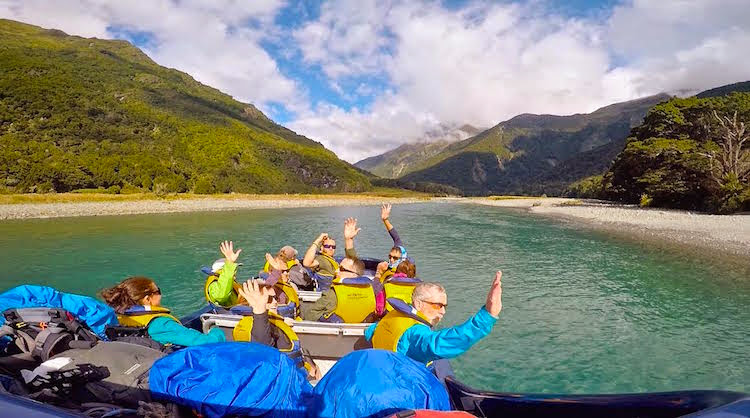
Queenstown feels built by people who asked what would happen if a resort town and an extreme sports lab merged beside a blue lake. You arrive to a view that looks almost too tidy to be real: Lake Wakatipu flashing silver, steep hills dropping straight into town, gondolas moving above the rooftops, speedboats cutting white seams across the water. Then the sound starts to register. Helicopters. Braking mountain bikes. The sudden scream from a swing or zipline. It is one of the few places where adrenaline trips can feel both wild and exceptionally organized.
That polish is exactly why Queenstown deserves a place among the best adventure travel destinations 2026. You can stack activities without losing full days to transport or confusion. A bungy jump in the morning, a jet boat at noon, and a skyline dinner at sunset is not marketing fantasy here; it is a fairly normal day. The operators are experienced, the briefings are crisp, and even nervous first-timers usually find the environment calming because everything works.
But Queenstown is not only for people collecting screams. Stay an extra day or two and the town starts to reveal a deeper identity: long ridgelines above town, superb day hikes, Arrowtown gold-rush charm, vineyard detours in Gibbston, and alpine roads that make even the airport transfer feel cinematic. It is the easiest gateway in this guide for travelers who want a high concentration of action without giving up good coffee, good beds, and easy logistics.
Why Queenstown works so well:
- Best sensation: controlled fear, speed, and fast resets between activities
- Best for: couples, friend groups, confident solo travelers, first-time extreme sport testers
- Hardest part: prices rise quickly once you stack signature activities
- Ideal trip style: 4 to 6 days with one weather buffer day
Iceland's South Coast: volcanoes, glaciers, and cold-weather thrill seeker travel
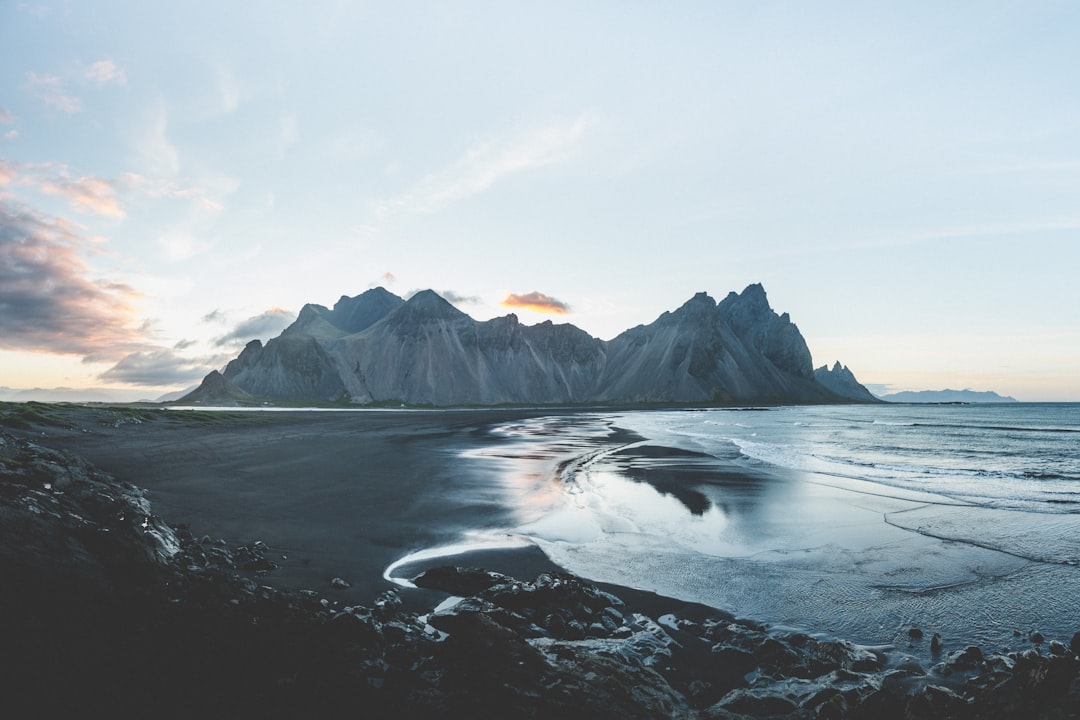
Photo by Norris Niman on Unsplash
Iceland does not feel adventurous because someone installed a platform over a canyon. It feels adventurous because the land itself seems unfinished. Steam drifts where it should not. Rivers carry glacier milk the color of cloudy jade. Black sand beaches absorb light instead of reflecting it. In winter, daylight arrives late and leaves early, making even a short drive feel cinematic. For thrill seeker travel, that atmosphere matters. Every excursion feels larger than the activity itself.
Among adventure travel destinations 2026, Iceland stands apart because it offers geological drama at close range without demanding expert-level skills from every visitor. With a certified guide, relatively fit travelers can walk on ice, enter a cave system carved by meltwater, snowmobile across a glacier, or descend into volcanic terrain that feels lifted from another planet. The contrast is the thrill: fire and ice, warmth and exposure, stillness and sudden weather.
The trade-off is cost and unpredictability. Iceland can be brilliant in the morning and fully rearranged by wind by lunch. That is not a flaw; it is part of the compact you make with the island. If you like your adventures polished and punctual, Queenstown is easier. If you want elemental scale, lava fields, and the crackle of crampons on blue ice, Iceland hits a deeper note than most outdoor adventure destinations ever reach.
What Iceland does best:
- Best sensation: cold exposure, unstable weather, huge visual payoff
- Best for: photographers, winter travelers, hikers who want technical flavor without a full expedition
- Hardest part: food, fuel, and tours can push a modest budget hard
- Ideal trip style: 5 to 7 days with a rental car or guided small-group base
Pokhara and Annapurna, Nepal: altitude, patience, and earned exhilaration
Nepal changes the pace completely. You do not come here for neat scheduling or easy certainty. You come for the slow build: prayer flags snapping in clean air, suspension bridges over deep river gorges, tea houses smelling of garlic soup and damp boots, the first true view of a snow ridge after a day of climbing through rhododendron forest. High-altitude thrill seeker travel is not always loud. Often it arrives as focus, breath, and the sharpened awareness that comes when your body knows exactly how high it is.
That is why Nepal belongs in any serious look at adventure travel destinations 2026. The Annapurna gateway around Pokhara lets you combine several forms of adventure in one region: paragliding above Phewa Lake, short but steep ridge hikes, multi-day treks, mountain biking, and white-water rafting on nearby rivers. Unlike places where the thrill is compressed into ninety seconds, Nepal stretches it out. The anticipation becomes part of the experience.
Pokhara itself helps. After Kathmandu, it feels almost soft at first: lakefront cafés, boats drifting at dusk, gear shops, bakery windows, and a skyline that turns brutal and beautiful once the clouds lift. Then you go higher, and the scale reasserts itself. Annapurna, Machhapuchhre, and Mardi Himal make everything human feel temporary. Of all the places in this guide, Nepal asks the most respect and gives the most profound emotional return for travelers who enjoy effort as much as payoff.
Why Nepal stays with people:
- Best sensation: altitude, endurance, and growing confidence over several days
- Best for: trekkers, paragliders, travelers who want culture and physical challenge together
- Hardest part: acclimatization, changing mountain weather, and longer trip length
- Ideal trip style: 8 to 14 days, especially if trekking beyond a day hike
Patagonia: wind, distance, and extreme adventure vacations with real edges
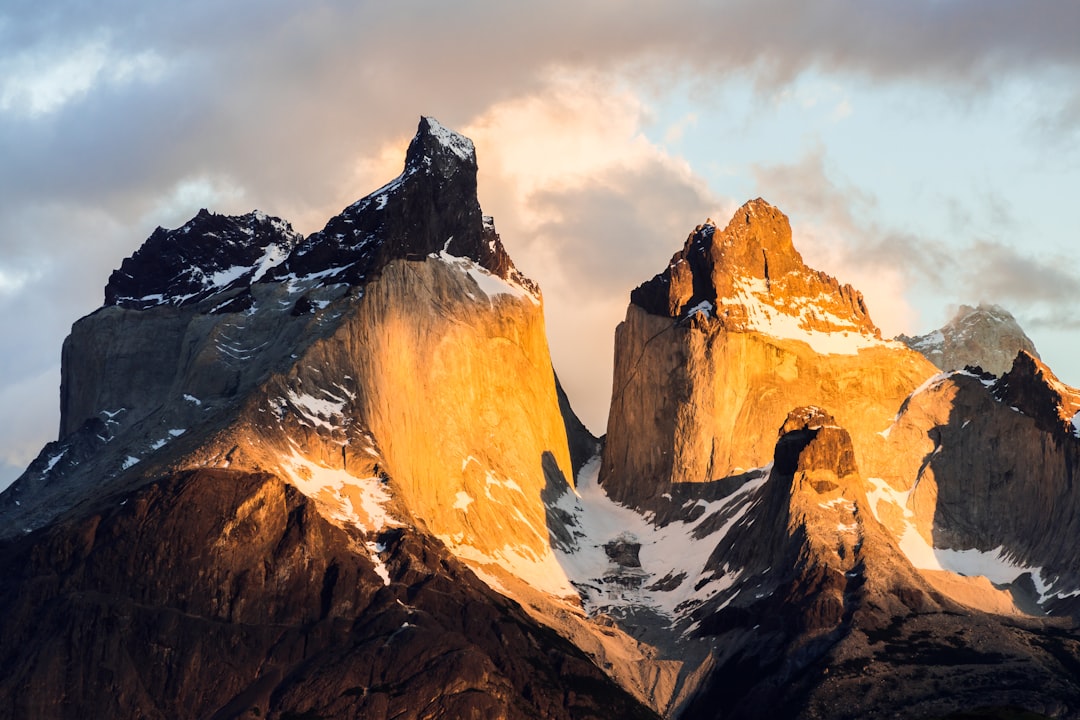
There are dramatic places, and then there is Patagonia, where the weather itself feels like an active participant. The wind does not merely blow; it shoves, rattles, slaps tent fabric, and turns a simple lakeshore walk into a conversation with your own balance. The light can switch from silver to steel in minutes. Torres del Paine and the wider southern landscape have a stripped, muscular beauty that makes many famous mountain destinations feel almost decorative by comparison.
For travelers comparing adventure travel destinations 2026, Patagonia offers something increasingly rare: a sense that the landscape still has the final word. Trails are well-known and park systems are established, but the region never feels domesticated. A hike to the Towers, a kayak near Glacier Grey, or even a long drive across open steppe carries a feeling of exposure that defines the trip. This is where extreme adventure vacations become less about flashy stunts and more about stamina, weather judgment, and keeping your mood steady when conditions turn.
The reward is enormous. Torres catching sunrise color above the moraine. Icebergs knocking softly together on a lake. Guanacos moving in profile against yellow grass. A bowl of hot stew in Puerto Natales after a day that left salt on your lips and grit in your teeth. Patagonia is not efficient, and that is part of its power. If you want adventure to feel earned rather than packaged, few outdoor adventure destinations go this hard while still remaining accessible to strong non-experts.
Why Patagonia delivers:
- Best sensation: exposure, weather, distance, and deep wilderness mood
- Best for: hikers with decent fitness, photographers, travelers who like rough beauty over convenience
- Hardest part: wind, booking pressure in peak months, and expensive park logistics
- Ideal trip style: 5 to 8 days minimum, longer if doing the W Trek
Costa Rica's Arenal corridor: jungle soundtracks, hot rain, and fast water
Costa Rica is the most instantly joyful place in this guide. Adventure starts in the air: wet heat when you step out of the shuttle, the smell of leaves and volcanic soil, howler monkeys sounding like broken engines beyond the treeline, and sudden views of Arenal rising above green folds of forest. Even before the first activity, the place feels charged. Rivers look runnable. Canyons look descendable. Bridges feel like invitations.
That energy is why Costa Rica keeps earning its place among the best adventure travel destinations 2026. Around La Fortuna and the wider Arenal corridor, you can build a week around rafting, canyoning, ziplining, waterfall hikes, hanging bridges, and thermal springs without ever feeling like the destination is only a theme park. The jungle is always present: dripping, buzzing, steaming, and beautifully alive. For adrenaline trips, the combination of high activity density and warm-weather ease is hard to beat.
Costa Rica also works well for mixed groups. One traveler can rappel beside a waterfall while another takes a gentler hanging-bridge walk and both meet again for a late lunch of gallo pinto, plantains, and fresh juice. It is one of the few outdoor adventure destinations where serious activity and broad accessibility coexist naturally. If Queenstown is the efficient alpine version of multi-sport adventure, Arenal is the tropical version, with more humidity, more birdsong, and more river noise.
Why Costa Rica is such a strong bet:
- Best sensation: warm-water speed, jungle immersion, and short transfer times between thrills
- Best for: first-time rafters, active couples, families with mixed risk tolerance, repeat adventure travelers
- Hardest part: rain can reshape plans fast, and popular tours sell out in high season
- Ideal trip style: 4 to 7 days based in La Fortuna, with optional rafting add-ons elsewhere
How to get there
Getting to these adventure travel destinations 2026 is part of the planning puzzle, because transfer friction changes the feel of the whole trip. Queenstown and La Fortuna are relatively forgiving once you land. Patagonia and Annapurna require more patience. Iceland is easy to enter and surprisingly time-hungry once weather, winter roads, and daylight are factored in.
A good rule is to cost the last mile, not just the international flight. Many travelers obsess over airfare and then underestimate the expensive bus, domestic hop, shuttle, or car hire that actually unlocks the trip. For remote or weather-sensitive places, build in a buffer day if the main activity matters deeply to you.
| Destination | Main arrival airport and code | Common route | Typical duration from gateway city | Typical one-way local cost |
|---|---|---|---|---|
| Queenstown | Queenstown Airport, ZQN | Fly via Auckland or Christchurch, then 15 min into town by taxi or shuttle | Auckland to Queenstown about 1 hr 50 min | Airport bus around NZ$10; taxi NZ$25-35 |
| Iceland South Coast | Keflavík Airport, KEF | Land near Reykjavík, drive Ring Road south to Vík or Skaftafell | KEF to Vík about 2.5-3 hrs; KEF to Skaftafell about 4.5-5 hrs | Rental car from about US$70-140 per day in season; bus to Vík often US$45-70 |
| Pokhara and Annapurna | Kathmandu Airport, KTM, then Pokhara Airport, PKR | Domestic flight or tourist bus to Pokhara, then road transfer to trek start | Flight 25-30 min; tourist bus 7-8 hrs | Flight usually US$105-130; tourist bus US$10-25 |
| Puerto Natales and Torres del Paine | Puerto Natales, PNT, or Punta Arenas, PUQ | Fly to Chilean Patagonia, then bus or transfer to Puerto Natales and the park | PUQ to Puerto Natales about 3 hrs by bus; Natales to park 1.5-2 hrs | Bus PUQ to Natales about US$10-18; Natales to park about US$15-25 |
| La Fortuna and Arenal | San José, SJO, or Liberia, LIR | Shared shuttle, private transfer, or rental car into Arenal | SJO to La Fortuna about 3-3.5 hrs; LIR to La Fortuna about 3 hrs | Shared shuttle US$55-65; private transfer US$180-240 |
Booking notes worth knowing:
- Queenstown flights rise sharply around southern summer holidays, school breaks, and ski season weekends.
- In Iceland, winter driving is realistic for cautious drivers, but storms can wipe out road confidence quickly. Check SafeTravel and road conditions daily.
- Nepal domestic flights can shift or cancel in poor weather. Keep valuable gear in a carry-on and allow slack before international departures.
- Patagonia bus schedules are straightforward, but park transport, refugios, and catamaran connections need early booking in peak season.
- Costa Rica transfer times look short on a map but road conditions and weather can slow everything down.
For compact gear planning on multi-stop routes, Carry On Packing Tips for Beach, City, Work, and Winter Trips is useful, especially if you are trying to travel with one bag plus rented technical equipment.
Things to do
The mistake in thrill seeker travel is chasing only the most famous activity in each place. The better move is to combine one iconic experience with one demanding physical outing and one slower scenic session that lets the landscape settle in. That mix keeps adrenaline trips from becoming a blur of harnesses and waiver forms.
Below are the activities that best express each destination, not just the ones with the loudest marketing. These are the outings that tell you what the place is really about: water speed in Queenstown, frozen texture in Iceland, altitude in Nepal, wind and distance in Patagonia, and warm, green verticality in Costa Rica.
Queenstown
- Kawarau Bungy Centre: the classic 43 m jump above the Kawarau River, from about NZ$205.
- Nevis Bungy or Nevis Swing: bigger, scarier, and a better choice if you want one signature fear memory; expect roughly NZ$275-315.
- Shotover Jet: a loud, thrilling river blast through narrow canyons, usually around NZ$169.
- Ben Lomond Track: a leg-burning hike with huge payoff over Lake Wakatipu; 6-8 hours return for fit hikers.
- Skyline Queenstown downhill biking or luge sessions: more playful than extreme, but a smart afternoon add-on.
- Day trip to Routeburn or Dart River area: excellent if you want a wilderness counterpoint to the town's engineered thrills.
Iceland South Coast
- Katla ice cave tour from Vík: one of the most accessible year-round ice-cave experiences, often US$190-230.
- Skaftafell glacier hike on Falljökull or nearby tongues of Vatnajökull: half-day guided hikes usually US$110-180.
- Snowmobiling on Mýrdalsjökull: cold, fast, and intensely atmospheric, often US$220-300.
- Super jeep day to Landmannalaugar in summer: rhyolite mountains, river crossings, and excellent hiking.
- Reynisfjara and Dyrhólaey viewpoints: not an extreme sport, but emotionally part of the South Coast experience. Keep far back from sneaker waves.
- Silfra diving or snorkeling near Þingvellir as a Reykjavík-side add-on if you want a tectonic-plate bragging right.
Pokhara and Annapurna
- Sarangkot paragliding: one of the world's most scenic tandem flights, typically US$70-120.
- Mardi Himal Trek: shorter than Annapurna Base Camp, but dramatic and efficient for big ridge views.
- Annapurna Base Camp trek: a classic for good reason, usually 5-8 days depending on route and pace.
- Upper Seti or longer river rafting trips: seasonal flow matters, but Nepal's river days are superb.
- Mountain biking above Pokhara: rougher and more rewarding than many visitors expect.
- Sunrise boat and paddle on Phewa Lake: not a high-adrenaline moment, but a perfect reset before another hard day.
Patagonia
- Base Torres hike: the iconic day hike, 18-22 km round trip depending on start point and campsite logistics.
- W Trek sections to French Valley and Glacier Grey: the region's best multi-day combination of effort and scenery.
- Kayak or boat near Glacier Grey: weather-dependent and unforgettable when conditions cooperate.
- Mirador Cuernos and Salto Grande area: easier mileage with huge visual return.
- Horseback riding from estancias near Puerto Natales: less extreme, more atmospheric, and a fine weather backup.
- Serrano River outings: a good way to experience Patagonia from water without full expedition commitment.
Costa Rica
- Arenal canyoning with waterfall rappels: one of the best-value rushes in the region, usually US$90-120.
- White-water rafting on the Balsa River for first-timers to intermediates: often US$75-110 with lunch.
- More challenging rafting on the Sarapiquí or Pacuare with the right operator and season.
- Sky Adventures or similar zipline circuits: fast, scenic, and polished.
- Arenal 1968 Trail and lava-flow viewpoints: a workout with the volcano always in frame.
- La Fortuna Waterfall: a steep stair climb both ways, plus a cold swim under dramatic jungle walls.
- Mistico Arenal Hanging Bridges at dawn: ideal if you want wildlife and a quieter morning between bigger activities.
Where to stay
A good adventure base is not only about price. It is about recovery. After a hard day, small details matter: drying space for gear, early breakfast, walkability, hot water that actually gets hot, and staff who understand that you may need a taxi at odd hours or a packed lunch before sunrise. For extreme adventure vacations, a slightly better room often buys better sleep, and better sleep buys better judgment the next day.
The ranges below are realistic planning numbers for 2026, but they move with season and availability. Book the premium months early: southern summer in New Zealand and Patagonia, winter weekends in Iceland, autumn trekking season in Nepal, and dry season in Costa Rica.
Queenstown
Budget, roughly NZ$55-120 per night:
- LyLo Queenstown: stylish hostel beds and compact private rooms, excellent central location.
- Nomads Queenstown Hostel: sociable, central, and useful for activity pickups.
Mid-range, roughly NZ$190-320:
- mi-pad Queenstown: compact, modern, strong location for travelers out all day.
- Kamana Lakehouse: hillside views and a more restful feel than staying in the center.
- Holiday Inn Express and Suites Queenstown: reliable comfort, good breakfast value.
Luxury, roughly NZ$620-1400+:
- The Rees Hotel: lakeside calm, excellent apartments, and strong service.
- Eichardt's Private Hotel: central and indulgent, ideal if you want full contrast to the day's risk.
Iceland South Coast
Budget, roughly US$95-170:
- The Barn near Vík: smart hostel design, easy access to South Coast sights.
- Giljur Guesthouse: simple countryside base with a quieter feel.
Mid-range, roughly US$220-360:
- Hótel Kría in Vík: stylish, comfortable, and well placed for early starts.
- Hotel Vík í Mýrdal: dependable base with easy road access.
Luxury, roughly US$420-750+:
- Fosshotel Glacier Lagoon: very strong location between Vík and Jökulsárlón.
- Magma Hotel: smaller-scale comfort in a haunting lava-field setting.
Pokhara and Annapurna
Budget, roughly US$10-30 in Pokhara, slightly more at better trail lodges:
- Zostel Pokhara: social, lake-adjacent, and useful for meeting other trekkers.
- New Annapurna Guest House: simple, central, and budget-friendly.
Mid-range, roughly US$45-120:
- Hotel Middle Path and Spa: good value, central, and popular with active travelers.
- Hotel Barahi Pokhara: polished lake area option with dependable comfort.
- Waterfront Resort by KGH Group: more space and a calmer setting.
Luxury, roughly US$160-400+:
- Temple Tree Resort and Spa: classic Pokhara comfort with a resort feel.
- Tiger Mountain Pokhara Lodge: ideal if you want quiet, views, and a slower reset after trekking.
Puerto Natales and Torres del Paine
Budget, roughly US$20-70 in town; park refugios often cost much more than expected:
- Puma House: backpacker-friendly and central.
- Treehouse Patagonia: lively social base in Puerto Natales.
- Hostel Natales: straightforward, practical, and walkable.
Mid-range, roughly US$130-260:
- Hotel Costaustralis: classic waterfront location and easy town access.
- NOI Indigo Patagonia: stylish and comfortable for post-hike recovery.
Luxury, roughly US$600-1800+:
- The Singular Patagonia: destination-level hotel in a restored industrial setting.
- Remota Patagonia Lodge: beautifully designed and ideal for travelers making Patagonia the whole point.
La Fortuna and Arenal
Budget, roughly US$18-70:
- Selina La Fortuna: central and social, with lots of tour-booking convenience.
- Arenal Backpackers Resort: good value with a backpacker-friendly pool scene.
Mid-range, roughly US$140-280:
- Arenal Xilopalo: simple cabins with solid value and volcano views.
- San Bosco Inn: central, easy, and practical for short stays.
- Arenal Manoa and Hot Springs: roomy, scenic, and especially good for couples.
Luxury, roughly US$700-1500+:
- Nayara Springs: one of the most polished luxury stays in Central America.
- Tabacón Thermal Resort and Spa: classic hot-springs indulgence after wet adventures.
- Amor Arenal: romantic, lush, and beautifully integrated into the forest.
Where to eat
Adventure days change your standards. You stop chasing novelty for novelty's sake and start craving the right meal at the right hour: soup when you are cold, salt when you are drained, carbohydrates when you have another climb tomorrow, and somewhere warm enough to let your shoulders drop. The best food moments on these trips often come after the hardest day.
Local flavor still matters, though. One of the pleasures of serious travel is how different recovery tastes in each landscape: lamb and dark bread in Iceland, dal bhat in Nepal, king crab in Patagonia, fresh tropical fruit in Costa Rica, and excellent comfort food with a New Zealand polish in Queenstown.
Queenstown
- Fergburger: yes, it is famous, but after a hard day the size and speed make sense; burgers around NZ$17-24.
- Blue Kanu: Pacific and Asian fusion with richer flavors than the average resort-town menu; mains often NZ$34-48.
- Rātā: refined but relaxed, a good final-night choice.
- Erik's Fish and Chips: useful for a casual lakeside meal.
- Patagonia Chocolates: ice cream or hot chocolate depending on the season.
What to eat: lamb, green-lipped mussels when available, and big breakfasts before activity-heavy days.
Iceland South Coast
- The Soup Company in Vík: the lamb soup is exactly what you want after glacier weather.
- Black Crust Pizzeria: squid-ink dough, dramatic look, reliable comfort.
- Smiðjan Brugghús: burgers and beer in Vík with a laid-back vibe.
- Systrakaffi in Kirkjubæjarklaustur: useful stop on longer South Coast drives.
What to eat: lamb soup, Arctic char, skyr, cinnamon buns, and as much coffee as the daylight situation requires.
Pokhara and Annapurna
- OR2K Pokhara: a traveler classic with rooftop energy and dependable vegetarian options.
- Moondance Restaurant: broad menu, central, and easy after a long day.
- Thakali Bhanchha Ghar: good for a more local meal anchored by dal bhat.
- Caffe Concerto: bakery relief when you want espresso and something sweet.
What to eat: dal bhat for trekking fuel, momo dumplings, garlic soup at altitude, and Thakali-style meals for recovery.
Puerto Natales and Torres del Paine
- Afrigonia: inventive, warm, and one of Puerto Natales's strongest dinners.
- Santolla: good place to try regional seafood, including king crab when available.
- El Asador Patagónico: for grilled meat and big appetite days.
- Base Camp: casual and convenient after long hikes.
What to eat: cordero patagónico, chupe de centolla, stews, and pastries for bus-and-trail mornings.
La Fortuna and Arenal
- Soda Viquez: classic soda food at fair prices, great for casados and local staples.
- Don Rufino: polished dinner option without losing regional identity.
- Mercadito Arenal: useful if a group wants different things in one stop.
- Chifa La Familia Feliz: good flavor and a nice break from all-day tour food.
- Organico Fortuna: excellent for lighter breakfasts and smoothies.
What to eat: gallo pinto, casados, plantains, ceviche, fresh pineapple, passion fruit juice, and coffee grown in volcanic soils.
If food is part of how you choose trips, Culinary Travel Cities for 2026: Choose by Appetite Style is a useful counterweight to these more adrenaline-led routes.
Practical tips
The final difference between a great trip and a sloppy one is rarely courage. It is preparation. The best adventure travel destinations 2026 reward travelers who are honest about fitness, conservative about weather, and specific about gear. Adventure does not have to mean chaos. In fact, the most satisfying thrill seeker travel usually feels controlled right up until the moment the landscape takes over.
Treat each of these places as a climate problem as much as a travel dream. Queenstown can swing between cool mornings and hot summer afternoons. Iceland punishes weak gloves and bad assumptions. Nepal asks for layering discipline and a real respect for altitude. Patagonia makes windproof shells feel like intelligence rather than style. Costa Rica will soak what is not quick-dry. That is why a pack built for one of these trips often fails miserably in another.
Best months and packing focus
| Destination | Best months | What the weather feels like | Main packing priority |
|---|---|---|---|
| Queenstown | Dec-Mar for hiking and river sports; Jun-Aug for snow | Warm days, cool evenings, fast alpine changes | Layers, wind shell, trail shoes |
| Iceland South Coast | Nov-Mar for ice caves and aurora; Jun-Sep for Highlands | Cold, wet, windy, and highly variable | Waterproof outer shell, insulated gloves, traction-ready boots |
| Nepal | Oct-Nov and Mar-Apr | Crisp mornings, warmer afternoons, colder nights higher up | Layering system, sun protection, broken-in boots |
| Patagonia | Nov-Mar | Windy, cool, sometimes bright and brutal in the same hour | Strong shell, hat, buff, trekking poles |
| Costa Rica | Dec-Apr driest; Jul-Aug often a good shoulder window | Warm, humid, rain possible any month | Quick-dry clothes, sandals plus trail shoes, dry bags |
Money, safety, and connectivity
- Queenstown uses NZD. Book signature activities early in high season. Mobile coverage is good in town; weaker once you head into mountain areas.
- Iceland uses ISK. Card payment is near universal. Weather and road checks matter more than raw skill on many days.
- Nepal uses NPR. Carry some cash outside cities. Guides and porter rules can change by region, so confirm current requirements before trekking.
- Chilean Patagonia uses CLP. Reserve park accommodation far ahead if you want the W Trek. Wind fatigue is real; start earlier than you think.
- Costa Rica uses CRC, but US dollars are widely accepted. Waterproof phone protection and dry bags are worth bringing, not buying late.
Fitness and booking advice
- Queenstown rewards courage more than endurance, unless you add major hikes or bike days.
- Iceland is rarely technically hard on standard guided outings, but cold and slippery conditions raise the effort.
- Nepal is the most aerobic destination here. Train for long uphill days and take acclimatization seriously.
- Patagonia rewards strong hikers with stable knees, patience, and a sense of humor about weather.
- Costa Rica looks easy on paper, but heat and humidity amplify fatigue quickly.
Useful official links
- New Zealand tourism: https://www.newzealand.com/int/queenstown/
- Iceland travel information: https://www.visiticeland.com/
- Iceland safety and road conditions: https://safetravel.is/
- Nepal Tourism Board: https://ntb.gov.np/
- Torres del Paine official information: https://www.parquetorresdelpaine.cl/
- Costa Rica tourism board: https://www.visitcostarica.com/en
FAQ
Which of these adventure travel destinations 2026 is best for first-timers?
Queenstown and Costa Rica are the friendliest entry points. Both let you sample multiple activities with strong operator infrastructure, simple transfers, and comfortable recovery options. If your idea of adventure is broad curiosity rather than one defining obsession, those two reduce friction without flattening the excitement.
Which destination is best for thrill seeker travel on a tighter budget?
Nepal gives the deepest value if you have time. Beds, meals, local transport, and multi-day trekking costs can stay far below the daily price of Iceland, Patagonia, or New Zealand. Costa Rica can also be reasonable if you control how many premium tours you stack into a week.
Which one feels most extreme without requiring elite skills?
Iceland may be the sweet spot. The island delivers a huge psychological sense of scale and exposure, but many of its signature experiences are accessible through guided excursions that do not demand expedition-level background. It is one of the rare adventure travel destinations 2026 where ordinary travelers can feel very far from ordinary conditions.
Where should experienced hikers go if they want the strongest physical trip?
Patagonia and Nepal are the front-runners. Choose Patagonia if you like weather, long mileage, and wilderness mood. Choose Nepal if altitude, cultural immersion, and the meditative grind of a sustained trek appeal more. Both can be life-list journeys, but the style of hardship is very different.
What is the smartest way to combine comfort and adrenaline trips?
Stay slightly better than you think you need. In places like Queenstown and La Fortuna, a quieter room, strong breakfast, and easy transfers improve the whole experience. In Patagonia and Nepal, that same upgrade can translate into better sleep, better recovery, and better decisions. The best adrenaline trips are not the ones where you suffer off the clock for no reason.
The most memorable adventure is rarely the loudest one. Often it is the place where the landscape keeps changing how brave you feel: the blue cold of an Iceland cave, the warm roar of a Costa Rican river, the thin air above Pokhara, the shoulder-checking wind in Patagonia, or the split second before you step off a platform in Queenstown. That is why adventure travel destinations 2026 are worth choosing slowly. Pick the terrain that matches your kind of courage, and the trip will feel bigger than any single activity.