Adventure does not always mean going farther. Often, it means going to the right base camp. The best places for adventure sports are not random pins on a map; they are places where terrain, weather, guiding culture, transport, and recovery all line up so perfectly that one day can hold a skydive, a river run, and a mountain sunset. If you are building a trip around motion rather than museums, this is the kind of guide that saves time, money, and energy.
The smartest thrill seekers do not just ask where the wildest activity is. They ask where a whole week can stay electric without becoming chaotic. That is why the best places for adventure sports in 2026 are less about bragging rights and more about complete ecosystems: reliable airports, strong guide networks, gear rental, weather windows, good food, and a town that knows how tired, muddy, sunburned people like to live. These are true thrill seeker destinations, chosen for range, atmosphere, and how well they work in real life.
When you are juggling flight connections, weather swings, and permit windows across continents, a planning tool like TravelDeck helps keep the moving parts in one place. For everything else, this adrenaline travel guide is about feel: the burn of dry desert heat in Utah, the metallic cold at an Icelandic glacier edge, the pine-and-snow scent drifting over Interlaken at first light, and the wind that makes Patagonia feel like the end of the earth.
Adventure travel destinations by sport
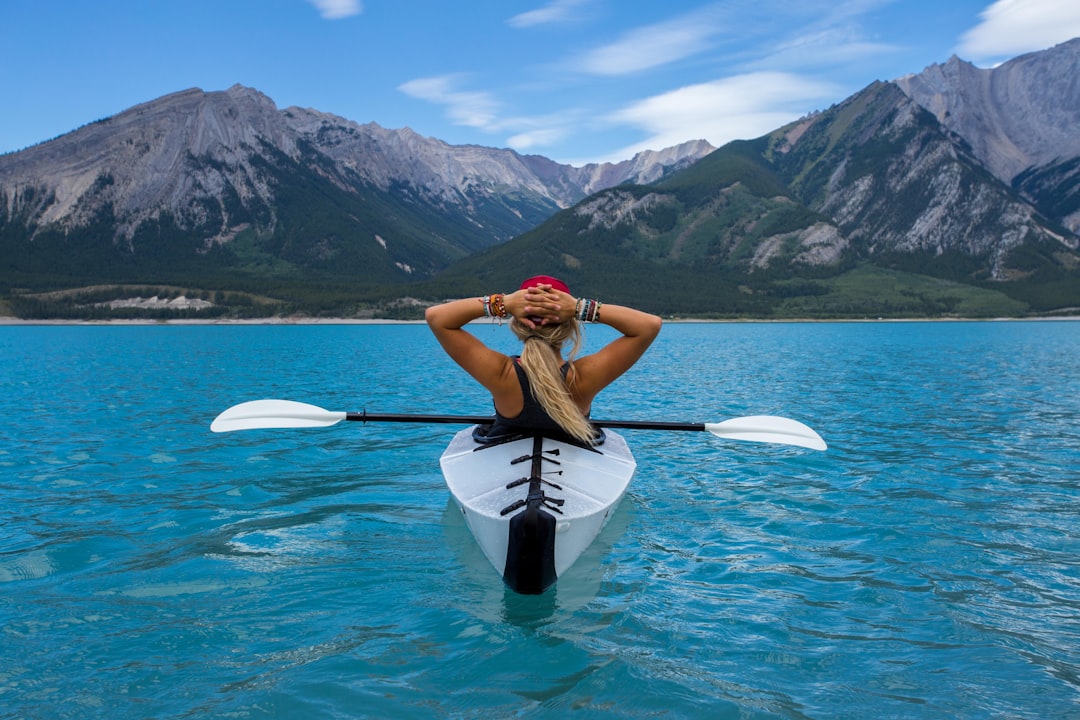
Photo by Kalen Emsley on Unsplash
The best places for adventure sports do not all promise the same kind of rush. Queenstown is for people who want choice and momentum. Interlaken is for travelers who like precision, alpine order, and air beneath their feet. Moab strips everything back to rock, exposure, and desert light. Iceland adds geology that still feels unfinished. Nepal turns effort into altitude and altitude into emotion. Patagonia rewards patience, legs, and grit.
That range matters because the best outdoor adventure trips are shaped by personality as much as courage. Some travelers want controlled, guided intensity with polished logistics. Others want weather, uncertainty, and a little discomfort. If you are comparing adventure vacation ideas for 2026, this table gives you the fast read before we go deep.
| Destination | Best for | Signature rush | Typical daily budget | Best months | Skill fit |
|---|---|---|---|---|---|
| Queenstown, New Zealand | Multi-sport weeks | Bungy, jet boating, heli-hiking, biking | USD 180-450 | Nov-Mar | Beginner to expert |
| Interlaken, Switzerland | Alpine air and canyoning | Paragliding, via ferrata, canyoning, glacier walks | USD 220-500 | Jun-Sep, Dec-Feb | Beginner to advanced |
| Moab, Utah, USA | Rock and technical desert terrain | Slickrock biking, canyoneering, 4x4, climbing | USD 140-380 | Mar-May, Sep-Oct | Intermediate to expert |
| South Coast, Iceland | Fire-and-ice landscapes | Glacier hiking, ice caves, snowmobiling, diving | USD 230-520 | Feb-Apr, Jun-Sep | Beginner to advanced |
| Pokhara and Annapurna, Nepal | Altitude and endurance | Trekking, paragliding, white-water rafting, via ferrata | USD 45-220 | Oct-Nov, Mar-Apr | Beginner to expert |
| Puerto Natales and El Chalten, Patagonia | Wilderness and weather | Multi-day treks, glacier kayaking, ice hiking, climbing | USD 120-420 | Nov-Mar | Intermediate to expert |
Best places for adventure sports in 2026
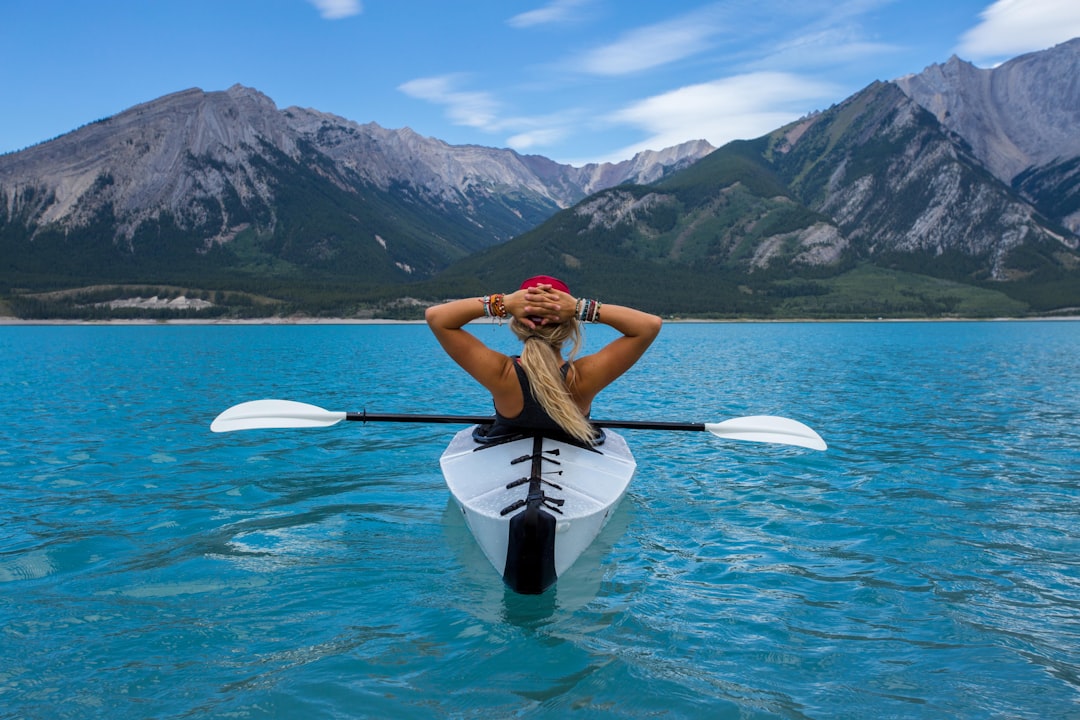
Photo by Kalen Emsley on Unsplash
Choosing between these six hubs is less about which one is most extreme and more about which one matches your preferred pace of fear. Some of the best places for adventure sports feel like polished adventure resorts with espresso and excellent rescue infrastructure. Others feel elemental, where the landscape is in charge and your plan has to bend around wind, ice, or altitude.
That is also why this list works as an adrenaline travel guide rather than a simple ranking. You are not reading a scoreboard. You are reading six different moods of movement, six bases for extreme travel experiences that stay memorable long after the clips hit your camera roll.
Queenstown, New Zealand
There is a reason Queenstown keeps returning to conversations about the best places for adventure sports. The town sits on Lake Wakatipu with mountains rising almost theatrically around it, and the whole place feels wired for motion. You can walk from a lakeside coffee to a booking office for canyon swings, river surfing, or a skydive in less time than it takes to decide whether you are actually brave enough. Even the streets carry that charged feeling; Gore and Shotover Streets hum with wet jackets, helmet hair, and people retelling near-misses over flat whites.
What makes Queenstown special is not just the menu of activities. It is the speed with which you can stack them. A morning jet boat on the Shotover River, an afternoon ride on the Skyline Gondola and luge, then an evening lakefront dinner watching the Remarkables turn purple. For travelers comparing adventure vacation ideas, Queenstown is the all-rounder: you do not have to specialize to have a huge trip.
- Go for the Nevis Bungy or Nevis Swing if you want the iconic big-drop moment. Expect NZD 275-395.
- Book a Shotover Jet ride through narrow canyon walls. Trips run about 25 minutes and cost around NZD 169.
- Ride part of the Queenstown Trail or tackle lift-access mountain biking from Skyline Queenstown in summer.
- Use Queenstown as the jump-off for Routeburn Track day hikes, Dart River wilderness safaris, and Milford Sound add-ons.
Interlaken, Switzerland
Interlaken feels almost too pretty for the things people do here. It sits between Lake Thun and Lake Brienz with snow-striped peaks standing so cleanly in the background that the whole town can look edited. Then you look up and see paragliders turning above the rooftops, or you watch a canyoning van roll out before sunrise, and the calm facade gives way to one of Europe’s purest thrill seeker destinations.
The magic here is alpine efficiency. Trains arrive when they should, guides brief clearly, and access is excellent. That makes Interlaken one of the best places for adventure sports if you want to push yourself without spending half your trip solving logistics. It also works brilliantly for couples or mixed-skill groups, because one person can paraglide while another rides to Grindelwald or hikes above Lauterbrunnen, and everyone meets back for dinner on Hoheweg.
- Paraglide from Beatenberg for the classic Interlaken flight. Tandem runs usually cost CHF 190-220.
- Try canyoning in Grimsel or Saxeten, where cold water, polished rock, jumps, and rappels create textbook extreme travel experiences.
- Walk the Murren via ferrata if you want exposure without a full climbing commitment.
- Add a glacier walk or Jungfraujoch day for high-altitude snow even in summer.
Moab, Utah, USA
Moab is red dust, hard shadows, and the kind of silence that makes every tire crunch sound loud. Arriving here after greener places can feel like stepping onto another planet. Sandstone fins, mesas, and canyon walls turn orange at dawn and deep rust by evening, and the town itself has a functional, sun-faded confidence built around bikes, Jeeps, and climbing chalk. If your idea of a great trip includes scraped knees and hydration math, Moab earns its place among the best places for adventure sports.
This is not polished alpine adventure. It is technical, dry, and honest. You feel the exposure on narrow ledges, the heat bouncing back off rock, and the consequence of poor timing. That is why Moab works so well for outdoor adventure trips built around skill progression. Riders come for Slickrock and end up obsessed with Porcupine Rim. Climbers arrive for a weekend and start plotting desert towers. The landscape teaches respect quickly.
- Ride the Slickrock Bike Trail early in the morning before the heat builds. Bike rentals run about USD 70-110 per day.
- Book a guided 4x4 on Hell’s Revenge or Fins and Things if you want traction-defying fun without renting your own rig.
- Join a canyoneering trip in Entrajo Canyon or Medieval Chamber near North Wash for rappels, slot passages, and stem moves.
- Combine Arches National Park sunrise viewpoints with afternoon climbing or rafting on the Colorado River.
South Coast, Iceland
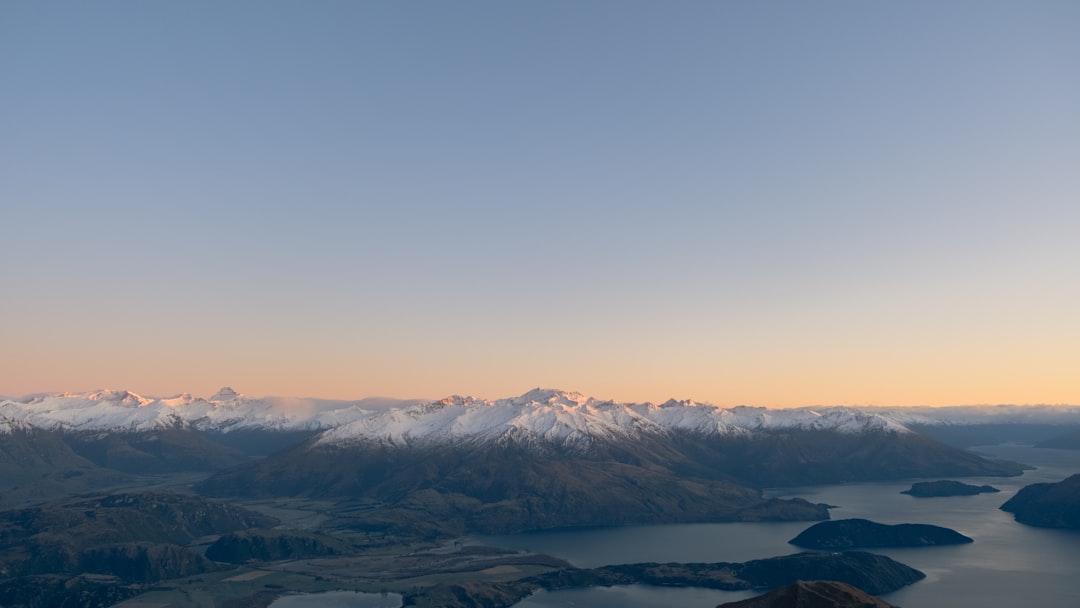
Iceland’s South Coast does not feel ancient. It feels active, as if the ground is still deciding what it wants to become. Black sand beaches, glacier tongues, mossed lava fields, and sudden steam plumes create a landscape that keeps shifting tone with the weather. Sunshine makes it cinematic. Wind and low cloud make it mythic. That unpredictability is exactly why many travelers count it among the best places for adventure sports.
Adventure in Iceland has a particular flavor: less chest-beating, more awe. The heart rate comes from crampons biting into blue ice, from stepping into a lava tube, from snowmobiling across a white plateau where the horizon disappears. It is one of the strongest thrill seeker destinations for travelers who want their adrenaline bundled with raw geology and long daylight in summer.
- Base yourself in Vik or Hvolsvollur for glacier hikes on Solheimajokull or Falljokull, usually from ISK 14,000-24,000.
- Join a Katla ice cave super jeep trip from Vik for black ash, blue ice, and cinematic weather.
- Dive or snorkel Silfra from the Reykjavik side if you want one of the world’s strangest cold-water experiences.
- Add a snowmobile ride on Langjokull or a lava tunnel tour near Reykjavik for a wider fire-and-ice week.
Pokhara and the Annapurna gateway, Nepal
The first thing many travelers notice in Pokhara is how the lake softens the nerves before the mountains sharpen them again. Phewa Lake glows silver in the morning, fishing boats drift near the shore, and cafes in Lakeside fill with trekkers checking weather reports and retying boots. Then the clouds lift and Annapurna suddenly appears, impossibly steep and close. That visual drama is why Nepal remains one of the best places for adventure sports for people who like meaning with their effort.
Nepal’s adventure scene is not limited to summit dreams. It is about ascent in many forms: walking higher each day, launching into thermal air over Pokhara, bouncing through Himalayan river rapids, or clipping onto a via ferrata above deep valleys. Few places deliver such strong adventure vacation ideas at such a broad range of budgets. What you trade for lower prices is comfort consistency, not soul.
- Fly tandem from Sarangkot above Pokhara, where flights often cost USD 75-110 and the mountain backdrop does most of the talking.
- Trek to Annapurna Base Camp or Poon Hill if you want altitude without Everest-level logistics.
- Raft the Seti or Trishuli Rivers on multi-day trips from Pokhara or Kathmandu.
- Day-trip to Kushma for Nepal’s growing via ferrata and giant suspension bridge scene.
Puerto Natales and El Chalten, Patagonia
Patagonia starts with wind. Not a breeze, not a cute inconvenience, but a force that presses against your jacket and rewrites your pace. In Puerto Natales, the waterfront can feel serene one minute and wild the next. In El Chalten, Fitz Roy appears and disappears behind fast-moving cloud like a stage effect. That restlessness is why Patagonia belongs in any serious conversation about the best places for adventure sports.
This is one of the finest bases for outdoor adventure trips that feel earned. Distances are larger, weather plans are more fragile, and the victories are rarely neat. You sweat under a pack, get rattled by gusts, and still stop dead because the light on the granite or glacier is so beautiful it interrupts thought. Patagonia is less about checklists and more about committing to a place long enough for it to test you.
- Use Puerto Natales for Torres del Paine trekking, glacier boat trips, and kayaking near Grey Glacier.
- Use El Chalten for Laguna de los Tres, Laguna Torre, and guided rock or ice trips around Fitz Roy country.
- Plan bus crossings carefully if combining Chilean and Argentine Patagonia; weather delays happen.
- Budget for gear rental if you do not own trekking poles, waterproof shells, or microspikes.
How to get there

Photo by Jim Flores on Unsplash
Getting to the best places for adventure sports is part of the trip, and the smartest move is to treat arrival day as a performance issue rather than dead time. Long-haul flights, time-zone swings, and rough transfers can flatten your legs before your first climb or raft launch. Build in one recovery night whenever you can. If you are traveling light, this is a good moment to revisit Pack Everything in a Carry-On for 2026 With the Buy-Later Method, especially for destinations where local gear rental is strong.
This adrenaline travel guide favors routes that are realistic for travelers coming from North America or Europe, with typical 2026 price ranges rather than fantasy sale fares. Book activity-heavy destinations first by weather window, then fit flights around them. That order matters more than squeezing out the cheapest ticket.
| Destination | Main airport code | Best gateway route | Typical onward transfer | Usual one-way transfer cost | Good planning link |
|---|---|---|---|---|---|
| Queenstown | ZQN | Via Auckland AKL or Christchurch CHC | Airport to town shuttle 20-25 min | NZD 20-30 | queenstownnz.co.nz |
| Interlaken | ZRH or BSL | Train from Zurich Airport | 2 hr 10 min by rail | CHF 38-70 | interlaken.ch |
| Moab | CNY or SLC | Drive from Salt Lake City | 3 hr 45 min to 4 hr drive | USD 45-90 fuel, or USD 120-220 shuttle | discovermoab.com |
| South Coast Iceland | KEF | Bus or car via Reykjavik | 2 hr 30 min to Vik from Reykjavik | ISK 8,000-15,000 bus, higher by car | visiticeland.com |
| Pokhara and Annapurna | KTM, then PKR or road | Domestic flight or tourist bus from Kathmandu | 25 min flight or 7-8 hr bus | USD 95-140 flight, USD 10-25 bus | ntb.gov.np |
| Patagonia | PNT or FTE | Puerto Natales via Punta Arenas, El Chalten via El Calafate | 3 hr bus PNT to park zone, 3 hr bus FTE to El Chalten | USD 10-45 | parquetorresdelpaine.cl |
A few route notes make a real difference once you are on the ground:
- Queenstown: Many international travelers route through Auckland. Jetstar, Air New Zealand, and Qantas all connect onward. Renting a car only makes sense if you are exploring beyond town; parking in central Queenstown is limited and pricey.
- Interlaken: Rail is the easy answer. From Zurich Airport, take trains via Bern or Lucerne; Swiss transport is fast, signed, and worth the extra spend if you value frictionless transfers.
- Moab: Flying directly into Canyonlands Regional Airport is convenient but often expensive. Salt Lake City plus a rental car is usually the better-value play. From Denver, the drive is longer at about 5 hr 30 min to 6 hr.
- Iceland: The ring-road dream sounds romantic, but if your trip is short, focus on Reykjavik plus the South Coast. Renting a 4WD is useful in shoulder season, though not always essential on main roads.
- Nepal: If weather looks unstable, do not schedule a major trek for the same day as your Kathmandu to Pokhara connection. Domestic flights can shift, and road journeys are longer than map estimates suggest.
- Patagonia: For Torres del Paine, fly to Punta Arenas PUQ or Puerto Natales PNT, then bus onward. For El Chalten, fly to El Calafate FTE and take the bus north. Cross-border combinations are brilliant but time-sensitive.
Things to do in these thrill seeker destinations
The best places for adventure sports stay memorable because they offer more than one headline activity. A great adventure base lets you vary tempo: one full-adrenaline day, one scenic recovery day, one technical day, then something that pushes a different muscle or mindset. That blend is what keeps outdoor adventure trips exciting without burning you out by day three.
Below are the activities I would build around in each destination if I wanted the trip to feel complete rather than frantic. These are not filler attractions. They are the kind of experiences that define why these six places keep rising to the top of so many thrill seeker destinations lists.
Queenstown
- Nevis Bungy, Gibbston Valley: One of the biggest commercial jumps in the world, reached by a steep shuttle ride that raises the nerves before the drop does.
- Shotover Jet, Arthurs Point: Pure canyon-speed theatre, with the boat spinning and skimming so close to rock that people usually laugh before they scream.
- Ben Lomond Track: Go early for cooler air and a long, beautiful grind above town. The saddle alone is rewarding; the summit is better if weather is stable.
- Skyline Queenstown Bike Park: Lift-served downhill trails keep the stoke high even on a short trip.
- Dart River Wilderness Jet and funyak day: A softer but still cinematic adventure north of Glenorchy, especially good for mixed-ability groups.
Interlaken
- Tandem paragliding from Beatenberg: The cleanest first-day move in town. You launch from grassy slope to lake panorama in minutes.
- Canyoning in Saxeten or Grimsel: Expect cold water, rappels, natural slides, and a guide team that runs like clockwork.
- Murren via ferrata: A classic exposed traverse with ladders, steel cables, and valley views that make your knees feel strangely separate from the rest of you.
- Hardergrat or Harder Kulm viewpoint: Not the biggest adrenaline hit, but a spectacular perspective over both lakes and the town between them.
- Grindelwald First add-on: Trottibike descents, zipline-style First Flyer, and easy access to more active alpine terrain.
Moab
- Slickrock Bike Trail Recreation Area: Famous for good reason. The grippy rock rolls like a frozen wave field and turns even short mileage into a workout.
- Hell’s Revenge 4x4 route: The name sounds cartoonish until you are cresting a sandstone ridge with nothing visible on either side but space.
- Morning climbing on Potash Road: Short approaches, big desert atmosphere, and enough route variety for different levels.
- Entrajo Canyon or Bow and Arrow canyoneering: A smart way to taste Utah slot-canyon movement without going full expedition.
- Dead Horse Point at sunset: More panorama than pulse spike, but unforgettable after a long day of technical riding.
South Coast Iceland
- Solheimajokull glacier hike: Crunching across ash-streaked ice with crampons feels wonderfully mechanical and prehistoric at once.
- Katla ice cave from Vik: The mix of black volcanic sediment and blue ice gives the tour its unreal color palette.
- Fimmvorduhals day section or full trail planning: One of Iceland’s great hiking corridors if conditions are kind and you prepare properly.
- Silfra fissure snorkel or dive: Clear glacial water, numb fingers, and the thrill of floating between tectonic plates.
- Reynisfjara and Dyrholaey viewpoints: Not adventure sports in the strict sense, but essential for understanding the landscape you are moving through.
Pokhara and Annapurna
- Sarangkot paragliding: A near-perfect first adrenaline hit in Nepal, especially on clear mornings when the massif looks close enough to touch.
- Poon Hill trek: A manageable multi-day route for travelers who want mountain atmosphere without the full time demand of longer Annapurna circuits.
- Annapurna Base Camp trek: For fit walkers with more days, this is one of the great immersive mountain journeys on earth.
- Seti River rafting: Good for beginners and short schedules, with fuller options on the Trishuli or Marsyangdi if you want more white water.
- Kushma via ferrata and giant suspension bridge: One of Nepal’s most underrated day adventures for people who want vertical fun without a full expedition.
Patagonia
- Base Torres hike in Torres del Paine: A hard, iconic day with a payoff that genuinely lives up to its reputation when the towers finally appear.
- Grey Glacier kayaking or ice trekking: Blue ice, cold spray, and huge sense of scale.
- Laguna de los Tres from El Chalten: Start before dawn if you want calmer trails and the best chance of clear Fitz Roy views.
- Laguna Torre trail: Lower stakes than Laguna de los Tres but beautifully moody, especially when cloud hangs low over the spires.
- Mirador Condores and local warm-up hikes: Useful on your first day to shake out travel stiffness before longer efforts.
Where to stay near the action
Where you sleep changes the feel of an adventure trip more than many travelers admit. The best places for adventure sports can be exhausting, and the right hotel or hostel is not just a bed. It is drying space for wet gear, an early breakfast, a place to leave a duffel, and sometimes the difference between waking up eager or waking up wrecked. On outdoor adventure trips, location often beats luxury.
I like to book one level better than I normally would when the days are physically demanding. A simple private room after canyoning in cold water or trekking in gale-force wind can feel more restorative than a fancy city hotel ever will. These picks balance value, access, and adventure-friendliness.
| Budget tier | Destination | Stay | Typical 2026 rate | Why it works |
|---|---|---|---|---|
| Budget | Queenstown | Adventure Q2 Hostel | NZD 45-80 dorm, 120-160 private | Central, social, easy walk to operators |
| Budget | Interlaken | Balmers Hostel | CHF 45-75 dorm | Classic backpacker base with garden and reliable vibe |
| Budget | Moab | Lazy Lizard Hostel | USD 45-85 dorm or simple room | Good for riders and climbers, relaxed atmosphere |
| Budget | South Coast Iceland | The Barn near Vik | ISK 8,000-18,000 bed or basic room | Strong for short stays, practical for early tours |
| Budget | Pokhara | Zostel Pokhara | USD 8-25 dorm or budget private | Lakeside access, social, easy for paragliding pickups |
| Budget | Puerto Natales | Puma House or similar guesthouse | USD 55-90 room | Affordable staging post for Torres del Paine |
| Mid-range | Queenstown | Blue Peaks Lodge | NZD 180-260 | Walkable, quiet enough to recover well |
| Mid-range | Interlaken | Hotel Krebs Interlaken | CHF 190-280 | Near station, comfortable after long alpine days |
| Mid-range | Moab | Hyatt Place Moab | USD 180-320 | Pool, parking, reliable chain comfort |
| Mid-range | South Coast Iceland | Hotel Kria, Vik | ISK 32,000-48,000 | Modern rooms, good restaurant, excellent road access |
| Mid-range | Pokhara | Temple Tree Resort and Spa | USD 110-190 | Green grounds, good reset between active days |
| Mid-range | Puerto Natales | Weskar Lodge | USD 140-220 | Fjord views, solid breakfast, useful for trekking prep |
| Luxury | Queenstown | Eichardt’s Private Hotel | NZD 1,100+ | Lakefront, polished service, total contrast to high-adrenaline days |
| Luxury | Interlaken | Victoria Jungfrau Grand Hotel | CHF 850+ | Old-world glamour with spa recovery |
| Luxury | Moab | Hoodoo Moab | USD 320-550 | Stylish base with easy downtown reach |
| Luxury | South Coast Iceland | Hotel Ranga | ISK 95,000+ | Big rooms, remote feel, excellent winter atmosphere |
| Luxury | Patagonia | The Singular Patagonia or Explora Torres del Paine | USD 700-2,000+ | Destination stays built around wilderness immersion |
Where to eat after outdoor adventure trips
Adrenaline burns through polite appetites. After a long day outside, what you want is not theory but food with warmth, salt, carbohydrates, and a bit of local identity. The best places for adventure sports also tend to be towns where hungry people arrive back at odd hours, so the better dining scenes know how to handle muddy boots, late lunches, and the deep silence of a table that has worked hard.
Food also keeps a trip from becoming one long equipment loop. Between big activity days, a good market, bakery, or slow dinner can reset your sense of place. It is one reason thrill seeker destinations with strong eating culture often feel more livable for a week than more extreme but thinner destinations.
Queenstown
Lakeside Queenstown can be busy, but it knows its audience. Fergburger on Shotover Street is still the classic post-activity move, especially if you want a giant burger without fuss. For something more sit-down, Botswana Butchery does excellent lamb and steak in a warm, polished room near Marine Parade. If you want dessert or a reset coffee, Patagonia Chocolates is a reliable stop. Local dishes to look for include New Zealand lamb, venison, Bluff oysters in season, and fresh blue cod.
Interlaken
Swiss mountain days reward appetite but punish indecision, so book dinner when you can. Husi Bierhaus is good for hearty plates and beer after canyoning or via ferrata. Restaurant Taverne handles classic Swiss comfort well, and fondue or raclette still makes sense after a cold alpine day. In nearby Lauterbrunnen or Murren, mountain inns often serve the most memorable rosti of the trip. Expect mains in the CHF 24-45 range in town.
Moab
Moab food is practical but better than outsiders expect. Moab Food Truck Park is ideal when everyone in a group wants something different. Desert Bistro is the smarter dinner option if you want elk, steak, or Southwestern flavors in a more refined room. Milt’s Stop and Eat remains a classic for burgers and shakes. Fuel-wise, think breakfast burritos, green chile, loaded sandwiches, and lots of cold drinks; this is not the destination to under-eat.
South Coast Iceland
In Vik, The Soup Company is exactly what the name promises and exactly what many travelers need after glacier weather. Smidjan Brugghus covers burgers and local beer in a casual setting. If you are self-driving, keep supermarket timing in mind because service hours can narrow outside Reykjavik. Along the South Coast, look for Icelandic lamb soup, fish and chips, rye bread, Arctic char, and skyr. Prices are high, but warm, simple food hits hard in the cold.
Pokhara and Annapurna gateway
Pokhara’s Lakeside district is easy for casual, repeated meals. Moondance Restaurant and Bar remains popular for generous mixed menus, while Fresh Elements is good for coffee, breakfasts, and recovery lunches. Seek out a proper Thakali set for rice, lentils, greens, pickles, and curry, because dal bhat really is the all-day power meal trekkers swear by. Momos, masala tea, and Tibetan bread also belong in any Nepal rotation.
Patagonia
In Puerto Natales, Afrigonia brings Patagonian ingredients into a more inventive setting and is one of the best meals in town. Santolla is the place to hunt for king crab when available. In El Chalten, La Cerveceria Chalten is a dependable stop for beer and hearty plates after a long trail day. Across the region, order cordero al palo when you can, plus empanadas, trout, and simple desserts built for cold weather appetites.
Practical tips for extreme travel experiences
The best places for adventure sports reward planning more than bravado. Good trips are built around weather windows, physical honesty, and the ability to leave room when the landscape says no. That is true in all six destinations, but especially in Nepal and Patagonia, where ambition can outrun conditions quickly. This is the part of the adrenaline travel guide that matters once the excitement settles and the packing list appears.
Season is your first safety choice. Gear is second. Operator quality is third. If you get those three right, most extreme travel experiences become dramatically more enjoyable, not just more responsible. It is also worth remembering that adventure competence is local. A strong rafting guide in Nepal reads water differently than a mountain guide in Switzerland reads snow or rockfall. Pay for that expertise.
If your route includes hot, exposed landscapes like Utah, read Traveling in Extreme Heat: Safety Guide for Summer 2026 before finalizing dates. If you are combining high-adrenaline travel with village stays, mountain teahouses, or cross-cultural guide teams, Cultural Etiquette Around the World: How to Read a Room is a useful companion. A little etiquette goes a long way in the best places for adventure sports because so much of the experience depends on trusting local people.
| Destination | Best months | Weather reality | What to pack | Currency | Safety note |
|---|---|---|---|---|---|
| Queenstown | Nov-Mar for hiking and biking, Jun-Aug for snow | Four seasons can show up in one day | Light layers, shell, trail shoes, sunblock | NZD | Book headline activities early in peak summer |
| Interlaken | Jun-Sep for summer adventure, Dec-Feb for winter sports | Alpine storms can shut plans fast | Fleece, shell, trail shoes, warm layer even in summer | CHF | Trust guide cancellations; mountains do not care about your itinerary |
| Moab | Mar-May, Sep-Oct | Heat can be dangerous by late morning in summer | 3 L water capacity minimum, sun shirt, hat, electrolytes | USD | Start early, finish early, carry offline maps |
| South Coast Iceland | Feb-Apr for cave season, Jun-Sep for hiking | Wind changes everything | Waterproof outerwear, gloves, buffs, insulated layer | ISK | Road closures and tour changes happen often |
| Pokhara and Annapurna | Oct-Nov and Mar-Apr | Altitude affects everyone differently | Broken-in boots, poles, layers, water treatment, cash | NPR | Add acclimatization days for higher treks |
| Patagonia | Nov-Mar | Wind is the main character | Strong shell, gloves, dry bags, trekking poles | CLP and ARS | Keep backup plans for closures and ferry or bus delays |
A few practical rules apply almost everywhere:
- Insurance: Buy a policy that specifically covers your activity list, including evacuation, trekking altitude if relevant, and adventure sports add-ons.
- Fitness: Train for the movement, not just for general health. Downhill biking, steep hiking, rafting, and cold-water days stress the body differently.
- Cash and cards: Switzerland and New Zealand are easy for cards. Nepal still rewards carrying cash. Patagonia is smoother than it used to be, but backup cash helps.
- Connectivity: eSIMs work well in New Zealand, Switzerland, the US, and Iceland. In Nepal and Patagonia, coverage drops fast once you leave town.
- Permits and bookings: Arches timed entry rules can change, Torres del Paine camping fills early, and Nepal trekking requirements vary by area and season.
- Food timing: Eat before you are hungry and drink before you are thirsty. That sounds obvious until adrenaline suppresses appetite.
Useful official planning links:
- New Zealand: https://www.newzealand.com
- Switzerland: https://www.myswitzerland.com
- Moab and Utah parks: https://www.nps.gov/arch
- Iceland road and weather: https://www.road.is and https://en.vedur.is
- Nepal tourism: https://ntb.gov.np/en/
- Torres del Paine: https://www.parquetorresdelpaine.cl/en/
FAQ
The best places for adventure sports attract a mix of first-timers, returning athletes, and people who are fit but unsure how technical they need to be. That uncertainty is normal. Adventure travel is rarely about being fearless; it is about choosing the right environment for the kind of challenge you actually enjoy.
These are the questions that come up most often when travelers start comparing thrill seeker destinations for a real 2026 trip rather than a daydream.
Which destination is best for beginners?
Queenstown and Interlaken are the easiest starting points for beginners who want polished logistics, excellent guiding, and plenty of tandem or guided options. Nepal is also beginner-friendly at the lower end, especially around Pokhara, but the comfort level and transport systems are less predictable.
Which place gives the best value for money?
Nepal wins on pure value. Your daily costs, guiding, food, and lodging can stay impressively low relative to the scale of the scenery and the depth of the experience. Moab can also be good value if you self-drive and mix guided days with self-guided hikes and rides. Switzerland and Iceland are usually the most expensive.
Do I need special insurance for adventure travel?
Yes. Standard travel insurance often excludes exactly the activities that make these destinations appealing. If your trip includes paragliding, canyoning, glacier walking, multi-day trekking, ice climbing, or high-altitude evacuation, read the small print line by line.
What is the best month for a multi-destination adventure year?
There is no single perfect month, but shoulder seasons usually win for balance. April and November are especially useful if you are stitching together multiple regions across hemispheres. For a single destination, match the prime weather window to your main sport rather than to the cheapest flight.
Can I mix culture with an adrenaline-heavy trip?
Absolutely, and the best outdoor adventure trips usually do. Queenstown works well with Central Otago wine country, Nepal with village teahouses and monasteries, Iceland with geothermal bathing and Reykjavik dining, and Patagonia with slow evenings that let the landscape sink in. Adventure feels deeper when the trip has texture beyond velocity.
The best places for adventure sports are rarely the ones that look most dramatic in a single photograph. They are the ones that keep working day after day: the town that feeds you well, the guide who knows when to turn back, the trail that changes character with the light, the airport transfer that does not steal half your first morning. That kind of practicality is not the opposite of adventure. It is what allows adventure to feel big instead of messy.
If I had to reduce all six destinations to one principle, it would be this: pick the landscape that scares you in the most interesting way. Choose altitude if you want perspective, desert if you want focus, ice if you want awe, wind if you want humility. The best trips are not always the loudest. They are the ones that leave your body tired, your attention sharpened, and your memory oddly quiet for a few minutes afterward.