Europe's most memorable corners are often the ones that empty out by 4 pm. That is why hidden gems in Europe are not really about secrecy anymore; they are about timing, scale, and the kind of place that rewards an overnight stay instead of a rushed photo stop. Stay one evening longer, wake up before the buses arrive, and a place can feel completely different.
For this guide, I skipped the obvious stand-ins for Paris, Rome, or Santorini. Instead, these are underrated European destinations that feel complete on their own: Tübingen in Germany, Motovun in Croatia, Orta San Giulio and Isola San Giulio in Italy, Piran in Slovenia, and Gjirokastër in Albania. Each one delivers texture, history, and a strong local food scene without demanding a blockbuster budget.
These are also good examples of Europe off the beaten path that are still realistic for ordinary travelers. You do not need a 10-day road trip or an expedition mindset. You need smart train or bus timing, good shoes for stone streets, and a willingness to trade one famous icon for a place where church bells, market chatter, salt air, and bakery smells do more of the work than a headline attraction ever could.
Before the deep dive, here is the short version.
| Place | Why it works | Ideal stay | Typical daily budget |
|---|---|---|---|
| Tübingen, Germany | River views, medieval core, student energy, excellent Swabian food | 2 nights | €140-€260 |
| Motovun, Croatia | Hilltop drama, truffles, wine, Istrian sunsets | 2 nights | €135-€280 |
| Orta San Giulio, Italy | Quiet lake atmosphere, island monastery, elegant piazzas | 2 nights | €160-€360 |
| Piran, Slovenia | Venetian old town, swims, sea breeze, easy walking | 2 nights | €145-€300 |
| Gjirokastër, Albania | Ottoman stone houses, castle views, standout value | 2 to 3 nights | €70-€180 |
How to get there: reaching these hidden gems in Europe without guesswork
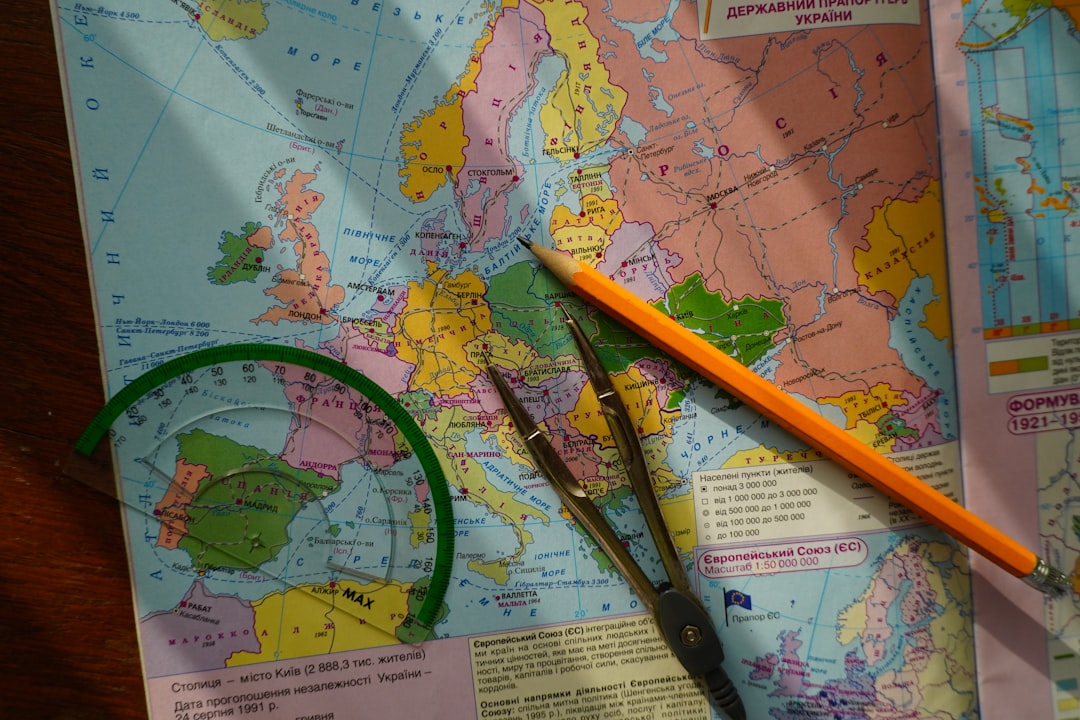
Photo by Karina Syrotiuk on Unsplash
The trick with hidden gems in Europe is not finding them on a map; it is understanding the last leg. The major flight is usually easy. What trips people up is the airport-to-station transfer, the regional bus that runs less often on Sundays, or the town where the best hotel sits uphill from the station. Build that final segment into your day instead of treating it as an afterthought.
When I am testing multi-stop rail and bus combinations, I sketch the route on TravelDeck first to see whether a two-night stay is actually comfortable or whether I am forcing a connection just because it looks neat on paper. That matters in slow travel Europe, where a calm arrival can shape the whole feel of a place.
| Destination | Best airport or gateway | Easiest onward route | Total time | Typical one-way cost |
|---|---|---|---|---|
| Tübingen | Stuttgart Airport, STR | Airport to Tübingen by direct bus or S-Bahn plus regional train | 55 to 75 min | €14 to €24 |
| Motovun | Pula Airport, PUY | Airport shuttle or taxi to Pula bus station, then bus to Motovun | 1 hr 35 min to 2 hr | €16 to €28 |
| Orta San Giulio | Milan Malpensa, MXP | Train or bus to Novara, regional train to Orta-Miasino, taxi or downhill walk into town | 1 hr 50 min to 2 hr 20 min | €18 to €32 |
| Piran | Ljubljana Airport, LJU | Shuttle or bus to Ljubljana, then direct bus to Piran | 3 hr to 3 hr 30 min | €20 to €35 |
| Gjirokastër | Tirana Airport, TIA | Intercity bus or private transfer south to Gjirokastër | 4 hr 30 min to 5 hr 30 min | €15 to €90 |
A few route notes make these quiet places in Europe much easier:
- Tübingen is one of the easiest underrated European destinations on this list. If you land at STR, you can be in the old town before your coffee has properly worn off.
- Motovun is more comfortable with a rental car, but you can still manage it by bus from Pula or Rovinj. If you arrive late, sleep in Pula and go up the hill the next morning.
- Orta San Giulio feels remote, but it is surprisingly manageable from Milan. The only mildly awkward bit is the final transfer from Orta-Miasino station down to the lake.
- Piran is car-light and walker-friendly. That is part of its charm. If you do drive, expect tight streets and parking rules near the historic core.
- Gjirokastër is the longest transfer day, but also the best value once you arrive. A private transfer can be worth it if you land late or carry heavy bags.
For live schedules and airport updates, check Deutsche Bahn, Trenitalia, Nomago, Arriva Croatia, Ljubljana Airport, Pula Airport, and Tirana International Airport. For broader destination planning, the most helpful official tourism pages are Istria Tourist Board, Visit Slovenia, Italia.it, and Albania Tourism.
Things to do in these underrated European destinations
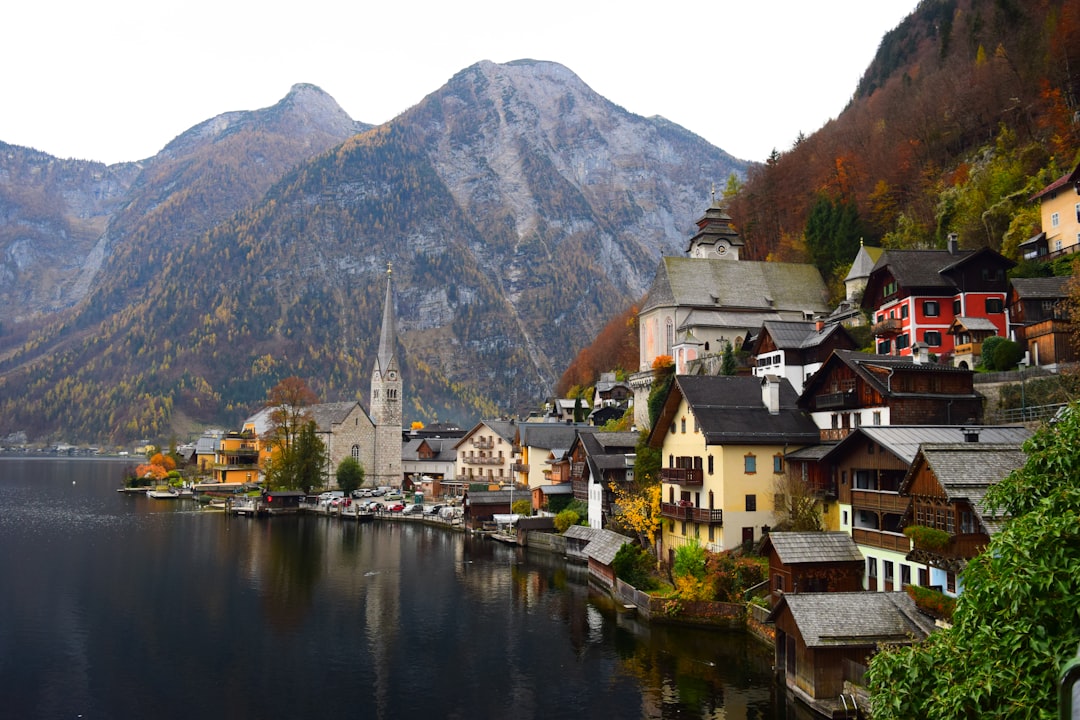
Photo by Joss Woodhead on Unsplash
A good hidden place is not just photogenic; it has enough layers to fill a day without strain. That might mean a climbable bell tower, a market square that actually serves local life, a church with worn steps and real worshippers, a swimming spot, a bakery worth getting up for, or a viewpoint that feels earned instead of staged.
That is why these hidden gems in Europe work so well for a deeper trip. They each combine atmosphere with structure. You can wander, but you can also plan. You can spend two hours getting delightfully lost and then turn a corner and find a castle museum, a family-run taverna, or a lakeside path that gives the day shape again.
Tübingen, Germany
Tübingen is one of those hidden gems in Europe that makes you wonder why more travelers do not build a couple of nights around it. The old town rises in folds of pastel facades and steep roofs above the Neckar, and the student population keeps everything feeling active rather than preserved behind glass. In the morning, you hear bike wheels on stone and espresso cups on café saucers. By early evening, the river catches gold light and the whole place feels softer, slower, and slightly theatrical.
What makes Tübingen especially strong for slow travel Europe is how compact it is. You can drift from an academic museum to a church tower to a river punt without ever needing transport. It feels intelligent but never intimidating, historic but never frozen. There is enough to do, yet nothing pushes you into a frantic pace.
- Start at Marktplatz, where the painted Rathaus and its clock pull the eye upward. Go early, before lunch crowds, when the square still feels like a local room rather than a set piece.
- Climb the Stiftskirche tower for rooftop views over red tiles and the castle ridge. Allow around 30 to 45 minutes; entry is usually only a few euros.
- Take a Stocherkahn punt on the Neckar. Shared rides in season often work out around €15 to €20 per person, and the view back toward the timbered riverside is classic Tübingen.
- Visit Schloss Hohentübingen and the Museum of Ancient Cultures. The hill is steep but short, and the contrast between medieval walls and ancient artifacts is excellent on a rainy afternoon.
- Walk the Neckarinsel and the plane-tree avenue, then continue to Hölderlinturm for the literary side of town.
- If you have extra time, browse the lanes around Bursagasse and Lange Gasse, where bookshops, bakeries, and student bars add texture that most day-trippers miss.
Motovun, Croatia
Motovun does not reveal itself gradually. It appears above the Mirna valley like a stage set, all stone walls, sloping lanes, and cypress-backed views. But once you are inside the hilltop core, the mood is less dramatic than intimate. Laundry moves in the breeze. Glasses clink on terraces. Truffle menus appear without fuss. At sunset, the valley turns hazy and silver, and you understand why people linger over dinner here.
Among quiet places in Europe, Motovun stands out because it gives you both landscape and appetite. This is not only a pretty town; it is a base for tasting Istria. White truffles, fuži pasta, local olive oil, and earthy red wine all feel right in this setting. If you want Europe off the beaten path without sacrificing creature comforts, this is a smart choice.
- Walk the old town walls and climb the bell tower for the full Mirna valley panorama. Combined entry is usually around €5 to €8.
- Book a truffle tasting or truffle hunt in the Motovun forest area near Livade, especially in autumn. Even a short tasting session makes the local food scene easier to understand.
- Taste Malvazija and Teran wines at a terrace bar in town or book a nearby cellar visit. If you have a car, wineries around Kaldir are an easy addition.
- Follow part of the Parenzana Trail, the former railway route that now works beautifully for walking and cycling through Istrian countryside.
- Visit nearby Livade for shops and tastings built around truffle culture, then return to Motovun before dusk.
- Stay for the evening light. A late dinner with valley views is not an extra here; it is the main event.
Orta San Giulio and Isola San Giulio, Italy
Lake Orta has the stillness people imagine when they talk about old-world Italy, but often fail to find on the busier lakes. Orta San Giulio feels refined without being flashy. Stone houses lean toward narrow lanes, shutters click in the breeze, and the lake surface shifts between silver and deep blue depending on the hour. Then there is Isola San Giulio, small enough to circle on foot, yet powerful enough to hold an entire afternoon.
This pair belongs in any serious conversation about hidden gems in Europe because the appeal is not only visual. The place changes your pace. Boats cross the water in short, quiet arcs. Church interiors cool you down after the sun. The climb to Sacro Monte delivers a view that makes the town and island look almost miniature. It is an elegant answer to anyone looking for Europe off the beaten path with a strong sense of calm.
- Take the short boat ride from Piazza Motta to Isola San Giulio. Fares are modest, usually around €5 to €6 return depending on season and operator.
- Walk the island's Way of Silence, then step into the Basilica di San Giulio for mosaics, stonework, and a hush that feels immediate.
- Climb to Sacro Monte di Orta, the UNESCO-listed devotional complex above town. The chapels, trees, and overlook make this one of the loveliest elevated walks on any Italian lake.
- Spend unstructured time in Piazza Motta, where aperitivo hour can easily stretch into dinner if the light is right.
- Rent a kayak or small boat, or head to a nearby lakeside access point for a swim when the weather is warm.
- If you want a polished meal or pastry stop, wander slowly through the lanes between the lakefront and the uphill gardens rather than treating the town as only a launch point for the island.
Piran, Slovenia
Piran feels like a compact Adriatic city that someone folded into a human scale. Venetian facades glow warm against the sea, washing lines cross narrow lanes, and the smell of salt hangs in the air even when you are several streets inland. By day, the stones shine almost white. By evening, the town shifts into amber and rose, and the water beyond the point darkens first.
It is one of the best hidden gems in Europe for travelers who want coastal beauty without resort sprawl. You can swim, climb, eat seafood, and watch sunset in a single day without ever needing to get back in a car. That makes it one of the most convenient quiet places in Europe for a short break or a stop between Italy and the Balkans.
- Begin in Tartini Square, where the polished oval opens dramatically after the tight approach streets.
- Climb the bell tower of St. George's Parish Church for a roofscape-and-sea view that explains the geography of the whole peninsula.
- Walk the town walls in the late afternoon, when the color of the stone starts to deepen and the sea breeze picks up.
- Swim off the rocks at Punta or walk the coastal path toward Fiesa if you want a slightly less central place to get in the water.
- Take a short trip to Sečovlje Salina Nature Park, where the salt pans add a completely different landscape to the usual seaside day.
- Stay out after dark. Piran is far more atmospheric once the day visitors thin out and the harbor lights begin reflecting in the water.
Gjirokastër, Albania
Gjirokastër has a heavier beauty than the others on this list. The stone is darker, the streets steeper, the history more layered and more visible. Roofs stack along the hillside like scales under the fortress, and the old town seems to climb toward the castle in one continuous movement. In the morning, the bazaar streets are still cool. By late afternoon, the mountain light turns the stone honey-gray and the city feels almost carved rather than built.
For value, character, and sheer atmosphere, it is one of the strongest hidden gems in Europe right now. It offers the richness travelers hope to find in older Balkan towns, but with enough lodging, dining, and museum structure to make a two- or three-night stay feel easy. It is also among the most affordable underrated European destinations in this guide, which helps if you want a longer slow travel Europe trip without inflating your budget.
- Explore Gjirokastër Castle, where the scale of the walls and the valley views give the town context. Entry is inexpensive, typically a few euros.
- Wander the Old Bazaar slowly rather than rushing through it. Look for woodcraft, woven textiles, and the rhythm of daily commerce between souvenir stalls.
- Visit Zekate House or Skenduli House to understand the layered domestic architecture of the Ottoman era.
- Step into the Cold War Tunnel if available on guided access; it adds a very different chapter to the city's story.
- Try a local cooking experience or simply sit down for qifqi, the rice balls closely associated with Gjirokastër.
- If you have a third day, take a side trip toward the Blue Eye spring or the ruins of Antigonea, then return for one more stone-street evening in town.
Where to stay in these hidden gems in Europe
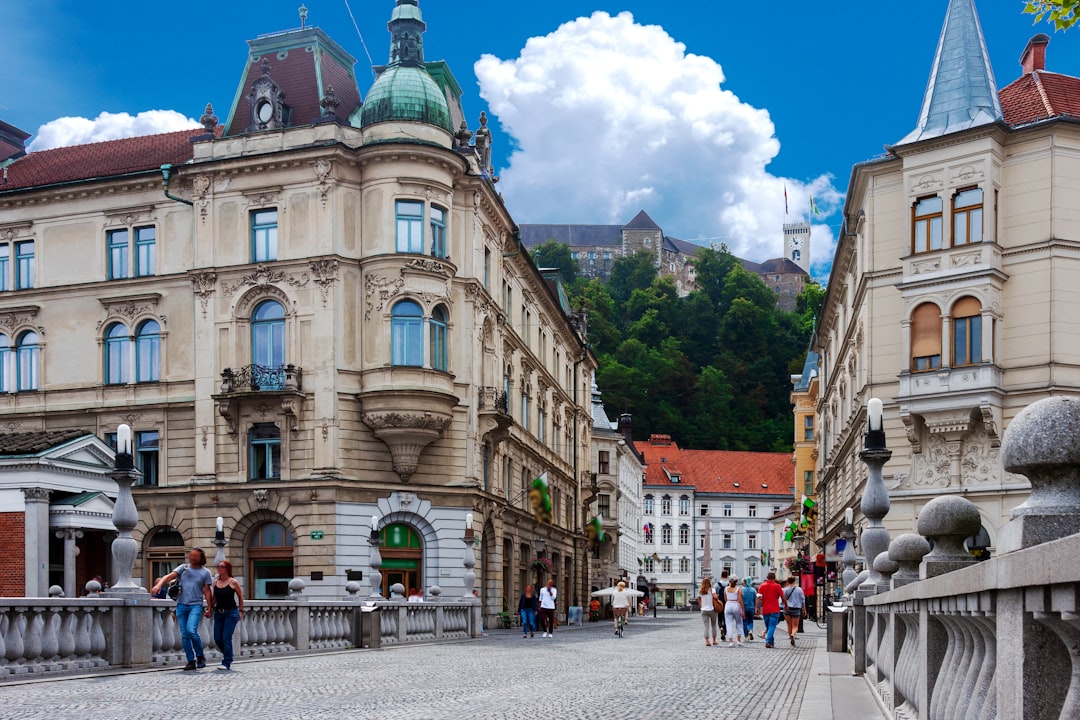
Photo by Eugene Kuznetsov on Unsplash
Sleep location changes your experience more in small towns than in big cities. In these hidden gems in Europe, the difference between staying in the historic core and staying on an outer road can be the difference between hearing church bells in the morning and hearing scooters on a main road. If your budget allows it, prioritize position over room size.
In shoulder season, rates are often excellent for places this atmospheric. In July and August, the smaller inventory means the best rooms disappear early, especially on weekends. For quiet places in Europe, small hotels and family-run guesthouses usually offer the most character.
| Destination | Budget | Mid-range | Luxury |
|---|---|---|---|
| Tübingen | ibis Styles Tübingen - around €95 to €140 | Hotel Krone Tübingen - around €150 to €210 | Boutiquehotel La Casa - around €220 to €320 |
| Motovun | Villa Borgo B&B - around €85 to €130 | Hotel Kaštel Motovun - around €130 to €190 | Roxanich Wine and Heritage Hotel - around €220 to €350 |
| Orta San Giulio | Piccolo Hotel Olina - around €100 to €145 | Hotel Leon d'Oro - around €160 to €240 | Villa Crespi - around €650 to €1,100 |
| Piran | Hostel Piran or a simple private room - around €35 dorm or €90 private | Hotel Tartini - around €120 to €190 | Hotel Piran - around €190 to €320 |
| Gjirokastër | Stone City Hostel - around €15 dorm or €40 private | Hotel Kalemi 2 - around €65 to €110 | Kerculla Resort - around €120 to €220 |
A few booking notes help:
- Tübingen gets busier during university events and trade-fair spillover from Stuttgart.
- Motovun feels best when your room faces the valley or sits inside the old core.
- Orta San Giulio rewards lake-facing rooms, but even simple inland options are pleasant because the town is small.
- Piran charges a premium for sea views; if you are budget-conscious, a lane-back room is often enough.
- Gjirokastër has hilly streets and uneven steps, so ask whether the property has car access if you are arriving with luggage.
Where to eat: local dishes that make these hidden gems in Europe memorable
Food is the difference between checking off sights and actually understanding a place. In these hidden gems in Europe, meals are not filler between monuments; they are part of the reason to go. A Swabian dumpling plate explains southern Germany better than a museum label. A bowl of fuži with truffle tells you why Istria smells the way it does after rain. A simple grilled fish in Piran makes the Adriatic feel immediate and local.
One reason I keep returning to underrated European destinations is that the meals still fit the town. You are not always eating in a concept restaurant designed for visitors; often you are just in the right square, at the right hour, with the right house specialty and a view of everyday life moving around you.
Tübingen
Tübingen is built for long lunches and easy beer stops. Order regional classics rather than chasing something overly polished.
- Neckarmüller: riverside tables, house-brewed beer, and dependable Swabian plates. Expect mains around €16 to €26.
- Mauganeschtle: good for Maultaschen, Käsespätzle, and the kind of hearty comfort food that makes sense after a damp or cold afternoon.
- Wurstküche: old-school, unfussy, and ideal if you want a traditional plate in a historic setting.
Motovun
In Motovun, the menu should smell like the hillside and nearby forest. This is truffle country, but it is also olive oil, pasta, and deeply flavored meat country.
- Konoba Mondo: a favorite for fuži with truffle, seasonal game, and a more serious Istrian dining experience. Plan on €25 to €45 per person before wine.
- Pod Voltom: atmospheric and central, with terrace appeal and a good introduction to local dishes.
- Roxanich: best when you want a longer, wine-led meal and a more design-forward setting.
Orta San Giulio
Orta's dining scene leans elegant, but you can still eat well without splurging. The sweet spot is a relaxed lunch, an aperitivo on the square, then a slower dinner later.
- Ristorante Olina: polished without feeling stiff, with pasta and lake-focused dishes in the €18 to €32 range.
- Ai Due Santi: classic local cooking, good for risotto, regional cheeses, and an old-town setting.
- Villa Crespi: a true splurge, but memorable if you want one grand meal on the trip.
Piran
Piran is all about timing your meal with the sea. Eat seafood when possible, and do not underestimate simple grilled fish.
- Fritolin Pri Cantini: casual, lively, and excellent for fried seafood plates, grilled fish, and an easy harbor mood. Expect roughly €12 to €25 for most dishes.
- Pavel 2: reliable seafood and a nice option if you want a sit-down dinner with a little more structure.
- Cantina Klet: useful for a glass of local wine, cured bites, and an aperitivo pause before sunset.
Try branzino, black cuttlefish risotto, and seasonal shellfish if available.
Gjirokastër
Gjirokastër is where to eat generously without watching every euro. The local cuisine feels homey, mountain-influenced, and rooted in household dishes rather than tourist spectacle.
- Kujtimi: dependable local cooking, often with good grilled meats and traditional plates at fair prices.
- Odaja: one of the better-known old-town stops for atmosphere and Albanian classics.
- Taverna Tradicionale Kardhashi: a solid place to try regional dishes in a more traditionally framed setting.
Do not leave without tasting qifqi, pasha qofte, byrek, and oshaf if you spot it on a dessert menu.
Practical tips for hidden gems in Europe in 2026
The best hidden gems in Europe are not always best in peak summer. In fact, these five shine most in late spring and early autumn, when the light is gentle, transport still runs reliably, and you can sit outside without feeling like you are sharing every lane with the entire internet. If your dates are flexible, May, June, September, and early October are the sweet spots.
These places also reward lighter packing and slower pacing. You will deal with stairs, stone streets, and short uphill walks more often than you will deal with metro systems. Think good soles, breathable layers, and a small bag you do not mind carrying for ten minutes uphill if a taxi cannot reach your door.
| Period | What it feels like | Best for | Watch out for |
|---|---|---|---|
| April to May | Fresh, green, photogenic, fewer crowds | Walking, city views, shoulder-season value | Rain showers, cooler evenings |
| June | Long days, lively but not yet overwhelming | Outdoor dining, lake and sea time | Weekend rates rise quickly |
| July to August | Warmest and busiest | Swimming, festivals, late nights | Higher prices, stronger sun, less spontaneity |
| September to early October | Golden light, harvest mood, calmer streets | Food, wine, photography, comfortable walking | Some shorter seasonal schedules |
| Late October to March | Moody, quieter, cheaper in parts | Cozy stays, museums, reflective trips | Shorter days, some closures, wet or cold weather |
A few practical rules will make Europe off the beaten path much smoother:
- Cash still matters sometimes. Germany is better than it used to be, but small cafés and older inns can still prefer cards only above a minimum or appreciate cash. Albania especially rewards carrying small notes.
- Dress for churches and sacred spaces. In Orta and Piran, and especially if you add monastery or church visits elsewhere, covered shoulders are the safe default. For broader manners and local cues, see Travel Etiquette by Country: 2026 Customs for First Encounters.
- Pack for uneven surfaces, not catwalk photos. These underrated European destinations all involve cobbles, steps, and slopes. If you want a lighter setup that still works across climates, Pack Everything in a Carry-On for 2026 With the Buy-Later Method is a useful companion read.
- Budget by category, not by country stereotype. Italy will not always be the most expensive day here, and Albania will not always be the cheapest once you add private transfers. If you want a simple framework for daily costs, How to Budget for Travel in 2026 Using a Real Rome Trip gives a practical method you can reuse.
- Connectivity is easy, but old towns can be patchy indoors. Download maps offline before you arrive, especially in Gjirokastër and Motovun where thick stone buildings can weaken signal.
- Start early, rest late. In quiet places in Europe, mornings and evenings are when the atmosphere belongs to the town rather than to visitors.
- Do not over-schedule meals. The joy of slow travel Europe is leaving room for a square that suddenly feels right at sunset.
FAQ
What are the easiest hidden gems in Europe to visit without a car?
Tübingen, Orta San Giulio, and Piran are the easiest. Tübingen has the strongest airport connection relative to how atmospheric it feels. Orta takes a little more planning, but trains get you close and the town is highly walkable once you arrive. Piran is excellent without a car because the historic center is small and the bus connection from Ljubljana is straightforward.
Which of these hidden gems in Europe is best for food lovers?
Motovun is the strongest all-round food stop if you love wine, truffles, olive oil, and long terrace dinners. Gjirokastër is the best value for traditional meals with real personality. Orta San Giulio suits travelers who want a more polished Italian table, while Piran is ideal if seafood and seaside aperitivo culture matter most.
Are these underrated European destinations expensive in 2026?
They sit in a much better value zone than Europe's headline hotspots. Gjirokastër is the bargain standout. Tübingen can be very fair outside major event dates. Piran and Motovun rise in peak summer but are still reasonable compared with better-known Adriatic favorites. Orta San Giulio is the priciest of the five, though it remains cheaper and calmer than the flashiest Italian lake towns.
How many nights should I stay?
Two nights is the minimum that makes these places feel like more than a stop. Tübingen, Motovun, Orta San Giulio, and Piran all work beautifully for two nights. Gjirokastër benefits from three if you want time for the castle, bazaar, historic houses, and a side trip. For slow travel Europe, the right measure is simple: one full day is not enough once you count arrival and departure friction.
What is the best season for these quiet places in Europe?
May, June, September, and early October are the winning months for almost every destination in this guide. You get long daylight, pleasant walking temperatures, and a better chance of sitting outside without extreme crowds. If swimming matters, Piran is strongest from late June through September. If food matters most, early autumn is especially good for Motovun and the broader Istrian region.
Final thoughts
The real pleasure of hidden gems in Europe is not bragging rights or discovering somewhere no one has ever heard of. It is the feeling of arriving somewhere that still has room to be itself around you. A market still buys vegetables. A church still opens quietly in the afternoon. A square still belongs to locals after dinner.
That is what these five places offer. Not emptiness, but proportion. Not isolation, but balance. If Europe off the beaten path appeals to you, choose the town that matches your mood, give it at least two nights, and let the best part of the trip be the hour you did not plan at all.