The hardest part of one bag travel is not space. It is decision fatigue. Most travelers could fit a week into 35 to 40 liters if they stopped packing for every possible version of themselves, and that is exactly where a carry-on capsule wardrobe works: fewer pieces, better fabrics, and a plan that matches the trip you are actually taking.
If you want to pack everything in a carry-on bag, think like an editor, not a collector. You are building a small, repeatable system for airports, laundry, weather swings, and real travel days when comfort matters more than outfit variety.
Start With Airline Math, Not Clothes
Photo by Claudio Schwarz on Unsplash
A carry-on bag fills up fast when the bag itself is too heavy, too deep, or poorly divided. Before you fold a single T-shirt, check the airline rules for both your cabin bag and your personal item. The difference between a relaxed long-haul allowance and a strict low-cost carrier can be the difference between breezing to the gate and paying an extra $35 to $75 each way.
For most travelers, the sweet spot is a 35 to 40 liter bag. That size usually fits overhead-bin limits while still leaving enough room for a week of clothes, a toiletry kit, and electronics. If you are flying with a very strict airline, weight matters even more than volume. A lightweight soft-sided bag can save 1 to 2 kg before you even start packing.
Do this before every trip:
- Check your airline cabin size and weight limits on the carrier website.
- Check liquid rules on official guidance like the TSA liquids rule or the UK hand luggage rules.
- Weigh your empty bag. If it already weighs 3 kg, you have less room to work with.
- Reserve your personal item for high-value and in-flight items, not random overflow.
- Aim to leave 15 to 20 percent of your carry-on empty for food, a layer, or a small purchase.
A simple rule helps: if your bag is bulging before you add toiletries and chargers, you have packed for fantasy weather, not your real itinerary.
Build a Carry-On Capsule Wardrobe With the 5-4-3-2-1 Formula
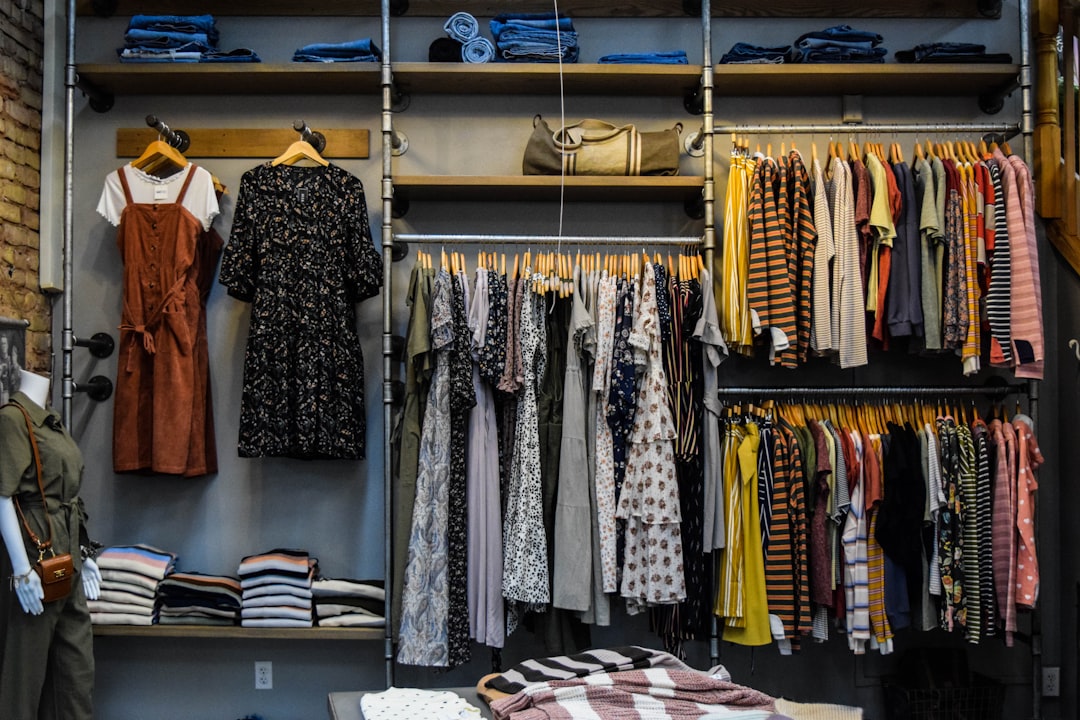
Photo by Burgess Milner on Unsplash
The easiest way to pack everything in a carry-on bag is to stop thinking in outfits and start thinking in interchangeable parts. A carry-on capsule wardrobe works because every top matches every bottom, every layer earns its place twice, and laundry resets the clock halfway through the trip.
The 5-4-3-2-1 formula is flexible enough for most trips of 5 to 8 days. It gives you variety without turning your bag into a closet.
Use this base formula:
- 5 tops: mostly lightweight, quick-dry, neutral, and easy to layer
- 4 underwear changes: wash once mid-trip or sink-wash at night
- 3 bottoms: for most trips, 2 everyday pieces plus 1 smarter or technical option
- 2 pairs of shoes: one worn in transit, one packed
- 1 outer layer: blazer, overshirt, fleece, or rain shell depending on destination
Then add the trip-specific piece, not a whole second wardrobe:
- Beach trip: swimsuit and cover-up
- Cold trip: thermal base layer and knit hat
- Work trip: one wrinkle-resistant shirt or dress
- Active trip: shorts or leggings that double as lounge wear
This is where the carry-on capsule wardrobe saves you. Instead of packing 7 outfits for 7 days, you pack roughly 12 to 15 pieces that can create 20 or more combinations. If you keep your flights, hotel address, and day plan in one place, even a simple planner like TravelDeck makes it easier to see which days actually need smarter clothes.
Pack for Laundry, Weather Swings, and Shoes
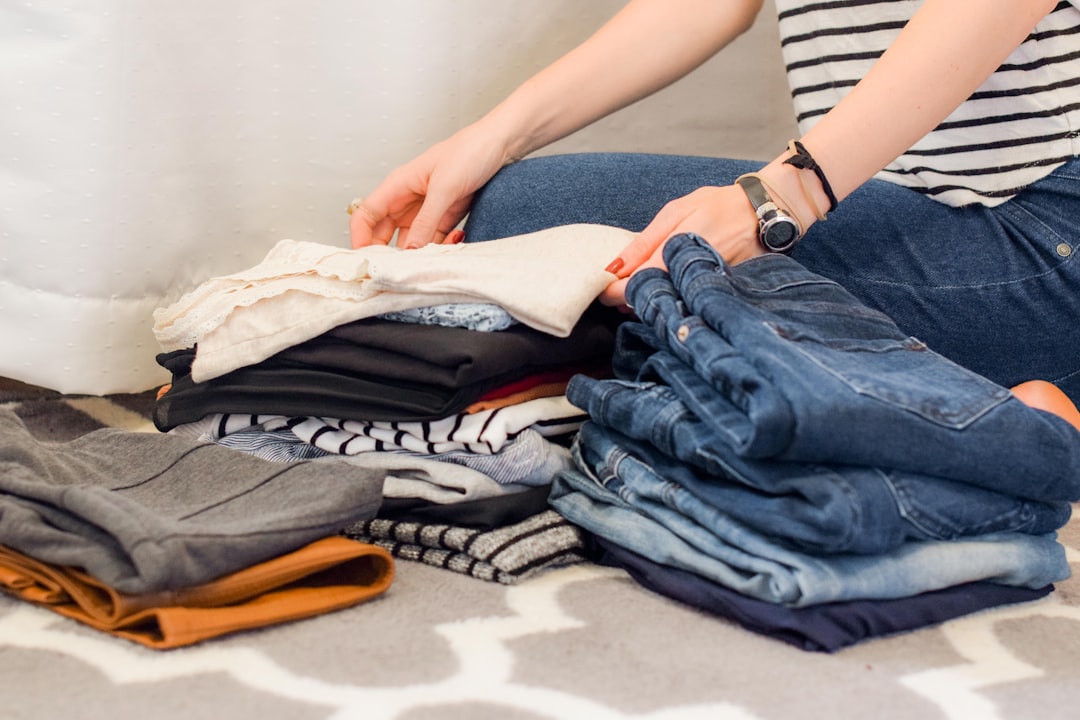
Photo by Sarah Brown on Unsplash
The best one bag travel setups are built around three realities: you will re-wear clothes, the weather will change, and shoes eat space. Once you accept those three facts, the bag gets much easier.
Fabric is where smart packing starts. Merino wool, thin knits, performance cotton, and quick-dry synthetics can be worn multiple times and dry overnight after a sink wash. Heavy denim, bulky hoodies, and thick towels are the usual space killers. For a damp city break like 4 Days in London in 2026: How Many Days You Really Need, you want layers that handle drizzle and indoor heating. For a beach-heavy trip like 7 Days in Cancun in 2026: Best Beaches, Ruins and Day Trips, you need fast-drying pieces that cope with salt, sweat, and heat.
Cold-weather trips feel hardest, but they are mostly about what you wear on the plane. A coat, boots, and knitwear should travel on your body, not in the bag. If you are planning around snow or winter sun, Where to Go in January 2026: Sun, Snow and Smart Timing is a good reminder that January packing for Tenerife is not January packing for Prague.
Use these rules:
- Wear your heaviest shoes, jacket, and trousers in transit.
- Limit packed shoes to one pair, and only if they serve a different job from the pair on your feet.
- Choose one color family so every item mixes easily.
- Plan one laundry moment on day 3 or 4 instead of packing doubles for everything.
- Skip full-size liquids when a solid bar or decanted bottle will do.
A same-day hotel laundry service in a capital city can cost £15 to £30 for a small load, which is rarely worth it. A local self-service laundromat often costs €8 to €15 in much of Europe or $12 to $20 in many US cities. That is still usually cheaper than checked-bag fees on a round trip.
Your Personal Item Is Where the Trip Gets Easier
A carry-on bag should hold the bulk of your wardrobe. Your personal item should handle friction: the things you need in the airport, on the plane, or in the first three hours after landing. This is the difference between calm travel and rummaging on the terminal floor for a charger.
Think of your personal item as your cockpit. If a delay strands you for six hours or your main bag has to be gate-checked at the last minute, you should still have everything essential with you. That means documents, medicine, valuables, one layer, and one small rescue kit.
Pack these in your personal item:
- Passport, wallet, boarding pass, and any visa documents
- Phone, charging cable, power bank, and plug adapter
- Prescription medicine and one spare day of basics like pain relief or allergy tablets
- Liquids bag for security screening
- Headphones, pen, and a reusable water bottle to fill after security
- One clean T-shirt, fresh underwear, and compact toiletries for arrival day
- Snacks that survive being crushed, like nuts, protein bars, or crackers
If you are using a tote or daypack, give every category a home. Small pouches for tech, medicine, and toiletries prevent the messy pile-up that makes a simple carry-on packing list fail in practice.
A Copyable Carry-On Packing List for Different Trip Types
You do not need a different packing philosophy for every destination. You need one base list, then a few smart swaps. The table below is built for 5 to 7 day trips in spring, summer, or shoulder season, and it adapts well for city, beach, winter, or work travel.
| Trip type | Base clothing | Add | Remove | Best second shoe |
|---|---|---|---|---|
| City break | 5 tops, 3 bottoms, 1 light layer | compact umbrella, crossbody bag | extra swimwear | loafers or clean sneakers |
| Beach week | 4 tops, 2 bottoms, 1 cover-up | 2 swimsuits, sandals, SPF lip balm | heavier trousers | flat sandals |
| Winter weekend | 4 tops, 2 bottoms, thermal set | beanie, gloves, thin fleece | shorts or dressier summer pieces | waterproof ankle boots |
| Work trip | 5 tops, 3 bottoms, 1 blazer or overshirt | wrinkle-resistant shirt, compact steamer spray | casual lounge duplicate | simple flats or dress shoes |
A copyable carry-on packing list for most travelers looks like this:
- 4 to 5 tops
- 2 to 3 bottoms
- 1 outer layer
- 1 sleep set
- 4 underwear changes
- 3 pairs of socks
- 1 packed shoe pair
- 1 toiletry kit with travel-size liquids
- 1 laundry bag or packing cube for worn clothes
- 1 personal-item pouch for documents, tech, and medicine
That is enough for museums, train days, dinners, early flights, and bad-weather pivots. The trick is not owning less. It is carrying fewer single-purpose items.
Space-Saving Moves That Actually Work
Packing advice gets weirdly complicated online, but the best space-saving tricks are boring and reliable. Compression cubes help when your clothes are already chosen well. They do not fix overpacking. Rolling can save a little space, but the biggest gains come from reducing bulk, limiting shoes, and using your personal item strategically.
What really works is building a system you can repeat in ten minutes before any trip. Once you know your fixed list, you stop panic-packing the night before a flight.
Use this final checklist before you zip the bag:
- Lay everything out, then remove 2 items before packing.
- Pack by category in cubes: tops, bottoms, underwear, tech.
- Put liquids and chargers near the top for security checks.
- Fill dead space inside shoes with socks or cables.
- Wear the bulkiest layer on travel day.
- Keep one small laundry bag for dirty items.
- Leave room for food, paperwork, or weather-driven purchases.
- Walk around with the packed bag for 5 minutes. If it already feels annoying, edit again.
The financial upside is real. Skip one checked bag both ways and you may save $70 to $150 on many routes. More importantly, you save time at bag drop, baggage claim, taxi lines, and hotel lobbies. A good carry-on capsule wardrobe is not just lighter. It makes the whole trip move faster.
FAQ
Can you really pack 7 days in a carry-on bag?
Yes, if you pack for 4 days and plan one wash. For most trips, 5 tops, 3 bottoms, 4 underwear changes, 2 pairs of shoes, and 1 layer are enough. The key is re-wearing outer pieces and avoiding bulky single-use clothes.
What is the best size carry-on bag for one bag travel?
For most travelers, 35 to 40 liters is the sweet spot. It usually fits common cabin rules while staying manageable on trains, stairs, and cobbled streets. If your airline has a strict 7 kg limit, a lighter soft bag often works better than a hard case.
How do I pack toiletries for a carry-on only trip?
Use a single clear liquids bag and decant only what you need. Swap liquid shampoo, conditioner, or soap for solid bars when possible. Keep your liquids easy to reach, because airport screening is where a messy toiletry kit wastes the most time.
Is a backpack or a suitcase better for carry-on only travel?
A backpack is usually better for stairs, old city centers, train changes, and budget airlines with tighter space. A suitcase can work well for smoother urban trips and business travel if the shell is light and the dimensions are conservative. The best choice is the one you can lift easily into an overhead bin without a wrestling match.
What should never be buried deep in a carry-on bag?
Keep medication, documents, chargers, a spare top, and your liquids bag accessible. If your carry-on is gate-checked unexpectedly, those are the items you want to pull out in 30 seconds. Easy access matters almost as much as total space.
Packing everything into one bag is not about winning some minimalist contest. It is about moving through a trip with less drag, less waiting, and fewer bad decisions in hotel rooms. Once your carry-on capsule wardrobe fits your real travel style, packing stops feeling like a puzzle and starts feeling like part of the departure ritual.