Most travelers who get sick on food-focused trips do not get sick from the wildest bite of the week. They get sick from the forgettable one: the airport ice, the buffet eggs that sat too long, the sliced fruit rinsed in the wrong water, the creamy sauce eaten after a sleepless flight. If you want to avoid food poisoning abroad, the goal is not to eat timidly. It is to read heat, turnover, water, and timing before your first bite.
That sounds less romantic than glossy market photos and midnight noodle reels, but it is the difference between a trip that tastes expansive and one that shrinks to a pharmacy run and a hotel bathroom. The good news is that you can avoid food poisoning abroad without living on packaged crackers or skipping local dishes. You just need a repeatable routine, a few sharp street instincts, and enough humility to know that your stomach on day one is not your stomach on day five. If you are still deciding where your next food-led trip should happen, Culinary Travel Cities for 2026: Choose by Appetite Style is a useful companion. Later in this guide, I will use Singapore as a real-world practice city because it is one of the easiest places on earth to learn these habits without losing the joy of eating locally.
Why smart travelers still get sick
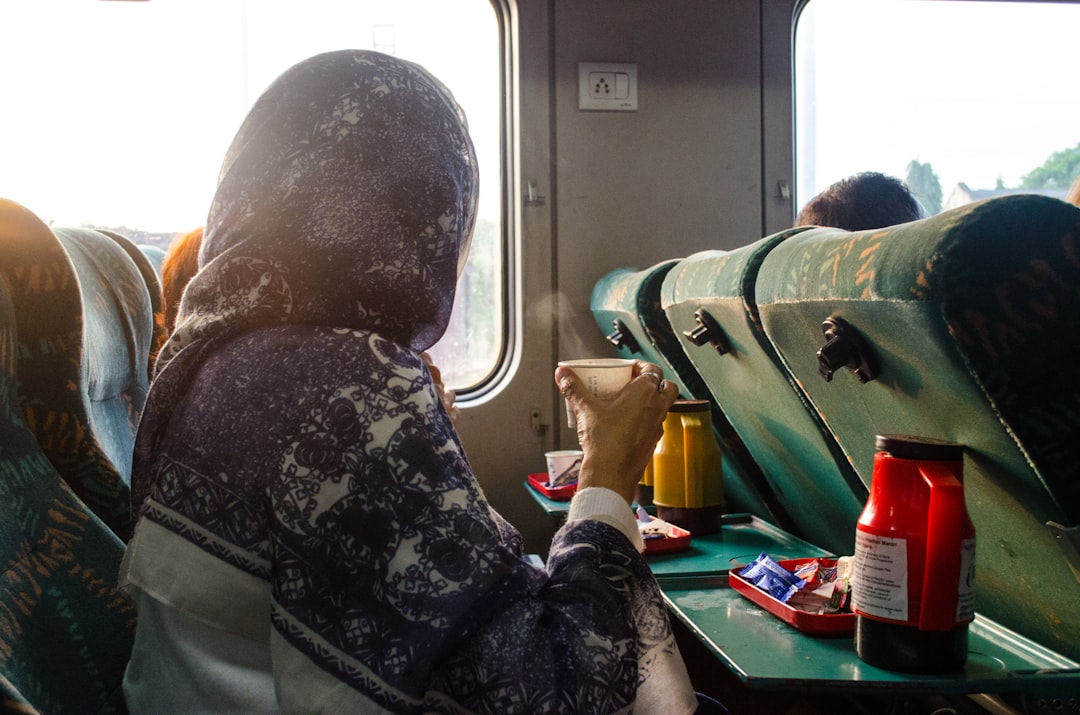
Photo by Carolina Avinceta on Unsplash
A food problem abroad is rarely one dramatic mistake. More often, it is a stack of small risks that look harmless in isolation. You land dehydrated, grab a milky coffee over ice, skip handwashing because the queue is long, eat something lukewarm because the smell is wonderful, then celebrate the first night with raw seafood and two cocktails. None of those choices is guaranteed disaster. Together, they can turn a beautiful evening into one of those travel stories nobody enjoys telling.
The hardest lesson is that smell and charm are not enough. A stall can smell glorious and still be risky if the sauce has sat in heat for hours. A glossy hotel buffet can be less safe than a humble market counter if the turnover is slow. Even beautiful dining rooms cannot override basic physics: food sitting in the temperature danger zone, unsafe water, too many hands touching garnishes, poor refrigeration, and fatigued travelers making worse decisions. That is why so many travel stomach problems begin in respectable-looking places.
When I am helping someone avoid food poisoning abroad, I ask them to stop rating restaurants by decor first and start rating them by movement. How fast is food leaving the counter? Is the grill actively firing? Are plates landing hot? Is the person taking money also grabbing ready-to-eat herbs with bare hands? Is the sliced fruit sweating in open air? Food hygiene abroad starts with observation, not fear.
If you are traveling solo, this matters even more because nobody is around to notice when you are over-tired, over-hungry, or making reckless first-night choices. Pair your eating plan with the kind of structure in Traveling Alone Safely in 2026: A Solo Routine That Works, and your meals get safer fast.
Here are the first red flags I watch for anywhere in the world:
- Food that should be hot but arrives merely warm
- Sauces, chutneys, or curries sitting uncovered for long stretches
- Raw garnishes washed in questionable water
- Buffets with half-full trays and no visible turnover
- Staff handling cash and ready-to-eat food without changing gloves or utensils
- Pre-cut fruit exposed to heat, flies, or street dust
- Seafood specials in places that do not seem to sell much seafood
- Drinks with ice when the water source is unclear
- Milk, yogurt, or cheese with no sign of pasteurization in places where cold chains are inconsistent
The meal decision map to avoid food poisoning abroad
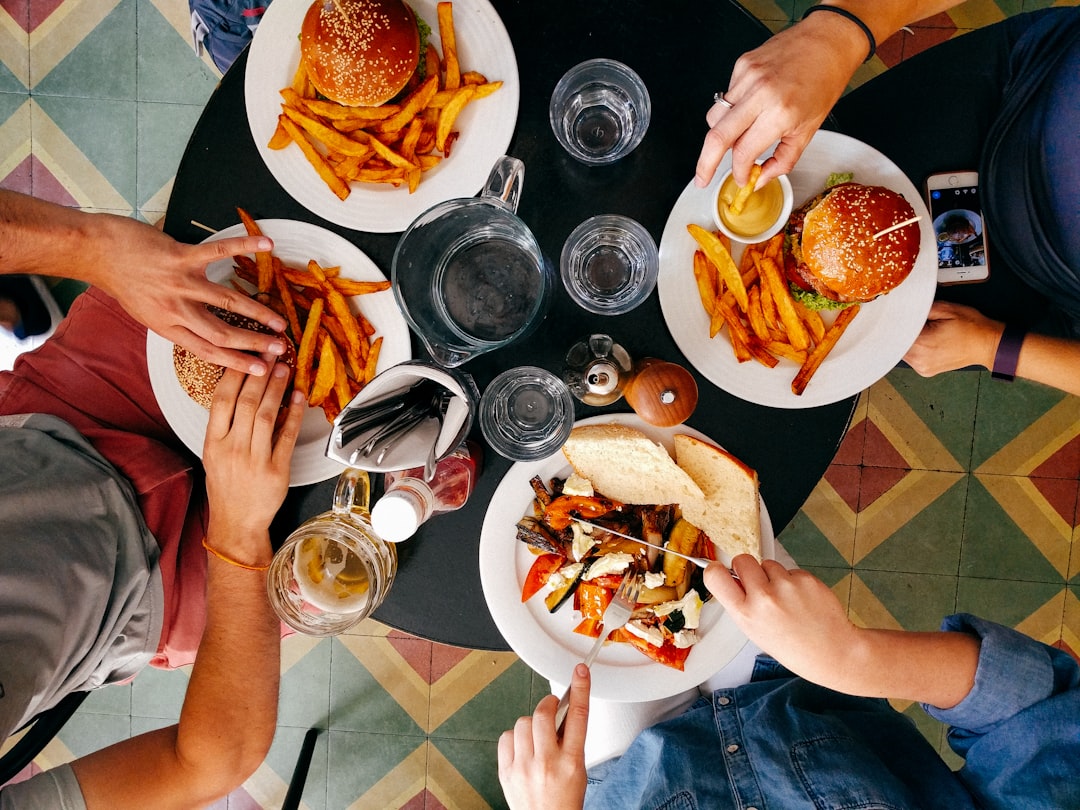
Photo by Dan Gold on Unsplash
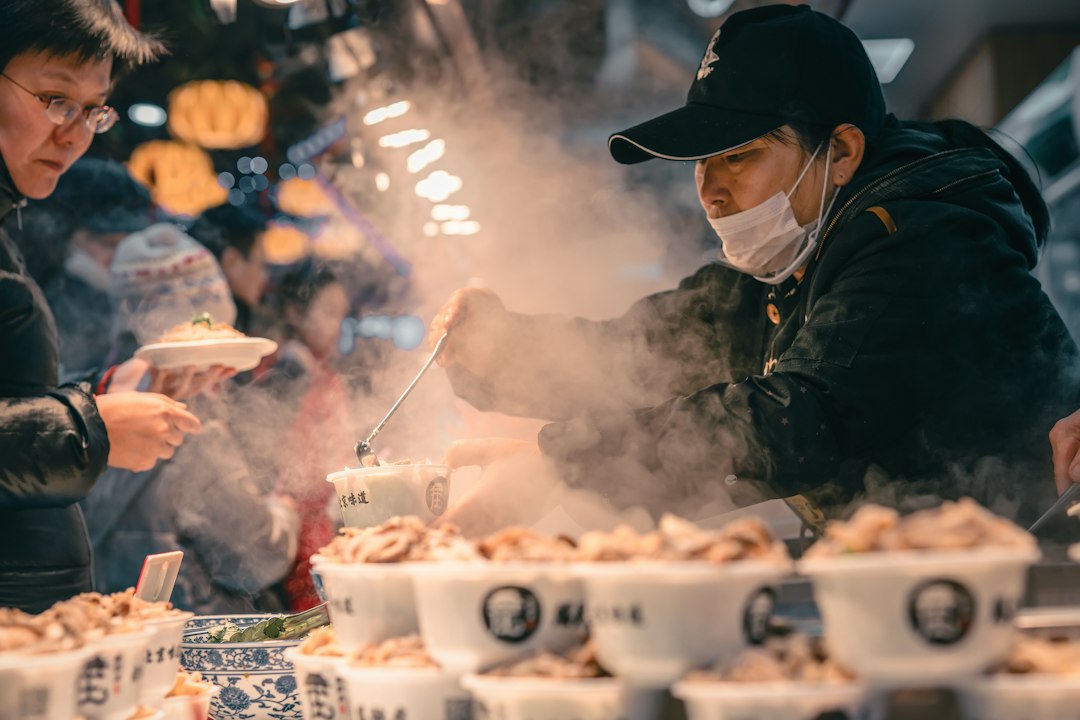
The fastest way to avoid food poisoning abroad is to stop thinking in categories like restaurant versus street stall and start thinking in conditions. A busy grill cart at dusk can be safer than a half-empty restaurant with a giant printed menu and ten dishes sitting in bain-maries since lunch. Your best meal choices usually come from a short chain of reassuring signs: cooked to order, served hot, eaten quickly, and prepared with ingredients moving fast.
Picture the scene. You are standing under a tangle of wires and lanterns, the air smoky with garlic, char, broth, and citrus. Scooters buzz past. Metal ladles crack against woks. Plastic stools scrape the ground. Everything looks delicious, and everything is new. This is where people freeze or gamble. Instead, run a simple five-question check before you order.
Use this decision map:
- Was it cooked now or cooked earlier?
- Will it be served truly hot, not just warm?
- Does it include raw elements that may have been washed in unsafe water?
- Is the stall or kitchen busy enough that ingredients are turning over quickly?
- Does this match my body today, not my fantasy self from home?
That last question matters more than travelers admit. To avoid food poisoning abroad, I scale ambition to context. On arrival day after a long flight, I want clean heat and easy digestion: noodle soup, grilled chicken, rice, dosa, stir-fried vegetables, a fresh crepe made in front of me. On day four, once I know the neighborhood rhythm and my body feels normal, I may step up to richer dishes, more spice, and slightly riskier textures. Safe eating is not about saying no forever. It is about sequencing your yes.
I think in three bands:
- Green light: cooked to order, served hot, high turnover, minimal raw garnish
- Yellow light: partly prepared ahead, some raw elements, good reputation but slower turnover
- Red light: lukewarm holding trays, raw shellfish, unpasteurized dairy, ambiguous water, or visible hygiene gaps
That sounds methodical, but the reward is emotional. Instead of hovering nervously over every menu, you relax into the trip. You can hear the oil hiss, watch dough stretch, smell pandan and charcoal and pepper crab and broth, and still make calm decisions. That is the sweet spot: full appetite, low regret.
When I want to avoid food poisoning abroad, I also choose a first safe anchor in every new city. It might be one excellent breakfast stall, one trusted market hall, and one restaurant near the hotel that serves straightforward cooked food. Once I have those anchors, the city opens. Without them, every meal becomes a coin toss.
Street food safety tips that keep the joy on the plate
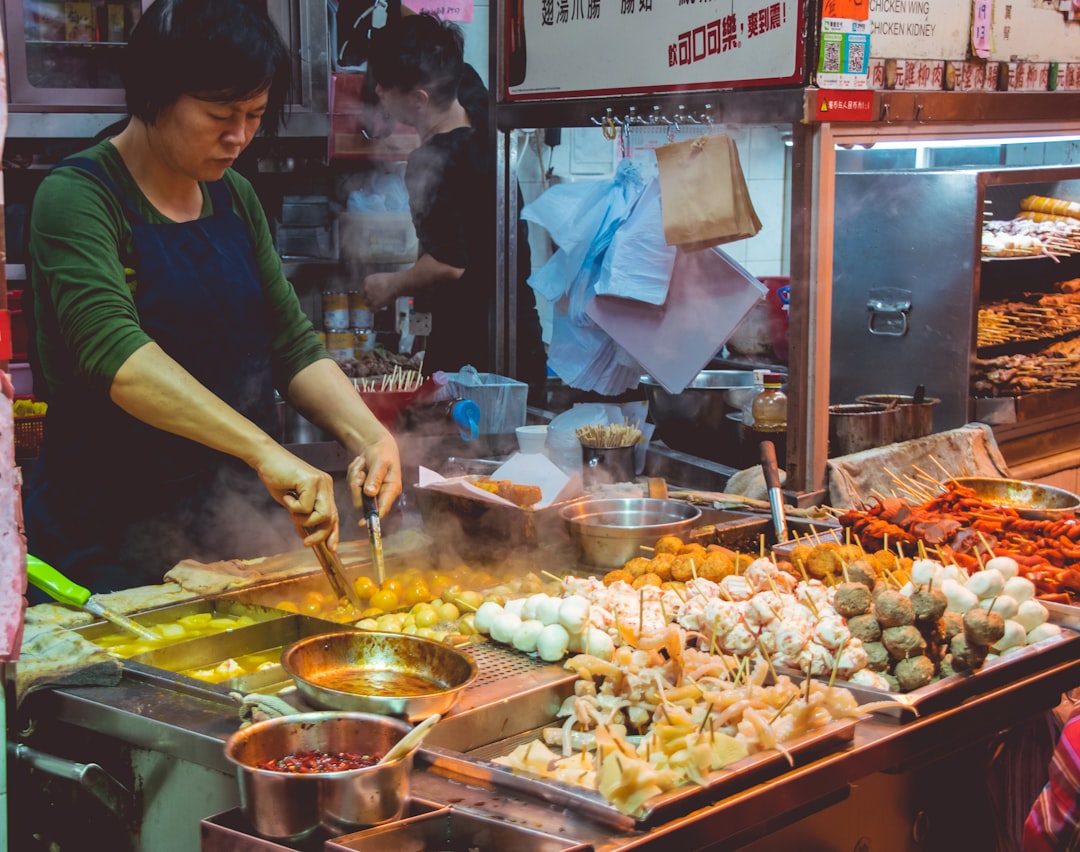
Photo by Vernon Raineil Cenzon on Unsplash
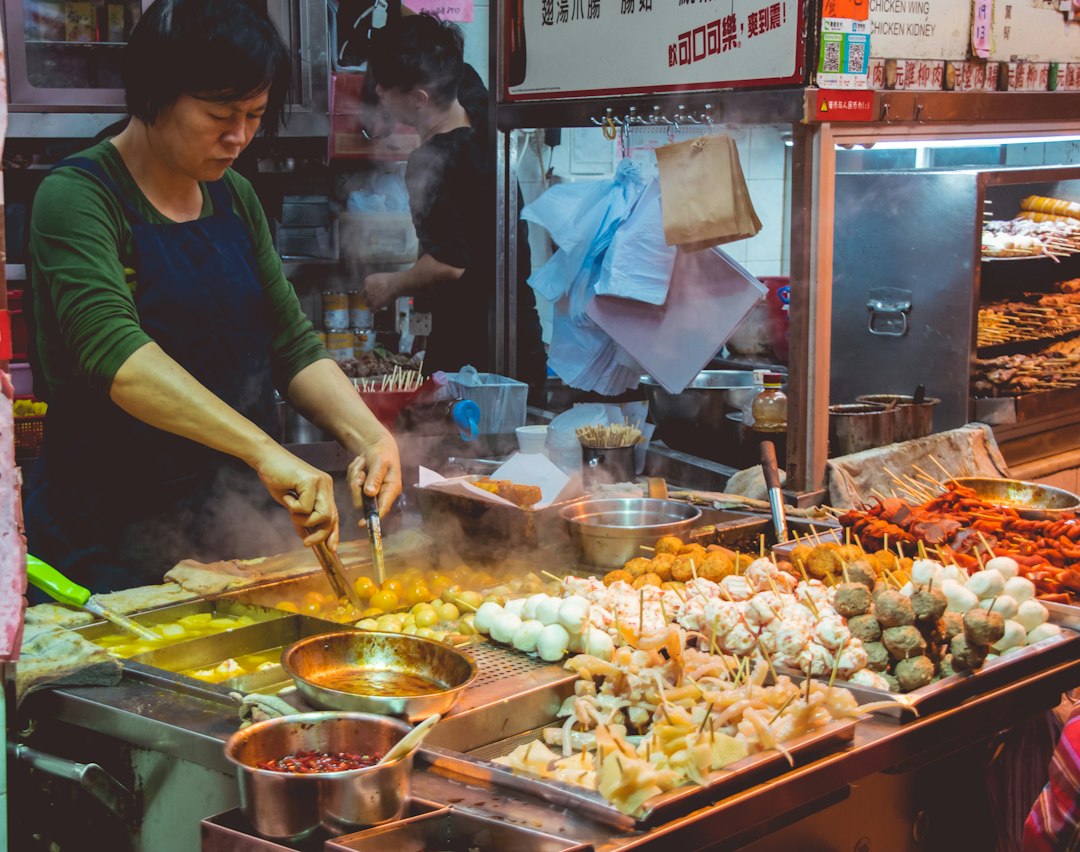
Street food is often blamed for illnesses that are really caused by bad timing, bad water, and bad judgment. In many cities, the best street stalls are among the safest places to eat because they specialize, cook fast, and sell through ingredients quickly. The most aromatic corners of a market can feel chaotic, but chaos is not the same as contamination. In fact, a stall with a line curling into the lane, one signature dish, and a constant rhythm of pans, steam, and ladles can be exactly where you want to be.
This is why good street food safety tips begin with respect, not suspicion. Watch how locals use a stall. Are office workers grabbing lunch there? Are families buying takeout? Is the person on the grill focused only on cooking while another person handles payment? Are herbs added from a covered tray instead of an open bucket? A good street stall gives off a feeling of choreography. Everyone seems to know their role. The wok never goes quiet. The broth is replenished. The chopping board is not doing five unrelated jobs.
These are my most reliable street food safety tips in any country:
- Prefer stalls with a short menu and obvious specialization
- Eat at peak meal times when turnover is fastest
- Choose food cooked in front of you and served immediately
- Favor deep heat: boiling, grilling, frying, steaming, or roasting
- Be careful with sauces sitting at room temperature, especially creamy ones
- Skip raw shellfish, rare meat, and raw egg dishes unless you are in a place with excellent controls and you know the venue well
- Ask for drinks without ice if the water source is unclear
- Avoid cut fruit unless it is chilled properly or peeled to order
- Look at the plates leaving the stall, not just the one influencer-friendly dish on display
- Trust lines, but not blindly: a line for cheap drinks does not prove the food is safe
The time of day matters. Morning stalls can be fantastic for congee, idli, steamed buns, or fresh flatbreads because the ingredients are just beginning the day. Late afternoon can be trickier in hot climates if prepared foods have been hanging around between lunch and dinner. Night markets are thrilling, but the best ones reward selective enthusiasm. Go where the smoke is fresh, the queue is real, and the assembly is active.
To avoid food poisoning abroad, I also pay attention to touch points. Ready-to-eat herbs, lime wedges, chopped chilies, salad leaves, and dessert toppings are common weak spots because they are added after cooking. Street food safety tips are not just about the main dish. They are about the final thirty seconds before serving.
If Bangkok is on your list after Singapore, read Bangkok Street Food Safety Tips for 2026: Eat Boldly, Not Blindly. Bangkok rewards the same habits, but the margin for sloppy choices can feel much narrower in the heat.
Safe drinking water rules that matter more than restaurant reviews
Water causes more trouble on trips than spice ever will. People blame the chili paste, then forget the smoothie was blended with unsafe ice, the mint was rinsed in tap water, the lettuce was washed in a kitchen sink, and the fountain soda came through local lines. If you only remember one rule from this guide, let it be this: safe drinking water is not a boring side note. It is the backbone of everything you eat.
The maddening part is that water risk hides inside things that look harmless and refreshing. A cold fruit shake after a humid walk. A lemon soda full of ice cubes. A metal jug on the table. A toothbrush rinse late at night when you are too tired to think. Safe drinking water habits do not kill spontaneity; they protect it.
When local tap water is not reliably safe, I default to this ladder:
- Best bet: factory-sealed bottled water or boiled drinks served hot, such as tea or coffee
- Usually good: canned or bottled drinks opened in front of you, after wiping the rim or top clean
- Situational: filtered water only if you trust the filter and the property maintains it properly
- Poor bet: fountain drinks, hotel lobby pitchers, ice of uncertain origin, and blended drinks from unknown water sources
Safe drinking water also affects the things travelers forget to count as ingestion. Brush your teeth with safe water if local advice says tap water is not drinkable. Do not rinse contact lenses in tap water. Do not use ordinary tap water for nasal rinsing. Those habits are easy to forget because they feel separate from eating, yet they sit in the same ecosystem of risk.
To avoid food poisoning abroad, I make beverage choices almost boringly consistent for the first forty-eight hours. Water from a sealed bottle or a trusted tap. Hot coffee or tea. Beer, wine, or spirits only if I actually want them, not because I think alcohol somehow sterilizes bad ice. It does not. A cocktail with contaminated ice is still a contaminated drink.
A few safe drinking water habits save an astonishing amount of grief:
- Buy water before you get hungry enough to compromise
- Keep one bottle in the room and one in your day bag
- Carry oral rehydration salts in hot climates or on bus-heavy itineraries
- Ask for no ice automatically unless you know the source is good
- Be wary of buffet juice dispensers and post-mix sodas in lower-trust settings
- Wipe can tops and bottle rims when they have been stored in dusty coolers
A simple risk ladder for food hygiene abroad
Food hygiene abroad gets clearer when you sort dishes by handling and holding time rather than by cuisine. The safest meal in a market may be the most ordinary-looking one: broth at a rolling simmer, rice scooped fresh, meat coming straight from flame to plate. The riskiest dish may be visually gorgeous: raw oysters on crushed ice, a mayonnaise-heavy salad sitting in afternoon heat, a dairy dessert with a shaky cold chain, or a platter of cut fruit glistening under market lights.
Think of texture and vulnerability. Crunchy raw leaves, silky custards, barely set eggs, shellfish, tartare, ceviche, and unpasteurized cheeses all demand stronger controls than most travelers can verify on the fly. Meanwhile, soups, grilled skewers, dosas, dumplings pulled from steam, and stir-fries blazing out of a wok generally give you more margin. Food hygiene abroad is often a story of what happened in the ten minutes before serving.
Use this risk ladder as a practical cheat sheet:
| Risk level | Better choices | Be cautious with | Usually skip in lower-trust settings |
|---|---|---|---|
| Lower risk | Boiling noodle soups, grilled meats, stir-fries, steamed buns, dosas, cooked rice plates, peelable fruit | Rich gravies if they have been sitting, buffet hot trays at quiet times | None if cooked fresh and served hot |
| Medium risk | Freshly made sandwiches from busy cafes, sushi from reputable specialist venues, pasteurized dairy desserts | Pre-made sandwiches in warm display cases, mixed salads, room-temp pastries with cream, hotel buffets late in service | Raw herbs or salads if water quality is unclear |
| Higher risk | Very little belongs here for the first days of a trip | Raw shellfish, raw sprouts, runny eggs, rare burgers, unpasteurized milk products, cut fruit from open-air stalls | Anything lukewarm, old seafood, unknown ice, unrefrigerated dairy |
To avoid food poisoning abroad, I also treat seafood and dairy as context foods. In a city with strong cold chains, famous seafood restaurants, and rapid turnover, I may eat more freely. In a humid town during a power-cut-prone week, I become stricter. The same goes for milk products. Pasteurized is your friend. If the answer is vague, move on.
Travel stomach problems are not a verdict on local cuisine. They are usually a mismatch between dish type and venue conditions. When you think that way, you stop making rude assumptions about countries and start making better decisions about individual meals.
Your first 24 hours: a low-regret eating routine
Arrival day is when appetite and judgment part ways. You are tired, curious, and eager to begin the trip properly. The city smells new. Even the convenience store feels cinematic. That is exactly when people override their own common sense. To avoid food poisoning abroad, I make the first day deliberately easier than the rest of the itinerary.
My rule is simple: no heroics on the first night. Not because local food is dangerous, but because your body is already dealing with dehydration, disrupted sleep, cabin dryness, and sometimes a new climate. You do not need to pair jet lag with oysters, buffet prawns, six cocktails, and a mystery iced dessert. Tomorrow will still taste good.
This is the arrival routine I use:
- After landing: wash hands, hydrate, and avoid the first random snack counter you see
- First meal: choose one freshly cooked, hot, fairly plain local dish such as noodle soup, grilled chicken and rice, dosa, congee, or stir-fried noodles
- First drink: safe drinking water, hot tea, or sealed bottled beverage
- First dessert: fruit you peel yourself or a hot dessert from a busy vendor
- First night: skip raw seafood, lukewarm buffets, and anything dairy-heavy if you are not sure about storage
- Next morning: see how your body feels before increasing spice, richness, alcohol, or raw components
I also pack a tiny food-safety kit in my day bag. It is not glamorous, but it buys freedom later. Mine includes hand sanitizer with at least 60 percent alcohol, tissues, oral rehydration salts, a few basic stomach tablets I know I tolerate, and a resealable bag for emergencies. When I map meals, pharmacy stops, and long transit stretches on TravelDeck, I can see quickly whether a risky lunch makes any sense before a four-hour bus ride or a late-night train.
Food hygiene abroad also improves when you respect your hands. Hand sanitizer is useful, but it is not magic on visibly greasy or dirty hands. Soap and water are still better before eating whenever possible. Travel stomach problems are often blamed on the kitchen when the last contamination point was actually the traveler touching bread, phone, railing, cash, and then lunch.
Know when to stop self-managing and seek care. Get medical help quickly if you have bloody diarrhea, signs of serious dehydration, persistent vomiting, high fever, severe abdominal pain, fainting, or symptoms that are worsening rather than easing. Children, pregnant travelers, older adults, and people with weakened immune systems should be more conservative from the beginning.
Singapore is the ideal practice city for safer food travel
If you want a city that teaches you how to avoid food poisoning abroad without draining the fun from the trip, Singapore is hard to beat. It is intensely food-driven, incredibly diverse, and blessed with infrastructure that removes some of the biggest variables that trouble travelers elsewhere. Tap water is potable. Public transport is excellent. Hawker culture makes great local food accessible at modest prices. And because standards are generally high, you can focus on learning the method rather than panicking about every glass and garnish.
That does not mean you switch your brain off. A hawker center is still a hot, busy, communal eating environment. Seafood still needs judgment. Cut fruit can still sit too long. Late-night satay and sambal stingray can still punish a body that landed six hours earlier from Europe. But Singapore gives you room to practice the difference between adventurous and reckless.
If you later want a bigger contrast in risk and chaos, this makes a great stepping stone before more intense food cities. It is also a good first food trip for couples, families, and cautious first-timers who want local flavor without constant second-guessing.
How to get there
Landing in Singapore feels like easing into a city built for first impressions. Changi Airport is polished, air-conditioned, and deeply efficient, which matters after a long-haul flight when your decision-making is at its weakest. The route into town is simple, signage is excellent, and the gap between airport arrival and your first dependable meal can be refreshingly short. For official planning, check Changi Airport, Visit Singapore, and local transit details on SMRT.
For a food-centered trip, stay somewhere with fast MRT access to Chinatown, Bugis, Little India, Tiong Bahru, or the Civic District. That keeps you close to hawker centers, coffee shops, and markets without forcing long transfers when you are tired or hungry.
| Starting point | Typical duration to SIN | Typical return fare in 2026 | Notes |
|---|---|---|---|
| London | 13 to 14 hours nonstop | S$900 to S$1,500 | Several nonstop options, best for early booking |
| New York area | 18 to 19 hours nonstop or one stop | S$1,100 to S$1,900 | Very long haul, schedule an easy first night |
| Sydney | 8 to 8.5 hours | S$450 to S$900 | Frequent flights, great for short food breaks |
| Tokyo | 7 to 7.5 hours | S$500 to S$950 | Easy combination with wider Asia trips |
| Kuala Lumpur | 1 hour by air or 5 to 6.5 hours by coach | S$60 to S$180 by air, S$20 to S$35 by coach | Coach is budget-friendly if you are not rushed |
| Batam or Bintan | 45 to 70 minutes by ferry | S$70 to S$120 return | Useful add-on if combining islands |
From Changi Airport to central neighborhoods:
- MRT: around 35 to 45 minutes depending on connections, usually about S$2 to S$3
- Taxi: 20 to 30 minutes in normal traffic, often S$25 to S$45 with surcharges
- Ride-hail: usually S$20 to S$35, depending on demand and terminal
- Public bus: cheapest option, but slower and less ideal with luggage
Things to do
Singapore rewards the hungry traveler who likes to walk, sniff, pause, and graze. The city changes flavor block by block: soy and roast meat in Chinatown, spice and ghee in Little India, kopi and kaya toast in old-school breakfast spots, pandan and coconut drifting out of dessert counters, and sea breeze mixing with smoke at East Coast grills. Because neighborhoods are compact and transport is efficient, you can build whole days around one or two food anchors and still leave room for gardens, museums, or waterfront sunsets.
For a first visit, I like to balance one market-heavy morning, one iconic civic or garden sight, and one evening eating zone. That rhythm lets you stay curious without getting sloppy. It also leaves enough white space to listen to your stomach, which is often the smartest travel companion you have.
Here are the best things to do on a safer food-focused Singapore trip:
- Breakfast at Tiong Bahru Market, 30 Seng Poh Road
- Maxwell Food Centre and Chinatown walk, 1 Kadayanallur Street
- Tekka Centre in Little India, 665 Buffalo Road
- Gardens by the Bay and Satay by the Bay
- Lau Pa Sat after dark, 18 Raffles Quay
- Joo Chiat and Katong food wander
- East Coast Park cycle and dinner at East Coast Lagoon Food Village
- Singapore Botanic Gardens and a calm lunch nearby
Where to stay
Where you sleep affects how safely you eat. A hotel beside your first dependable breakfast or within one short train ride of a trusted hawker center can spare you the kind of late-night random snacking that gets regretted. For a first food trip, I like Bugis, Chinatown, Tiong Bahru, City Hall, or Little India because they are lively without feeling logistically punishing.
Prices in Singapore swing hard around holidays, major events, and school breaks, so book early if you want a specific neighborhood. Expect clean, compact rooms rather than sprawling space in the center.
| Budget tier | Hotel | Neighborhood | Typical nightly rate | Why it works for food travelers |
|---|---|---|---|---|
| Budget | The Pod Boutique Capsule Hotel | Kampong Glam | S$70 to S$120 | Good transit, easy access to Bugis and Arab Street meals |
| Budget | Beary Best! Hostel Chinatown | Chinatown | S$45 to S$90 | Walkable to Maxwell and many late breakfast options |
| Budget | ibis budget Bugis | Bugis | S$95 to S$140 | Practical base near hawker centers and MRT |
| Mid-range | lyf Funan Singapore | Civic District | S$170 to S$240 | Central, modern, and handy for mixed sightseeing and eating |
| Mid-range | Hotel Mi Rochor | Rochor | S$160 to S$230 | Strong location between Bugis and Little India |
| Mid-range | Oasia Hotel Downtown | Tanjong Pagar | S$220 to S$320 | Great access to Chinatown and business-district dining |
| Luxury | Raffles Singapore | City Hall | S$1,100 to S$1,600 | Historic splurge with effortless central access |
| Luxury | The Fullerton Bay Hotel | Marina Bay | S$850 to S$1,200 | Superb waterfront setting and fast access to downtown food zones |
| Luxury | Capella Singapore | Sentosa | S$1,200 to S$2,000 | Resort calm, best if you want part-city, part-retreat pace |
Where to eat
Singapore is one of the few cities where eating well, locally, and affordably does not require compromise on atmosphere. You can sit under whirring fans with a tray of chicken rice and sugarcane juice one hour, then lean into Peranakan flavors or polished seafood the next. The scents are everywhere: garlic frying in pork fat, sambal warming in the pan, coffee roasting dark, pandan sweetening rice, grilled satay smoke threading through humid evening air. It is a city that makes hunger feel like a privilege.
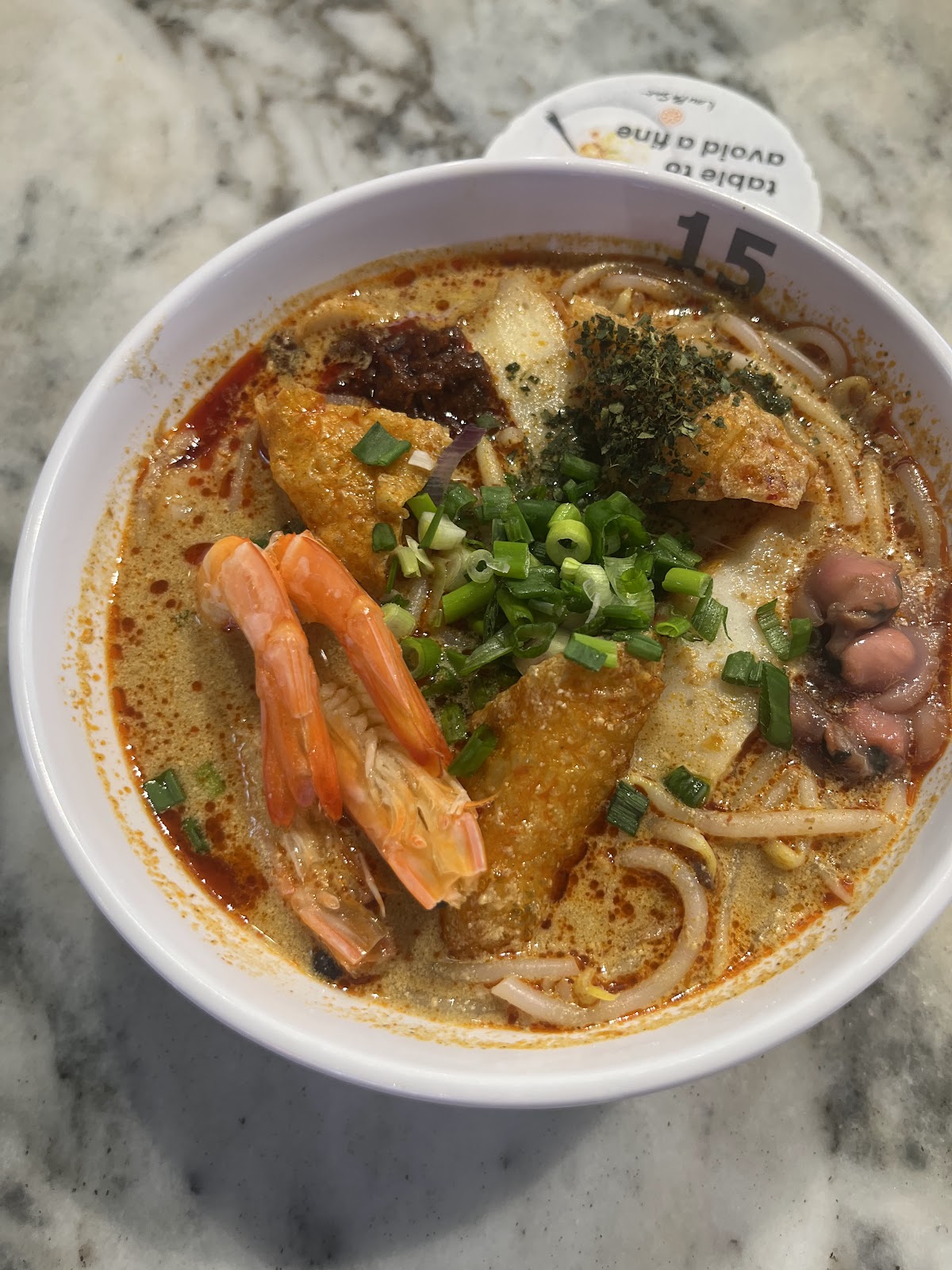
For travelers trying to avoid food poisoning abroad, the gift of Singapore is that many excellent meals naturally fit the safe-food pattern: cooked to order, served hot, high turnover, and easy to read. Still, I would keep the same instincts. Busy stalls beat sleepy ones. Hot food beats warm food. Peelable fruit beats mystery fruit cups. Freshly cooked laksa beats anything that seems to have been waiting for you.
Here are dependable places to start:
- Maxwell Food Centre, 1 Kadayanallur Street
- Tiong Bahru Market, 30 Seng Poh Road
- Old Airport Road Food Centre, 51 Old Airport Road
- Tekka Centre, 665 Buffalo Road
- Lau Pa Sat, 18 Raffles Quay
- East Coast Lagoon Food Village, 1220 East Coast Parkway
- 328 Katong Laksa, 51 East Coast Road
- Hill Street Tai Hwa Pork Noodle, Crawford Lane
The local dishes worth prioritizing are Hainanese chicken rice, laksa, satay, roti prata, biryani, bak chor mee, Hokkien mee, fish soup, kaya toast, and chwee kueh. If you want seafood, save chili crab or sambal stingray for a night when you are fully settled, well hydrated, and not heading straight onto a bus or flight afterward.
One more note on the hawker center experience: return your tray, carry tissues, and do not panic if you see locals reserving seats with a packet of tissues. That practice, known as chope, is part of the rhythm. Respecting the system makes the meal smoother for everyone.
Practical tips
Singapore feels easy, but easy cities can lull travelers into lazy habits. The climate is humid year-round, which means dehydration sneaks up fast, especially if you are walking between MRT stations and open-air food courts. Air-conditioning can make you forget how much you have sweated. By dinner, that combination of heat, cold drinks, and rich food can mimic or worsen travel stomach problems even when the food itself is fine.
The trick is to treat Singapore as both a destination and a training ground. Enjoy the relative comfort of potable tap water and strong food systems, but keep the routines that will matter later elsewhere: wash hands, favor heat, watch turnover, and scale your ambition to the day.
Month-by-month weather for Singapore
| Month | Average temperature | Rain feel | Best for |
|---|---|---|---|
| January | 25 to 31 C | Wet and stormy at times | Museums, hawker hopping, shorter outdoor walks |
| February | 25 to 32 C | Slightly drier | Great balance for food and city walks |
| March | 26 to 32 C | Humid with showers | Good for morning markets and indoor breaks |
| April | 26 to 32 C | Hot, thunderstorms possible | Early starts, gardens late afternoon |
| May | 26 to 32 C | Hot and sticky | Strong for food-focused itineraries with AC breaks |
| June | 26 to 31 C | Humid, mixed showers | Popular school-holiday period, book ahead |
| July | 25 to 31 C | Warm, intermittent rain | Good for neighborhood eating days |
| August | 25 to 31 C | Similar to July | National Day crowds possible |
| September | 25 to 31 C | Humid, scattered storms | Great for slower urban exploring |
| October | 25 to 31 C | Wetter build-up | Pack light rain gear |
| November | 25 to 31 C | Often quite wet | Lean into museums, malls, and hawker centers |
| December | 25 to 31 C | Wettest feel for many travelers | Festive season, reserve hotels early |
Useful practical notes:
- Best months: February to April often feels easiest for a first visit, though Singapore works year-round
- Currency: Singapore dollar, abbreviated S$ or SGD
- Cards and cash: Cards are widely accepted, but some hawker stalls still appreciate small cash notes
- Connectivity: eSIMs are easy, airport counters are efficient, and public Wi-Fi is decent in many places
- Tap water: Safe to drink in Singapore, which is one reason it is such a good first food trip
- Packing: Light breathable clothing, umbrella, tissues, hand sanitizer, oral rehydration salts, and sandals that can handle sudden rain
- Customs: Queue properly, keep noise moderate in shared eating spaces, return trays in hawker centers, and do not cut lines no matter how casually they appear to form
- Health: Pharmacies are easy to find in malls and central districts; seek medical help early if travel stomach problems become severe
- Families: For infant feeding, ready-to-feed formula is the simplest option on the move; otherwise prepare feeds carefully with safe water and clean equipment
For local food hygiene and hawker-center information, the National Environment Agency is a useful official resource.
FAQ
How do I avoid food poisoning abroad without missing local food?
The best way to avoid food poisoning abroad is to eat local food selectively, not fearfully. Choose dishes cooked to order, served hot, and sold by busy specialists. Save raw seafood, uncertain ice, and dairy-heavy desserts for places with high trust and for days when your body is already settled.
Is street food in Singapore actually safe?
Generally, yes, especially compared with many cities where water quality or cold chains are less reliable. But use the same street food safety tips you would anywhere: look for turnover, fresh cooking, clean handling, and hot service. A hawker center with active stalls is usually a better bet than a sleepy counter with food sitting out.
Can I drink tap water in Singapore?
Yes. Singapore tap water is potable, which makes the city a helpful starting point for learning safer food habits. In destinations where tap water is not considered safe drinking water, switch to sealed bottled water or properly boiled drinks and skip uncertain ice.
What should I eat on the first night after a long flight?
Keep it simple and hot. Think chicken rice, noodle soup, congee, dosa, grilled fish, or stir-fried noodles from a busy kitchen. Travel stomach problems often start when travelers combine fatigue with overeating, alcohol, and risky raw foods on night one.
When should I see a doctor for stomach symptoms abroad?
Seek care quickly for bloody diarrhea, high fever, serious dehydration, fainting, severe pain, or vomiting that does not let you keep fluids down. Children, older adults, pregnant travelers, and people with weakened immune systems should act sooner rather than later.
Singapore is not exciting because it removes all risk. It is exciting because it proves safe eating and joyful eating can belong in the same day. You can start with a steaming bowl of noodles under fluorescent lights, move through spice-scented lanes and glossy towers, and finish with satay smoke rising into the warm night air. Once you learn to read a meal instead of fear it, the world gets much bigger, and a lot more delicious.