Bangkok Street Food Safety Tips for 2026: Eat Boldly, Not Blindly
A great meal in Bangkok can cost less than a train ticket across town, and that is exactly why first-time visitors get reckless. The city makes food feel easy, abundant, and thrilling. But the best Bangkok street food safety tips are not about fear. They are about reading a stall the way you would read a tide, a crowd, or a weather shift. Learn that skill, and you can eat deeply, confidently, and very well.
Bangkok is one of the best places in the world to learn how to eat safely while traveling abroad because the clues are visible. Woks roar in the open air, soup pots steam from dawn, market stalls fill and empty in fast cycles, and neighborhood regulars vote with their feet. If you want a practical way to avoid food poisoning abroad without hiding in hotel restaurants, this is the city to practice in. Before a food trip here, I usually pin markets, ferry piers, and late-night noodle stops in TravelDeck so each eating day follows a sensible neighborhood route instead of a sweaty zigzag across town.
Bangkok rewards curiosity, but it also rewards observation. The vendors worth trusting are rarely the quiet ones with trays sitting under the sun. They are the specialists with one or two dishes, a line of office workers, and ingredients turning over so quickly that nothing has time to languish. These Bangkok street food safety tips come down to rhythm, temperature, water, and turnover. Once you see those patterns, safe street food stops feeling like a gamble and starts feeling like a skill.
Why Bangkok is the perfect classroom for eating safely abroad
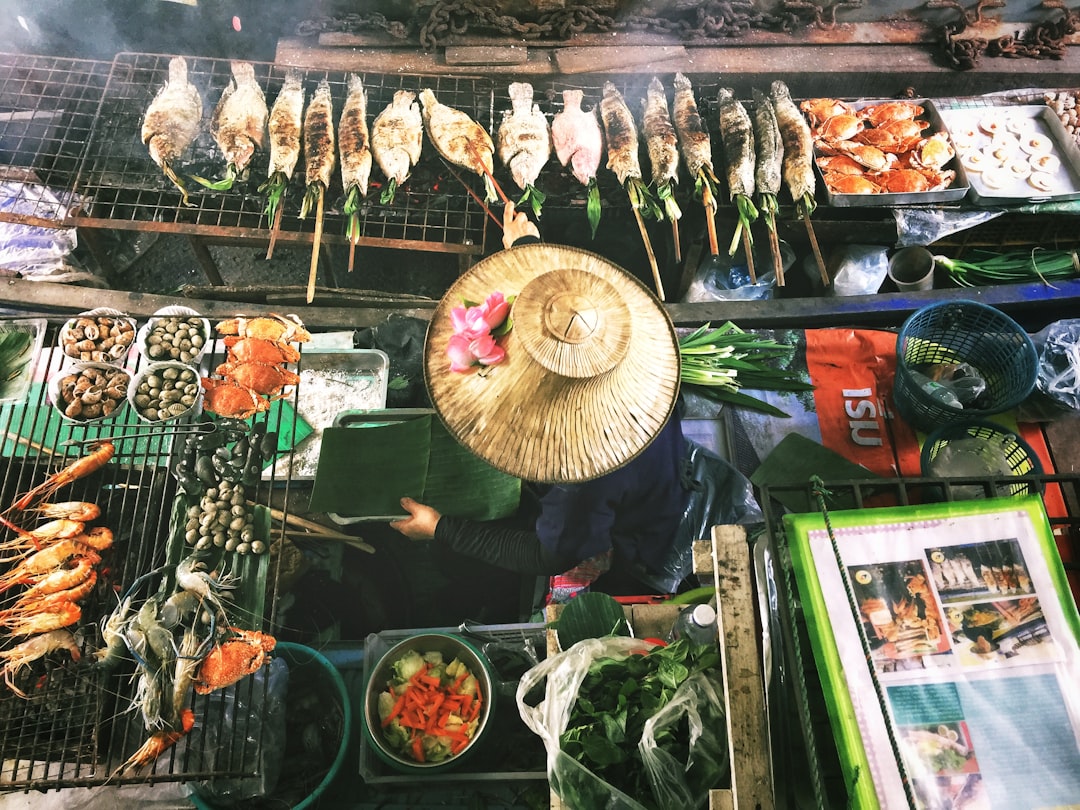
Photo by Lisheng Chang on Unsplash
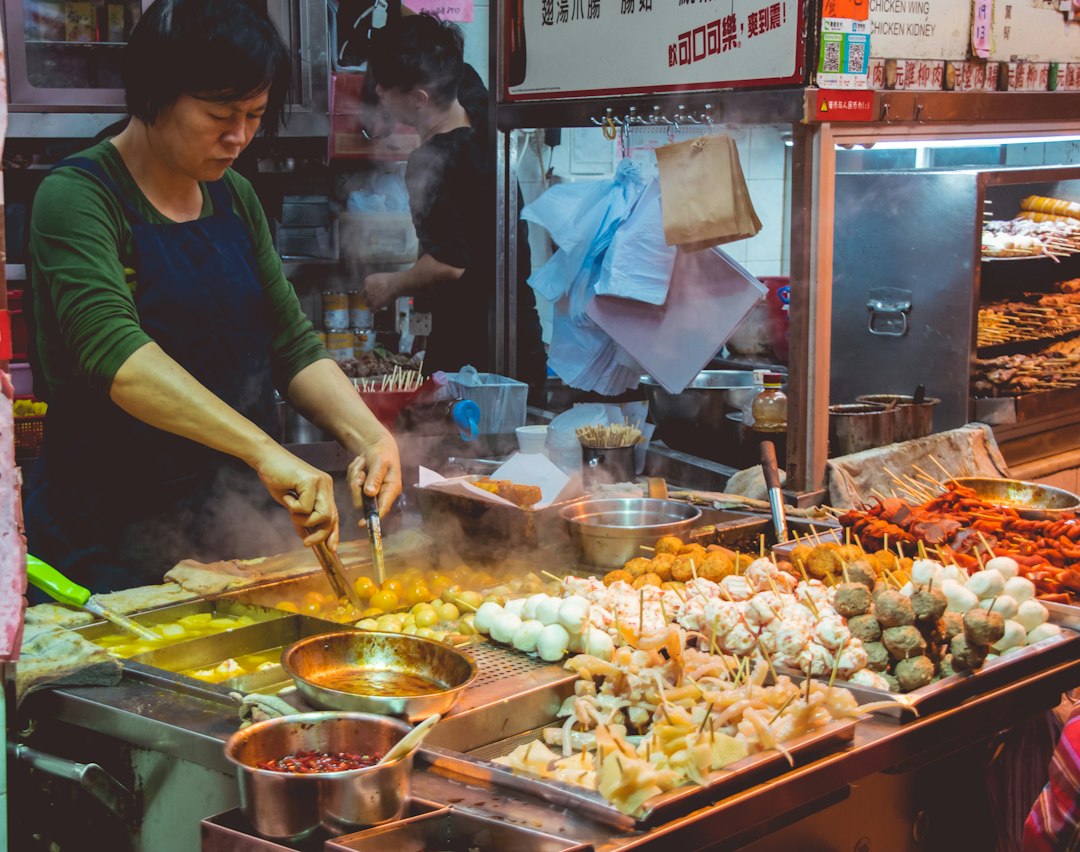
Bangkok can feel overwhelming on a first evening. Neon from Yaowarat bounces off stainless steel carts. Charcoal smoke lifts from pork skewers. Someone is pounding green papaya for som tam with a quick, hollow thud while scooters hum past and a monk in saffron slips through the crowd. It is easy to assume that local food safety is impossible to judge in a place with this much motion. In reality, the movement helps you. Busy cities expose their best food stalls in plain sight.
The trick is to stop asking whether street food is safe in some abstract way and start asking better questions. Is the dish cooked to order or sitting out? Is the broth boiling? Are raw herbs washed in clean water or left wet in a bucket all afternoon? Does the vendor touch money and food with the same hand? Are families eating here, or just tourists taking photos? These are the observations that help you avoid food poisoning abroad in a real, usable way.
This is also why Bangkok works for travelers who want flavor without surrendering common sense. You can move from markets to old-school shophouses to mall food courts in a single day and compare what careful local food safety looks like in different settings. The principles stay the same even when the atmosphere changes.
| What to look for | Why it matters | Best move |
|---|---|---|
| A fast-moving queue of locals | High turnover means fresher ingredients | Join the line and order the specialty |
| Food cooked in front of you | Heat is your ally | Choose wok dishes, grilled skewers, soups |
| Steam, bubbling oil, or active grill heat | Hot food is safer than lukewarm food | Eat it immediately, not later |
| Separate handling for cash and food | Reduces contamination risk | Watch one order cycle before buying |
| Covered ingredients and clean prep area | Better local food safety habits | Favor stalls with organized mise en place |
| Pre-cut fruit, open sauces, melting ice | Higher contamination risk | Skip and choose peeled fruit or hot dishes |
Bangkok street food safety tips that actually work
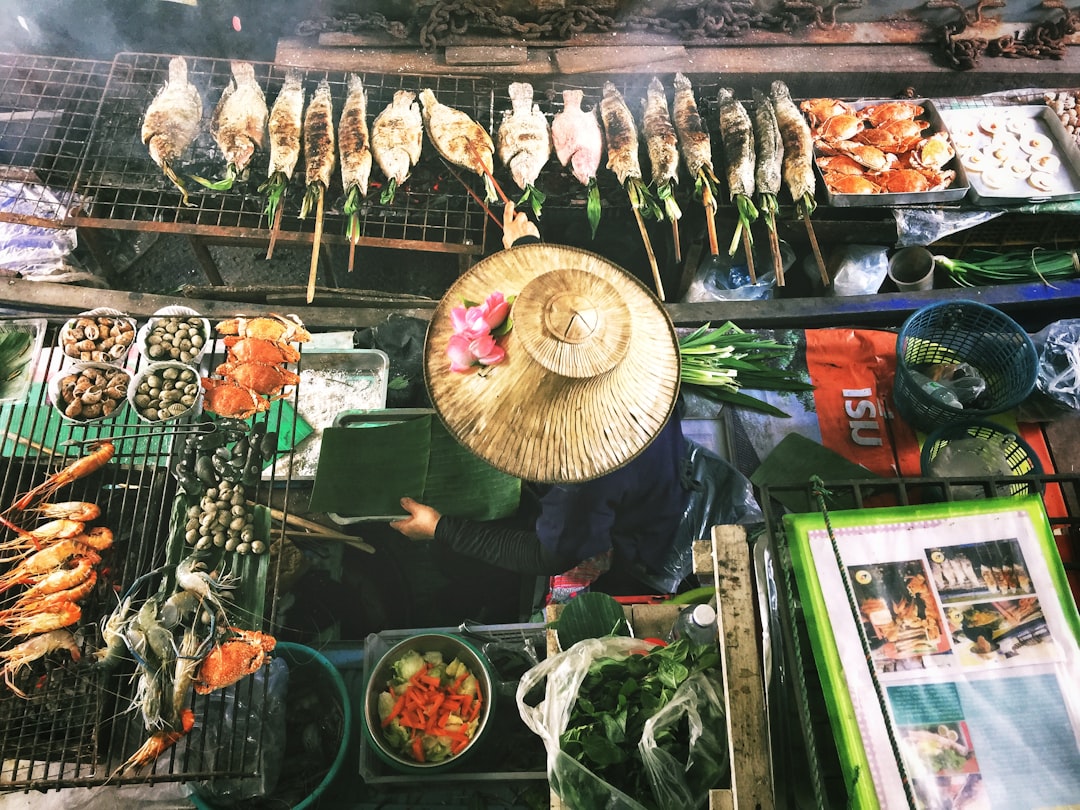
Photo by Lisheng Chang on Unsplash
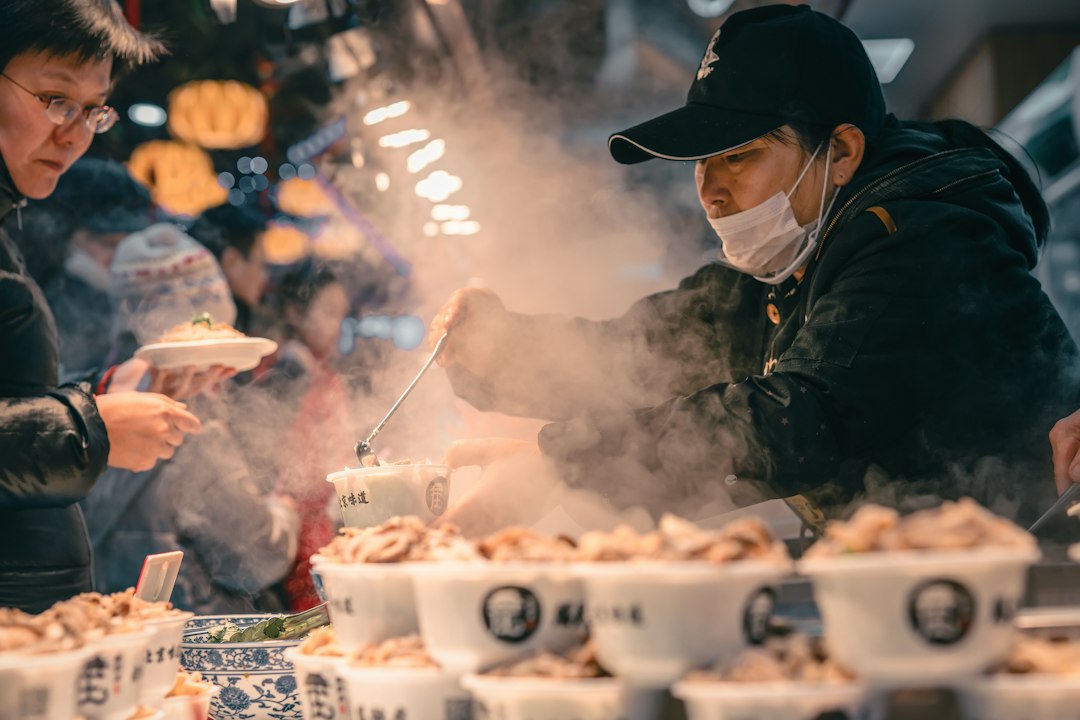
The most useful Bangkok street food safety tips are surprisingly simple. Eat hot food while it is still hot. Be suspicious of anything lukewarm. Favor stalls that specialize in a few items instead of offering twenty unrelated dishes. Watch how water enters the meal, because that is often where problems begin: ice, raw herbs, cut fruit, rinsed utensils, wet chopping boards, diluted sauces, and drinks mixed from unknown sources.
If you remember only one thing, remember this: heat and turnover protect you more than branding does. A polished sign does not guarantee safe street food. A plastic stool beside a roaring wok often tells a better story. The vendor who is tossing pad kra pao to order for a line of office workers is usually safer than the beautiful display of seafood skewers sitting in still air. Travelers diarrhea prevention begins with choosing active cooking, not pretty presentation.
Another of the essential Bangkok street food safety tips is to build your meals in layers of confidence. Start with dishes that are cooked hard and served fast: noodle soups, rice plates, grilled meats straight from the fire, freshly fried omelets, hot dumplings, and stir-fries. Save the riskier items for later, if at all. Raw salads, room-temperature shellfish, pre-cut fruit, and drinks with questionable ice are where travelers make avoidable mistakes. Good bottled water travel habits matter as much as your food choices, especially in a hot city where dehydration makes people careless.
Here are the rules I actually use on the ground:
- Choose food that is cooked to order and served steaming hot.
- Avoid trays of food sitting warm rather than hot, especially in midday heat.
- Favor busy vendors with a clear specialty such as boat noodles, grilled pork skewers, or khao man gai.
- Watch whether the vendor handles money and ingredients separately.
- Skip raw garnishes if you cannot tell how they were washed.
- Be careful with fresh sauces made from raw ingredients unless turnover is extremely high.
- Use hand sanitizer before eating if you have been on transit, handling cash, or browsing markets.
- Practice bottled water travel discipline: use sealed bottled water for drinking, brushing teeth if you are sensitive, and for mixing electrolyte powder.
- Avoid fountain drinks and be cautious with fresh juice unless you see the fruit peeled and pressed in front of you.
- If you are tired or overheated, simplify. The more compromised you feel, the more conservative your choices should be.
Local food safety at Bangkok markets and night stalls
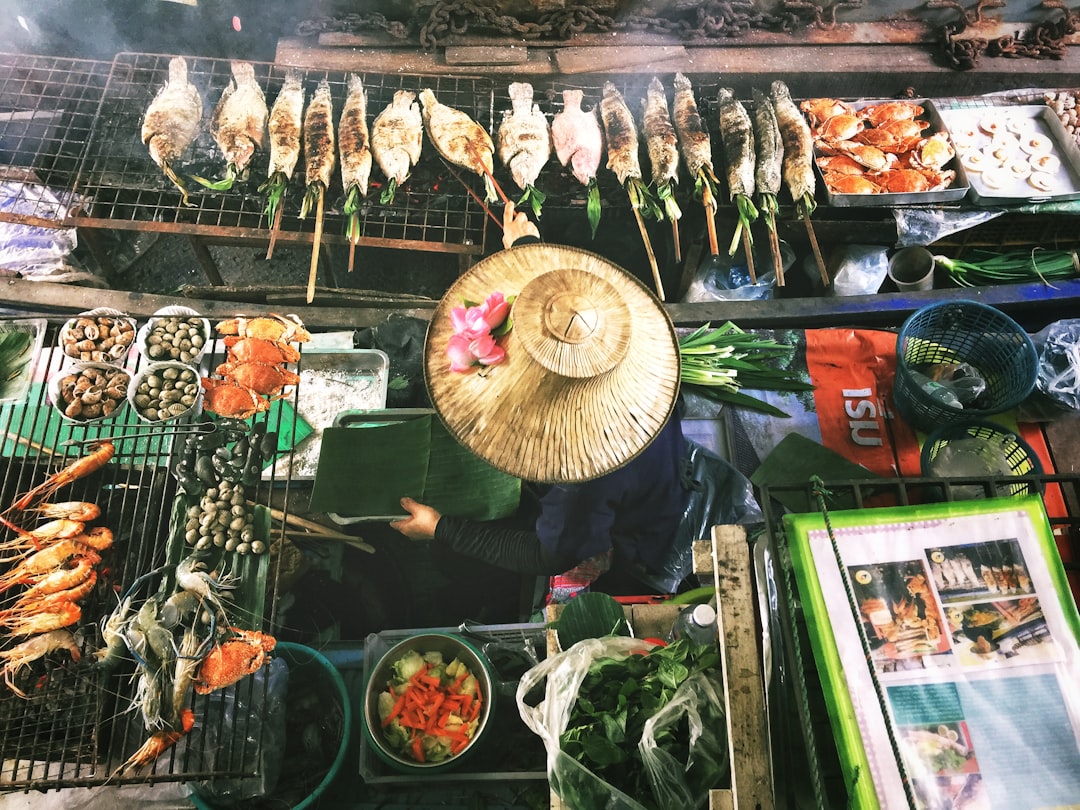
Photo by Lisheng Chang on Unsplash
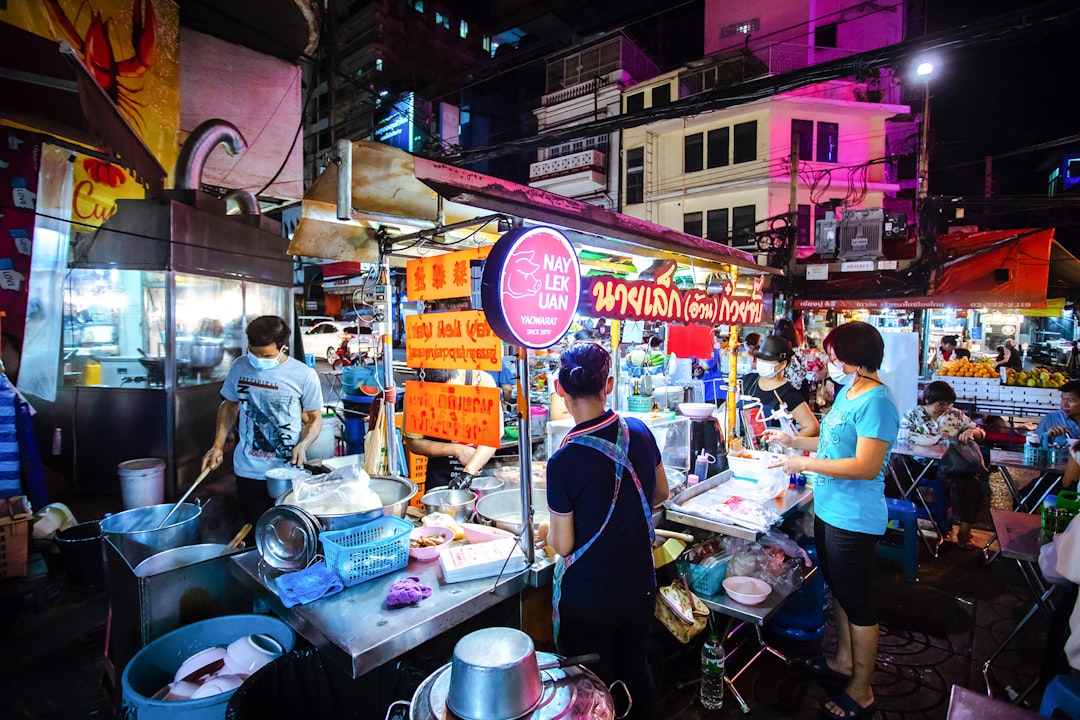
Market food in Bangkok is not one thing. A morning market, a riverside stall cluster, a Chinatown seafood strip, and an air-conditioned food court all operate differently. That matters because local food safety changes with time of day, temperature, and how quickly ingredients move. A market that feels excellent at 8 am can look very different at 3 pm.
At morning markets, the best signs are freshness and speed. Rice porridge, congee, fried dough, noodle soups, and curry over rice can be excellent early because ingredients have just arrived and pots are still running at full heat. By late afternoon, the safest choices usually shift toward dishes cooked from scratch on demand. This is one of the most underrated Bangkok street food safety tips: do not judge a stall only by reputation; judge it by the hour.
At night markets and roadside clusters, pay attention to storage. Seafood should be chilled or moving fast. Meats should not be exposed to traffic dust for long stretches. Condiments should look active, not tired. Travelers diarrhea prevention is often less about dramatic hazards and more about tiny moments of neglect repeated over a humid day. Safe street food depends on timing as much as taste.
A quick market checklist helps:
- Morning is best for porridge, dim sum, soy milk, fresh fried dough, and early noodle soups.
- Late lunch is ideal for shophouse meals with fast turnover and indoor seating.
- Night is strongest for grilled skewers, stir-fries, wok noodles, hotpot, and seafood at very busy venues.
- Be cautious with oysters, crab, and shellfish in the hottest months unless you are at a highly reputable, high-turnover spot.
- Pre-cut guava, mango, pineapple, and watermelon are tempting, but whole fruit that you peel yourself is better for local food safety.
- If herbs and lettuce arrive on the plate, enjoy them only when the venue clearly handles produce well and turnover is fast.
Safe street food neighborhoods in Bangkok
Not every neighborhood is equally easy for beginners. Some areas are chaotic in a thrilling way and reward experience. Others make safe street food far easier to decode because foot traffic is steady, vendors are established, and transport is simple. If you are new to Bangkok, choosing the right neighborhood is part of how you avoid food poisoning abroad.
Yaowarat, Bangkok's Chinatown, is the city's great sensory carnival. The air is glossy with smoke and steam, signs glow red and gold, and seafood tanks gurgle outside shophouses while dessert stalls shave ice into metal bowls. It is spectacular, but it can also overwhelm new visitors into making rushed choices. The answer is not to skip Yaowarat. It is to arrive with a plan: pick two or three known stops, go slightly early before the biggest crush, and prioritize the busiest cooked-to-order stalls.
For a calmer start, Or Tor Kor Market is one of the easiest places to understand good local food safety. The market is cleaner, more organized, and better ventilated than many roadside clusters. It is ideal for travelers learning the basics of bottled water travel, fruit selection, and hot prepared dishes. Wang Lang Market and Nang Loeng Market sit somewhere in the middle: lived-in, delicious, less theatrical than Yaowarat, and full of quick-turnover comfort food.
Neighborhoods worth prioritizing:
- Yaowarat, Chinatown – Best for evening seafood, wok dishes, guay jub, roast chestnuts, and dessert stalls. Go for heat, speed, and spectacle.
- Or Tor Kor Market – Excellent for cooked dishes, fruit you can inspect carefully, and a gentler first-day market experience.
- Wang Lang Market – Good for daytime snacking, noodle bowls, grilled meats, and seeing what local student and hospital crowds actually eat.
- Nang Loeng Market – One of Bangkok's oldest markets, strong for traditional Thai snacks and ready-to-eat dishes with long local followings.
- Talat Phlu – A neighborhood food street with old-school sweets, noodles, and charcoal-grilled items, especially lively in the evening.
- Banthat Thong Road – More restaurant-forward than classic street food, but excellent for beginners who want high-turnover casual dining and dessert spots.
How to get there
Bangkok is usually entered through two airports: Suvarnabhumi Airport, code BKK, and Don Mueang Airport, code DMK. For a food-focused trip, aim to stay near the MRT Blue Line, the Chao Phraya River, or central old-city areas where you can reach Yaowarat, Wang Lang, Nang Loeng, and major markets without spending your appetite in traffic. Bangkok's public transport is good enough that you do not need a private driver to eat well.
If you land at BKK, the cleanest budget route into the city is usually the Airport Rail Link into town, then an MRT connection. If you land at DMK, the SRT Red Line plus MRT works well. Taxis are convenient after long flights, but traffic can be brutal in the evening, exactly when you want to be hunting dinner. These Bangkok street food safety tips are not only about food; arriving rested and unhurried makes better decisions much easier.
| Route | Duration | Typical cost | Best for |
|---|---|---|---|
| BKK to Yaowarat via Airport Rail Link to Makkasan, then MRT to Wat Mangkon | 45-60 min | 60-90 THB | Budget travelers heading straight to Chinatown |
| BKK to Old Town or Yaowarat by taxi | 35-70 min | 350-500 THB plus tolls | Late arrivals with luggage |
| DMK to Yaowarat via SRT Red Line to Bang Sue, then MRT | 60-75 min | 45-70 THB | Cheapest rail option from Don Mueang |
| DMK to Old Town by taxi | 30-60 min | 250-400 THB plus tolls | Easiest after a regional flight |
| BKK to Phaya Thai by Airport Rail Link | 30 min | 45 THB | Good if staying near BTS connections |
| Sathorn Pier to Wang Lang by Chao Phraya boat plus short ferry | 20-35 min from central river hotels | 17-35 THB | Scenic lunch run |
Useful official links:
- Suvarnabhumi Airport
- Don Mueang Airport
- Airport Rail Link and SRT Electrified Train info
- BTS Skytrain
- MRT and BEM network maps
- Tourism Authority of Thailand
Things to do
A food trip to Bangkok should not become an endless checklist of famous dishes. The city tastes better when you move with its daily rhythm. Breakfast belongs to porridge steam, soy milk, and morning markets. Noon belongs to rice plates and noodles under fans. Evening belongs to Chinatown fire, river breezes, and dessert. If you structure the day around neighborhoods instead of random viral stops, both flavor and local food safety improve.
That slower, more observational style also helps travelers diarrhea prevention. You notice when you are overheating. You notice which vendors draw repeat customers. You stop inhaling five rich dishes back to back just because they are in front of you. The result is a better trip: more appetite, more stamina, and a much clearer sense of what Bangkok actually tastes like.
Here are the best food-first activities in the city:
- Walk Yaowarat Road at dusk
- Eat breakfast at Or Tor Kor Market
- Cross to Wang Lang Market for lunch
- Take the river to Pak Khlong Talat flower market after dinner
- Visit Nang Loeng Market for old Bangkok dishes
- Try a boat noodle session around Victory Monument or a trusted branch elsewhere
- Spend an evening on Banthat Thong Road
- Take a cooking class with a market visit
Where to stay
The best base for a food trip is not necessarily the flashiest one. You want fast transit, easy access to late dinners, and a room comfortable enough that you can recover from heat and spice. Staying near Chinatown, the river, old Bangkok, or a train line that reaches those areas is usually smarter than sleeping far out in a resort-style hotel. Bangkok street food safety tips begin with energy management; a tired, dehydrated traveler makes bad food choices.
Another rule: do not underestimate refrigeration. In hot weather, a well-air-conditioned room, a reliable shower, and a mini-fridge for bottled water travel routines can make a major difference. If you are carrying probiotics, electrolyte packets, yogurt, or leftovers from a restaurant meal, a proper room setup matters.
Budget
- Here Hostel Bangkok, Phra Nakhon – Around 700-1,400 THB for a dorm or simple private. Great for old-city access and social travelers.
- The Printing House Poshtel, Dinso Road area – Roughly 900-2,000 THB. Good location for Old Town, Nang Loeng, and river routes.
- Norn Yaowarat Hotel, Chinatown – Around 1,200-2,200 THB. Excellent if you want to walk to Yaowarat after dark and return quickly.
Mid-range
- ASAI Bangkok Chinatown – About 2,200-3,800 THB. One of the best balances of location, comfort, and direct access to food streets.
- Old Capital Bike Inn, Old Town – Around 3,200-4,800 THB. Characterful and well placed for classic Bangkok neighborhoods.
- Amara Bangkok, Surawong area – Roughly 3,500-5,500 THB. Good transit access, rooftop views, and a comfortable reset between meals.
Luxury
- The Standard, Bangkok Mahanakhon – About 7,500-12,000 THB. Stylish, central, and useful for dining across Silom, Sathorn, and Chinatown.
- Shangri-La Bangkok – Around 7,000-13,000 THB. Excellent river access for boat-based food wandering.
- Mandarin Oriental Bangkok – Often 18,000-28,000 THB or more. A classic splurge if you want river elegance and one of Bangkok's most polished hospitality experiences.
Where to eat
The best version of this city is not found in one meal, but in contrast. Breakfast porridge after dawn rain. Peppery guay jub under Chinatown neon. A plate of khao man gai eaten quickly at lunch with office workers. Sweet mango sticky rice after a river ride. To practice Bangkok street food safety tips well, mix iconic places with trustworthy everyday stops. That balance gives you both memory and momentum.
You also do not need to eat only on the pavement to experience Bangkok properly. Some of the smartest choices for travelers are in market food courts, shophouse restaurants, and semi-open storefronts with strong turnover. Safe street food is not a legal category; it is a pattern of handling, temperature, and volume. When you see those things working together, trust them.
These are strong places to start:
- Or Tor Kor Market food stalls, Kamphaeng Phet Road
- T&K Seafood, Soi Phadung Dao, Yaowarat
- Nai Mong Hoi Thod, near Yaowarat
- Guay Jub Ouan Pochana, Yaowarat area
- Go-Ang Kaomunkai Pratunam
- Thip Samai, Maha Chai Road
- Jay Fai, Maha Chai Road
- Jek Pui Curry, Yaowarat area
What to order, and what to approach carefully:
Safer first choices
- Noodle soups served boiling hot
- Stir-fries cooked in front of you
- Grilled pork skewers straight from the fire
- Freshly fried omelets or hoi tod
- Khao man gai from a busy specialist shop
- Hot curries over rice from a high-turnover stall
Higher-risk choices for cautious travelers
- Pre-cut fruit sitting on ice of uncertain quality
- Raw herb-heavy salads from quiet stalls
- Seafood displayed in heat with slow turnover
- Drinks with machine ice from unknown water sources
- Sauces and condiments left open all day in direct heat
Practical tips
Bangkok changes with the season, and so does your food strategy. From November to February, the weather is at its most forgiving, which means longer market walks, better appetite, and less risk of heat-exhaustion mistakes. March through May is punishingly hot, with heavy air and bright afternoons that can flatten your judgment. June through October brings rain, which cools the city but also makes street surfaces slick, floods some lanes, and changes the rhythm of outdoor dining. For anyone trying to avoid food poisoning abroad, weather is not background scenery; it shapes how food is stored, how long you can comfortably walk, and what your body can handle.
This is also where common sense beats bravado. Travelers diarrhea prevention is not won by heroic spice tolerance. It is won by rest, hydration, sensible pacing, and knowing when to choose soup over seafood. If you are planning a trip in the hotter months, the advice in Traveling in Extreme Heat: Safety Guide for Summer 2026 pairs especially well with this kind of food itinerary.
And do not overlook logistics. A small med kit, rehydration salts, and a simple packing system matter more on a food trip than people expect. If you want to travel lighter without forgetting the essentials, Carry On Packing Tips for Beach, City, Work, and Winter Trips is genuinely useful. If you are trying to price out Bangkok meals against transport and hotel costs, How to Budget for Travel in 2026 Using a Real Rome Trip offers a solid framework you can adapt.
Best months for a food trip
| Season | Weather | Food advantage | Watch out for |
|---|---|---|---|
| Nov-Feb | 24-32°C, drier, less oppressive | Best overall walking and market weather | Peak season rates in popular areas |
| Mar-May | 28-36°C and often hotter in reality | Brilliant tropical fruit, lively evenings | Heat fatigue, dehydration, lower daytime appetite |
| Jun-Oct | 26-33°C with rain and humidity | Fewer crowds, dramatic skies, easier hotel deals | Downpours, puddles, transport delays |
What to pack for local food safety
- Alcohol-based hand sanitizer
- Oral rehydration salts or electrolyte tablets
- A small pack of tissues or napkins
- Basic stomach relief medicine you already know how to use
- Sunscreen and a cap for daytime market visits
- A reusable shopping bag for sealed snacks and bottled water travel supplies
- Comfortable sandals or shoes that can handle wet pavement
Customs, money, and practical details
- Currency: Thai baht, or THB. Small notes are useful at markets. Many stalls still prefer cash.
- Connectivity: A local eSIM or airport SIM is easy to buy. Good data helps with maps, translations, and checking business hours.
- Tipping: Not expected at classic street stalls. In restaurants, rounding up or leaving a small amount is appreciated but not mandatory.
- Spice: If you want less heat, ask for mai phet. Still, some dishes arrive hotter than expected.
- Water: Practice disciplined bottled water travel. Buy sealed bottles, check the cap, avoid uncertain ice, and keep one cold bottle back at the hotel every night.
- Restrooms: Carry tissues and expect market facilities to vary widely.
- Heat: The safest lunch might be the one you can enjoy while seated under a fan with a liter of water nearby.
Red flags that should make you walk away
- Food sitting in the sun with no clear temperature control
- A nearly empty stall surrounded by busy competitors selling the same dish
- Raw meat exposed to traffic dust and flies for long periods
- Melted ice bathing seafood or fruit in warm water
- Utensils rinsed in murky standing water
- A sour or stale smell that does not match the dish
- You feel rushed, faint, or too overheated to assess the situation clearly
FAQ
Is Bangkok street food safe for first-time visitors?
Yes, often very much so, if you use practical Bangkok street food safety tips rather than blind optimism. Start with high-turnover stalls, cooked-to-order dishes, and organized markets such as Or Tor Kor. Safe street food in Bangkok is common, but choosing it well matters.
What is the best way to avoid food poisoning abroad in Bangkok?
Pick hot food cooked in front of you, avoid lukewarm dishes, skip questionable ice, be cautious with raw produce, and stay disciplined about bottled water travel. To avoid food poisoning abroad, do not make your first day a marathon of seafood, alcohol, and chili.
Which foods are easiest on a sensitive stomach?
Khao man gai, plain rice porridge, simple noodle soups, grilled chicken, and mild stir-fries are good starting points. They are also useful for travelers diarrhea prevention if you feel worn down by heat or jet lag.
Is ice in Bangkok safe?
In many reputable restaurants and busy shops, yes, but on a short trip or if you are cautious, it is reasonable to avoid it. This is one of the simplest Bangkok street food safety tips to follow when you are unsure.
How much should I budget for a Bangkok food day?
A strong street-food-heavy day can cost 400-900 THB per person if you eat modestly and often. Add seafood splurges, café stops, or a famous restaurant, and 1,200-2,500 THB is easy to reach.
Bangkok teaches a useful lesson that applies far beyond Thailand. Eating safely abroad is not about shrinking your trip until every meal is bland and familiar. It is about paying attention to heat, pace, crowds, water, and your own energy. Once you learn that, the city opens beautifully: pepper in the air, noodles slipping from chopsticks, the metallic hiss of a wok, mango sweet on your hands, river wind after dinner. The point is not to avoid the street. It is to meet it with sharper eyes, better timing, and enough confidence to taste the place properly.