A good travel meal should feel thrilling, not like a gamble. Safe street food abroad becomes much easier to understand in Singapore, where sizzling woks, visible hygiene grades, and fast-moving lunch queues teach you how to read a food scene in real time. One lap around a hawker centre can show you more about smart eating than a week of vague warnings.
If you want to learn how to eat safely while traveling abroad without hiding in hotel restaurants, Singapore is the perfect classroom. The city lets you practice the habits that matter everywhere else: choosing stalls with fast turnover, preferring food cooked to order, checking how ingredients are handled, and knowing when a glass of iced juice is worth skipping. You still get the pleasure of satay smoke, laksa perfume, and the metallic clatter of trays, but with a lower learning curve.
Why Singapore teaches safe street food abroad better than most cities
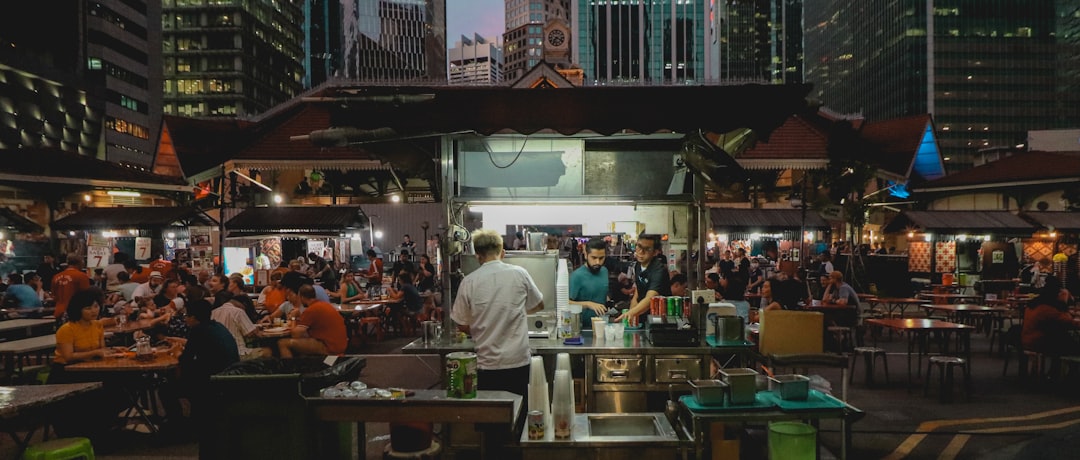
Photo by Ethan Hu on Unsplash
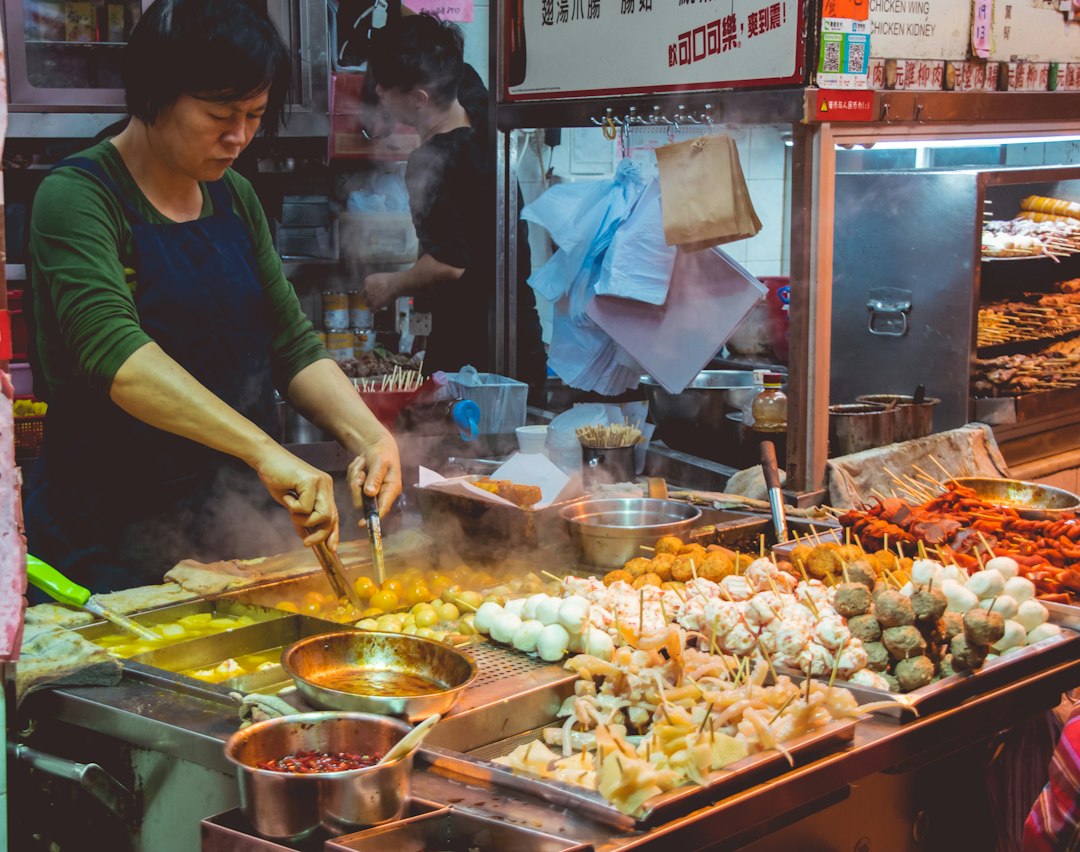
Singapore feels almost cinematic for food lovers. Ceiling fans push warm air across long communal tables, uncles in polo shirts balance trays of kopi and soft-boiled eggs, and the air changes every few steps: garlic at one stall, sambal at the next, then peppery broth, then charcoal smoke. That sensory overload is exactly why the city works so well as a first lesson in safe street food abroad. You are not guessing blindly. Most hawker centres are organized, busy, brightly lit, and easy to scan with your own eyes.
There is also structure behind the charm. Stalls display food hygiene grades, table-clearing is regular, and turnover is usually high enough that popular dishes do not sit around for hours. Singapore is not risk-free, because nowhere is, but it gives travelers a rare chance to learn sound street food instincts in a place where tap water is generally safe, kitchens are partly visible, and food culture rewards freshness. The same stall-reading skills matter later in the medinas described in 4 Days in Marrakech in 2026: Souks, Riads, Atlas Views and the market districts in 4 Days in Istanbul in 2026: Mosques, Markets, and Ferries, but Singapore lets you develop them in gentler conditions.
Before you order anything, look for a few signals that separate a memorable meal from a careless one.
| Signal | Why it matters | What it looks like in Singapore |
|---|---|---|
| Visible hygiene grade | It is a quick first filter, not a guarantee, but a useful clue | Grade cards posted near the stall frontage |
| Fast turnover | Busy stalls refresh ingredients and cooked food more often | Lunch queues at Maxwell, Tiong Bahru, Old Airport Road |
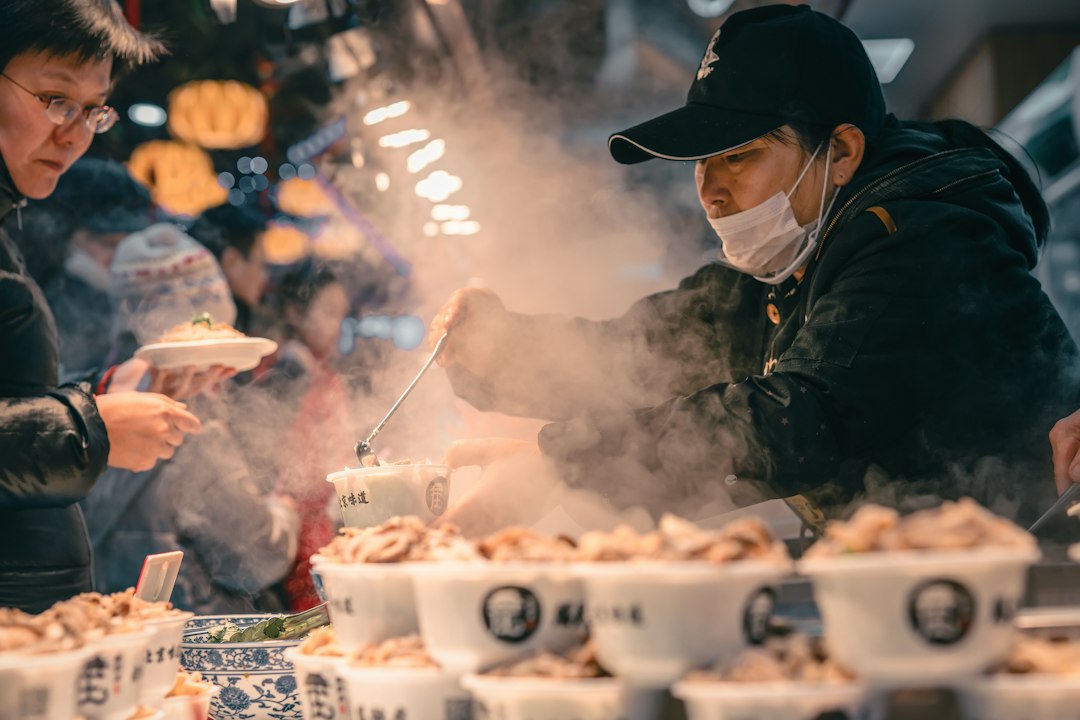
| Food served very hot | Heat lowers the risk from food sitting in the danger zone | Soup steaming, noodles tossed to order, satay fresh off charcoal |
| Clean handling | Separate tools, clean chopping boards, orderly counters matter | Staff changing tasks cleanly and wiping surfaces often |
| Limited exposure time | Pre-cut food, sauces, and dairy warm quickly in humid weather | Better to order fresh than pick something standing out |
| Crowd mix | Office workers and local families are a good sign of trust | Not just tourists taking photos |
That is the real lesson of safe street food abroad: do not ask whether street food is safe as a category. Ask whether this stall, at this hour, handling this dish, looks trustworthy. Singapore makes that habit easy to practice.
Street food safety tips that actually work
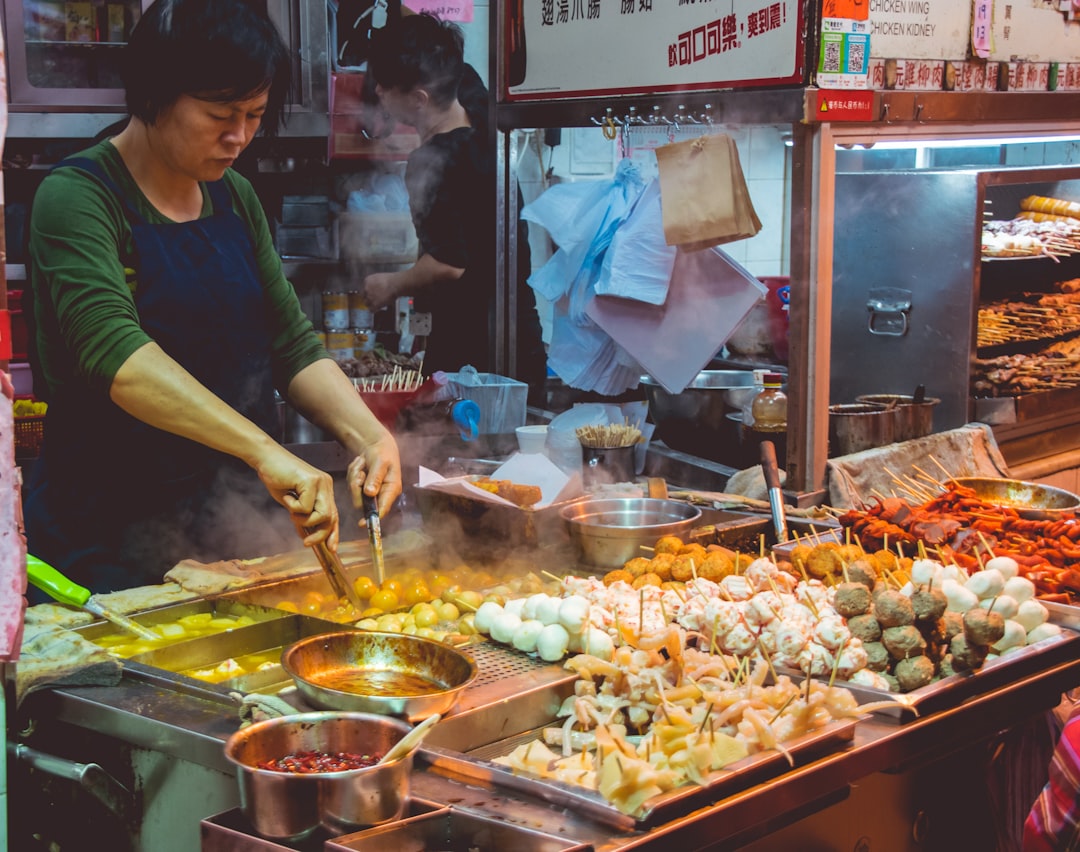
Photo by Vernon Raineil Cenzon on Unsplash
The best street food safety tips are practical, not paranoid. You do not need to travel with a lab kit or turn every meal into a risk assessment spreadsheet. What you need is a sequence: look, smell, order, then eat. Walk the full hawker centre before committing. Notice where steam is rising, which trays look recently replenished, whether raw and cooked ingredients are separated, and how fast plates are leaving the pass.
A lot of travelers make mistakes because they focus on the wrong details. They worry about a plastic stool, then order prawns that have been sitting in the heat. They avoid an older building, then drink a lukewarm fruit smoothie loaded with questionable ice. Safe street food abroad is less about appearances and more about temperature, turnover, and handling. In Singapore, where many stalls do a brisk service, the safest meals are often the simplest: chicken rice sliced to order, soup ladled straight from the pot, prata cooked in front of you, satay lifted straight from the grill.
Here are the street food safety tips I use first in Singapore and then almost everywhere else:
- Walk one full lap before you choose. A hawker centre reveals its best options after a slow first pass, not a rushed first glance.
- Prefer food cooked to order and served hot. If it is steaming, sizzling, or just lifted from broth or oil, that is usually a better sign than something already plated.
- Trust turnover more than hype. A thirty-person queue of local office workers at noon often tells you more than a viral social post.
- Start simple on day one. Chicken rice, fishball noodles, yong tau foo in broth, plain prata, or congee are easier openings than raw shellfish or a brutal chili challenge.
- Be careful with sauces and garnishes that sit out. Fresh sambal is delicious, but if it has been exposed for a long time in heavy heat, skip it.
- Watch the drinks counter. In Singapore, municipal tap water is generally safe, but outside Singapore, safe drinking water abroad becomes a much bigger question. Use Singapore to learn the habit of asking where water and ice come from.
- Wipe canned drink tops or use a straw. The drink inside may be sealed safely, but the outside of the can has traveled through storage rooms, trucks, and counters.
- Wash your hands with soap before eating whenever possible. Hand sanitizer helps, especially when you are changing trains between food stops, but soap is better when hands are sticky or greasy.
- Avoid lukewarm buffet food. In any country, hot food should be hot and cold food should be cold.
- Let your stomach adjust. A famous spicy noodle dish might be brilliant on night three and a terrible idea two hours after landing.
Another useful habit is to read the whole stall, not just the dish. Are the tongs resting on clean surfaces? Is the raw poultry handled away from ready-to-eat food? Are bowls stacked neatly and plates moving fast? Street food safety tips sound obvious when written down, but in the noise and hunger of travel, it helps to reduce them to a quick rhythm: busy stall, hot food, clean hands, fresh drink, no rush.
A hawker center guide for cautious first-timers
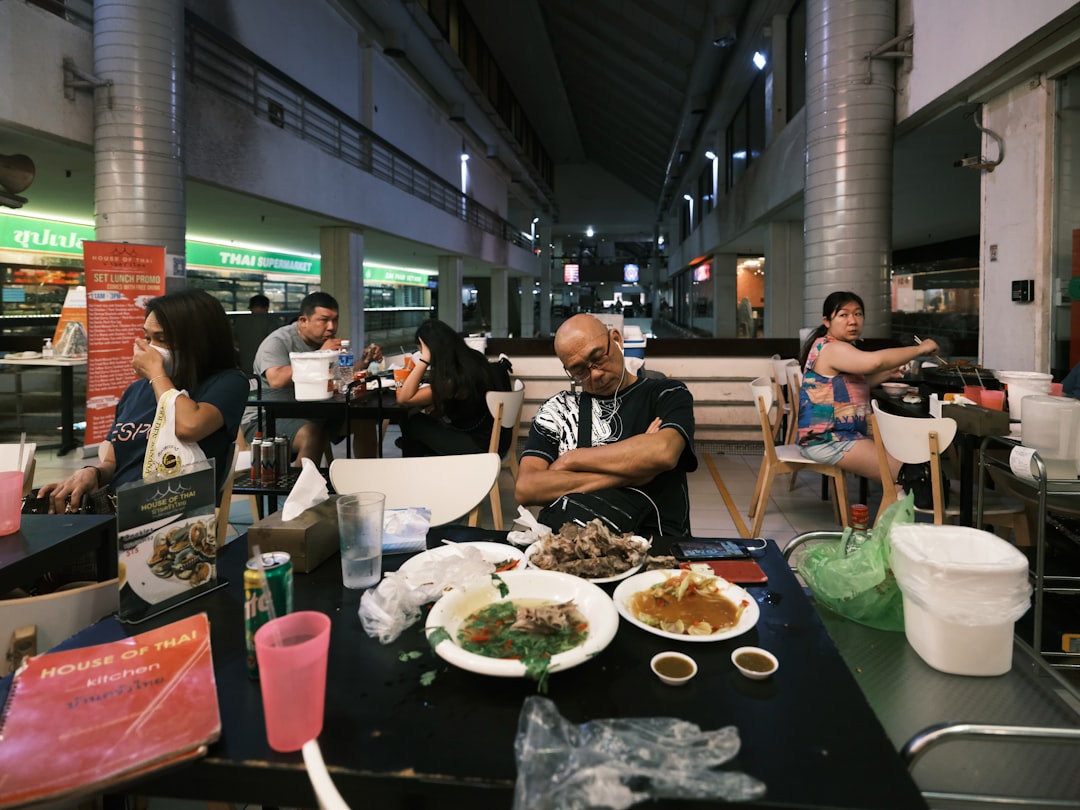
The first time you walk into a major hawker centre, it can feel like a festival disguised as lunch. Families scout tables, delivery riders wait under fluorescent lights, and every stall seems to promise the best noodles in the city. That is exactly why a hawker center guide is useful. Not every food hall serves the same purpose. Some are polished and easy for beginners. Others are sprawling, louder, hotter, and better once you have a little more confidence.
If your goal is safe street food abroad with the fewest variables, start where the environment is easiest to read. Look for strong lighting, clear signage, fast-moving queues, and a broad mix of diners. The following hawker center guide focuses on places where first-time visitors can build confidence without sacrificing flavor.
| Hawker centre | Neighborhood | Why it works for first-timers | Best first order | Nearest MRT | Typical spend |
|---|---|---|---|---|---|
| Maxwell Food Centre, 1 Kadayanallur St | Chinatown | Compact, famous, high turnover at lunch | Hainanese chicken rice, fish soup | Maxwell or Chinatown | S$4-10 |
| Tiong Bahru Market, 30 Seng Poh Rd | Tiong Bahru | Bright upstairs food floor, morning energy, local crowd | Chwee kueh, fishball noodles, porridge | Tiong Bahru | S$3-8 |
| Lau Pa Sat, 18 Raffles Quay | CBD | Beautiful old structure, easier navigation, late-night satay street | Satay, soup, kaya toast | Raffles Place or Telok Ayer | S$6-20 |
| Old Airport Road Food Centre, 51 Old Airport Rd | Dakota | Huge choice and serious local following | Char kway teow, lor mee, satay | Dakota | S$4-12 |
| Tekka Centre, 665 Buffalo Rd | Little India | Great for South Indian and Muslim food, vivid spice market atmosphere | Prata, biryani, thosai | Little India | S$3-10 |
| Chinatown Complex Food Centre, 335 Smith St | Chinatown | Massive selection for slightly bolder eaters | Roast meats, noodles, claypot rice | Maxwell or Chinatown | S$4-12 |
A good hawker center guide also tells you how to behave once you are there. In Singapore, you may see people reserve tables with tissue packets, umbrellas, or keychains, a local habit called chope. Respect it. Return trays where required, do not block queue lines while filming, and decide what you want before reaching the front. Those small acts make you look less like a confused tourist and more like someone ready to eat well.
Use this simple flow in any hawker centre:
- Walk the whole room once.
- Identify two or three busy stalls with hot food coming out fast.
- Check the hygiene grade and the condition of the counter.
- Order one dish that is cooked to order.
- Add a sealed drink or a hot drink rather than an exposed cold beverage.
- Sit, taste slowly, and see how your body feels before chasing heavier dishes.
That is the hawker center guide version of travelers' diarrhea prevention: reduce variables, eat fresh, and build range gradually.
Local dishes to try first when you want a calm stomach
Singapore local dishes are often described as a glorious collision of Chinese, Malay, Indian, Peranakan, and regional influences, and that is true. But for a first-timer trying to keep a happy stomach, some dishes are better opening moves than others. The smartest approach is not to avoid flavor. It is to choose dishes whose ingredients are well cooked, served hot, and easy to read at a glance.
On your first day, think in textures and temperatures. Broth is your friend. Freshly cooked rice is your friend. Grilled skewers made in front of you are usually a better bet than something with mayonnaise or something that has been sitting pre-dressed in the tropical heat. Singapore local dishes offer plenty of safe starts that still feel deeply rooted in place.
Here are the Singapore local dishes I suggest first:
- Hainanese chicken rice — The classic entry dish. Poached chicken, fragrant rice, clear soup, and chili on the side. Order it at Maxwell Food Centre or Tiong Bahru Market. A plate is usually S$4-6. Safety note: ask for chili separately if you have just landed and want less stress on your stomach.
- Fishball noodles — Springy noodles with fishballs, greens, and a clear or lightly seasoned sauce. It is simple, filling, and usually cooked to order. Typical cost is S$4-6. Safety note: go for soup if you want extra hydration in the heat.
- Yong tau foo — A customizable bowl of vegetables, tofu, and fish paste items that you choose and the stall cooks in broth. Usually S$6-10 depending on selection. Safety note: ideal when you want control over spice, oil, and portion size.
- Plain prata with curry on the side — Crisp, buttery flatbread made on a griddle right in front of you. A plain prata may cost S$1.50-2.50; add egg for more. Safety note: great first breakfast because you can keep it very mild.
- Congee or porridge — Soft rice porridge, often with fish, chicken, or century egg. Comforting, hot, and gentle. Expect S$3.50-6. Safety note: particularly useful if yesterday went a little too hard on chili.
- Satay — Skewered meat grilled over charcoal and served with peanut sauce. At Lau Pa Sat or Old Airport Road, expect S$0.80-1.20 per stick, often sold in sets. Safety note: order from stalls where the grill is constantly working and the skewers are cooked in front of you.
- Laksa — Coconut-rich noodle soup with seafood or chicken, spicy but not always punishing. Try 328 Katong Laksa once you know your spice tolerance. A bowl is usually S$6-10. Safety note: brilliant on day two or three, not always on arrival night.
The deeper joy of Singapore local dishes is that they reward pacing. You can eat gently at breakfast, then richer at lunch, then adventurous at dinner. That pacing is one of the most underrated forms of safe street food abroad. Not every meal has to prove how fearless you are.
If you love planning meals neighborhood by neighborhood, this is also where a route-building tool helps. When I map a hawker-heavy day in TravelDeck, I leave a long shady walk or museum break between heavier meals so I am not jumping from laksa to satay to chili crab in three reckless hours.
What to avoid in your first 48 hours
A lot of food trouble on the road begins before the first bite. You land dehydrated, sleep-deprived, slightly constipated from the flight, then head straight for the richest thing on the menu because it looks iconic. In a place as exciting as Singapore, restraint can feel boring. It is not boring. It is strategy.
Your first 48 hours are when travelers' diarrhea prevention matters most. Even in a city with excellent food infrastructure, your body is adapting to climate, time zone, spice level, and different cooking fats. The goal is not to eat timidly forever. The goal is to arrive well enough that day three can be fun.
Hold off on these until your stomach has settled:
- Very spicy noodle dishes if you already feel dehydrated after the flight.
- Raw or lightly dressed seafood on the first night, even if the restaurant is reputable.
- Huge mixed feasts with lots of chili, fried foods, beer, and dessert in a single sitting.
- Cut fruit that has been sitting exposed for a long time.
- Heavy cream-based desserts left in warm display cases.
- Oversized sugary iced drinks when you really need water and salts.
- Buffet eggs and meats that look warm rather than properly hot.
A calmer first-day plan might be chicken rice at lunch, a nap, a slow evening walk through Lau Pa Sat, then satay and a hot tea. Safe street food abroad often looks surprisingly unheroic at the start. That is exactly why it works.
How to get there
Singapore is one of the easiest food cities on earth to arrive into. Changi Airport, with code SIN, runs with the calm efficiency that makes hungry travelers disproportionately happy. Immigration is usually smooth, signage is excellent, and the city center is close enough that you can be eating soup noodles less than an hour after baggage claim if you time it well.
For food-focused travelers, location matters more than luxury on arrival day. You want a simple route into Chinatown, the CBD, Bugis, Little India, or Tiong Bahru, because those districts let you start eating quickly without long transit friction. That matters when you are tired and trying to make safe choices instead of desperate ones.
Here are the most useful transport options:
- Fly into Changi Airport, SIN — From central London expect around 13-14 hours nonstop, from Tokyo about 7 hours, from Sydney around 8 hours, and from Bangkok roughly 2.5 hours. Flight prices vary wildly by season, but regional roundtrips often start around S$180-450 while long-haul roundtrips commonly begin around S$850-1,400.
- MRT from SIN to the city — The cheapest smart option. The trip to City Hall or Chinatown usually takes about 35-45 minutes including transfers and costs roughly S$2-3 with a stored-value or contactless card.
- Taxi from SIN — Best if you land late or want a direct ride to your hotel. Expect 20-30 minutes to the central area and around S$25-40 depending on the hour and surcharges.
- Ride-hailing apps — Grab and Gojek are the most common. Prices often sit close to taxi fares, sometimes lower outside peak periods.
- Bus 36 from the airport — Good if you are staying near Marina Bay, City Hall, or Orchard and want the cheapest scenic ride. Travel time is usually 60-75 minutes, fare about S$2-3.
- Ferry from Batam or Bintan — Useful if you are combining Indonesia and Singapore. Ferries into HarbourFront Centre or Tanah Merah Ferry Terminal usually take 50-70 minutes on the water, with fares often around S$35-70 one way before taxes and terminal fees.
- Bus from Kuala Lumpur — A practical overland option. Depending on traffic and border clearance, expect 5-6.5 hours and about S$25-45. Premium coaches are more comfortable and worth the small price jump.
- Train via Johor Bahru — The Shuttle Tebrau link between JB Sentral and Woodlands is only about 5 minutes, but border formalities add time. It works best for travelers already in Johor Bahru rather than those coming all the way from Kuala Lumpur.
Useful official links:
- Changi Airport: https://www.changiairport.com
- Singapore public transport maps and updates: https://www.lta.gov.sg
- Singapore Tourism Board: https://www.visitsingapore.com
Things to do
Food in Singapore is not separate from the city. It is the city. A breakfast stop leads to an art deco housing estate, a curry lunch puts you in the middle of flower garlands and textile shops, and a satay dinner slides naturally into skyline views and river walks. The best days here feel like eating your way through different temperatures, languages, and architectural styles.
The beauty of building a food-first itinerary is that you never have to choose between culture and appetite. Hawker centres are cultural spaces. Wet markets are neighborhood theatres. Even the walk between meals tells you something: the smell of incense in Chinatown, the painted shophouses in Katong, the polished financial towers around Lau Pa Sat.
- Have breakfast at Tiong Bahru Market, 30 Seng Poh Rd — Arrive around 8 am for calmer queues and a more local feel. Eat upstairs, then walk the Tiong Bahru estate for low-rise art deco blocks, bookstores, and independent cafés.
- Explore Maxwell Food Centre and Chinatown — Start with chicken rice or fish soup, then walk to Buddha Tooth Relic Temple and the lanes around Pagoda Street. It is one of the easiest introductions to Singapore local dishes and neighborhood history in a single hour.
- Visit Tekka Centre in Little India — Go in the late morning for prata, biryani, or thosai, then wander Serangoon Road, Mustafa Centre, and the side streets packed with jasmine, marigolds, and spice aromas.
- Do an evening satay round at Lau Pa Sat, 18 Raffles Quay — After about 7 pm, nearby Boon Tat Street fills with smoke and chatter as satay grills take over. The downtown skyline makes this one of the most atmospheric beginner experiences in safe street food abroad.
- Spend an afternoon in Joo Chiat and Katong — Walk East Coast Road for laksa, kueh, and Peranakan storefronts painted in sherbet colors. It is one of the best places to understand how Singapore local dishes carry family history.
- Head to Old Airport Road Food Centre, 51 Old Airport Rd — This is a more serious hawker move, but still manageable. Go hungry and try one signature dish, not five. Nearby Dakota and Mountbatten make it easy to combine with a low-key residential wander.
- Pair Marina Bay with a light meal — Do Gardens by the Bay or the Marina Bay waterfront after a hawker lunch rather than before. You will enjoy the walk more when you are fed but not stuffed.
- Take a gentle supper run in Geylang — Best for travelers who already have some confidence. Look for well-known, busy spots on Lorong 9, 27, or 29, and keep your order focused rather than scattershot.
If you are traveling solo, Singapore is one of the easiest places to practice eating alone because table turnover is fast and nobody expects a performance. For wider confidence beyond food, Travel Alone With Confidence in 2026: Safer, Smarter Days pairs well with this kind of trip.
Where to stay
In Singapore, where you sleep changes what you eat. Stay near an MRT station and you can treat hawker centres like a rolling tasting menu across the city. Stay near Chinatown, Bugis, Clarke Quay, or Tiong Bahru, and you can reach multiple food neighborhoods quickly without overloading yourself with taxis in the heat.
For safe street food abroad, I would prioritize three things in a hotel choice: easy transit, plenty of nearby breakfast options, and a room cool enough to genuinely recover between meals. Air-conditioning matters more than a rooftop pool when you are walking 15,000 steps a day in tropical humidity.
| Budget tier | Good areas | Hotels | Typical nightly price |
|---|---|---|---|
| Budget | Chinatown, Bugis, Jalan Besar | Cube Boutique Capsule Hotel @ Chinatown; The Pod @ Beach Road; Hotel Mi Rochor | S$70-180 |
| Mid-range | Clarke Quay, City Hall, Kampong Glam, Funan | lyf Funan Singapore; Holiday Inn Express Singapore Clarke Quay; The Sultan | S$180-320 |
| Luxury | Marina Bay, Sentosa, City Hall | The Clan Hotel; The Fullerton Hotel Singapore; Raffles Singapore | S$380-1,800+ |
A few quick picks by travel style:
- Best for hawker access on a budget — Cube Boutique Capsule Hotel @ Chinatown. You are close to Maxwell, Chinatown Complex, and easy MRT connections.
- Best mid-range base for moving around — lyf Funan Singapore. Good transport links and practical access to City Hall, Clarke Quay, and the CBD.
- Best splurge if food is the point of the trip — The Fullerton Hotel Singapore. Not because you need luxury to eat well, but because the location lets you drift between Lau Pa Sat, Boat Quay, and the bay with very little friction.
Book early for February to April and for year-end holiday periods. Singapore hotel rates rise quickly when conventions, concerts, and school breaks overlap.
Where to eat
Singapore rewards both planning and impulse. You can build a perfect day around a few specific stalls, or you can simply arrive hungry and follow the queues. Still, if your aim is safe street food abroad rather than pure chance, it helps to anchor each day with a few reliable names and then improvise around them.
The most satisfying approach is to spread your meals by district. Breakfast in Tiong Bahru, lunch in Chinatown, tea in Katong, satay in the CBD, maybe noodles in Geylang later if you still have room. That way the city unfolds naturally instead of becoming one giant overeating event.
Here are dependable places and dishes to build around:
- Tian Tian Hainanese Chicken Rice, Maxwell Food Centre — The obvious classic, but still worth it. Go before the peak if possible. Expect roughly S$5-8 depending on portion.
- Zhen Zhen Porridge, Maxwell Food Centre — A smart choice for arrival day or recovery breakfast. Warm, soothing, and easier on the stomach than richer options.
- Tiong Bahru Market — Not a single stall recommendation so much as a whole breakfast ecosystem. Come for chwee kueh, lor mee, fishball noodles, and kopi. Budget S$6-12 for a substantial breakfast crawl.
- Tekka Centre — Excellent for prata, biryani, or thosai in Little India. Start with a single hot dish rather than multiple rich curries if you have just arrived.
- 328 Katong Laksa, East Coast Road — Creamy, spicy, deeply Singaporean. Better once your stomach is settled. Expect S$6-10.
- Hajah Maimunah, Joo Chiat or Jalan Pisang area — Strong choice for Malay and Indonesian-style dishes, especially if you want a proper sit-down meal with clear service flow and broad local trust.
- Lau Pa Sat Satay Street — Go for the atmosphere and the grill action. Choose a busy satay stall, order conservatively first, then add more if you want to keep going.
- Hill Street Tai Hwa Pork Noodle, 466 Crawford Lane — Famous, excellent, and worth trying if you do not mind a queue. Better for travelers who already know their appetite and timing.
- Old Airport Road Food Centre — Best approached with one or two target dishes in mind. The variety is dazzling, but this is where discipline matters.
If you want dessert without pushing your luck, choose fresh-made hot sweets, ice cream from reputable fixed shops, or sealed packaged items over anything creamy that has clearly been sitting out. Singapore makes indulgence easy. Smart travelers keep that indulgence organized.
Practical tips
Singapore is a tropical city, so even short walks can leave you salt-streaked and thirsty. That changes how food feels. A plate of noodles at noon hits differently when the air is warm enough to make you want three showers a day. The practical side of safe street food abroad is not just about contamination. It is also about dehydration, heat, fatigue, and over-ordering because everything smells better than your better judgment.
Because of that, the best Singapore food days have rhythm: breakfast early, indoor break at midday, a slower late lunch, rest, then evening hawker rounds when the city begins to exhale. That rhythm also supports travelers' diarrhea prevention, because you are less likely to bolt from one heavy meal to the next in the hottest part of the day.
| Period | Weather pattern | What it means for food travelers |
|---|---|---|
| February to April | Often slightly drier and still hot | Best walking window for hawker hopping and neighborhood wandering |
| May to August | Hot, humid, occasional haze | Prioritize hydration and indoor breaks between meals |
| September to October | Humid with storm bursts | Carry a small umbrella and expect sudden rain between food stops |
| November to January | Wetter and busier around holidays | Good for indoor food exploration, but hotel prices can rise |
A few practical tips matter more than people expect:
- Best months — February to April is the easiest overall stretch for a first food-focused visit, though Singapore is a year-round destination.
- What to pack — Hand sanitizer, tissues, a reusable water bottle, oral rehydration salts, an umbrella, and at least one shirt you can tolerate sweating through.
- Currency — Singapore dollar, written as SGD or S$. Hawker meals often cost S$4-10, while restaurant meals can jump to S$20-50 and beyond.
- Payments — Cards are widely accepted, but some smaller stalls still prefer cash or local cashless systems. Carry S$20-40 in small notes just in case.
- Tap water — Singapore tap water is generally safe to drink. That makes the city a useful contrast when you move on to destinations where safe drinking water abroad requires bottled or treated water.
- Customs — Queue properly, do not hover aggressively over tables, return trays where signs require it, and keep your volume down in busy shared spaces. If you want a wider refresher on reading local norms, International Travel Etiquette Tips for 2026 That Matter is a smart companion.
- Connectivity — Tourist SIMs and eSIMs are easy to buy at the airport or online. Expect around S$12-30 depending on data volume and length.
- Safety — Singapore is easy for first-timers, but normal city awareness still applies. Watch your bags, especially when tables are crowded.
Useful official resources:
- Singapore Food Agency: https://www.sfa.gov.sg
- National Environment Agency hawker management information: https://www.nea.gov.sg/our-services/hawker-management
- Visit Singapore: https://www.visitsingapore.com
- Changi Airport: https://www.changiairport.com
- Land Transport Authority: https://www.lta.gov.sg
A portable checklist for travelers' diarrhea prevention
Singapore is the training ground, not the whole story. Once you leave a city with safe tap water, visible hygiene systems, and famously efficient food operations, you need to tighten your habits. That does not mean you stop eating local food. It means you become deliberate. Travelers' diarrhea prevention is really a set of small decisions repeated calmly over several days.
This is where the lessons from Singapore scale outward. You learn to trust your senses, but not naively. You notice whether the water source is reliable. You understand that hot food served hot is still one of the simplest protections available. You stop assuming that a cute café is automatically safer than a grilled skewer stall. Most of all, you remember that safe street food abroad is about pattern recognition.
Use this checklist in destinations where safe drinking water abroad is uncertain or hygiene conditions are harder to read:
- Drink factory-sealed bottled water or properly treated water when tap water is not known to be safe.
- Skip ice if you cannot confirm the water source.
- Brush your teeth with safe water in places where tap water is questionable.
- Prefer hot coffee or tea made with boiling water over fountain drinks or watery juices.
- Avoid raw salads, cut fruit, and uncooked garnishes in areas with weaker sanitation.
- Eat fruits you can peel yourself, and peel them yourself.
- Choose fully cooked meat, fish, shellfish, and eggs.
- Prefer pasteurized milk, yogurt, and cheese.
- Be careful with buffets where food sits warm instead of properly hot or properly chilled.
- Wash hands with soap before eating; use sanitizer with at least 60 percent alcohol when soap is not available.
- Carry oral rehydration salts, and know where the nearest pharmacy is.
- Seek medical help if you have persistent vomiting, high fever, blood in stool, signs of severe dehydration, or symptoms that do not ease after a day or two.
For infants, older travelers, pregnant travelers, and people with weakened immune systems, travelers' diarrhea prevention needs to be even stricter. In those cases, lean more heavily on sealed drinks, well-cooked foods, pasteurized dairy, and cautious meal timing. Safe drinking water abroad also becomes non-negotiable rather than a judgment call.
FAQ
Is street food in Singapore actually safe for first-time visitors?
By global standards, yes, Singapore is one of the easiest places to begin. Hawker stalls are regulated, hygiene grades are visible, and turnover is often very high. That said, safe street food abroad still depends on your choices, so favor hot food, busy stalls, and simple dishes on arrival day.
Can I drink tap water in Singapore?
Yes, tap water in Singapore is generally safe to drink, and that removes one major layer of uncertainty for travelers. It also makes Singapore a useful place to practice better food judgment before moving on to places where safe drinking water abroad is less reliable.
Which hawker centre is best for nervous beginners?
Maxwell Food Centre is the easiest first stop for many travelers because it is compact, central, and full of recognizable classics. Tiong Bahru Market is another excellent option, especially for breakfast, because the atmosphere feels orderly and the food floor is easy to scan.
What should I eat on my first day if I have a sensitive stomach?
Start with chicken rice, porridge, fishball noodles, or yong tau foo in broth. Keep the chili on the side, drink plenty of water, and save laksa, satay feasts, and heavier curries for later in the trip.
How much should I budget for a strong hawker day?
A very satisfying day of hawker eating can cost around S$15-30 per person if you stick mostly to hawker centres. Add coffee, dessert, or a sit-down dinner and you may land in the S$35-60 range, which is still excellent value for a city of this quality.
What should I do if I get an upset stomach anyway?
Rest, hydrate aggressively, and switch to bland hot foods for a meal or two. If you develop fever, blood in stool, repeated vomiting, or feel faint from dehydration, do not push through it just to keep the itinerary intact. A good food trip is long enough to leave space for recovery.
Singapore is not just a place to eat well. It is a place to learn how to notice what good food handling looks like, how to pace a hungry day, and how to stay open to local flavor without mistaking recklessness for bravery. Master that here, and safe street food abroad starts to feel less like luck and more like a skill.