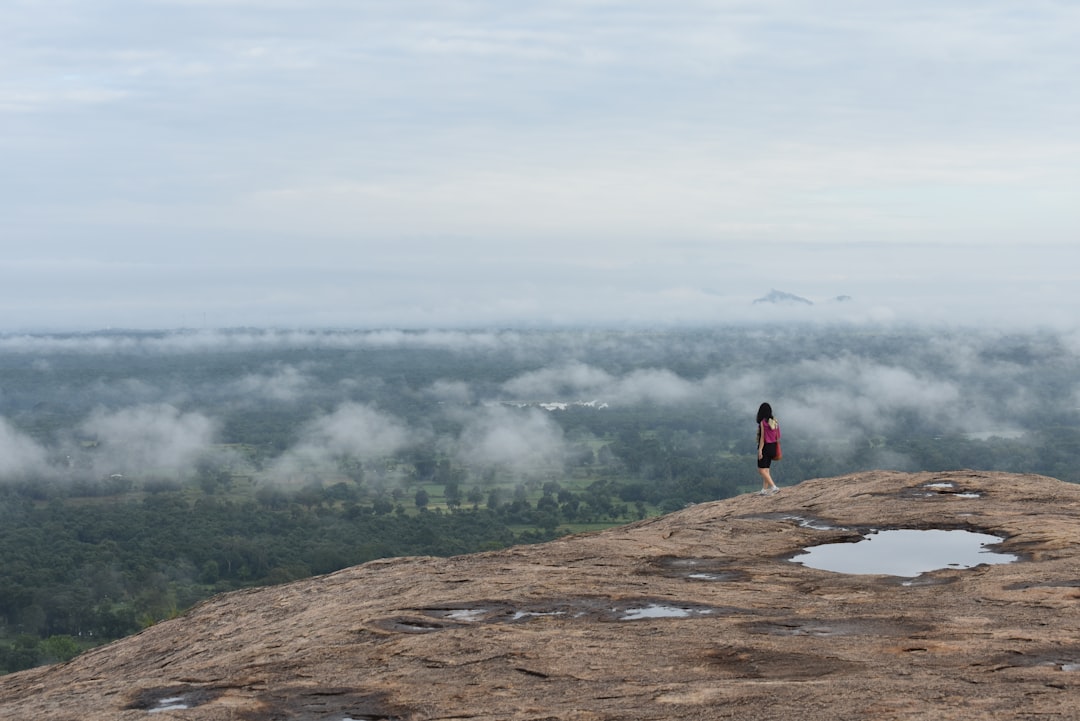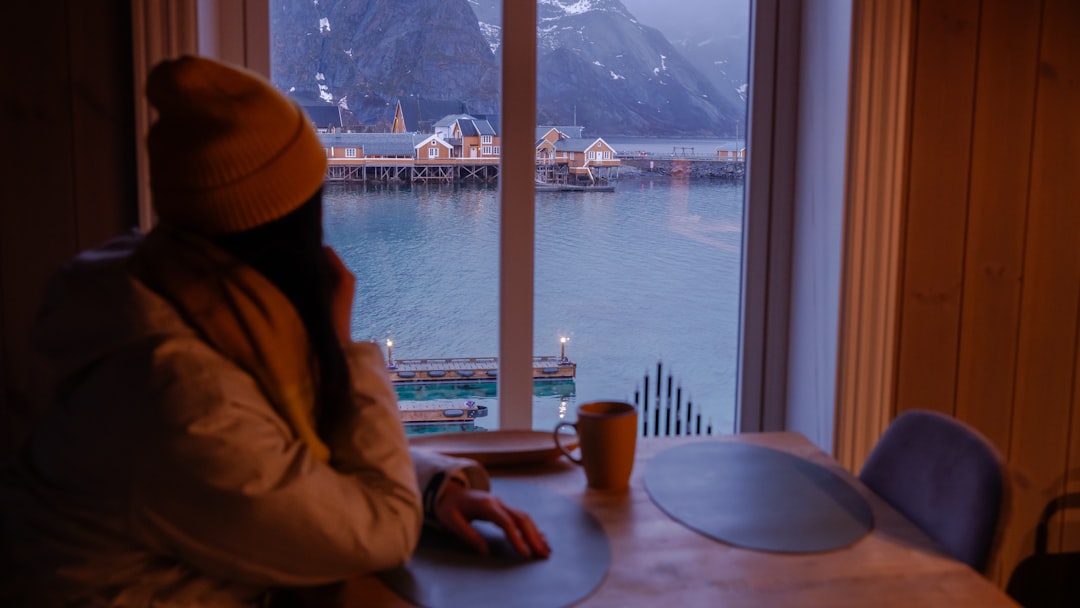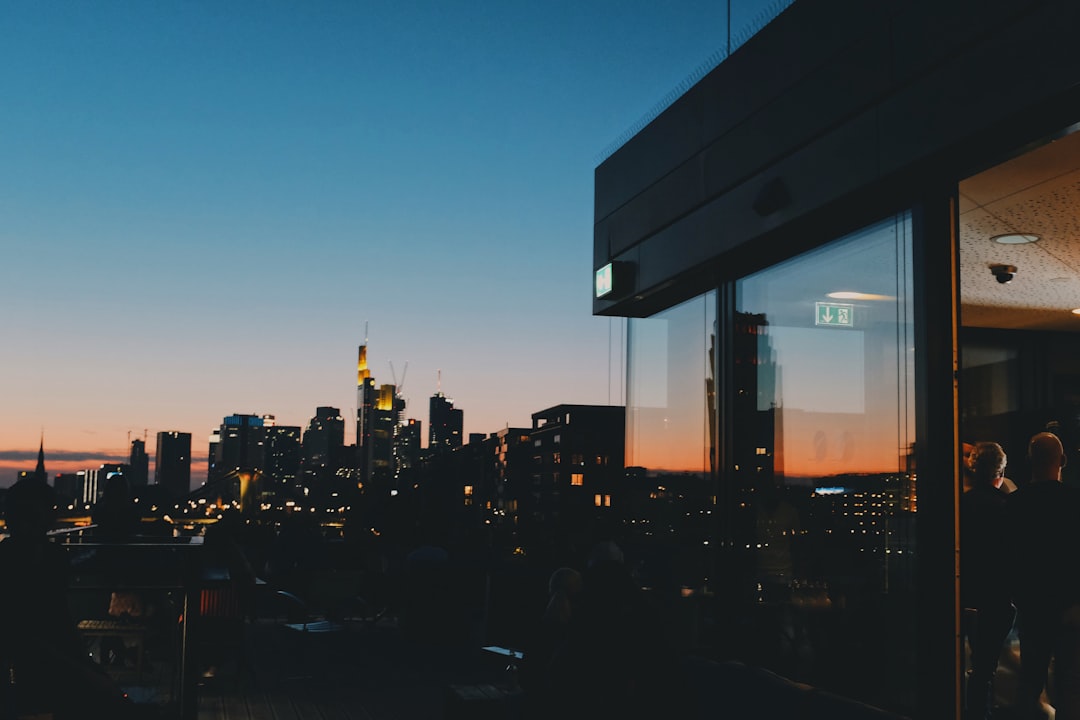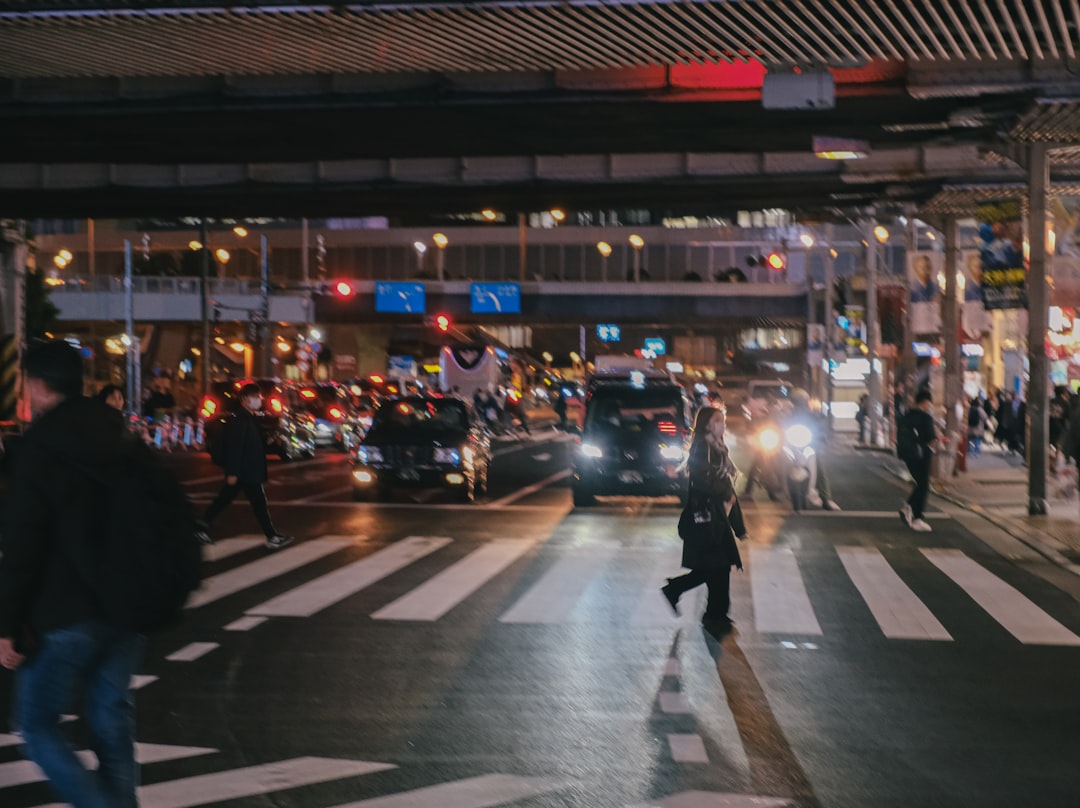
Most solo travel fear does not come from dramatic danger. It comes from tiny moments of uncertainty: the airport ATM that looks wrong, the dark block between the station and your hotel, the stranger who keeps talking when you want to leave, the late bus that makes you second-guess your plan. That is exactly why learning to travel alone with confidence matters more than memorizing a generic list of warnings. Confidence is not bravado. It is a system.
When you are moving through a city on your own, every detail feels sharper. You notice the squeal of metro brakes, the glare of convenience store lights, the buzz of scooters at an intersection, the way a neighborhood changes after sunset. Solo travel can feel intensely alive because there is no buffer between you and the place. The upside is freedom. The challenge is that freedom works best when it is paired with routines that lower friction before stress starts.
The good news is that you do not need to become fearless to travel alone with confidence. You need a handful of practical habits that stack up fast: arriving earlier, booking the right block instead of the cheapest room, keeping money in more than one place, knowing how to leave a conversation cleanly, and building each day so you are not improvising when you are tired. Think of this guide as a field manual for solo travelers who want independence without chaos.
Why confidence beats toughness on a solo trip
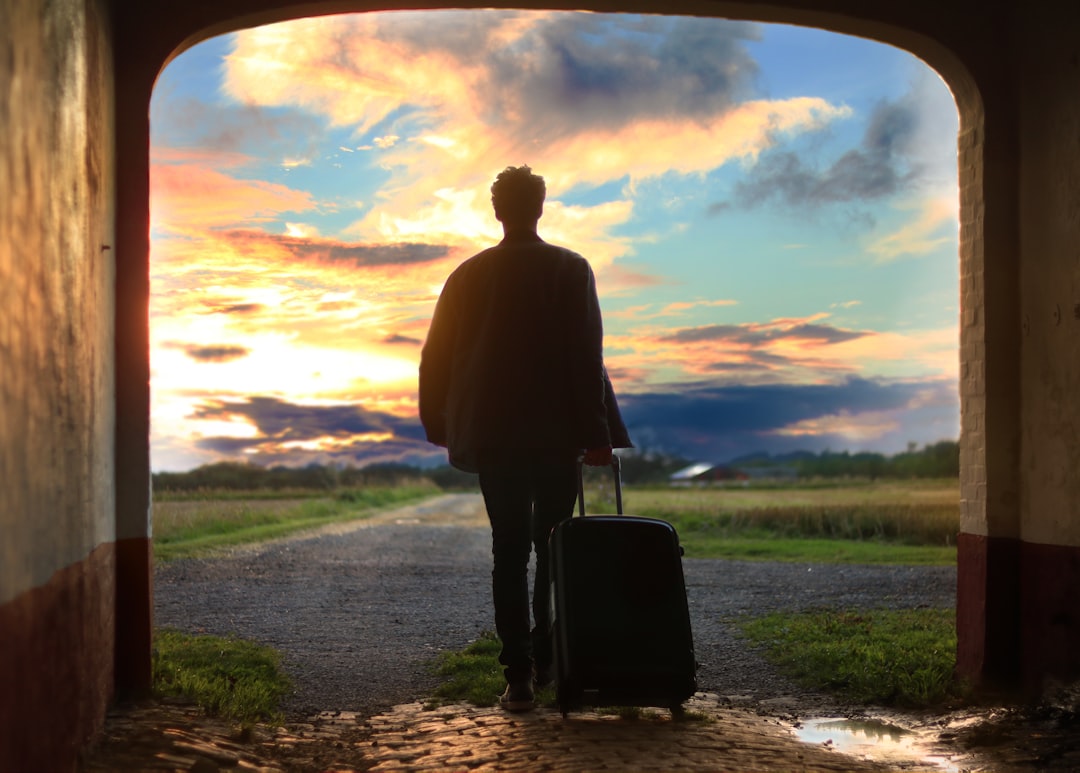
Photo by Mantas Hesthaven on Unsplash
Many first-time solo travelers imagine safety as a personality trait. They assume experienced travelers are simply tougher, more spontaneous, or less anxious. In reality, the safest solo travelers often look ordinary. They are the people who already checked the station exit before the train doors opened. They are the ones who booked a hotel on a bright street, saved the local emergency number offline, and know what their evening transport plan is before they order another drink.
That matters because the riskiest moments on a solo trip are rarely cinematic. They tend to happen when you are overloaded and making low-quality decisions: landing late, hungry, half-charged, uncertain which platform you need, not sure whether your ride is official, not sure whether your hostel is actually in the lively old town or twenty minutes down a silent road. If you want to travel alone with confidence, the goal is not to harden yourself against every possible scenario. The goal is to reduce the number of decisions you must make when your brain is tired.
Confidence also makes you more open to the best parts of traveling solo. When you are not burning mental energy on preventable problems, you can linger over coffee, say yes to the museum detour, join the hostel dinner, or sit at a counter and watch noodles being pulled by hand. Calm is social currency. People read it in your body language. It makes you more approachable to the right people and less appealing to the wrong ones.
A simple framework helps:
- Prevent obvious friction before departure
- Make arrival day boring on purpose
- Choose accommodation for location before aesthetics
- Build day plans that keep you in public, active areas after dark
- Separate money, documents, and phone backups
- Be social in structured settings, not random high-pressure ones
- Leave early rather than brilliantly from any situation that feels off
Safe solo travel starts before you leave
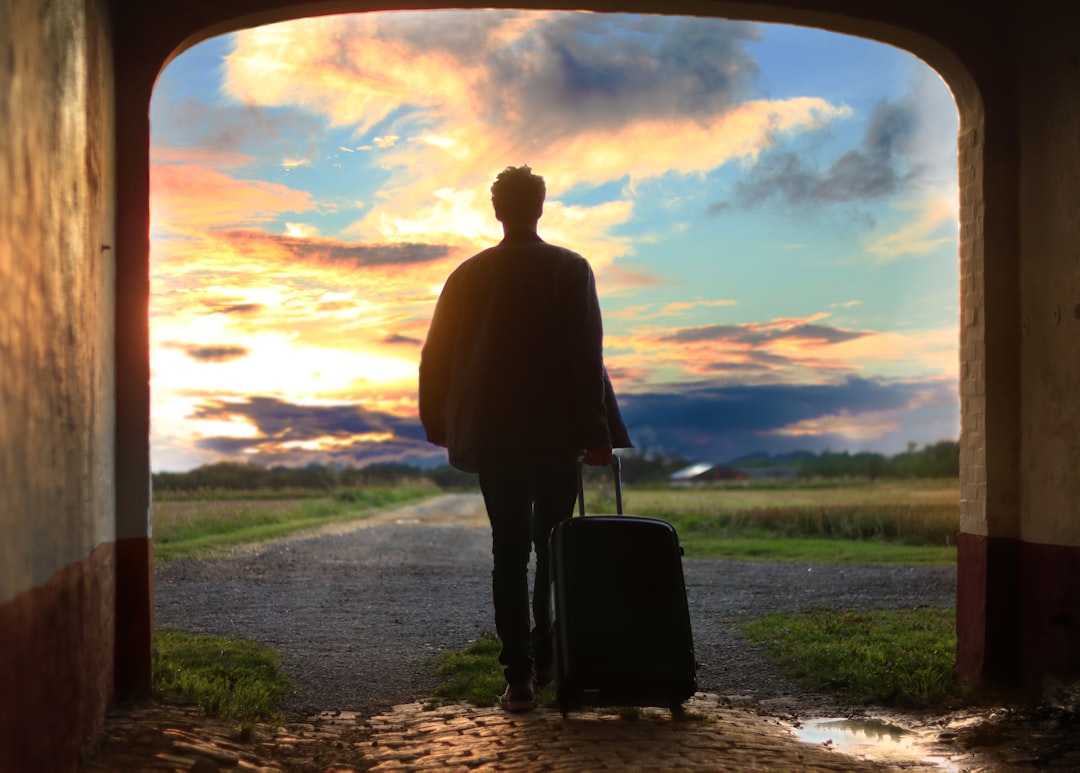
Photo by Mantas Hesthaven on Unsplash
The safest solo trips are shaped long before the boarding gate. Good prep is not glamorous, but it changes the entire emotional tone of a journey. When your bookings, backups, and first 24 hours are clear, you arrive in a new city already half settled. The street signs are still unfamiliar, but your internal weather is steadier.
This is the stage where many travelers underprepare because the risks feel abstract. Yet the easiest way to travel alone with confidence is to remove ambiguity while you are still at home and have strong Wi-Fi, full battery, and time to think clearly. Research neighborhoods, not just hotels. Read recent reviews, not the top-rated review from two years ago. Map the route from airport or station to your accommodation. Check when reception closes. Look at your arrival in street view if you can. A ten-minute scan can save you from a deeply avoidable midnight detour.
Money planning matters too. A lot of solo stress is financial stress wearing a disguise. If your budget has no buffer, every taxi feels like failure and every small emergency becomes a crisis. Before you go, build a realistic cushion using ideas like those in Travel Budget Categories List for 2026: Stop Underpricing Trips. I also like keeping bookings, offline notes, screenshots of transit maps, and neighborhood pins in one place such as TravelDeck, because a calm phone screen is part of feeling secure.
Here is the pre-departure setup I recommend:
- Save digital copies of your passport, visa if needed, insurance, accommodation addresses, flight confirmations, and any rail tickets in cloud storage and on your phone.
- Carry two payment cards from different networks, such as Visa and Mastercard, and keep them in separate places.
- Bring a small emergency cash reserve in local currency or widely accepted major currency, plus a hidden backup note in your bag.
- Share your rough itinerary with one trusted person, including flight numbers, first-night accommodation, and check-in dates.
- Download offline maps for the airport, station area, and the neighborhoods where you are staying.
- Learn a few functional local phrases: hello, thank you, help, police, hospital, I am lost, and no thanks.
- Check local transport apps before departure so you do not install them on weak airport Wi-Fi.
- Book your first one or two nights in a central, well-reviewed place even if it costs more than your later stays.
- Pack a tiny night-arrival kit in your personal item: charger, power bank, toothbrush, medication, pen, snacks, card, and one change of clothes.
A final prep habit is underrated: rehearse your first hour after arrival. Imagine where you will withdraw cash, how you will get data, which terminal exit you will use, and what you will do if the ATM rejects your card or your train is delayed. That mental walkthrough sounds excessive until it is 11:40 p.m. and half the signs are in a language you cannot read. Then it feels like magic.
Arrival day routines that lower risk fast
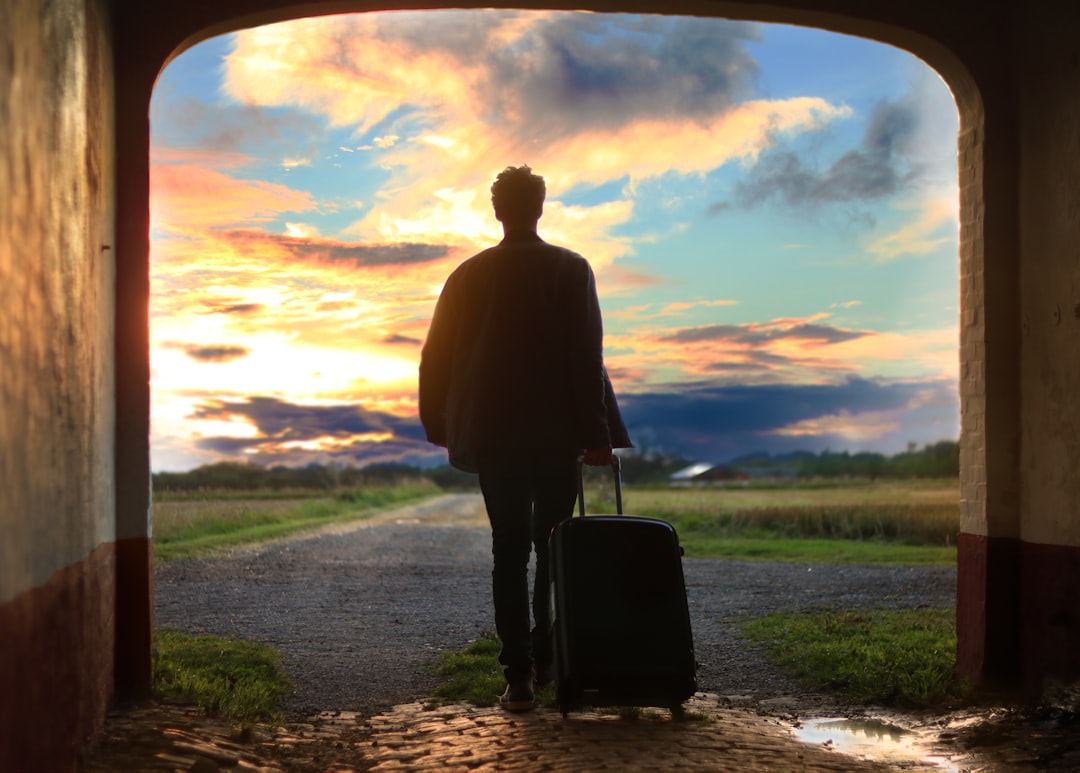
Photo by Mantas Hesthaven on Unsplash
Arrival day has its own mood. Even efficient airports can feel surreal after a long flight: glossy floors, recycled air, tired families, taxi touts lingering just past the official exit. This is not the day for bold spontaneity. If you want to travel alone with confidence, make your arrival day intentionally plain. Save the romantic wandering for tomorrow morning.
Your first hours should be about orientation, hydration, transport, and room security. Get to your accommodation without unnecessary stops. Check whether the neighborhood feels the way it looked online. Identify the nearest convenience store, pharmacy, cash point, and late-night food option. Notice the light levels on your block. Listen to the street. A lively avenue with restaurants and buses can feel safer than a picturesque lane that empties after dusk.
Scams also cluster around arrival windows because travelers are tired and easier to rush. If you want a sharper eye for those first few hours, the habits in Travel Scam Red Flags for Your First 24 Hours Abroad in 2026 pair well with any solo routine. You do not need to be suspicious of everyone; you just need to slow down enough to choose official channels.
Use this arrival sequence:
- Connect before you move. Buy a SIM or activate eSIM, or connect to official airport Wi-Fi only long enough to access maps and your transport plan.
- Ignore pressure. If someone approaches fast with transport offers, keep walking unless you specifically arranged pickup.
- Use official transfer options first. Airport trains, licensed taxi queues, and in-app rides are usually easier to verify than ad hoc offers.
- Keep your phone away while walking. If you need to check directions, step into a shop or hotel lobby.
- Once checked in, secure the room. Lock valuables, test the door, note fire exits, and save the property phone number.
- Take a short orientation walk in daylight if possible. Find food and your transport stop for tomorrow.
- Keep the first evening light. Eat early, organize your bag, set clothes aside, and sleep.
A small but powerful trick is to plan one comforting ritual for every arrival day. Mine is a simple meal and a slow walk around three blocks only. No grand mission. No need to prove I am adventurous. That ritual tells my nervous system that the hard part is done.
How to choose neighborhoods and accommodation when you travel alone with confidence
Accommodation decisions shape almost every safety outcome on a solo trip. A room can be stylish and still wrong for you if it leaves you choosing between expensive taxis and a twenty-minute walk through empty streets. Travelers often compare properties by decor, breakfast, or social media appeal. Solo travelers should compare them by friction: distance from transit, late-night lighting, reception hours, and what the walk feels like after dinner.
To travel alone with confidence, I would rather take a smaller room on a brighter, busier block than a beautiful apartment in an isolated corner. Historic centers can be wonderful, but not every old-town lane is practical when you are rolling luggage over cobbles at night. Read reviews for phrases like easy walk from station, felt safe at night, staff helped with taxis, and plenty of food nearby. Those comments are more revealing than room photos.
The type of property matters too. Hostels can be excellent when they have clear security, lockers, good common spaces, and staff who actually engage with guests. Hotels offer privacy and predictability. Guesthouses can be warm and local but vary a lot in support. Apartments can give freedom, but self-check-in plus a silent residential building plus a late arrival can be a bad mix if it is your first visit.
When comparing places, look for these details:
- Walking distance to a major station, tram stop, or central square
- Recent reviews mentioning staff responsiveness and neighborhood feel
- 24-hour reception or a very clear late check-in process
- Lockers or in-room safe, especially in hostels and budget stays
- Female-only dorms if that matters to you
- Good lighting outside the entrance and visible street activity after dark
- Cafes, convenience stores, or restaurants within five minutes
- No repeated review complaints about noise, harassment, or confusing access
A strong accommodation routine includes social boundaries. Do not casually tell people your room number. If new friends ask where you are staying, share the neighborhood, not the exact building, until trust is earned. If you are in a hostel, choose the lower bunk only if it makes access easier; choose the upper if it feels more private. Bring a small lock, an eye mask, and a pouch for the essentials you want within arm's reach at night.
How to meet people without dropping your guard
One paradox of solo travel is that being alone can make you more social. You become easier to approach at a wine bar counter, on a walking tour, in a hostel kitchen, or while waiting for a ferry. That openness is part of the joy. The trick is learning where connection is easiest and where it becomes sloppy. The safest social scenes are usually structured ones: cooking classes, morning tours, museum events, day trips, language exchanges, and hostel dinners where there is context and a clear finish point.
If you want to travel alone with confidence, do not rely on random nightlife as your only way to meet people. Bars can be fun, but they are also where exhaustion, alcohol, and weak boundaries combine. It is easier to make good choices when you meet people in daylight first. You learn names, observe behavior, and decide whether you actually want more time together. The point is not to be guarded with everyone. It is to let trust grow at a natural pace.
Blending in helps too. Clothing, volume, and manners affect how much attention you draw. In many places, courtesy is practical safety. Knowing how to greet, queue, tip, and dress appropriately can reduce friction fast. If you are unsure about local norms, International Travel Etiquette Tips for 2026 That Matter is a useful companion read before departure.
Better ways to meet people on a solo trip:
- Join a walking tour on your first full morning in town
- Book one small-group activity within 24 hours of arriving
- Sit at counter seats, communal tables, or cafe bars rather than isolated two-tops
- Choose hostels or hotels with common areas, not just cheap beds
- Use co-working spaces for a day if you work remotely
- Go to morning markets, food halls, and neighborhood coffee spots where conversation feels low-pressure
- Tell one trusted person where you are going if you are meeting someone new
- Leave early when the energy changes, not after it gets bad
You can also script your exit lines in advance. A calm, simple phrase is enough: I am heading out early tomorrow, I am going to call it a night, I need to get back before the last train. People with good intentions accept that immediately. People who push are giving you useful information.
Money, transport, and digital habits that make solo travel calmer
The feeling of safety on a solo trip often depends on small systems you barely notice when they are working. Your card taps successfully. Your map loads. Your battery lasts long enough to order a ride. You know which station exit you need. When those systems fail at once, stress escalates fast. That is why the most practical way to travel alone with confidence is to build redundancy.
Start with money. Never keep all your cash and cards in one wallet. Split them: main wallet, hidden reserve, and one separate card in your bag. Use ATMs attached to banks or inside malls rather than isolated street machines. Withdraw enough that you are not hunting for another ATM late at night, but not so much that losing your wallet would ruin the week. If a destination is heavily card-friendly, a modest cash cushion is still useful for transit glitches, market stalls, and taxis that mysteriously lose connectivity.
Transport comes next. Night transport is where many solo travelers either overspend or take false economy risks. If you will be out after dark, decide before dinner how you are getting back. Check the last train time. Save the ride app. Verify that the driver and plate match before you get in. Sit where you can exit easily. Share your ride if the app allows it. Avoid the mindset that a ten-minute walk is always worth it to save money. Sometimes the smartest travel hack is the boring taxi.
Digital security is the last piece of the triangle. Public Wi-Fi is useful but not intimate. Avoid logging into banking apps on unsecured networks. Turn on phone tracking and remote wipe features. Lock your SIM with a PIN if possible. Back up key addresses as screenshots in case your data fails. A dead battery is not just inconvenient when you travel solo; it can cut you off from maps, translation, rides, and payment.
A simple redundancy table helps:
| What you need | Primary option | Backup option | Why it matters |
|---|---|---|---|
| Payments | Main card in wallet | Second card in bag | Card blocks happen at the worst time |
| Cash | Small amount in wallet | Emergency stash hidden separately | Covers transit, tips, or outages |
| Navigation | Maps app online | Offline map screenshots | Useful in stations and weak-signal areas |
| Phone battery | Cable and wall charger | Power bank in personal item | Prevents last-mile panic |
| Documents | Originals stored securely | Cloud copies and phone copies | Speeds up recovery if lost |
| Transport | Train or metro plan | Licensed taxi or ride app | Gives you options after delays |
One more habit pays off everywhere: never arrive at a major station or terminal without already knowing your next move. Whether you are crossing Kyoto Station, stepping into Porto's Trindade interchange, or walking out of Changi, certainty at the transition point is what helps you travel alone with confidence.
How to get there
If you are planning a first or early solo trip, it helps to choose gateways that are well signed, transit-friendly, and easy to understand when you are tired. Three of the easiest places to practice that rhythm are Singapore, Porto, and Kyoto. They are different in mood and price, but each rewards careful solo travelers with clarity: reliable transport, strong food culture, and neighborhoods where being alone does not feel unusual.
Singapore feels polished and immediate, all glass, greenery, and efficient air-conditioning. Porto is more textured: tiled facades, steep lanes, river light, and a slower social rhythm that makes coffee breaks feel longer than they are. Kyoto is orderly and atmospheric, with station precision at one end and lantern-lit side streets at the other. In all three, you can travel alone with confidence if you understand the arrival mechanics before wheels down.
| Starter base | Main gateway | City transfer | Typical cost | Typical time | Why it works solo |
|---|---|---|---|---|---|
| Singapore | Singapore Changi Airport, SIN | MRT from Changi Airport to Tanah Merah and onward to City Hall, Bugis, or Outram Park | About S$2.00 to S$2.50 | 30 to 40 min | Clear English signage, low-friction transit, late-night services, easy card payments |
| Porto | Francisco Sa Carneiro Airport, OPO | Metro Line E to Trindade | About €2.25 including zone fare and reusable card | 27 to 35 min | Compact center, easy airport-to-town transfer, strong walkability |
| Kyoto | Kansai International Airport, KIX, or Osaka Itami, ITM | JR Haruka to Kyoto Station from KIX, or limousine bus from ITM | Around ¥3,640 by Haruka from KIX, around ¥1,340 to ¥1,800 by bus from ITM | 50 to 80 min | Excellent rail signage, predictable transfers, solo dining is normal |
Useful official resources:
- Singapore airport and transfer info: https://www.changiairport.com
- Porto Metro: https://en.metrodoporto.pt
- JR West Haruka service to Kyoto: https://www.westjr.co.jp/global/en/train/haruka/
- Kyoto city transport basics: https://kyoto.travel/en/info/transportation/
If you are already in the region, these overland connections are especially easy for solo travelers:
- Lisbon to Porto by Alfa Pendular train: roughly 2 hr 50 min, often €25 to €45 booked ahead
- Osaka to Kyoto by JR Special Rapid: about 30 min, roughly ¥580
- Johor Bahru to Singapore by cross-border bus or train combinations: variable, usually 1.5 to 3 hours depending on traffic and immigration
Things to do
The best solo activities share a few traits: they are easy to access, rewarding even if you are alone, and flexible enough that you can leave when your energy shifts. Good solo sightseeing is not just about famous attractions. It is about places where being on your own feels natural. Gardens, temples, food markets, waterfront walks, observatories, and museum districts all work well because they let you drift without looking conspicuously alone.
To travel alone with confidence, mix one anchor activity with one free-roaming activity each day. For example, start with a museum ticket or a timed garden visit, then leave your afternoon open for coffee, bookstore wandering, or a river walk. That blend gives structure without trapping you in a rigid schedule.
Here are seven specific, solo-friendly outings that work beautifully:
- Kyoto, Fushimi Inari Taisha at sunrise
- Kyoto, Nishiki Market to Gion evening walk
- Porto, Ribeira to Dom Luis I Bridge at golden hour
- Porto, Mercado do Bolhao and Rua de Santa Catarina
- Singapore, Gardens by the Bay and Bay East Garden
- Singapore, Tiong Bahru morning circuit
- Singapore, MacRitchie Reservoir TreeTop Walk on a weekday morning
Where to stay
A good solo stay should make the start and end of each day easier. You want staff who answer clearly, a neighborhood that still has life after dark, and transport nearby so you are not negotiating every return trip from scratch. Sometimes the best room for a solo traveler is not the prettiest one. It is the one that lets you step outside and instantly see a bakery, a tram stop, and other people.
If your goal is to travel alone with confidence, choose properties with clear access, recent safety-positive reviews, and an address you could comfortably say aloud to a taxi driver. Here are strong options by budget tier.
Budget
- The Beehive, Singapore, Little India — Dorms and simple private rooms, usually around S$45 to S$90. Good for travelers who want a social but manageable base near MRT lines and food.
- Gallery Hostel, Porto, Cedofeita area — Beds or private rooms often around €30 to €70. Excellent location for cafes, galleries, and a walkable route into the center.
- Piece Hostel Kyoto, near Kyoto Station — Dorms and privates often around ¥4,500 to ¥12,000. Great if you want easy station access and a clean, modern hostel atmosphere.
Mid-range
- YOTEL Singapore Orchard Road — Usually S$180 to S$260. Efficient rooms, easy transit, and a location that stays active into the evening.
- Moov Hotel Porto Centro — Usually €90 to €150. Reliable choice in a central area with good transport and simple, practical comfort.
- Tokyu Stay Kyoto Sanjo-Karasuma — Usually ¥13,000 to ¥25,000 depending on season. Quiet but central, with strong access to transit and dining.
Luxury
- The Fullerton Bay Hotel Singapore — Usually S$700 to S$1,000. Polished service, memorable waterfront setting, and a very easy base for Marina Bay exploration.
- Torel Avantgarde, Porto — Usually €260 to €420. Stylish river views and a calm atmosphere that still keeps you close enough to the center.
- Park Hyatt Kyoto — Usually ¥120,000 to ¥180,000. Exceptional service in Higashiyama, with the kind of staff support that can make a solo stay feel wonderfully seamless.
Where to eat
Solo dining gets easier the moment you stop treating it as a test of confidence and start treating it as one of travel's best freedoms. Some meals are better alone. You notice more: broth steam curling upward at a noodle counter, the metallic clatter of cutlery in a market hall, the smell of grilling sardines near the river, the precise choreography of hawker stalls turning out plate after plate.
To travel alone with confidence, choose places that normalize quick, focused eating. Markets, counters, casual taverns, and food halls are your friends. They give you atmosphere without demanding that you linger awkwardly over a table built for four.
Here are reliable, solo-friendly food stops:
- Maxwell Food Centre, Singapore — A classic hawker stop for Hainanese chicken rice, congee, sugarcane juice, and fast solo lunches. Expect S$5 to S$10 for a satisfying meal.
- Lau Pa Sat, Singapore — Better for an evening wander, especially if you want satay on Boon Tat Street after work crowds arrive. Meals usually land around S$8 to S$20.
- Tiong Bahru Market, Singapore — Great for breakfast or lunch. Try chwee kueh, fishball noodles, or kopi and kaya toast.
- Mercado do Bolhao, Porto — Good for grazing: cheese, cured meats, pastries, and a mid-morning coffee. Easy to enter, easy to leave, no performance required.
- Casa Guedes, Porto — Known for pork sandwiches, often under €10, and ideal if you want a quick, famous bite without a formal meal structure.
- Taberna dos Mercadores, Porto, Ribeira — A tiny, atmospheric spot where bacalhau and seafood rice shine. Reserve ahead if possible because the room is small.
- Nishiki Market, Kyoto — Snack through soy doughnuts, grilled skewers, tofu specialties, and pickles. Go earlier in the day for a calmer pace.
- Men-ya Inoichi, Kyoto — Excellent ramen in a format made for solo diners. Be ready to queue, but it usually moves steadily.
- Omen, Kyoto, near Ginkaku-ji — A lovely place for udon and seasonal vegetables, especially if you have spent the morning on the Philosopher's Path.
Practical tips
A calm solo trip is usually built from seasonal choices as much as behavioral ones. Heat, darkness, heavy rain, and festival crowds all change how a place feels when you are alone. The same riverside walk that feels romantic on a mild evening can feel draining in humid weather or awkward when every restaurant is overbooked. Planning the month well is one of the easiest ways to travel alone with confidence without doing anything dramatic.
Packing should follow that same logic. Bring less, but make every item earn its place. A light crossbody or anti-theft day bag, compact umbrella, power bank, layered top, and comfortable walking shoes solve more solo-travel problems than any gadget. You do not need a tactical wardrobe. You need clothes that let you move naturally and blend in.
Best months and weather at a glance
| Destination | Best months | Weather feel | Notes for solo travelers |
|---|---|---|---|
| Singapore | February to April | Hot and humid year-round, frequent showers | Plan indoor midday breaks, carry water, use transit to avoid heat fatigue |
| Porto | May to June, September to October | Warm, bright, breezy, less intense than peak summer | Excellent for walking, terraces, and long evenings without major heat stress |
| Kyoto | March to May, October to November | Spring and autumn are most comfortable; summer is hot and humid | Book early in cherry blossom and autumn leaf seasons, start mornings early |
Practical advice that pays off fast
- Weather: Humidity drains judgment. In hot climates, schedule your longest walks in the morning.
- Packing: Carry one outfit that works for a nicer dinner so you do not feel underdressed and decide not to go.
- Customs: Dress slightly more conservatively than you would at home until you understand the local baseline.
- Currency: Keep a transit-ready stash of small notes and coins, even in card-friendly cities.
- Connectivity: Buy data early and save your accommodation address offline in the local script when relevant.
- Safety: Limit real-time posting on social media, especially if your account is public.
- Health: Keep oral rehydration salts, blister care, any prescriptions, and a basic pain reliever in your day bag.
- Emergency planning: Save local emergency numbers and your embassy or consulate details before departure. For official guidance, check https://www.gov.uk/foreign-travel-advice or, for US travelers, https://step.state.gov/.
One more tip that gets overlooked: give yourself permission to spend money on friction reduction. If a station looks confusing, take the taxi. If you are too tired to decode a ten-stop bus route, use the simpler option. Budget discipline matters, but so does preserving judgment.
FAQ
Is solo travel actually safe for most people?
In many destinations, yes. Most solo travel problems come from fatigue, poor planning, and bad timing rather than extreme danger. If you prepare well, stay aware, and choose destinations with good transport and clear neighborhoods, you can travel alone with confidence without becoming hypervigilant.
What is the safest way to arrive in a new city alone?
Land early if you can, use official airport transport, and book your first nights in a central area with active streets and recent positive reviews. Do not add errands on the way to your hotel. Get in, orient yourself, eat, and rest.
Are hostels safe for solo travelers?
They can be excellent if you choose well. Look for recent reviews, lockers, strong staff presence, female-only dorms if desired, and common areas that feel social without being chaotic. A good hostel can be safer than an isolated budget apartment because help and company are close by.
How much emergency cash should I carry?
Enough to cover one unexpected ride, one basic meal, and a short-term problem if cards fail. In many cities, the equivalent of US$50 to US$100 split into two locations is practical. Do not keep it all in your wallet.
What is the best first solo destination from the examples above?
Singapore is the easiest for pure low-friction logistics, Porto is excellent if you want walkable charm and a softer budget, and Kyoto is ideal if you like order, rail efficiency, and a culture where solo dining feels normal. The best choice depends on how much heat, distance, and transit complexity you want.
How do I avoid feeling lonely while staying safe?
Build contact into your days before you need it. Book a walking tour, choose one social meal setting, and stay somewhere with a lounge or communal breakfast. That way you are meeting people in structured, lower-risk environments instead of depending on chance late at night.
Traveling solo does not require a fearless personality. It asks for rhythm, attention, and the willingness to make small practical choices before stress arrives. Once those habits are in place, the world opens differently. Streets feel less intimidating and more textured. Meals taste more vivid. You notice the city because you are not fighting it. And that, more than any perfect itinerary, is what lets you travel alone with confidence.