Travel Scam Red Flags for Your First 24 Hours Abroad in 2026
You do not usually lose money to a scam because you are careless. You lose it because you are jet-lagged, holding a passport, scanning arrivals boards, and trying to be polite in a place that feels loud, bright, and unfamiliar. That is exactly why travel scam red flags matter most in the first few hours of a trip, when your attention is split between excitement and logistics.
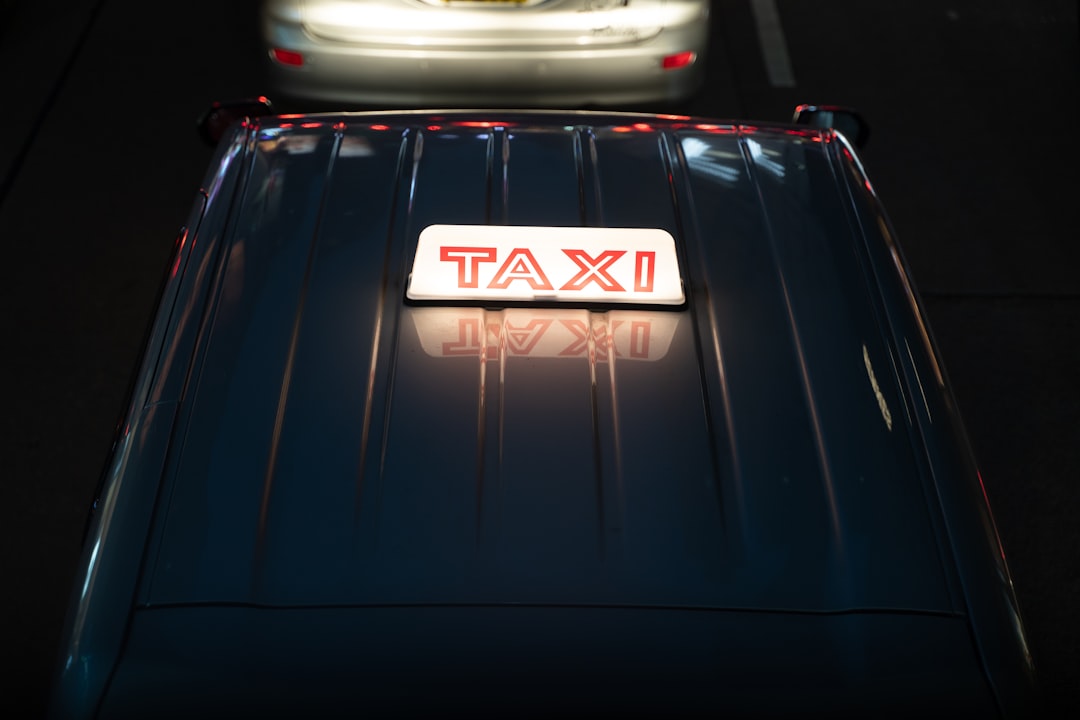
Picture the scene: warm air hits you outside the terminal doors, engines idle in a taxi lane, someone with a clipboard waves, another person says your hotel is closed, and your phone connects to a network that looks official enough. Most common travel scams do not begin with obvious menace. They begin with urgency, friendliness, or convenience. The trick is not to become suspicious of everyone. It is to recognize patterns quickly enough to stay calm.
This guide is built around those early moments when travelers are most exposed. It covers the airport taxi scam, the fake booking site, the public Wi-Fi scam, ATM skimming abroad, and the street setups that keep resurfacing from Rome to Bangkok to Barcelona. If you want one simple rule, it is this: when a stranger inserts themselves into your transaction, slow the moment down.
A second layer of protection starts before takeoff. Keep your bookings, screenshots, passport copies, and transfer details in one place so you are not fumbling in public. A clean trip file inside TravelDeck or your usual notes app lowers stress, and lower stress makes travel scam red flags far easier to spot.
Why the first 24 hours create perfect scam conditions
Photo by Jun Weng on Unsplash
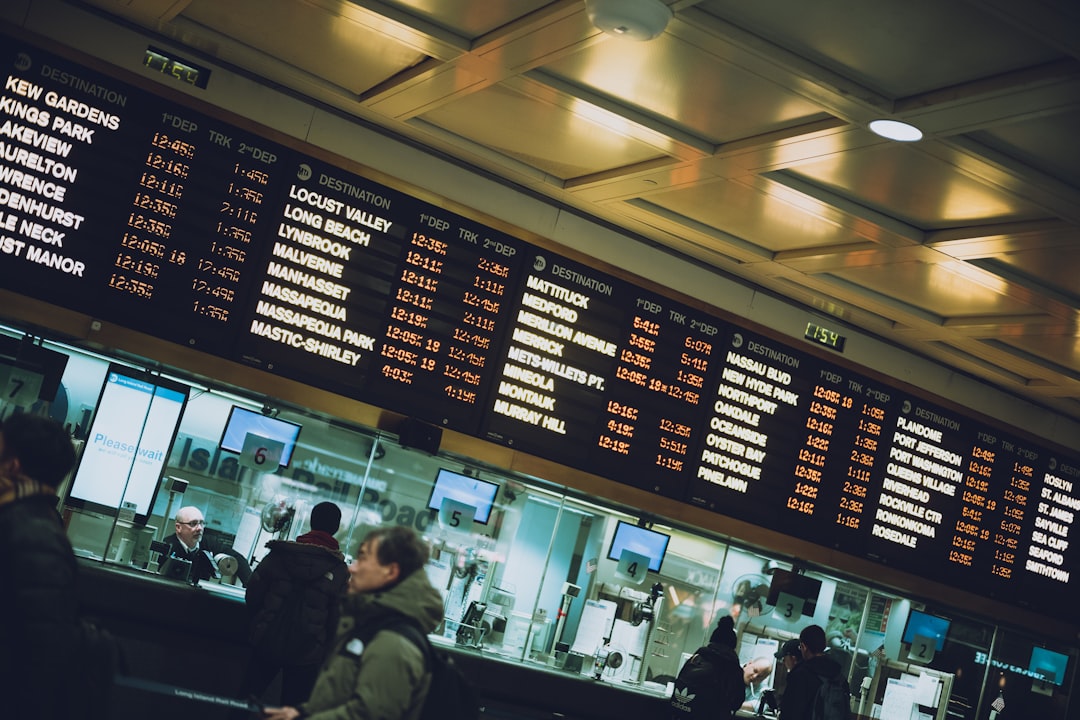
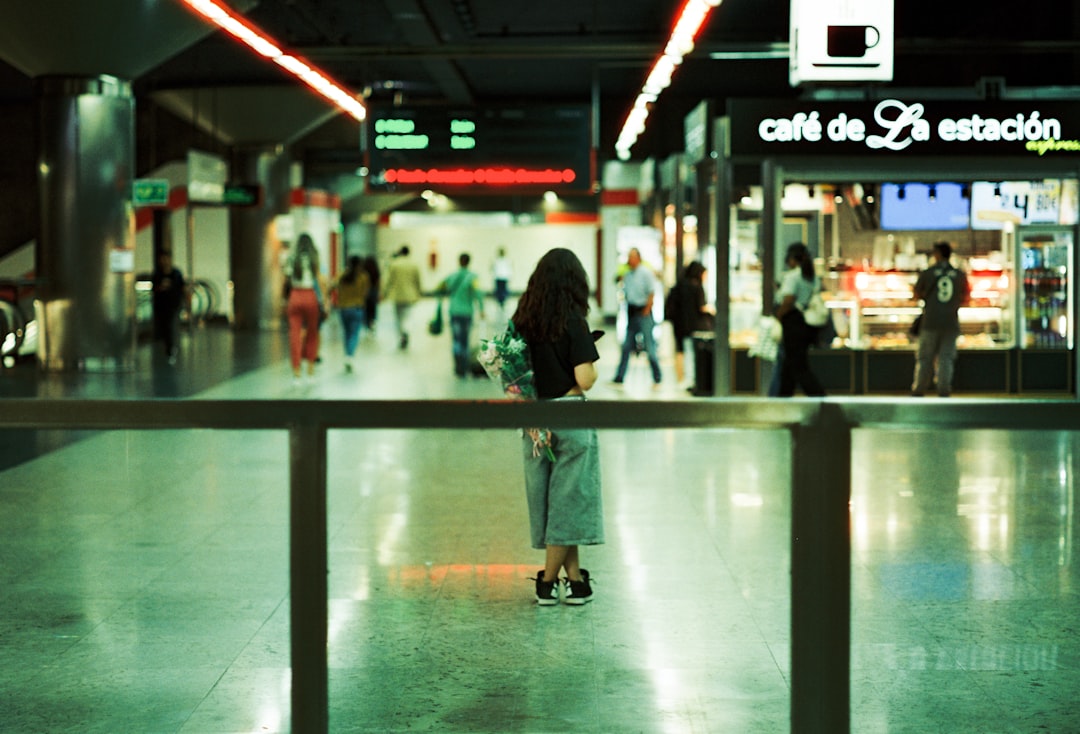
The first day abroad has a particular texture. Airports smell like coffee, fuel, and tired air-conditioning. Train stations hum with rolling suitcases and public announcements you only half understand. In those in-between spaces, travelers are making fast decisions with incomplete information. That is where scammers do their best work.
Fatigue is one part of it. When your body thinks it is midnight but the city outside is blazing with noon traffic, your brain starts outsourcing judgment. You accept help too quickly, trust a confident tone, or click the first booking link that resembles a familiar brand. That is why travel scam red flags often appear before you have even checked in.
There is also the social pressure of travel. People do not want to seem rude, lost, or cheap. Scammers know that. They rely on hesitation, embarrassment, and the tiny hope that maybe this stranger really is helping. Most common travel scams are less about complex criminal genius than about manipulating a traveler's momentum.
Watch for these conditions, because they make you more vulnerable than you think:
- Arrival bottlenecks such as airport exits, taxi ranks, ferry ports, and station forecourts
- Decision fatigue after long-haul flights, overnight buses, or multi-leg train days
- Visible tourist behavior such as open maps, rolling luggage, camera straps, and confused glances
- Cash pressure when you have not yet found a reliable ATM or do not know local pricing
- Weak connectivity that makes you improvise with sketchy Wi-Fi, random QR codes, or verbal directions
- Last-minute booking changes that push you to solve a problem quickly instead of carefully
Tourist scam warning signs: the five-second test
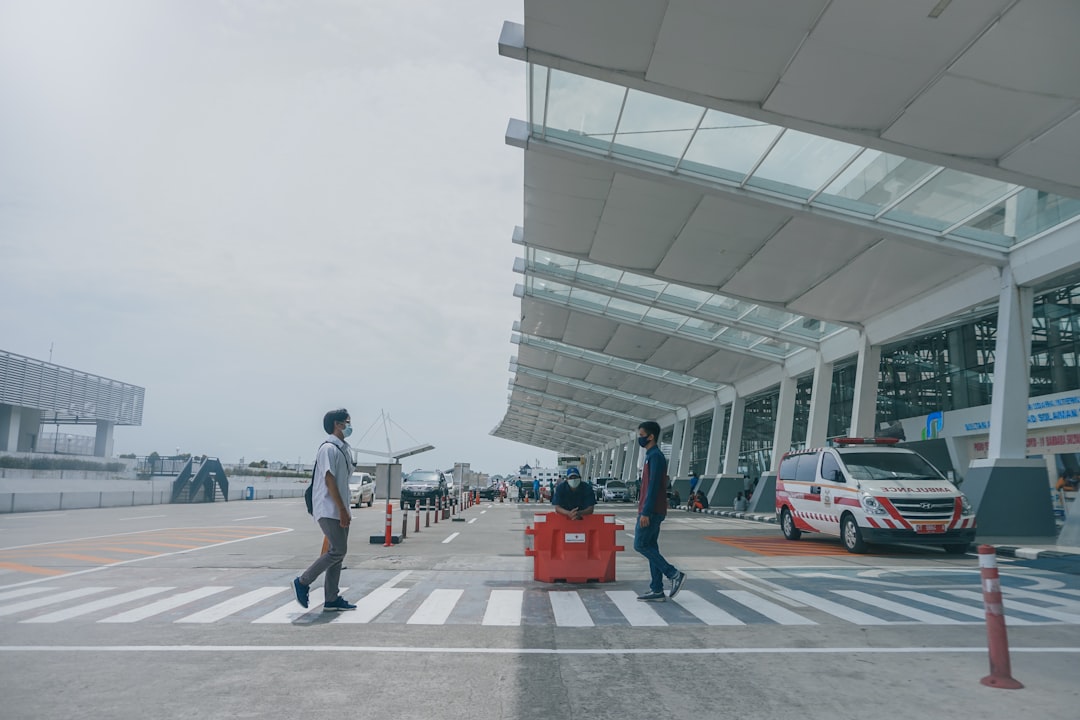
Photo by Bambang Irawan on Unsplash
The fastest protection is not a gadget. It is a pause. Before you respond, buy, scan, sign, or follow, take five seconds and ask a blunt question: who benefits if I move right now? That tiny gap is enough to expose a surprising number of travel scam red flags.
At a busy square, someone steps into your path with a clipboard. On a station platform, a driver says the official taxi line is closed. At a hotel, a caller asks you to repeat your card details because there is a payment issue. The details vary, but the structure is always familiar: interruption, urgency, redirection.
The best travelers are not the ones who know every scam in every city. They are the ones who recognize tourist scam warning signs before the script fully unfolds. If you train your eye for the setup instead of the exact story, you can adapt anywhere.
Use this five-second test whenever something feels slightly off:
- You did not seek them out, but they are trying to insert themselves into your plan
- The offer depends on speed, secrecy, or a supposed one-time exception
- The deal is far cheaper than normal, especially transport, tickets, or accommodation
- Payment is requested outside an official platform or through cash only, crypto, wire transfer, or gift cards
- The person discourages verification, such as checking the app, asking staff, or seeing ID
- They want your phone, passport, bank card, or wallet in their hands
- Their story changes when you ask one calm follow-up question
Those are the clearest tourist scam warning signs because honest services usually tolerate scrutiny. Real drivers expect plate checks. Real hotels let you come to the desk. Real officers show ID. Real platforms do not ask you to complete a booking through a direct message.
Airport taxi scam, fake helpers, and station arrival traps
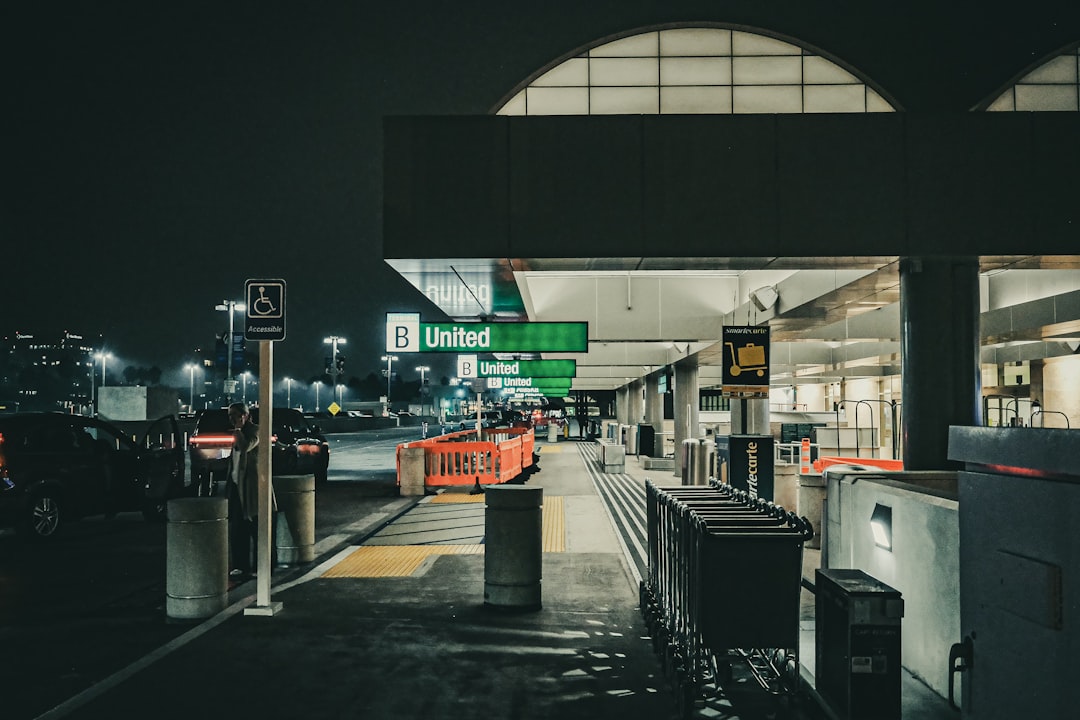
Some of the sharpest travel scam red flags appear within twenty steps of the arrivals hall. You are standing under fluorescent lights, still adjusting your bag strap, when a stranger says your driver is outside, your hotel area is blocked, or taxis are cheaper if you walk with them. The pressure feels small at first, almost casual. That is what makes the airport taxi scam so effective.
Outside many airports, the official system is boring on purpose: a marked rank, printed fares, a meter, a queue. Scammers sell the opposite sensation. They offer speed, certainty, and a shortcut around the boring process. The shortcut is the danger. A classic airport taxi scam can mean a fake driver, an inflated fixed fare, a broken meter, or a long scenic route you only notice after your bag is already in the trunk.
Train stations create a similar problem. The crowd spills into the street, everyone looks slightly rushed, and help seems valuable. That is when fake porters, unofficial drivers, or overfriendly translators appear. Some do not steal outright; they redirect you to a shop, hotel, or tour desk that pays commission.
Protect yourself at arrivals with a routine that is almost mechanical:
- Use only marked taxi ranks, app-based pickups in designated zones, or pre-booked transfers from a verified provider
- Before opening a car door, match the plate, driver name, and car model with your app or confirmation email
- If a driver says the meter is broken, walk away before your luggage is loaded
- Open your maps app as soon as the ride starts and keep the route visible
- Keep small bills ready so you are not flashing a large stack of cash at the end of the trip
- Do not hand your phone to a driver who says they need to check the address
- If someone claims your hotel is full or your destination is closed, insist on going there anyway
A real airport taxi scam often collapses the moment you look prepared. When drivers see a live map, a screenshot of the hotel address, and a traveler who knows the official fare range, the conversation changes fast.
Fake booking site tricks and hotel check-in fraud
The digital version of street fraud is slicker, quieter, and sometimes more expensive. You might spot the city skyline through your plane window while your room has already disappeared into a fake booking site. The page looked right. The logo looked right. The price was a little lower than everywhere else, which felt lucky rather than suspicious.
That is the danger of a good fake booking site: it does not need to look perfect. It only needs to look plausible while you are tired. Many travelers do not notice anything wrong until they arrive and the reservation cannot be found, the property does not exist, or the host asks for a second payment outside the platform.
Hotel fraud can keep going after check-in. A late-night room call says the card on file failed and asks you to confirm numbers by phone. A message inside a travel app asks you to pay a city tax through a separate link. These are classic travel scam red flags because the request is detached from the normal process.
Use these habits every time you book or check in:
- Type hotel, airline, and apartment-rental URLs directly instead of clicking links from ads, social posts, or unsolicited emails
- Treat a price that sits far below the market as a warning, not a win
- Pay with a credit card that offers fraud protection rather than debit, transfer, or cash
- Keep all communication inside the official booking platform whenever possible
- If a property asks for payment through a separate message, verify through the platform support channel before doing anything
- At the hotel, walk to the front desk in person if there is any payment issue instead of resolving it by phone
- Screenshot the original listing, room photos, and cancellation terms on booking day
A fake booking site is especially dangerous because it steals more than money. It steals time, confidence, and sometimes the first night of your trip. That is why travel scam red flags around accommodation deserve the same attention you give street safety.
Public Wi-Fi scam, QR code traps, and ATM skimming abroad
Digital travel fraud rarely feels dramatic in the moment. You sit down in an airport cafe, connect to a network named like the venue, scan a QR code on a sticker, or slip your card into a machine that looks almost normal. Nothing explodes. No one runs. Hours later, the problem arrives as a bank alert or a vanished login.
The public Wi-Fi scam thrives because convenience is so seductive after landing. Your roaming is off, your eSIM has not activated, and you just want to message the hotel. Fake networks use almost-correct names and open connections that feel like a gift. QR codes add a modern twist: one small sticker over a legitimate code can send you to a phishing page that captures card details or logins.
Then there is ATM skimming abroad, one of the oldest and most reliable travel frauds. A loose card reader, a keypad overlay, or a hidden camera can turn a routine cash withdrawal into a cloned card. Busy tourist areas are ideal because people are rushed and the machines handle a steady flow of foreign cards.
To reduce digital exposure, build a simple rule set:
- Confirm the exact network name with staff before joining any airport, hotel, or cafe Wi-Fi
- Assume any open network could be a public Wi-Fi scam and avoid banking, shopping, or document uploads on it
- Use your own mobile data or a trusted eSIM for sensitive tasks whenever possible
- Inspect ATM card slots and keypads for loose, bulky, or mismatched parts before inserting a card
- Cover the keypad with your hand every time you enter your PIN to limit ATM skimming abroad
- Prefer ATMs inside bank branches, shopping centers, or airport banking areas over isolated street machines
- Ignore QR stickers that look newly placed, wrinkled, or slightly off-center from the original sign
A public Wi-Fi scam works because it hides inside an ordinary moment. ATM skimming abroad works for the same reason. The fix is not paranoia. It is slowing down the most routine transaction on the trip.
The street setups that repeat worldwide
Every city has its own soundtrack, but certain scams travel better than tourists do. A plaza in Rome, a boulevard in Paris, a temple approach in Bangkok, a market edge in Barcelona, a ferry landing in Istanbul: the surfaces change, the script remains. Once you start noticing the rhythm, travel scam red flags become strangely easy to hear.
The first pattern is forced interaction. Someone ties something to your wrist, pushes a flower into your hand, thrusts a clipboard under your face, or starts cleaning a stain you did not ask them to touch. The second pattern is distraction. An accomplice closes the space around you while your attention goes to the object, the signature, or the small embarrassment of being interrupted. Many common travel scams are really pickpocket setups wearing theatrical costumes.
Another version is authority theater. A person dressed like a monk, security officer, unofficial guide, or plainclothes police figure uses costume and confidence to rush you past skepticism. This is where tourist scam warning signs matter more than local knowledge. Genuine authorities almost never mind verification. Fakes usually do.
Here are the street setups travelers still meet again and again:
- Bracelet or friendship band trick, where an item is placed on you and then payment is demanded
- Clipboard petition approach, often used to distract while a wallet or phone is taken
- Three-cup game or shell game, where the crowd includes planted winners
- Spilled drink, mustard, or bird-dropping distraction followed by overhelpful cleaning
- Fake police or fake inspectors asking to see your cash for a currency check
- Aggressive ticket resellers outside attractions, stadiums, or stations
- Fake guides offering private tours or skip-the-line entry without credentials
Your response should be simple, not clever:
- Keep walking when approached unexpectedly in tourist zones
- Do not let strangers place objects in your hands or on your body
- Step back physically if someone touches your jacket, backpack, or pockets
- Never hand over your wallet or passport on the street to prove anything
- If someone claims to be police, ask for ID and request to go to the nearest station
- Move into a shop, hotel lobby, or cafe if a situation starts to escalate
These are the common travel scams that punish politeness most efficiently. You do not need to argue, explain, or win. You just need to break the script.
Restaurant, menu, and nightlife hustles
Not every scam happens in transit. Some arrive when the city finally starts to feel delicious. You are hungry, the lights are softer, music spills out from a side street, and your guard drops a little because the day seems to have gone well. That is when the menu trick, drink inflation, or club invitation can step in.
A restaurant scam often begins with vagueness. No visible prices. A menu without weights for seafood. A waiter steering you away from the printed card toward a verbal special. In nightlife districts, another classic setup is the invitation bar: a friendly stranger recommends a place, orders start arriving, and the bill lands like a brick.
These moments are easy to romanticize, which is why travel scam red flags matter just as much at dinner as at the terminal.
Stay sharp in food and nightlife zones by doing the following:
- Choose places with posted menus and clearly printed prices before sitting down
- For fish, steak, or market produce sold by weight, confirm the weight and total cost before ordering
- Ask whether bread, water, or table snacks are charged automatically
- In bars and clubs, order your own first drink and pay attention to each item as it appears
- Avoid venues entered through pressure from strangers or unofficial promoters
- Check your bill before tapping your card and watch the currency on the card machine screen
For broader arrival health habits, especially when hunger makes rushed decisions more likely, Avoid Food Poisoning Abroad in 2026 With a Smarter Food Routine pairs well with the anti-fraud habits in this guide.
How to get there
Arrival planning is one of the simplest ways to reduce travel scam red flags. If you know exactly how you are leaving the airport or station before you land, you remove the uncertainty that unofficial drivers and fake helpers feed on. Below are reliable, widely used transfers from major gateways to city centers.
| Gateway | Official route | Duration | Typical one-way cost | Scam-resistant move |
|---|---|---|---|---|
| Rome Fiumicino, FCO to Roma Termini | Leonardo Express train | 32 min | about EUR 14 | Buy on official machines or Trenitalia app, not from touts |
| Bangkok Suvarnabhumi, BKK to Phaya Thai | Airport Rail Link | 26 to 30 min | about THB 45 | Skip curbside drivers unless using the official taxi queue |
| Istanbul Airport, IST to Taksim or Sultanahmet | Havaist airport bus | 60 to 100 min | about TRY 170 to 220 | Use signed bays and buy through official channels |
| Tokyo Haneda, HND to central Tokyo | Tokyo Monorail or Keikyu line | 20 to 35 min | about JPY 500 to 700 | Follow rail signs instead of accepting unsolicited transfer help |
| London Heathrow, LHR to Paddington | Elizabeth line or Heathrow Express | 15 to 35 min | about GBP 13 to 25 | Use station ticket barriers, not roaming drivers |
| Paris Charles de Gaulle, CDG to central Paris | RER B train or official taxi rank | 35 to 50 min | about EUR 11 train or fixed taxi fare | Ignore anyone offering rides inside arrivals |
Useful official links for planning:
- Trenitalia Leonardo Express
- Airport Rail Link Bangkok
- Havaist Istanbul
- Tokyo Monorail
- Heathrow transport options
Knowing these routes in advance turns a chaotic arrival into a series of small, boring steps. Boring is good. Boring beats the airport taxi scam every time.
Things to do
If your goal is to dodge common travel scams, the first hour in any city should feel deliberate rather than adventurous. Save spontaneity for later, when you know the neighborhood rhythm, the going prices, and how the local transport actually works. On day one, your job is to build a safety base.
That does not mean hiding in the hotel. It means doing a handful of practical actions that make every later choice easier.
- Verify your route from the airport or station. Check the path live on your map and keep one offline screenshot in case data fails.
- Get connected safely. Activate an eSIM or buy a SIM from an official airport telecom counter rather than a random kiosk.
- Make one small cash withdrawal at a bank ATM. This helps you spot any issue early and reduces the risk of ATM skimming abroad at a second, less secure machine.
- Walk around the block in daylight. Notice where the pharmacy, convenience store, police presence, and official transit stop are.
- Test one card payment in a normal business. A supermarket or chain cafe is better than a high-pressure vendor.
- Split valuables before you go sightseeing. Keep a backup card separate from your daily wallet. If you need a better system, Carry-On Packing System for Awkward Trips in 2026 has useful compartment ideas.
- Book your first attraction directly. Use the official museum or rail site so you can compare later offers against a real baseline.
These small actions make travel scam red flags easier to read because you are no longer making every decision from zero.
Where to stay
The safest place to sleep is not always the cheapest bed on a map. For the first night, especially after a late arrival, prioritizing a staffed property, easy transport access, and a well-reviewed neighborhood can save money in the long run. A clearer check-in process also reduces exposure to the fake booking site and last-minute address-switch problem.
Across many big cities, these lodging styles tend to work well for scam-resistant arrivals:
Budget
- ibis Budget properties in airport or station districts, usually around EUR 55 to 95 or local equivalent
- Premier Inn city or airport hotels in the UK and some European gateways, often GBP 65 to 120
- Motel One in major European cities, usually EUR 80 to 130 with predictable front-desk procedures
Mid-range
- Hampton by Hilton near business districts and major stations, often EUR 110 to 180
- NH Hotels in central but well-trafficked neighborhoods, usually EUR 120 to 220
- citizenM in major urban hubs, often EUR 140 to 240 with clear digital and desk check-in systems
Luxury
- Hyatt Regency in airport-adjacent or central business areas, often EUR 220 to 380
- Sheraton city properties with staffed lobbies and official transport desks, usually EUR 230 to 420
- InterContinental in major capitals, often EUR 280 to 500 depending on season
Wherever you stay, look for 24-hour reception, recent reviews mentioning smooth check-in, and a location within a short walk of official transit. That is a better use of money on night one than chasing a dramatic discount through a fake booking site.
Where to eat
Food can reset a rough arrival day, but your first meals should be easy, transparent, and well lit. Think of places where the rhythm is obvious: station food halls, department-store basements in Japan, hotel-adjacent cafes, busy market halls with posted prices, and long-running neighborhood restaurants rather than empty terraces aimed only at passing tourists.
A few dependable arrival models in major travel cities:
- Rome: Mercato Centrale Roma at Termini for visible pricing and many counters; expect EUR 8 to 18 for pasta, pizza al taglio, or supplì
- Bangkok: Pier 21 food court at Terminal 21 for clear prices; expect THB 40 to 100 for rice dishes, noodles, and fruit shakes
- Istanbul: Karaköy Lokantası or similar lokanta-style restaurants where menus are printed and staff are used to visitors; main dishes often TRY 250 to 500
- Tokyo and Kyoto: department-store depachika food halls and station dining floors for transparent menus and easy card payment
- Paris: covered market spaces and classic bistros with posted formulas rather than street-side pitches in the busiest tourist lanes
If a host or stranger insists there is a special place just for you, that is one more of the familiar tourist scam warning signs. Good food rarely needs a hard sell.
Practical tips
Scam prevention works best when it is woven into everyday travel habits instead of treated like a separate emergency drill. The more structured your baseline, the more obvious unusual behavior becomes. A missing meter, a pushy guide, or a mystery fee stands out faster when you already know what normal looks like.
Peak risk periods often line up with peak crowds. Summer in Europe, year-end holiday travel, major festivals, and public holidays create exactly the mix scammers like: packed transit hubs, distracted visitors, and a steady stream of newcomers. That does not mean staying home. It means tightening your routine when the city is at its most hectic.
Keep these practical habits in play:
- Best months for easier arrivals: shoulder seasons such as April to early June and September to early November often mean shorter lines and less pressure at transport hubs
- What to pack: one cross-body bag with zipped compartments, a backup card, a low-profile wallet, and a power bank so you are not hunting for public charging points
- Currency: carry a small amount of local cash for transport and tips, but use credit cards for most purchases to preserve chargeback protection
- Connectivity: set up an eSIM before departure when possible, reducing the temptation to join a public Wi-Fi scam
- Documents: keep digital and paper copies of passport ID page, visa, insurance, and hotel booking in separate places
- Customs and etiquette: know whether negotiation is normal in markets and taxis in your destination; confusion about local norms is where many common travel scams begin
- Phone settings: turn on biometric lock, Find My Device tools, and transaction alerts from your bank
Useful official travel-safety pages:
One last practical note: if a destination has a reputation for aggressive street selling, do your arrival tasks before the old-town wander. Get settled, drink water, check your route home, and only then head into the beautiful chaos.
What to do if a scam works
Even careful travelers get caught. The worst response is shame-fueled delay. If you have walked straight into an airport taxi scam, clicked a fake booking site, joined a public Wi-Fi scam, or suspect ATM skimming abroad, speed matters more than embarrassment.
Your goal is to stop the leak, preserve evidence, and keep the trip moving.
- Freeze or lock affected bank cards immediately in your banking app
- Change passwords for email, booking platforms, and banking if a device or network may have been compromised
- Photograph receipts, taxi numbers, number plates, ATM locations, screenshots, and chat history
- Report the incident to local police if money, documents, or valuables were taken
- Contact your hotel or airline directly through official channels if a booking looks suspicious
- File a fraud report with your bank or credit card provider as soon as possible
- Replace cards, SIMs, or passports through the proper embassy, consulate, or issuer process rather than ad hoc local fixes
Scammers count on the idea that travelers will be too tired or too embarrassed to follow through. A clean paper trail is boring, but boring is how money gets recovered.
FAQ
What are the most common travel scams on arrival?
The most persistent ones are the airport taxi scam, unofficial transfer offers, fake hotel calls about payment, misleading currency exchange, and ATM tampering. The first hour after landing is when travel scam red flags are easiest to miss because you are juggling bags, directions, and fatigue.
How can I tell if a taxi is legitimate abroad?
Use official ranks, verified ride-hailing pickups, or pre-booked transfers from a reputable provider. Confirm the plate, driver name, and vehicle before you get in, insist on the meter where local practice requires it, and keep your route open on your phone. Those three steps defeat a large share of the classic airport taxi scam.
Is public airport or hotel Wi-Fi safe enough for banking?
Treat any open network as potentially unsafe. A public Wi-Fi scam can imitate a legitimate network name closely enough to fool tired travelers. Use mobile data, a trusted eSIM, or wait until you are on a secure connection before logging into banks, email, or booking platforms.
How do I avoid booking fraud when reserving hotels or apartments?
Go directly to the official site or stay inside a reputable booking platform, and never move payment into a side conversation. A fake booking site often uses a tempting discount or urgent message to push you off the protected channel. Screenshot the listing and pay by credit card whenever possible.
Are ATMs in tourist areas safe to use?
Some are, many are fine, but isolated machines in nightlife zones or on busy street corners deserve extra caution. ATM skimming abroad is easier to pull off where travelers are rushed and unfamiliar with the machines. Prefer ATMs inside banks, inspect the card slot, and cover the keypad every time.
What is the best mindset for avoiding travel scams?
Calm beats confidence theater. You do not need to become suspicious of every stranger; you need to become resistant to artificial urgency. The best response to most travel scam red flags is a pause, a verification step, and a willingness to walk away without explaining yourself.
The comforting truth is that most people you meet on the road are honest, busy, and getting on with their day. But scammers cluster where travelers are overloaded and eager to keep things smooth. Once you learn the rhythm of interruption, urgency, and redirection, cities feel different. Not less magical, just easier to read. And that small shift in awareness lets you keep your attention where it belongs: on the ferry wake, the market smell of citrus and grilled meat, the cathedral bells at dusk, and the simple pleasure of arriving intact.