Traveling Alone Safely in 2026: A Solo Routine That Works
The riskiest moment on many solo trips is not a midnight alley or an overnight train. It is the first foggy hour after landing, when your phone is low, your bag feels heavier than it did at home, and you are trying to start traveling alone safely before your brain has fully caught up with your body. That is the truth most glossy travel guides skip: safety on a solo trip is usually won or lost in ordinary moments.
I have always found that safe solo travel feels less like bravery and more like rhythm. You step out of an airport into cold air or sticky heat, hear a language you are still learning to untangle, and immediately know what comes next. Which train. Which exit. Which backup plan. Which pocket holds the transport card. The city still feels thrilling, but it does not feel slippery.
This guide is built around that rhythm. Instead of fear-heavy advice, it focuses on the practical habits that make traveling alone safely feel natural: choosing the right first base, shaping a low-stress arrival, sleeping in the right neighborhoods, eating well without flashing valuables, and knowing how to be open to people without becoming available to everyone. If you are still shaping costs, Trip Cost Breakdown for 2026: Build a Budget That Fits Real Life is a useful companion before you book anything.
Why traveling alone safely is mostly about reducing friction
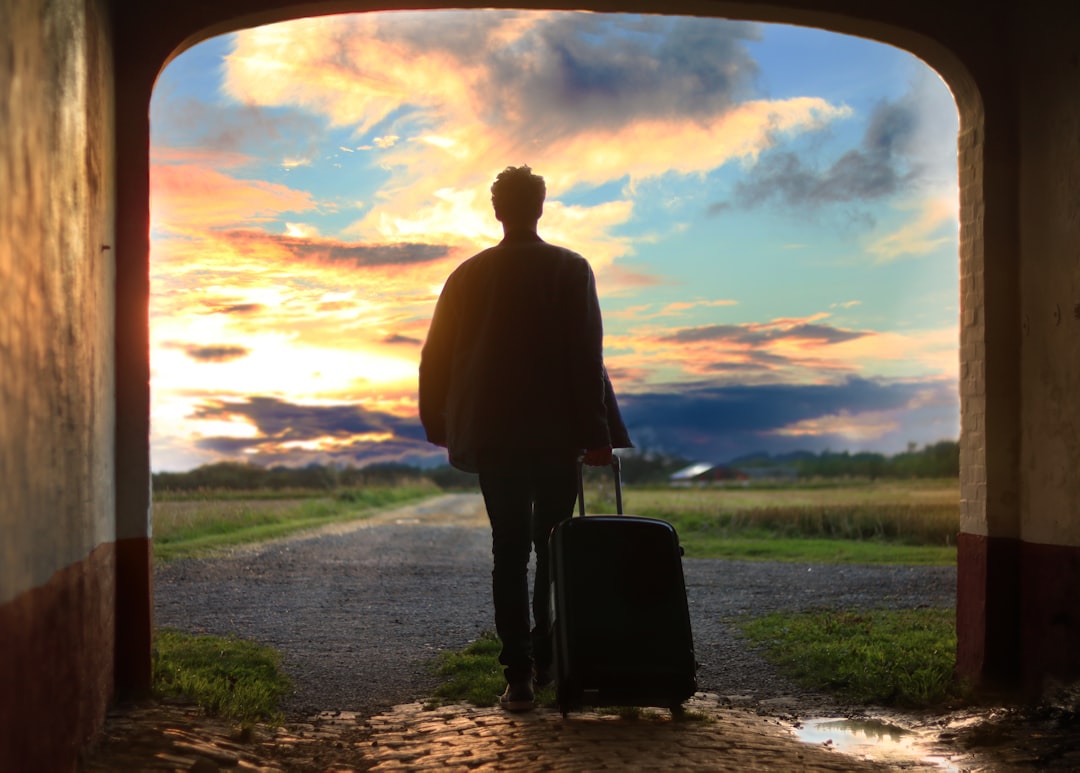
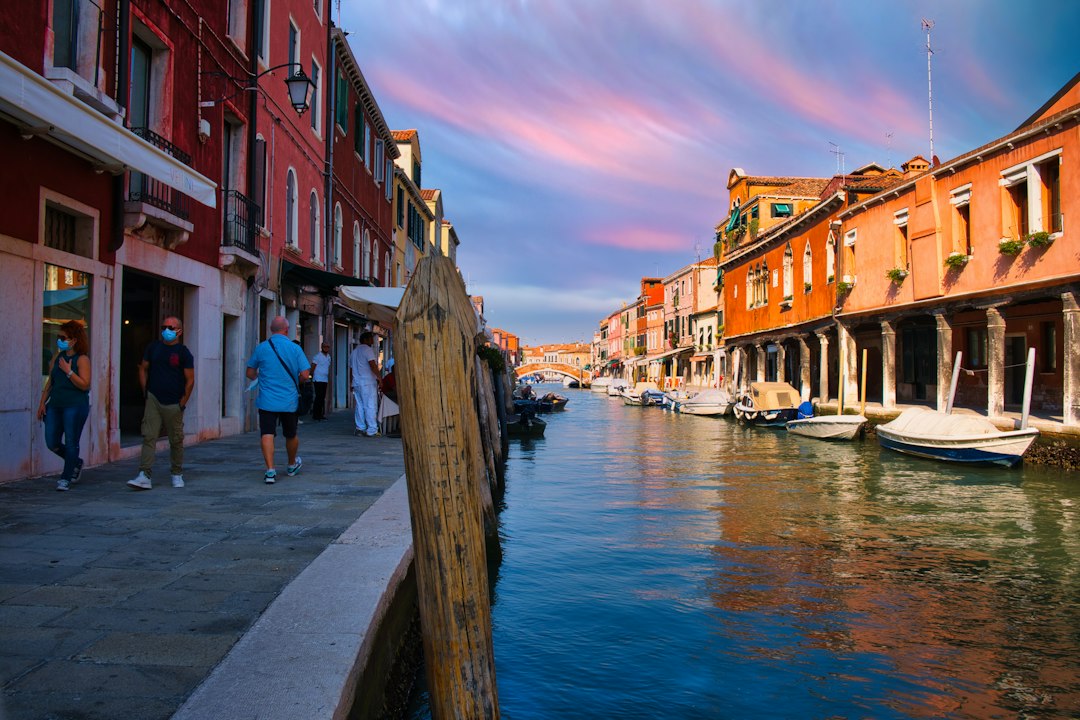
Photo by Mantas Hesthaven on Unsplash
A good solo trip does not feel like a constant risk assessment. It feels smooth. Your hotel is on a lit street. The metro line from the airport is direct. The café where you eat breakfast has a counter seat by the window. You know which route back to your room stays busy after dark, and you are not depending on one bank card, one charger, one plan, or one stranger's advice. That is the real engine behind traveling alone safely: removing the tiny points where stress snowballs.
This matters because solo travel sharpens everything. The smell of espresso drifting out of a narrow street bar in Porto, the metallic rush of a train gliding into a spotless Tokyo platform, the damp orchid air under Singapore's Supertrees after sunset — all of it lands more vividly when you are by yourself. But so do mistakes. A dead battery, a late-night arrival, a hotel in the wrong district, or three drinks too many can turn a beautiful evening into a messy one fast.
If you want solo travel tips that actually work, think in systems, not heroics. The goal is not to become fearless. The goal is to make good choices so automatic that you have more room to notice the fun parts.
- Choose places where transport is clear, cashless payment is common, and streets stay active into the evening.
- Arrive in daylight when possible, especially for your first 48 hours in a new country.
- Book your first accommodation for convenience, not romance. Charm is useless when you are dragging luggage uphill on cobblestones at 10 p.m.
- Keep one card on you, one in your room, and a small emergency cash reserve hidden separately.
- Build a default evening rule: if you would hesitate to walk it at home, do not walk it abroad just because the map says it is short.
- Decide before the trip how often you will check in with someone at home.
- Save addresses offline in the local language or as map pins, not just as booking screenshots.
Solo travel tips before you book anything
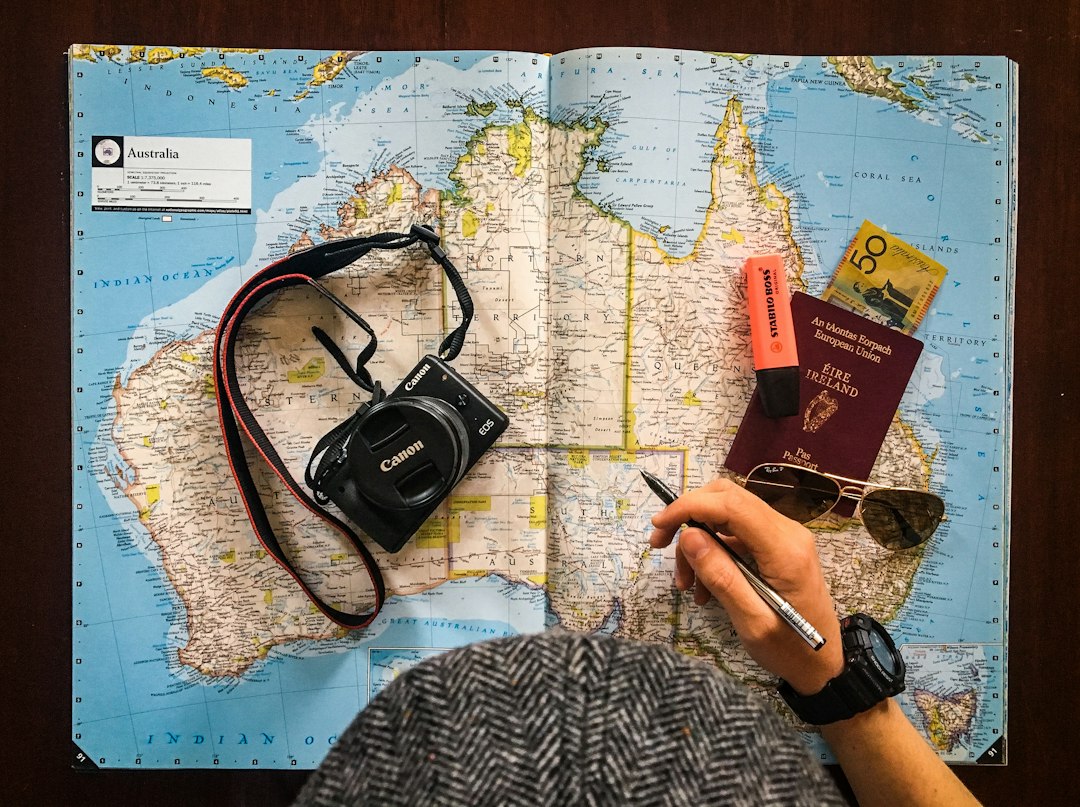
Photo by Mantas Hesthaven on Unsplash
The smartest solo travelers start long before the flight. When you are traveling with friends, a weak neighborhood choice or awkward connection can be absorbed by the group. When you travel alone, the same mistake has more weight. That is why some of the best places to travel alone are not necessarily the most famous or the cheapest, but the ones where transport, street culture, and accommodation logistics all feel forgiving.
Think about your first trip like a pilot thinks about runway length. Give yourself margin. A city with a major airport train, reliable card payments, clear signage, and plenty of central hotels takes an enormous amount of pressure off. It also lets you spend your energy on the good stuff: wandering through a market, joining a museum tour, getting lost on purpose for an hour rather than by accident for three.
For travelers who want a smooth first solo run, these are some of the best places to travel alone right now because they are legible, well connected, and kind to people moving at their own pace.
| City | Why it works for safe solo travel | Airport code | Typical budget bed | Mid-range room | Best months |
|---|---|---|---|---|---|
| Tokyo, Japan | Exceptionally reliable transport, solo dining is normal, low petty crime | HND, NRT | ¥4,500-¥7,500 | ¥16,000-¥24,000 | Mar-May, Oct-Nov |
| Porto, Portugal | Walkable center, friendly pace, easy airport metro, social hostels | OPO | €28-€40 | €120-€180 | Apr-Jun, Sep-Oct |
| Singapore | Excellent signage, safe late evenings, easy airport transfer, English widely used | SIN | S$60-S$90 | S$160-S$240 | Feb-Apr, Jul-Sep |
| Taipei, Taiwan | Great food scene, efficient MRT, strong convenience store culture | TPE | NT$700-NT$1,100 | NT$2,800-NT$4,500 | Oct-Dec, Mar-Apr |
| Copenhagen, Denmark | Clear bike and metro systems, calm urban rhythm, easy card payment | CPH | DKK 250-450 | DKK 1,100-1,800 | May-Sep |
| Melbourne, Australia | Strong café culture, good tram network, lots of solo-friendly neighborhoods | MEL | A$45-A$70 | A$170-A$260 | Mar-May, Oct-Nov |
When you are booking, zoom closer than country-level safety. A city can be easy while one district is noisy, isolated, or awkward after dark. Read recent reviews looking for the words central, quiet, secure, female dorm, keycard, 24-hour desk, and close to metro. Ignore the dreamy roof terrace for a moment. Ask whether you would want to roll in tired and alone.
Use this booking filter checklist before you hit pay:
- Is the accommodation within a 10-minute walk of a train, metro, airport bus, or busy taxi stand?
- Can you arrive without changing transport more than once?
- Are there recent reviews from solo travelers, not only couples or families?
- Is there food nearby after 9 p.m., so a delayed arrival does not become a bad decision?
- Does the property offer lockers, keycard access, and a staffed front desk or reliable self-check-in?
- Can you cancel or modify at least the first booking if your plans change?
- Will you have mobile data on arrival, or do you need an airport SIM or eSIM ready in advance?
Safe solo travel starts with a boring first day
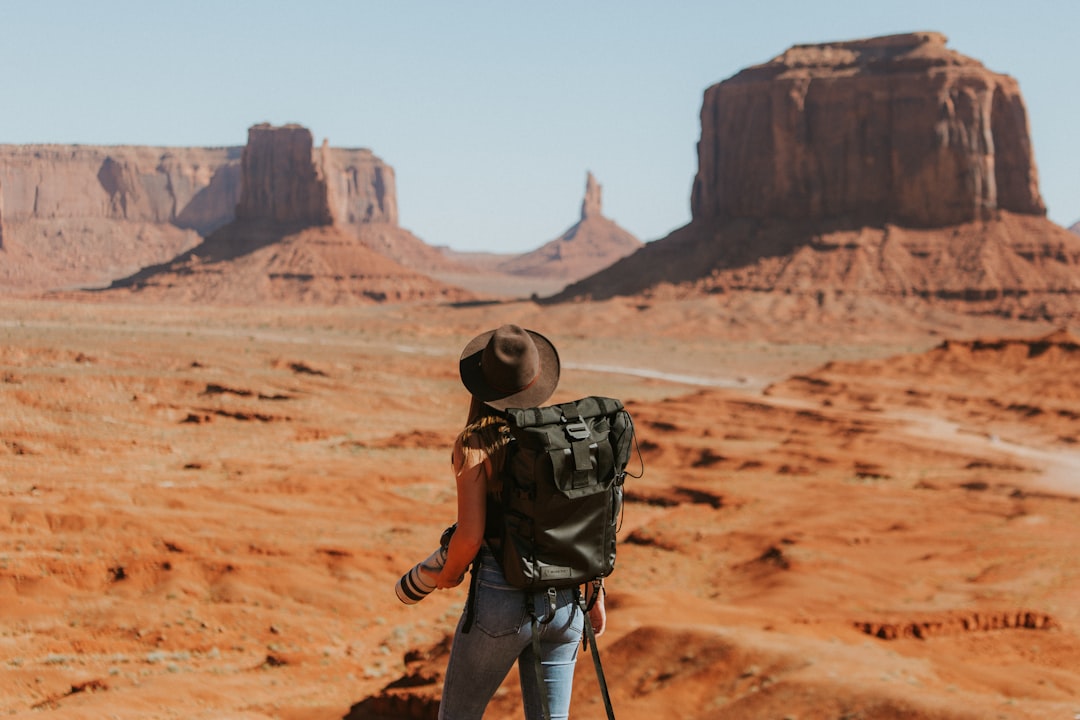
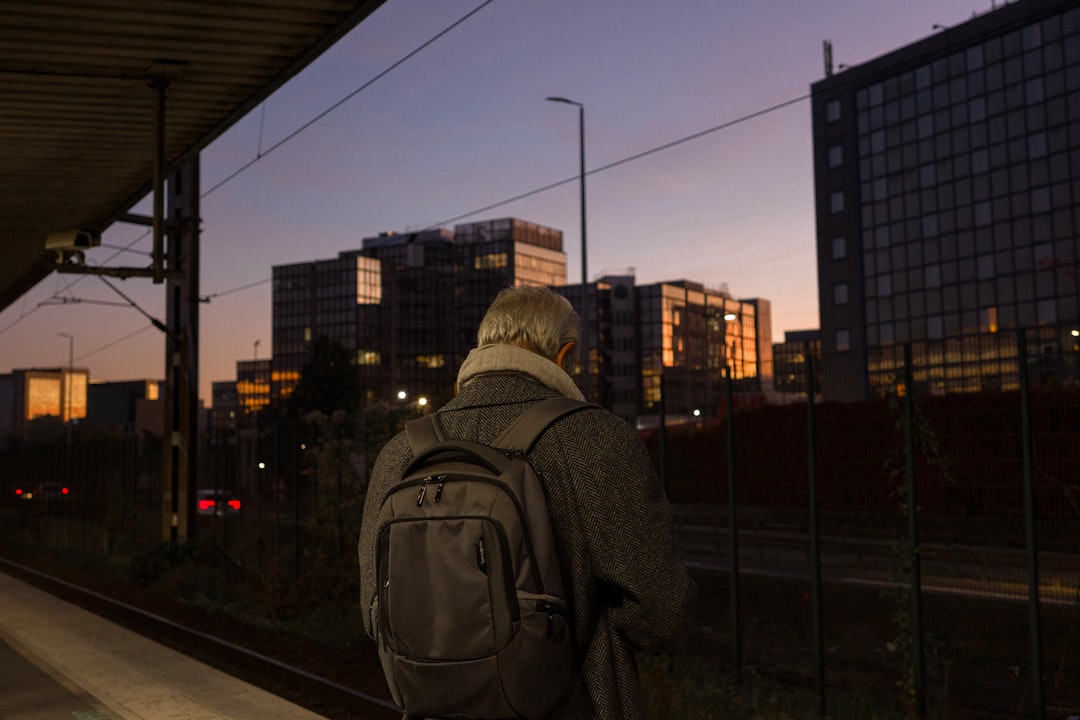
Photo by Ivana Cajina on Unsplash
There is a strange kind of glamour attached to doing too much on day one. You land, drop your bags, and immediately try to force a memory out of jet lag. Sometimes that works. More often, it is when phones vanish from café tables, wallets get left in bathroom stalls, and people end up following the wrong transit signs because they are too tired to slow down. One of the best solo travel tips I know is this: make your first day intentionally dull.
A boring first day is a luxury. It lets the city come into focus gradually. You notice the smell of rain on stone near your hotel, the sound the crossing signals make, the exact corner where the pharmacy sits, and the color of the tram you need tomorrow morning. In practical terms, it is the day that makes traveling alone safely easier for the rest of the week.
Your first-day script can be simple:
- Arrive, check in, and ask the front desk or host to circle the nearest pharmacy, ATM, supermarket, and late-night food option.
- Walk the three-block safety loop around your accommodation before sunset so you know the route by feel, not only by map.
- Buy water, snacks, and anything small that prevents a late-night errand.
- Test your transit card or payment method once on an easy route.
- Eat somewhere low-pressure: a food hall, market counter, ramen bar, or casual bistro with solo seating.
- Set an alarm for a check-in text to someone at home.
- Charge everything before sleeping, including a power bank.
If you are the kind of traveler who gets restless, make the evening pretty rather than ambitious. Walk to a viewpoint, sit by a river, or watch the city shift from workday light to dinner light. You still get the atmosphere without the scramble.
Money, phones, and documents: the quiet systems behind safe solo travel
Nothing makes a traveler feel more alone than suddenly losing access to money or a phone. The emotional part is immediate: the hot pulse in your throat, the instinct to pat every pocket again and again, the awful replay of the last hour. But the practical part is what matters most. Safe solo travel depends on building backup into the boring essentials before you need it.
I like a three-layer setup. One active wallet for the day. One backup card stored in the room or locked bag. One small emergency reserve that stays untouched unless everything else fails. The same principle applies to identity documents. Carry what you need, secure what you do not, and keep copies somewhere you can reach from any device. If you prefer having your transport times, booking details, and address list in one place, I find it useful to organize them before departure in TravelDeck, then save offline backups separately.
For traveling alone safely, these are the systems worth setting up before wheels up:
- Carry at least two cards from different networks, ideally Visa and Mastercard.
- Keep emergency cash in a hidden pouch or inside a rarely used section of your bag. The equivalent of US$50 to US$100 is usually enough to solve a bad evening.
- Save passport, visa, insurance, and accommodation details in cloud storage and as encrypted files on your phone.
- Turn on device tracking and remote wipe for your phone and laptop.
- Use a screen lock that works quickly under stress, such as fingerprint or face ID plus a known PIN.
- Avoid public charging ports unless you use your own power block or a data-blocking adapter.
- Set your bank apps to push transaction alerts so you spot suspicious charges early.
- Photograph the front of your accommodation, or save the entrance on your map, in case you return tired and the street looks different at night.
A small habit that helps people travel alone safely: do a pocket check every time you stand up. Phone, wallet, room key. Not because disaster is always around the corner, but because routine beats panic.
Solo travel tips for nights out, transit, and meeting people
One reason solo travel feels so alive is that you are more permeable to the world. People talk to you more. You accept last-minute invitations. You sit at bars, market counters, and shared tables where conversation starts with a simple question about the menu. Some of the best nights on the road begin exactly there. So do some of the worst decisions.
The trick is not to close yourself off. It is to build a personal operating system for evenings, rides, and spontaneous plans. If you already know your rules before the fun begins, you do not have to invent them while tired or tipsy. This is one of the most practical solo travel tips because it protects your mood as much as your safety.
A few rules make a huge difference for safe solo travel after dark:
- Choose your first drink venue before leaving the hotel. Wandering aimlessly while checking maps on a dark street is avoidable.
- Sit where staff can see you, especially if you are alone and carrying a day bag.
- Order and pay yourself. Do not let a new friend manage the bill or disappear with your card.
- Keep one non-negotiable route home: official taxi rank, verified rideshare, or a known metro line that is still running.
- Share live ride details when returning late.
- If the vibe changes, leave early. Discomfort is enough reason.
- For new social contacts, meet in public places first and avoid sharing your accommodation details.
- If you are joining a day trip or pub crawl, keep a screenshot of the organizer name, meeting point, and payment receipt.
Meeting people is still part of the joy. Book food tours, walking tours, cooking classes, or small-group hikes rather than depending on random luck. Counterintuitively, structure gives you more freedom. If you are building a trip around local dishes, keep the common-sense habits from Bangkok Street Food Safety Tips for 2026: Eat Boldly, Not Blindly in mind anywhere you eat from stalls or open-air markets.
Solo female travel and attention management
Most solo safety advice applies to everyone. Still, solo female travel comes with a few patterns that are worth naming plainly. Attention can feel stickier. Harmless conversation can slide into persistence. A room that looked charming in daylight can feel isolated at 11 p.m. None of this means you should move through the world afraid. It means you should choose settings that let you keep control of the encounter.
One of the most useful reframes in solo female travel is that blending in is not about shrinking yourself. It is about reducing needless friction. A crossbody bag worn forward, shoes you can actually walk in, a jacket that covers valuables, and a direct answer instead of a polite one when someone will not leave you alone — these things are not unromantic. They are practical. They keep your energy for the parts of the trip that deserve it.
Extra habits that help solo female travel feel calmer:
- Consider female-only dorms if you want the social side of hostels with less tension.
- Ask for upper floors with elevator access in hotels where street noise or window security concerns you.
- Keep a small door wedge or portable alarm if you stay in guesthouses or budget rooms with weak locks.
- Avoid saying you are traveling alone when a vague answer works better.
- Use arrival outfits that match local norms enough to avoid obvious friction in conservative areas.
- Save a ride-hailing app, a local taxi number, and the accommodation phone number before going out.
- Trust the first flicker of unease. You do not owe politeness at the cost of your comfort.
Safe solo travel is not about being unfriendly. It is about deciding that your boundaries are part of your itinerary.
How to get there
For a first or low-stress solo trip, the arrival matters almost as much as the destination. Some cities greet you with a clean rail link, bright wayfinding, and a direct line into the center. Others drop you into a swirl of taxi negotiations, patchy data, and tired choices. When people ask me how to travel alone safely, I often start with this section: choose an arrival you can execute half asleep.
The best places to travel alone usually make that easy. You land, clear immigration, follow one color-coded sign, and thirty minutes later you are standing on a central platform with enough energy left to enjoy the city. That simplicity is a safety feature. It reduces decision fatigue at exactly the moment you are most vulnerable to mistakes.
Here are four solo-friendly arrivals with real-world transfer options, costs, and timings:
| City | Main airport | Best transfer into the center | Duration | Typical cost | Why it works |
|---|---|---|---|---|---|
| Tokyo | HND or NRT | Haneda Airport Limousine Bus to Shinjuku or Narita Express to Tokyo Station/Shinjuku | 35-60 min from HND, 53-85 min from NRT | ¥1,300 from HND, about ¥3,070-¥3,250 from NRT | Clear signs, frequent departures, little street negotiation |
| Porto | OPO | Metro Line E from the airport to Trindade | 25-30 min | about €2.85 including the reusable Andante card | Cheap, direct, easy to understand |
| Singapore | SIN | MRT via Changi Airport station to City Hall or Bugis | 30-40 min | about S$2-S$3 | English signage, air-conditioned, dependable |
| Copenhagen | CPH | Metro M2 to Kongens Nytorv or train to København H | 13-15 min | about DKK 30-36 | Fast, central, card-friendly |
Useful official planning links:
If you land late, it is often worth paying more for the first transfer rather than improvising. A €28 official taxi from central Porto, a S$30 airport cab in Singapore, or a prebooked shuttle in Tokyo can be smarter than trying to save a small amount while exhausted. Traveling alone safely is not about always choosing the cheapest option; it is about choosing the option with the fewest ways to go wrong.
Where to stay
Accommodation can quietly shape your whole trip. A good solo base makes you feel capable the second you step outside. There is coffee within minutes, a pharmacy on the same block, enough street life that you do not feel marooned, and transport close enough that you can change plans without stress. That is why I always tell solo travelers to overspend slightly on location and underspend slightly on room size.
You do not need a perfect hotel. You need a reliable one. For safe solo travel, I look for 24-hour access, recent reviews from other solo travelers, good lighting on the approach street, and enough public life nearby that returning at 9 or 10 p.m. does not feel like the end of the world. The options below are examples of the kind of properties that make traveling alone safely easier.
| Budget tier | Property | Neighborhood | Typical price | Why it suits solo travelers |
|---|---|---|---|---|
| Budget | K's House Tokyo Oasis | Asakusa, Tokyo | from about ¥4,500 dorm / ¥10,000 private | Friendly common areas, easy subway access, walkable food options |
| Budget | The Passenger Hostel | São Bento, Porto | from about €30 dorm / €95 private | Inside São Bento station area, social without being chaotic |
| Budget | Dream Lodge | Lavender, Singapore | from about S$70 capsule | Quiet capsule setup, strong transit access, easy late arrival |
| Mid-range | Tokyu Stay Shinjuku | Shinjuku, Tokyo | from about ¥19,000 | Laundry in many rooms, big transport hub nearby, good for longer solo stays |
| Mid-range | PortoBay Teatro | Baixa, Porto | from about €150 | Central, polished, walkable to restaurants and riverfront |
| Mid-range | Hotel Mi Rochor | Rochor, Singapore | from about S$170 | Clean, compact, near MRT, excellent for car-free city days |
| Luxury | The Okura Tokyo | Toranomon, Tokyo | from about ¥75,000 | Impeccable service, calm base, easy taxis and metro |
| Luxury | Maison Albar Le Monumental Palace | Avenida dos Aliados, Porto | from about €320 | Grand but central, good staff support, easy walkability |
| Luxury | The Fullerton Hotel Singapore | Marina Bay | from about S$420 | Iconic location, superb security and transport links |
A few booking principles matter more than star rating:
- Stay central for the first nights, even if you move later.
- If you want social energy, pick hostels with events but not party-only reputations.
- If sleep matters most, choose business hotels near transit rather than bargain guesthouses down silent lanes.
- Read the lowest reviews, not just the highest. That is where people mention locks, noise, and sketchy streets.
Where to eat
Eating alone is one of the places where people feel self-conscious before a trip and liberated during it. The first solo meal can feel loud in your head: where to put the bag, what to do with your hands, whether anyone notices you are alone. Then a bowl of noodles arrives, or a plate of grilled pork and rice, or a flaky pastry with hot coffee, and the whole thing becomes wonderfully normal. In many cities, solo dining is not a compromise at all. It is the fastest way to slip into local rhythm.
Food is also where safety and pleasure meet. Bright stalls with turnover, counter service, daytime markets, and restaurants with visible kitchens make life easier when you are adjusting to a new place. If you are still training yourself to travel alone safely, choose spots where ordering is simple and the route home is easy.
A few reliable, solo-friendly places and food zones:
- Tokyo, Shibuya and Asakusa: Ichiran Shibuya is built for solo ramen eating, with individual booths and fast service; a standard bowl runs around ¥1,000-¥1,500. Uobei in Shibuya Dogenzaka is great for a quick sushi belt meal around ¥1,200-¥2,000. In Asakusa, small soba and tempura counters around Kaminarimon are ideal for low-pressure lunches.
- Porto, Bolhão and Ribeira: Mercado do Bolhão is excellent for daytime grazing — cheeses, tinned fish, pastries, coffee, and casual plates from roughly €4 to €15. Casa Guedes near Praça dos Poveiros is famous for roast pork sandwiches, usually around €6-€9. Gazela serves beloved cachorrinhos, Porto's crisp little hot dogs, for about €5-€8.
- Singapore, Maxwell and Tiong Bahru: Maxwell Food Centre is one of the easiest places in Asia to eat solo; expect chicken rice, noodle soups, and sugarcane juice in the S$4-S$10 range. Tiong Bahru Market adds a more neighborhood feel with breakfast-friendly stalls. Song Fa Bak Kut Teh is a comfortable chain choice when you want something dependable and quick.
The safest eating strategy is usually simple: go where there is steady turnover, visible cleaning, and enough people around that you are not isolated. Sit at counters, market bars, and communal tables. They are social without requiring you to perform socially.
Things to do
Solo travelers do not need constant activity, but they do need good activity. The best outings when you are alone have three qualities: they are easy to reach, easy to leave, and satisfying even if nobody talks to you. That usually means morning walks, museum time slots, food markets, riverfront paths, ferry rides, and small-group tours where you can dip in and out of conversation.
There is a distinct pleasure in doing these things alone. You hear more. You notice more. You can stop at a viewpoint because the light has turned silver on the water, or duck into a side street because grilled chestnuts or soy broth smells too good to ignore. These are the kinds of experiences that make safe solo travel feel expansive rather than cautious.
Try a mix like this:
- Asakusa morning walk, Tokyo – Start at Kaminarimon Gate, walk through Nakamise-dori before the heavy crowds, then continue toward the Sumida River. It is atmospheric, busy enough to feel comfortable, and especially good around 7:30 to 9:00 a.m. Temple grounds are free.
- teamLab Planets TOKYO, Toyosu – Timed entry, strong staff presence, easy transit, and a fully absorbing solo experience. Tickets usually start around ¥3,800-¥4,200 depending on date.
- Douro riverfront stroll, Porto – Walk from São Bento down through Ribeira, then cross or view the Dom Luís I Bridge. Golden hour is gorgeous, but go before late-night drinking crowds if you want a calmer feel. Free unless you add a river cruise, which typically starts around €15-€20.
- Mercado do Bolhão snack circuit, Porto – Not just a meal stop. It is a low-stakes way to hear local speech rhythms, taste regional products, and build confidence navigating the city. Budget about €10-€20 if you graze lightly.
- Gardens by the Bay, Singapore – The outdoor gardens are mostly free; the OCBC Skyway and conservatories add ticketed options. It is one of the best solo evening walks in the world because it is stunning, orderly, and easy to exit.
- East Coast Park cycle ride, Singapore – Rent a bike for roughly S$8-S$15 per hour and follow the coastal path. It is active, open, and a great reset after dense city days.
- National Museum of Singapore or Tokyo National Museum – Museums are underrated for people trying to travel alone safely because they offer structure, bathrooms, security, and calm. Tickets vary, but both are affordable by big-city standards.
When you are planning days, alternate one anchor activity with one flexible wander. That balance keeps you from overcommitting and makes room for the discoveries that solo travel does best.
Practical tips
A trip feels safer when your practical details stop asking for attention. You know what the weather will do to your energy, whether the city is cash-heavy or card-heavy, what kind of shoes the streets demand, and how easy it will be to get connected on arrival. Those details are not glamorous, but they shape how the whole journey lands in your body.
Think of practical planning as comfort engineering. Warm pavement and humidity change how far you want to walk with a pack. Cobbles punish flimsy luggage wheels. Winter darkness changes when a neighborhood feels lively. This is the texture of how to travel alone safely in the real world.
Here is a simple planning snapshot for three easy solo bases:
| City | Best months | Typical weather | Currency | Connectivity | Notes |
|---|---|---|---|---|---|
| Tokyo | Mar-May, Oct-Nov | Spring mild with blossoms; autumn crisp and clear | JPY | Excellent eSIM and public Wi-Fi backup | Pack layers and comfortable shoes for station stairs |
| Porto | Apr-Jun, Sep-Oct | Mild, breezy, occasional rain, bright evenings | EUR | Easy local SIMs and strong café Wi-Fi | Cobblestones and hills make small backpacks better than heavy rollers |
| Singapore | Feb-Apr, Jul-Sep | Hot, humid, sudden rain | SGD | Outstanding mobile coverage and eSIM support | Light clothing, umbrella, and hydration matter more than fashion |
A few practical tips that consistently help people travel alone safely:
- Check official advisories before departure at travel.state.gov or your government's equivalent.
- Review vaccination and health advice through NHS Fit for Travel or a local travel clinic if your route is long or multi-country.
- Buy enough mobile data to avoid hunting for Wi-Fi outside stations or at night.
- Keep your day bag light. The more overloaded you are, the easier it is to misplace things.
- Carry a tiny pharmacy kit: blister care, pain relief, rehydration salts, antihistamines, and any prescriptions with copies.
- Pack one layer that makes chilly transport easy, even in warm countries. Airports, trains, and buses can be aggressively air-conditioned.
- If you are packing light, Carry On Packing Tips for Beach, City, Work, and Winter Trips is a smart way to avoid overloading your first day.
And one more quiet rule: do not schedule yourself into exhaustion. Tired travelers make expensive, sloppy, lonely decisions. Rest is part of traveling alone safely.
FAQ
The most common solo travel questions are rarely about grand danger. They are about ordinary uncertainty: where to sleep, how to meet people, what to do with a passport, whether renting a car is freedom or stress. Those are exactly the right questions because the small logistics shape everything.
If you want safe solo travel that still feels adventurous, think of these answers as defaults you can adjust by destination.
Is traveling alone safely in 2026 realistic for first-time travelers?
Yes. For most first-time solo travelers, the key is not choosing the most exotic itinerary. It is choosing a forgiving one: direct flights, daylight arrivals, central accommodation, and a city with strong public transport. Traveling alone safely becomes much easier when your first trip is built around ease rather than bragging rights.
What are the best places to travel alone if I care most about safety and ease?
Tokyo, Singapore, Porto, Taipei, Copenhagen, and Melbourne are all strong picks because they combine clear transport, reliable payment systems, and neighborhoods where solo dining and walking are normal. The best places to travel alone are usually the ones that reduce friction, not just the ones that trend on social media.
How do I meet people without taking unnecessary risks?
Use structured spaces: walking tours, cooking classes, small-group day trips, hostel common areas with staff nearby, and food experiences. Meet in public first, control your own transport home, and keep your accommodation details private. That balance lets you enjoy solo travel tips in practice, not just in theory.
Where should I keep my passport when I travel alone?
In many destinations, the safest move is to lock the passport in your accommodation and carry a photocopy or digital copy plus another form of ID, unless local law requires the original. Check local rules before you go. What matters is that you always know exactly where it is and never move it casually between bags.
Should I rent a car on a solo trip?
Only if the destination truly rewards it. In Iceland, New Zealand, or rural Portugal, a car can add flexibility. In Tokyo, Singapore, or Copenhagen, public transport is often easier, cheaper, and less stressful. When you are still learning how to travel alone safely, trains and metros usually free up more mental space than driving.
Traveling alone changes how a place enters you. You hear your own footsteps on station tiles, taste dinner with more attention, and notice when a street shifts from lively to empty. Done well, solo travel does not make the world feel more dangerous. It makes you more awake to it. That is why the best safety advice is rarely dramatic. It is the calm, repeatable stuff: the right neighborhood, the backup card, the simple route home, the boring first day, the confidence to leave early, and the freedom to stay longer when a place feels right.