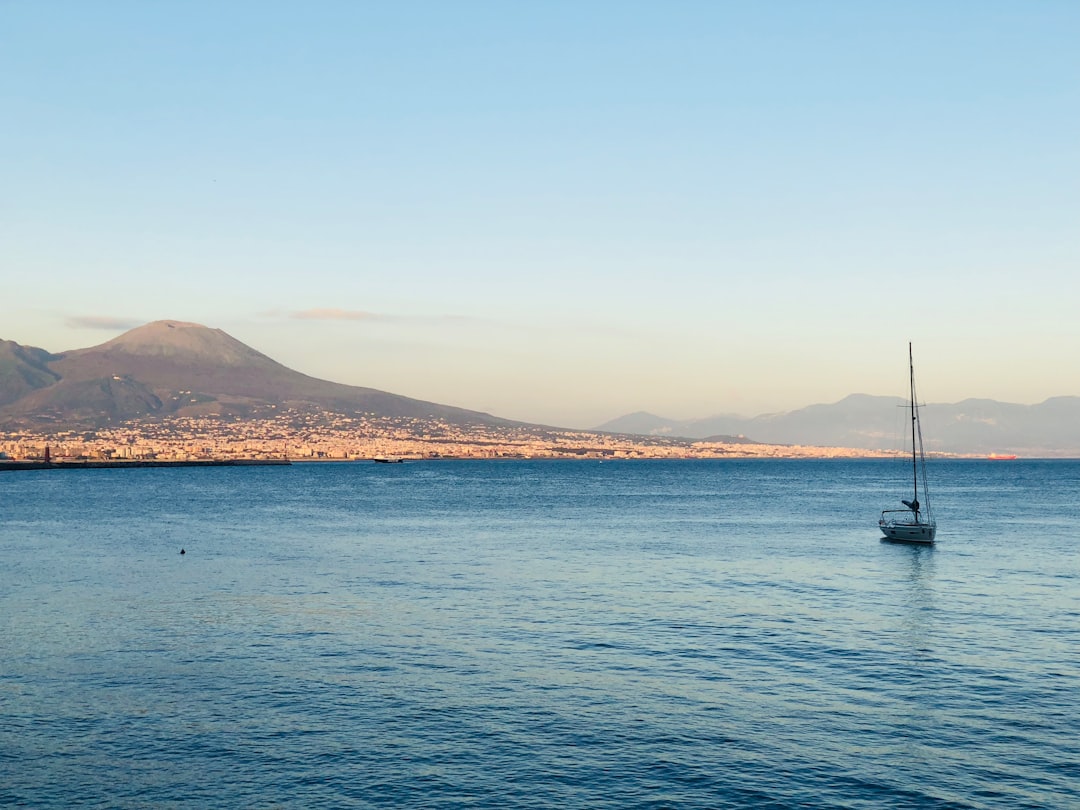
Naples can give you a Roman city frozen in ash, the birthplace of pizza, and one of Italy’s best urban sunsets in the same trip. That is why a well-planned 3 days in Naples itinerary works so well: the city is dense, dramatic, and surprisingly easy to overstuff if you do not group sights by neighborhood.
For most first-timers, one day in Naples is a teaser and two days still feels rushed. Three full days is the sweet spot. You get the historic center, the museum-and-viewpoint day, and one essential excursion without turning every meal into a race. If you like plotting exact stops before you go, TravelDeck is useful for laying out this route stop by stop.
Naples is not polished in the way Florence is polished. It is louder, grittier, more layered, and often more memorable. Unlike the village-hopping rhythm of 3 Days in Cinque Terre: The Ultimate 2026 Itinerary, Naples rewards a different kind of planning: cluster the old center on foot, save the hilltop views for one afternoon, and leave the city once for Pompeii.
How many days in Naples do you really need?
Anita Chambost
If you are asking how many days in Naples is enough, the practical answer is three. This 3 days in Naples itinerary gives you the city’s strongest mix of food, history, and atmosphere without forcing you to choose between old-town churches and the big archaeological day trip.
With only one day, you would mostly scratch the surface around the Centro Storico and the waterfront. Two days works if you want to stay entirely in the city. But if you want Naples to make sense as a place rather than a blur, three days is ideal. Four or five days is even better if you plan to add Capri, Procida, Ischia, or the Amalfi Coast.
- 1 day: Centro Storico and the waterfront highlights
- 2 days: Add MANN, Sanità, and a Vomero sunset
- 3 days: The best first-trip balance, including Pompeii
- 4 to 5 days: Add an island or coastal day trip
Day 1: Centro Storico, hidden chapels and street life
This 3 days in Naples itinerary starts where the city feels oldest and most intense. The historic center is a tangle of churches, shrines, laundry lines, pastry counters, scooters, and stone streets that still follow the ancient Greek grid. Start early, before the lanes on Via dei Tribunali and Spaccanapoli reach full volume.
The joy of this first day is that almost everything is walkable. You will move from underground tunnels to Baroque sculpture to quiet cloisters without ever leaving the old center. It feels chaotic at street level, but the route is logical if you take it one district at a time.
Morning
Start with coffee and pastry, then go underground before the biggest crowds arrive. Napoli Sotterranea and the cathedral area sit close together, so you avoid wasting time crisscrossing the quarter.
- 08:30 Breakfast at Scaturchio, Piazza San Domenico Maggiore, Centro Storico. Order a sfogliatella or babà and an espresso. Budget about €4 to €8.
- 09:15 Walk 8 minutes to Napoli Sotterranea, Piazza San Gaetano 68, Centro Storico. Guided visit takes about 1 hour. Tickets are usually about €15. Official info: Napoli Sotterranea.
- 10:30 Stroll Via San Gregorio Armeno for nativity workshops, then continue to Duomo di Napoli, Via Duomo 147. Allow 45 to 60 minutes. Main church access is free; treasury or museum areas may cost extra.
- 11:30 Optional quick stop at Pio Monte della Misericordia, Via dei Tribunali 253, to see Caravaggio’s Seven Works of Mercy. Around €10 and about 30 minutes.
Afternoon
After a morning in stone corridors and sacred interiors, the afternoon shifts to Naples at its most theatrical. You will see one of Italy’s most famous sculptures, then trade dark chapel walls for the sunlit ceramic cloister of Santa Chiara.
Book the Sansevero slot before lunch if you can. It is small, timed, and one of the hardest tickets to snag in the city during spring, summer, and holiday weekends.
- 12:30 Lunch at Di Matteo, Via dei Tribunali 94, Centro Storico. Pizza or fried street food usually costs €6 to €12.
- 14:00 Cappella Sansevero, Via Francesco De Sanctis 19/21. See the Veiled Christ. Visit takes 30 to 45 minutes. Ticket usually about €10 to €12.
- 15:00 Walk to Chiostro di Santa Chiara, Via Santa Chiara 49/c. Allow 45 minutes. Entry is usually about €7.
- 16:00 Pause in Piazza del Gesù Nuovo for coffee or granita. Budget €2 to €6.
Evening
By early evening, the old center softens. Shops stay open, scooters still buzz through the lanes, but the light turns warmer and the bars around Piazza Bellini start to fill. This is the moment to stop sightseeing and just let Naples sound like Naples.
- 18:00 Slow walk along Spaccanapoli toward Piazza Bellini, with detours into side alleys if something catches your eye.
- 19:30 Aperitivo around Piazza Bellini. Expect €6 to €10 for a spritz or local wine.
- 20:30 Dinner at Tandem Ragù, Via Paladino 51, Centro Storico, for ragù napoletano or pasta alla genovese. Budget about €18 to €30 per person.
- Insider tip: book Cappella Sansevero at least several days ahead, and aim for the first half of the afternoon. That keeps the walking route smooth and avoids backtracking.
Day 2: MANN, Sanità and a Vomero sunset
Day two shows why Naples is more than pizza and postcard views. In a single day, you can move from the polished galleries of the National Archaeological Museum to the raw energy of Sanità, then finish above the rooftops in Vomero with the bay glowing under Vesuvius.
This is the most layered day in the 3 days in Naples itinerary because it reveals three different versions of the city. The museum gives context to Pompeii before you visit it. Sanità adds texture and local character. Vomero gives you the panorama that makes the geography finally click.
Morning
Begin at the National Archaeological Museum, known locally as MANN. If Pompeii is the body, this museum is the memory: mosaics, frescoes, statues, and household objects that turn the ruins into a lived world.
- 08:45 National Archaeological Museum of Naples, Piazza Museo 19, Avvocata. Allow 2 to 2.5 hours. Tickets are usually about €18 to €22. Official info: MANN.
- 11:30 Coffee break near Piazza Cavour or Piazza Museo. Budget €2 to €5.
- 11:50 Short walk through the edge of the old center or down Via Pessina before heading toward Materdei and Sanità.
Afternoon
Sanità feels distinctly local: narrower, louder, less formal, and deeply tied to Neapolitan identity. You come here for one of the city’s most memorable underground sites, but also for the atmosphere between stops: bakeries, balconies, shrines, fruit stalls, and old palaces in varying states of grandeur.
Lunch first, because the catacombs are better when you are not rushing or hungry. Then keep the route compact: Materdei, Catacombs of San Gennaro, and a short neighborhood walk.
- 12:30 Lunch at Pizzeria Starita, Via Materdei 27/28, Materdei. Expect €8 to €15.
- 14:00 Catacombs of San Gennaro, Via Capodimonte 13, Rione Sanità. Guided visit lasts about 1 hour. Tickets are usually €13 to €15.
- 15:20 Walk down Via dei Vergini to see Palazzo dello Spagnolo from the outside. Free and worth 15 to 20 minutes for photos.
- 15:45 Grab a fiocco di neve pastry at Poppella, Via Arena della Sanità 29. Budget €2 to €4.
Evening
Late afternoon belongs to the hill. Vomero is where Naples suddenly feels airy and ordered after the dense center below. The climb is easy by funicular, and the payoff is one of the best city views in Italy.
Try to reach Certosa di San Martino before the last entry window, then keep Castel Sant’Elmo for golden hour. Sunset here is less about the fortress itself than the view: domes, laundry-draped lanes, the bay, and Vesuvius holding the horizon in place.
- 16:30 Taxi or public transport to Certosa di San Martino, Largo San Martino 5, Vomero. Allow 45 to 60 minutes. Ticket is usually about €6.
- 17:30 Castel Sant’Elmo, Via Tito Angelini 20/A, Vomero. Allow 45 minutes to 1 hour. Entry is usually about €6.
- 19:00 Funicular down toward Montesanto or Toledo. Transit ticket about €1.50 to €1.80, or use a day pass.
- 20:15 Dinner in Quartieri Spagnoli at Trattoria da Nennella or a nearby trattoria. Expect about €20 to €35 per person.
- Insider tip: if the weather looks hazy, swap the order and go to Vomero first on the clearest part of the afternoon. The view matters more than the exact sequence.
Day 3: Pompeii in the morning, seafront Naples at night
The third day leaves Naples early, but it still ends in the city where it should: by the water. Pompeii is the most important excursion from Naples because it deepens everything you saw on day two at MANN. Frescoes, domestic spaces, bathhouses, bakeries, temples, and streets suddenly shift from museum fragments to a whole urban world.
This is also why the 3 days in Naples itinerary works so well. You spend two days understanding Naples itself, then one morning stepping outside it, and you come back ready for the city’s grander waterfront face around Piazza del Plebiscito, the Royal Palace, and Castel dell’Ovo.
Morning
Leave early for Pompeii to beat the hottest part of the day and the thickest tour-bus traffic. Wear grippy shoes, carry water, and focus on a tight core route instead of trying to conquer the entire site.
- 07:45 Circumvesuviana train from Napoli Porta Nolana or Napoli Garibaldi to Pompei Scavi - Villa dei Misteri. Ride takes about 35 to 40 minutes. Tickets are usually €3 to €4 each way.
- 08:30 Enter Pompeii Archaeological Park via Porta Marina. Allow 3.5 to 4 hours. Tickets are usually about €18 to €22. Official info: Pompeii Archaeological Park.
- Suggested route inside Pompeii: Forum, Basilica, Temple of Apollo, House of the Faun, Teatro Grande, Stabian Baths, bakery remains, and Villa dei Misteri if energy allows.
- 12:45 Quick lunch near the station before returning to Naples. Budget €8 to €15.
Afternoon
Back in Naples, trade stone ruins for ceremony and open space. Piazza del Plebiscito feels almost shocking after the compressed lanes of the old center: broad, elegant, and framed by royal architecture. This is the Naples of Bourbon power rather than medieval density.
Keep the afternoon gentle. After Pompeii, you do not need another marathon. A few big landmarks, a coffee, and a waterfront walk are enough.
- 14:00 Train back to Naples.
- 15:00 Piazza del Plebiscito, San Ferdinando. Explore the square and Basilica Reale Pontificia San Francesco di Paola from the outside. Free.
- 15:30 Royal Palace of Naples, Piazza del Plebiscito 1. Allow 60 to 75 minutes. Entry is usually about €15.
- 16:50 Walk through Galleria Umberto I and view Teatro di San Carlo from outside. Free.
Evening
Your final evening should be all sea air and long light. From Castel Nuovo, the route opens onto Santa Lucia and Via Partenope, where Naples finally relaxes into its bay. Joggers pass, ferries move offshore, and Vesuvius darkens slowly beyond the water.
This is the best part of the city to leave unscheduled. Walk, sit, look back at the skyline, and give yourself time for one unhurried dinner.
- 18:00 Castel Nuovo, Piazza Municipio. Exterior is free; if timing works and you want the interior, entry is usually around €6.
- 18:40 Walk along Via Partenope to Castel dell’Ovo and Borgo Marinari. Castel access is generally free when open.
- 20:00 Dinner in Borgo Marinari or along Via Partenope. Seafood mains often run €18 to €30; full dinner with wine can be €25 to €45 per person.
- Insider tip: board the Circumvesuviana at Porta Nolana instead of Garibaldi if you want a better chance of getting a seat for the ride to Pompeii.
Best time to visit Naples for a 3-day itinerary
If you can choose any month for this 3 days in Naples itinerary, aim for late March to early June or late September to early November. You get pleasant walking weather, better light, and lower stress than the hottest summer weeks. Naples is a city you experience on foot, and heat matters more here than many travelers expect.
July and August bring long daylight and lively waterfront nights, but also heavier crowds, hotter pavements, and a more tiring Pompeii day. Winter can be good value, especially for museum lovers, though shorter days make the waterfront and hilltop sunset less dramatic.
| Period | Weather | Crowd level | Why it works |
|---|---|---|---|
| March to May | Mild, 16 to 24°C | Moderate | Best overall balance for walking and museums |
| June | Warm, 24 to 30°C | High | Great energy, but book major sights early |
| July to August | Hot, 29 to 34°C | Very high | Best for long evenings, hardest for Pompeii |
| September to October | Warm, 20 to 28°C | Moderate to high | Excellent light, sea views, and comfortable walking |
| November to February | Cool, 8 to 16°C | Lower | Better prices and easier ticket availability |
Estimated budget per person
For this 3 days in Naples itinerary, Naples is usually cheaper than Rome, Venice, or Florence, but costs rise quickly if you stay on the seafront or eat every meal in the most famous pizza spots. The table below assumes a 3-night stay, paid entries, the Pompeii day trip, local transport, and a realistic food budget. Flights are not included.
| Style | Per day | 3-day total |
|---|---|---|
| Budget | €90 to €140 | €270 to €420 |
| Mid-range | €170 to €260 | €510 to €780 |
| Comfort-luxury | €300 to €500 | €900 to €1,500 |
The budget line works if you stay in a simple room, walk a lot, and mix bakery lunches with one sit-down dinner. Mid-range is the sweet spot for most couples or friends. Luxury starts to climb in Chiaia and Santa Lucia, especially in peak season.
Where to stay in Naples
Choosing the right base matters almost as much as the sightseeing plan. For this 3 days in Naples itinerary, the best areas are the ones that reduce friction: easy walking at night, a straightforward route to Line 1 or the station, and enough restaurants nearby that you do not have to overthink dinner.
- Centro Storico: Best for atmosphere and first-time energy. You are close to day one sights and lots of food. Expect roughly €90 to €180 for budget to mid-range rooms.
- Toledo and the edge of Quartieri Spagnoli: Best for transport, nightlife, and access to Line 1. A practical middle ground for all three days. Expect around €110 to €220.
- Chiaia or Santa Lucia: Best for a quieter, more elegant stay near the seafront. Ideal if you want calm evenings and nicer hotels. Expect around €160 to €350 and up.
If you are arriving late or leaving very early, the station area can save time, but it is less charming than the neighborhoods above. If your trip continues north afterward, compare the pace of Naples with the alpine rhythm in 5 Days in the Dolomites Itinerary 2026: Best Day-by-Day Route.
How to get to Naples
Naples is one of the easiest cities in southern Italy to reach. High-speed trains make it a simple add-on from Rome, and the airport is close enough that you do not lose a whole day to transfers. For most travelers, train is the smoothest arrival if you are already in Italy.
- By air: Naples International Airport, NAP, is about 5 to 7 km from the center. The Alibus shuttle to Napoli Centrale or Molo Beverello usually takes 20 to 30 minutes and costs about €5. Official airport info: Naples Airport.
- By train from Rome: High-speed services from Roma Termini to Napoli Centrale usually take 1 hour 10 minutes to 1 hour 20 minutes. Typical fares range from about €18 to €60 depending on timing. Official schedules: Trenitalia.
- By train from Florence: Usually about 2 hours 50 minutes to 3 hours.
- By bus from Rome: Often 2 hours 40 minutes to 3 hours 30 minutes, usually €8 to €20 if booked early.
- By ferry: Seasonal and year-round services connect Naples with Capri, Ischia, Procida, and some coastal points via Molo Beverello or Calata Porta di Massa.
How to get around Naples
Naples is a city of strategic walking. The old center is best on foot, the museum and hilltop day works best with metro or taxi, and the funicular is part transport, part viewpoint. Do not rent a car for this itinerary unless Naples is only a brief stop on a longer road trip.
Use this 3 days in Naples itinerary as a set of walking zones rather than a citywide checklist. That is what keeps it comfortable.
- Walk: Best for Centro Storico, Spaccanapoli, Piazza del Plebiscito, Chiaia seafront, and evening wandering.
- Metro Line 1: Useful for Museo, Toledo, Vanvitelli, and connections across the city.
- Funiculars: The easiest way to reach Vomero.
- Taxis: Worth using when you are tired after Pompeii or heading to Sanità and Capodimonte on a tight schedule.
- Tickets: Single rides are usually around €1.50 to €1.80; day passes often make sense if you will mix metro and funicular. Official transit info: ANM and Unico Campania.
Things to do in Naples if you add an extra day
If you stretch the trip beyond three days, do not just add more churches. Add contrast. Naples gets richer when you pair the dense city with a palace, an island, or one more subterranean layer.
- Capodimonte Museum and park, Capodimonte
- Reggia di Caserta day trip, north of Naples
- Procida island for pastel harbors and a quieter bay atmosphere
- Mount Vesuvius crater hike, if you want a more active volcanic day
- Galleria Borbonica, Chiaia, for another underground perspective
- Mercato della Pignasecca, Montesanto, for a market-focused food morning
Where to eat in Naples
Food is not a side note here; it is part of the route. In Naples, breakfast is quick, lunch can be a folded pizza or fried pasta, and dinner is where you slow down. The smartest move is to match dishes to neighborhoods rather than chase every famous address across town.
- Pizza: Gino Sorbillo or Di Matteo on Via dei Tribunali, Centro Storico; Starita in Materdei for day two.
- Fried street food: Try a cuoppo or frittatina on Via dei Tribunali or in Quartieri Spagnoli. Usually €3 to €8.
- Ragù and genovese: Tandem Ragù, Centro Storico.
- Pastry: Scaturchio in Piazza San Domenico Maggiore and Poppella in Sanità.
- Market snacks: La Pignasecca, Montesanto, for produce, fried bites, and people-watching.
- Seafront seafood: Borgo Marinari and the Santa Lucia area on your final evening.
Practical tips for this Naples itinerary
This 3 days in Naples itinerary runs best when you book a few specific items and stay flexible elsewhere. Reserve the hard-ticket sights, but leave room for coffee stops, church detours, and the occasional unplanned bakery.
- Book ahead: Cappella Sansevero, Pompeii, and MANN in busy months.
- Pack: comfortable shoes with grip, a light layer for breezy evenings, and sun protection for Pompeii.
- Safety: Naples is busy rather than uniquely dangerous, but keep phones and wallets secure on packed streets and public transport. Solo travelers may also like Solo Travel Emergency Prep 2026: What to Set Up Before You Go.
- Money: cards are widely accepted, but small cash helps for pastries, coffee, and market snacks.
- Timing: church, museum, and underground-site hours can shift seasonally, so always recheck the official site the night before.
- Connectivity: local eSIMs and airport SIM options are easy to find, and most central cafés have usable Wi-Fi.
FAQ
Is 3 days enough for Naples?
Yes. For a first trip, three days is the strongest balance. This 3 days in Naples itinerary covers the historic center, a museum-and-viewpoint day, and Pompeii without turning the city into a checklist.
Should I choose Pompeii or the Amalfi Coast on a 3-day trip?
Choose Pompeii. The ruins are faster to reach, easier to fit into one day, and more closely tied to Naples itself. The Amalfi Coast deserves a fuller day and works better on a longer trip.
Is Naples walkable for first-time visitors?
Partly. Day one is highly walkable, and much of the waterfront is too, but you will want metro, funicular, or taxis for Vomero, Sanità, or longer cross-city jumps. Good shoes matter because the paving is uneven in places.
What is the best neighborhood to stay in Naples?
Centro Storico is best for atmosphere, Toledo for convenience, and Chiaia or Santa Lucia for a calmer, more polished stay. If this 3 days in Naples itinerary is your first visit, Toledo is often the easiest all-round base.
Is Naples expensive?
Compared with Rome, Venice, or Milan, usually not. You can eat very well for modest prices, and many top sights are affordable. Costs rise mainly with seafront hotels, taxis, and high-season travel dates.
Give Naples three full days and the city stops feeling chaotic and starts feeling legible: a place of tunnels, altars, espresso counters, sea light, and sudden views that rewards travelers who plan just enough to wander.
---